
Your dishwasher works hard, but it also needs a little TLC to keep performing at its best. Over time, grease, food particles, and soap scum can build up, leading to odors and less effective cleaning.
The good news is you already have the perfect cleaner in your pantry: vinegar. This simple, natural ingredient cuts through grime and deodorizes without harsh chemicals.
Follow these 13 fresh steps to restore your dishwasher's sparkle and efficiency. Each step is straightforward and uses items you likely have on hand, so you can get the job done with minimal fuss.
1. Empty the Dishwasher Completely
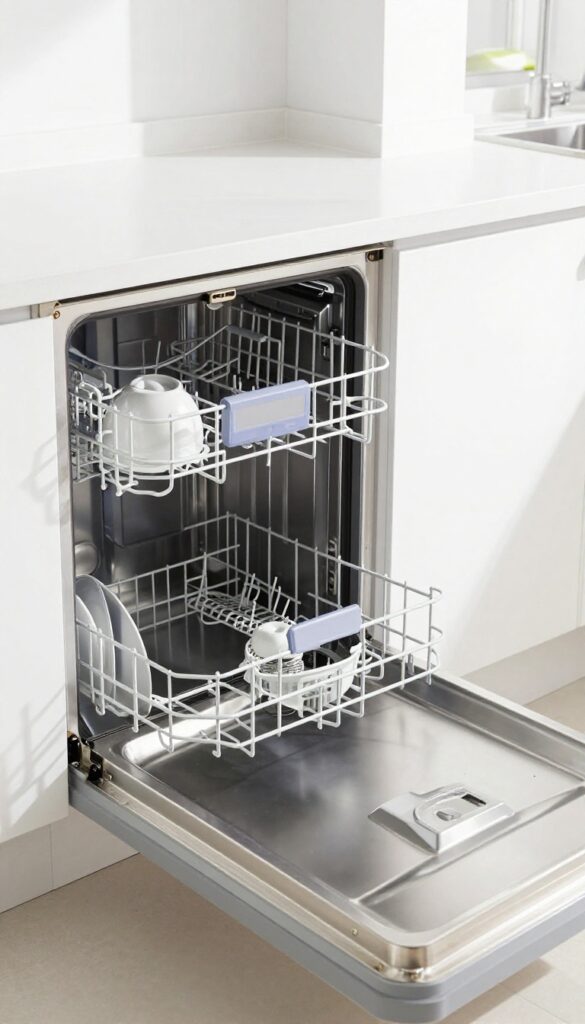
Before you start cleaning, you need a blank slate. That means pulling out every dish, utensil, and rack so you can reach every nook and cranny. It might seem like a hassle, but it's the only way to do a thorough job.
Take out the bottom rack first, then the top rack if it's removable. Check the silverware basket and any other removable parts. Give each piece a quick rinse in the sink to remove loose food bits.
While you're at it, inspect the drain area and filter for any large debris you can pick out by hand.
Why Starting Empty Matters
A fully empty dishwasher lets you see hidden buildup around the spray arms, seals, and corners. It also prevents any stray food from getting redistributed during the cleaning process. Think of it as clearing the stage before the main performance.
Check For Leftover Food Scraps
Even if you rinse dishes before loading, bits of food can collect in the bottom. Use a damp paper towel or a small brush to sweep out any visible debris. Don't forget the area around the door gasket, where mold and grime often hide.
2. Scrape Off Large Food Particles
Before you unleash the cleaning power of vinegar, you need to clear the deck. Your dishwasher's filter and spray arms can't do their job if they're blocked by leftover bits of food. A quick scrape sets the stage for a deeper clean.
Taking a moment to remove visible food debris prevents clogs and ensures the vinegar solution reaches every nook and cranny. It's a small step that makes a big difference in the final result.
Check The Bottom And Corners
Start by inspecting the bottom of the dishwasher, especially around the drain area and in the corners. Use a damp cloth or paper towel to wipe away any food particles, grease, or residue. Pay attention to the rubber gasket along the door as well, where grime often hides.
Clear The Filter Area
If your dishwasher has a removable filter, take it out and rinse it under warm water. Use a soft brush to dislodge any stubborn bits. This simple action can dramatically improve water flow and cleaning performance.
Don't Forget The Spray Arms
Check the spray arms for food particles stuck in the holes. Use a toothpick or small brush to gently clear any blockages. This ensures water sprays evenly during the cleaning cycle.
3. Remove and Clean the Bottom Filter
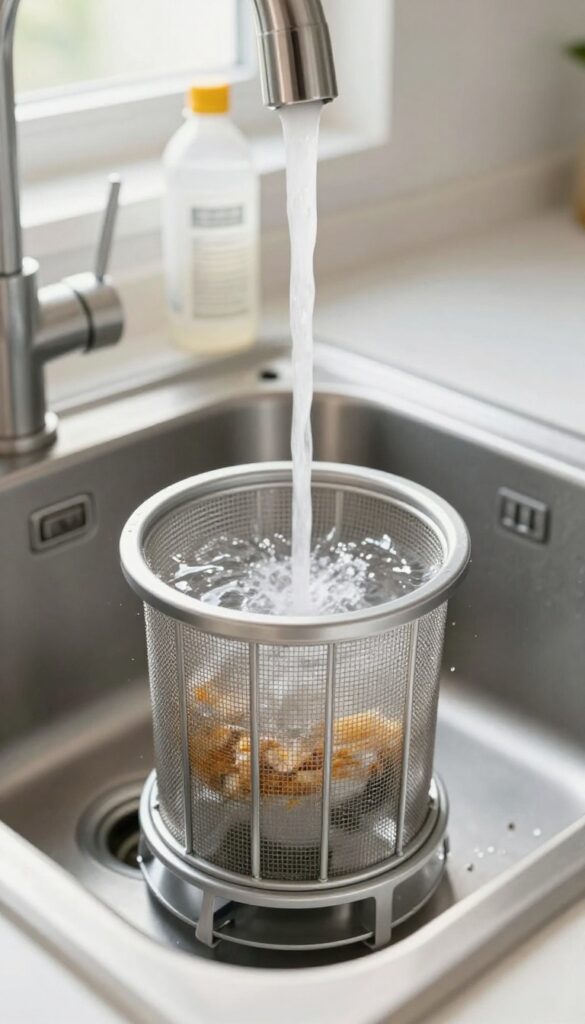
Your dishwasher's bottom filter catches food scraps and debris to prevent them from recirculating during a cycle. Over time, this filter gets clogged with gunk, which can lead to poor cleaning and funky smells. Cleaning it is a quick but essential step in your vinegar deep-clean routine.
The filter is usually located at the very bottom of the dishwasher, beneath the spray arm. It's often a cylindrical or flat mesh piece that twists or lifts out. Check your manual if you're unsure how to access it.
Once removed, you'll likely see a surprising amount of trapped food particles.
Locate And Remove The Filter
Open the dishwasher and pull out the bottom rack. Look for the filter assembly near the back or center of the floor. Most filters twist counterclockwise to unlock, then lift straight out.
Some models have a coarse and a fine filter—remove both if applicable.
Rinse And Scrub
Take the filter(s) to the sink and rinse under hot running water. Use a soft brush, like an old toothbrush, to gently scrub away any stubborn debris lodged in the mesh. Avoid using harsh scrubbers that could damage the filter.
For extra grime, soak the filter in a bowl of hot water and a splash of vinegar for 10 minutes before scrubbing.
Reinstall Properly
Once the filter is clean and dry, place it back in its housing. Make sure it's seated correctly and twist clockwise to lock it into place. A loose filter can cause food particles to bypass the system, so give it a gentle tug to confirm it's secure.
4. Inspect and Clear the Drain Area
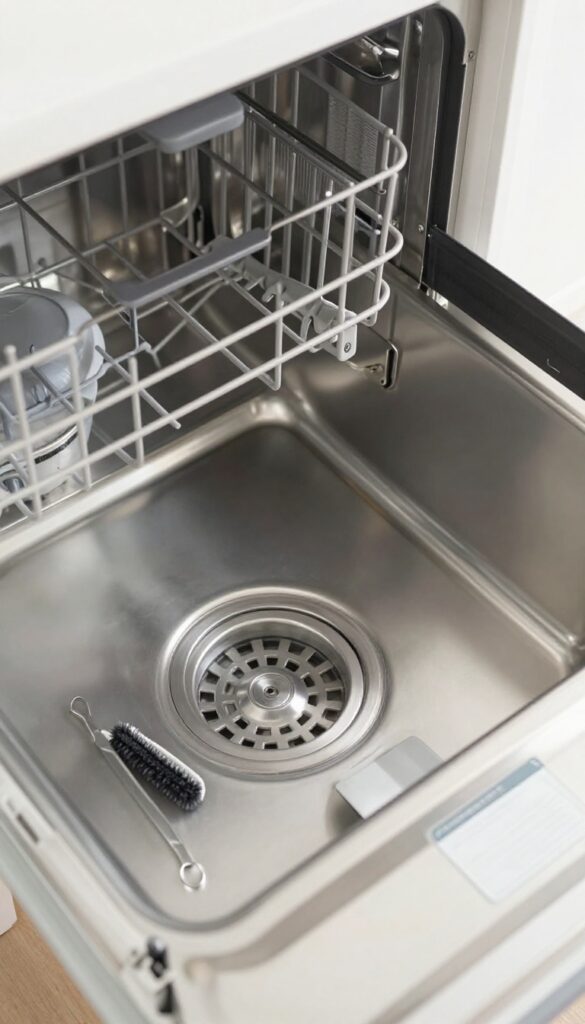
The drain at the bottom of your dishwasher is a magnet for food scraps and gunk. If it's clogged, water won't drain properly, and you'll end up with a smelly, dirty dishwasher. Taking a few minutes to check and clear this area makes a huge difference in performance.
Start by removing the bottom rack so you have clear access to the drain. Look for any visible debris like bits of food, broken glass, or plastic pieces. Use tweezers or a small brush to gently remove anything you see.
Be careful not to push debris further into the drain.
What To Look For
Common culprits include rice, pasta, seeds, and small bones. Also check for any foreign objects like toothpicks or twist ties that might have slipped through. If you see a film or slime, that's a sign of bacteria buildup.
How To Clean Thoroughly
For a deeper clean, mix a paste of baking soda and water and scrub the drain area with an old toothbrush. Rinse well with hot water. This helps remove stubborn grime and odors.
Prevent Future Clogs
To keep the drain clear, scrape plates before loading and rinse off large food particles. Also, run the garbage disposal before starting the dishwasher to reduce debris flow.
5. Wipe Down the Door Gasket
The rubber gasket around your dishwasher door does more than just keep water inside. It also traps moisture, food particles, and grime, making it a prime spot for mold and mildew. A dirty gasket can cause leaks and odors, so giving it some attention is key.
Cleaning the door gasket is quick and easy with a little vinegar. Start by inspecting the gasket for any visible debris or buildup. Then, dampen a soft cloth with white vinegar and gently wipe along the entire gasket, getting into the crevices.
For stubborn spots, use an old toothbrush dipped in vinegar to scrub gently. Finally, wipe away any residue with a dry cloth to prevent vinegar from dripping inside during the next cycle.
Why The Gasket Matters
The gasket creates a watertight seal when the door is closed. If it's caked with grime, the seal may not be as effective, leading to leaks or reduced cleaning performance. Mold and mildew can also develop, causing musty smells that transfer to your dishes.
What You'll Need
All you need is white vinegar, a soft cloth or sponge, and an old toothbrush for tight spots. No harsh chemicals required. Vinegar's acidity cuts through grease and kills mold naturally.
Step-by-step Cleaning
First, open the dishwasher door fully. Dampen a cloth with vinegar and wipe the entire gasket, top to bottom. For the folds, use the toothbrush dipped in vinegar to scrub gently.
Let it sit for a few minutes, then wipe with a dry cloth. Repeat monthly to keep the gasket in top shape.
6. Clean the Spray Arms
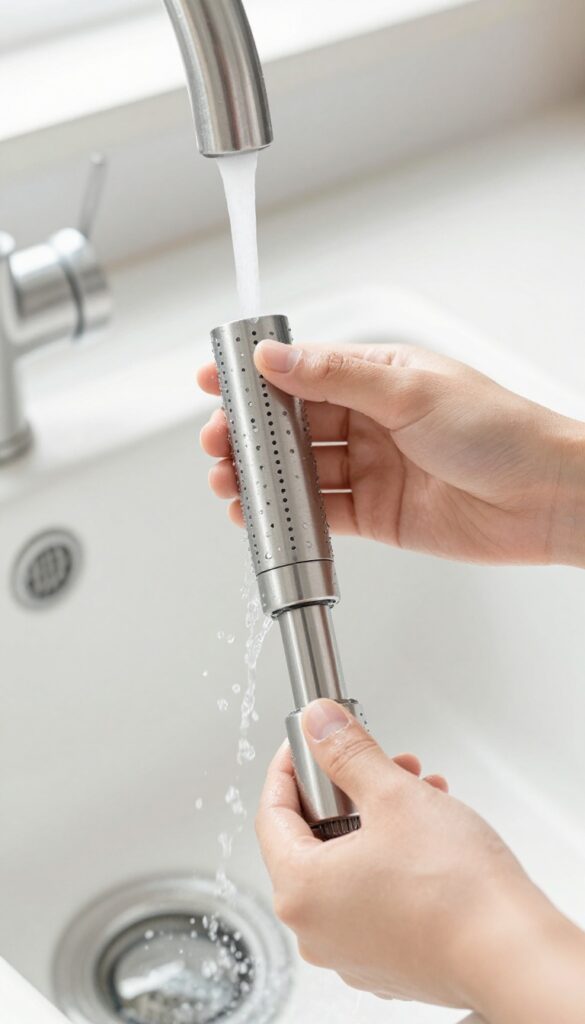
The spray arms are the workhorses of your dishwasher, spinning around to blast water at every dish. But when their tiny holes get clogged with mineral deposits or food bits, the water pressure drops and your dishes come out dirty. Cleaning them is easier than you think, and it makes a huge difference in performance.
Removing The Spray Arms
First, check your dishwasher manual to see if the spray arms are removable. In most models, you can simply unscrew a nut or pop them off. If they're stuck, gently wiggle them free.
Once removed, take them to the sink for a thorough rinse.
Clearing Clogged Holes
Hold each spray arm under running water to flush out loose debris. Then, grab a toothpick or a thin piece of wire and gently poke each hole to dislodge any stubborn gunk. Be careful not to enlarge the holes – you just want to clear the blockage.
Reassembling And Testing
After cleaning, reattach the spray arms securely. Make sure they spin freely by hand. Run a short rinse cycle to confirm water is flowing evenly from all holes.
If you notice any weak spots, double-check for remaining clogs.
7. Place a Bowl of Vinegar on the Top Rack
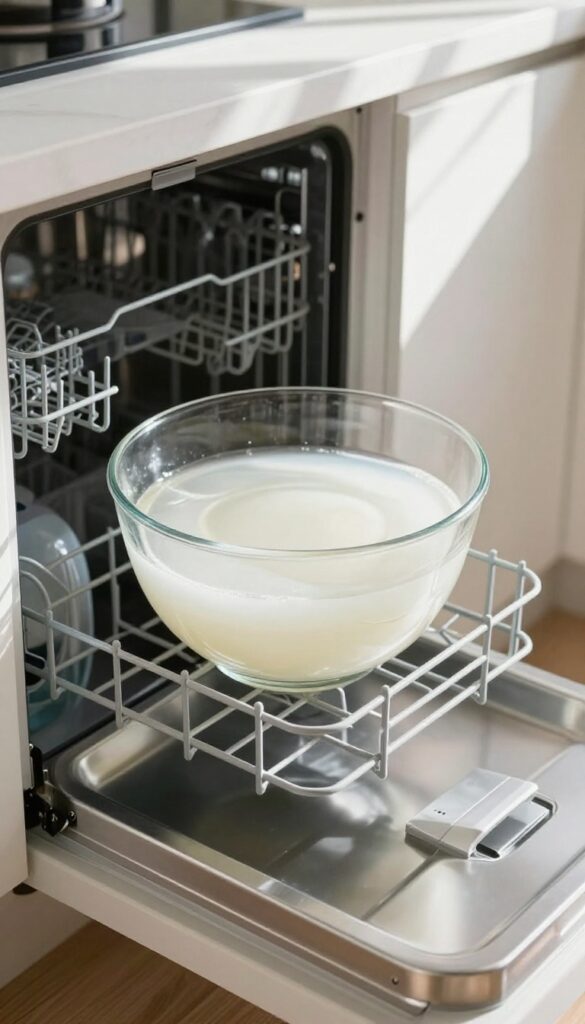
Now that the major debris is gone, it's time to let vinegar do its thing. Placing a bowl of vinegar on the top rack is a simple trick that lets the vinegar spread evenly during the cycle. It's like giving your dishwasher a gentle internal shower that breaks down grime and neutralizes odors without any scrubbing.
Fill a dishwasher-safe bowl with 1 cup of white vinegar and set it upright on the top rack. The top rack is ideal because water splashes from the bottom spray arm will hit the bowl, gradually diluting and distributing the vinegar throughout the wash. This method ensures every nook and cranny gets a dose of cleaning power.
Run a normal cycle with hot water—skip the drying cycle to avoid vinegar fumes lingering. After the cycle, open the door and let it air out. You'll notice a fresher smell and a cleaner interior.
Why The Top Rack?
The top rack is the sweet spot for vinegar distribution. Placing the bowl there allows the spray arm to mix the vinegar with water gradually, rather than dumping it all at once. This prevents potential damage to rubber seals and ensures a gentle, even clean.
Plus, it keeps the bowl out of the way of larger items on the bottom rack.
What Kind Of Bowl To Use
Use a glass or ceramic bowl that's clearly marked dishwasher-safe. Avoid plastic bowls, as they can warp or tip over during the cycle. A 2-cup measuring cup works well because its handle makes it stable.
Make sure the bowl is deep enough to hold the vinegar without spilling when the water hits it.
Running The Cycle
Select the hottest water setting and a normal wash cycle. Skip the heated dry option to prevent vinegar fumes from lingering. If your dishwasher has a sanitize cycle, that's even better—high heat helps the vinegar work faster.
Once the cycle finishes, prop the door open for a few minutes to let any remaining vinegar smell dissipate.
8. Run a Hot Water Cycle
With the vinegar sitting in the bottom of the dishwasher, it's time to put the machine to work. Running a hot water cycle helps the vinegar circulate and break down grime throughout the interior. This step is simple but crucial for getting the most out of your cleaning effort.
Start The Cycle
Close the dishwasher door and select the normal or heavy cycle with the hottest water setting available. If your dishwasher has a sanitize or high-temp option, use that. Let the cycle run for about 5 minutes so the vinegar mixes with the hot water and reaches all the nooks and crannies.
Pause And Soak
After 5 minutes, pause the cycle or cancel it so the water doesn't drain yet. The goal is to let the vinegar solution sit inside the dishwasher for 15 to 20 minutes. This soak time allows the vinegar to loosen stubborn deposits and deodorize effectively.
Resume And Finish
After the soak, resume the cycle or start a new one if you canceled. Let it run through the rest of the wash and rinse phases. The hot water and vinegar combination will flush away loosened grime, leaving your dishwasher fresh and clean.
9. Sprinkle Baking Soda for a Second Cycle
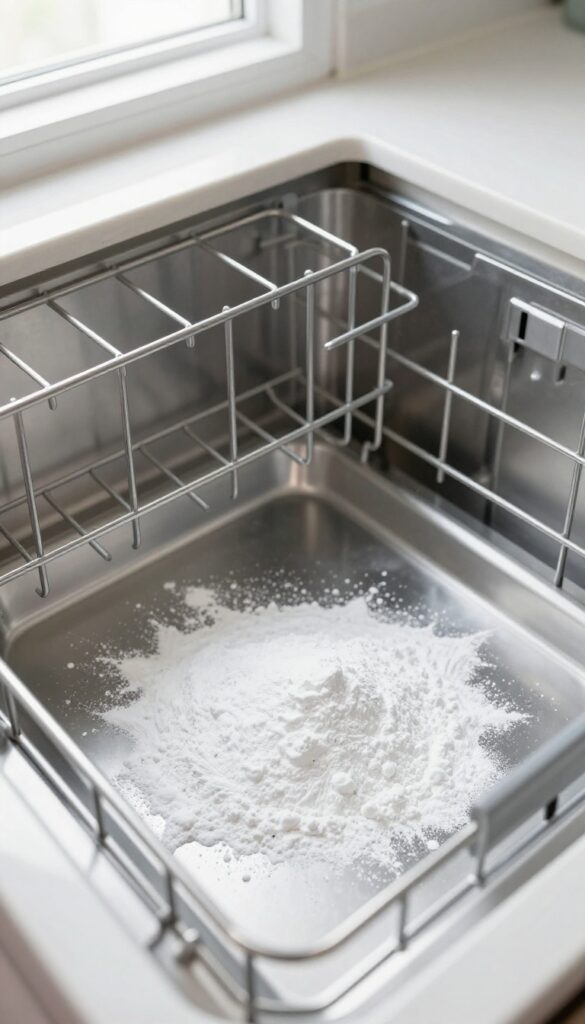
The vinegar cycle did a great job cutting through grease and grime, but it can leave behind a faint acidic smell. That's where baking soda comes in. This gentle abrasive helps scrub away any remaining residue and neutralizes odors, leaving your dishwasher fresh and clean.
Once the vinegar cycle finishes, open the dishwasher and sprinkle 1 cup of baking soda evenly across the bottom. Then run a short hot water cycle—like the rinse or quick wash setting. The baking soda will dissolve and work its magic, deodorizing and polishing the interior.
When the cycle ends, open the door to let it air dry completely.
Why Baking Soda Works So Well
Baking soda is mildly alkaline, which helps neutralize any leftover vinegar acidity. It also acts as a gentle scouring agent, lifting stuck-on particles from the dishwasher's floor and walls without scratching surfaces. Plus, it's a natural deodorizer, so it absorbs any lingering smells from food debris.
How To Get The Best Results
Make sure the dishwasher is empty before adding baking soda. Spread it in an even layer rather than dumping it in one spot. For extra cleaning power, you can also sprinkle a little along the bottom of the door.
Use the hottest water setting available to maximize the baking soda's cleaning action.
What To Do After The Cycle
When the short cycle finishes, open the dishwasher and check the bottom. You may see a small amount of residue, which you can wipe away with a damp cloth. Leave the door ajar for an hour or so to let the interior dry completely.
This step prevents moisture from encouraging mold or mildew.
10. Wipe Down the Interior Walls and Door
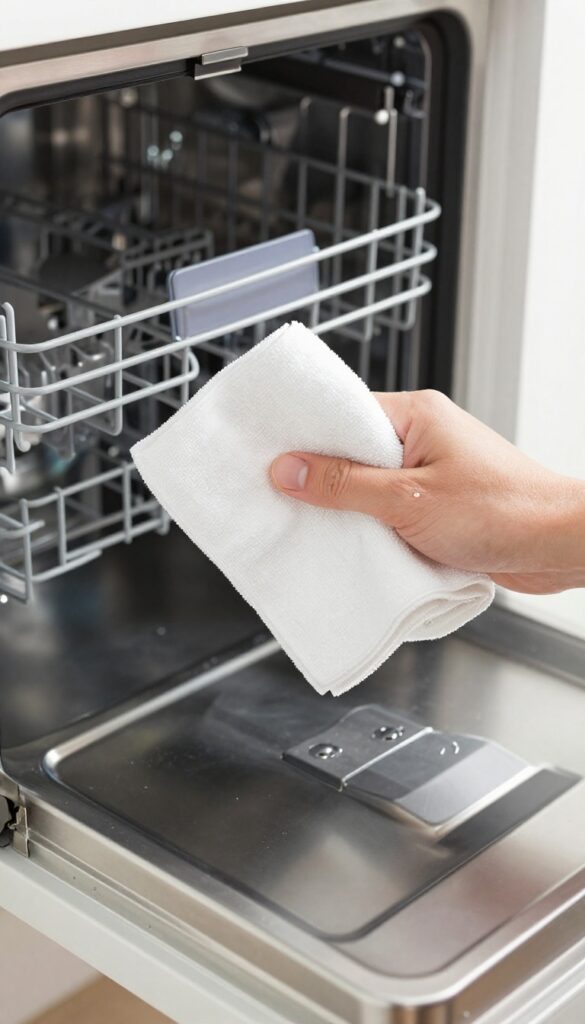
After the vinegar cycle, the inside of your dishwasher might still have a few stubborn spots or a thin film. That's where a simple wipe-down comes in. It's a quick step that makes a big difference in how clean and fresh your dishwasher looks and smells.
Grab a microfiber cloth and dampen it with white vinegar. Then, wipe down all the interior walls, the door, and the edges of the dishwasher. Pay extra attention to corners and crevices where grime likes to hide.
This step removes any remaining film or spots that the cycle didn't wash away, leaving a streak-free shine.
Why Microfiber Works Best
Microfiber cloths are ideal because they trap dirt and grease without scratching the surface. They also dry quickly, preventing mold or mildew from forming. Avoid using paper towels, as they can leave lint behind.
Don't Forget The Door Gasket
The rubber gasket around the door is a prime spot for buildup. Gently wipe it with the vinegar-dampened cloth to remove any residue. This helps maintain a good seal and prevents leaks.
Final Touch For A Sparkle
For extra shine, follow up with a dry microfiber cloth to buff the surfaces. This step is optional but gives your dishwasher that just-cleaned look.
11. Clean the Detergent Dispenser
The detergent dispenser is easy to overlook, but it plays a key role in getting your dishes clean. When it gets clogged with old detergent or grime, the door may not close properly, and detergent can get stuck instead of releasing at the right time. A quick wipe with vinegar is all it takes to keep this part working smoothly.
You'll notice better cleaning results and fewer detergent clumps left behind.
Open the dispenser fully and inspect the cup and the door. Use a cloth dipped in undiluted white vinegar to wipe down all surfaces, including the rubber gasket around the door. Pay extra attention to the corners where detergent tends to cake on.
If you see stubborn buildup, let the vinegar sit for a few minutes to soften it before wiping again. A soft toothbrush can help reach tight spots. Once clean, close and open the dispenser a few times to make sure it moves freely.
Why It Matters
A clean dispenser ensures the door seals tightly and the detergent releases at the optimal time. If the door is blocked by residue, it may pop open during the cycle, wasting detergent and leaving dishes dirty.
What To Watch For
Check for white or blue crusty deposits, especially around the hinge. These are common signs of old detergent buildup. Also look for any sticky residue from rinse aid or food particles that might have splashed in.
Quick Maintenance Tip
Make this a monthly habit. A quick wipe every few weeks prevents heavy buildup and keeps the dispenser working like new. It takes less than a minute and saves you from dealing with stuck detergent later.
12. Freshen Up the Exterior
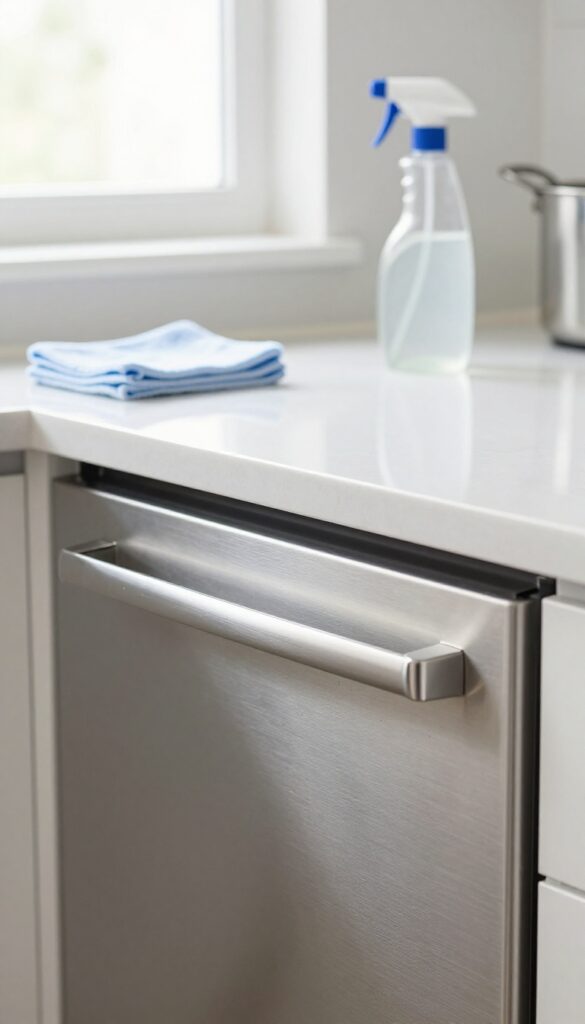
While the inside of your dishwasher gets all the attention, the exterior is what you see and touch every day. A clean front panel and handle make your kitchen look polished and prevent grime from building up over time. This quick step takes just a few minutes and leaves your dishwasher looking as good as new.
Wipe down the front panel and handle with a solution of equal parts white vinegar and water. Use a soft microfiber cloth to avoid scratching the surface. For stainless steel models, follow up with a dedicated stainless steel cleaner to remove streaks and restore shine.
Avoid abrasive sponges or harsh chemicals that can damage the finish.
Vinegar Solution For Most Surfaces
Mix one part white vinegar with one part water in a spray bottle. Lightly mist the cloth (not the dishwasher directly) and wipe the front panel, handle, and edges. The vinegar cuts through fingerprints and grease without leaving residue.
Stainless Steel Care
For stainless steel dishwashers, vinegar can sometimes leave streaks. After wiping with the vinegar solution, buff the surface with a dry microfiber cloth. Then apply a small amount of stainless steel cleaner or mineral oil, rubbing in the direction of the grain to prevent streaks and maintain a uniform shine.
Don't Forget The Buttons And Display
Use a slightly damp cloth with the vinegar solution to gently wipe the control panel. Be careful not to let excess liquid seep into the buttons or display. For stubborn grime around buttons, use a cotton swab dipped in the solution.
13. Run a Final Rinse Cycle
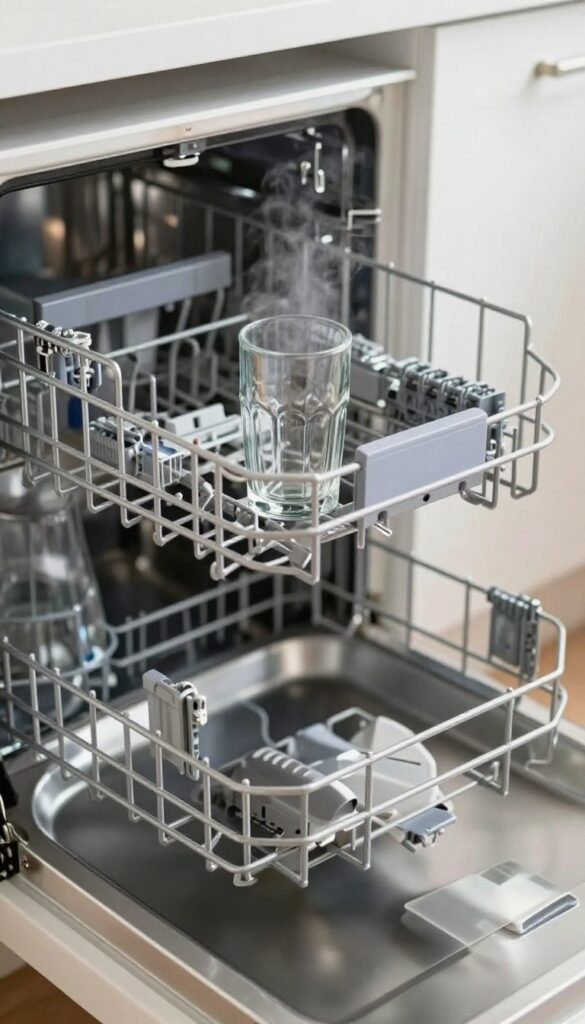
You've put in the work, and your dishwasher is almost back to its sparkling best. But before you call it done, there's one last step that makes all the difference: a final rinse cycle. This quick pass ensures no leftover vinegar or baking soda lingers, leaving your machine fresh and ready for its next load.
After scrubbing, soaking, and running cycles with vinegar and baking soda, small residues can remain in the pump, hoses, or spray arms. A final hot-water rinse without detergent flushes everything out. It's a simple step that prevents any aftertaste or smell on your next load of dishes.
Plus, it gives you peace of mind that your dishwasher is truly clean inside and out.
Why A Final Rinse Matters
Even after a thorough cleaning, traces of vinegar or baking soda can hide in crevices. If left behind, they might react with your next detergent or leave a faint odor. A final rinse cycle uses only hot water to clear out any remaining particles, ensuring your dishwasher is neutral and ready for daily use.
How To Run The Cycle
Simply close the dishwasher door, select the hottest and longest cycle available (like Heavy or Pots & Pans), and start it empty. Do not add any detergent or rinse aid. Let the machine run its full course.
When it finishes, open the door and let it air out for a few minutes. You'll notice a fresh, clean smell.
Check For Lingering Odors
After the final rinse, take a quick sniff inside. If you still detect a faint vinegar smell, don't worry—it will dissipate as the dishwasher dries. For extra freshness, you can leave the door open for an hour.
If odors persist, you may need to check the filter or drain for trapped food debris.
FAQ
Can I use apple cider vinegar instead of white vinegar?
White vinegar is recommended because it's clear and won't stain. Apple cider vinegar can be used but may leave a slight residue or smell.
How often should I clean my dishwasher with vinegar?
Once a month is ideal for maintaining freshness and performance. If you have hard water, you may need to do it every two weeks.
Will vinegar damage my dishwasher?
No, vinegar is safe for dishwashers when used in moderation. Avoid using it too frequently (more than once a week) as the acidity could affect rubber seals over time.
Do I need to remove the racks before cleaning?
It's not necessary, but removing them gives you better access to the filter and spray arms. If you can't remove them, just work around them.
What if my dishwasher still smells after cleaning?
Check the filter and drain for trapped debris. You may also need to clean the garbage disposal if your dishwasher drains into it. Run a cycle with a dishwasher cleaner if the smell persists.
Conclusion
Your dishwasher will thank you for this vinegar treatment with cleaner dishes and a fresher interior. The whole process takes just a few hours, mostly hands-off, so you can get back to your day.
Make this a monthly habit, and you'll extend your machine's life and avoid funky smells. Give it a try this weekend—your dishwasher works hard, and it deserves a little TLC.