
Your dog's indoor kennel should feel like a safe haven, not a cage. But finding a setup that's both comfortable for your pup and stylish for your home can be tricky. Many standard crates feel cold and utilitarian, leaving your dog less than thrilled about their space.
That's where a little creativity comes in. With the right approach, you can transform a basic kennel into a calm retreat your dog will love.
Whether you have a sprawling house or a cozy apartment, these nine ideas will help you create a space that works for both of you. From built-in nooks to furniture-style crates, each idea focuses on comfort, safety, and a look that blends with your home.
1. Built-In Kennel Nook Under the Stairs
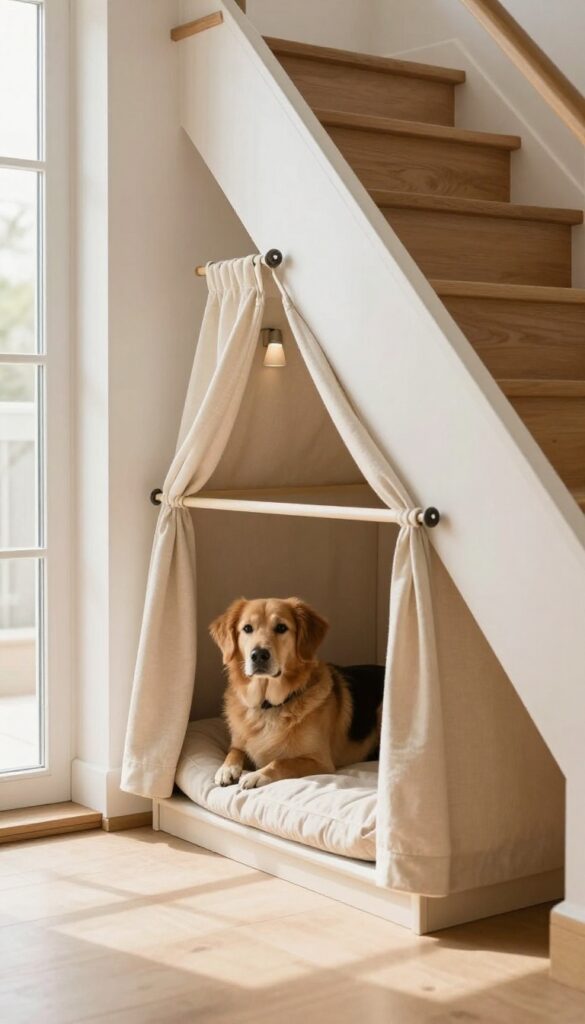
That awkward space under the stairs doesn't have to collect dust and shoes. With a bit of carpentry, it can become your dog's personal den. A built-in kennel nook feels permanent and intentional, giving your pup a cozy hideaway that's out of the main traffic flow.
Plus, it uses square footage you already have, so no sacrificing a whole room.
Why It Works
Dogs naturally gravitate toward den-like spaces, and the triangular shape under stairs feels safe and enclosed. A built-in kennel blends seamlessly with your home's architecture, so it doesn't stick out like an eyesore. The privacy of a curtain or door reduces anxiety, making it a calm spot for naps or alone time.
Best For
This idea is perfect for homeowners or renters with a staircase that has unused space underneath. It works well for small to medium breeds that don't need a massive kennel, but you can scale it up for larger dogs if the under-stair area is tall enough. Great for open floor plans where you want to keep the kennel discreet.
Practical Tip
Add a soft orthopedic bed that fits the space snugly, and install a dimmable light or small sconce for a cozy glow. Use a tension rod with a washable curtain for privacy, or mount a custom door that matches your trim. Keep the floor easy to clean with a removable mat or washable rug.
Budget-Friendly Option
If you can't build a custom nook, repurpose a large closet or cabinet. Remove the door, add a crate inside, and cut a pet door in the side panel. You get the same hidden-kennel effect for a fraction of the cost.
2. Furniture-Style Crate That Doubles as a Side Table
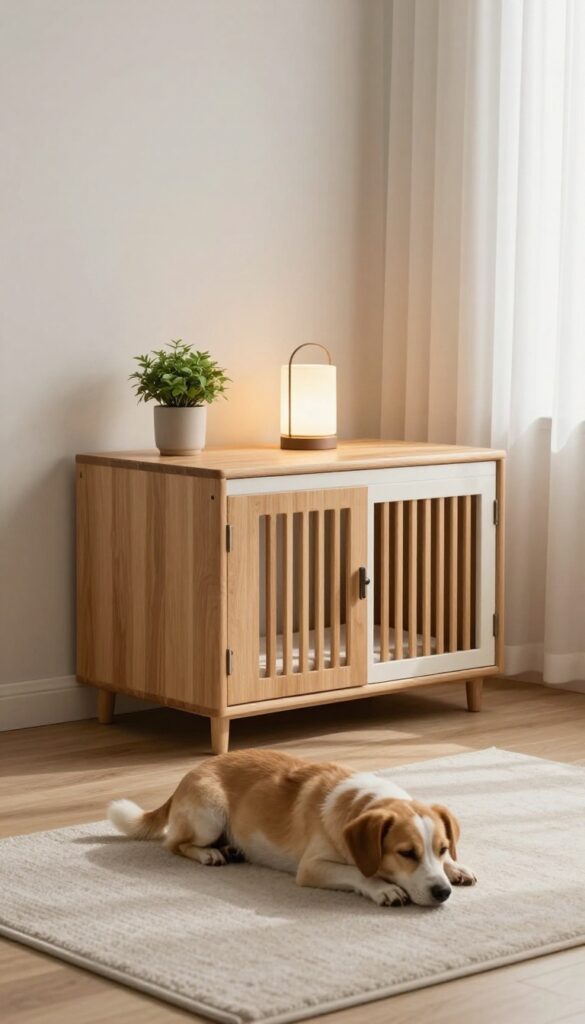
Not all crates have to look like crates. A furniture-style crate designed to look like an end table or cabinet hides your dog's den in plain sight. It gives you a useful surface for a lamp, books, or a cup of coffee while your pup gets a cozy, private spot.
Many of these crates come with removable trays for quick cleanup, making them a stylish and practical choice for any room.
Why It Works
Dogs often feel more secure in a den-like space that's partially enclosed, and a furniture crate provides that sense of safety. Because it blends with your decor, you're more likely to keep it in a main living area rather than tucking it away. This means your dog stays close to the family, which reduces anxiety and strengthens your bond.
Best For
This idea works well for small to medium dogs who enjoy a cozy, covered space. It's ideal for owners who want their crate to be a permanent piece of furniture in a living room, bedroom, or home office. If you value a clean, uncluttered look, this is a great fit.
Practical Tip
Place the crate against a wall and top it with a soft lamp or a small plant to make it feel intentional. Choose a finish that matches your other furniture—wood tones for a warm look, white or black for a modern vibe. Inside, add a washable crate mat and a couple of toys to make it inviting.
Budget-Friendly Option
To save money, look for a secondhand wooden end table with a cabinet door. Cut a hole in the back for ventilation and add a dog bed inside. You can also repurpose a TV console or nightstand with a little DIY work.
3. Repurposed Closet Turned Dog Den
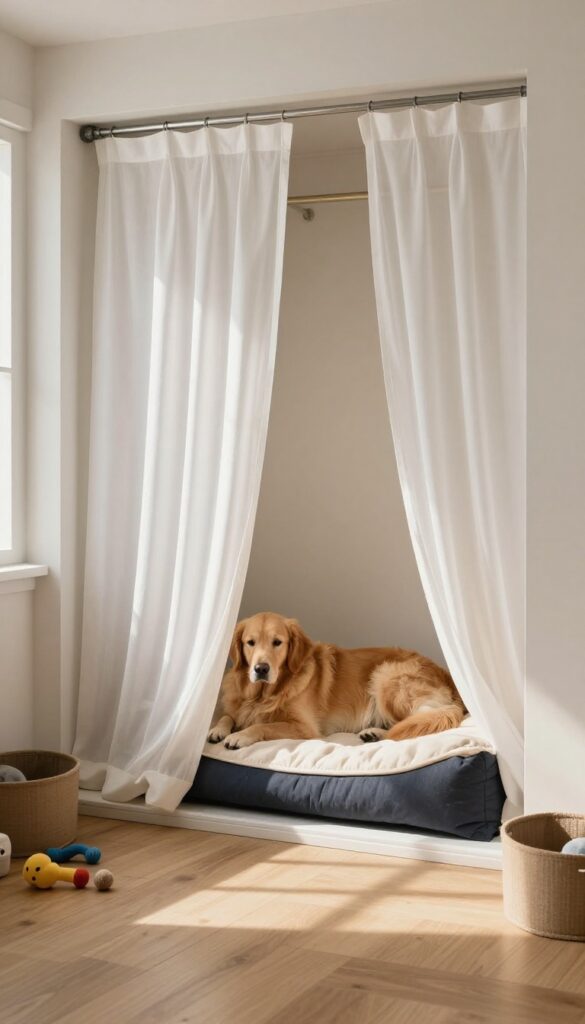
That closet you never use could become your dog's favorite hideaway. By clearing it out and adding a few cozy touches, you create a built-in den that feels secure and private without taking up floor space. It's a clever way to give an anxious pup a quiet retreat while reclaiming your living area.
Why It Works
Dogs naturally seek out small, enclosed spaces when they feel stressed or tired. A closet mimics the den-like environment they instinctually love, providing sound dampening and visual privacy. Plus, it keeps the kennel out of sight, so your home stays clutter-free.
Best For
Anxious or noise-sensitive dogs who need a calm escape, especially in busy households. It's also great for small homes or apartments where floor space is limited and every square foot counts.
Practical Tip
Install a tension rod with a curtain or a lightweight baby gate at the closet entrance so your dog can come and go freely. Add a soft bed, a few toys, and low storage bins for leashes or treats. Make sure the closet stays well-ventilated and never gets too warm.
Budget-Friendly Option
Skip the custom shelving and use stackable plastic bins or inexpensive wire baskets. A simple curtain rod costs under $10, and you can repurpose an old curtain or use a flat bedsheet for the door.
4. Crate with a Built-In Feeding Station
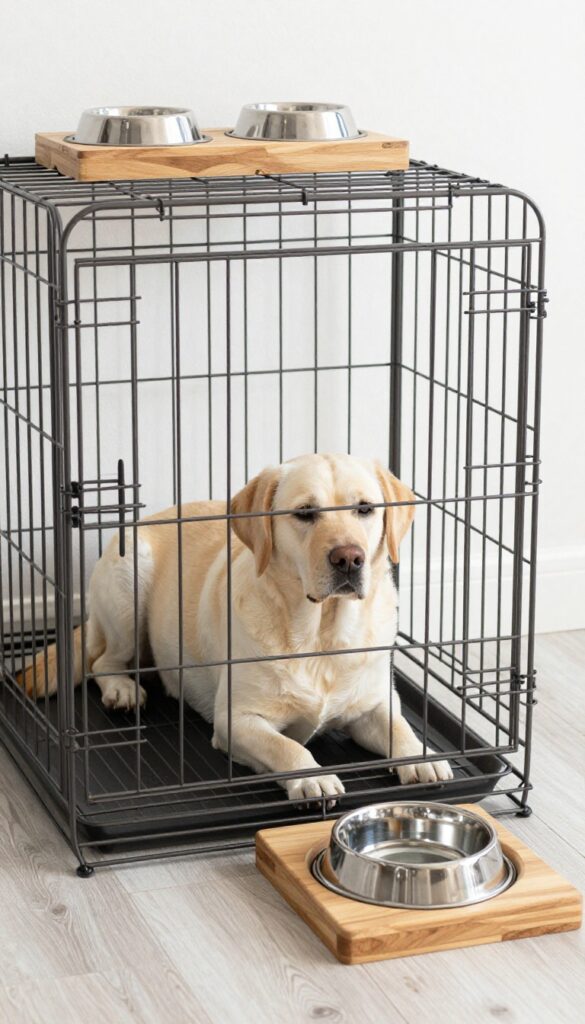
Merging your dog's crate with a feeding station is a smart way to streamline your space. By adding a side table or shelf right next to the kennel, you can keep food and water bowls within easy reach but separated from the sleeping area. This setup not only saves floor space but also helps contain mealtime mess, making cleanup a breeze.
Why It Works
Dogs naturally prefer to keep their eating area separate from where they sleep, so this design respects that instinct. It also creates a dedicated feeding zone that's easy to wipe down, reducing the spread of kibble crumbs and water splashes across your floor.
Best For
This idea is perfect for apartment dwellers or anyone with limited floor space. It also works well for owners of messy eaters—like French Bulldogs or Labrador Retrievers—who tend to scatter food and water.
Practical Tip
Choose a side table or shelf that matches the height of your crate for a seamless look. Use a washable placemat under the bowls to catch spills, and opt for stainless steel or ceramic bowls that are easy to clean. If your dog is a chewer, avoid plastic bowls that can be gnawed.
Budget-Friendly Option
No need to buy a specialized unit. A simple wooden crate turned on its side or a small IKEA Lack table can serve as a feeding shelf. Just sand down any rough edges and secure it to the crate with zip ties or brackets.
5. Multi-Dog Kennel with Individual Compartments
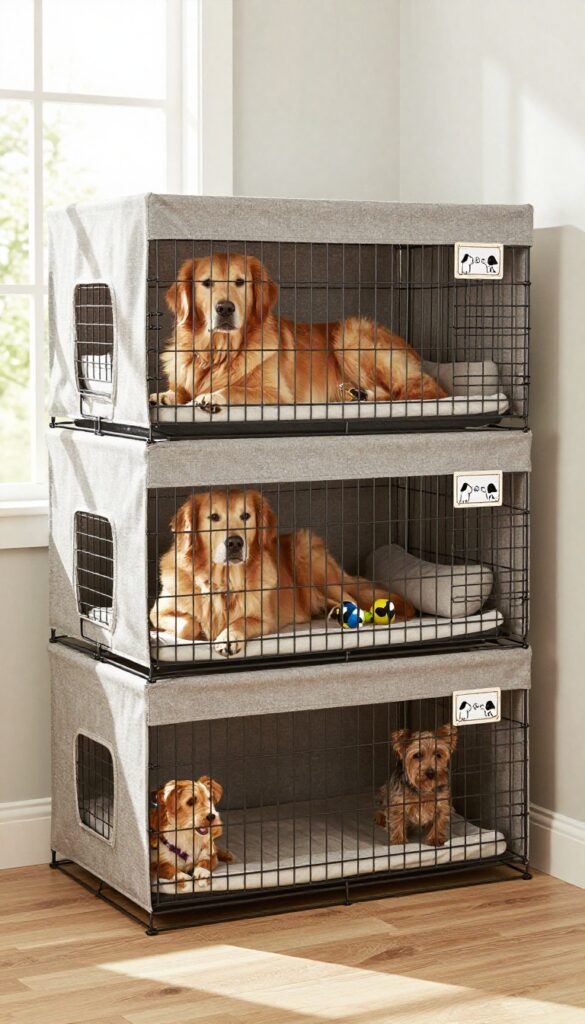
Living with multiple dogs means managing space and dynamics. A divided kennel or stackable crates give each dog their own personal zone, reducing tension and resource guarding. It's like giving each pup a private room—they can relax without feeling crowded.
Why It Works
Dogs are territorial by nature, and having a designated spot reduces stress and competition. Each dog can retreat to their own compartment with familiar bedding and toys, which helps prevent conflicts and makes crate training easier for multiple pets.
Best For
This setup is perfect for multi-dog households, especially if your dogs have different temperaments or energy levels. It works well in larger living rooms, mudrooms, or dedicated pet areas where you can arrange crates side by side or stacked.
Practical Tip
Use stackable wire crates with dividers for easy customization. Place a solid topper on each crate for privacy, and add separate bedding, a small toy, and a water bowl per compartment. Label each crate with your dog's name for a personal touch.
Budget-Friendly Option
Skip expensive custom kennels. Repurpose two identical wire crates and secure them together with zip ties or crate connectors. Cover the sides with fabric panels for a unified look that's much cheaper.
6. Window-Facing Kennel for Entertainment
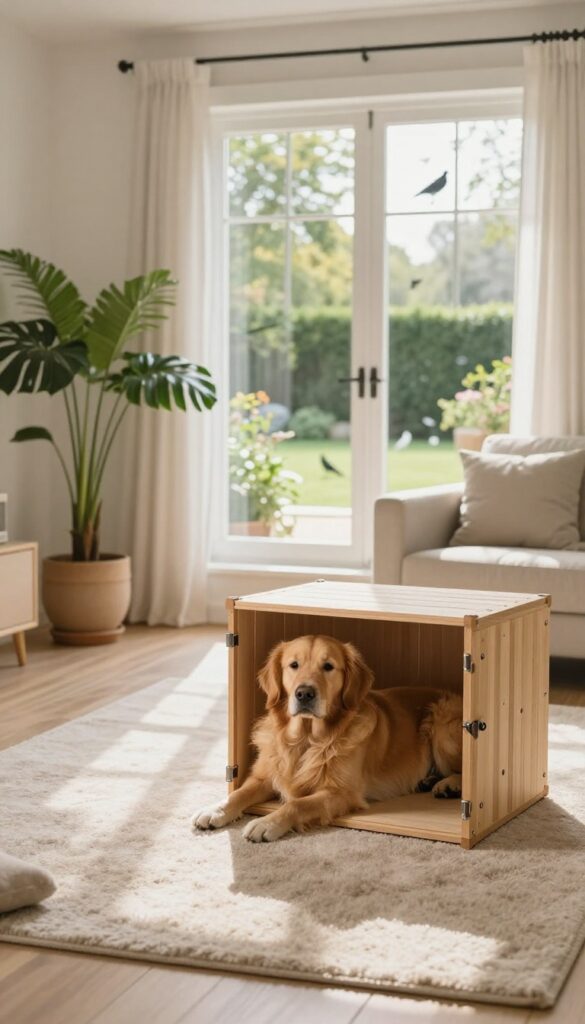
Dogs love to watch the world go by, so why not give them a front-row seat? A window-facing kennel lets your pup enjoy the sights, sounds, and smells of the outdoors from the safety of their crate. This setup turns their kennel into an entertainment hub, reducing boredom and keeping them calm while you're away.
Why It Works
A view of the outdoors provides mental stimulation and helps your dog feel connected to the household activity. Watching birds, squirrels, or passersby can prevent restlessness and excessive barking, making the kennel a more inviting place to relax.
Best For
This idea works well for dogs that are curious or easily bored, especially breeds like terriers, herders, or hounds. It also suits homes with low windows, sliding glass doors, or a quiet street view where your dog can safely observe without getting overstimulated.
Practical Tip
Place the kennel a few inches from the window to avoid drafts and direct sun. Add a small platform or sturdy step if the window is high so your dog can see out comfortably. Use a washable cover on the platform for easy cleaning, and secure the kennel so it doesn't shift.
Budget-Friendly Option
If you don't have a low window, place a sturdy, low-profile stool or a flat storage bin next to the kennel to elevate your dog's view. Just make sure it's stable and non-slip to prevent accidents.
7. Cozy Corner Kennel with Canopy or Tent
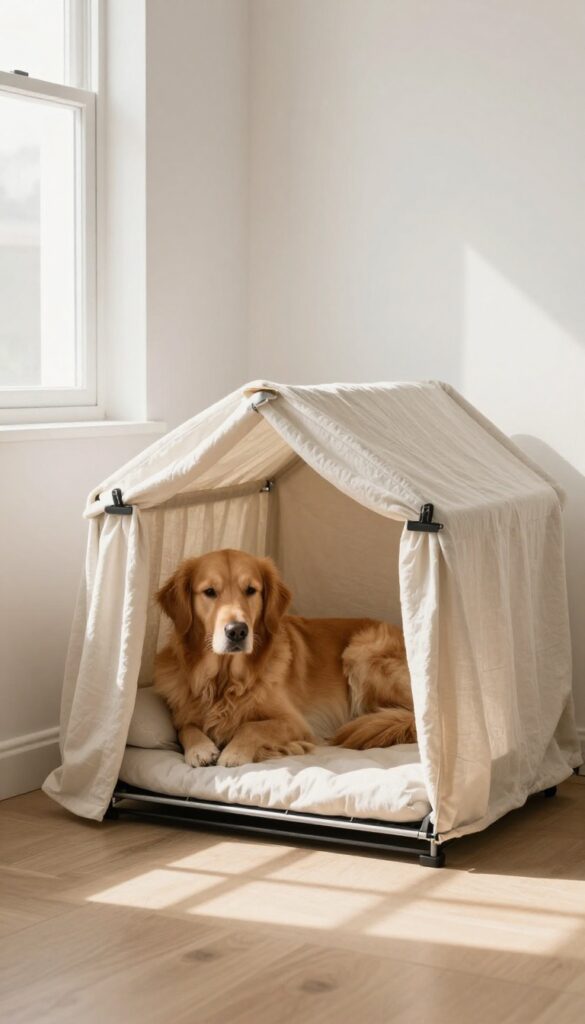
Some dogs prefer a den-like atmosphere where they can truly feel hidden and secure. Adding a canopy, tent, or draped blanket over their kennel creates that cave-like vibe many pups instinctively love. It's a simple upgrade that turns an open crate into a private retreat.
The covered setup muffles noise and blocks visual distractions, helping anxious dogs settle faster. Plus, it adds a soft, cozy aesthetic to your home that feels more like a piece of furniture than a cage.
Why It Works
Covering the kennel mimics the security of a natural den, which can lower stress and promote better sleep for nervous or shy dogs. The enclosed space also reduces light and sound, making it easier for your dog to relax during busy household hours.
Best For
This idea is ideal for anxious or noise-sensitive dogs who need a quiet escape. It also works great for puppies who are still adjusting to crate training and benefit from a snug, womb-like environment.
Practical Tip
Use a breathable fabric like cotton or mesh to ensure airflow. Avoid heavy materials that could trap heat. Secure the cover with clips or ties so it doesn't sag onto your dog.
Wash the cover weekly to keep it fresh and allergen-free.
Budget-Friendly Option
Skip expensive crate tents and use a large flat bedsheet or a lightweight throw blanket. Drape it over the top and tuck the ends under the crate tray. If you need more structure, a simple tension rod inside the kennel can hold the fabric up.
8. Elevated Dog Bed Inside a Wire Crate
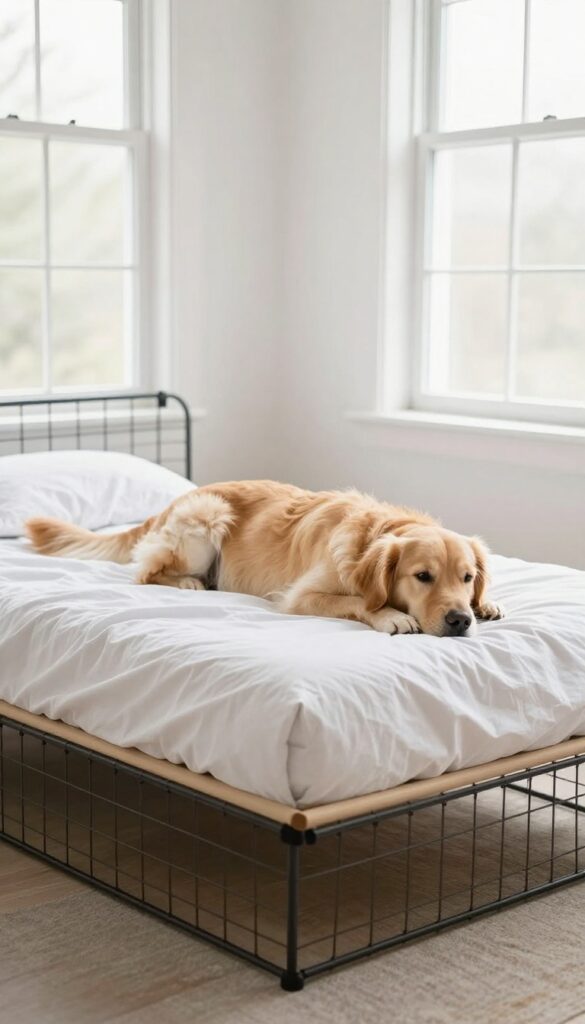
Wire crates are popular for a reason—they're durable, breathable, and easy to clean. But the standard plastic tray can feel hard and uninviting. Swapping in an elevated cot-style bed changes the whole vibe.
The raised design lifts your dog off the cold floor, allowing air to circulate underneath. It's like giving them their own personal patio inside the crate. Dogs love the gentle bounce of the fabric, and you'll love how easy it is to keep clean.
Why It Works
Elevated beds provide joint support and help regulate temperature. The airflow underneath prevents overheating in summer and keeps your dog away from drafts in winter. The cot fabric is also easy to spot clean or hose off, making it a low-maintenance choice.
Best For
This setup is ideal for warm climates, heavy shedders, or dogs with arthritis or hip dysplasia. It's also great for puppies who might chew on a plush bed, since the cot fabric is tougher and harder to destroy.
Practical Tip
Look for a cot bed that fits snugly inside your wire crate—most brands list crate size compatibility. Add a crate mat on top for extra cushioning if your dog prefers softer surfaces. Secure the bed with zip ties or Velcro straps so it doesn't shift around.
Budget-Friendly Option
If a dedicated cot bed is out of budget, use a heavy-duty cooling mat or a folded blanket over the crate tray. For a DIY option, stretch a piece of marine-grade fabric over a wooden frame built to crate dimensions.
9. Custom Built-In Kennel with Storage Drawers
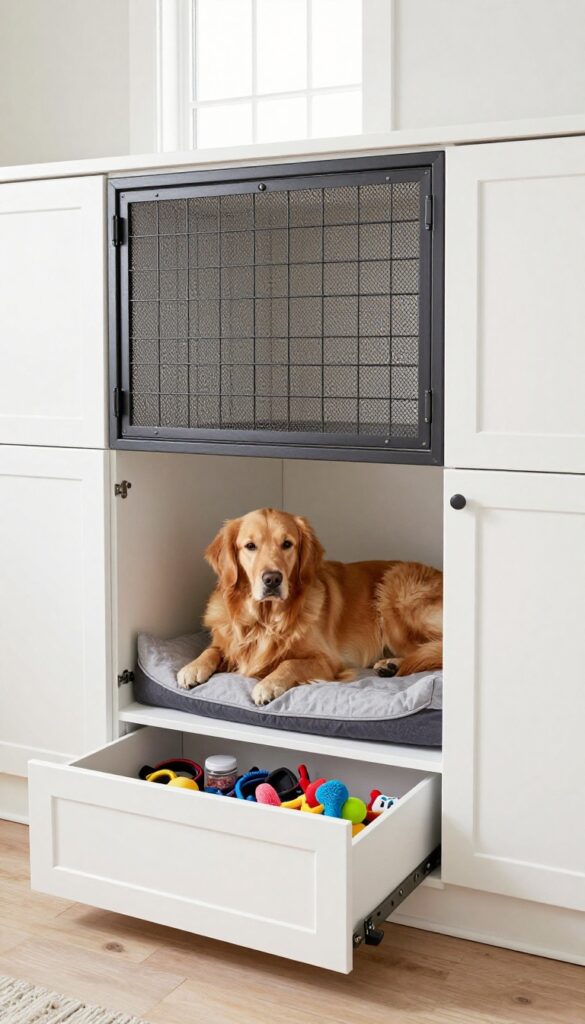
Imagine a kennel that feels less like a piece of pet equipment and more like a natural part of your home. A custom built-in kennel blends into your wall or cabinetry, creating a seamless look while giving your dog a cozy, permanent den. The real game-changer?
Adding storage drawers underneath for all your dog’s gear—leashes, toys, treats, and cleanup supplies stay organized and out of sight. It’s a win for both design and function.
Why It Works
Built-in kennels feel secure and den-like, which many dogs find comforting. The enclosed sides and top muffle noise and create a quiet retreat. Plus, having dedicated storage right below means you can grab a leash or toy without leaving the room, making daily routines smoother.
Best For
Homeowners who are renovating or building and want a permanent, furniture-quality kennel. It’s also ideal for medium to large breeds that need a sturdy, spacious crate. Works best in a mudroom, laundry room, or along a living room wall where you can dedicate a nook.
Practical Tip
Match the kennel’s finish to your existing cabinetry or trim for a truly integrated look. Add a soft, washable dog bed inside and a curtain or door that can be closed for privacy. Ensure the drawer pulls are pet-safe and that the kennel has proper ventilation—consider a mesh door or slatted sides.
Budget-Friendly Option
If a full custom build isn’t in the budget, repurpose a low, wide dresser by removing some drawers and adding a crate insert. Paint it to match your room and use the remaining drawers for storage. It’s a clever DIY that gives a similar look for less.
FAQ
What size kennel should I get for my dog?
The kennel should be large enough for your dog to stand up, turn around, and lie down comfortably. Measure your dog's height and length, then add a few inches. For puppies, consider a crate with a divider to adjust size as they grow.
How can I make my dog's kennel more comfortable?
Add a soft bed or crate mat, a favorite toy, and a cover or blanket to create a den-like atmosphere. Place the kennel in a quiet, temperature-controlled area away from drafts and direct sunlight.
Should I leave water in the kennel?
For short stays (a few hours), it's fine to skip water to avoid spills. For longer periods, use a spill-proof bowl or a water bottle attached to the crate. Always provide fresh water when your dog is out.
Can I use a kennel for multiple dogs?
Yes, but each dog should have their own separate compartment or crate. Stackable or divided kennels work well. Never force two dogs to share one space unless they are very bonded and comfortable.
How do I clean an indoor dog kennel?
Remove bedding and wash it regularly. Wipe down the crate with pet-safe cleaner or a vinegar-water solution. For wire crates, use a damp cloth.
For plastic trays, remove and scrub with mild soap.
Conclusion
Your dog's indoor kennel can be a calm retreat, not just a crate. Focus on comfort, safety, and a setup that fits your home and your pup's personality.
Start with one idea that feels doable, then tweak as you go. A little effort now means a happier, more relaxed space for years to come.

I’m Pallab Kishore, the owner of Little Pets Realm — an animal lover and pet care enthusiast sharing easy tips, healthy recipes, and honest advice to help every small pet live a happy, healthy, tail-wagging life.