
Your dog deserves a backyard setup that's safe, comfortable, and built to last—without eating up your entire weekend or budget. Whether you're handy with a saw or prefer simple no-fuss builds, these nine DIY outdoor kennel ideas offer practical solutions for every skill level.
From repurposed pallets to clever shade canopies, each design focuses on real-world comfort and durability. A well-built kennel gives your pup freedom to enjoy the fresh air while you relax knowing they're secure.
These projects use common materials and straightforward techniques, so you can create a space that works for your yard and your dog's personality. No fancy tools or carpentry degree required.
1. Repurposed Wood Pallet Kennel
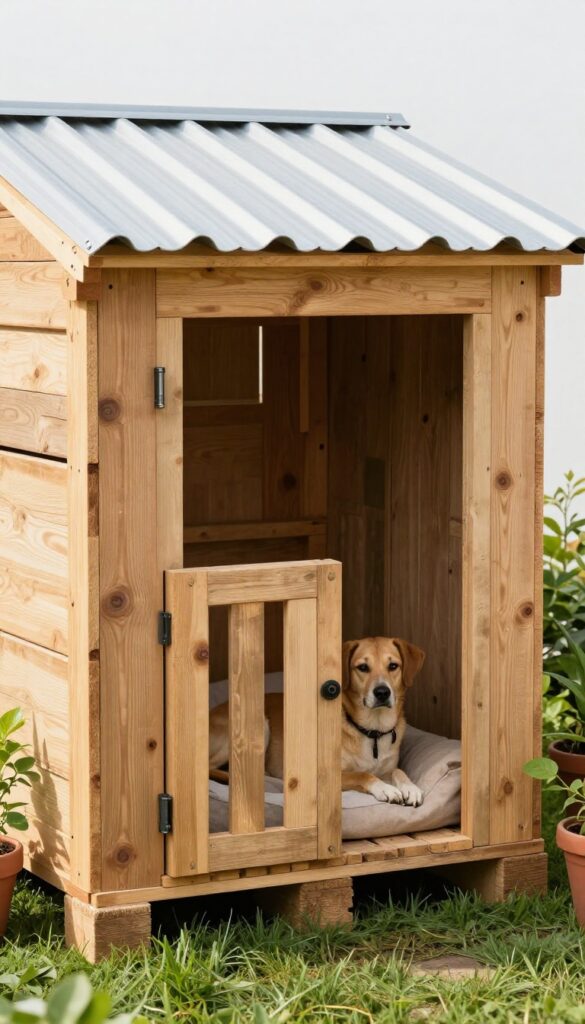
Wood pallets are everywhere—often free for the taking—and they make surprisingly sturdy kennel walls. With a little sanding and a coat of outdoor sealant, you can transform discarded shipping pallets into a custom-sized outdoor retreat for your dog. The rustic look blends into most backyards without screaming "brand new hardware store project." Plus, pallets are modular, so you can expand or reconfigure the kennel layout whenever your needs change.
Why It Works
Pallets are thick, durable, and naturally weather-resistant if you pick heat-treated (not chemically treated) ones. The slatted design allows airflow and visibility, so your dog won't feel closed in. Because you're repurposing material that would otherwise go to waste, the cost stays near zero—perfect for budget-conscious dog owners who still want a solid, long-lasting structure.
Best For
This kennel suits medium to large dogs that enjoy a bit of outdoor lounging. It's ideal for renters or homeowners who want a removable, non-permanent structure. Also great for people who like a farmhouse or rustic aesthetic and enjoy weekend DIY projects.
Practical Tip
Sand all surfaces thoroughly to remove splinters, then apply a pet-safe waterproof sealant. Attach a hinged gate made from two pallets for easy access. Add a corrugated metal or asphalt shingle roof to provide shade and rain protection.
Secure the panels together with heavy-duty zip ties or screws so the kennel stays rigid.
Budget-Friendly Option
If you can't find free pallets, check local hardware stores for culled lumber or ask construction sites for scrap wood. You can also substitute pallets with reclaimed fence boards for a similar look at low cost.
2. PVC Pipe and Shade Cloth Canopy
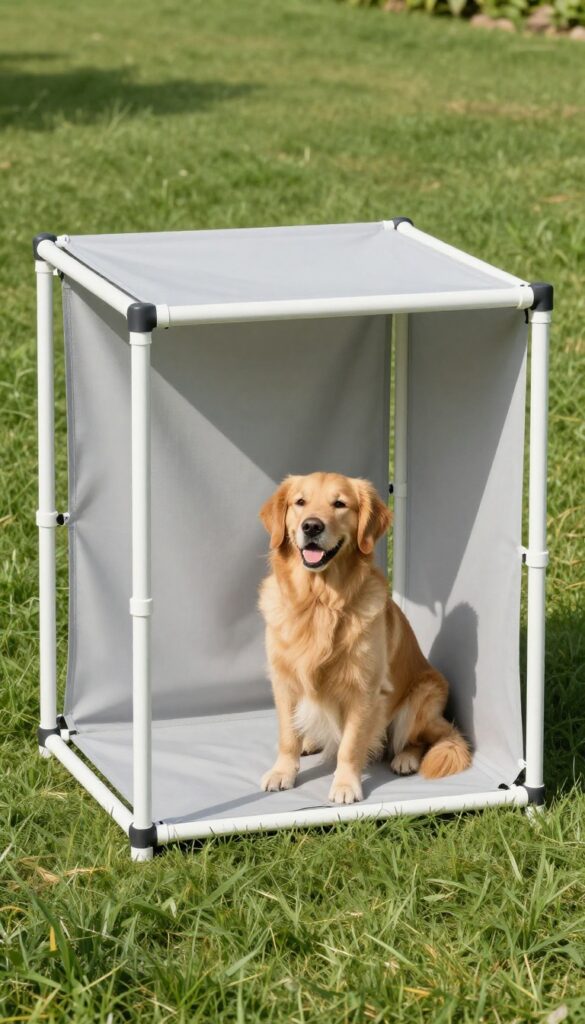
When the sun is blazing, your dog still needs outdoor time—but overheating is a real risk. A lightweight kennel made from PVC pipes and shade cloth solves that problem without turning your yard into a construction zone. This setup is easy to assemble, portable, and designed to keep your pup cool while offering UV protection.
The best part? You can take it down and store it when the weather cools off.
Why It Works
PVC pipe is inexpensive, easy to cut, and won't rust or rot. Shade cloth blocks a significant amount of UV rays while still allowing airflow, so your dog stays comfortable even on hot afternoons. The frame is sturdy enough to hold up to light wind, but light enough to move around your yard as needed.
Best For
This kennel is perfect for dogs who spend time outdoors in warm climates, especially breeds prone to overheating like Bulldogs, Pugs, or Huskies. It's also great for renters or anyone who wants a temporary setup that can be disassembled quickly.
Practical Tip
Use schedule 40 PVC for better durability, and secure joints with PVC cement or removable connectors if you plan to take it apart often. Attach the shade cloth with zip ties or bungee cords so you can adjust the tension. Add a small tarp on one side for extra rain protection if needed.
Budget-Friendly Option
Skip the PVC cement and use snap-together fittings for a tool-free build. You can also substitute shade cloth with an old bedsheet or lightweight tarp, though shade cloth offers better breathability.
3. Upcycled Dog Run from Old Fencing
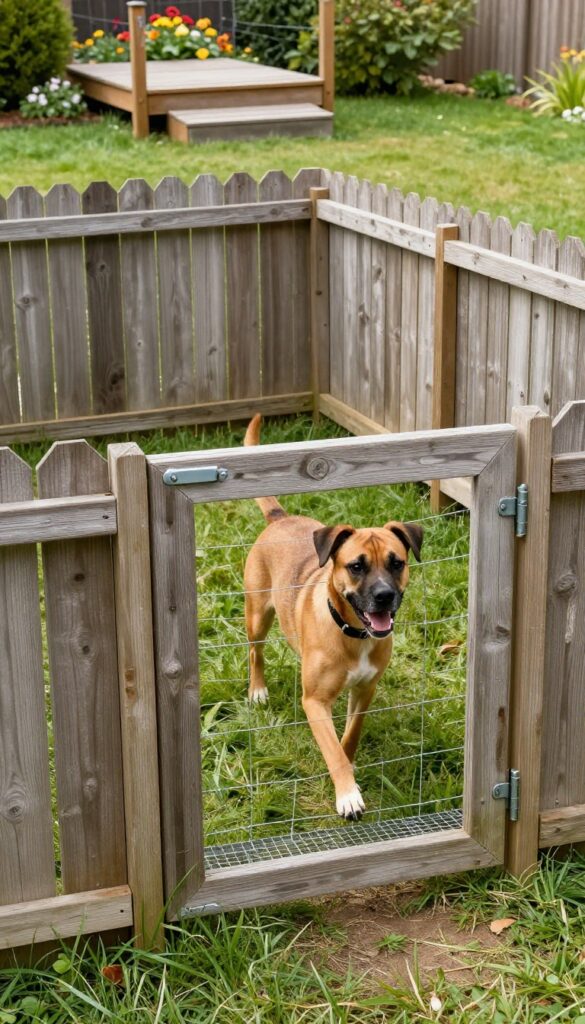
Got leftover fence panels from a past project? Don't toss them—turn them into a custom dog run that's both budget-friendly and secure. This idea gives new life to materials you already have, and it's easier than you might think.
With a few simple additions, you'll have a dedicated space where your pup can roam safely.
Why It Works
Old fence panels are already sturdy and weather-resistant, making them ideal for a dog run. By adding a gate and a dig-proof barrier along the bottom, you prevent escapes without much extra effort. The result is a durable enclosure that blends with your existing yard.
Best For
This setup suits medium to large dogs that need room to move, especially those with a tendency to dig. It's also great for homeowners who have leftover fencing from a recent repair or renovation and want a low-cost kennel solution.
Practical Tip
Bury the bottom edge of the panels at least 6 inches underground or attach a strip of hardware cloth along the base to stop digging. Use galvanized hinges and a latch for the gate, and consider adding a shade cover if the run gets full sun.
Budget-Friendly Option
If you don't have spare fencing, check online marketplaces for free or cheap used panels. You can also use pallet wood as an alternative, though it may require more reinforcement.
4. A-Frame Wooden Dog House with Run
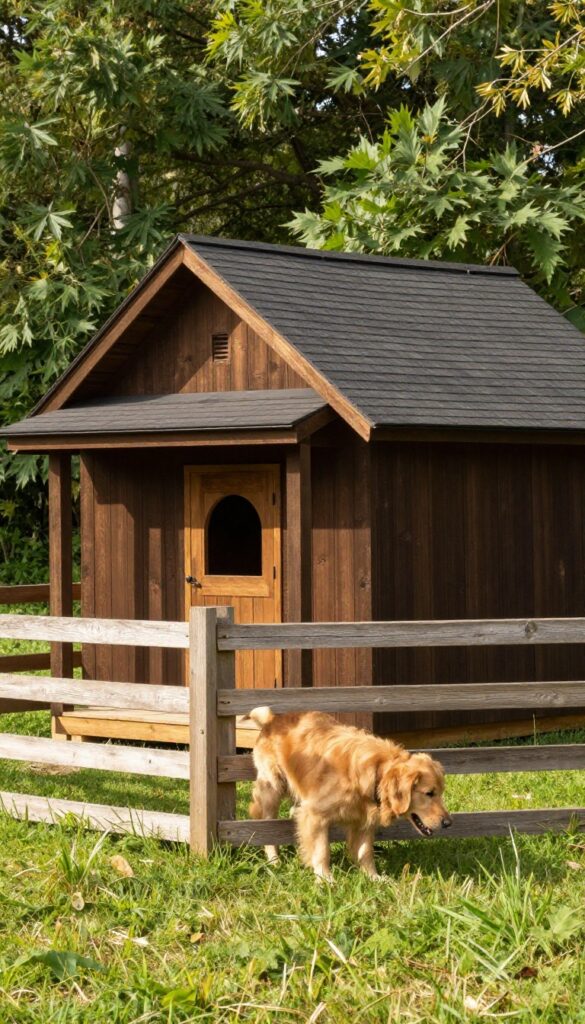
An A-frame dog house paired with a fenced run is a classic setup that combines shelter and exercise space. The angled roof naturally sheds rain and snow, keeping the interior dry, while the attached run gives your dog room to move without needing full yard access. This design is popular because it's relatively simple to build and can be customized to fit almost any yard size.
Why It Works
The A-frame roof is the star here—it's self-draining, so water runs right off, and the steep pitch discourages dogs from jumping on top. The enclosed run keeps your dog safe and contained while still allowing them to stretch their legs, sniff around, and enjoy the outdoors. It's a complete outdoor living space that supports your dog's need for both rest and activity.
Best For
This setup is ideal for medium to large breeds that need room to roam but can't be trusted off-leash. It works great for owners who want a permanent outdoor kennel that blends into a rustic or natural yard aesthetic. If your dog spends several hours outside during the day, this gives them a comfortable house plus a secure area to explore.
Practical Tip
Pressure-treated lumber or cedar is a smart choice for durability against weather and chewing. Paint or stain the house to match your fence or home exterior. Make sure the run has a secure latch and a solid floor—gravel or concrete pavers work well to prevent digging and make cleanup easy.
Add a weatherproof dog bed inside for extra comfort.
Budget-Friendly Option
Save money by using salvaged wood pallets for the run fencing and corrugated metal sheets for the roof. You can often find both for free or cheap. Just sand down any rough edges and make sure the structure is sturdy.
5. Portable Exercise Pen with Tarp Roof
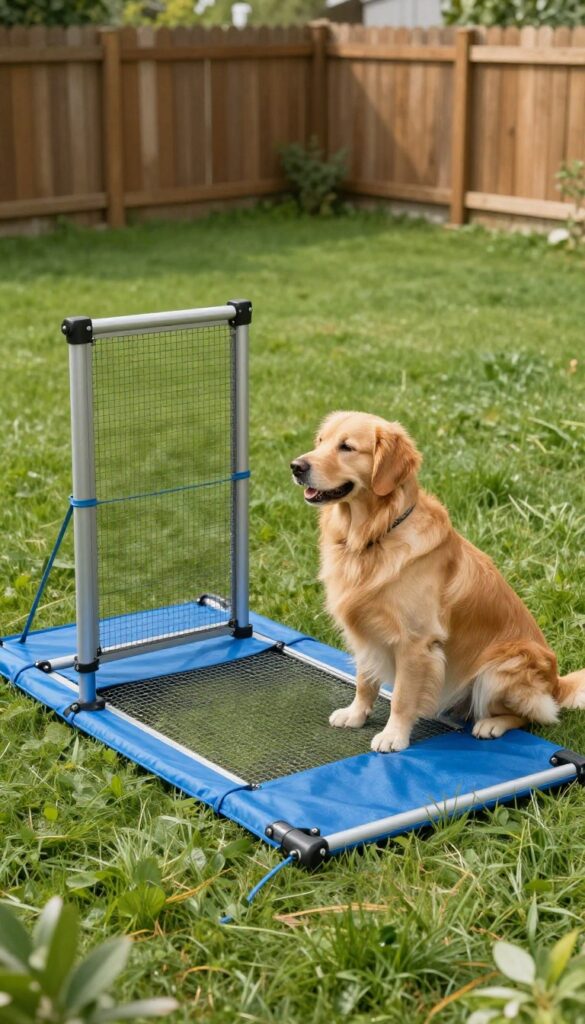
Not every yard is set up for a permanent kennel, and that is okay. A portable exercise pen with a tarp roof gives you all the benefits of a secure outdoor space without the commitment. You can move it around the yard to follow the shade or pack it away when not in use.
These setups use lightweight metal panels that clip together in seconds, and a simple tarp thrown over the top provides sun and rain protection. It is a flexible solution that works for renters, travelers, or anyone who likes to rearrange their yard.
Why It Works
Metal exercise pens are sturdy enough to contain most dogs but light enough to relocate easily. The tarp roof keeps the space cooler on hot days and dry during light rain, so your dog can enjoy more outdoor time comfortably. Plus, the open design gives your pup a good view of the yard, which many dogs love.
Best For
This is perfect for renters who cannot build permanent structures or for owners who want a kennel they can take to the park, beach, or campground. It also works well for people with small yards where a fixed kennel would take up too much space.
Practical Tip
Use bungee cords or zip ties to secure the tarp to the pen panels so it does not flap in the wind. Angle the tarp slightly to let rain run off one side. For extra shade, use a silver reflective tarp—it reflects heat better than blue ones.
Budget-Friendly Option
Skip the expensive pet-brand pens and buy standard metal fencing panels from a hardware store. They are often cheaper and just as sturdy. You can also use a heavy-duty painter's drop cloth instead of a tarp if you already have one.
6. Cedar Raised Platform Kennel
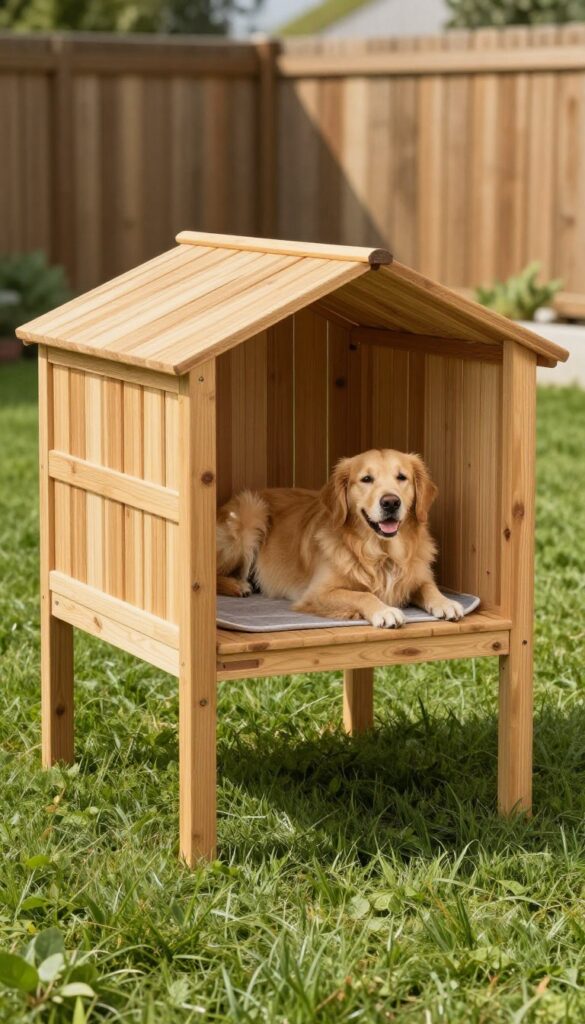
Elevating your dog's outdoor space off the ground does more than just look good. A cedar raised platform kennel lifts your pup above damp soil, mud, and chilly concrete, creating a dry, airy retreat. The open bottom allows breeze to flow underneath, keeping things cooler in summer and drier after rain.
Cedar naturally resists rot and insects, so this build stays sturdy season after season.
Why It Works
Raising the kennel prevents moisture from seeping up into bedding, which cuts down on mildew and odors. Air circulation underneath reduces heat buildup, making it more comfortable on hot days. Plus, the platform keeps your dog away from ground-dwelling pests like ants or ticks.
Best For
This kennel is ideal for dogs who spend several hours outside each day, especially in damp or humid climates. It's also great for older dogs with joint issues who need a softer, dryer resting surface. Owners with yards that lack good drainage will appreciate the elevated design.
Practical Tip
Build the platform at least 6 to 8 inches off the ground for proper airflow. Use cedar or pressure-treated lumber for the frame, and add a slatted or plywood floor covered with outdoor carpet or washable mats for easy cleaning. A slanted roof helps rain run off, and partial solid walls on the windward side offer extra shelter.
Budget-Friendly Option
If cedar is too pricey, use pressure-treated pine and seal it with a pet-safe waterproof stain. You can also repurpose an old wooden pallet as the base—just sand it smooth and check for loose nails.
7. Repurposed Crate and Wire Panel Combo
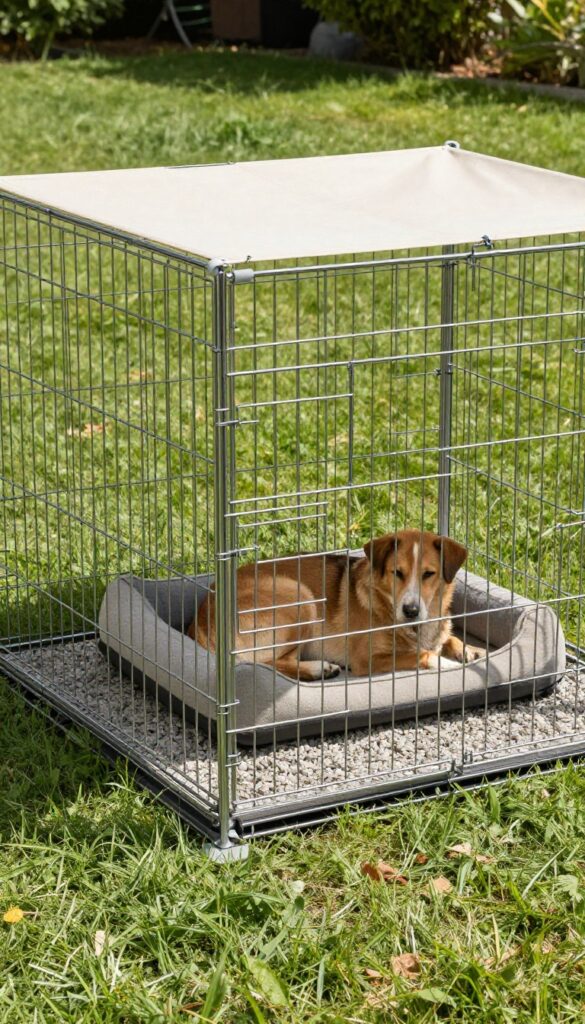
If you already have a large wire crate sitting in the garage, put it to work as the foundation of a custom outdoor kennel. By adding a few extra wire panels, you can expand the space way beyond the crate itself. This setup is especially handy for pet parents who want a secure, portable enclosure without building anything from scratch.
Why It Works
Wire crates are built to contain dogs indoors, so they're already sturdy and escape-proof. Attaching additional panels creates a larger run that still folds flat for storage or travel. The open wire design also keeps air circulating, which helps your dog stay cool on warm days.
Best For
This idea fits pet owners who need a temporary or movable kennel for travel, camping, or rotating between yard spots. It's also great for smaller yards where a permanent structure isn't practical, and for dogs who are already comfortable in a crate.
Practical Tip
Use zip ties or carabiners to attach the extra panels securely to the crate door and sides. Place a shade cloth or tarp over part of the kennel to create a cool resting spot. For comfort, add a durable outdoor bed or a layer of pea gravel inside to prevent muddy paws.
Budget-Friendly Option
Instead of buying brand new wire panels, check online marketplaces or garage sales for used dog crates and exercise pens. You can often find them for a fraction of the retail price, and a quick scrub with a hose makes them good as new.
8. Lean-To Style Kennel Against House
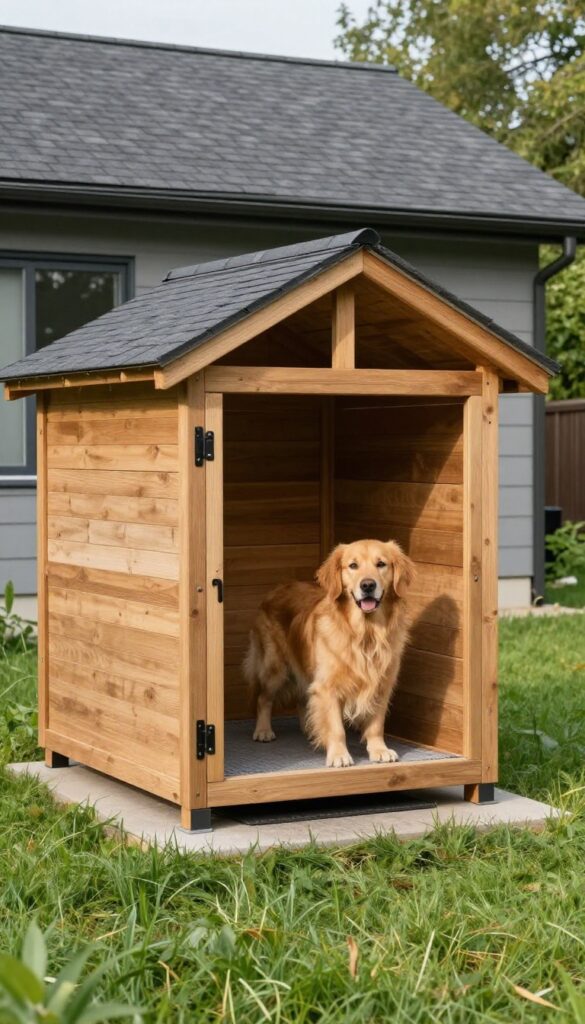
If your yard is tight on space, attaching a lean-to kennel directly to your home’s exterior wall is a smart way to carve out a dedicated dog area without sacrificing square footage. This design uses the house as one solid wall, cutting down on materials and build time. Plus, the natural shade from your home keeps the space cooler during hot afternoons, which is a big win for your pup’s comfort.
Why It Works
The lean-to design is incredibly efficient—you only need to build three sides and a roof, which saves money and effort. The house wall provides excellent wind protection, and the roof can be sloped to direct rainwater away from the kennel, keeping the interior dry. It also makes the kennel feel like a natural extension of your home, blending in seamlessly with your outdoor space.
Best For
This setup is ideal for homes with limited yard space, especially smaller backyards or side yards where a freestanding kennel would feel cramped. It also works well for dogs that already spend time near the house and prefer staying close to their humans. Great for breeds that enjoy lounging in the shade, like bulldogs or retrievers.
Practical Tip
Use pressure-treated lumber for the frame to resist moisture from the ground, and match the roof color to your house for a cohesive look. Install a hinged door on the open side for easy access, and add a weatherproof outdoor mat inside for extra comfort. Make sure the kennel floor is slightly elevated to prevent water pooling.
Budget-Friendly Option
Save money by using salvaged corrugated metal or leftover shingles for the roof, and repurpose an old wooden pallet as the base frame. You can also use a heavy-duty tarp as a temporary roof if you need a quick, low-cost solution.
9. Pallet and Corrugated Metal Kennel
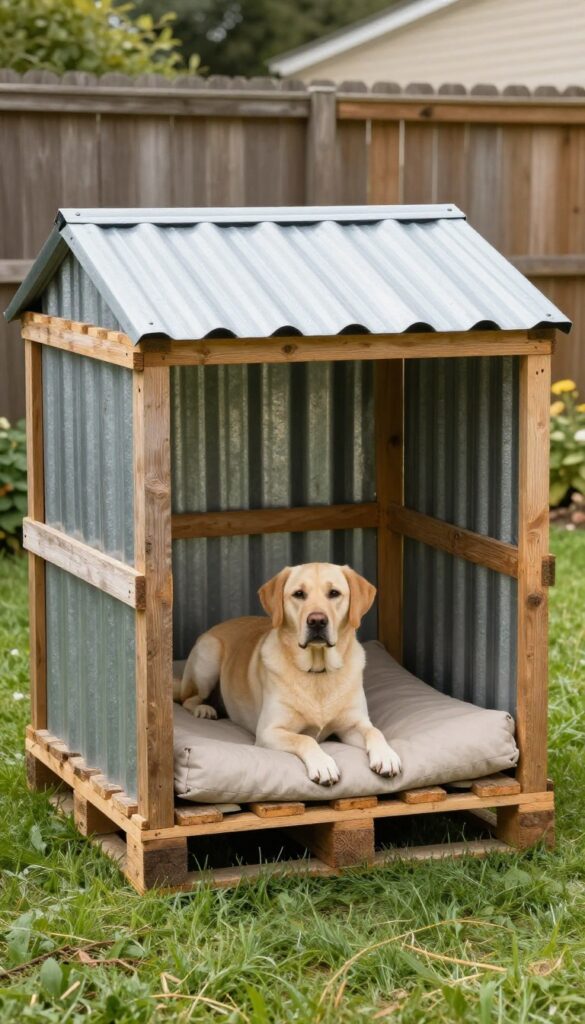
Mixing salvaged pallets with corrugated metal sheets gives you a sturdy kennel that stands up to rain, sun, and snow. The metal roof bounces heat away, keeping the inside cooler in summer, and the pallet walls allow airflow. It's a budget-friendly build that looks modern and industrial without trying too hard.
Why It Works
The combination of wood and metal creates a weatherproof shell that lasts for years. Pallets are free or cheap, and metal sheets are affordable at any hardware store. The slatted pallet sides provide ventilation, while the metal roof sheds water and reflects heat, making the kennel comfortable in all seasons.
Best For
This kennel is ideal for medium to large dogs that spend several hours outside each day. It suits homeowners who want a durable, low-maintenance structure and don't mind a slightly rustic look. It's also great for renters because pallet builds can be disassembled easily.
Practical Tip
Seal the pallet wood with a non-toxic outdoor stain or paint to prevent splinters and rot. Attach the metal sheets with roofing screws and washers to keep them secure in wind. Add a hinged door on one side for easy cleaning, and consider a small ramp if the floor sits high off the ground.
Budget-Friendly Option
If corrugated metal is out of budget, use heavy-duty tarps secured with grommets and bungee cords as a temporary roof. Replace with metal later when funds allow.
FAQ
What is the best material for a DIY outdoor dog kennel?
Pressure-treated wood or cedar is durable and rot-resistant. For roofing, corrugated metal or asphalt shingles work well.
How big should a DIY outdoor dog kennel be?
At minimum, the kennel should be three times your dog's length and allow them to stand, turn, and lie down comfortably.
Do I need a permit to build a dog kennel in my yard?
Check local zoning laws—some areas require permits for structures over a certain size. Always verify before building.
How do I keep my dog cool in an outdoor kennel?
Provide shade with a roof or canopy, use elevated flooring for airflow, and add a kiddie pool or cooling mat.
Can I use a DIY kennel for multiple dogs?
Yes, but ensure the kennel is large enough for all dogs to have their own space. Separate feeding areas can reduce conflict.
Conclusion
Your dog's outdoor kennel should be a place they love spending time, not just a space you built. Pick the design that fits your yard and your pup's personality, and don't stress about perfection.
A little planning and some basic materials can go a long way. Start small, make it comfortable, and enjoy watching your dog relax in their new backyard hangout.

I’m Pallab Kishore, the owner of Little Pets Realm — an animal lover and pet care enthusiast sharing easy tips, healthy recipes, and honest advice to help every small pet live a happy, healthy, tail-wagging life.