
Small yards don't have to mean small dreams for your dog's outdoor space. With a bit of creativity and some budget-friendly materials, you can build a kennel that fits perfectly—without sacrificing your entire patio.
These 10 cheap DIY ideas prove that even a compact area can become a safe, comfortable retreat for your pup. From repurposed pallets to foldable runs, each design focuses on smart use of space and easy setup.
Ready to give your dog a cozy corner without breaking the bank? Let's dive into these practical, dog-friendly builds that make the most of every square foot.
1. Pallet Kennel with Shade Canopy
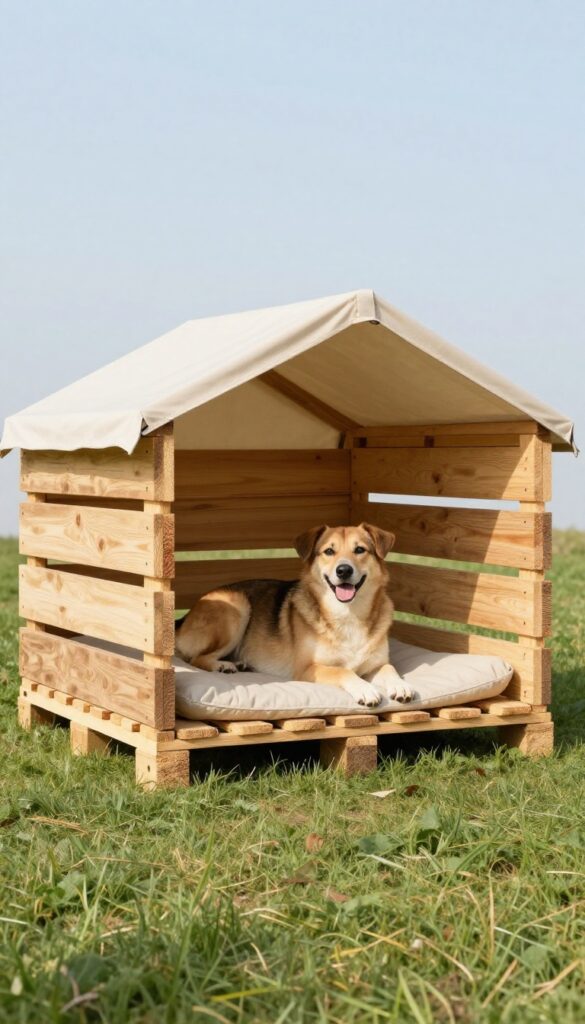
Reclaimed wooden pallets are a DIY goldmine—they're cheap, sturdy, and easy to find. This kennel design turns them into a solid frame that you can top with a shade canopy for sun and rain protection.
It's a simple build that doesn't require advanced carpentry skills. Plus, you can customize the look with non-toxic paint or stain to match your yard.
Dog owners love how this kennel provides a cool, shaded spot even on hot days, making it a comfy retreat for pups who enjoy being outdoors.
Why It Works
Pallets create a strong, ventilated structure that keeps your dog safe and comfortable. The canopy blocks harmful UV rays and light rain, so your pup can relax outside without overheating or getting wet. It's also easy to disassemble if you need to move or store it.
Best For
Best for medium to large breeds that need a bit more headroom, and for small yards where a permanent structure might feel too bulky. It's also great for renters who want a temporary but sturdy kennel.
Practical Tip
Sand down any rough edges and apply a pet-safe sealant to prevent splinters. Use heavy-duty zip ties or screws to secure the pallets together. For the canopy, choose a breathable fabric like canvas or shade cloth, and angle it slightly to allow rainwater runoff.
Budget-Friendly Option
If pallets are hard to find, use scrap lumber from old fences or construction sites. You can also replace the canopy with a repurposed patio umbrella or a tarp secured with bungee cords.
2. PVC Pipe and Mesh Enclosure
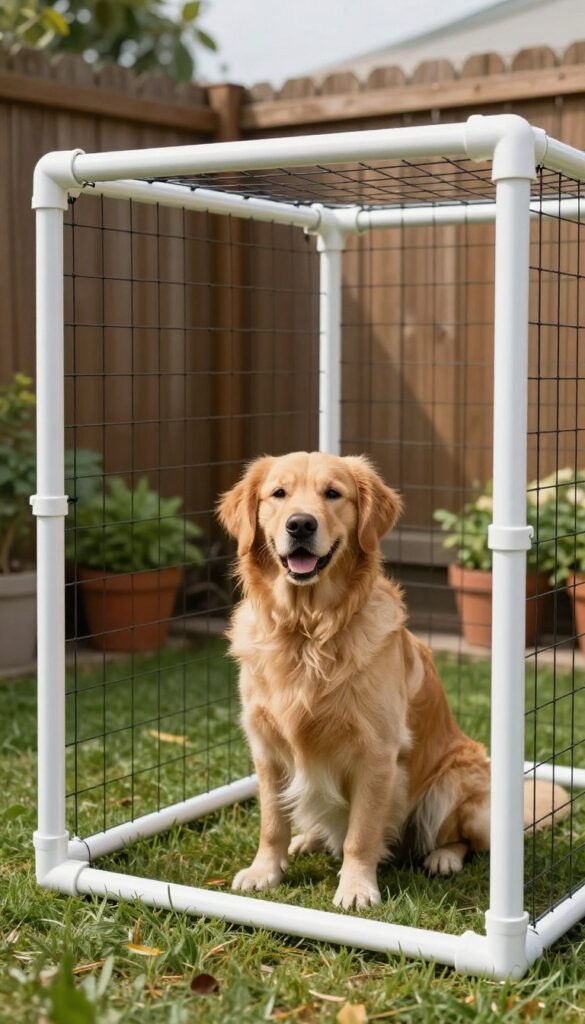
PVC pipes are surprisingly versatile for building a lightweight kennel that won't take up permanent real estate in your yard. The frame snaps together without any special tools, and the wire mesh keeps your dog safely contained while allowing plenty of airflow and visibility. Dog owners love this design because it's easy to customize to any small space—and even easier to take apart when you need the room back.
Why It Works
PVC is weather-resistant, won't rust, and costs a fraction of wood or metal. The mesh panels let your dog see out and stay cool, which reduces anxiety in a small yard. Plus, the entire structure can be built in an afternoon with basic supplies from the hardware store.
Best For
This is perfect for small yards where a permanent kennel feels too bulky. It's also great for renters who need a temporary setup that can be dismantled and moved. Dogs that enjoy being outdoors but don't need heavy-duty containment will thrive here.
Practical Tip
Use ¾-inch or 1-inch PVC for stability, and secure the mesh with zip ties—they're cheap, strong, and easy to replace. Add a shade cloth over the top if your yard gets direct sun, and stake the corners into the ground so the kennel doesn't shift in wind.
Budget-Friendly Option
Instead of buying new PVC, check local salvage yards or online marketplaces for used pipes. You can also substitute the wire mesh with repurposed fencing or even heavy-duty plastic netting for a lighter, lower-cost option.
3. Repurposed Crate Kennel
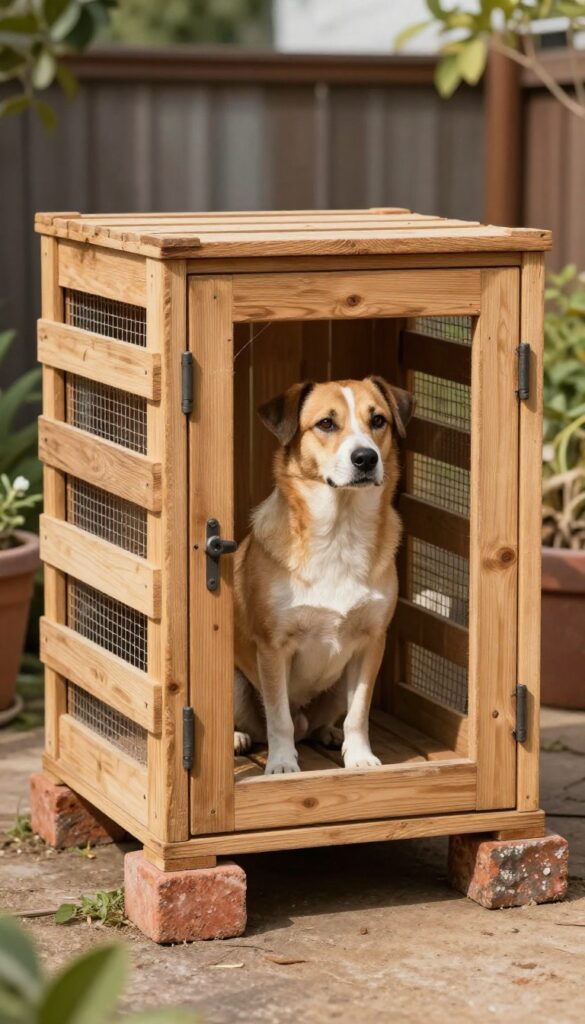
Shipping crates aren't just for moving—they can become a stylish, nearly free kennel for your dog. Look for old wooden or metal crates at salvage yards, flea markets, or behind hardware stores. With a little elbow grease, you'll have a unique, rustic shelter that blends into your yard.
Why It Works
The solid walls and built-in structure of a shipping crate mean you don't need to frame or reinforce much. Simply add a door, cut a few ventilation holes, and apply a weatherproof coating. The thick wood or metal provides excellent insulation and durability, so your dog stays comfortable in all seasons.
Best For
This idea works great for medium to large dogs that prefer a den-like, enclosed space. It's perfect for owners with a knack for upcycling or those who want a kennel that doubles as yard decor. Best in shaded or semi-covered spots to prevent overheating in metal crates.
Practical Tip
Add a hinged swing door with a latch for easy access and security. Drill several 2-inch holes near the top for airflow, then cover them with mesh to keep bugs out. Seal the wood with non-toxic, weather-resistant paint or stain, and elevate the crate slightly off the ground on bricks or pavers to prevent rot.
Budget-Friendly Option
If you can't find a free crate, check online marketplaces for used ones under $20. Alternatively, use a large wooden fruit crate or a sturdy appliance box (for temporary use) lined with plastic sheeting.
4. Foldable Dog Run with T-Posts
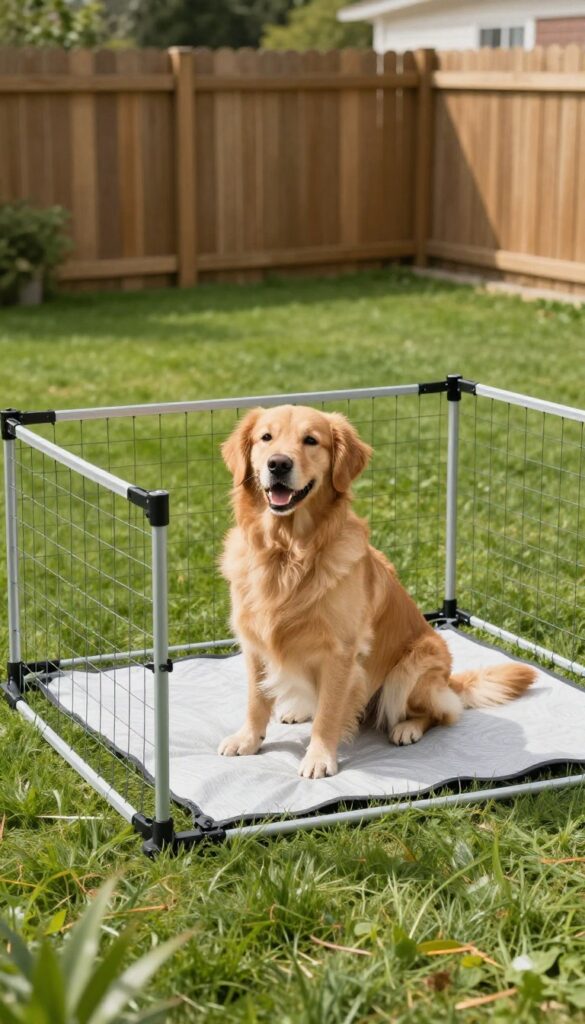
When every square foot counts, a foldable run gives you the freedom to create a secure space that disappears when you don't need it. Metal T-posts and welded wire panels form the backbone of this design, letting you set up a sturdy enclosure in minutes. The panels hinge together like a folding screen, so you can collapse it flat and stash it against a fence or in a shed.
Why It Works
T-posts drive into the ground without concrete, making installation temporary and removable. The hinged panels create a rigid structure that won't wobble, yet they fold down to just a few inches thick. This setup respects your small yard by not permanently claiming space—your dog gets a run when it's up, and you get your full yard back when it's down.
Best For
Perfect for renters or anyone who can't make permanent changes to their yard. Also great for owners of medium to large dogs who need more room to stretch than a fixed kennel allows. If you frequently rearrange your outdoor space or need a portable solution for camping or travel, this design delivers.
Practical Tip
Attach the wire panels with heavy-duty gate hinges so they fold smoothly. Use a snap hook or carabiner to secure the open end to a T-post for quick entry and exit. For comfort, lay down a washable outdoor mat or artificial turf inside the run—this keeps paws clean and makes cleanup easy with a hose.
Budget-Friendly Option
Instead of buying new welded wire panels, look for used dog kennel panels on Craigslist or Facebook Marketplace. You can often find them for a fraction of the cost, and they already have the right dimensions for folding. Just add hinges and T-posts to complete the run.
5. Under-Deck Kennel Conversion
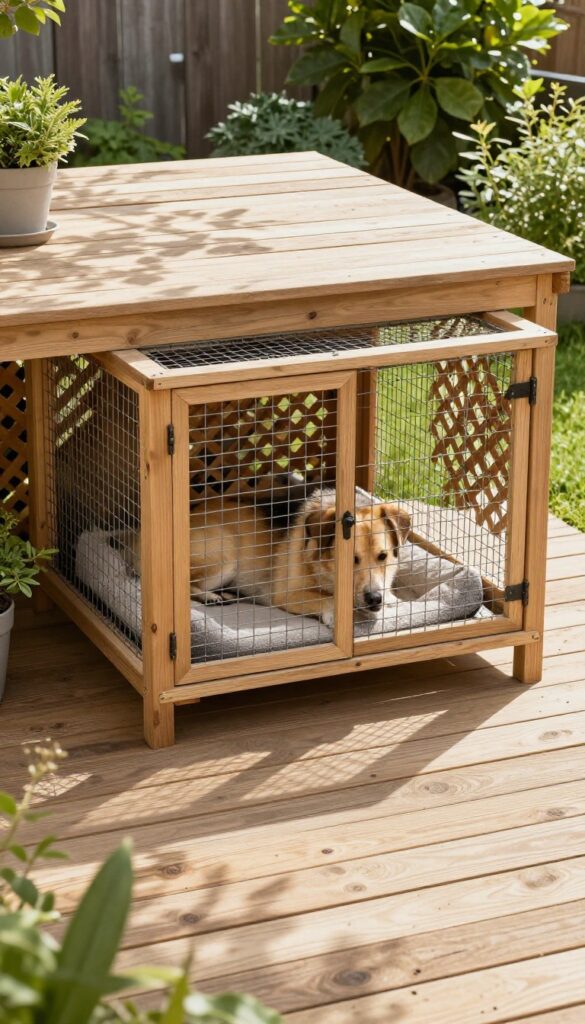
Got a deck with wasted space underneath? Turn that dark, dusty area into a cool, shaded kennel your dog will love. By enclosing the space with lattice or wire mesh, adding a door, and building a raised floor, you create a weather-protected retreat that stays dry and breezy.
It's one of the smartest ways to reclaim unused square footage without sacrificing yard space.
Why It Works
The deck itself provides a solid roof and natural shade, keeping your dog cool in summer and dry during light rain. A raised floor prevents moisture and mud from seeping in, while the enclosed sides keep your pup safely contained. Plus, you're using area that's otherwise just collecting cobwebs.
Best For
This is perfect for homeowners with an elevated deck—especially those with small yards where every inch counts. It works well for medium to large dogs who need a bit more headroom, but can be scaled down for smaller breeds. Great for dogs that enjoy lounging outdoors but need protection from direct sun.
Practical Tip
Use pressure-treated lumber for the floor frame and exterior-grade plywood or composite decking for the surface. Attach lattice panels with hinges so you can open them for easy cleaning. Add a weatherproof door flap or a simple hinged gate for access.
Paint or stain the wood to match your deck for a cohesive look.
Budget-Friendly Option
Skip expensive lattice and use heavy-duty galvanized wire mesh instead—it's cheaper and lets more air flow. For the floor, repurpose leftover pallet wood or scrap plywood from other projects. You can even use an old dog crate door as the kennel entrance to save on hardware.
6. Doghouse Attached to Fence Line
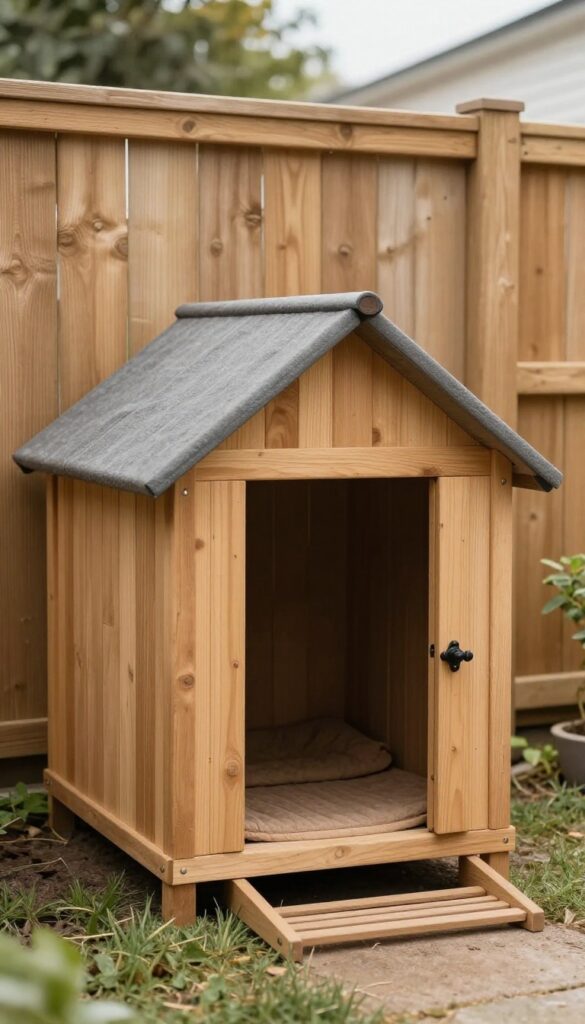
Your fence can do double duty as one wall of a doghouse, saving materials and floor space. By building a simple structure that hooks right onto the fence, you create a cozy den without eating up precious yard area. It's a smart way to give your pup a private spot while keeping the rest of your yard open.
Why It Works
Attaching a doghouse to the fence eliminates the need for a fourth wall, cutting material costs and construction time. The fence also provides natural wind protection and a sense of security for your dog, making the space feel like a safe den. Plus, you can easily add a small fenced run in front for exercise.
Best For
This is perfect for small yards where every inch counts, especially for medium to large dogs that need a bit more headroom. It works well for owners who want a permanent structure that blends with the existing fence line.
Practical Tip
Use weatherproof plywood and paint it to match your fence for a seamless look. Add a slanted roof to shed rain, and consider a hinged top or side for easy cleaning. Place a soft bed inside and ensure the opening faces away from prevailing winds.
Budget-Friendly Option
If you have leftover fencing materials, use those for the walls and roof. Instead of buying new lumber, check Habitat for Humanity ReStores or online marketplaces for cheap plywood or scrap wood.
7. Raised Platform Kennel
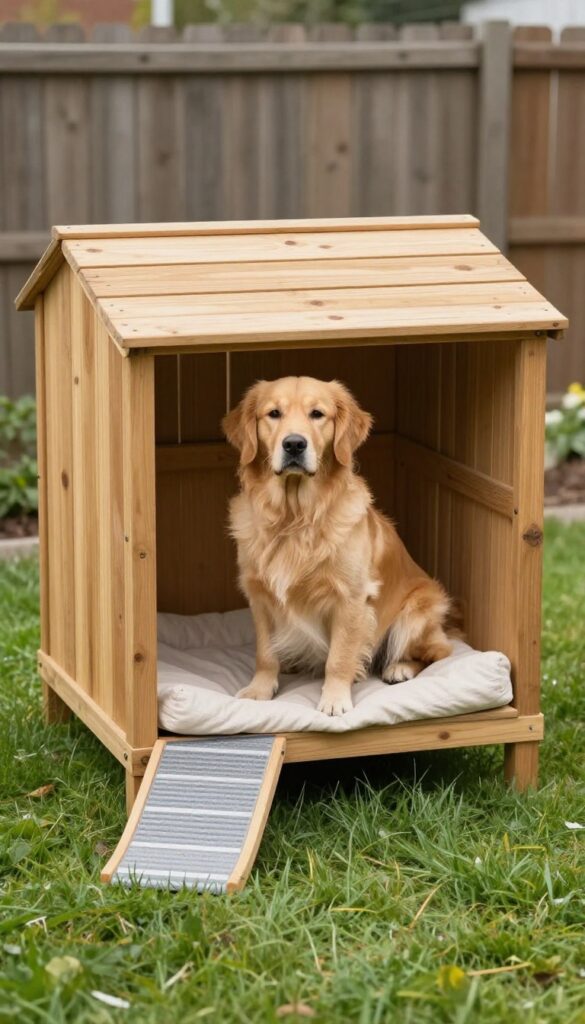
Elevating your dog's kennel off the ground is a game-changer for small yards. A raised platform design keeps your pup cool in summer, dry after rain, and gives them a vantage point to watch the world go by. It's a simple build that makes a big difference in comfort and usability, especially when space is tight.
Why It Works
The elevation allows air to circulate underneath, preventing heat buildup and moisture problems. Your dog stays cleaner and more comfortable, while you avoid the muddy mess that ground-level kennels often create. Plus, the open space beneath can be used for storage.
Best For
This kennel is perfect for older dogs with joint issues, as the ramp reduces strain on their hips and knees. It also suits breeds that overheat easily, like huskies or bulldogs, and works well in yards with poor drainage or limited flat ground.
Practical Tip
Paint or stain the wood with a pet-safe sealant to protect against weather. Add a weatherproof roof with a slight overhang to keep rain out. For comfort, place a soft, washable bed on the platform and ensure the ramp has a non-slip surface, like outdoor carpet or grip tape.
Budget-Friendly Option
Instead of buying new lumber, check for free pallets or reclaimed wood. Use corrugated plastic sheets for the roof instead of metal or shingles. A simple wooden ramp can be replaced with a sturdy, repurposed shelf or a piece of plywood with slats.
8. Repurposed Furniture Kennel
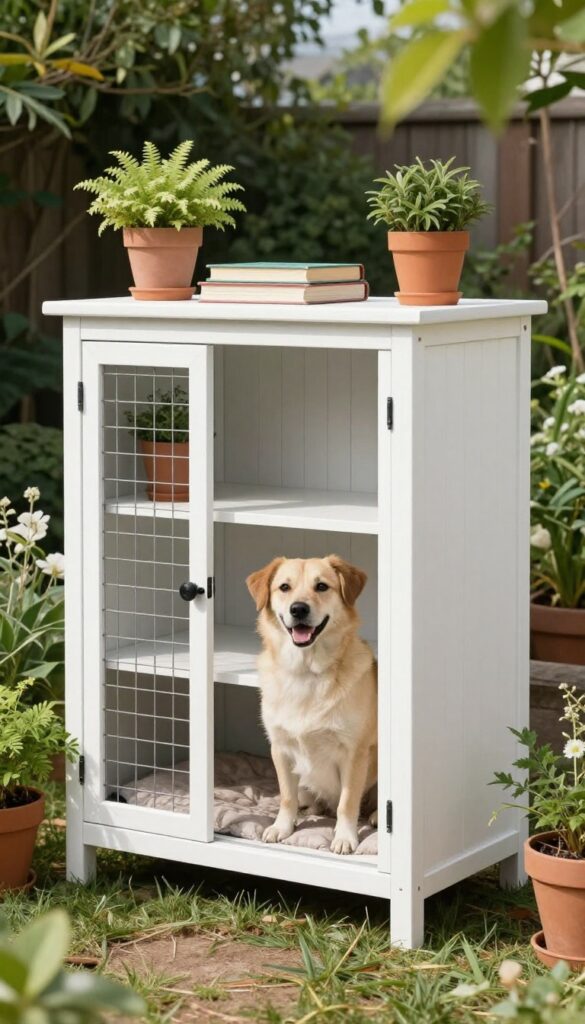
That old bookshelf gathering dust in the garage? With a little elbow grease, it can become your dog's new favorite hangout. Repurposed furniture kennels are a clever way to upcycle something you already own into a sturdy, enclosed space for your pup.
They blend into your home or yard better than a standard wire crate, and you can customize the size and style to match your space.
Why It Works
Furniture like bookshelves and cabinets are built to last, so they provide a solid structure that can handle daily use. Removing shelves creates a roomy interior, and adding a simple door keeps your dog safely contained. Plus, you're saving money and reducing waste—a win for your wallet and the planet.
Best For
This idea works great for small yards where every inch matters, especially if you have a medium to large dog that needs a bit more headroom. It's also perfect for DIYers who enjoy weekend projects and want a kennel that looks intentional, not like an eyesore.
Practical Tip
Reinforce the furniture with extra screws and brackets to ensure it's stable, especially if your dog is a jumper or chewer. Use a pet-safe paint or stain to seal the wood, and add a soft bed inside for comfort. A hook-and-eye latch on the door keeps it secure without being complicated.
Budget-Friendly Option
If you don't have spare furniture, check thrift stores or online marketplaces for cheap bookshelves or cabinets. You can often find solid wood pieces for under $20—just give them a good clean and reinforce as needed.
9. Portable Wire Panel Kennel
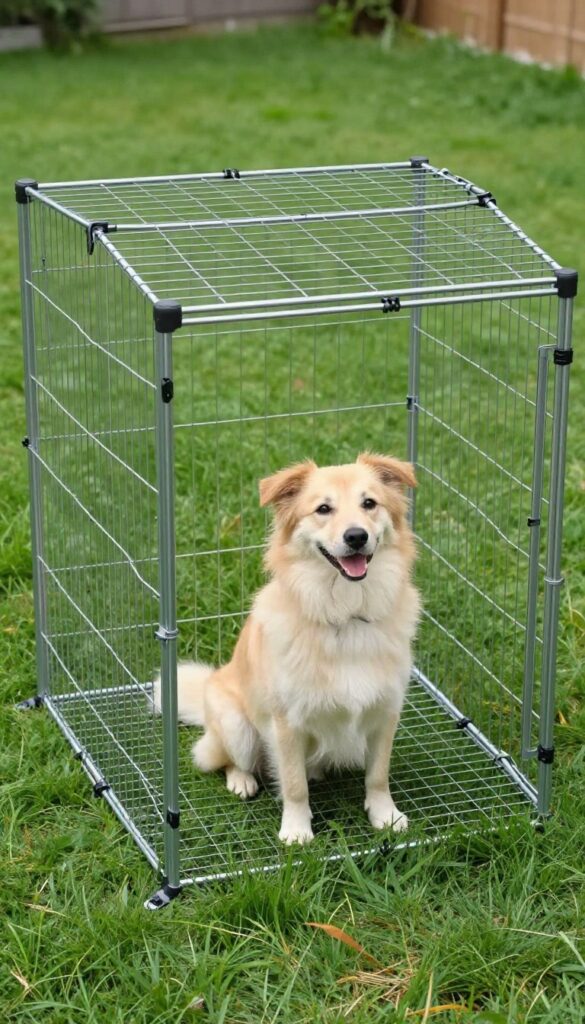
Modular wire panels, like those used for puppy pens, offer a flexible and affordable kennel solution. You can connect them with zip ties or carabiners to create any shape you need. This setup is lightweight, easy to move, and can be expanded later as your space or needs change.
Why It Works
Wire panels are inexpensive, easy to find at pet stores or online, and require no tools to assemble. They let you customize the kennel size and shape to fit odd corners of your yard, and you can take them down in minutes for storage or relocation.
Best For
Dog owners who want a temporary or adjustable outdoor space, especially for small yards with irregular shapes. Great for puppies that outgrow their pen or for multi-dog households that need flexible separation.
Practical Tip
Add a shade cloth or tarp over part of the kennel to provide shelter from sun or rain. Use ground stakes to secure the panels if your yard has soft soil, or attach them to a fence for extra stability.
Budget-Friendly Option
Instead of buying new wire panels, check Facebook Marketplace or garage sales for used puppy pens or modular pet gates. You can also repurpose old wire shelving units by removing the shelves and using the frames.
10. Tire and Wood Combo Kennel
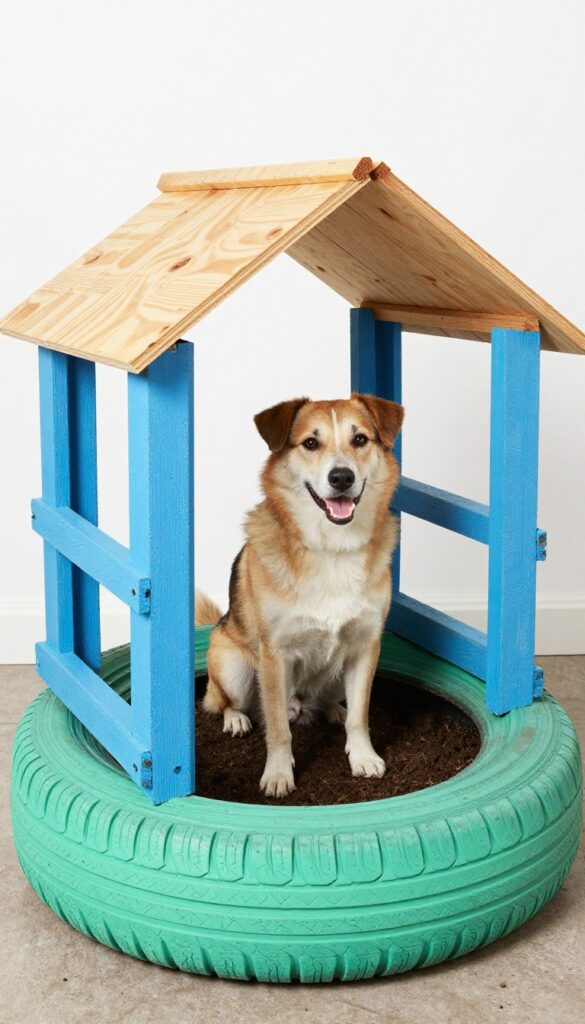
Old tires usually end up in a landfill, but they can become the walls of a sturdy, eco-friendly kennel. Stack them in a circle or square, paint them a cheerful color, and cap them with a wooden roof. The tires hold dirt for stability, and the wood keeps rain out.
This design is surprisingly durable and gives your dog a cozy, insulated shelter. Plus, it's a great conversation starter when friends see your creative reuse.
Why It Works
Tires are thick rubber, so they naturally insulate against heat and cold. Filled with soil, they become heavy and stable, so the kennel won't tip over even in wind. The wooden roof sheds rain, and the whole thing costs very little if you source used tires.
Best For
Medium to large dogs that like to lean or push against walls. Also great for eco-conscious owners who want to repurpose waste. Works best in a shaded spot, since tires can get warm in direct sun.
Practical Tip
Paint the tires with outdoor latex paint in a light color to reflect sunlight. Drill a few small drainage holes in the bottom tires so water doesn't pool. Add a soft bed inside and check for sharp edges on the tire rims before letting your dog in.
Budget-Friendly Option
If you can't find free tires, check local auto shops—they often give them away. For the roof, use scrap plywood or an old pallet covered with tar paper. Skip the paint to save even more.
FAQ
What is the cheapest material for a DIY dog kennel?
Reclaimed wood pallets and PVC pipes are among the cheapest materials. You can often get pallets for free from local stores, and PVC is inexpensive and easy to work with.
How can I make a small yard kennel more comfortable for my dog?
Ensure proper ventilation, add shade with a canopy or roof, provide a raised bed to keep your dog off hot or wet ground, and include a water bowl that stays cool.
Is it safe to use repurposed materials for a dog kennel?
Yes, but avoid materials that have been treated with harmful chemicals, like old railroad ties or painted wood with lead-based paint. Always sand rough edges and secure all parts firmly.
How big should a kennel be for a medium-sized dog?
A kennel should be at least twice the length of your dog from nose to tail, and wide enough for them to turn around comfortably. For a medium dog (30-50 lbs), aim for 4×6 feet.
Can I build a DIY kennel without power tools?
Absolutely. Many designs use hand tools like a saw, hammer, screwdriver, and measuring tape. PVC and wire mesh projects often require only a cutter and zip ties.
Conclusion
Building a DIY dog kennel for a small yard doesn't have to be expensive or complicated. With a little creativity and some basic materials, you can create a safe, comfortable space your dog will love. Each of these ideas can be adapted to fit your specific yard size and your dog's needs.
Start with the design that feels most doable for your skill level and budget. Your pup will thank you for the new outdoor retreat.

I’m Pallab Kishore, the owner of Little Pets Realm — an animal lover and pet care enthusiast sharing easy tips, healthy recipes, and honest advice to help every small pet live a happy, healthy, tail-wagging life.