
Your dog's crate should feel like a cozy den, not a cold cage. But getting the setup right takes more than just tossing in a blanket.
Temperature, airflow, and even the location matter more than most owners realize. These nine ideas focus on everyday comfort—things you can tweak today without a big budget.
From bedding choices to cooling solutions, each tip helps your pup relax and settle in. Whether you have a new puppy or an anxious rescue, these small changes make a big difference in how your dog feels about their crate.
1. Choose the Right Bedding for Your Dog's Needs
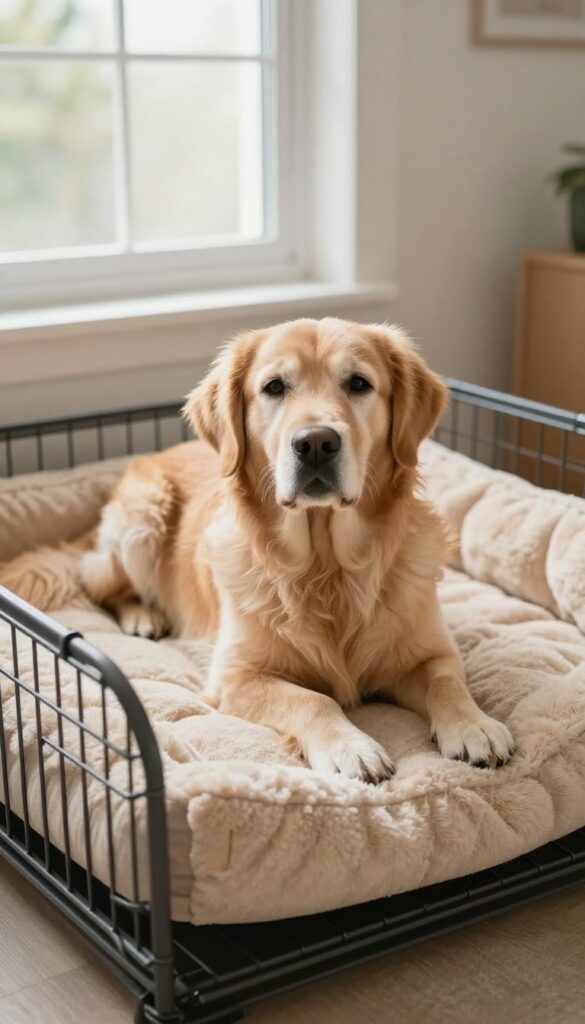
A crate is only as comfortable as what's inside it. Picking the right bedding means your dog actually wants to hang out in there, not just tolerate it.
The perfect bed depends on your dog's habits and health. Chewers need tough fabrics, seniors need joint support, and hot-climate pups need cooling materials. Matching the bed to your dog makes the crate feel like their personal retreat.
Why It Works
Dogs spend hours in their crate, so comfort directly affects their mood and sleep quality. The right bed prevents pressure sores, regulates temperature, and reduces anxiety. When your dog feels physically good, they associate the crate with positive feelings, making it a reliable safe space.
Best For
This tip works for every dog, but it's especially helpful for senior dogs with arthritis, heavy chewers who destroy soft beds, and breeds prone to overheating like Huskies or Bulldogs. Puppies also benefit from chew-resistant options during teething.
Practical Tip
Measure the crate floor and choose a bed that covers the whole surface to avoid cold or hard spots. For chewers, look for raised beds or heavy-duty nylon covers. For seniors, an orthopedic foam bed with a washable cover is ideal.
Rotate two beds so one can air out or be cleaned while the other is in use.
Budget-Friendly Option
If a premium bed isn't in the budget, repurpose an old memory foam pillow or a thick yoga mat. Cover it with a fleece blanket that's easy to wash. For cooling, freeze a water bottle wrapped in a towel and place it under the bedding.
2. Place the Crate in a Family-Friendly Spot
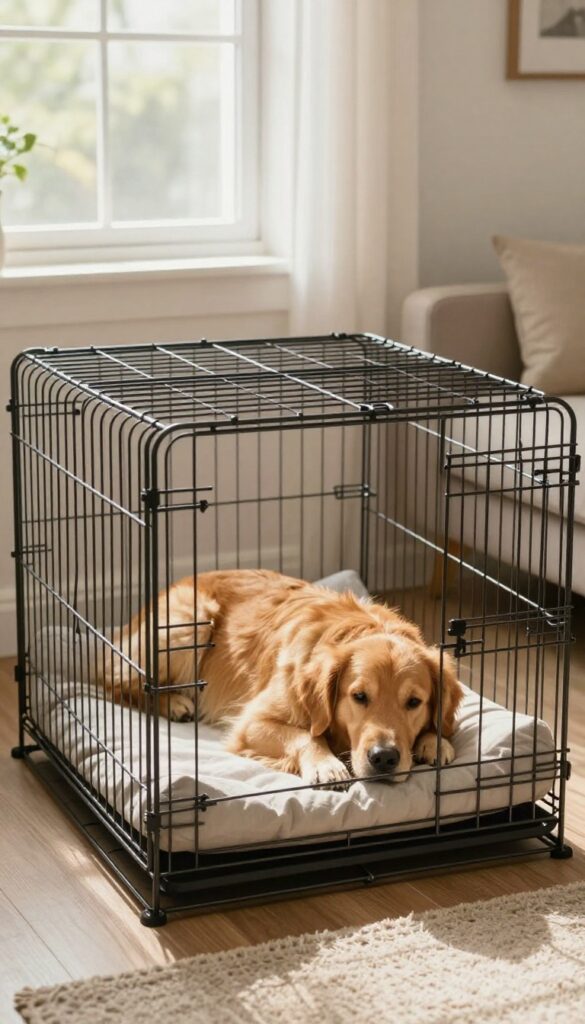
Where you put the crate matters just as much as what you put inside it. A crate tucked away in a lonely corner of the house can feel like a punishment zone rather than a safe retreat.
Dogs are social animals. They want to be part of the action, even when they're resting. Placing the crate in a living room or kitchen corner lets your dog see and hear the family, which reduces anxiety and makes the crate feel like part of the pack's territory.
This simple shift in location can transform how your dog views their crate. Instead of a place they're sent to, it becomes a spot they choose to hang out in.
Why It Works
Dogs feel more secure when they can keep an eye on their people. Being in a high-traffic area means they're not missing out on family time, which lowers stress and prevents whining or barking. The constant low-level noise and movement also desensitizes them to household sounds, making the crate a calm, familiar hub.
Best For
This setup is ideal for families with busy schedules, first-time dog owners, or anyone with a dog that shows signs of separation anxiety. It's also great for puppies who need to feel included while learning crate manners.
Practical Tip
Choose a corner that's out of direct foot traffic but still visible from the main seating area. Place a small rug or mat under the crate to protect floors and absorb noise. Keep the crate door open during the day so your dog can come and go freely.
Budget-Friendly Option
No need to buy anything new. Just move the crate to a better spot today. If the floor is hard, repurpose a old bath mat or towel underneath for extra cushioning and sound dampening.
3. Add a Crate Cover for Privacy and Calm
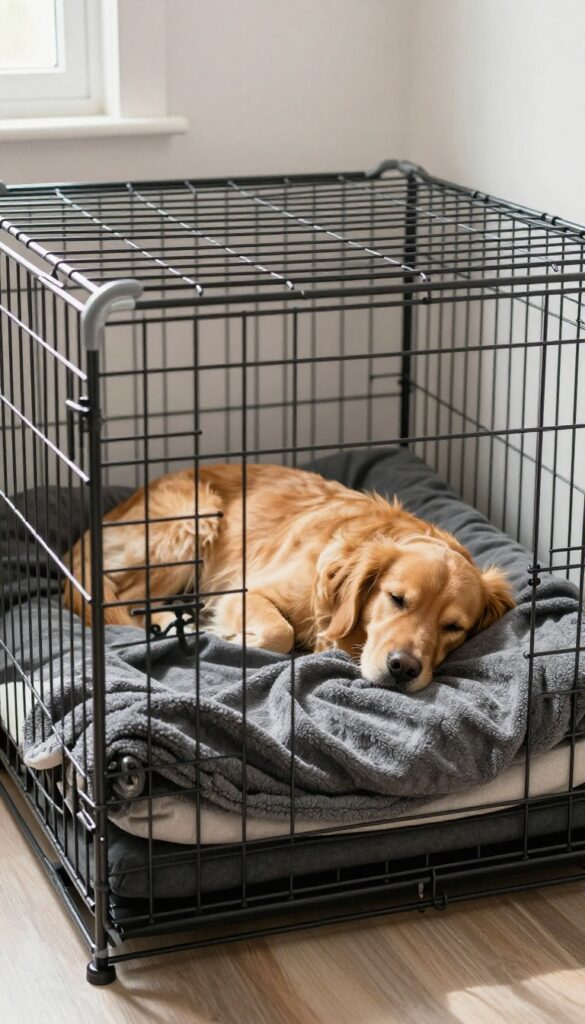
Dogs are den animals by nature, and a crate cover taps right into that instinct. A fitted cover or a simple dark blanket draped over three sides transforms an open wire crate into a cozy, secure hideaway. This setup is especially helpful for nervous dogs who need to feel hidden from household activity or for pups easily distracted by movement outside the crate.
Why It Works
Covering the crate reduces visual stimulation, which helps lower a dog's arousal level. The enclosed space mimics a natural den, encouraging relaxation and deeper sleep. It also muffles sounds and creates a consistent microclimate that feels safe and predictable.
Best For
This idea is ideal for anxious or shy dogs, rescue dogs adjusting to a new home, or any pup that struggles to settle when there's commotion nearby. It works well in high-traffic rooms or homes with multiple pets and children.
Practical Tip
Choose a breathable fabric like cotton or mesh to prevent overheating. Leave the back side slightly open for airflow, and make sure the cover is secured so it can't slip inside or be chewed. Wash the cover regularly to keep it clean and odor-free.
Budget-Friendly Option
No need to buy a specialty cover. A dark-colored flat sheet or a large towel works just as well. Use binder clips to attach it to the crate bars for a secure fit.
4. Use a Raised Bed or Mat for Better Airflow
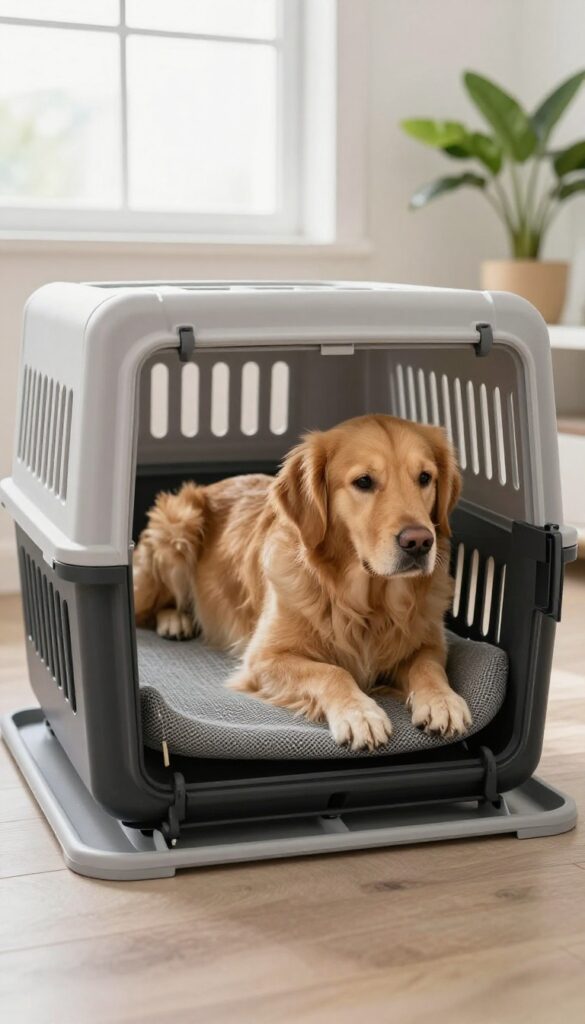
Standard crate mats trap heat and can get stuffy fast. A raised bed lifts your dog off the plastic tray or floor, letting air move freely underneath.
This small change helps regulate body temperature year-round. In summer it keeps them cooler, and in winter it adds a layer of insulation away from cold surfaces. Plus, elevated beds are incredibly easy to clean—just hose them off or wipe down.
Why It Works
Dogs lose heat through their paws and belly, so direct contact with a cold or hot surface is uncomfortable. A raised bed creates a gap for airflow, reducing moisture buildup and preventing overheating. The tensioned fabric also provides gentle joint support, which is especially helpful for older dogs or breeds prone to hip issues.
Best For
This setup is ideal for dogs who sleep hot, live in warm climates, or spend time in crates during summer months. It's also great for senior dogs with arthritis, large breeds that need extra joint support, and dogs who tend to chew or shred traditional bedding.
Practical Tip
Measure the crate interior first—most raised beds need at least 2 inches of clearance on each side to fit properly. Look for a bed with a removable, machine-washable cover for easy cleanup. If your dog likes to dig or circle, choose a model with a non-slip bottom to keep it in place.
Budget-Friendly Option
A DIY version works well: use a sturdy plastic storage bin flipped upside down with a towel or yoga mat strapped on top. Drill a few small holes for airflow, and you have a budget-friendly elevated bed that's easy to replace.
5. Incorporate a Safe Chew Toy or Lick Mat
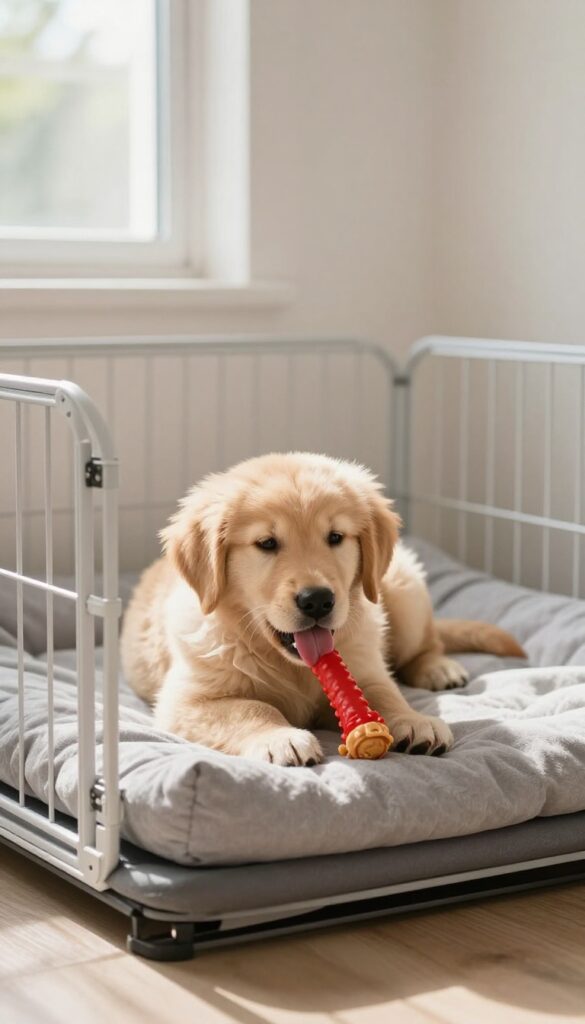
Chewing and licking are natural stress relievers for dogs. Adding a safe chew toy or lick mat inside the crate can help your dog associate the space with positive experiences.
A stuffed Kong or a lick mat smeared with peanut butter gives your dog a job to do while they settle in. This turns the crate from a boring box into a rewarding spot they actually look forward to entering.
Why It Works
Dogs are wired to chew and lick—it releases endorphins and helps them self-soothe. A toy or mat keeps their mouth busy and their mind occupied, which reduces anxiety and prevents destructive behaviors like barking or pawing at the crate door.
Best For
Puppies learning crate training, anxious dogs who struggle to settle, and high-energy breeds that need mental stimulation. Also great for dogs who are left alone for a few hours and need a positive distraction.
Practical Tip
Choose durable, non-toxic chews like rubber Kongs, nylon bones, or bully sticks. Freeze a stuffed Kong with wet food or yogurt for longer-lasting entertainment. Place the toy at the back of the crate so your dog has to go inside to reach it, reinforcing the crate as a happy place.
Budget-Friendly Option
No lick mat? Spread a thin layer of peanut butter on a clean silicone muffin cup or a small plastic lid. It’s disposable and easy to clean, though supervise to prevent chewing on the plastic.
6. Create a Cozy Nest with Soft Blankets
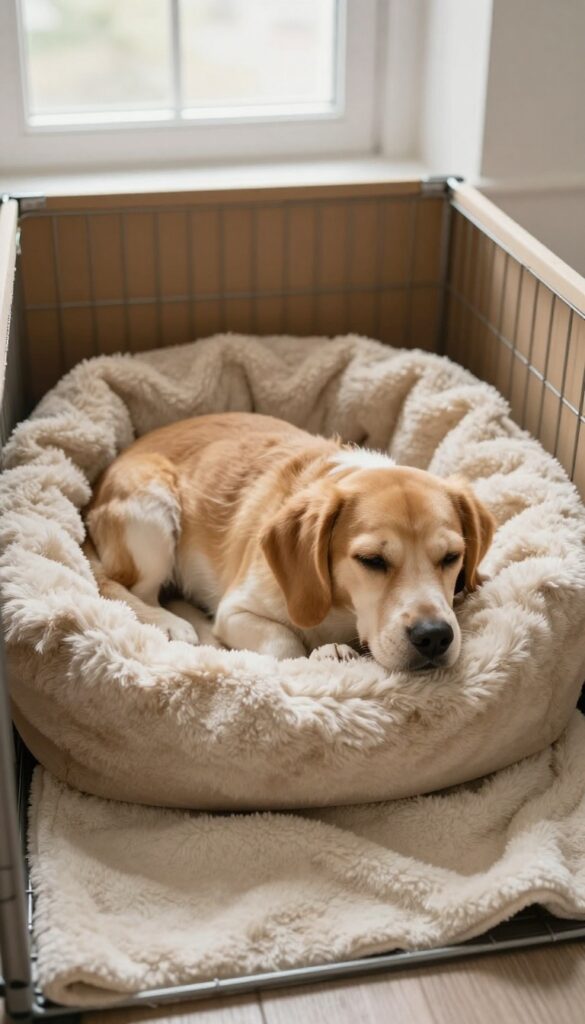
Dogs love to burrow and nest, and a pile of soft blankets can turn a basic crate into a five-star bedroom. Fleece and faux fur mimic the warmth of a litter or den, helping your pup feel snug and secure. Plus, blankets are easy to swap out for washing, so you can keep the crate fresh without much effort.
Why It Works
Soft blankets trap body heat and provide a plush surface that cushions joints and reduces pressure points. The nesting behavior it encourages releases calming hormones, which can lower anxiety and help your dog settle faster, especially during thunderstorms or fireworks.
Best For
This setup works great for any dog that likes to burrow or sleep curled up. It's especially helpful for short-haired breeds, senior dogs with achy joints, or puppies that need extra warmth and comfort during crate training.
Practical Tip
Layer two or three blankets—one flat on the crate tray, one folded into a nest shape, and a small one for burrowing. Choose fleece or faux fur with tight weaves to avoid loose threads. Check for any torn edges or stuffing poking out, and remove damaged blankets immediately.
Rotate the top layer every few days and wash the whole set weekly to keep odors and dirt under control.
Budget-Friendly Option
Skip expensive pet-brand blankets. Hit a thrift store or use old fleece throws you already own. Just make sure they're machine washable and free of buttons, zippers, or embellishments that could be chewed off.
7. Add a Small Water Bowl or Bottle Attachment
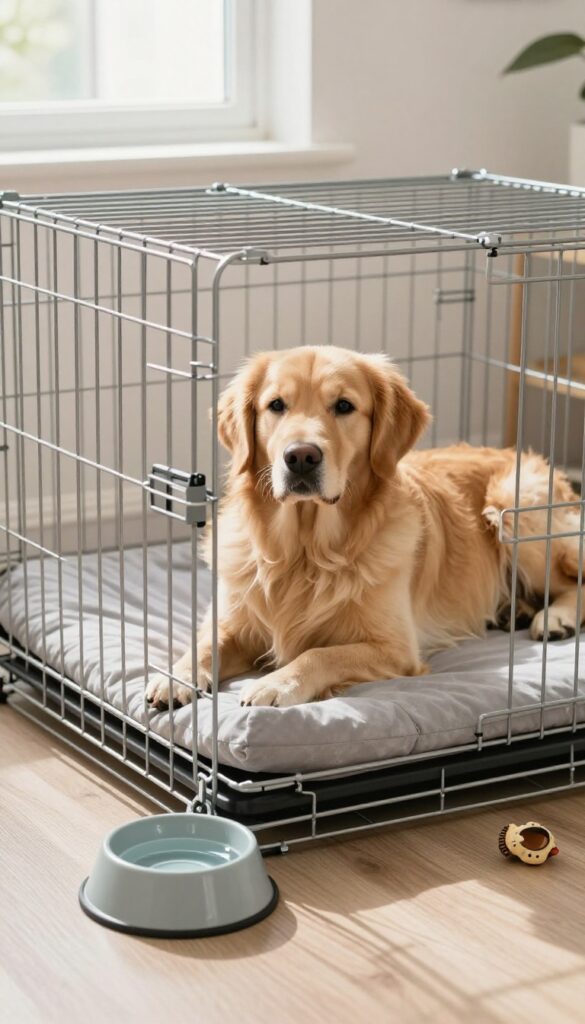
Hydration is key, especially if your dog spends several hours in their crate. A no-spill water bowl that clips onto the crate door or a hanging bottle attachment gives them constant access to fresh water without turning the bedding into a soggy mess. It's a small addition that makes a big difference in your dog's comfort and your cleanup routine.
Why It Works
Dogs can get thirsty during longer crate stays, but a regular bowl on the floor is easy to knock over. Attached bowls or bottles stay put, reduce spills, and keep the crate dry. This means your dog stays hydrated, and you don't have to wash wet bedding every day.
Best For
This setup is ideal for dogs who spend a few hours at a time in their crate, especially during work hours or overnight. It's also great for puppies who are still learning to control their water intake and for senior dogs who need easy access to water.
Practical Tip
Choose a bowl with a rubber base or a locking mechanism that secures tightly to the crate bars. For bottle attachments, make sure the drinking tube is at a comfortable height for your dog—usually around shoulder level. Clean both daily to prevent slime buildup.
Budget-Friendly Option
If you don't want to buy a special attachment, try using a heavy ceramic bowl with a wide base that's hard to tip. Or repurpose a small plastic container with a clip lid from a dollar store—just drill a hole for the clip and secure it to the crate.
8. Use a Crate Fan or Cooling Pad in Warm Weather
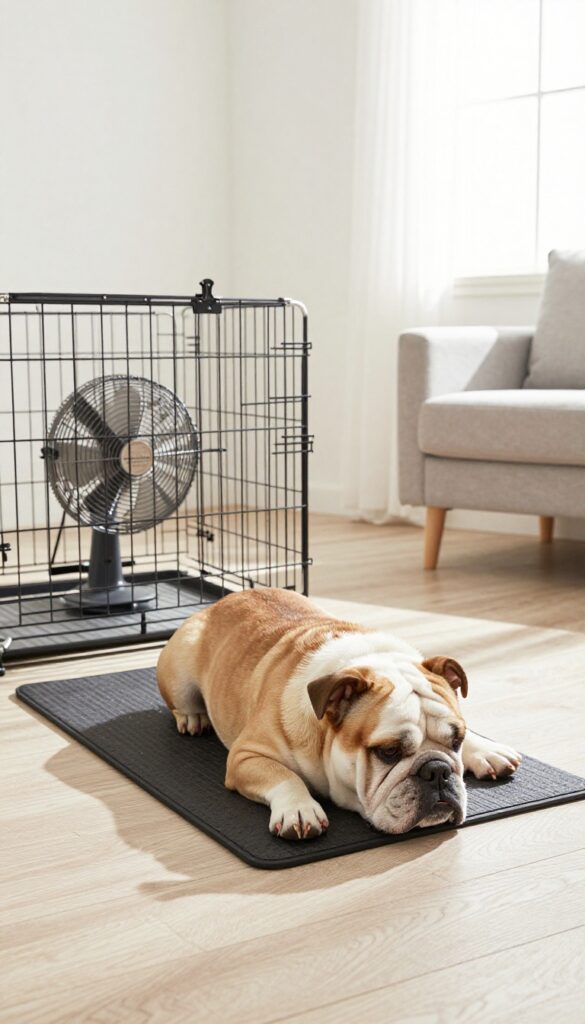
When temperatures climb, even the coziest crate can turn into an oven. A simple battery-operated fan clipped to the crate bars or a cooling pad placed inside can make all the difference.
These small additions create airflow or provide a cool surface, helping your dog stay comfortable during hot spells. They're especially helpful for brachycephalic breeds like bulldogs or pugs that struggle to regulate heat.
You don't need to invest in expensive climate control—just a few affordable accessories can keep the crate feeling fresh and breathable.
Why It Works
Dogs cool themselves primarily through panting and paw pads, so a crate can trap heat quickly. A fan circulates air and lowers perceived temperature, while a cooling pad absorbs body heat through pressure-activated gel or water. Both methods reduce the risk of overheating without relying on electricity or leaving the crate open.
Best For
This setup is ideal for flat-faced breeds (like French bulldogs, Boston terriers, or shih tzus) and thick-coated dogs (Huskies, Golden Retrievers) who overheat easily. It also works well in homes without central air or for crates placed in warmer rooms.
Practical Tip
Clip the fan securely to the crate door or side bars, out of your dog's reach. For cooling pads, choose a durable, non-toxic option with a chew-resistant cover—avoid gel packs that could leak if punctured. Place the pad under a thin blanket to add comfort without reducing cooling effect.
Budget-Friendly Option
A frozen water bottle wrapped in a towel works as a low-cost cooling pad. Just wrap it well to prevent direct contact and replace it as it thaws. You can also freeze a damp washcloth for a smaller, temporary cool spot.
9. Make the Crate Part of a Multi-Functional Space
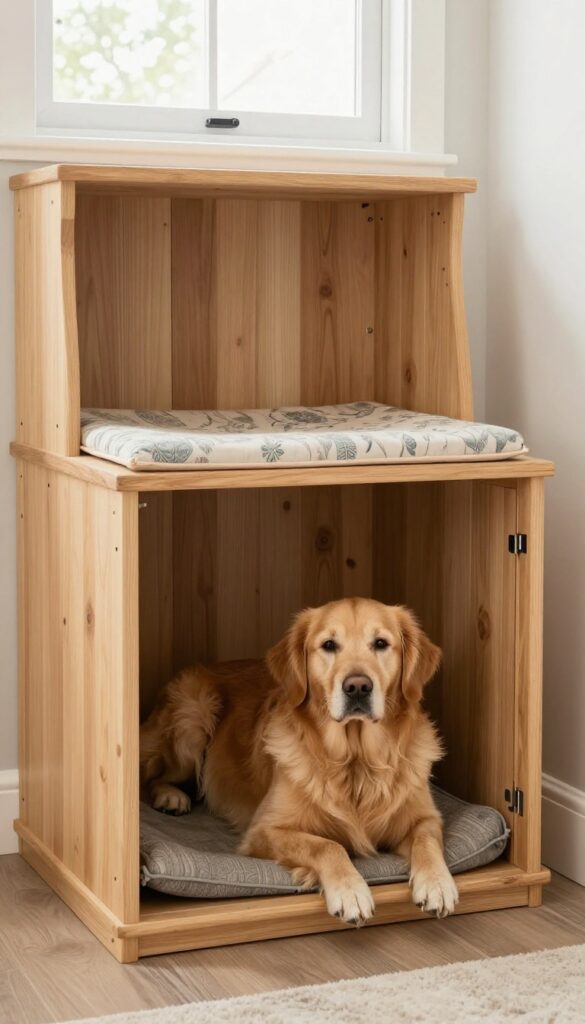
A crate doesn’t have to be an eyesore or a standalone piece. By tucking it into a mudroom bench, sliding it under a desk, or topping it with a decorative cushion, you can blend function with style. This approach saves floor space and makes the crate feel like a natural part of your home, not an afterthought.
Why It Works
When a crate is integrated into furniture or a built-in, it becomes less of a “cage” and more of a cozy nook. Dogs often settle better when the crate is in a high-traffic area where they can still feel part of the family. Plus, the added surface on top gives you extra storage or a perch for your cat.
Best For
This setup is perfect for apartment dwellers or anyone short on square footage. It also suits owners who want the crate to double as a side table, plant stand, or bench seat. If you have a cat and a dog, the top cushion can become a cat bed, keeping the peace.
Practical Tip
Choose a crate with a flat, sturdy top. Add a custom-fit cushion or a wooden topper that matches your decor. For mudrooms, build a bench around the crate with storage cubbies above or beside it.
Always ensure the crate has good airflow—don’t block the sides or back vents.
Budget-Friendly Option
If you don’t want to build, buy a cheap end table large enough to sit on top of the crate. Or repurpose a sturdy coffee table—just make sure it’s heavy enough that your dog can’t knock it off.
FAQ
What size crate should I get for my dog?
Choose a crate large enough for your dog to stand, turn around, and lie down comfortably. For puppies, use a divider to adjust the space as they grow.
How do I make my dog love their crate?
Associate the crate with positive experiences: feed meals inside, give treats, and leave a favorite toy. Never use it for punishment.
Should I leave water in the crate overnight?
For most adult dogs, water overnight is fine, but remove it if your dog tends to spill or needs a bathroom break. Use a no-spill bowl for safety.
Can I put a pee pad inside the crate?
It's not recommended for house training, as dogs naturally avoid soiling their sleeping area. Use pads only for very young puppies or medical needs.
How often should I clean the crate?
Spot clean daily and do a deep clean weekly with pet-safe disinfectant. Wash bedding and toys regularly to prevent odors and bacteria.
Conclusion
Finding the right crate setup for your dog doesn't have to be a guessing game. Start with one or two ideas that match your pup's habits and your home's layout, then tweak as you go.
A cozy, well-placed crate becomes a favorite spot for your dog and a seamless part of your daily routine. Small adjustments make a big difference in comfort and peace of mind for both of you.

I’m Pallab Kishore, the owner of Little Pets Realm — an animal lover and pet care enthusiast sharing easy tips, healthy recipes, and honest advice to help every small pet live a happy, healthy, tail-wagging life.