Last updated on June 27th, 2026 at 03:17 pm
A clean room doesn't have to be a distant dream. With just a few minutes each day, you can maintain a space that feels calm and inviting. The secret isn't a marathon cleaning session—it's small, consistent habits.
These 15 daily actions are designed to fit into your routine without adding stress. They target the most common sources of mess and help you stay ahead of clutter. You'll notice a difference almost immediately.
Start with one or two and build from there. Before you know it, keeping your room clean will feel effortless. Let's dive into the habits that make it happen.
1. Make Your Bed Every Morning

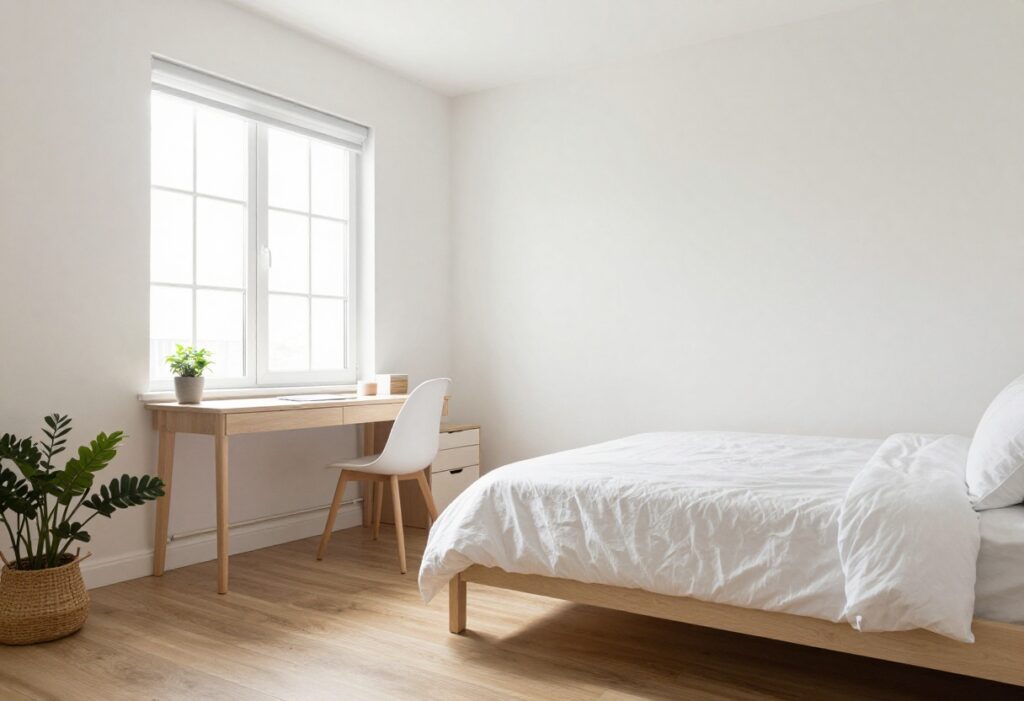
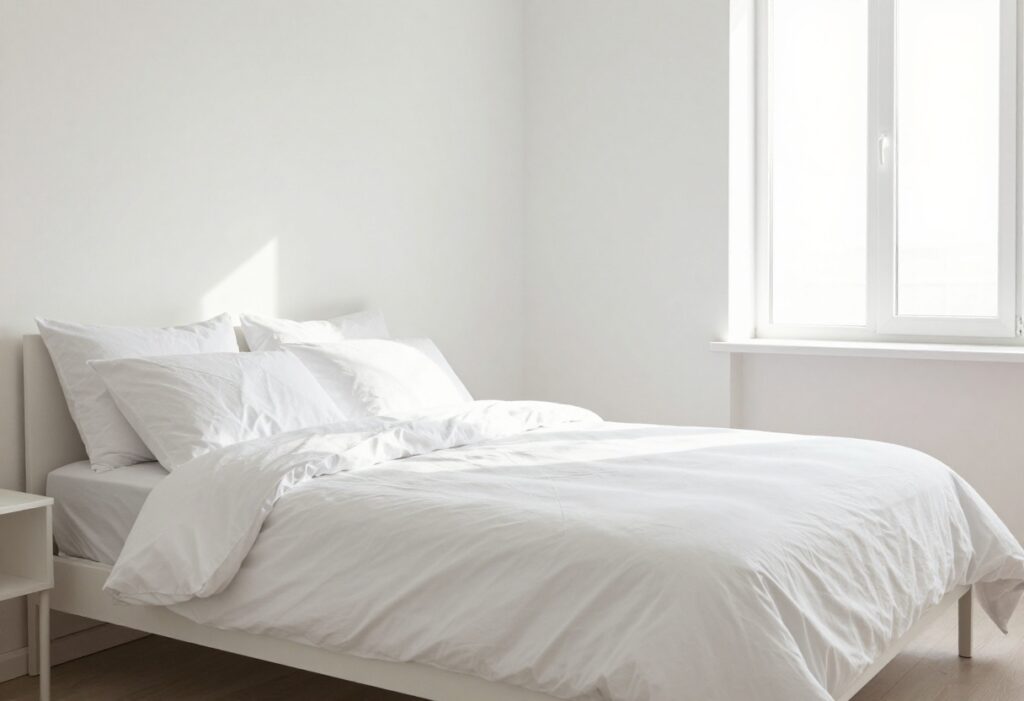
There's a reason so many productivity experts swear by this one habit. Making your bed each morning takes less than two minutes, but it completely changes how your room feels. Suddenly, the space looks intentional and organized, even if other areas still need attention.
When you make your bed, you remove the largest visual clutter in the room. A neatly made bed anchors the entire space and makes everything else look tidier. Plus, it's a small win that sets a productive tone for the rest of your day.
The Visual Impact
A made bed is like a clean canvas. It instantly makes your room look 50% cleaner, even if there are clothes on the floor or books on the desk. The symmetry and order draw the eye and create a sense of calm.
The Psychological Boost
Starting your day with a completed task gives you a subtle confidence boost. It's a gentle reminder that you can control your environment. This small accomplishment often leads to more productive choices throughout the day.
How To Make It Stick
Keep it simple. You don't need hospital corners or decorative pillows. Just pull up the duvet, smooth the wrinkles, and fluff the pillows.
Do it right after you get out of bed, before you check your phone. After a week, it'll feel automatic.
2. Do a 5-Minute Tidy Before Bed
The last five minutes of your day can set the tone for a fresh start tomorrow. Instead of leaving clothes, books, or random items scattered around, spend that time returning everything to its home. It’s a small effort that stops mess from piling up while you sleep.
This nightly habit is a game-changer because it tackles clutter at its peak—right when you're winding down. You don't need to deep-clean; just focus on surfaces and floors. Grab a laundry basket for stray clothes, stack books on a shelf, and toss trash.
The goal is a visually clear room, not perfection.
Make It A Ritual
Pair your tidy-up with an existing habit, like brushing your teeth or changing into pajamas. Set a timer if needed. Over time, it becomes automatic—a calming pre-sleep routine that also keeps your room clean.
Focus On Hotspots
Identify the spots where clutter tends to gather—your desk, a chair, or the foot of your bed. Each night, clear just those areas. This targeted approach prevents overwhelm and ensures you always wake up to a tidy space.
Keep Supplies Handy
Store a small basket or bin in your room for quick collection of items that belong elsewhere. A laundry hamper nearby also helps. When the tidy-up is easy, you're more likely to stick with it.
3. Put Away Clothes Immediately
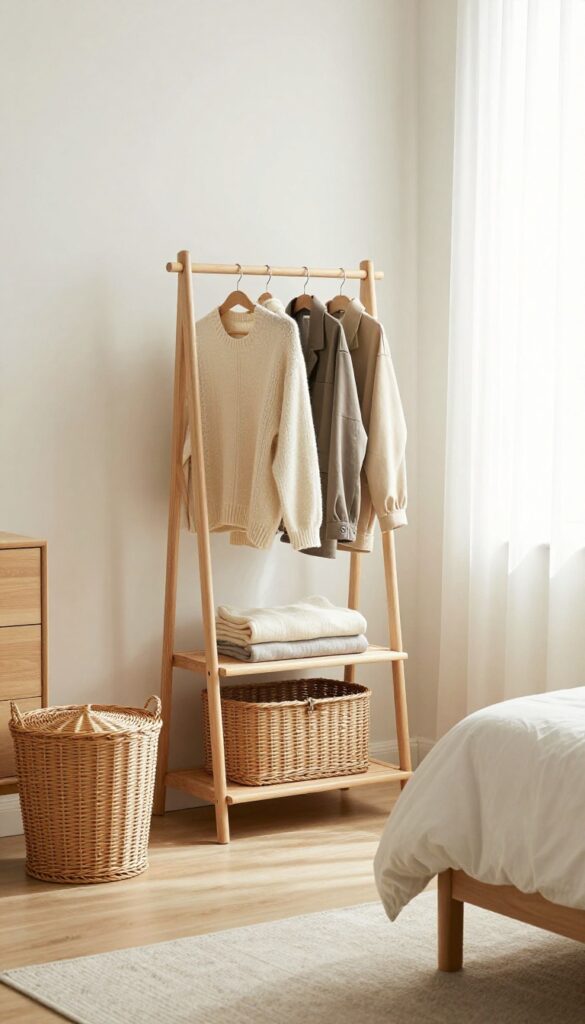
That chair in the corner—you know the one. It starts with a jacket, then a sweater, and before you know it, there's a mountain of clothes that could rival a laundry basket. The fix is simpler than you think: put things away the moment you take them off.
This one habit stops the pile before it starts and keeps your room looking tidy with almost zero effort.
The key is making it as easy as possible. Have a designated spot for clothes that are still clean enough to wear again—maybe a hook, a valet stand, or a specific drawer. For everything else, the hamper is your best friend.
When you undress, take those extra ten seconds to hang or fold instead of draping. It sounds small, but it eliminates the number one source of bedroom clutter.
Create A Landing Zone
Set up a small area—a hook on the back of the door, a stylish coat rack, or a dedicated shelf—for clothes you'll rewear. This gives you a clear place for that hoodie or jeans without throwing them on a chair. If it's not a rewear item, it goes straight into the hamper.
No middle ground.
The Two-second Rule
When you take off a shirt or pants, don't let them touch any surface except their final home. If you can't put them away right then, you're more likely to toss them on the floor. Train yourself to pause for two seconds and hang or fold.
It's faster than cleaning up a pile later.
Make Your Hamper Accessible
If your hamper is tucked away in a closet or under the bed, you're less likely to use it. Move it to a spot you pass every day, like next to your dresser or by the door. A lidded hamper keeps things out of sight, but an open one makes it even easier to toss clothes in without thinking.
4. Use a Laundry Hamper with a Lid
Dirty laundry is one of the biggest contributors to a messy room. An open pile of clothes on the floor or even in a bin can make the whole space feel cluttered. A hamper with a lid solves this problem by hiding the mess and keeping odors contained.
A covered hamper is a simple upgrade that instantly makes your room look tidier. It also prevents clothes from spilling out and reduces the temptation to toss things on top. The key is to empty it regularly—ideally every few days—so it doesn't overflow and become a chore.
Choose The Right Size
Pick a hamper that fits your laundry volume. If you wash once a week, a large hamper works. For more frequent loads, a medium size prevents overfilling.
Make sure it fits in your closet or a corner without blocking traffic.
Make It A Daily Drop
Get in the habit of putting dirty clothes directly into the hamper, not on the floor. Keep it near where you undress—like beside your bed or closet door. This small step prevents piles from forming.
Empty On A Schedule
Set a reminder to take the hamper to the laundry room every two to three days. A full hamper is harder to carry and more likely to spill. Regular emptying also keeps odors from building up.
5. Keep Surfaces Clear
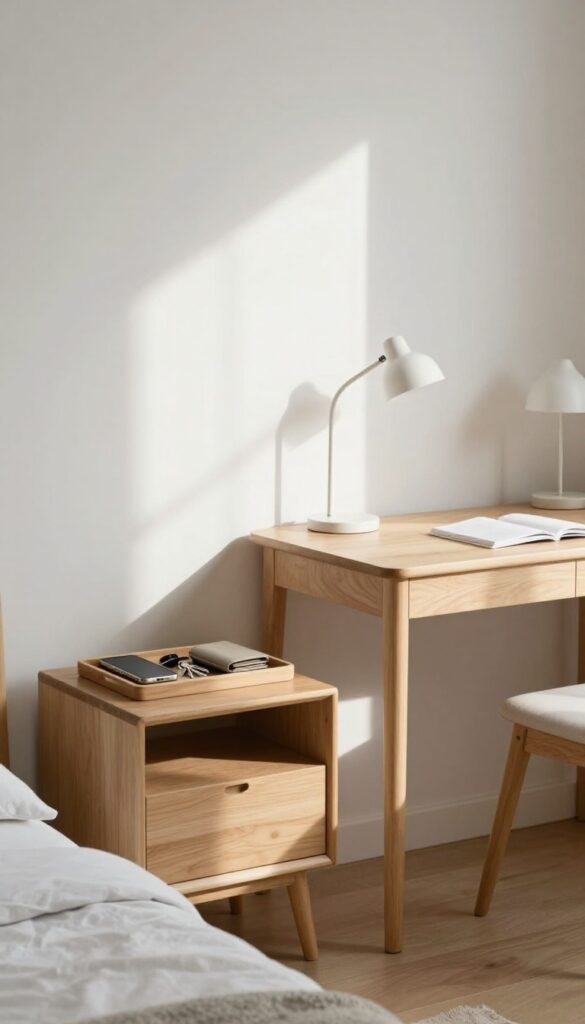
Flat surfaces have a way of collecting random items throughout the day. A coffee mug, a phone charger, a stack of mail—before you know it, your desk or nightstand looks like a storage unit. The fix is simple: commit to keeping those surfaces clear of anything that doesn't belong there.
When surfaces are clear, the whole room feels lighter. Dusting takes seconds instead of minutes, and you’re less likely to lose important items. Plus, a clean surface sets a visual tone that encourages you to keep the rest of the room tidy.
The One-touch Rule For Surfaces
Every time you walk past a surface, scan it for anything out of place. If something doesn’t belong, put it away immediately. This one-touch rule prevents small piles from becoming big messes.
Designate A Landing Zone
Choose one tray or small basket for items you use daily, like keys, wallet, and phone. Everything else should have a home elsewhere. This keeps your surfaces functional without clutter.
End-of-day Surface Reset
Before bed, spend 60 seconds clearing off your nightstand, desk, and dresser. Return items to their proper places. You’ll wake up to a calm, organized space that sets a positive tone for the day.
6. Adopt the One-Minute Rule
Mess has a sneaky way of piling up when you let small tasks slide. A crumpled wrapper here, a pillow out of place there—it doesn't seem like much until suddenly your room looks like a disaster zone. The one-minute rule stops that buildup before it starts.
If a chore takes sixty seconds or less, do it right away. No debating, no postponing. Just quick action that keeps your space tidy with almost no effort.
What Counts As A One-minute Task
Think of the tiny things you usually ignore: tossing an empty water bottle into the recycling bin, straightening a rug that's bunched up, putting a book back on the shelf, or wiping a smudge off a mirror. Hanging up a jacket, fluffing a throw pillow, or closing a drawer that's left open also qualify. These tasks take seconds but make a visible difference.
The key is to recognize them as opportunities, not interruptions.
How To Make It A Habit
Start by pairing the rule with an existing routine. For example, every time you stand up from your desk, scan for one one-minute task. Or when you walk into your room, do a quick 30-second sweep.
You can also set a gentle reminder on your phone for a few times a day. After a week, it'll feel automatic. The goal isn't perfection—just catching the easy wins before they snowball.
Why It Works So Well
The one-minute rule works because it lowers the barrier to action. Waiting until later gives mess a chance to multiply and makes cleaning feel overwhelming. By acting immediately, you eliminate the mental load of remembering to do it later.
Plus, each tiny success gives a small dopamine hit, making you more likely to keep going. Over time, these micro-habits create a room that stays clean without a big time investment.
7. Create a Designated Spot for Daily Items
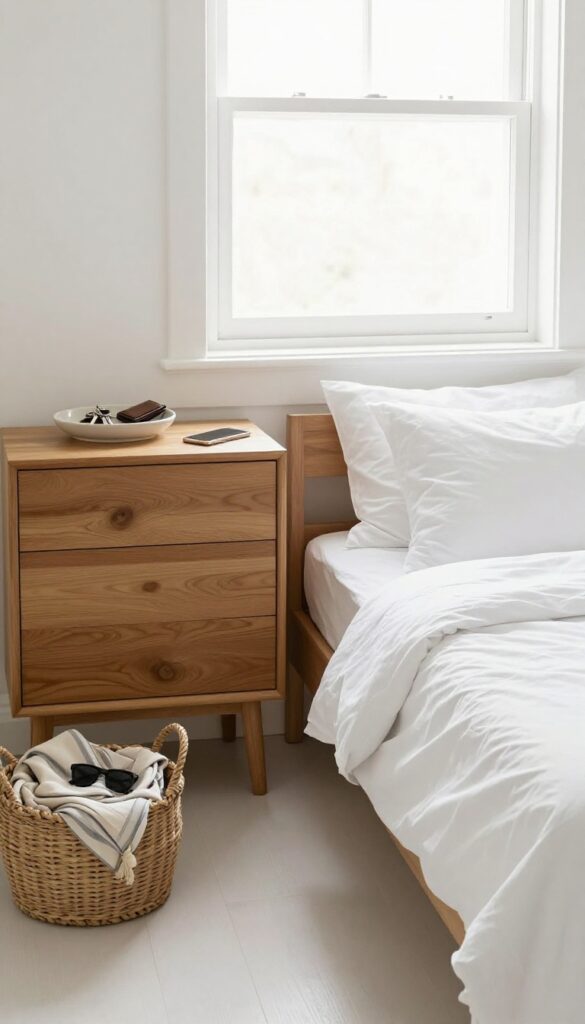
You know the drill—you walk in the door and toss your keys, wallet, and phone on the nearest surface. By morning, that pile has grown into a small mountain. The fix is simple: give every daily essential a permanent home.
When nothing gets dumped on a chair or counter, your room stays tidy without extra effort.
Pick The Right Location
Choose a spot near the entrance of your room—a small tray on your dresser, a hook by the door, or a dedicated drawer. The closer it is to where you naturally drop things, the more likely you'll use it. Keep it visible so you don't forget.
Limit It To The Essentials
Only assign spots for items you use every day: keys, phone, wallet, watch, and maybe sunglasses. If you try to save a spot for everything, you'll run out of space and the system will fall apart. Stick to the daily carry.
Make It A Habit
The first week, remind yourself every time you walk in. After a few days, it becomes automatic. When you need to leave in a rush, you'll know exactly where everything is—no frantic searching, no last-minute clutter.
8. Wipe Down Surfaces Weekly
Dust and grime build up fast, even in a room that looks tidy. A quick weekly wipe of desks, shelves, and electronics keeps surfaces fresh and reduces allergens. It takes just a few minutes but makes a big difference in how clean your room feels.
Set a reminder to do this once a week, say every Sunday. Grab a microfiber cloth—they trap dust without scratching. For electronics, use a slightly damp cloth and turn devices off first.
Don't forget often-missed spots like lamp bases, picture frames, and window sills. This habit prevents dust from settling into a visible layer, so your room always looks cared for.
Choose The Right Cloth
Microfiber is your best friend for dusting. It attracts and holds dust particles instead of pushing them around. Avoid feather dusters—they just redistribute dust into the air.
Keep a dedicated cloth in a drawer so you're always ready.
Tackle Electronics Safely
Screens and keyboards collect dust and oils. Use a microfiber cloth lightly dampened with water or a screen-safe cleaner. Never spray directly onto electronics.
Wipe gently to avoid damage. This keeps your devices looking new and functioning well.
Don't Skip Hidden Areas
Dust loves high shelves, baseboards, and behind monitors. Make a quick pass over these spots during your weekly wipe. It takes an extra minute but prevents dust bunnies from forming.
Your room will stay cleaner longer.
9. Manage Cables and Cords
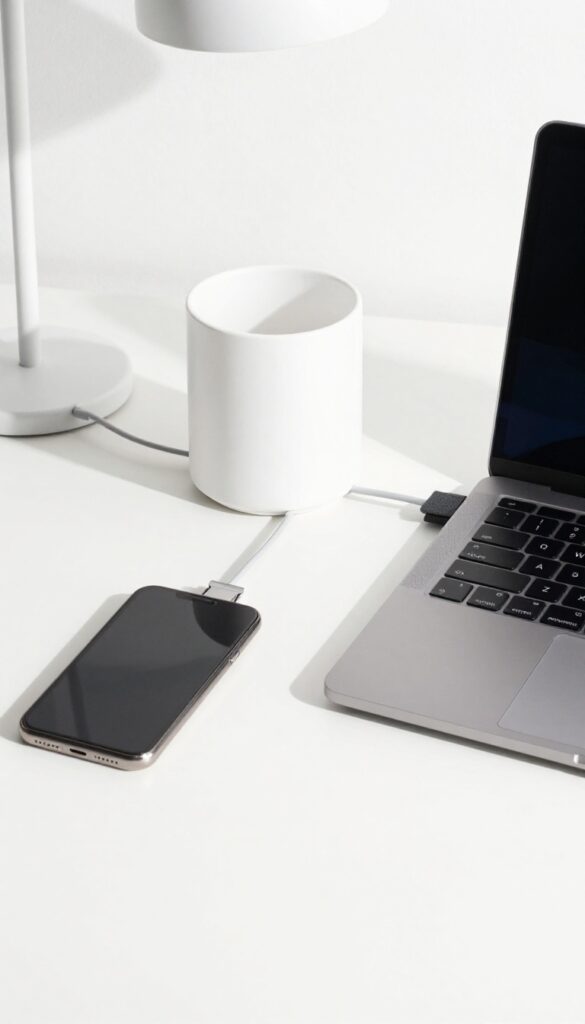
Tangled cables are one of those things that make a room feel messy even when everything else is in its place. They gather dust, get in the way, and can even be a tripping hazard. Getting them under control is a quick win that instantly upgrades the look of your space.
Start by identifying all the cords you actually use on a daily basis—phone charger, laptop cable, maybe a lamp or a fan. Anything that's just sitting there plugged in but unused can be unplugged and stored away. For the cords you need, use simple solutions like adhesive cable clips that stick to your desk or nightstand, or Velcro ties to bundle up excess length.
Labeling the ends with small tags or colored tape also helps you know which cord belongs to what without having to trace it every time. A little upfront effort saves you from the daily annoyance of untangling and keeps your room looking sharp.
Pick The Right Organizers
Not all cable organizers are created equal. For a desk setup, cable management sleeves or raceways can hide multiple cords along the edge of your desk. For bedside tables, a simple cable box or a clip-on organizer keeps chargers within reach but out of sight.
Choose options that match your furniture and your usage habits.
Make It A Daily Habit
Spend 30 seconds each evening tucking away any loose cords. Unplug chargers that aren't in use and wrap them neatly. This small habit prevents the gradual creep of cable chaos and keeps your room consistently tidy.
Go Wireless Where You Can
If you're tired of dealing with cords, consider switching to wireless alternatives where possible. Wireless chargers for your phone, Bluetooth headphones, and battery-powered desk lamps eliminate cables entirely. Even reducing just one or two cords can make a noticeable difference.
10. Limit Food and Drinks in the Room
Eating in your room might feel cozy, but it's one of the fastest ways to invite mess. Crumbs settle into carpets, spills stain surfaces, and leftover wrappers attract pests. The kitchen is designed for meals—your bedroom is for rest.
By keeping food and drinks out, you eliminate a major source of daily clutter and grime.
It's a simple rule that pays off big. When you snack in bed, you're not just risking a crumb trail—you're inviting ants, roaches, and even mice. Sticky drink rings on nightstands become a breeding ground for bacteria.
Plus, food odors linger in fabrics and can make your room smell stale. The easiest fix? Make the kitchen your designated eating zone.
If you absolutely must have a drink, stick to water and use a coaster. This one habit alone cuts down your cleaning time significantly.
The Crumb Problem
Crumbs are tiny but mighty. They fall into carpet fibers, under cushions, and between bed sheets. Over time, they attract bugs and create a subtle grime that makes your room feel less fresh.
Vacuuming daily can help, but prevention is easier. By not eating in your room, you stop the problem before it starts.
Spills And Stains
A spilled soda or coffee can ruin a mattress, carpet, or favorite blanket. Even with quick cleanup, stains can set and odors can remain. Drinks with sugar or cream are especially sticky and attract dirt.
Keep beverages in the kitchen or use spill-proof containers if you must have something nearby.
Pest Prevention
Food scraps are an open invitation for ants, roaches, and rodents. Once they find a reliable food source, they'll keep coming back. The best pest control is removing the food source entirely.
A clean, food-free room is far less appealing to unwanted guests.
11. Use Storage Bins for Small Items
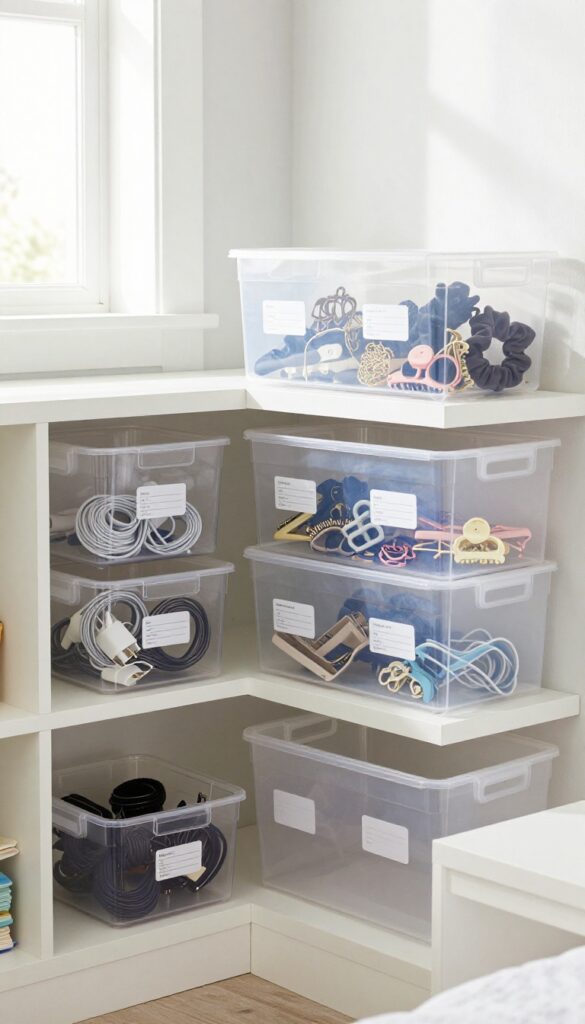
Small items have a way of multiplying and taking over every surface. One stray hair tie here, a loose pen there, and suddenly your dresser looks like a junk drawer exploded. The fix is simple: give every tiny thing a designated home inside a bin.
Storage bins are the unsung heroes of room organization. They corral all those bits and pieces that otherwise end up scattered, and they make tidying up a snap. Instead of hunting for a missing earbud or a specific charger, you just grab the right bin.
Plus, bins stack neatly on shelves or slide under furniture, so they actually save space rather than eating it up.
Sort By Category
Group items that belong together. One bin for charging cables and adapters, another for hair accessories, a third for stationery. This way you always know where to look and where to put things back.
Labels help, but even clear bins let you see what's inside at a glance.
Choose The Right Size
Big bins for bulky items like scarves or small electronics, smaller ones for things like jewelry or thumb drives. If a bin is too large, items shift around and get messy. Too small and you'll be stuffing things in, which defeats the purpose.
Measure your shelf or drawer space before buying.
Make It A Daily Reset
At the end of each day, spend one minute returning any stray small items to their bins. It's a tiny habit that keeps the system working. When everything has a home, putting it away takes almost no effort.
12. Vacuum or Sweep Floor Weekly
Floors are magnets for dust, crumbs, and hair. Even if you keep surfaces clear, a dirty floor makes the whole room feel grimy. A quick vacuum or sweep once a week prevents buildup and keeps your space looking fresh.
Pick The Right Tool
If you have carpet, a vacuum with a HEPA filter works best to trap allergens. For hard floors, a microfiber mop or a simple broom and dustpan does the job. Choose what's easiest for you to grab and use.
Focus On High-traffic Zones
Don't try to do the whole room at once. Start with the area around your bed and desk—where most dirt collects. A targeted pass takes just a few minutes and makes the biggest visual impact.
Make It A Habit
Tie floor cleaning to something you already do, like putting away laundry or changing your sheets. Set a recurring reminder on your phone. After a few weeks, it'll feel automatic.
13. Donate or Discard Unused Items
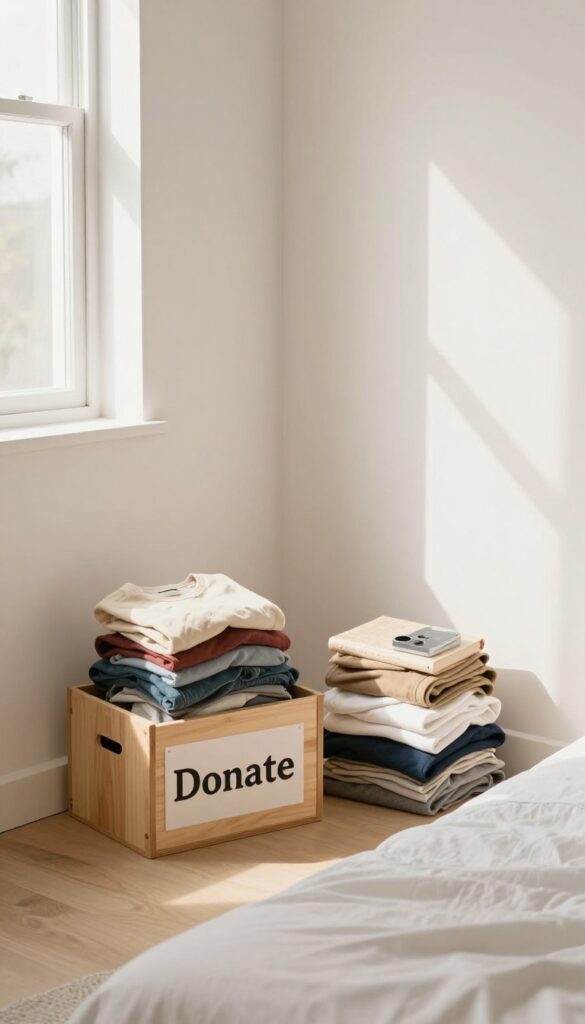
Every room has a few items that just sit there collecting dust. Maybe it's that old sweater you never wear or a gadget you haven't touched in years. These unused things take up space and make cleaning harder than it needs to be.
The fix is simple: regularly go through your belongings and decide what stays and what goes. Donate what's still usable, recycle what you can, and toss the rest. Less stuff means less to clean, organize, and trip over.
This habit doesn't require a huge time commitment. Just five minutes a day keeps your room from turning into a storage unit. Over time, you'll notice your space feels lighter and easier to maintain.
The less you own, the less you have to clean. Every item in your room is something that needs dusting, organizing, or putting away. By donating or discarding unused items, you reduce the workload and free up space for the things that truly matter.
Start small. Pick one drawer, shelf, or corner each day. Ask yourself: Have I used this in the past year?
Does it serve a purpose? If the answer is no, it's time to let it go. Keep a donation box handy so you can drop off items regularly.
Remember, clutter isn't just physical—it's mental too. A room with fewer unnecessary items feels more peaceful and is quicker to clean. Make decluttering a daily habit, and you'll wonder why you ever held onto all that stuff.
Set A Daily Declutter Timer
You don't need to spend hours decluttering. Set a timer for five minutes each day and focus on one area. When the timer goes off, stop.
This keeps the task manageable and prevents burnout. Over a week, you'll cover a surprising amount of ground.
Use The One-in-one-out Rule
For every new item you bring into your room, remove one old item. This simple rule prevents accumulation. If you buy a new book, donate an old one.
If you get a new shirt, give away one you no longer wear. It keeps your inventory balanced and your room clutter-free.
Create A Donation Station
Designate a box or bag in your closet for items to donate. Whenever you find something you no longer need, put it there immediately. When the box is full, take it to a donation center.
This makes the process automatic and reduces decision fatigue.
14. Keep a Trash Can Nearby
Ever notice how a single wrapper or used tissue can sit on your desk for days? The problem isn't laziness—it's distance. When your trash can is across the room, that piece of waste feels like a trek.
The fix is simple: put a small bin within arm's reach. You'll be amazed how much cleaner your space stays when disposal takes zero effort.
A nearby trash can eliminates the friction of getting up to throw something away. That gum wrapper? Into the bin.
That sticky note you don't need anymore? Gone. Over a day, those small actions add up to a noticeably cleaner room.
Plus, you'll stop using surfaces as temporary dumping grounds.
Choose The Right Size
A tiny desktop bin works for paper scraps and wrappers, but you'll want something slightly larger for snack packages and empty bottles. A 2- to 3-gallon can fits neatly beside a desk or nightstand without taking over the room. Avoid anything so small that you have to empty it twice a day.
Make It Convenient
Position the can where your hand naturally drops trash—right next to your dominant side. If you work at a desk, place it under the edge so you can toss items without looking. For your bed, tuck it just under the frame or beside the foot.
Out of sight but within reach is the sweet spot.
Empty It Regularly
A full trash can defeats the purpose. Set a routine—empty it every evening or when it's half full. Use a small liner bag to make removal quick.
A clean, empty bin invites you to keep using it, while an overflowing one encourages piling trash elsewhere.
15. Refresh Your Space with a Quick Air-Out
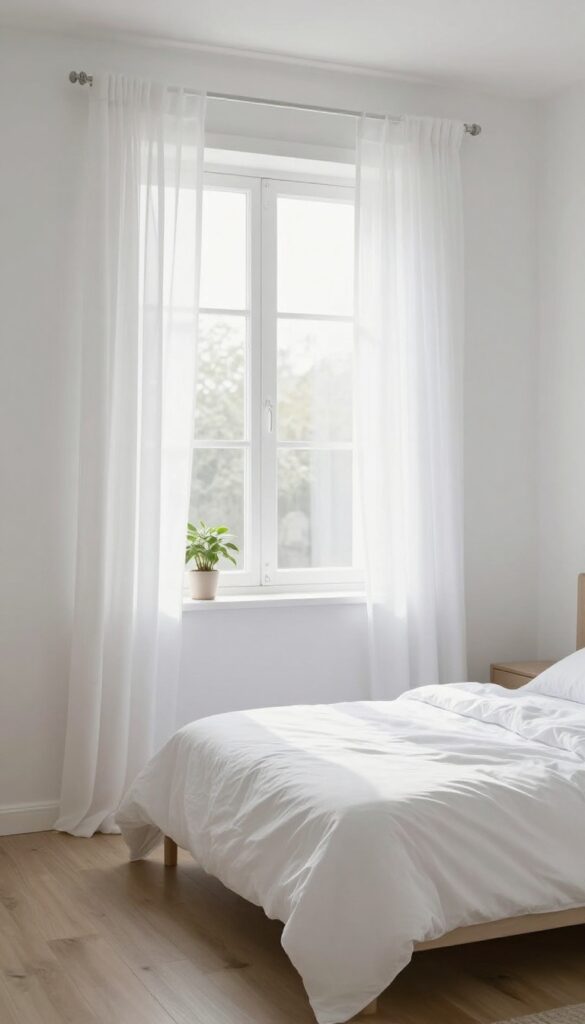
Sometimes the simplest fix makes the biggest difference. Opening your windows for just a few minutes each day can transform the feel of your room. Stale air holds onto odors and makes everything seem stuffy, but a quick blast of fresh air changes that instantly.
It's easy to overlook the air quality in your room, but it plays a huge role in how clean and comfortable the space feels. A daily air-out is one of the fastest ways to reset the atmosphere without any scrubbing or organizing.
Why Fresh Air Matters
Indoor air can get stagnant, trapping smells from food, sweat, or just everyday living. Opening windows lets in oxygen and helps remove pollutants like dust and volatile organic compounds. Even five minutes of cross-ventilation can significantly improve air quality.
Make It A Morning Habit
The easiest time to air out your room is right after you wake up. While you're brushing your teeth or making your bed, crack open a window. Morning air is often freshest, and this small ritual signals the start of a new, clean day.
Weather-proof Your Routine
You don't need perfect weather to air out. On cold days, a brief 2-minute open is enough. On rainy days, open a window just a crack.
If you have screens, keep them closed to prevent bugs. The goal is simply to exchange the air, not to change the room's temperature drastically.
FAQ
How long does it take to keep a room clean daily?
Most of these habits take just a few minutes each day. The total time is usually under 15 minutes, making it easy to maintain a tidy room.
What if I miss a day?
Don't worry. Just pick up where you left off. Consistency over time matters more than perfection.
Can these tips work for a shared room?
Absolutely. Adapt the habits to your situation, like having separate hampers or designated zones. Communication helps.
How do I motivate myself to clean daily?
Start small and focus on the benefits—less stress, easier mornings, and a nicer space. Pair cleaning with a podcast or music.
What's the most important habit?
Making your bed is a great starting point because it instantly improves the room's appearance and sets a positive tone for the day.
Conclusion
A clean room isn't a one-time project—it's a collection of small daily habits that add up to a space you actually enjoy being in. By weaving these 15 simple steps into your routine, you've turned tidying from a chore into a natural part of your day. The real secret is consistency, not perfection.
Stick with just a few of these habits, and you'll notice your room stays cleaner with less effort over time. Start with one change today, and let the momentum carry you.

I’m Pallab Kishore, the owner of Little Pets Realm — an animal lover and pet care enthusiast sharing easy tips, healthy recipes, and honest advice to help every small pet live a happy, healthy, tail-wagging life.