Last updated on June 27th, 2026 at 03:17 pm
Your couch fabric takes a beating—spills, pet hair, body oils, and dust settle deep into the fibers. A quick wipe-down won't cut it, but scrubbing too hard can ruin the upholstery.
These 13 gentle steps walk you through a thorough clean using common household items, no harsh chemicals needed. From vacuuming with the right attachment to fluffing cushions post-wash, each method protects your fabric while lifting dirt and odors.
You'll end up with a fresh, like-new sofa without the cost of professional cleaning.
1. Vacuum Thoroughly with the Right Attachment
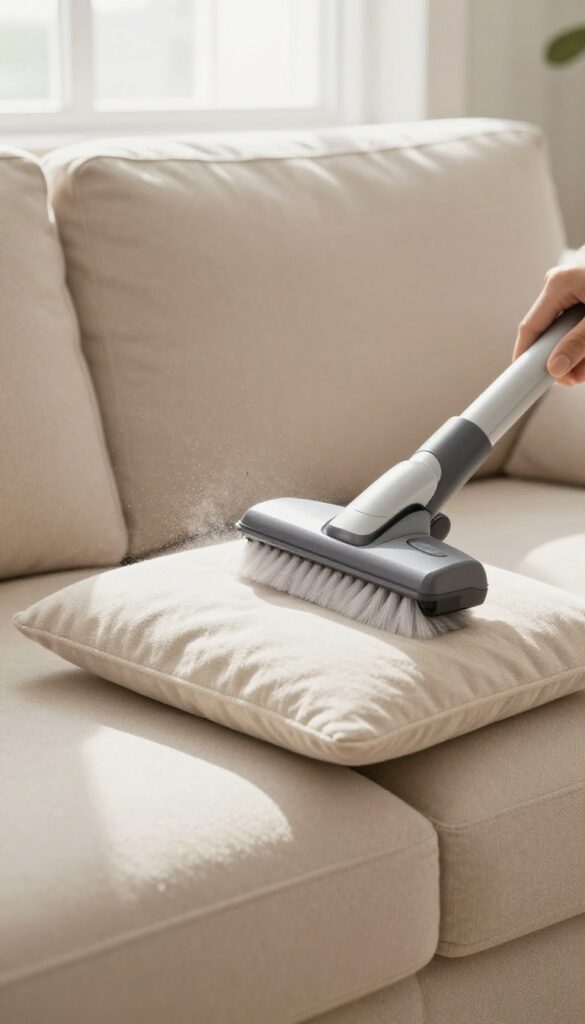
Before you apply any cleaning solution, you need to remove the loose debris sitting on top of the fabric. Skipping this step can grind dirt deeper into the fibers when you start scrubbing. A good vacuum session sets the stage for everything that follows.
Choose The Soft Brush Attachment
Most vacuums come with a soft bristle brush head designed for upholstery. This attachment lifts dust and pet hair without scratching or fraying delicate fabrics. If your vacuum has adjustable suction, use a lower setting to avoid pulling the fabric too tightly.
Don't Forget The Crevices
Crumbs and debris love to hide in the seams and under cushions. Use the crevice tool to reach into tight spaces along the frame and between seat cushions. Pay extra attention to corners where pets like to nap.
Lift Cushions And Vacuum Both Sides
Remove all removable cushions and vacuum their tops, sides, and bottoms. Also vacuum the exposed base of the couch where dust and debris accumulate. This prevents hidden dirt from resurfacing after you clean the visible areas.
2. Check the Care Tag Before Anything Else
That tiny tag tucked under your couch cushion isn't just there for decoration—it's your fabric's instruction manual. Ignoring it is the fastest way to ruin your upholstery with the wrong cleaner or technique. Before you mix any solution or grab a sponge, flip that cushion and find the tag.
Decode The Cleaning Code
Most care tags use a simple letter system: W means you can use water-based cleaners, S means solvent-based only (no water), WS means either is safe, and X means vacuum or professional cleaning only. Write down the code so you don't forget mid-clean.
What To Do If The Tag Is Missing
If the tag is faded, torn, or gone, test any cleaner on a hidden spot first—like under the cushion or behind the couch. Apply a tiny amount, wait 10 minutes, and blot with a white cloth. No color transfer or damage means it's likely safe to proceed.
Match Your Products To The Code
For W fabrics, stick with mild dish soap and water or a gentle upholstery shampoo. For S, use a dry-cleaning solvent or rubbing alcohol (test first). WS gives you flexibility, but still avoid harsh chemicals.
X fabrics need a professional—don't DIY.
3. Spot Test Every Cleaner in a Hidden Area
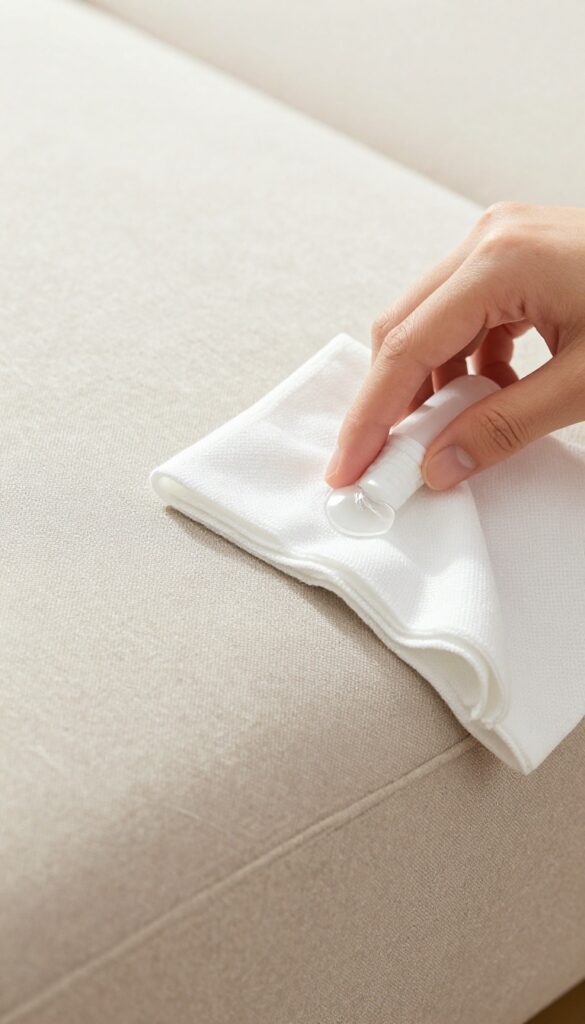
You wouldn't paint an entire wall without testing the color first, and the same logic applies to couch cleaning. That homemade vinegar solution or store-bought upholstery spray might work wonders on one fabric but leave a permanent stain on another. A quick spot test takes two minutes and saves you from a costly mistake.
Always test any cleaning solution on a small, inconspicuous spot to ensure it won't discolor or damage the fabric. This simple step prevents surprises and keeps your couch looking its best.
Where To Test
The best hidden spots are behind a cushion, under the couch, or on the bottom edge of the backrest. These areas are out of sight but made of the same fabric, so the test results will be accurate. Avoid testing on the seat or armrest where any mishap would be visible.
How To Test
Dab a small amount of your cleaner onto a white cloth—never directly on the fabric. Blot the hidden area gently, then wait at least 10 to 15 minutes. Check for color transfer, fading, or texture changes.
If the cloth picks up dye or the fabric looks different, pick a milder cleaner.
What To Look For
After the waiting period, inspect the spot under good light. Look for discoloration, water rings, or stiffening of the fabric. Also feel the area—if it feels rough or sticky, the cleaner is too harsh.
A successful test means the fabric looks and feels exactly the same as before.
4. Brush Away Pet Hair with a Rubber Glove
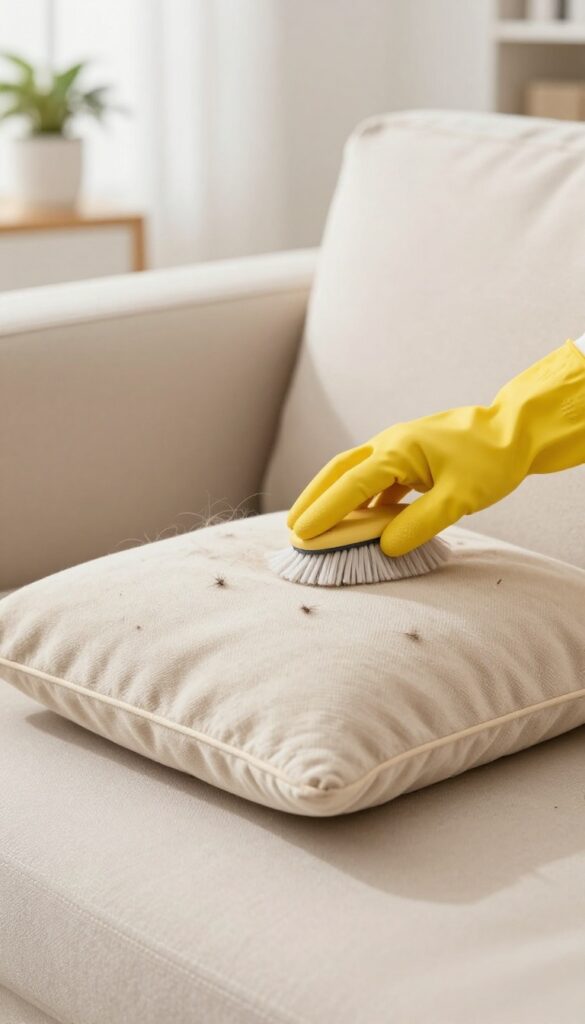
Pet hair can be stubborn, clinging to fabric even after a thorough vacuum. A simple rubber glove, slightly dampened, works like a magnet to gather hair into easy-to-remove clumps. This trick is gentle on fabric and saves you from endless lint-roller refills.
Why A Rubber Glove Works
Rubber creates static electricity when rubbed against fabric, which attracts pet hair. Adding a little moisture enhances the grip, allowing you to sweep hair into piles. It's effective on most upholstery types, from microfiber to cotton blends.
Step-by-step: How To Do It
Put on a clean rubber glove and dampen it slightly with water—don't soak it. Run your hand firmly over the fabric in one direction, then collect the hair that balls up. Repeat in different areas, rinsing the glove as needed.
Finish by vacuuming any loose strands.
When To Use This Method
Use this between deep cleans to keep pet hair under control. It's also great for spot-treating cushions before guests arrive. Avoid using on delicate fabrics like silk or velvet without testing first.
5. Use Baking Soda to Absorb Odors
Over time, couches trap smells from pets, food, and everyday life. Baking soda is a natural deodorizer that pulls odors out of fabric without adding moisture or chemicals. This step is safe for most upholstery and works well between deeper cleanings.
How Much To Sprinkle
You don't need a thick layer—just a light, even dusting across the entire couch surface. Focus on areas where odors are strongest, like armrests and seat cushions. Use about half a cup for a standard three-seater sofa.
Let It Sit, Don't Rush
Give the baking soda at least 15–20 minutes to absorb odors. For stubborn smells, let it sit for up to an hour. Avoid rubbing it into the fabric; just let it rest on the surface.
Vacuum Thoroughly
Use your upholstery attachment to remove all the baking soda. Go over each section multiple times to ensure no white residue remains. Pay extra attention to crevices and seams where powder can hide.
6. Treat Fresh Spills Immediately with a Cloth
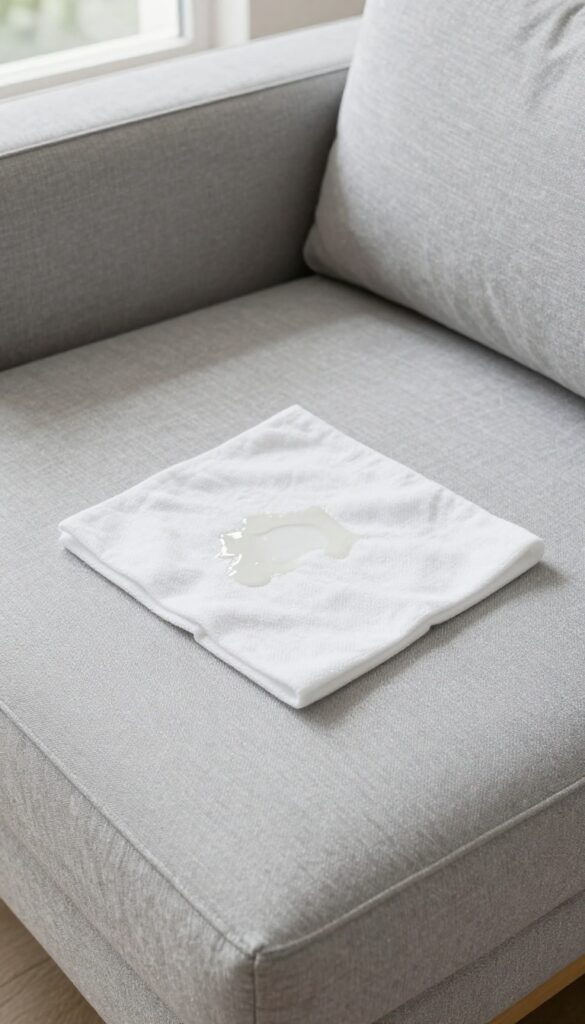
Spills happen, and the faster you act, the less damage they cause. When liquid hits your couch, every second counts. Grab a clean, dry cloth and blot the area firmly—don't rub, or you'll push the stain deeper into the fibers.
Blotting lifts the liquid out of the fabric without spreading it. Use a white cloth or paper towel to avoid transferring dye. Press down with the palm of your hand, then lift and move to a dry spot.
Repeat until the cloth comes away mostly dry. For thicker spills like milk or juice, start at the edges and work inward to contain the mess.
Why Blotting Beats Rubbing
Rubbing grinds the spill into the weave, making stains set faster and harder to remove. Blotting gently pulls the liquid upward into the cloth. Think of it like dabbing a paper towel on a wet counter—much more effective than smearing it around.
What To Do If The Spill Has Already Set
If you missed the window, don't panic. Mix a tiny drop of mild dish soap with cool water, dampen a cloth, and blot the stain. Rinse with a cloth dipped in plain water, then blot dry.
Avoid soaking the cushion—moisture is the enemy of couch foam.
Quick Tips For Common Spills
For red wine, sprinkle salt or baking soda on the spill first to absorb liquid, then blot. For grease, sprinkle cornstarch, let it sit 15 minutes, then vacuum and blot. For pet accidents, blot, then apply a mix of equal parts white vinegar and water to neutralize odors.
7. Make a Gentle DIY Upholstery Cleaner
Store-bought cleaners often contain harsh chemicals that can strip fabric or leave behind sticky residues. A simple homemade solution works just as well on most stains and grime. Mix one quart of warm water with a few drops of mild dish soap or castile soap.
That's it—no vinegar, no baking soda, no essential oils that might discolor fabric. This gentle blend lifts dirt without damaging fibers. Always test on a hidden spot first, even with this mild mix.
Some fabrics react unexpectedly to any moisture.
Why Mild Soap Works Best
Dish soap and castile soap are designed to break down oils and dirt without being abrasive. They rinse cleanly, leaving no film that attracts more dust. Harsh detergents or laundry pods can leave behind brighteners or enzymes that fade or weaken upholstery over time.
How To Mix And Apply
Fill a spray bottle with warm water. Add just a few drops of soap—too much creates excess suds that are hard to rinse. Swirl gently to combine, then lightly mist the soiled area.
Don't soak the fabric; dampen only the surface. Use a clean microfiber cloth to blot the cleaner into the stain, working from the edges inward. Rinse by blotting with a cloth dipped in plain water, then dry with a towel.
When To Avoid Diy Cleaners
Some fabrics, like velvet, silk, or certain microfiber, require special care. If your couch tag says "W" (water-based cleaner only) this mix is fine. But if it says "S" (solvent only) or "X" (vacuum only), skip water entirely.
For "S" fabrics, use a dry cleaning solvent or call a professional.
8. Clean with a Microfiber Cloth, Not a Scrub Brush
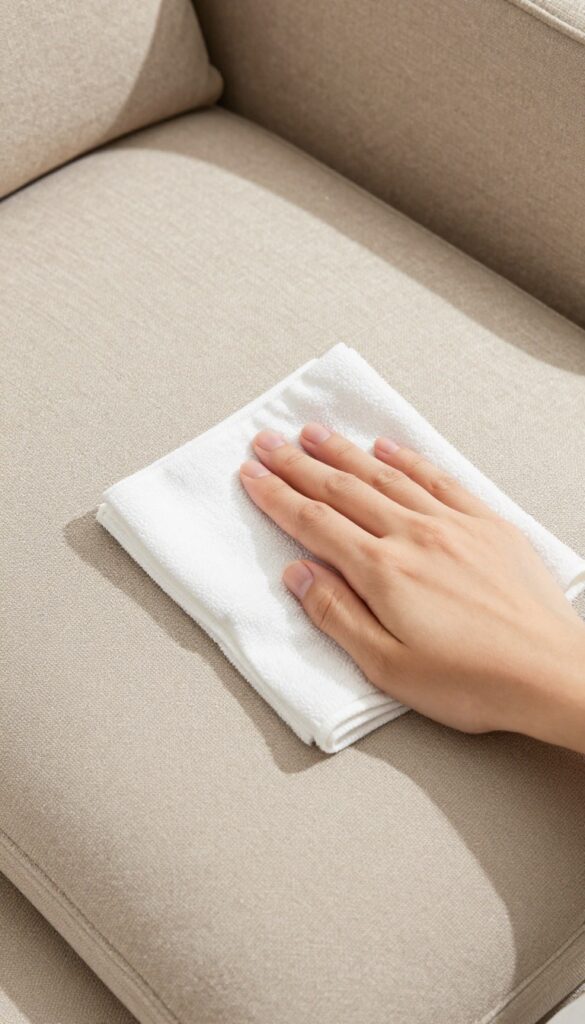
When it's time to actually clean the fabric, the tool you use matters more than you might think. A scrub brush might seem like a good idea for working in cleaner, but those bristles can fray, pill, or scratch your upholstery over time. Microfiber cloths are the safer choice.
They're soft enough to protect the fibers but textured enough to lift dirt and grime. Plus, they're absorbent and lint-free, making them ideal for gentle cleaning.
Grab a clean microfiber cloth and dampen it with your chosen cleaning solution—make sure it's not dripping wet. Wring it out well so you're not soaking the fabric. Then, starting from the top of the cushion or backrest, wipe in one direction using light pressure.
Overlap your strokes to cover the whole area. For set-in spots, let the damp cloth sit on the stain for a minute to loosen it before wiping. Avoid rubbing in circles, which can spread the stain or distort the fabric weave.
Instead, blot or wipe in straight lines. After cleaning, use a dry microfiber cloth to blot up excess moisture. This speeds up drying and prevents water spots.
Let the couch air dry completely before sitting on it or replacing cushions.
Why Microfiber Works Best
Microfiber cloths have split fibers that create a large surface area, trapping dust, oil, and dirt without pushing them deeper into the fabric. They're also non-abrasive, so they won't damage delicate upholstery like linen, velvet, or synthetic blends.
How To Use The Cloth Correctly
Fold the cloth into quarters so you have multiple clean surfaces. Use one side for the initial wipe, then flip to a fresh side for the next pass. This prevents redepositing dirt.
Change cloths when all sides are soiled.
What To Avoid
Stay away from scrub brushes, sponges with rough pads, or paper towels. These can leave scratches or lint. Also avoid using too much water—damp is fine, but soaking can lead to mold or shrinkage.
9. Rinse with a Damp Cloth to Remove Soap Residue
Soap residue is sneaky. Even after you've scrubbed and blotted, leftover cleaner can cling to fabric fibers. Over time, that residue attracts dust and dirt, making your couch look dingy faster than before.
A quick rinse step solves this without adding much time to your routine.
Grab a clean, lint-free cloth and dampen it with plain water—no soap. Wring it out well so it's just barely moist. Gently blot and wipe the area you just cleaned, working in small sections.
The goal is to lift any remaining soap, not soak the fabric. Change to a fresh section of the cloth as it picks up residue. Repeat until no suds transfer to the cloth.
Let the fabric air dry completely before using the couch.
Why Residue Matters
Leftover soap acts like a magnet for airborne particles. It can also cause the fabric to stiffen or discolor over time. A thorough rinse ensures your cleaning effort lasts longer and keeps the fabric feeling soft.
Best Cloth Types For Rinsing
Microfiber cloths work great because they trap residue without shedding lint. Avoid terry cloth or rough fabrics that might snag delicate upholstery. A soft, white cotton cloth is a safe second choice.
Drying After Rinsing
After rinsing, speed up drying by opening windows or turning on a fan. Avoid sitting on the couch until it's completely dry to prevent wrinkles or mildew. If the fabric feels damp after a few hours, blot with a dry towel.
10. Speed Up Drying with Fans or Open Windows
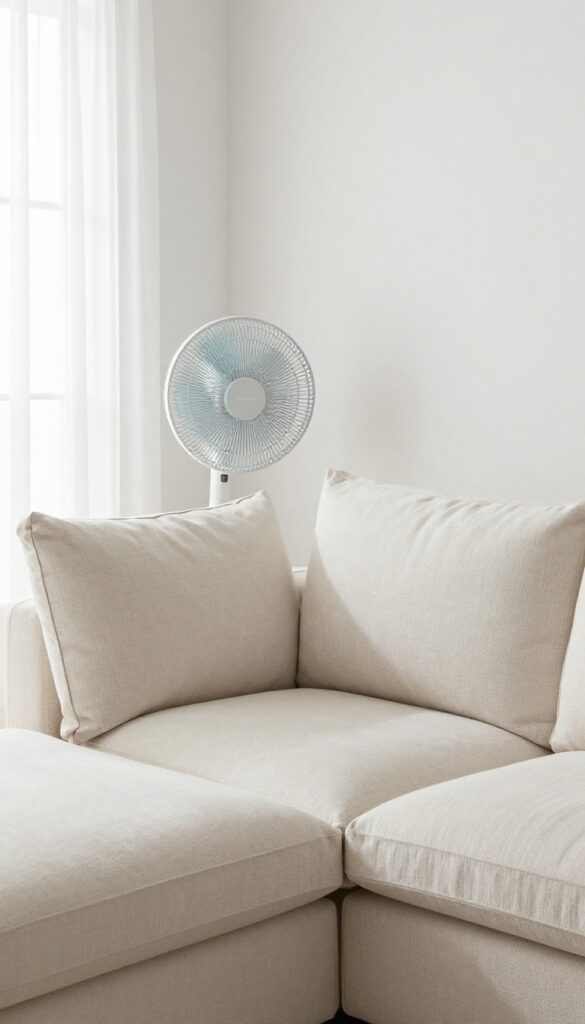
After all that careful cleaning, the last thing you want is a damp couch that invites mildew or smells musty. Moisture trapped in the padding and fabric can undo all your hard work. Luckily, you can speed up the drying process with a few simple tricks.
Once you've blotted and aired the fabric as much as possible, bring in some airflow. A fan pointed directly at the damp areas works wonders, especially on cushions and crevices. If the weather cooperates, open nearby windows to create a cross breeze.
Just avoid direct sunlight on delicate fabrics to prevent fading.
Why Airflow Matters
Still air lets moisture linger, which can lead to mold growth and unpleasant odors. Moving air evaporates water faster, so the couch dries evenly. This is especially important for thicker cushions or foam padding that holds moisture deep inside.
Best Practices For Using Fans
Position a pedestal or box fan a few feet from the couch, angled so it hits the wettest areas. Rotate the fan every hour to cover all sections. If you have multiple fans, set them up on opposite sides to create cross ventilation.
Keep them running until the fabric feels completely dry to the touch.
When To Open Windows
Open windows on dry, breezy days to naturally increase airflow. If humidity is high, skip this step—it'll just add moisture. Also, avoid placing the couch in direct sun for long periods, as UV rays can fade or weaken some fabrics.
A few hours of indirect light is fine.
11. Fluff and Rotate Cushions Regularly
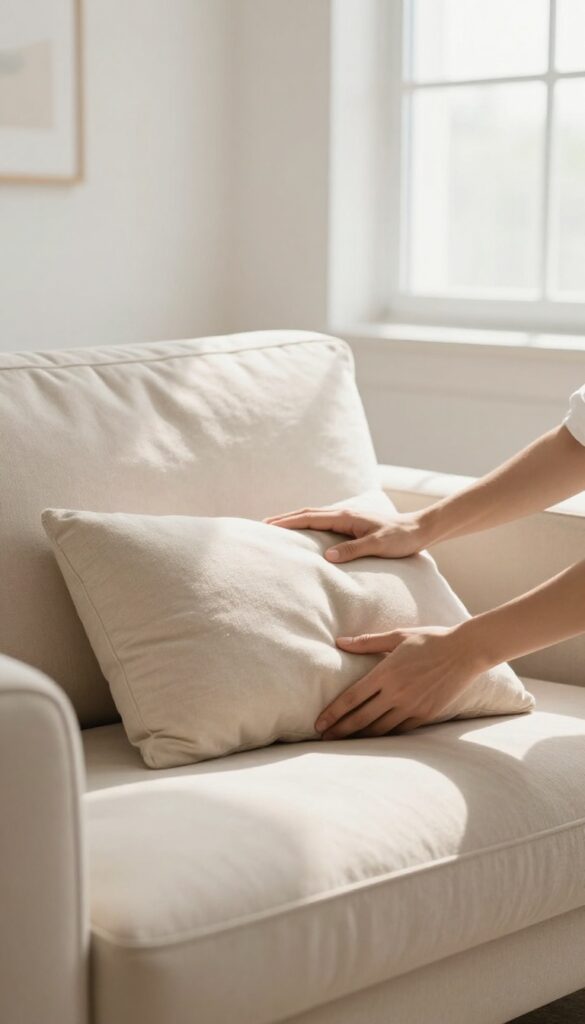
Cushions take the brunt of daily use, so they tend to flatten and lose shape over time. A simple fluffing and rotating routine can extend their life and keep your couch looking plump. This step also helps distribute wear evenly, so no single cushion bears all the weight.
Regular cushion maintenance is one of the easiest ways to preserve your couch's appearance and comfort. By flipping and rotating cushions weekly, you prevent uneven sagging and keep the fabric from wearing thin in high-contact areas. This habit also helps maintain the cushion's loft, making your sofa feel more supportive and inviting.
Why Fluffing Matters
Over time, cushion fillings compress from constant sitting. Fluffing redistributes the filling, restoring volume and support. For foam cushions, gentle kneading or pressing can revive the shape.
For fiber-filled cushions, a good shake or a few pats does the trick. This simple action also helps the fabric breathe, reducing trapped odors.
The Right Rotation Schedule
Rotate cushions every week or two, depending on use. Flip them over if they're reversible, and swap positions (left to right, front to back) to balance wear. Mark the underside with a small label or stitch to track rotation.
Consistency is key—set a reminder until it becomes a habit.
Bonus: Cushion Care During Cleaning
When deep-cleaning your couch, remove cushions and stand them on edge to allow airflow. This speeds drying and prevents moisture from seeping into the filling. After cleaning, fluff and rotate before putting them back.
This ensures even drying and helps maintain the cushion's shape.
12. Use a Lint Roller for Quick Touch-Ups
Between deep cleans, your couch collects dust, pet hair, and crumbs faster than you'd think. A lint roller is your best friend for daily maintenance, grabbing surface debris without any water or chemicals. Keep one in the living room and give your sofa a quick once-over whenever you notice buildup.
A lint roller is perfect for everyday touch-ups because it's gentle on fabric and removes particles that vacuum attachments might miss. It works especially well on microfiber and cotton blends, where hair and lint cling stubbornly. For best results, roll in one direction to avoid pushing debris deeper into the fibers.
Use it on cushions, armrests, and the back of the couch where dust settles.
Why A Lint Roller Works So Well
The adhesive sheets lift dust, hair, and crumbs without rubbing them into the fabric. Unlike a vacuum, which can sometimes miss fine particles, a lint roller grabs everything in its path. It's also small enough to reach tight spots like seams and crevices.
When To Use It
Use a lint roller daily or as needed, especially if you have pets or kids. It's great for a quick cleanup before guests arrive or after a snack on the couch. For best results, combine with a weekly vacuuming session to keep your couch fresh between deep cleans.
Choosing The Right Lint Roller
Look for a lint roller with strong adhesive and a wide surface area for faster coverage. Refillable options are eco-friendly and cost-effective. Avoid using fabric softener sheets or tape as substitutes—they can leave residue on your upholstery.
13. Schedule a Deep Clean Every 6 Months
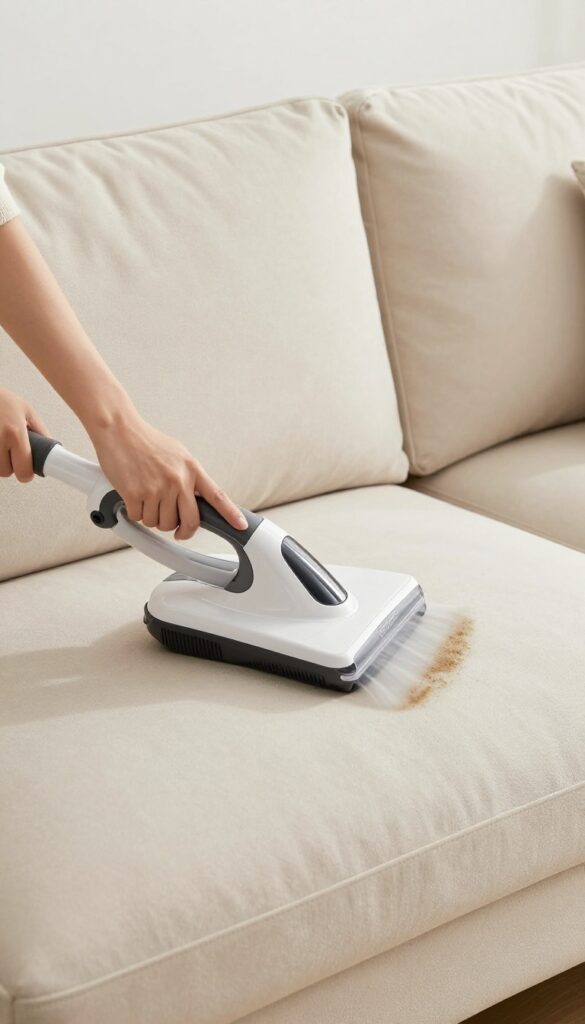
Even with regular spot cleaning and weekly maintenance, dirt and oils build up over time. That's why a twice-yearly deep clean is non-negotiable for keeping your couch looking and smelling fresh. Mark it on your calendar—spring and fall are perfect times to give your sofa the full treatment.
A deep clean goes beyond surface-level care. It reaches deep into the fibers to remove embedded grime, allergens, and odors that routine cleaning misses. If your fabric allows, steam cleaning is the gold standard—it sanitizes and lifts dirt without harsh chemicals.
Always check the manufacturer's tag first to confirm your fabric can handle moisture and heat. For non-machine-washable fabrics, a gentle hand wash with a mild detergent and thorough rinsing works wonders. After cleaning, let the couch dry completely before using it again.
This simple habit can add years to your sofa's life.
Why Twice A Year Matters
Think of it like changing your car's oil—regular deep maintenance prevents bigger problems down the road. Over six months, enough dirt, sweat, and dust settle in to dull the fabric and even cause wear. A thorough clean restores the fibers, removes allergens, and keeps colors vibrant.
Steam Cleaning Vs. Hand Washing
Steam cleaning is ideal for synthetic fabrics like polyester or nylon—it penetrates deep and dries quickly. For delicate fabrics like linen or wool, hand washing with a soft cloth and mild soap is safer. Always test a hidden area first to avoid surprises.
Setting A Reminder That Sticks
Pick two dates that are easy to remember—like the first weekend of April and October. Pair the deep clean with another seasonal chore, like flipping your mattress or changing air filters, so it becomes part of your routine. Your couch will thank you.
FAQ
Can I use vinegar to clean my couch fabric?
Yes, but only if your fabric is water-safe (code W or WS). Mix equal parts white vinegar and water, test first, and use sparingly to avoid a lingering smell.
How do I remove old set-in stains from a couch?
For set-in stains, try a paste of baking soda and water, let it dry, then vacuum. For oil-based stains, use a small amount of dish soap. Always test first.
Is steam cleaning safe for all couch fabrics?
No. Steam cleaning is only safe for fabrics labeled with a 'W' or 'WS' code. Avoid steam on 'S' (solvent-only) or 'X' (vacuum only) fabrics.
How often should I vacuum my couch?
Aim to vacuum your couch every one to two weeks, and more often if you have pets or allergies. This prevents dirt from embedding in the fibers.
What does the cleaning code on my couch mean?
W = water-based cleaners safe; S = solvent-based cleaners only; WS = either water or solvent; X = vacuum only, no liquids.
Conclusion
Your couch fabric doesn't need professional cleaning to look and feel fresh. These 13 gentle steps prove that everyday supplies and a little patience can lift dirt, odors, and stains without damaging the material.
Stick with a quick weekly vacuum and spot-clean spills as they happen, and your couch will stay welcoming between deep cleans. Now that you've seen how easy it is, there's no reason to let grime settle in.

I’m Pallab Kishore, the owner of Little Pets Realm — an animal lover and pet care enthusiast sharing easy tips, healthy recipes, and honest advice to help every small pet live a happy, healthy, tail-wagging life.