Last updated on June 27th, 2026 at 03:17 pm
You walk through the door after a long day, and the living room looks like a tornado hit it. Toys, mail, and a stray coffee mug cover every surface.
The thought of cleaning feels exhausting, but you don't need a marathon session every weekend. Small daily actions can keep your home presentable with minimal effort.
The trick is to weave a few quick habits into your routine so mess never piles up. Here are 13 simple ways to maintain a clean house every day, no matter how busy you are.
1. Make Your Bed Right After You Get Up

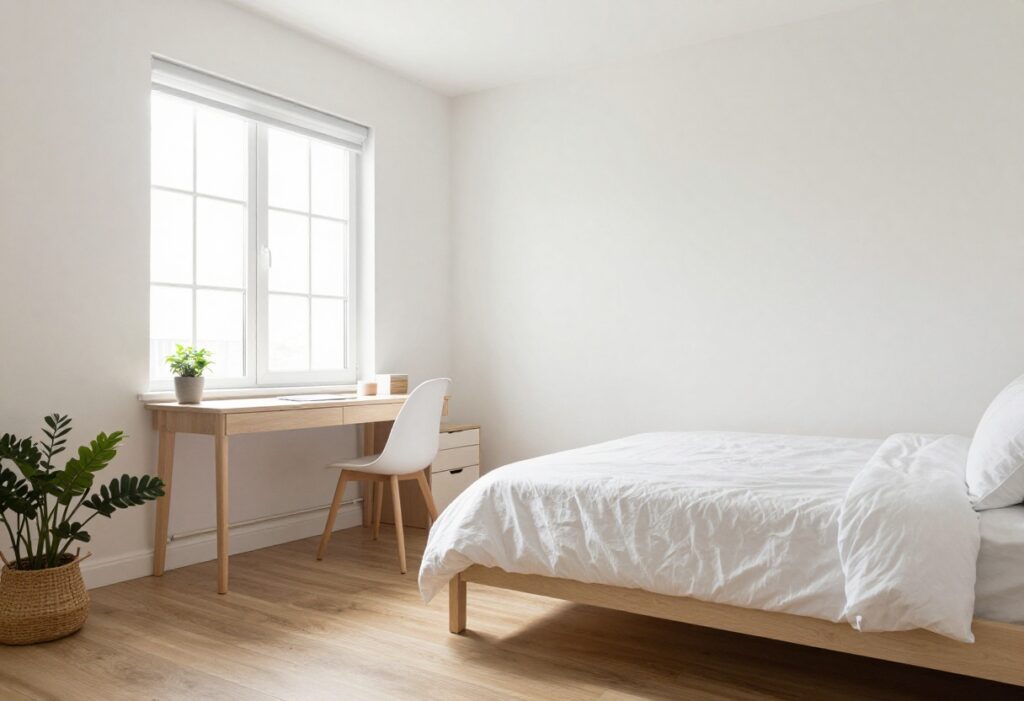
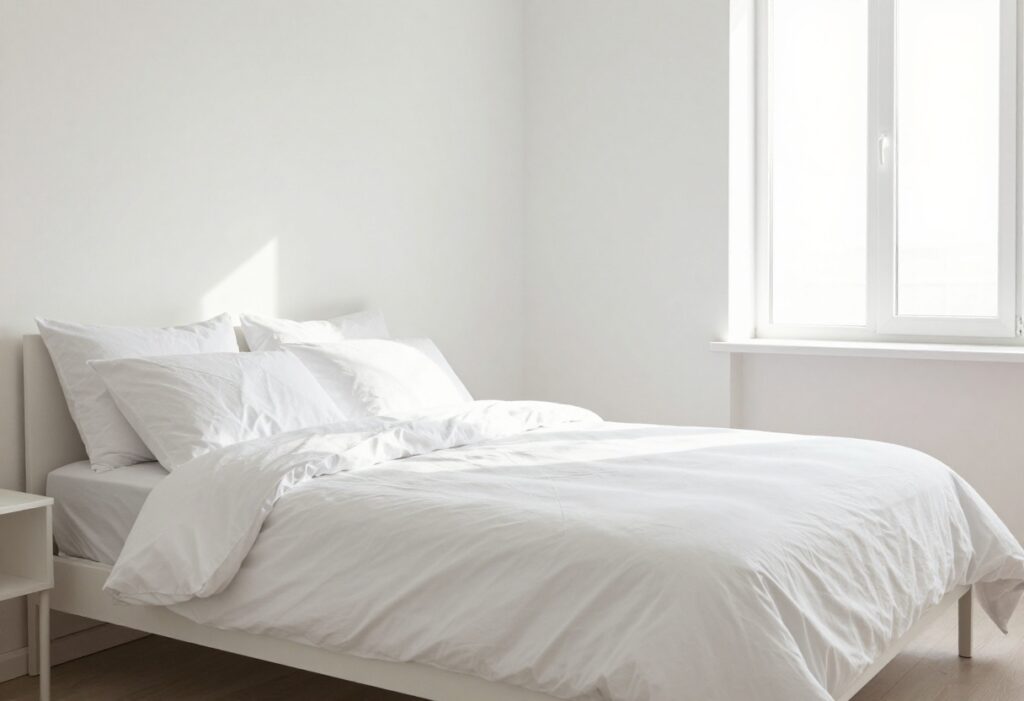
It might sound too simple to matter, but making your bed first thing in the morning is a game-changer. The two minutes you spend smoothing sheets and fluffing pillows instantly transform your bedroom from chaotic to calm. More importantly, that small win sets a productive tone for the rest of your day.
Making your bed is the easiest way to start your cleaning routine because it requires almost no effort but delivers visible results. A made bed makes the entire room look tidier, even if other surfaces have clutter. It also creates a mental trigger: once the bed is done, you're more likely to tackle other small tasks.
Think of it as the domino that knocks over the rest of your cleaning to-do list.
The Two-minute Rule
Set a timer if you need to. Pull up the fitted sheet corners, straighten the flat sheet, and fluff the pillows. That's it.
No hospital corners required. The goal is a neat appearance, not perfection. Once you see how fast it is, you'll never skip it.
Why It Works
A made bed signals that your space is cared for, which reduces visual stress. It also prevents dust and pet hair from settling into the sheets during the day. Plus, climbing into a tidy bed at night feels infinitely better than untangling a wrinkled mess.
Make It A Habit
Tie bed-making to an existing habit, like brushing your teeth or pouring your coffee. Keep your bedding simple—fewer pillows and layers mean less fuss. If you're really short on time, at least pull the duvet up.
Every little bit helps.
2. Wipe Down Kitchen Counters After Every Meal
The kitchen counter is a magnet for crumbs, spills, and sticky spots. After every meal, take just 30 seconds to wipe down the counters and the sink. This simple habit prevents food residue from hardening into stubborn stains and keeps your kitchen looking fresh without a deep clean.
A quick wipe after each meal stops messes from accumulating. It also discourages pests and keeps your cooking area hygienic. Make it a non-negotiable part of your post-meal routine, just like putting away leftovers.
What You Need
Keep a spray bottle of all-purpose cleaner or a mild soap solution under the sink. Have a microfiber cloth or sponge handy. Avoid using abrasive scrubbers that can damage surfaces.
How To Do It
After eating, spray the cleaner onto the counter and sink. Wipe in a sweeping motion, collecting crumbs into your hand or a paper towel. Rinse the cloth and wipe again if needed.
Dry with a separate cloth to prevent water spots.
Pro Tips
Tackle spills immediately—especially acidic ones like tomato sauce or lemon juice, which can etch granite or laminate. For stubborn bits, let the cleaner sit for a minute before wiping. Make it a family rule: whoever cooks or eats cleans up their own mess.
3. Do a 5-Minute Evening Tidy-Up
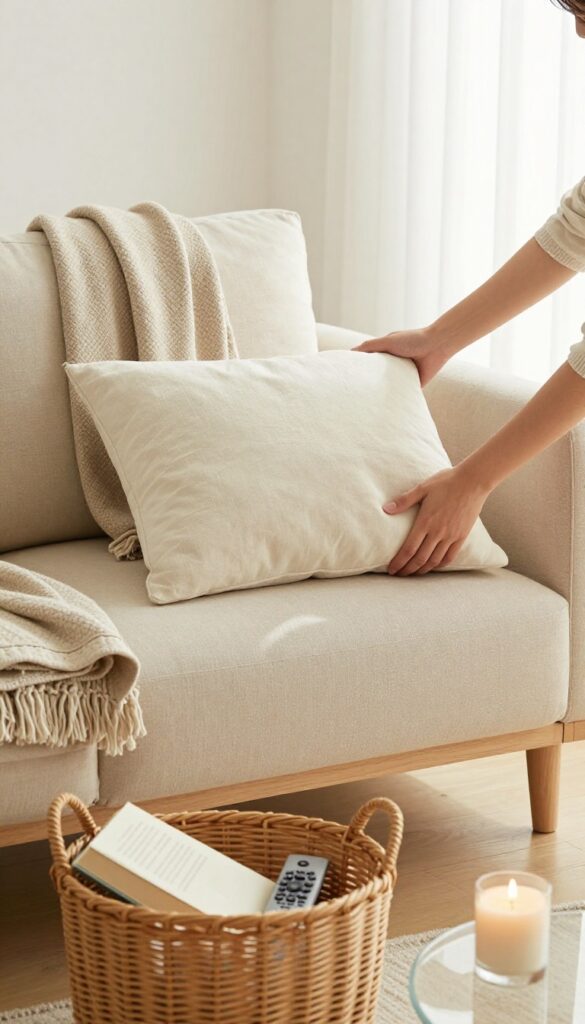
Evenings are when the house tends to look its worst. After dinner, homework, and TV time, pillows are on the floor, mail is scattered, and random items claim every surface. A quick reset before bed prevents that chaos from greeting you in the morning.
Set a timer for five minutes and move through your main living spaces. Fluff and return throw pillows to the couch, fold any blankets draped over chairs, and toss junk mail or snack wrappers into the trash. Grab a small basket to collect items that belong in other rooms and set it by the stairs or hallway.
This short sweep takes almost no time but leaves your home looking tidy when you wake up.
Work Room By Room
Don't try to tackle the whole house at once. Focus on the living room, kitchen, and entryway—the areas you see first and use most. Spend one minute per zone: straighten cushions, clear countertops, and put away shoes.
You'll be surprised how much you can accomplish in sixty seconds.
Make It A Family Habit
Get everyone involved. Assign each family member a quick task like gathering remote controls, returning books to shelves, or wiping down the kitchen table. When everyone chips in, five minutes becomes more than enough time to restore order.
End With A Clean Sink
Finish your tidy-up in the kitchen. Wash any dishes left in the sink, or at least load them into the dishwasher and start the cycle. A clean sink gives you a fresh start in the morning and makes the whole kitchen feel cleaner instantly.
4. Clean as You Cook
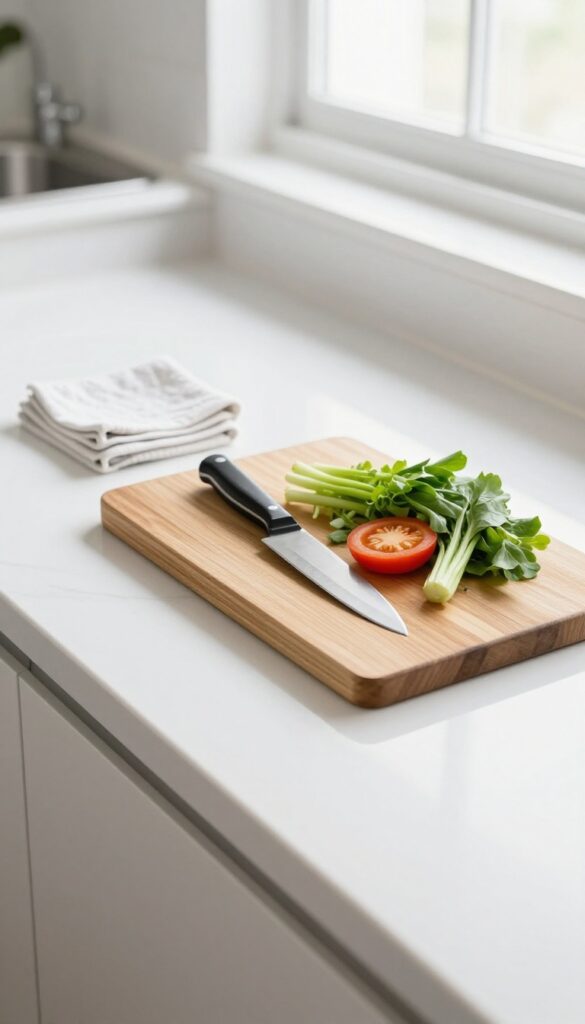
The kitchen can go from tidy to disaster zone in the time it takes to boil pasta. But if you tackle messes while you cook, you'll sit down to a meal with a clean kitchen already behind you. It's about working smarter, not harder.
Wash As You Wait
While water boils or sauce simmers, wash cutting boards, knives, and prep bowls. You're standing there anyway—use those minutes to rinse and load the dishwasher. By the time dinner is ready, most of the dishes are already clean.
Put Away Ingredients
After you measure spices or chop vegetables, return them to the pantry or fridge immediately. This prevents counter clutter and keeps ingredients fresh. It also saves you from hunting for that jar of cumin later.
Wipe Spills Immediately
A splash of oil or a sprinkle of flour is easy to wipe up right away. If it dries, it becomes a sticky smear that takes elbow grease. Keep a damp cloth handy and wipe surfaces as you go—your future self will thank you.
Load The Dishwasher Continuously
Instead of stacking dirty dishes by the sink, place them directly into the dishwasher. Rinse and load as you finish using each item. When the meal is over, just start the cycle—no pile of dishes waiting after dinner.
5. Keep a Laundry Basket in Every Bedroom
Dirty clothes scattered across the bedroom floor are a major source of visual clutter. The solution is simple: place a laundry basket in every bedroom. When there's a designated spot right where clothes come off, tossing them in becomes automatic.
No more hunting for stray socks or wondering if that shirt is clean or dirty.
This small change eliminates the need to pick up clothes multiple times before laundry day. Each family member becomes responsible for their own basket, making the process feel less like a chore and more like a habit. Over time, you'll notice fewer piles on the floor and less stress about last-minute laundry sorting.
Choose The Right Basket
Pick baskets that fit the room's style and are easy to carry. Open bins work best because they don't require lifting a lid. If space is tight, consider slim, tall baskets that slide into corners.
Make sure each basket is large enough to hold a week's worth of clothes for that person.
Make It A Family Rule
Explain to everyone that dirty clothes go directly into the basket—not on the floor, chair, or bed. For kids, make it a game or use a reward chart. Consistency is key; after a few weeks, it becomes second nature.
Set A Laundry Schedule
With baskets in each room, you can easily see when it's time to wash. Assign each person a laundry day or do one load per day. This prevents overflow and keeps the baskets from becoming mountains.
Empty baskets immediately after washing to keep the cycle going.
6. Wipe Bathroom Surfaces After Showering
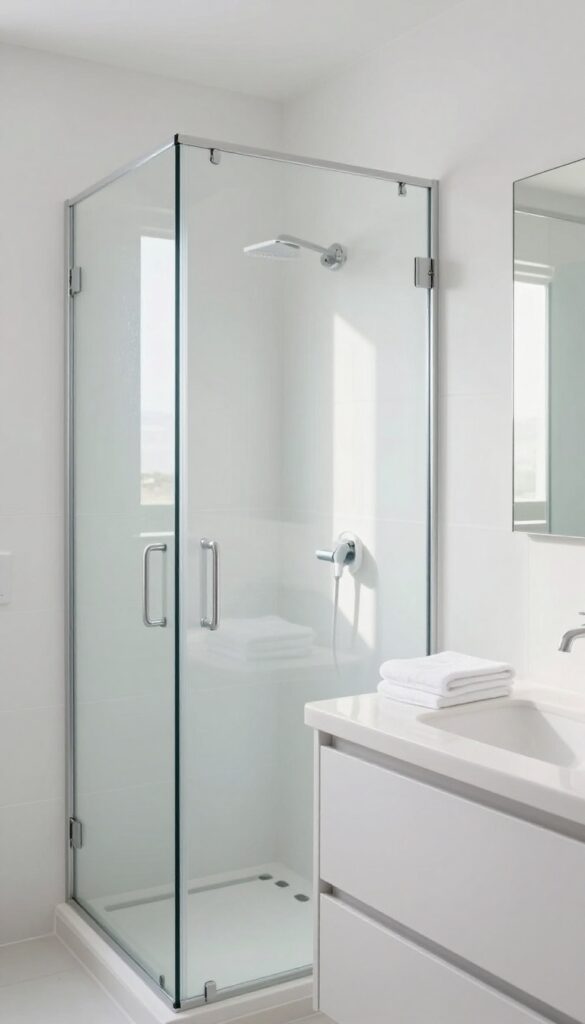
Bathroom grime builds up fast, but a quick post-shower habit can keep it at bay. Instead of scrubbing hard later, spend 30 seconds right after you turn off the water. This small action prevents soap scum, mildew, and water spots from taking hold.
The Squeegee Shortcut
Keep a squeegee in your shower and run it over the walls and door after every use. This removes most of the water, cutting down on mineral deposits and mold growth. It takes less than a minute and saves you from deep cleaning as often.
Wipe The Sink And Counter
After brushing your teeth or washing your face, give the sink a quick wipe with a cloth or sponge. Toothpaste splatters and water droplets dry into stubborn stains if left. A 10-second swipe keeps the counter looking fresh.
Towel Tricks For Mirrors And Fixtures
Use your bath towel to buff the mirror and faucet after drying off. The residual moisture removes spots and leaves a streak-free shine. For chrome fixtures, a dry corner of the towel prevents water spots from setting in.
7. Sweep or Vacuum High-Traffic Areas Daily
Dirt has a way of sneaking in from outside and settling where you walk most. The kitchen, entryway, and hallways take the brunt of it. A quick daily pass with a broom or cordless vacuum stops that grime from spreading through the rest of your home.
Focus On The Hot Spots
You don't need to vacuum every room every day. Just hit the areas that see the most foot traffic. That means the kitchen floor after meals, the entryway after coming home, and the main hallway.
A two-minute sweep is enough to catch crumbs and dust before they get trampled deeper into the house.
Choose The Right Tool For Speed
A cordless stick vacuum or a compact broom and dustpan work best for quick daily cleanups. Keep one handy in a closet near the busiest zone. If you have to drag out a full-size vacuum, you're less likely to do it daily.
Go for convenience over perfection.
Make It A Habit, Not A Chore
Tie this task to something you already do. Sweep the kitchen floor while waiting for your coffee to brew, or vacuum the entryway right after you take off your shoes. When it becomes automatic, it stops feeling like extra work.
8. Put Away Items Immediately After Use
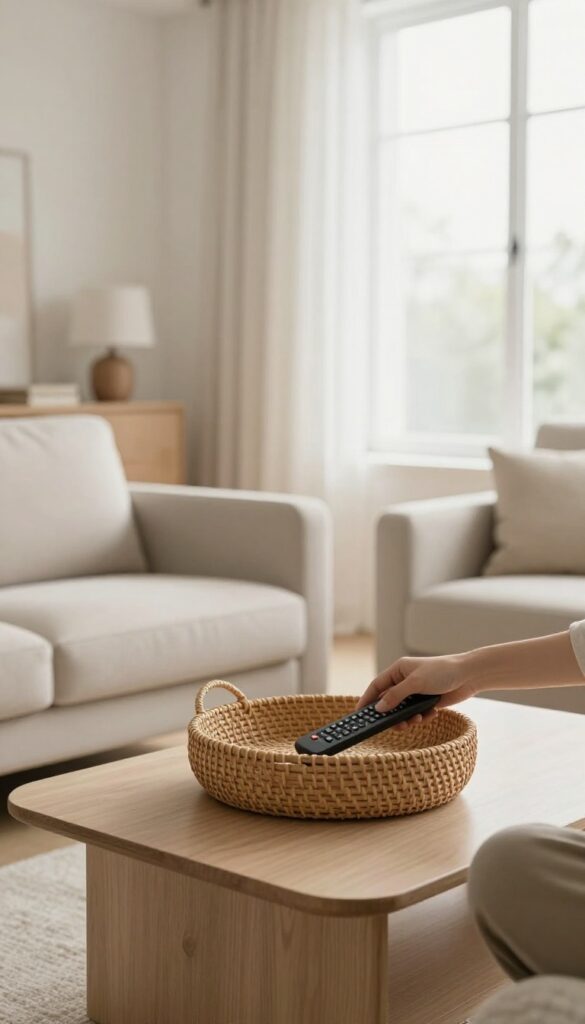
Clutter is just a bunch of things that haven't found their way home yet. The moment you finish using an item—whether it's a pair of scissors, the TV remote, or a book—return it to its designated spot. This single habit stops mess from building up and keeps your surfaces clear.
Getting into the habit of putting things away right after use is a game-changer. It takes just seconds but saves you from having to deal with piles later. Think of it as closing the loop on each action: use, return, done.
Over time, this becomes automatic, and you'll notice your home stays tidier with almost no extra effort.
Why It Works
Clutter accumulates because we set things down with the intention of putting them away later. But later rarely comes. By putting items away immediately, you eliminate the chance for piles to form.
It's easier to put one thing back than to sort through a heap of misplaced items.
How To Make It Stick
Start with high-traffic areas like the living room and kitchen. Keep storage simple and accessible so returning items feels effortless. For example, hang a hook for your keys near the door, or keep a small basket for the remote.
The easier it is to put something away, the more likely you'll do it.
Common Exceptions And How To Handle Them
Sometimes you're in the middle of a project and need a tool again soon. In that case, create a temporary holding zone—like a tray or a corner of your desk—for items in active use. Just make sure to clear that zone at the end of the day.
9. Use a Dishwasher or Wash Dishes Right After Meals
The sink full of crusty plates is one of the biggest morale killers in a kitchen. It only takes one skipped evening to turn a manageable pile into a daunting mountain that smells and attracts fruit flies. The fix is simple: deal with dishes immediately after eating, either by loading the dishwasher or washing them by hand.
Waiting even an hour allows food to harden, making scrubbing harder and increasing the chance you'll procrastinate. A clean sink also gives you a fresh start for the next meal or snack. Make it a non-negotiable rule: before you leave the kitchen, the dishes are done.
Load The Dishwasher Strategically
If you have a dishwasher, use it like a pro. Rinse off large food scraps, then load plates, bowls, and utensils in an organized way so everything gets clean. Run it every night, even if it's not full – a half-load cycle uses less water than hand washing and prevents odors.
Hand Wash In Under Five Minutes
No dishwasher? No problem. Fill one side of the sink with hot soapy water, scrub each item quickly, rinse, and place in a drying rack.
For a family of four, this takes about 5–7 minutes. Put on a podcast or audiobook to make it feel less like a chore.
Get Everyone Involved
Assign one person to wash, one to dry, and one to put away. Even young kids can rinse plates or load silverware. A team approach turns dish duty into a quick, shared task rather than a solo burden.
10. Declutter Mail and Papers Daily
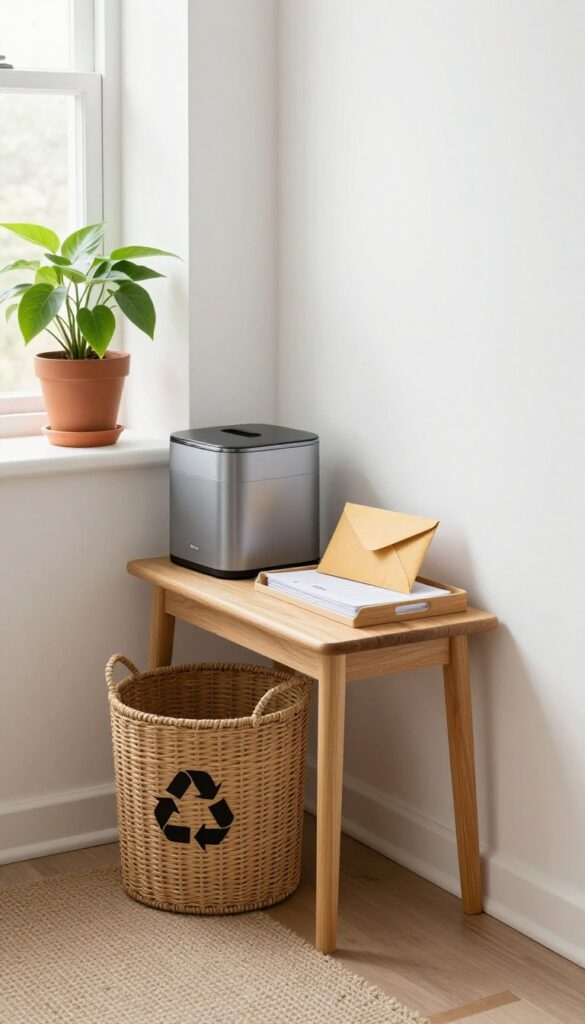
Paper piles up fast. Between bills, catalogs, school flyers, and random envelopes, your countertop can turn into a landfill in just a few days. The fix is simple: deal with it the moment it enters your home.
Set up a small station near your entry point—a recycling bin, a shredder, and a file tray. As you sort, you instantly eliminate junk, protect sensitive info, and file what matters. This five-minute habit prevents paper mountains from ever forming.
Create A Drop Zone
Place a recycling bin and a shredder right where you usually dump mail. A small basket or tray for “to file” items works too. When you walk in, you can sort everything in one go without moving around the house.
The One-touch Rule
Handle each piece of mail only once. Open it over the bin, shred or recycle the envelope immediately, and decide: trash, action needed, or file. If it requires action, put it in a visible spot so you don’t forget.
Digitize When Possible
Switch to paperless billing and statements for most accounts. Scan important documents like tax forms or contracts and store them securely online. Less paper coming in means less sorting every day.
11. Spot-Clean Floors with a Swiffer or Mop
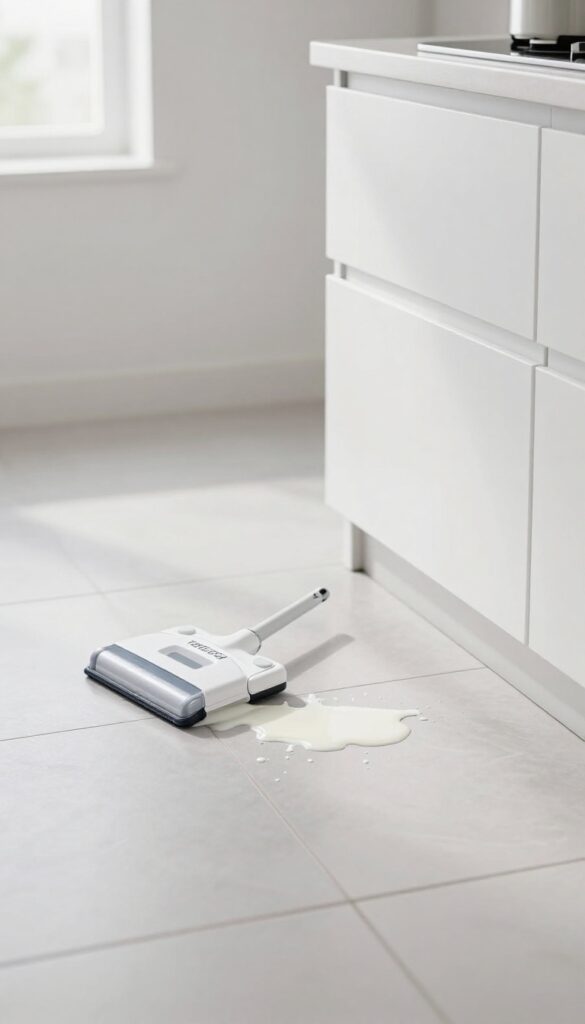
You don't need to mop the entire floor every time a drop of milk hits the kitchen tile. That would be overkill, and honestly, who has the energy? Instead, keep a Swiffer or a small mop handy for quick spot cleans.
When you see a spill or a sticky patch, handle it right then and there. It takes less than a minute, and your floors stay fresh without a full cleaning session.
Keep Supplies Within Reach
Store your Swiffer or mop in a closet near the kitchen or living area. If you have to go to the basement to grab it, you'll skip the spot clean. A caddy with a spray bottle and microfiber cloth also works.
The easier it is to grab, the more likely you'll use it.
Focus On High-traffic Zones
Not every spot is equal. The area in front of the sink, the entryway, and around the pet bowls get dirty fastest. Scan these spots daily.
A quick pass with a dry Swiffer picks up crumbs and dust, while a damp mop handles sticky messes.
Use The Right Tool For The Surface
Hardwood floors need a gentle approach—use a Swiffer WetJet or a spray mop designed for wood. Tile and vinyl can handle a bit more water. Match your tool to your flooring to avoid damage.
If you're unsure, a microfiber cloth with a little water works on almost anything.
12. Assign One Small Task to Each Family Member
Cleaning doesn't have to fall on one person's shoulders. When everyone contributes a tiny chore, the house stays tidy without anyone feeling overwhelmed. It also teaches responsibility and teamwork, making the daily routine feel lighter for all.
Keep It Simple And Age-appropriate
Match tasks to each person's ability. A toddler can put toys in a bin, a grade-schooler can feed the pet, and a teen can take out the trash. The goal isn't perfection—it's consistency.
Small, doable jobs build habits without resistance.
Use A Visual Chart Or Rotation
A simple chart on the fridge shows who does what each day. Rotate tasks weekly so no one gets bored with the same chore. This keeps things fair and gives everyone a chance to learn different skills.
Make It A Quick Team Effort
Set a timer for five minutes and have everyone do their assigned task at the same time. The shared activity feels more like a game than a chore. When the timer goes off, the tasks are done and the house looks noticeably better.
13. End the Day with a Clean Sink
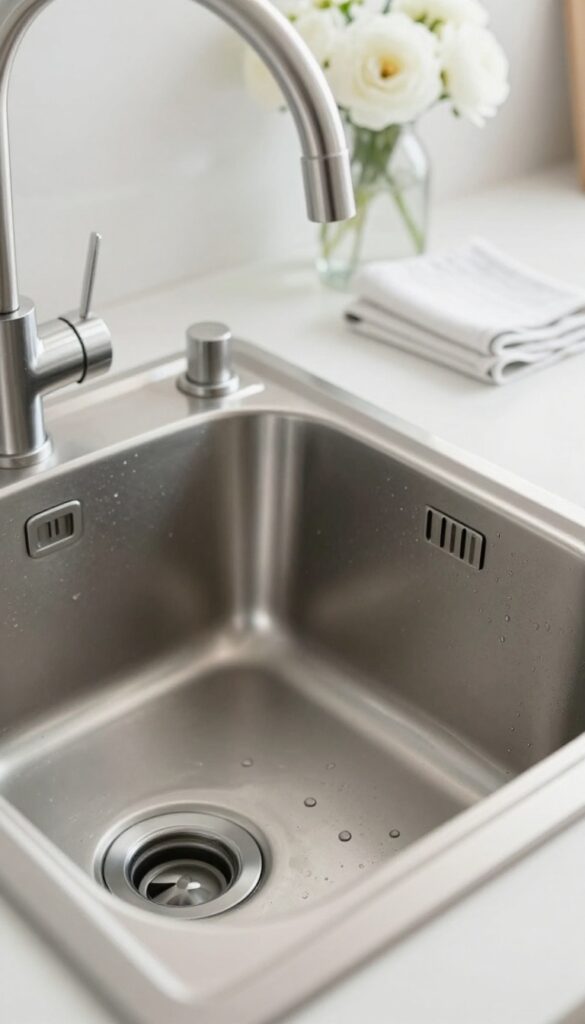
A clean kitchen sink might seem like a small thing, but it has an outsized impact on how your whole home feels. When you walk into the kitchen first thing in the morning and see a shiny, empty sink, it sets a calm tone for the day. This simple habit takes less than two minutes before bed and pays off in a big way.
Why The Sink Matters
The kitchen sink is a visual anchor. If it's full of dirty dishes, your brain registers the entire kitchen as messy. A clean sink signals that the kitchen is ready for action, making the whole room feel more organized and inviting.
The Two-minute Routine
After dinner, rinse any remaining dishes and load them into the dishwasher or wash them by hand. Wipe down the sink with a sponge and a dab of dish soap, then dry it with a clean towel. That's it.
No scrubbing, no soaking—just a quick wipe.
Bonus: A Fresh Smell
For an extra touch, sprinkle a little baking soda in the sink before wiping. It deodorizes and leaves the stainless steel sparkling. You can also keep a small spray bottle of diluted vinegar nearby for a quick shine.
FAQ
How long does it take to keep a house clean with these daily habits?
Most of these habits take less than 5 minutes each. Together, they add up to about 20–30 minutes per day.
Can I skip some days and still keep my house clean?
Yes, but consistency is key. Skipping a day here and there is fine, but try to do at least the core habits like making the bed and wiping counters daily.
What if I live alone? Do I need all these habits?
Living alone means less mess, but habits like making the bed, cleaning as you cook, and the evening tidy-up still help maintain order.
How do I motivate my family to follow these habits?
Lead by example and keep it positive. Use a family chore chart or set a timer for a quick 5-minute clean together.
What if I have a very small home?
Small spaces benefit even more from daily tidying because clutter becomes noticeable quickly. Focus on surfaces and floors.
Conclusion
These 13 daily habits prove that a clean house doesn't require marathon cleaning sessions. Each small action builds on the last, turning tidiness into a natural part of your routine rather than a chore.
Start with just one or two of these tips today. You'll be surprised how quickly they become second nature, leaving you with a consistently fresh home and more free time to enjoy it.

I’m Pallab Kishore, the owner of Little Pets Realm — an animal lover and pet care enthusiast sharing easy tips, healthy recipes, and honest advice to help every small pet live a happy, healthy, tail-wagging life.