Last updated on June 27th, 2026 at 03:17 pm
Your pillows might look fine on the outside, but a closer sniff reveals stale odors, yellowed spots, and clumpy fill. That's because they trap sweat, oils, and dust mites over time.
Luckily, you don't need a dry cleaner to bring them back to life. These 10 steps walk you through the entire process, from reading the care tag to fluffing during drying.
Each one solves a specific problem so your pillows come out fresh, fluffy, and ready for a good night's sleep.
1. Check the Care Label First
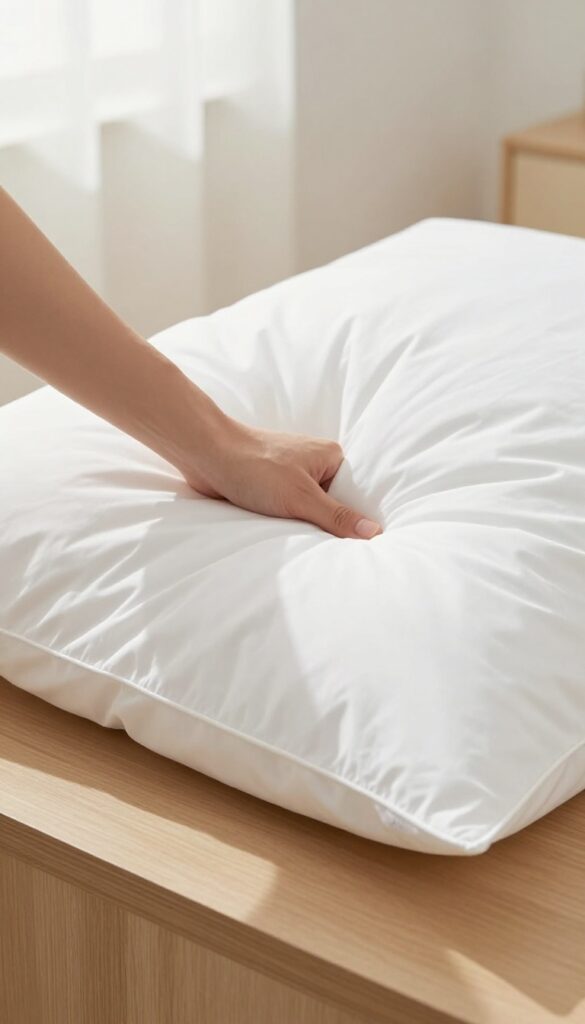
Before you toss that pillow into the washing machine, stop and flip it over. The care label is your roadmap to a successful clean. It tells you exactly what your pillow can handle—machine wash, dry clean, or spot clean only.
Ignoring this small tag can turn a simple refresh into a ruined pillow.
The care label isn't just a suggestion; it's the manufacturer's instructions for keeping your pillow intact. Different fillings require different care. Down and feather pillows often need gentle cycles and low heat, while memory foam should never see water.
A quick glance at the tag saves you from costly mistakes.
What The Symbols Mean
Look for the washing symbols: a tub of water means machine washable, a hand in the tub means hand wash, and an X over the tub means do not wash. Dry cleaning symbols look like a circle. If you see a circle with a letter inside, that's a specific dry cleaning instruction.
Spot clean only means just that—use a damp cloth and mild detergent on stains.
Why It Matters For Different Fillings
Pillow fillings react differently to water and heat. Down and feather pillows can usually be machine washed, but they need extra rinsing and low heat drying to prevent clumping. Synthetic polyester fills are more forgiving but can melt in high heat.
Memory foam and latex pillows are not machine washable; water destroys their structure. The care label tells you which category your pillow falls into.
When The Label Is Missing Or Faded
If the tag is gone or unreadable, use common sense. Most synthetic and down pillows are machine washable. Memory foam and latex are not.
When in doubt, spot clean or use a pillow protector. You can also check the manufacturer's website using the pillow's brand and model if you remember it.
2. Pre-Treat Stubborn Stains
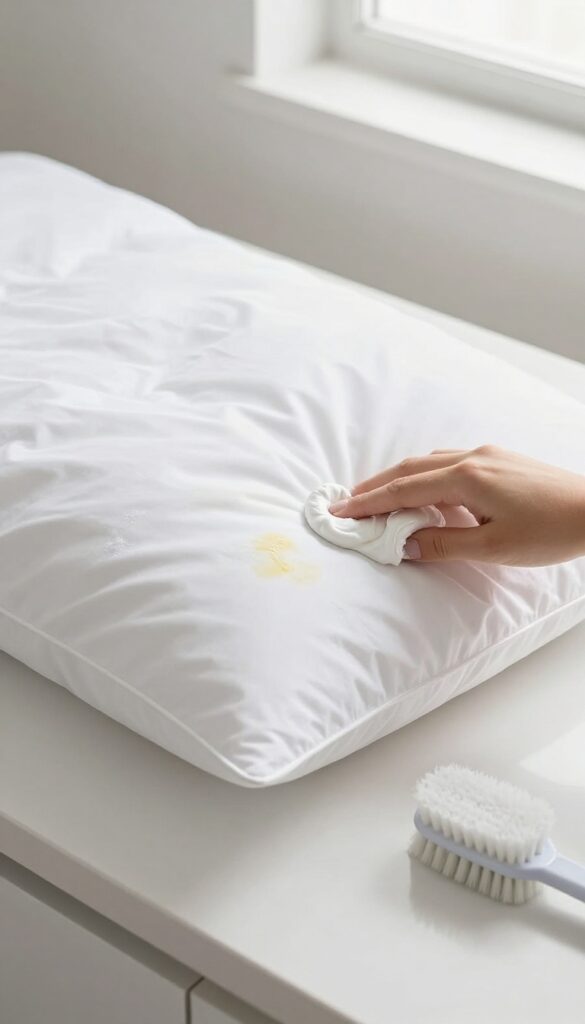
Yellow sweat stains or makeup marks need a little extra help. A quick pre-treatment breaks down the oils and proteins that cause discoloration, so your pillows come out truly clean. This step takes just a few minutes but makes a big difference in the final result.
Choose Your Stain Fighter
For most stains, a small amount of gentle liquid detergent works well. Dab it directly onto the spot and let it sit for 15 minutes. For tougher yellowing, mix baking soda with a little water to form a paste.
Apply it to the stain and let it dry completely before washing.
Work It In Gently
Use your fingers or a soft-bristled brush to gently work the pre-treatment into the fabric. Avoid scrubbing too hard, as that can damage the fibers or push the stain deeper. A light circular motion is all you need.
Let It Sit
Patience is key. Give the pre-treatment at least 15 minutes to break down the stain. If the mark is old or set in, you can let it sit for up to 30 minutes.
Just make sure the pillow doesn't dry out completely before washing.
3. Use the Right Wash Cycle
Not all wash cycles are created equal, and your pillows need a gentle touch. The wrong setting can turn a fluffy pillow into a lumpy mess or damage the delicate filling inside. Here's how to pick the perfect cycle and get the best clean without ruining your pillows.
Wash two pillows at a time to keep the machine balanced. Use warm water and the gentle or delicate cycle. High agitation can break down down clusters or clump synthetic fibers, so stick with low spin speeds.
If your machine has an extra rinse option, use it to remove all detergent residue.
Why Two Pillows?
Washing a single pillow can throw your machine off balance, causing loud banging and poor cleaning. Two pillows balance the load, allowing for even water distribution and gentle agitation. If you only have one pillow, add a few large towels to mimic the weight.
Water Temperature Matters
Warm water (around 90°F) is the sweet spot for cleaning pillows. Hot water can shrink or damage fill, while cold water may not fully dissolve detergent or kill dust mites. Warm water lifts oils and dirt without harming the fabric or filling.
Gentle Cycle Is Non-negotiable
The gentle or delicate cycle uses slower agitation and shorter wash times. This protects down feathers from breaking and prevents synthetic fill from clumping. Avoid heavy-duty or regular cycles, especially for memory foam or latex pillows, which should never go in a machine at all.
4. Choose a Gentle Detergent
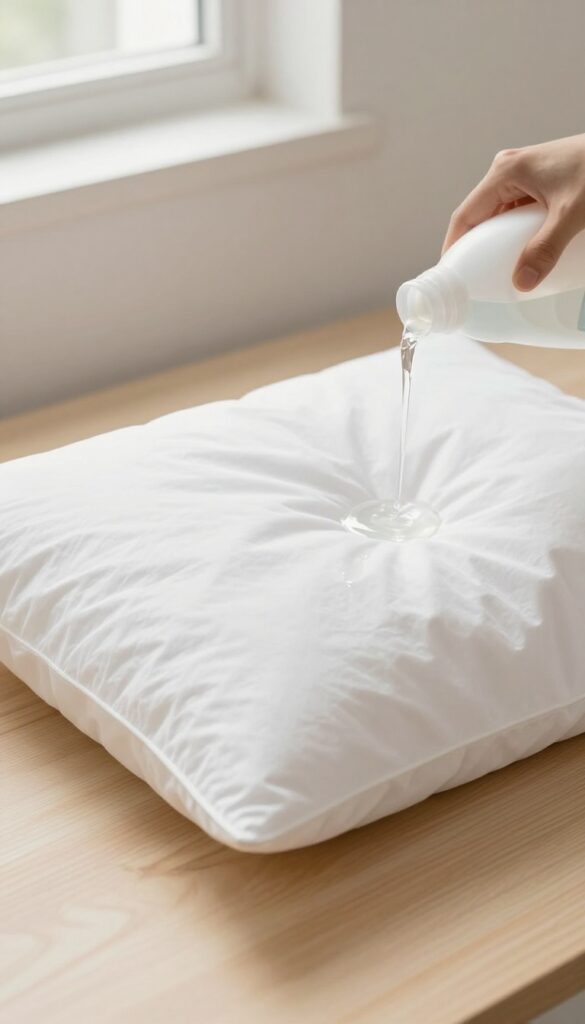
Not all laundry detergents are pillow-friendly. Harsh formulas can break down delicate fibers and leave behind a soapy residue that traps dirt faster. The right detergent keeps your pillows clean without sacrificing their fluff or lifespan.
Why Mild Matters
Pillow fillings—whether down, feather, polyester, or memory foam—are sensitive to strong chemicals. Harsh detergents can strip natural oils from down, making it brittle, or cause synthetic fibers to clump. A mild, fragrance-free option cleans effectively without damaging the structure.
Skip The Fabric Softener
Fabric softener might make your clothes feel nice, but it's a pillow's worst enemy. It coats the fibers with a waxy layer that reduces absorbency and fluffiness. Over time, it also traps odors and bacteria.
Stick to detergent only.
How Much To Use
More soap doesn't mean cleaner pillows. In fact, excess detergent can get trapped inside the filling and cause stiffness or residue. Use about half the amount you'd use for a regular load—most pillows need less soap than you think.
5. Rinse Thoroughly
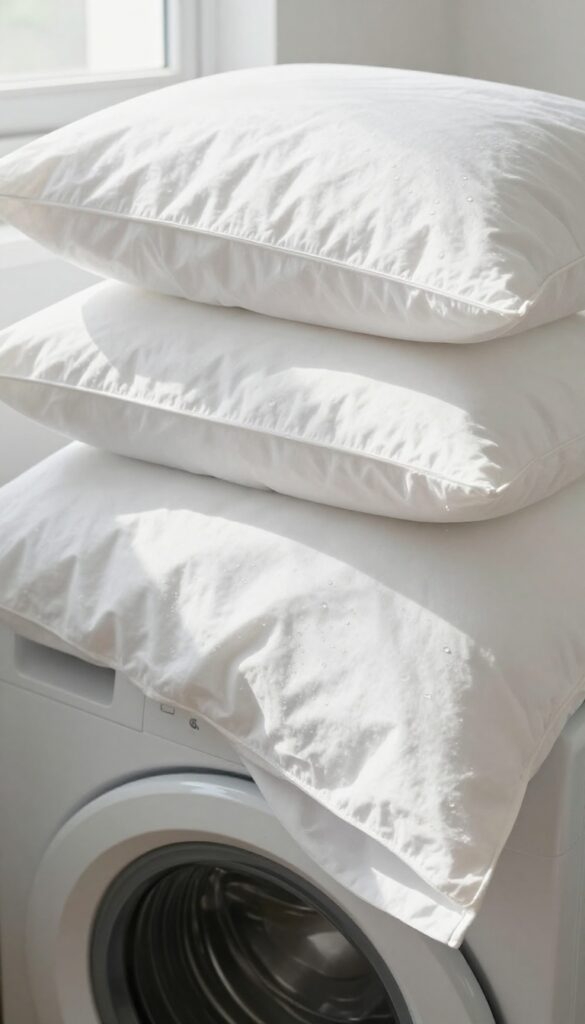
Once the wash cycle finishes, your pillows still have a surprising amount of detergent trapped inside the fibers. That leftover soap can attract dirt faster and make the fill feel stiff and crunchy. A thorough rinse solves both problems, leaving pillows soft and fresh.
Most washing machines have an extra rinse option, but if yours doesn't, simply run a second rinse cycle. This ensures all suds are flushed out, so your pillows don't end up with residue that dulls their fluffiness. For best results, use warm water for the rinse, as it helps dissolve any remaining detergent better than cold.
Why Extra Rinse Matters
Detergent residue is a magnet for dust and dirt. Over time, it can cause pillows to yellow and develop a musty smell. An extra rinse cycle removes every trace of soap, keeping pillows cleaner for longer and extending their lifespan.
How To Check For Residue
After the first rinse, squeeze a small section of the pillow. If you see any suds or feel a slippery texture, run another rinse. You can also do a quick sniff test—if it smells like detergent, it needs another round.
Boost Rinse With Vinegar
Add half a cup of white vinegar to the rinse cycle. It helps break down any leftover detergent and naturally softens the pillow fibers. Don't worry about the smell; it disappears completely during drying.
6. Dry on Low Heat with Dryer Balls
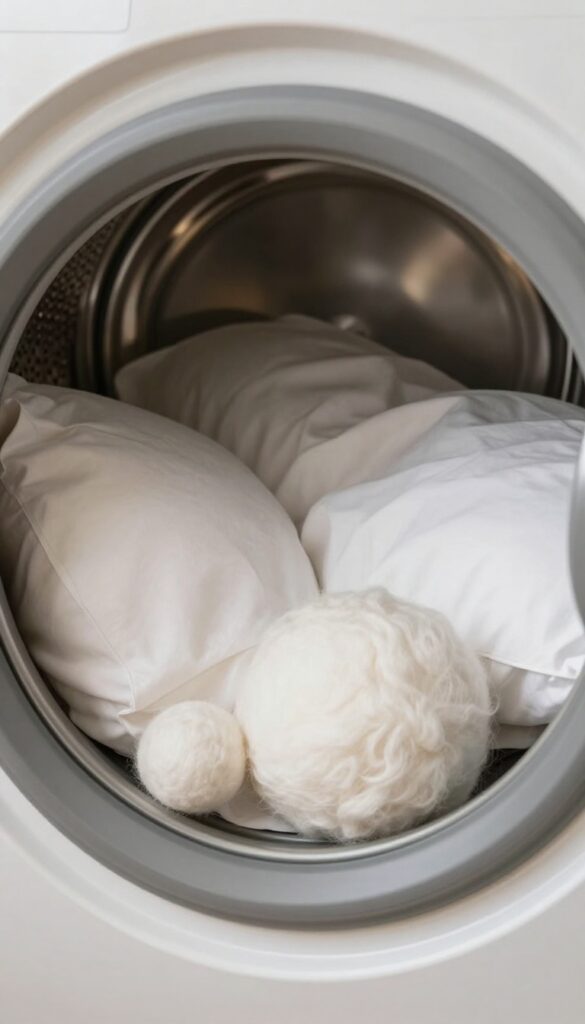
The drying stage is where many pillow cleaning attempts go wrong. High heat can melt synthetic fibers, shrink down clusters, or create permanent lumps. The trick is to use low or medium heat and add a few clean tennis balls or dryer balls to the mix.
They bounce around, breaking up clumps and restoring that just-bought fluffiness.
Once your pillows come out of the wash, they're heavy and soggy. Resist the urge to crank up the heat to speed things up. Instead, set your dryer to low or medium heat.
High temperatures can damage the fill, especially for synthetic pillows, and even down pillows can lose their loft. The goal is gentle, consistent heat with plenty of tumbling action. Toss in two to three clean tennis balls or dryer balls.
As they tumble, they physically beat the pillows, separating clumped fibers and redistributing fill evenly. This step is crucial for restoring volume. Check the pillows every 20 minutes.
They're done when they feel completely dry and fluffy. If you have a moisture sensor setting, use it to avoid over-drying.
Why Low Heat Matters
Synthetic pillows (polyester, microfiber) can melt or become misshapen under high heat. Down pillows may lose their natural oils and become brittle. Low heat protects the fill while still evaporating moisture.
It takes longer, but the result is a pillow that lasts longer and feels better.
The Magic Of Dryer Balls
Dryer balls—wool or plastic—work by separating pillow layers and breaking up wet clumps. Tennis balls serve the same purpose. They also reduce drying time by improving air circulation.
For best results, use three balls per two pillows. Make sure they're clean to avoid transferring dirt.
7. Fluff by Hand During Drying
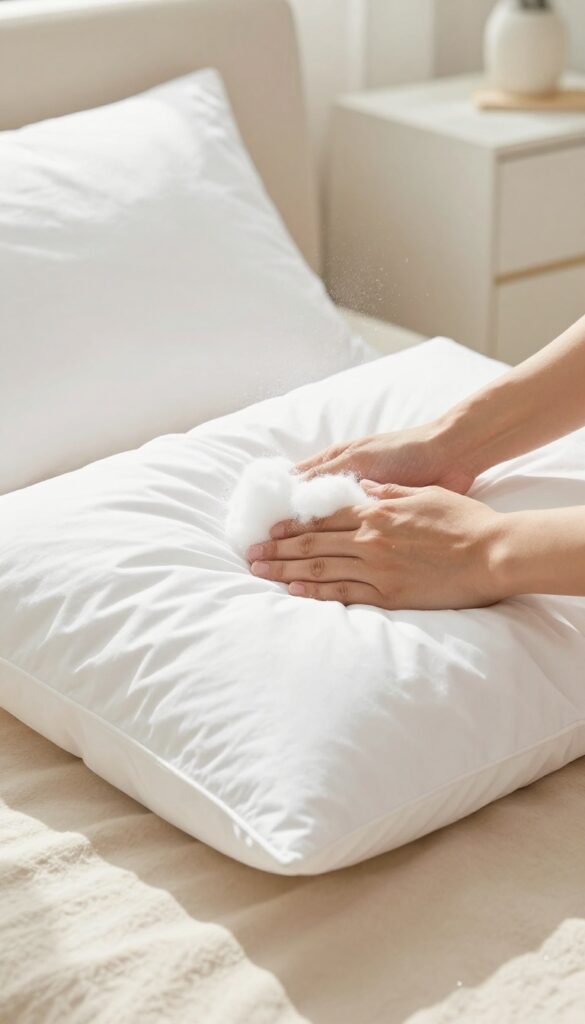
The drying stage is where many pillow cleaning attempts go wrong. Tossing them in the dryer and walking away often leads to lumpy, uneven fill that never quite recovers. But a small hands-on effort every 20 minutes makes all the difference.
Stop the dryer every 20 minutes and give the pillows a good squeeze and shake. This helps redistribute the filling evenly and prevents flat spots. It also breaks up any clumps that form, especially in down or synthetic pillows.
Set a timer if you need to—this simple habit ensures your pillows dry fluffy, not flat.
Why Fluffing Matters
As pillows tumble, the filling naturally shifts to the edges or bunches up. Without manual intervention, you end up with hard lumps and empty patches. Fluffing by hand repositions the fill so it dries evenly, maintaining that plush, supportive feel.
How To Fluff Properly
When the dryer cycle pauses, pull out each pillow and give it a firm squeeze from all sides. Then shake it vigorously to loosen the fibers. Focus on the corners and edges where fill tends to clump.
For down pillows, gently knead the filling to break apart wet clusters.
Pair With Dryer Balls For Best Results
Toss in a couple of clean tennis balls or wool dryer balls. They bounce around and physically beat the pillows, helping to break up clumps while you fluff manually. This combo cuts drying time and delivers noticeably fluffier pillows.
8. Check for Complete Dryness
Even after a long drying cycle, pillows can hide moisture deep inside. A damp pillow is a breeding ground for mold and mildew, which can ruin your pillow and affect your health. That's why checking for complete dryness is a critical step you can't skip.
To test, squeeze the center of the pillow firmly. If it feels cool, damp, or heavy, it needs more time. Thick pillows often require two or three full drying cycles.
Between cycles, fluff the pillow and break up any clumps to help heat reach the core.
The Squeeze Test
Press your palm into the center of the pillow. If it feels cool or damp, it's not dry. You can also hold it to your cheek—your skin is sensitive to temperature differences.
A dry pillow should feel warm and light.
Why Multiple Cycles Matter
Pillow fill, especially down or thick polyester, holds moisture stubbornly. One cycle might dry the outer layers while leaving the core wet. Running two or three cycles with fluffing breaks in between ensures even drying.
Air Drying As A Backup
If your dryer isn't getting the pillow completely dry, finish with air drying. Place the pillow in a well-ventilated area or near a fan. Flip it occasionally.
This extra step prevents hidden moisture from causing problems later.
9. Freshen Between Washes
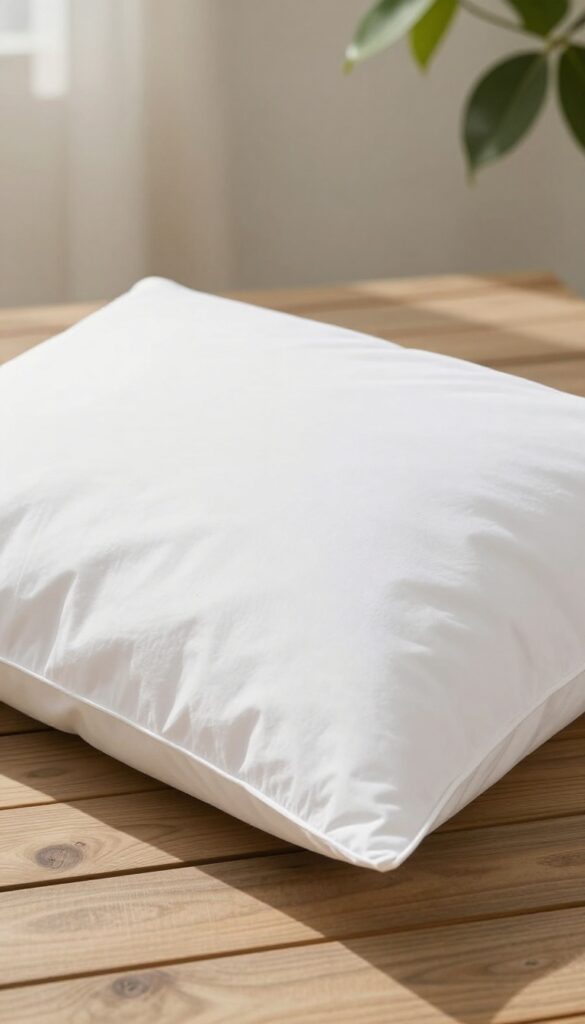
You don't always need to run a full wash cycle to keep pillows fresh. In fact, over-washing can wear down the fill over time. Quick refreshers in between deep cleans help maintain that just-washed feel without the hassle.
Baking Soda Deodorizing
Sprinkle a generous layer of baking soda over the entire pillow surface. Let it sit for at least an hour—longer if odors are strong. The baking soda absorbs trapped smells and moisture.
Then vacuum it off using the upholstery attachment. This works great for synthetic and down pillows alike.
Dryer Refresh
Toss pillows in the dryer on the air-fluff or no-heat setting with a dryer sheet. This fluffs them up and removes musty odors. Add a couple of clean tennis balls or dryer balls to break up clumps.
A 15-minute cycle is usually enough to restore loft and freshness.
Sunlight And Fresh Air
Sunlight is a natural deodorizer and stain fighter. Hang pillows outside on a sunny, breezy day for a few hours. The UV rays help kill dust mites and bacteria, while the wind fluffs the fill.
Just bring them in before evening dampness sets in.
10. Know When to Replace
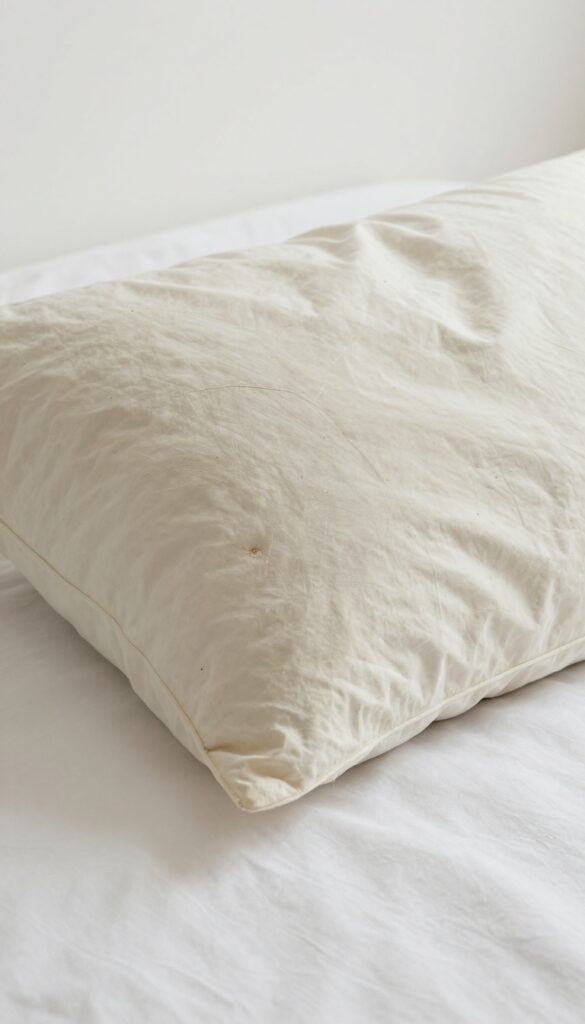
No matter how well you care for your pillows, they don't last forever. Over time, fillings break down, and no amount of washing can restore their original support. Knowing the signs of a worn-out pillow helps you avoid sleeping on something that's doing more harm than good.
The Fold Test
Fold your pillow in half and hold it for 30 seconds. When you let go, it should spring back to its original shape. If it stays folded or takes a while to fluff up, the filling has lost its resilience and it's time for a new one.
This simple test works for all pillow types, from down to memory foam.
Persistent Odors And Stains
Even after a thorough wash, some pillows retain musty smells or yellow discoloration from years of sweat and oils. If your pillow still smells off after cleaning, the odor is baked into the core. Similarly, if stains have set in and won't lift, the pillow is past saving.
Lumps And Clumps
Down and synthetic pillows can develop hard lumps or uneven clumps of filling over time. Fluffing might help temporarily, but if the lumps return quickly or the pillow feels lumpy all over, the fill is breaking apart. Sleeping on a lumpy pillow can cause neck pain and restless nights.
Typical Lifespan
Most pillows last between 1 and 2 years with regular use and proper care. If you can't remember when you bought yours, it's probably time to replace it. Mark your calendar when you get a new pillow so you know when to start shopping again.
FAQ
Can I wash memory foam pillows?
Memory foam pillows are usually not machine washable. Spot clean with a damp cloth and mild detergent, then air dry completely. Check the care label for specific instructions.
How often should I clean my pillows?
Wash pillows every 3 to 6 months. In between, freshen them monthly by vacuuming or using a dryer on air-fluff. Pillow protectors can extend the time between washes.
What's the best way to dry pillows?
Use a low heat setting in the dryer with dryer balls or clean tennis balls. Stop periodically to fluff by hand. Air drying is possible but takes much longer and may lead to clumping.
Can I use bleach on white pillows?
Bleach can weaken fibers and cause yellowing over time. Instead, use oxygen-based bleach (like OxiClean) or hydrogen peroxide for whitening. Always test a small area first.
Why do my pillows smell after washing?
A lingering smell usually means they weren't dried completely. Mold or mildew can develop in damp filling. Redry on low heat until fully dry, and add a cup of white vinegar to the rinse cycle next time.
Conclusion
Your pillows don't have to stay yellowed or lumpy. With these ten steps, you can bring back that fresh, fluffy feel without a trip to the store. Pick a method that fits your pillow type and washing machine capacity.
Once they're dry and de-lumped, you'll notice the difference the first night. A quick refresh every few months keeps them clean and supportive. Your bed will feel like new.

I’m Pallab Kishore, the owner of Little Pets Realm — an animal lover and pet care enthusiast sharing easy tips, healthy recipes, and honest advice to help every small pet live a happy, healthy, tail-wagging life.