Last updated on June 27th, 2026 at 03:17 pm
Mattress stains happen. Whether it's sweat, blood, or an accidental spill, you don't need to replace your mattress or spend a fortune on professional cleaning. Most stains lift with common household items like baking soda, vinegar, or hydrogen peroxide.
These 13 methods target specific stains—from urine to ink—using ingredients you likely already have. Each approach is budget-friendly and tested to work on fabric without harsh chemicals.
Ready to rescue your mattress? Start with the stain that matches your situation and follow the simple steps.
1. Baking Soda and Hydrogen Peroxide for Sweat Stains
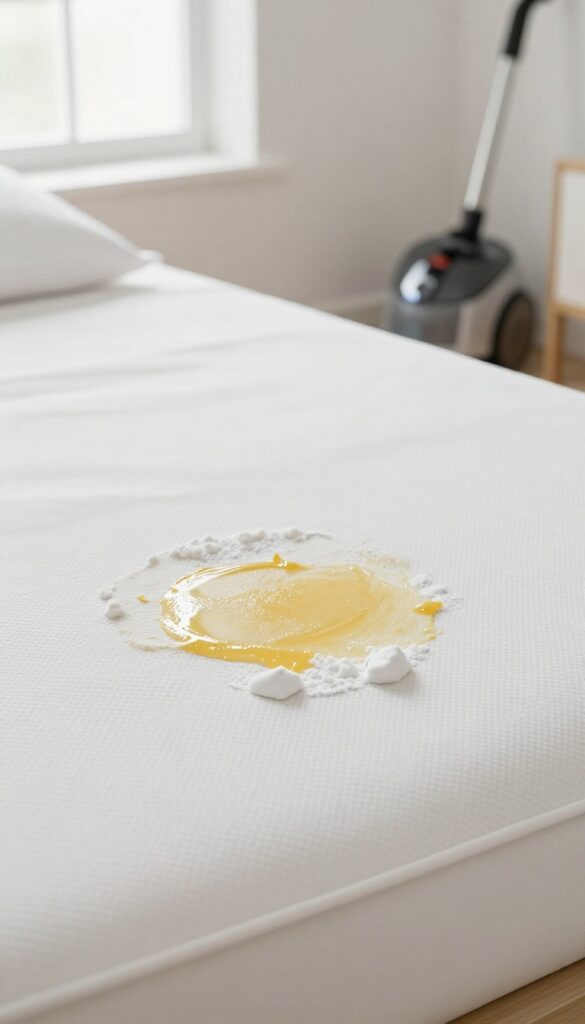
Sweat stains are among the most common mattress issues, especially in warmer months. They leave yellowish marks and a lingering odor that regular cleaning can't fix. The good news?
A simple paste of baking soda and hydrogen peroxide works like a charm. This combo breaks down oils and proteins while neutralizing smells.
Why This Combo Works
Baking soda is a natural deodorizer and mild abrasive. Hydrogen peroxide acts as a gentle bleach and disinfectant. Together, they lift sweat residue without damaging mattress fibers.
The paste dries into a powder that you vacuum away, taking the stain with it.
Step-by-step Application
Mix three tablespoons of baking soda with enough hydrogen peroxide to form a thick paste. Spread it over the stain in a thin layer. Let it sit for at least 30 minutes—longer for old stains.
Once dry, scrape off the crust and vacuum the area thoroughly.
Tips For Stubborn Stains
For set-in sweat marks, add a drop of dish soap to the paste. Cover the paste with plastic wrap overnight to keep it moist. In the morning, remove the wrap, let it dry, and vacuum.
Repeat if needed.
2. Cold Water and Salt for Blood Stains
Blood stains on a mattress can feel alarming, but they don't have to be permanent. The key is acting fast and using the right approach. For fresh blood, cold water and salt work wonders; for dried stains, hydrogen peroxide is your best friend.
Here's how to handle both scenarios without damaging your mattress.
Blood is a protein-based stain, so hot water will set it permanently. Always use cold water and gentle blotting, never rubbing. Salt acts as a natural absorbent to pull the blood out of the fibers.
For older stains, hydrogen peroxide bubbles away the discoloration safely.
Fresh Blood: Blot And Absorb
Blot the stain with a clean cloth dampened with cold water. Don't rub—just press to lift as much blood as possible. Then sprinkle a generous layer of table salt over the area.
Let it sit for 10–15 minutes while the salt absorbs the moisture. Vacuum up the salt. Repeat if needed until the stain fades.
Dried Blood: Hydrogen Peroxide Magic
For set-in stains, pour a small amount of 3% hydrogen peroxide directly onto the spot. You'll see it fizz as it breaks down the blood. Let it bubble for 5–10 minutes, then blot with a clean dry cloth.
Avoid over-saturating the mattress. If the stain persists, repeat once more.
Final Rinse And Dry
After treating, dampen a cloth with cold water and blot the area to remove any residue. Press with a dry towel to absorb excess moisture. Let the mattress air dry completely before putting sheets back on.
A fan or open window speeds things up and prevents mildew.
3. White Vinegar and Baking Soda for Urine Stains
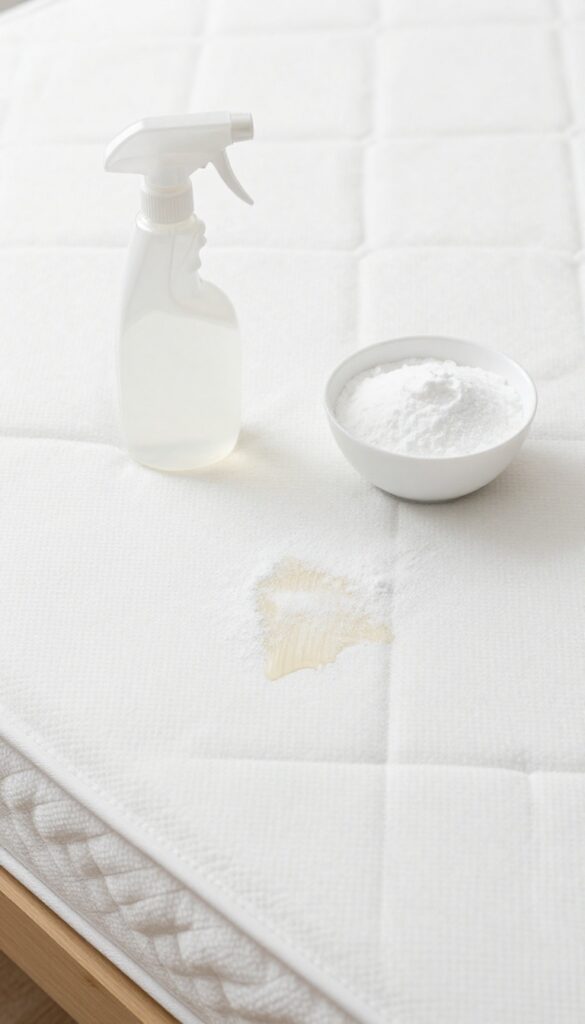
Urine stains come with a double problem: the visible mark and the lingering smell. But you don't need harsh chemicals to tackle them. White vinegar and baking soda work together to neutralize odors and lift the stain from deep within the mattress fibers.
This method is safe, effective, and uses ingredients you probably already have in your kitchen.
Blot First, Then Treat
Start by blotting up as much fresh urine as possible with paper towels or a clean cloth. Press firmly, but don't rub—rubbing pushes the liquid deeper. Once the area is damp rather than wet, it's time for the vinegar.
Pour enough white vinegar to saturate the stain, but don't soak the mattress completely. Let it sit for 5-10 minutes to break down the uric acid and neutralize the odor.
The Fizzing Action
After the vinegar has had time to work, sprinkle a generous layer of baking soda directly over the same spot. You'll see it start to fizz and bubble as it reacts with the vinegar. That's a good sign—it means the mixture is lifting the stain and odor from the fibers.
Let it sit until the fizzing stops, usually about 10-15 minutes. For older or set-in stains, you can leave the baking soda on overnight.
Blot And Repeat If Needed
Once the fizzing is done, blot the area again with a clean cloth to absorb the liquid. If the stain is still visible or the smell lingers, repeat the process. Sometimes stubborn stains need a second round.
After the final blot, let the mattress air dry completely before putting sheets back on. Open a window or use a fan to speed up drying and prevent mold.
4. Dish Soap and Hydrogen Peroxide for Vomit Stains
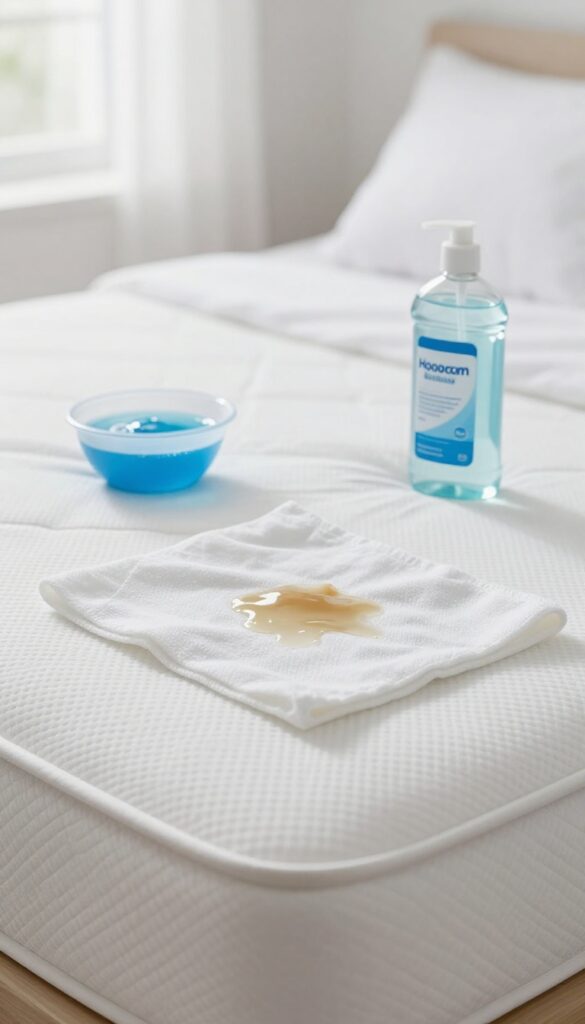
Vomit stains are acidic and packed with proteins that can set quickly into mattress fibers. The combination of dish soap and hydrogen peroxide works on two fronts: the soap breaks down grease and residue, while the peroxide oxidizes the stain and kills bacteria. This method is gentle enough for most mattresses but tough on odors and discoloration.
Act fast—vomit stains become harder to remove the longer they sit. Scrape off any solids first without rubbing. Then mix 2 tablespoons of hydrogen peroxide with 1 tablespoon of dish soap (blue Dawn works best).
Apply the solution to the stain using a clean cloth, letting it sit for 5–10 minutes. Blot with a dry towel until the stain lifts. Repeat if needed, then sprinkle baking soda over the area to absorb moisture and neutralize any remaining smell.
Let it dry completely before vacuuming.
Why This Combo Works So Well
Hydrogen peroxide is a natural bleaching agent that breaks down organic compounds, while dish soap acts as a surfactant to lift particles from fabric fibers. Together, they tackle both the stain and the odor-causing bacteria without harsh chemicals.
Step-by-step Application
Mix 2 tbsp hydrogen peroxide (3%) with 1 tbsp dish soap. Dab onto the stain using a cloth, working from the edges inward. Let it sit for 5–10 minutes—don't let it dry.
Blot with a damp cloth, then press a dry towel to absorb excess liquid. Repeat if the stain persists.
Drying And Deodorizing
After blotting, sprinkle a generous layer of baking soda over the damp area. Let it sit for several hours or overnight. The baking soda absorbs moisture and neutralizes odors.
Vacuum thoroughly once dry.
5. Rubbing Alcohol for Ink Stains
Ink stains from a leaking pen or marker can feel impossible to remove, but rubbing alcohol is surprisingly effective. The alcohol breaks down the ink's pigments, making it easy to lift from fabric without spreading. Just be sure to test a hidden spot first, as some mattress materials may react.
For fresh ink stains, act quickly. Dampen a clean cloth with rubbing alcohol (isopropyl 70% or higher) and blot the stain gently—don't rub, or you'll push the ink deeper. The ink should transfer to the cloth.
Repeat with a fresh section of cloth until no more ink comes up. For stubborn stains, let the alcohol sit for a minute before blotting. Afterward, blot with a damp cloth to remove residue, then let the area air dry.
Why Alcohol Works
Rubbing alcohol is a solvent that dissolves the dyes and resins in ink, making them soluble in liquid. This allows the ink to be absorbed into a cloth rather than setting into mattress fibers. It's safe for most fabrics but always spot-test first.
Step-by-step Blotting
Place a towel under the stained area to catch excess ink. Dip a white cloth in rubbing alcohol, then blot the stain from the outside inward to prevent spreading. Change cloth sections as ink transfers.
Continue until the stain lifts.
Drying And Finishing
After blotting, use a dry cloth to absorb any remaining moisture. Sprinkle baking soda over the area to absorb lingering alcohol and odors. Let it sit for an hour, then vacuum.
Your mattress should be ink-free and fresh.
6. Enzyme Cleaner for Pet Stains
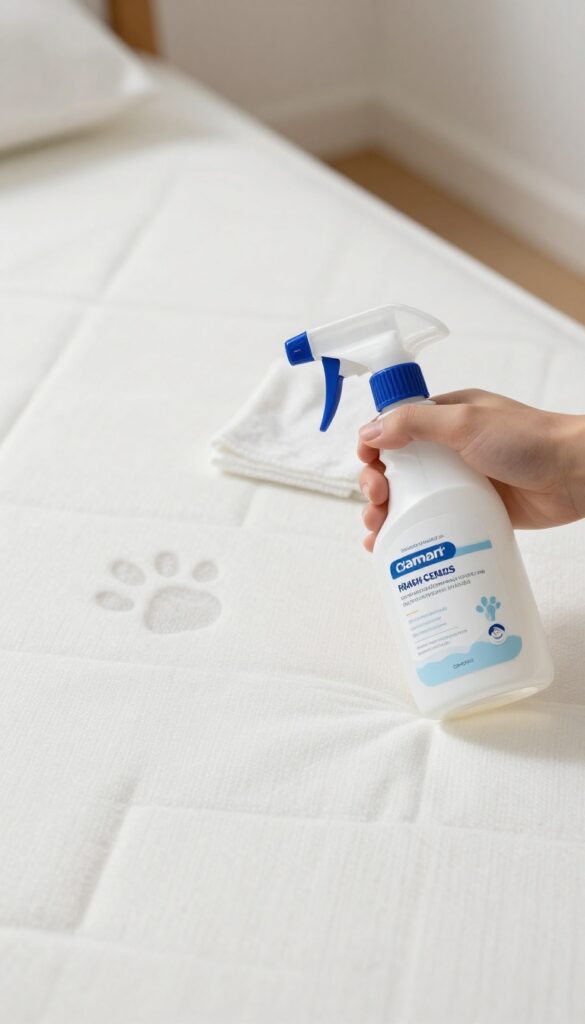
Pet accidents on a mattress are a whole different beast. The proteins in urine, feces, or vomit can bond with fabric fibers and create stubborn stains that ordinary cleaners just can't touch. Worse, if the smell lingers, your pet might think that spot is a designated bathroom.
That's where enzyme cleaners shine. They use natural biological enzymes to break down the organic compounds, lifting the stain and neutralizing the odor at the source. This isn't just a cover-up—it's a chemical breakdown that actually removes the problem.
Why Enzyme Cleaners Work
Enzyme cleaners contain specific proteins that target organic matter like urine, blood, and vomit. These enzymes act like tiny scissors, cutting the stain molecules into smaller pieces that can be easily lifted away. Unlike bleach or vinegar, they don't just mask the smell—they eliminate the compounds that cause it.
This makes them ideal for pet stains, where odor is often the biggest concern.
How To Apply Enzyme Cleaner
First, blot up as much of the fresh stain as possible with a clean cloth. Don't rub—that pushes the stain deeper. Then, saturate the stain with the enzyme cleaner according to the product instructions.
Most require letting it sit for 10 to 15 minutes, but some need longer for set-in stains. After the dwell time, blot the area again with a dry cloth. Do not rinse with water; the enzymes need to stay on the fabric to keep working.
Let the mattress air dry completely before putting sheets back on.
Best Practices For Pet Owners
Always test the cleaner on a hidden spot first to make sure it doesn't discolor the fabric. For old, dried stains, pre-wet the area with a little water to help the enzymes penetrate. If the smell persists after one treatment, repeat the process.
Enzyme cleaners are safe for most mattresses, but avoid using them on wool or silk covers. And remember—the faster you treat a pet stain, the better the results.
7. Cornstarch for Grease or Oil Stains
Grease and oil stains on a mattress might look impossible to remove, but cornstarch handles them with surprising ease. These stains often come from lotions, hair products, or late-night snacks that left a mark. The key is to absorb the oil before it sets deeper into the fibers.
Cornstarch works like a magnet for grease because it's a fine powder that soaks up oil without pushing it further into the fabric. Unlike rubbing or scrubbing, which can spread the stain, cornstarch lifts it away gently. This method is especially useful for fresh stains, but it can also help with older ones if you let it sit longer.
How It Works
Cornstarch is a natural absorbent. When you sprinkle it over a grease stain, it pulls the oil out of the mattress fibers and traps it in the powder. After a short wait, you simply vacuum it up, taking the stain with it.
No rubbing means no damage to the mattress surface.
Step-by-step Instructions
Start by blotting any excess grease with a dry paper towel. Don't rub. Then cover the stain completely with a thick layer of cornstarch.
Let it sit for 15 minutes to absorb the oil. If the stain is old or heavy, leave it for up to an hour. Vacuum the powder thoroughly using the upholstery attachment.
Repeat if a faint mark remains.
Tips For Best Results
Use a generous amount of cornstarch so it fully covers the stain. For set-in stains, gently press the powder into the fabric with a spoon or spatula before letting it sit. Always vacuum in multiple directions to pick up every grain.
If the stain persists, try a second application or switch to a dish soap solution for stubborn residue.
8. Lemon Juice and Salt for Rust Stains
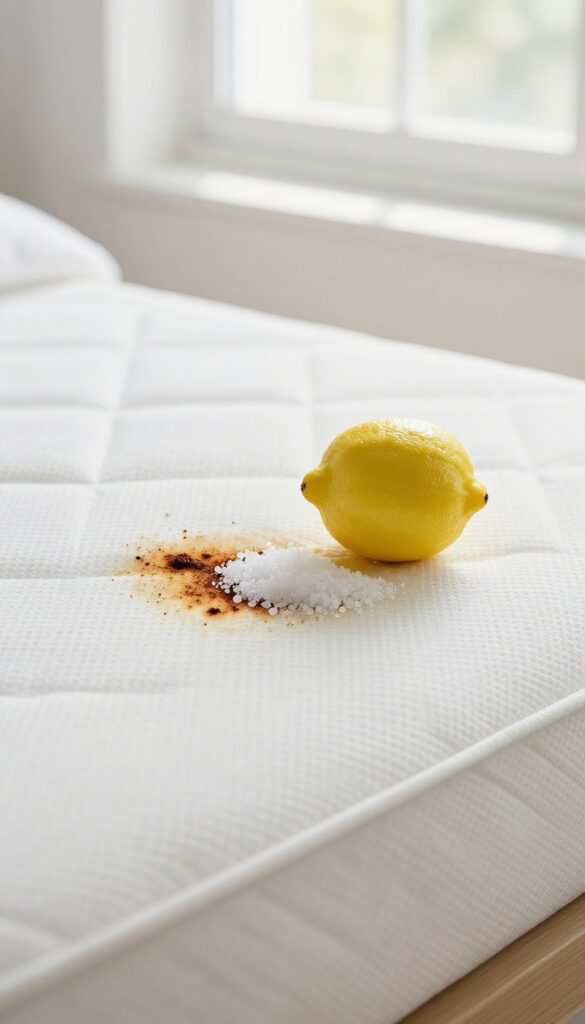
Rust stains on a mattress are rare but stubborn. They often come from metal bed frames, springs, or even forgotten coins in the wash. The good news is that lemon juice and salt—two kitchen staples—can lift rust without damaging the fabric.
The citric acid breaks down the rust, while the salt provides gentle abrasion to scrub it away. Sunlight boosts the bleaching effect, making this method even more effective.
Start by squeezing fresh lemon juice directly onto the rust stain. Make sure the area is saturated but not soaking wet. Sprinkle a generous layer of table salt over the juice, covering the stain completely.
Let the mixture sit for at least 2 hours—longer if the stain is old or heavy. Place the mattress in direct sunlight if possible; the UV rays help activate the acid. After the wait, blot the area with a clean cloth to lift the rust.
You may need to repeat the process for stubborn stains. Finally, blot with a damp cloth to remove any residue and let it air dry.
Why This Combination Works
Lemon juice contains citric acid, which is a natural chelating agent—it binds to metal ions like iron in rust and helps dissolve them. Salt acts as a mild abrasive that physically scrubs the loosened rust particles out of the fabric fibers. Sunlight adds a gentle bleaching effect that further lightens any remaining discoloration.
Together, they create a powerful yet fabric-safe solution.
Step-by-step Application
- Squeeze fresh lemon juice directly onto the rust stain. 2.
Sprinkle salt over the juice until the stain is fully covered. 3. Let the mixture sit for at least 2 hours in direct sunlight if possible.
- Blot the area with a clean, dry cloth to lift the rust. 5.
Repeat if necessary. 6. Blot with a damp cloth to remove residue and let dry completely.
Tips For Best Results
Use fresh lemon juice rather than bottled, as it has higher acidity. For old or set-in stains, let the paste sit overnight. Avoid rubbing vigorously, as that can spread the rust.
Test on a hidden area first to ensure colorfastness. If sunlight isn't available, a UV lamp can substitute, but natural sunlight works best.
9. Hydrogen Peroxide and Dish Soap for General Yellowing
Yellowing on a mattress usually comes from sweat, body oils, and years of use. It's not a single stain but a gradual buildup that makes the fabric look dull and aged. Hydrogen peroxide combined with dish soap creates a gentle bleaching action that lifts that general discoloration without damaging the fabric.
This method is safe for most mattresses and works well as a periodic brightening treatment.
This simple two-ingredient solution tackles the overall yellow cast that develops over time. Hydrogen peroxide is a mild oxidizer that breaks down organic residues, while dish soap helps lift dirt and grease. Together they restore brightness without the harshness of chlorine bleach.
You can use this treatment on the entire mattress surface or just on particularly yellowed areas. It's also a great maintenance step to do every few months to keep your mattress looking fresh.
How To Mix And Apply
Combine equal parts 3% hydrogen peroxide and a gentle dish soap (like Dawn) in a spray bottle. Shake gently to mix. Mist the yellowed areas lightly—you don't want the mattress soaking wet.
Let the solution sit for 10–15 minutes. The peroxide will start bubbling as it reacts with the stains. After that, blot the area with a clean, dry cloth to lift the moisture and dissolved grime.
Repeat if needed, but allow the mattress to dry completely between applications.
Why This Combo Works So Well
Hydrogen peroxide is a natural bleaching agent that breaks down into water and oxygen, leaving no toxic residue. It's effective on organic stains like sweat and urine, which are common causes of yellowing. Dish soap acts as a surfactant, breaking the surface tension of the liquid so it can penetrate fabric fibers and lift embedded oils.
The bubbling action also helps physically loosen debris. Together they brighten without the risk of yellowing that some bleach-based products can cause over time.
Tips For Best Results
Always test on a hidden spot first—some mattress fabrics may react differently. Use a spray bottle with a fine mist to avoid oversaturation. Work in a well-ventilated room since peroxide has a mild scent.
For stubborn yellowing, let the solution sit a bit longer, up to 30 minutes, but don't let it dry completely. After blotting, sprinkle baking soda over the area to absorb any remaining moisture and odors. Let it sit for a few hours, then vacuum.
This extra step leaves the mattress fresh and dry.
10. Steam Cleaning for Deep Set Stains
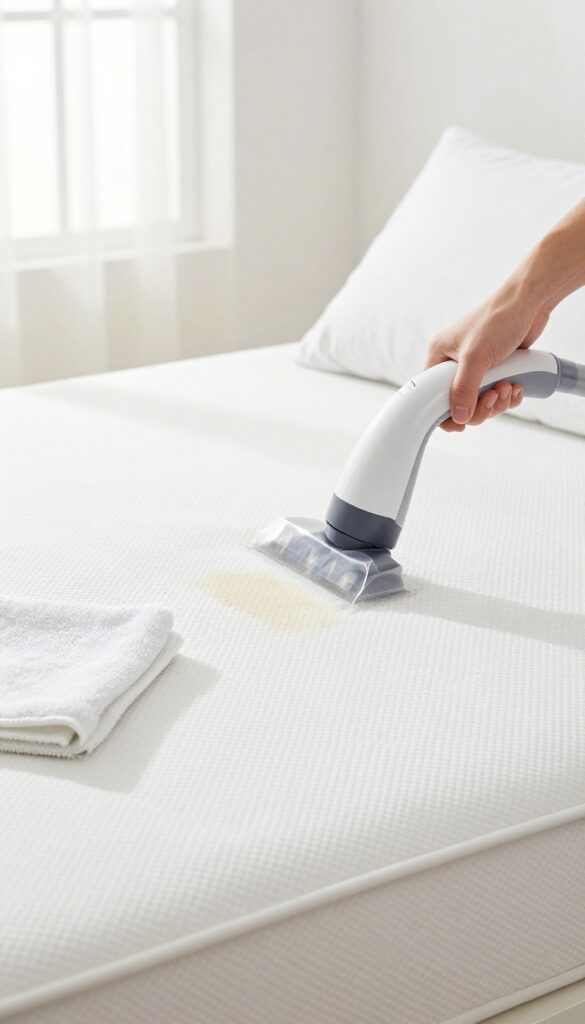
Some stains just won't budge no matter how much you scrub. That's where steam cleaning comes in. Heat and moisture work together to break down grime that's settled deep into mattress fibers, making it one of the most effective methods for old or stubborn spots.
A handheld steamer or a garment steamer does the job without soaking the mattress. The steam loosens dried stains and kills bacteria and dust mites at the same time. After steaming, blot the area with a clean towel to lift the dissolved stain.
Let the mattress dry completely before putting sheets back on.
Why Steam Works So Well
Heat from steam penetrates mattress layers, softening crusted stains and breaking bonds between dirt and fabric. The high temperature also sanitizes the surface without chemical residue. It's especially good for sweat, urine, and protein-based stains that resist cold water.
How To Steam Clean Your Mattress
Strip the bed and vacuum the mattress first. Fill your steamer with water and let it heat up. Hold the steamer a few inches above the stain and move it slowly across the area.
After a few seconds, blot with a microfiber cloth. Repeat until the stain lightens. Avoid over-wetting the mattress.
Drying Is Crucial
After steaming, moisture remains inside the mattress. Open windows, turn on a fan, or use a dehumidifier to speed drying. Sprinkle baking soda over the damp area to absorb leftover moisture and odors, then vacuum it up after a few hours.
Never put a mattress back in use while it's still damp.
11. Club Soda for Fresh Liquid Spills
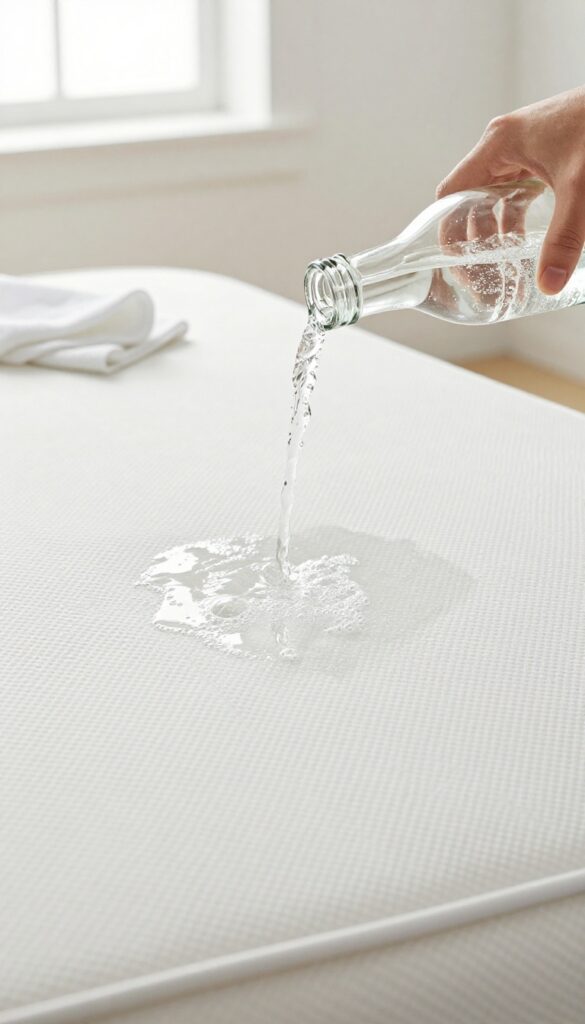
Club soda isn't just for mixing drinks—it's a secret weapon for fresh liquid spills on your mattress. The carbonation works like a gentle scrub, lifting the liquid from deep within the fibers before it can set. This method is perfect for water-based spills like juice, soda, or even a little bit of wine, as long as you catch it quickly.
For best results, act fast. Pour a small amount of club soda directly onto the stain—just enough to cover it. Let it fizz for a minute or two; the bubbles will help loosen the liquid.
Then, blot with a clean, dry cloth, pressing firmly to absorb everything. Repeat if needed, then let the area air dry completely.
Why Club Soda Works
The carbonation in club soda creates tiny bubbles that help lift liquid and particles from the fabric. The sodium content also helps break down some stains without harsh chemicals. It's gentle enough for most mattress materials and leaves no residue.
When To Use This Method
Club soda is best for fresh, water-based spills. It won't work well on dried or set-in stains, so use it right after the accident. Avoid using it on stains that involve grease or oil, as it won't dissolve those effectively.
Tips For Success
Always blot, never rub—rubbing can push the stain deeper. Use a white cloth to avoid color transfer. If the stain is large, work from the edges inward to prevent spreading.
After blotting, sprinkle a little baking soda on the damp area to absorb any remaining moisture and odors.
12. Borax and Water for Tough Organic Stains
Some stains just won't budge no matter how much you scrub. Blood, sweat, and urine can set deep into mattress fibers, leaving behind stubborn marks and odors. Borax, a natural mineral powder, cuts through organic matter without harsh fumes.
It's cheap, easy to find, and surprisingly effective.
Borax works by breaking down proteins and lifting stains from fabric. When mixed into a paste, it clings to the stain and draws out impurities as it dries. This method is ideal for set-in organic stains that resist gentler cleaners like vinegar or baking soda.
Always test on a hidden area first, as borax can lighten some fabrics.
How To Make The Paste
Mix one part borax with one part warm water in a small bowl. Stir until it forms a thick, spreadable paste. If it's too runny, add more borax; if too thick, add a few drops of water.
The consistency should be similar to toothpaste.
Application And Drying
Use a clean cloth or spatula to apply the paste directly onto the stain. Spread it evenly, covering the entire mark. Let it sit for at least 30 minutes, or until completely dry.
For heavy stains, leave it overnight. As it dries, the borax pulls the stain out of the fibers.
Vacuuming And Finishing Up
Once the paste is dry and crusty, vacuum it up using the upholstery attachment. Go over the area a few times to remove all residue. If a faint stain remains, repeat the process.
Finish by blotting with a damp cloth and letting the mattress air dry.
13. Professional Spot Cleaning for Stubborn Stains
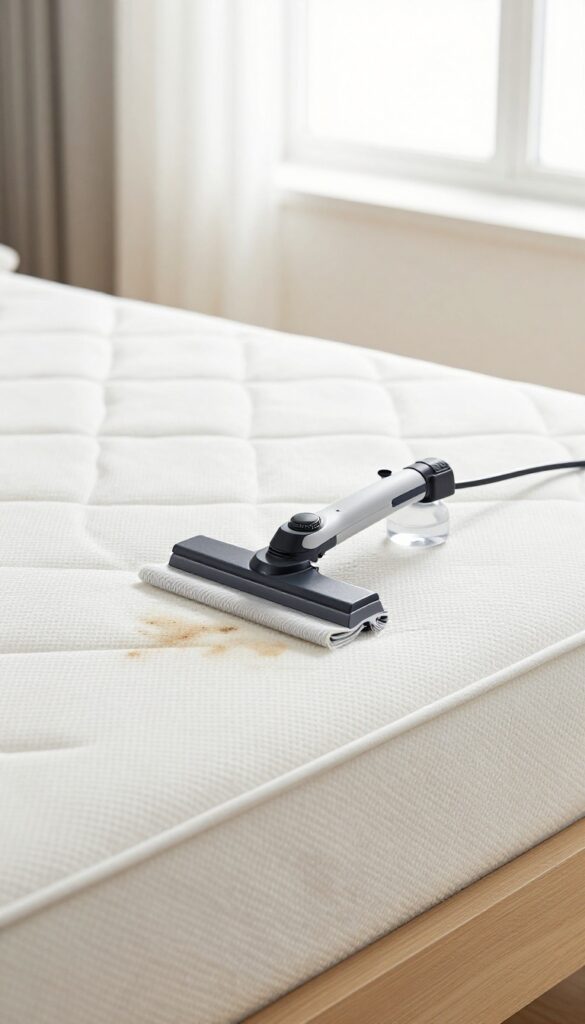
Sometimes you've tried everything—baking soda, vinegar, enzyme cleaners—and that stain still stares back at you. Before you give up or consider a new mattress, professional spot cleaning can be a game-changer. It's not as expensive as a full cleaning service, and it can salvage a mattress you really love.
If DIY methods fail, a professional spot cleaner or a rented carpet cleaner with an upholstery attachment can tackle deep-set stains. The investment is often worth it for a mattress that's otherwise in good shape. Many local cleaners offer spot treatments for around $50–$100, which beats replacing your mattress.
When To Call A Pro
If the stain is large, old, or from a biological source like urine or vomit, professional-grade equipment and solutions can penetrate deep into the layers. Also, if you've tried multiple DIY methods without success, a pro can assess the fabric and apply the right treatment without damaging it.
Renting Vs. Hiring
Renting a carpet cleaner with an upholstery tool is a budget-friendly middle ground. You can spot-clean multiple stains in a few hours. Just use a gentle cleaning solution designed for mattresses.
Hiring a pro is easier if you're short on time or dealing with a delicate fabric like memory foam.
What To Expect
Professional spot cleaning usually involves a pre-treatment, hot water extraction, and a drying period of a few hours. The mattress will be damp, so ensure good airflow. Most stains will be significantly lighter or gone, but set-in stains may fade rather than disappear completely.
FAQ
Can I use bleach on mattress stains?
Bleach is not recommended because it can damage mattress fibers, cause yellowing, and leave harmful residues. Stick to gentler alternatives like hydrogen peroxide or vinegar.
How often should I clean my mattress?
Vacuum your mattress every few months and spot clean stains as they happen. A deep clean with baking soda and essential oils once or twice a year keeps it fresh.
Will these methods work on memory foam?
Yes, but be careful not to soak memory foam. Use minimal liquid and blot thoroughly. Excess moisture can lead to mold or damage the foam structure.
How do I get rid of lingering odors after cleaning?
After cleaning, sprinkle baking soda over the mattress, let it sit for several hours or overnight, then vacuum. This absorbs residual odors.
Can I use a carpet cleaner on my mattress?
Yes, if it has an upholstery attachment and you use a gentle cleaning solution. Avoid over-wetting and ensure the mattress dries completely to prevent mold.
Conclusion
Tackling mattress stains doesn't have to be a chore or an expensive ordeal. With these 13 fresh methods, you can handle everything from sweat to wine without harsh chemicals or endless scrubbing. Most solutions use ingredients you already have at home.
Keep a stain remover handy and treat spills quickly to make future cleanups even easier. Your mattress will stay fresh and last longer with just a little regular care.

I’m Pallab Kishore, the owner of Little Pets Realm — an animal lover and pet care enthusiast sharing easy tips, healthy recipes, and honest advice to help every small pet live a happy, healthy, tail-wagging life.