You've wiped and sprayed, but those streaks keep stealing the shine. The real trick isn't elbow grease—it's picking the right method for the job.
From pantry staples to pro-grade tools, these 11 glass cleaning techniques target every type of grime without leaving a trace. Whether you're battling hard water spots or greasy kitchen windows, you'll find a fix that delivers a brilliant, reflective finish.
No more smudges, no more frustration—just glass so clear it practically disappears.
1. The Classic Vinegar and Water Solution
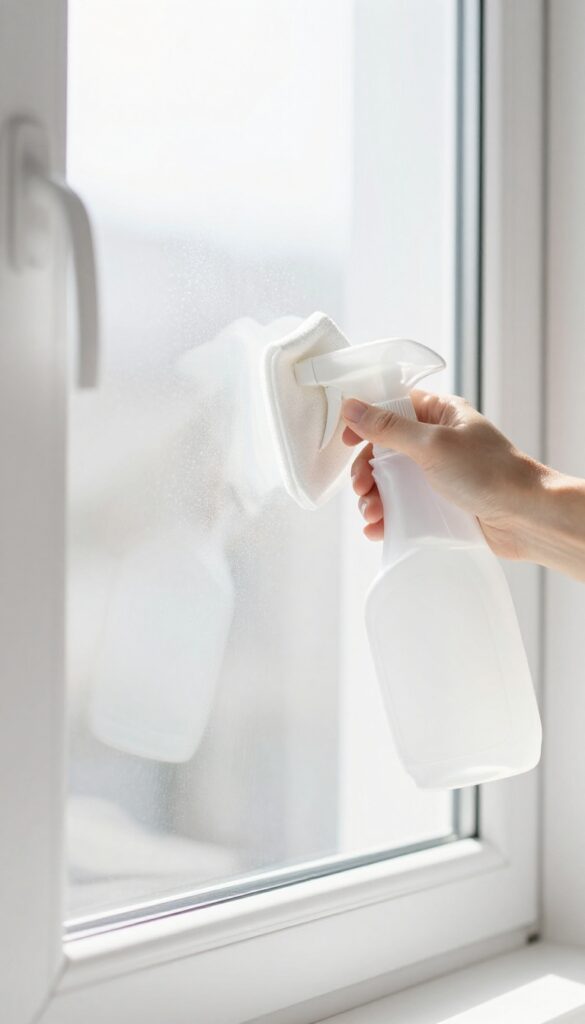
White vinegar and water have been a go‑to for generations, and for good reason. The acetic acid in vinegar cuts through grease and grime without leaving harsh chemical residues. Plus, it evaporates quickly, which means fewer streaks.
Mix equal parts white vinegar and distilled water in a spray bottle. Distilled water is key because tap water contains minerals that can leave spots. Shake gently, then spray onto your glass surface.
Wipe with a microfiber cloth or crumpled newspaper for a streak‑free shine. Avoid using paper towels—they tend to leave lint and streaks.
Why Vinegar Works So Well
Vinegar is mildly acidic, which helps dissolve mineral deposits from hard water and breaks down greasy fingerprints. Unlike commercial glass cleaners that rely on ammonia or alcohol, vinegar is non‑toxic and safe around kids and pets. The smell fades quickly as it dries.
Best Surfaces For This Method
This solution works beautifully on windows, mirrors, and glass tabletops. Avoid using it on tinted car windows or glass with a protective coating, as the acid can damage the film over time. For those surfaces, stick to a dedicated automotive glass cleaner.
Pro Tip For Extra Shine
Add a few drops of dish soap to your vinegar solution if you're dealing with heavy grease, like in a kitchen. The soap helps break down oil while the vinegar handles the rest. Just don't overdo it—too much soap causes foaming and residue.
2. Microfiber Cloth Magic
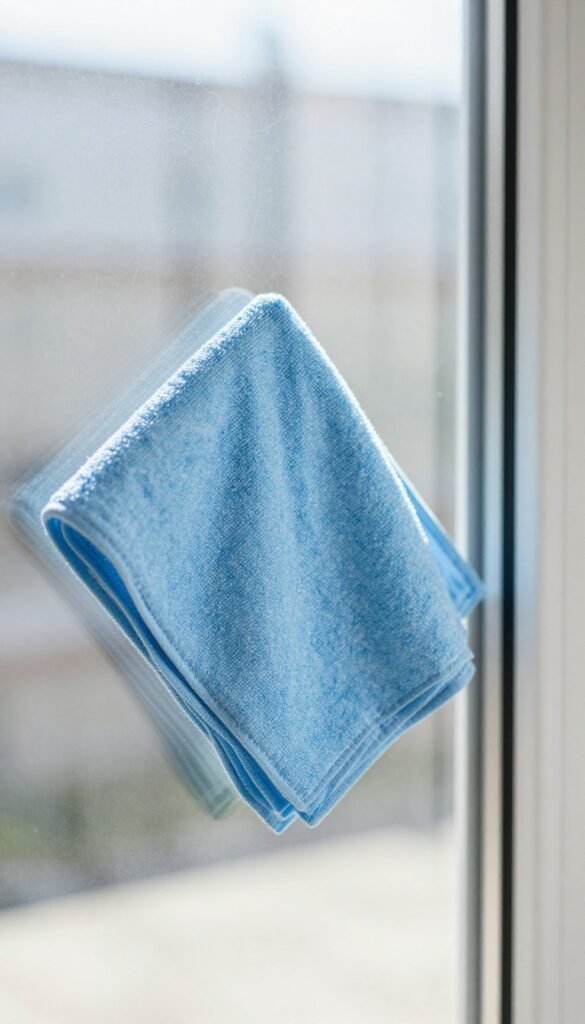
Not all cloths are created equal, especially when it comes to glass. That cotton t-shirt or paper towel might seem harmless, but they often leave behind lint, dust, or even tiny scratches. The real hero is a high-quality microfiber cloth, designed to trap dirt and absorb moisture without shedding a single fiber.
The secret to microfiber's success lies in its split fibers, which create a static charge that pulls dust and grime right off the glass. Unlike traditional cloths that just push dirt around, microfiber lifts and locks it away. This means you get a cleaner surface with less effort, and no streaks from leftover residue.
Just make sure you're using a dedicated glass-cleaning cloth, not one that's been used for wax or heavy grease, as that can transfer oils back onto the window.
Fold And Flip Technique
To get the most out of your microfiber cloth, fold it into quarters. This gives you eight clean surfaces to work with. Start wiping in one direction, then flip to a fresh side as soon as you see any buildup.
By the time you've used all eight sides, you'll have covered a large area without redepositing dirt. It's a simple habit that makes a huge difference in the final shine.
Washing And Care
Microfiber cloths need proper care to stay effective. Wash them separately from cotton items and avoid fabric softener, which clogs the fibers and ruins their static charge. Use a mild detergent and air dry or tumble dry on low heat.
A well-maintained cloth can last for dozens of washes, saving you money and reducing waste.
3. The Squeegee Technique
If you've ever watched a professional window cleaner work, you know the squeegee is a game-changer. It's not just for storefronts—this tool can give your home windows a streak-free shine that no cloth can match. The secret lies in the motion and the blade maintenance.
Master the squeegee method: start at the top, pull down in a straight line, and wipe the blade after each pass for a flawless finish.
Choosing The Right Squeegee
Not all squeegees are created equal. Look for one with a brass or stainless steel channel and a rubber blade that's not too soft or too hard. A 12-inch size works well for most windows.
Replace the blade when it starts to leave streaks.
The Perfect Stroke
Wet the glass with a soapy solution (a few drops of dish soap in water works fine). Start at the top corner, pull the squeegee across in a straight line, then overlap each stroke slightly. After each pass, wipe the blade with a clean cloth to remove excess water.
Drying The Edges
Once you've squeegeed the entire pane, use a microfiber cloth to dry the edges where water tends to pool. This prevents drips and ensures a completely clear finish.
4. Newspaper for a Lint-Free Shine
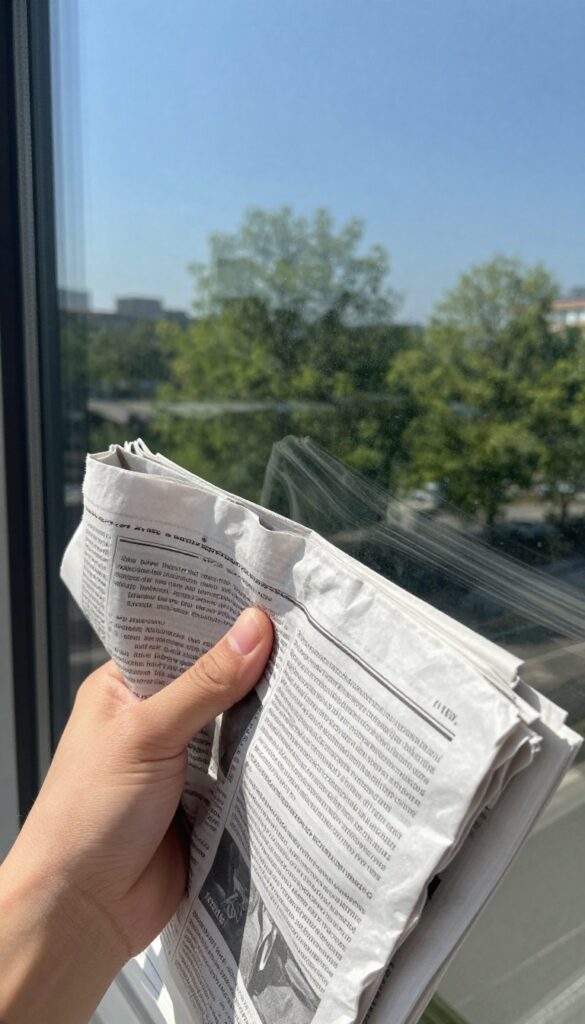
Old newspaper might seem like a relic from the past, but it's one of the best tools for a streak-free finish. The ink and paper fibers work together to buff glass without leaving lint or scratches. Pair it with a mild cleaner, and you'll get a brilliant shine every time.
Newspaper is a surprisingly effective glass-cleaning tool that outperforms many modern cloths. The key is using it with a gentle cleaner—like a diluted vinegar solution or a commercial glass spray—to avoid ink transfer. Crumple the paper slightly for better grip, then wipe in circular motions before buffing to a shine.
The paper's absorbency lifts grime without smearing, and the ink acts as a mild abrasive that polishes the surface. Just be sure to use black-and-white pages, as colored inks can leave stains.
Why Newspaper Works So Well
Newspaper's unique combination of soft fibers and slight absorbency makes it ideal for glass. The fibers are short enough to avoid scratching, yet stiff enough to remove dried-on spots. Plus, the ink contains carbon black, which adds a gentle polishing action that enhances shine without residue.
How To Use It Right
Start with a clean, dry sheet of newspaper. Spray your glass cleaner directly onto the surface, not the paper, to avoid oversaturation. Wipe in a zigzag or circular pattern, then flip to a dry section for buffing.
Avoid using too much liquid, as soggy paper can tear and leave bits behind. For large windows, work in sections to keep the paper from drying out.
When To Skip This Method
Newspaper isn't ideal for tinted windows or automotive glass, as the ink can sometimes react with tints or coatings. It's also not great for very delicate glass, like antique mirrors, where the ink might seep into edges. Stick to plain white paper or microfiber for those cases.
5. Rubbing Alcohol for Tough Grease
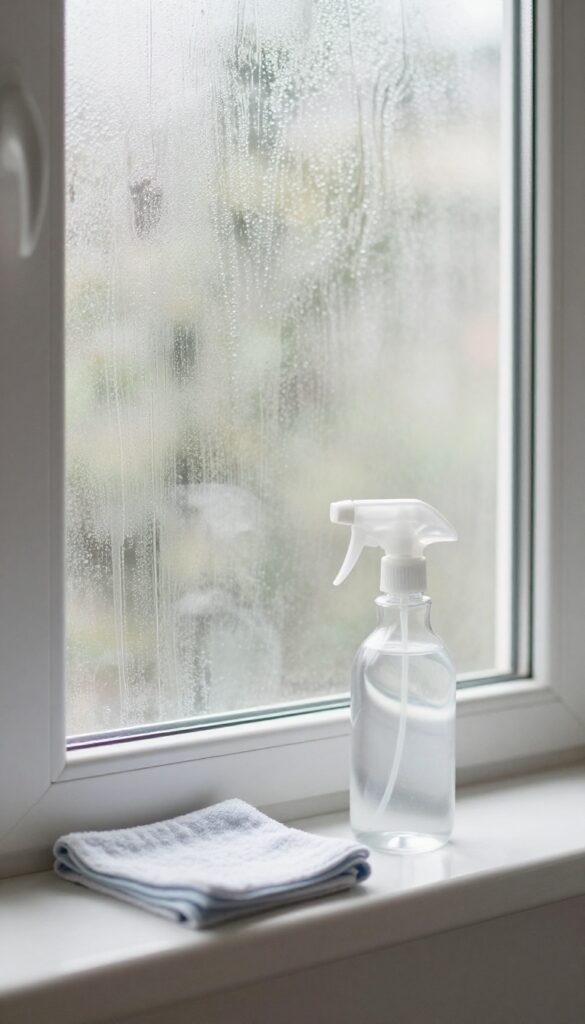
Kitchen windows and glass doors take the brunt of cooking splatters and sticky fingerprints. Regular cleaners often struggle to cut through that greasy film, leaving behind smears that dull the shine. That's where rubbing alcohol steps in—it's a powerful degreaser that evaporates quickly, so you get a crystal-clear finish without extra effort.
The Simple Mix That Works
Combine 1 cup of rubbing alcohol (70% or 90% isopropyl) with 1 cup of water and a single drop of dish soap in a spray bottle. Shake gently to combine. The alcohol dissolves grease on contact, while the soap helps lift stubborn residue.
Avoid adding more soap—too much creates foam that can leave streaks.
How To Apply For Best Results
Spray the solution directly onto the greasy glass, then let it sit for 10–15 seconds. This dwell time allows the alcohol to break down the grease. Wipe with a clean microfiber cloth in a circular motion, then buff dry with a second cloth.
For extra-stubborn spots, use a soft sponge (non-scratch side) before wiping dry.
Safety And Surface Tips
Rubbing alcohol is safe for most glass surfaces, but avoid using it on tinted windows or glass with decorative coatings, as it may damage them. Always test on an inconspicuous area first. Keep the room ventilated while you work, and store the solution away from heat sources.
6. Cornstarch Paste for Cloudy Glass
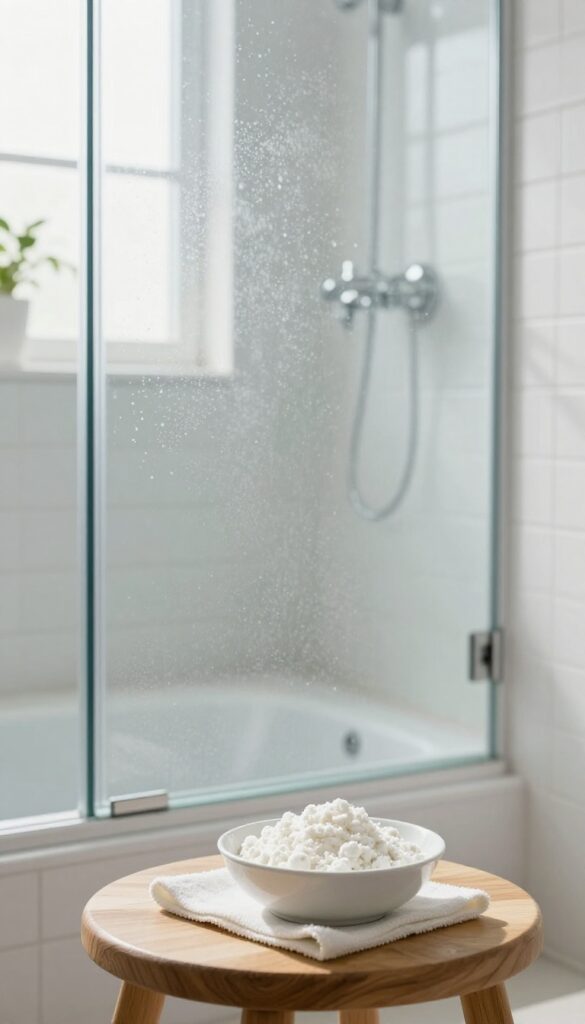
Cloudy glass is usually a sign of hard water stains or mineral buildup that regular cleaners can't touch. Cornstarch steps in as a gentle abrasive that polishes away the haze without scratching the surface. Mixed into a paste, it becomes a mild scrub that restores clarity to shower doors, drinking glasses, and windows.
Cornstarch paste is a simple, non-toxic solution for cloudy glass that has lost its transparency due to mineral deposits. The fine powder acts as a mild abrasive, buffing away stubborn residues without damaging the glass. This technique is especially effective on shower enclosures and glassware that have been washed in hard water.
Making The Paste
Combine 2 tablespoons of cornstarch with just enough water to form a thick, spreadable paste. You want it to be like toothpaste—not too runny. For extra cleaning power, use white vinegar instead of water.
The acidity helps dissolve mineral deposits while the cornstarch provides gentle abrasion.
Application And Buffing
Apply the paste to the cloudy glass using a soft cloth or sponge. Work it in with circular motions, focusing on the hazy areas. Let it sit for 5–10 minutes so the cornstarch can absorb oils and loosen deposits.
Then buff the glass with a clean, dry microfiber cloth until the paste is gone and the glass shines.
Rinsing And Final Shine
After buffing, rinse the glass with water to remove any cornstarch residue. If you used vinegar in the paste, a water rinse is especially important to prevent any lingering smell. Dry with a fresh microfiber cloth for a streak-free, brilliant finish.
For heavy cloudiness, you may need to repeat the process.
7. The Two-Bucket System for Large Windows
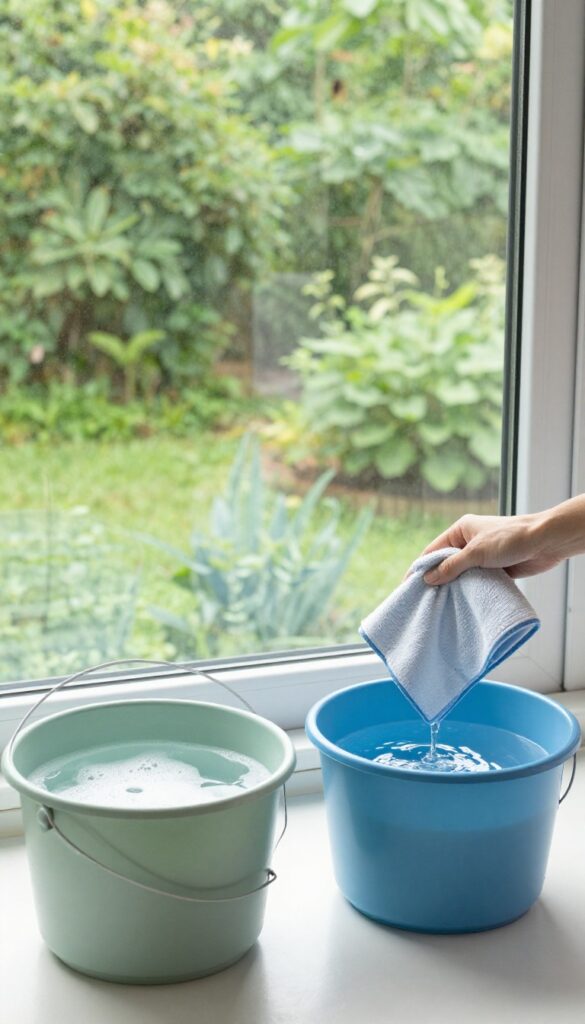
Big windows demand a smarter approach. When you dip a dirty sponge back into clean solution, you're just painting grime back onto the glass. The two-bucket system stops that cycle cold.
One bucket holds your soapy water, the other plain rinse water. You wash with the first, then dunk and squeeze in the second before reloading. It's a simple habit that keeps your cleaning liquid effective from start to finish.
Professional window cleaners swear by this method for a reason. It prevents dirt from redepositing, cuts down on streaks, and makes the job faster. Here's how to set it up and use it like a pro.
What You'll Need
Grab two buckets—any size works, but five-gallon buckets are ideal for large panes. Fill one with warm water and a few drops of dish soap or a dedicated glass cleaner. Fill the other with plain warm water.
You'll also need a microfiber cloth or a sponge with a scrubby side, and a squeegee for the final pass.
The Technique
Dip your cloth or sponge into the soapy bucket, scrub the window thoroughly, then rinse it in the plain water bucket. Squeeze out excess rinse water before going back for more soap. This way, you're always applying fresh, clean suds to the glass.
For extra-large windows, work in sections from top to bottom.
Pro Tips For Best Results
Change the rinse water when it looks murky—usually after two or three large windows. Use a squeegee after washing to remove all moisture and avoid mineral spots. If you don't have a squeegee, a clean, dry microfiber cloth works for a final buff.
8. Dish Soap and Water for Everyday Cleaning
Sometimes the simplest solution is the best. A few drops of blue dish soap in warm water creates a gentle yet effective cleaner safe for all glass surfaces. This classic mixture cuts through grease and grime without harsh chemicals, making it perfect for routine cleaning.
This method works wonders on windows, mirrors, and glass tabletops. It's especially good for kitchen glass where cooking residue builds up. The soap breaks down oils while the water lifts dirt, leaving a clean slate for buffing.
Why Blue Dish Soap Works Best
Blue dish soaps like Dawn or Joy contain surfactants that break grease without leaving residue. Avoid green or yellow varieties that may contain dyes or fragrances that streak. A drop per quart of water is plenty.
The Right Way To Apply
Use a spray bottle for even coverage. Mist the glass lightly, then wipe with a microfiber cloth in horizontal strokes. For large windows, use a squeegee after washing for a streak-free finish.
When To Skip This Method
Avoid dish soap on tinted windows or automotive glass with coatings—the soap can degrade the film. Also, don't use it on extremely cold glass as it may freeze before you can wipe it dry.
9. Commercial Glass Cleaners with Ammonia
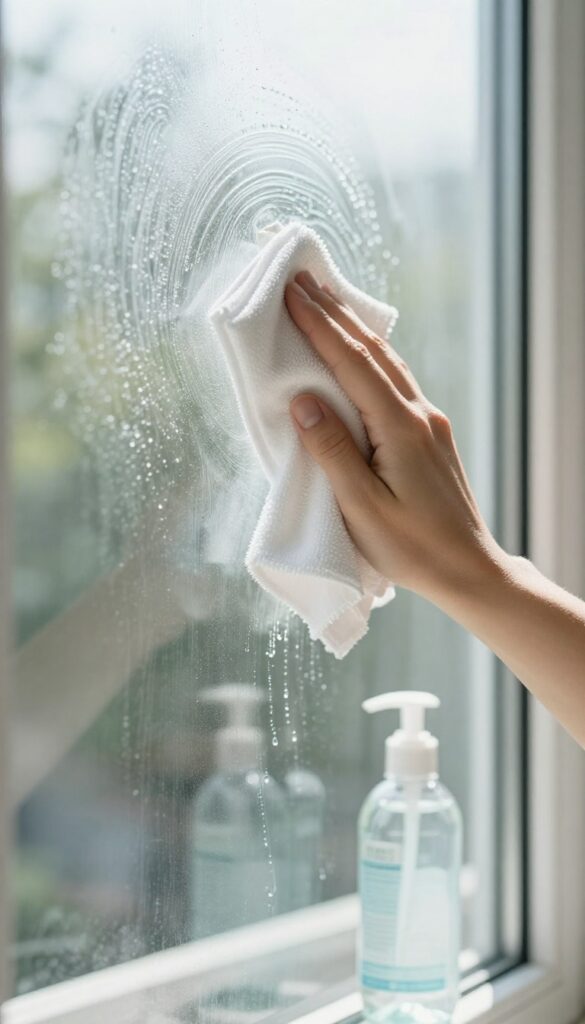
Sometimes you need a little extra muscle. Ammonia-based glass cleaners are formulated to cut through tough grime, grease, and smoke film that gentler solutions leave behind. They also dry quickly and leave a brilliant, streak-free shine that’s hard to beat.
Just remember: ammonia is powerful, so use it in well-ventilated spaces and avoid mixing it with bleach.
For the toughest jobs—like greasy kitchen windows, bathroom mirrors with hairspray residue, or car windshields with bug splatter—an ammonia-based commercial cleaner delivers a deep clean and rapid dry. The ammonia evaporates fast, reducing the chance of streaks, and it dissolves oily films that vinegar or soap-based cleaners might miss. Always spray onto a microfiber cloth rather than directly onto the glass to control overspray, and work in a ventilated area to avoid strong fumes.
When To Choose Ammonia
Reach for ammonia cleaners when you’re dealing with heavy buildup: cooking grease, nicotine film, or stubborn hard water spots that won’t budge with milder options. They’re also great for large glass surfaces like sliding doors or windows that need a fast-drying finish. Avoid using them on tinted windows or mirrors with metallic backing, as ammonia can damage those surfaces.
Application Tips For Best Results
Use a clean, lint-free microfiber cloth—not paper towels, which can leave lint. Spray the cleaner onto the cloth, not the glass, to prevent drips and overspray. Wipe in an S-pattern or from top to bottom, and flip the cloth frequently to avoid redepositing grime.
For an extra polish, follow with a dry section of the cloth.
Safety Precautions
Always use ammonia cleaners in a well-ventilated area—open windows or turn on a fan. Never mix ammonia with bleach or products containing bleach; the combination creates toxic chloramine gas. Wear gloves if you have sensitive skin, and keep the spray away from your eyes and mouth.
10. The Coffee Filter Hack
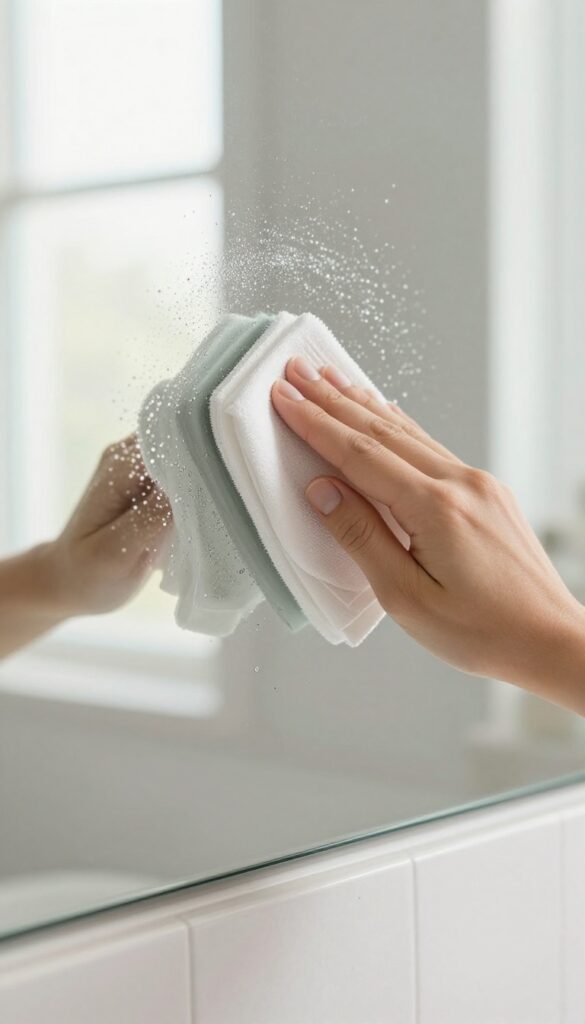
Coffee filters aren't just for brewing your morning cup. Their lint-free, mildly abrasive texture makes them perfect for polishing glass without leaving scratches or fibers behind. This simple swap can transform your cleaning routine, especially for mirrors and small panes where every streak stands out.
Why Coffee Filters Work
Unlike paper towels, which often contain binders and fibers that can scratch or leave lint, coffee filters are designed to trap fine grounds without shedding. Their gentle abrasiveness helps lift stubborn residue without damaging the glass surface. Plus, they're disposable, so you can toss them after each use and avoid cross-contamination.
How To Use Them
Spray your glass cleaner directly onto the surface, then wipe with a dry coffee filter in a circular motion. For extra shine, follow up with a second filter to buff the glass. This method works wonders on mirrors, glass tabletops, and picture frames.
Avoid using them on very large windows, as they may not be absorbent enough for heavy cleaning.
Pro Tips For Best Results
Use unbleached filters to avoid any chemical residue. If you're tackling greasy glass, dampen the filter slightly with water or vinegar solution first. For streak-free shine, always finish with a dry filter.
And don't forget—coffee filters are also great for cleaning eyeglasses and phone screens without scratching.
11. Professional-Grade Water Repellent
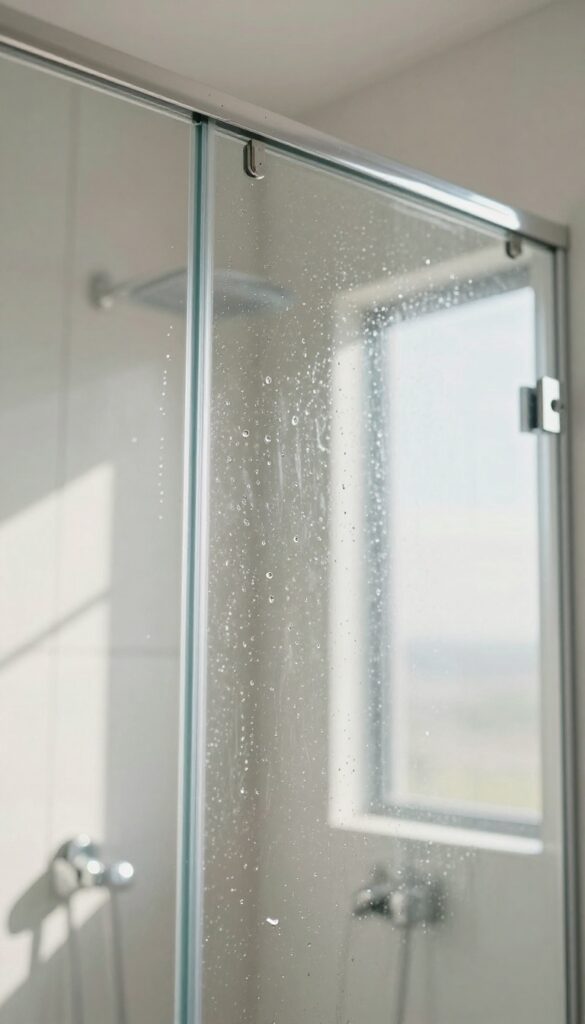
You've scrubbed and polished, but the moment water hits your glass, the battle starts all over. That's where a water repellent comes in. It creates an invisible barrier that makes water bead up and roll off, taking dirt and minerals with it.
This isn't just a finishing touch—it's a smart investment for shower doors, car windshields, and any glass that faces frequent moisture.
Applying a water repellent after cleaning locks in your hard work and keeps glass looking spotless for weeks. It's a simple step that cuts down on future cleaning time and prevents stubborn water spots from forming. Here's how to choose and use the right product for your glass surfaces.
Why Water Repellent Works
Glass is porous at a microscopic level, so water molecules cling and leave mineral deposits as they dry. A water repellent fills those pores and creates a hydrophobic layer. Water beads up and slides off, carrying dirt and hard water minerals with it.
This means less spotting and easier cleaning next time.
Best Surfaces For Water Repellent
Shower doors are the top candidate—they face constant moisture and soap scum. Car windshields also benefit hugely, improving visibility in rain. You can use it on windows, mirrors, and glass tabletops too, but avoid surfaces that get heavy abrasion, like floors.
Always test a small area first to ensure compatibility.
How To Apply It Right
Start with a perfectly clean, dry surface. Apply the repellent with a microfiber cloth in a circular motion, then let it haze over. Buff it off with a clean cloth until the glass is clear.
For best results, apply two thin coats and avoid getting the product on surrounding materials like tile or paint. Reapply every few months or when water stops beading.
FAQ
What is the best homemade glass cleaner?
A mix of equal parts white vinegar and distilled water works great for most glass. Add a drop of dish soap for extra grease-cutting power.
How do I avoid streaks when cleaning glass?
Use a microfiber cloth or squeegee, and avoid cleaning in direct sunlight. Wipe in one direction and change cloths frequently.
Can I use paper towels on glass?
Paper towels can leave lint and streaks. Opt for microfiber cloths, newspaper, or coffee filters for a lint-free finish.
How do I clean hard water stains from glass?
Use a paste of cornstarch and water or a vinegar-soaked cloth. Let it sit for a few minutes before scrubbing gently.
Is it safe to clean glass with ammonia?
Yes, but use in a well-ventilated area and avoid mixing with bleach. Ammonia-based cleaners dry quickly and leave a brilliant shine.
Conclusion
A brilliant, streak-free shine on your glass surfaces is within reach when you know the right technique. Whether you prefer the classic newspaper method or a modern microfiber approach, each of these 11 tips offers a practical way to tackle smudges and grime. Start with the one that fits your current situation and build from there.
Your windows, mirrors, and glass doors will reward you with a clarity that transforms the entire room. Pick a method, give it a try, and enjoy the view.