You pull the cord expecting a flood of light, but instead a puff of dust clouds the air. Faux wood blinds look great, but they're notorious dust magnets. The wrong cleaning method can warp or scratch them.
Gentle dust removal keeps your blinds looking new without the hassle of deep cleaning every week. These 13 tips focus on lifting dust away rather than grinding it into the surface.
From microfiber tricks to static-free techniques, each method is safe for faux wood. No harsh chemicals, no scrubbing—just clean, bright blinds in minutes.
1. Start with a Microfiber Cloth Glove
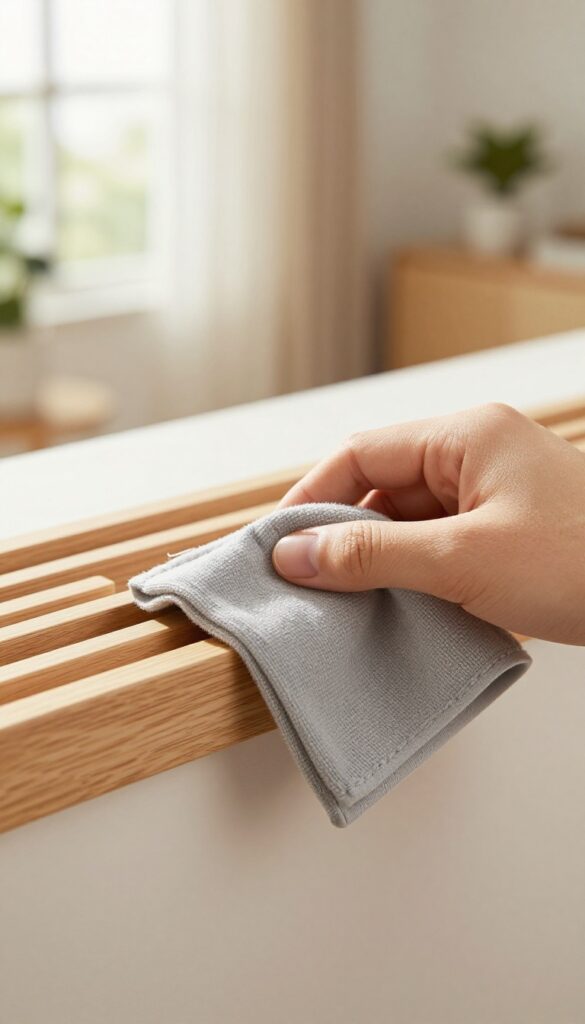
Before you grab a feather duster or a spray bottle, try this: a microfiber cloth worn like a glove. It lets you grip each slat individually without scratching the surface. The static charge in microfiber actually attracts dust, so you're lifting it away instead of pushing it around.
This method is especially gentle on faux wood, which can warp if exposed to too much moisture or pressure.
Slip a clean microfiber cloth over your hand like a mitten. Use your thumb and fingers to pinch each slat and slide from one end to the other. The cloth traps dust inside its fibers, so you won't send it flying into the air.
Work from top to bottom to avoid knocking dust onto already-cleaned slats. For best results, use a dedicated microfiber cloth for dusting—not one that's been used with polish or water, as residue can streak the blinds.
Why Microfiber Works Best
Microfiber is made of ultra-fine synthetic fibers that are split during manufacturing, creating tiny hooks that grab dust particles. Unlike cotton or paper towels, it doesn't just smear dust around. The electrostatic charge pulls dust in like a magnet, making it ideal for faux wood blinds that need a dry, scratch-free cleaning method.
How To Use The Glove Technique
Start by closing the blinds so the slats are flat. Wrap a dry microfiber cloth around your hand, securing it with a hair tie or just holding it in place. Grip each slat between your thumb and fingers, then slide from the left edge to the right.
Flip the cloth to a clean section as needed. This method works well for both horizontal and vertical faux wood blinds.
When To Replace The Cloth
Once the cloth looks visibly dirty, switch to a fresh one. Reusing a soiled cloth can redeposit dust onto the blinds. Machine wash microfiber cloths separately with mild detergent, and avoid fabric softener—it clogs the fibers and reduces static cling.
A clean cloth ensures you're not just moving dust around.
2. Use a Lint Roller for Stubborn Dust
Sometimes dust clings to faux wood blinds like it's glued on. A regular cloth or duster might just push it around. That's when a lint roller becomes your secret weapon.
It's designed to pick up stubborn particles from fabric, and it works just as well on blinds.
The sticky sheets grab dust that's embedded in the texture of faux wood. It's especially effective on the edges and corners where dust likes to hide. Plus, it's a no-mess, no-chemical solution that takes seconds.
How To Use It
Simply roll the lint roller over each slat, pressing lightly. Start at the top and work your way down. Replace the sheet when it loses stickiness.
For best results, do this after dusting with a microfiber cloth to catch any leftover particles.
Best For Quick Touch-ups
Between deep cleanings, a lint roller keeps your blinds looking fresh. It's perfect for a fast refresh before guests arrive or when you notice a dusty spot. Keep one in your cleaning caddy for easy access.
Avoid On Wet Blinds
Never use a lint roller on damp or wet blinds. The moisture can cause the adhesive to leave residue. Always ensure blinds are completely dry before rolling.
3. Vacuum with a Soft Brush Attachment
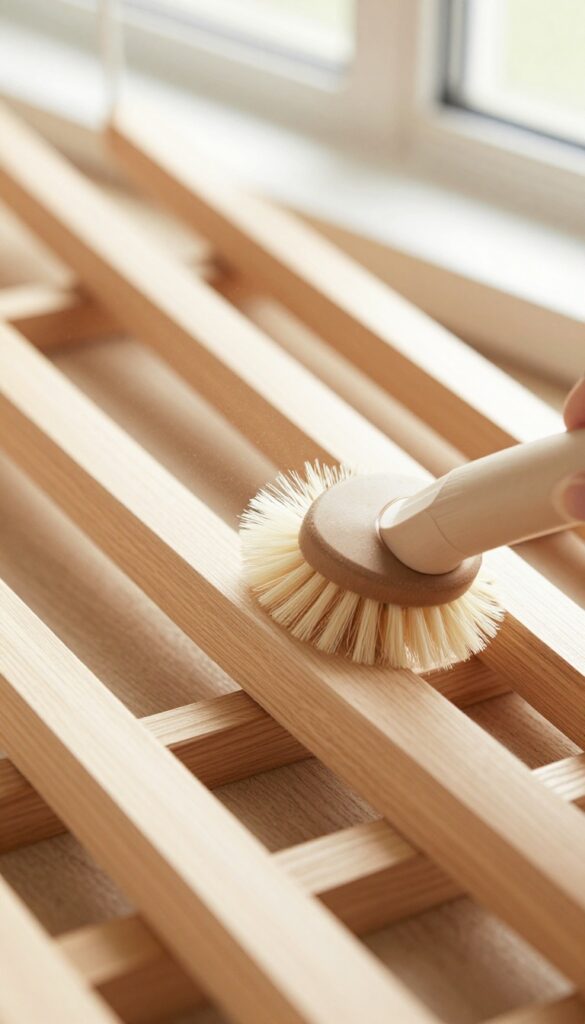
Your vacuum cleaner might already be the best tool for dusting blinds. With a soft brush attachment, it lifts dust gently without pushing it into the corners of the slats. Low suction is key here—high suction can bend or warp faux wood.
Choose The Right Attachment
Most vacuums come with a soft brush or upholstery tool. That's the one you want. Avoid using the crevice tool or hard floor brush, as they can scratch the surface.
The soft bristles are designed to agitate dust loose without damaging the finish.
Set Suction To Low
High suction can pull the slats out of alignment or even crack them. Turn your vacuum to a low or medium setting. You want enough airflow to capture dust, but not so much that the blinds rattle or bend.
Test on a single slat first.
Work Top To Bottom
Start at the top slat and work your way down. This way, any dust that falls will be caught by the lower slats and vacuumed up as you go. Move the brush slowly along each slat, overlapping slightly to avoid streaks.
For horizontal blinds, go from left to right.
Don't Forget The Cords And Valance
The valance and cords collect just as much dust. Use the soft brush on the valance, and for cords, switch to a lower suction or use the brush attachment on a handheld vacuum. A gentle pass will remove dust without tangling the cords.
4. Try a Dryer Sheet for Static Reduction
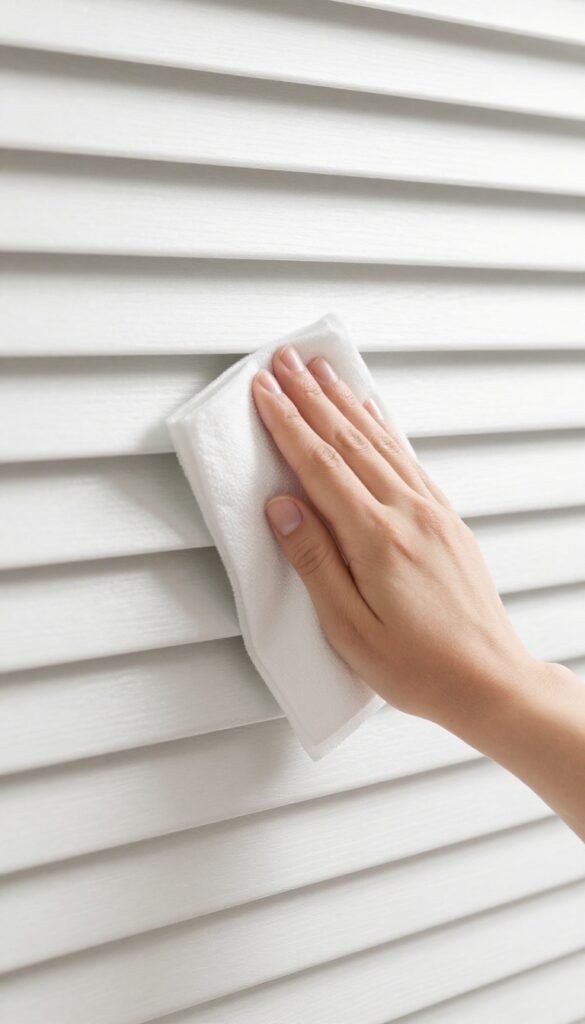
A used dryer sheet can do more than soften laundry. It reduces static cling on faux wood blinds, which means less dust attraction over time. Plus, it leaves a subtle fresh scent without any chemical residue.
Grab a dryer sheet that's already been through the dryer—it still has enough anti-static agents to work. Gently wipe each slat from top to bottom, making sure to cover both sides. The sheet lifts dust while depositing a thin layer that repels future dust.
Why Static Matters
Static electricity makes dust particles stick like magnets. By neutralizing the charge, you break that bond. A dryer sheet is a simple, low-cost way to keep blinds cleaner longer.
How To Apply
Use a light touch—no need to press hard. Start at the top slat and work down, flipping the sheet as it collects dust. One sheet can handle several blinds before it loses effectiveness.
Scent Without Chemicals
Most dryer sheets leave a mild, pleasant fragrance. If you're sensitive to scents, choose an unscented variety. Either way, you avoid the harsh smell of chemical cleaners.
5. Dust Top to Bottom with a Duster
A lambswool or microfiber duster traps dust as you move from top slat to bottom. This prevents dust from falling onto already cleaned areas. It's a simple but effective method that keeps your blinds looking fresh with minimal effort.
Choose The Right Duster
Lambswool dusters are excellent for attracting and holding dust thanks to natural oils. Microfiber dusters work similarly with static charge. Avoid feather dusters that just scatter dust into the air.
Work From Top To Bottom
Start at the highest slat and gently glide the duster across each slat, moving downward. This ensures any dislodged dust falls onto lower slats that you haven't cleaned yet, not onto clean ones.
Clean The Duster Regularly
Shake out the duster outdoors after each use or wash it according to the manufacturer's instructions. A clogged duster won't trap dust effectively and may redeposit it.
6. Use Compressed Air for Tight Spots
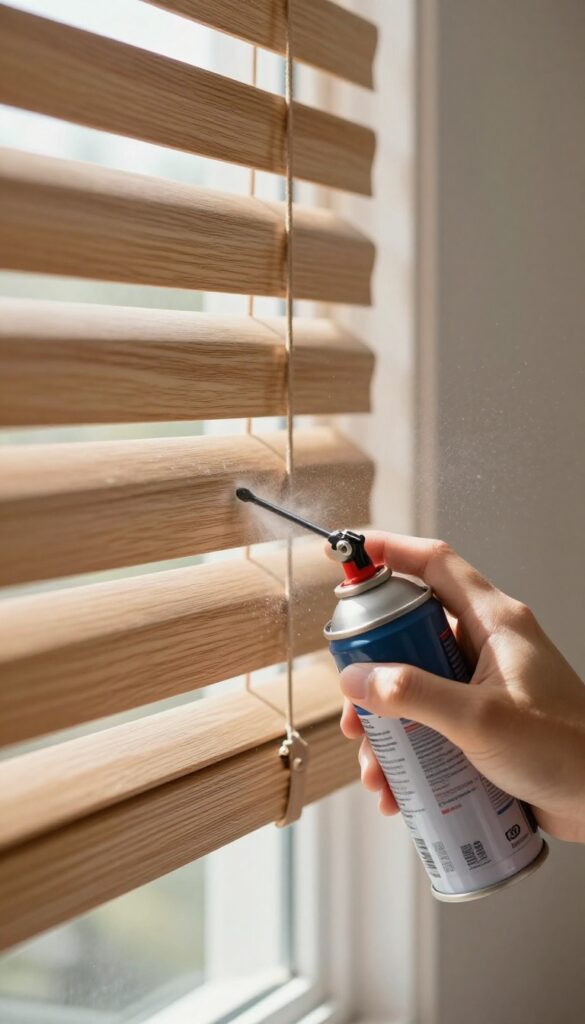
Compressed air is a game-changer for those hard-to-reach areas on faux wood blinds. The narrow gaps between slats and the tiny cord holes trap dust that no cloth or duster can touch. A quick blast of air dislodges that hidden debris without any physical contact, keeping your blinds safe from scratches or bending.
When you aim the nozzle at the top of a slat, the air pushes dust downward and out. Work from the top slat to the bottom, holding the can upright to avoid moisture spray. For cord holes, give a short burst directly into the opening.
This method is fast, dry, and perfect for weekly maintenance between deeper cleans.
Why Compressed Air Works So Well
Faux wood blinds have tiny crevices where dust accumulates over time. A cloth can't squeeze into those spaces without leaving residue or bending the slats. Compressed air, on the other hand, flows freely into every gap and lifts dust out without any abrasive contact.
It's especially effective around the ladder strings and tilt mechanisms.
How To Use It Safely
Always hold the can upright to prevent the propellant from leaking onto the blinds. Start at the top slat and work your way down, using short bursts. Keep the nozzle about 2 inches away to avoid freezing the surface.
For cord holes, angle the nozzle directly into the opening and give a quick puff. Do this over a vacuumed floor or a drop cloth to catch the falling dust.
When To Reach For Compressed Air
Use compressed air for quick touch-ups between full cleanings. It's ideal if you have allergies or want to avoid stirring dust into the air with a duster. This method is also great for blinds in kitchens or bathrooms where moisture from other cleaning methods might be a concern.
Just remember that compressed air only removes loose dust—sticky grime will still need a damp cloth.
7. Wipe with a Diluted Vinegar Solution
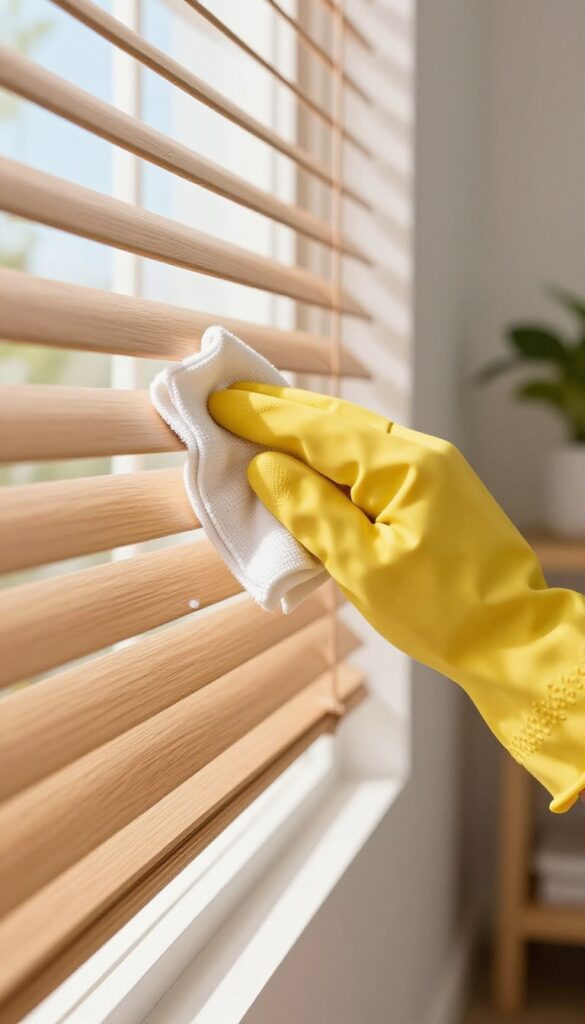
When dust builds up into a stubborn layer, water alone won't cut it. A diluted vinegar solution breaks down grime without stripping the finish or leaving streaks. It's a gentle, natural cleaner that's safe for faux wood blinds.
Mix It Right
Combine equal parts white vinegar and water in a spray bottle. Shake gently to mix. Avoid using full-strength vinegar, which can dull the finish over time.
This ratio is strong enough to cut through dust and light grease but mild enough for regular use.
Dampen, Don't Soak
Spray the solution onto a soft microfiber cloth until it's damp, not wet. Never spray directly onto the blinds—moisture can seep into the mechanism and cause warping. Wipe each slat from top to bottom, letting the cloth do the work.
Dry For A Streak-free Shine
Follow up with a dry microfiber cloth to remove any remaining moisture. This step prevents water spots and keeps the blinds looking crisp. For best results, tilt the slats closed and wipe in one smooth motion.
8. Avoid Harsh Chemicals and Abrasives
It's tempting to grab a strong cleaner when your blinds look grimy, but that impulse can backfire. Faux wood has a protective finish that's vulnerable to bleach, ammonia, and other harsh chemicals. Once that finish is damaged, the blinds become prone to warping, discoloration, and scratches.
Stick to gentle, pH-neutral solutions. A few drops of mild dish soap in warm water is all you need for most cleaning. For a natural alternative, mix equal parts white vinegar and water—it cuts grease and disinfects without harming the surface.
Avoid scrub brushes or abrasive sponges; a soft microfiber cloth or a gentle sponge is plenty. Always test any cleaner on a hidden slat first, especially if your blinds are colored or have a matte finish. With the right approach, you can keep them spotless without shortening their lifespan.
Why Harsh Cleaners Damage Faux Wood
Bleach and ammonia break down the UV-resistant coating that keeps faux wood from fading and cracking. Once that layer is compromised, the blinds become brittle and may start peeling or yellowing. Abrasive tools like steel wool or stiff brushes leave micro-scratches that trap more dust and dirt, creating a cycle of damage.
Safe Cleaner Recipes For Everyday Use
For routine dust removal, a dry microfiber cloth is enough. For sticky spots or light grime, mix 1 tablespoon of mild dish soap per quart of warm water. For tougher grease (like kitchen blinds), use a 50/50 vinegar-water solution.
Apply with a soft cloth, then wipe with a damp cloth and dry immediately. No rinsing needed.
What To Avoid At All Costs
Never use bleach, ammonia, acetone, or any solvent-based cleaner. Avoid all-purpose sprays that contain harsh degreasers or acids. Also skip any tool that feels rough—scrubbing pads, wire brushes, or even old toothbrushes with stiff bristles.
Stick to soft cloths, microfiber dusters, or lambswool applicators.
9. Clean the Cords and Valance Separately
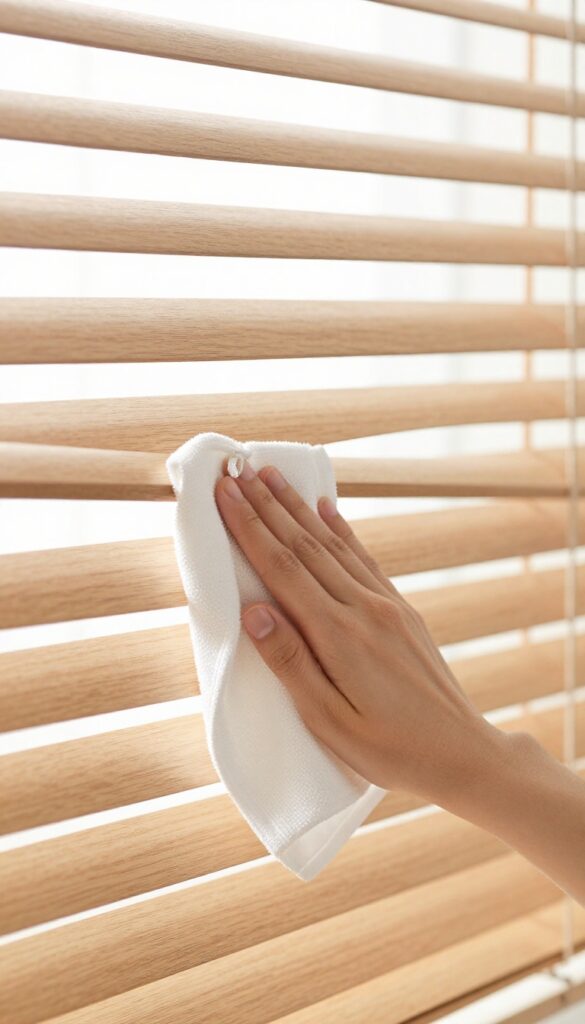
Cords and valances are easy to overlook, but they collect just as much dust as the slats. A quick wipe keeps them from releasing grime every time you adjust the blinds.
Wipe Cords With A Damp Cloth
Use a soft, lint-free cloth slightly dampened with water. Gently run the cloth along the entire length of each cord, starting from the top. Avoid soaking the cord, as moisture can seep into the mechanism.
Dust The Valance With A Microfiber Duster
The valance is the horizontal piece at the top. A microfiber duster traps dust without scratching the faux wood finish. Work from one end to the other, and give it a quick shake outside afterward.
Don't Forget The Tassels
The little tassels at the end of the cords are dust magnets. Wipe them with the same damp cloth or use a small brush to loosen debris. A clean tassel makes the whole blind look fresher.
10. Use a Paintbrush for Detailed Dusting
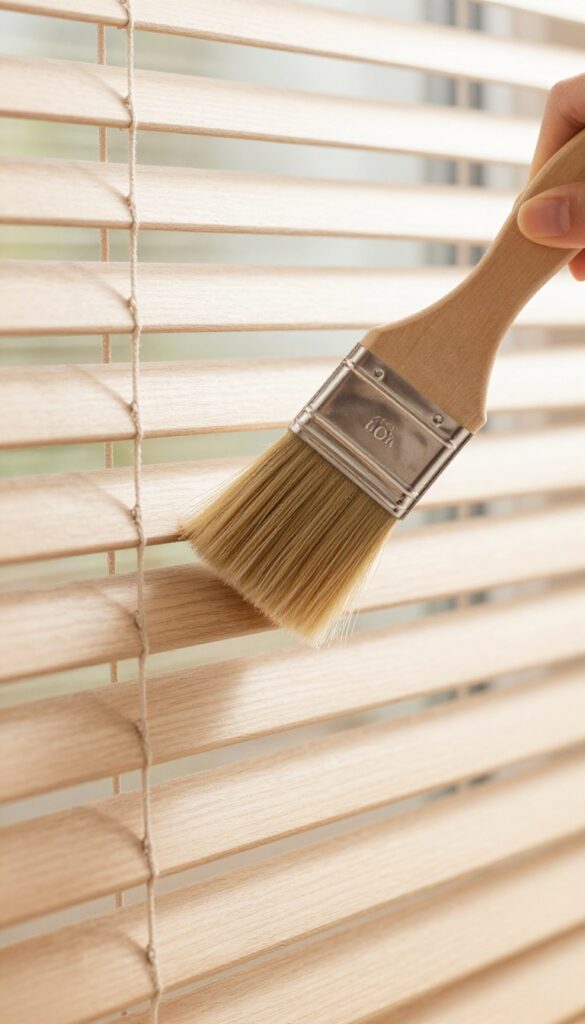
A clean, soft paintbrush reaches into crevices and along edges. It's gentle enough for the faux wood finish. This method is especially useful for intricate details where dust hides.
A paintbrush with soft, natural bristles works wonders on faux wood blinds. It flicks dust out of tight spots without scratching the surface. Use it dry for daily dusting or slightly damp for stubborn grime.
Choose The Right Brush
Opt for a 1- to 2-inch flat brush with soft bristles. Avoid stiff brushes that can damage the finish. A brush with a pointed tip helps reach between slats.
Technique Matters
Brush from the center of each slat outward to push dust off the edges. Work top to bottom so dust falls onto lower slats you haven't cleaned yet. Tap the brush handle occasionally to dislodge trapped dust.
When To Use A Damp Brush
For caked-on dust, lightly dampen the brush with water. Wring it out well—too much moisture can warp faux wood. Gently sweep along the slats, then dry with a microfiber cloth.
11. Steam Clean for Deep Dust Removal
Sometimes dust settles in so stubbornly that a dry cloth just pushes it around. That’s when a little heat and moisture can help. A handheld steamer with a soft attachment loosens dust and kills allergens without soaking your blinds.
The key is to keep the steamer moving to avoid moisture buildup on the faux wood surface.
Steam cleaning is a powerful method for deep dust removal, especially on faux wood blinds that can't handle harsh chemicals. The steam penetrates dust layers, making them easy to wipe away, while the heat helps sanitize the surface. Always use a soft brush attachment to prevent scratching, and test on an inconspicuous area first to ensure the material can tolerate steam.
Choosing The Right Steamer
Not all steamers are suitable for blinds. Look for a handheld model with adjustable steam output and a soft bristle or microfiber attachment. Avoid high-pressure steamers that might force moisture into the slats.
A gentle, even steam flow is best for faux wood.
Technique Matters
Hold the steamer about six inches from the slats and move it in a steady, sweeping motion. Don't linger in one spot—excess moisture can warp the material. After steaming, wipe the slats with a dry microfiber cloth to remove loosened dust and any residual dampness.
When To Steam Clean
Reserve steam cleaning for quarterly deep cleans rather than weekly maintenance. It's ideal for tackling dust buildup after allergy season or when you notice a film of grime. For regular dusting, stick to dry methods like microfiber cloths or compressed air.
12. Apply a Dust Repellent Spray
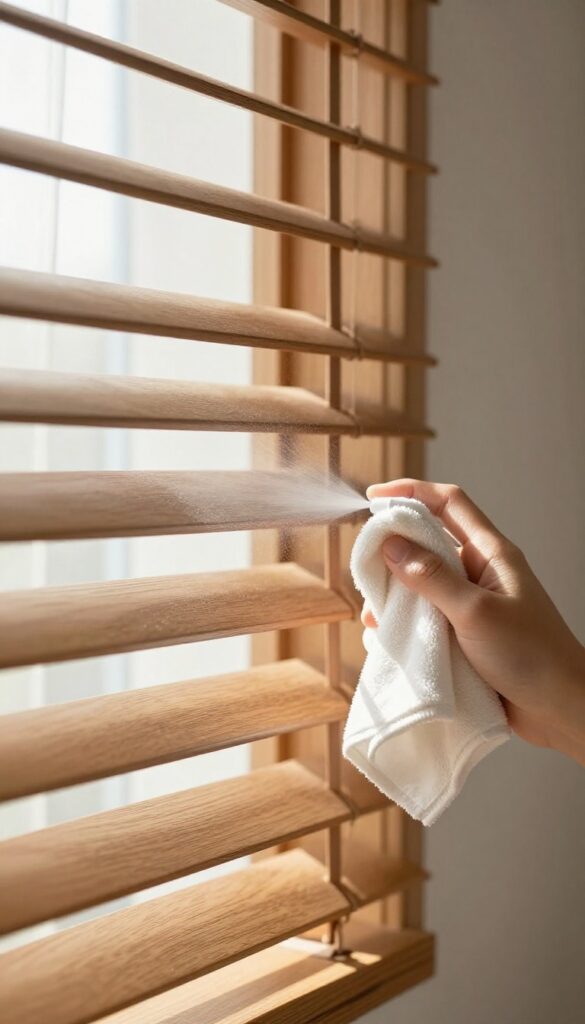
Imagine your blinds staying cleaner for weeks longer. That's the promise of a good dust repellent spray. These products create a microscopic barrier that makes it harder for dust to cling to the surface.
A quick application after cleaning can cut your dusting frequency in half.
Commercial dust repellents are formulated specifically for blinds and other smooth surfaces. They work by neutralizing static electricity and filling microscopic pores that trap dust. The result is a slick surface that dust simply slides off of.
Most sprays are safe for faux wood, but you must test first on a hidden slat. Apply a small amount and wait 24 hours to check for discoloration or tackiness.
Choose The Right Product
Look for a spray labeled "anti-static" or "dust repellent" for blinds. Avoid furniture polishes with oils or waxes, which can leave a sticky residue that attracts more dust. Brands like Endust or Method make gentle options.
Read the label to confirm it's safe for faux wood.
Application Tips
Spray the repellent onto a microfiber cloth, never directly onto the blinds, to avoid overspray on walls or windows. Wipe each slat from top to bottom with even pressure. Let the blinds dry fully—about 15 minutes—before closing them.
Reapply every 4 to 6 weeks or after a deep clean.
Diy Alternative
Mix one part white vinegar with three parts distilled water in a spray bottle. Add a few drops of liquid dish soap. This homemade solution reduces static and leaves a light protective film.
Shake well before each use. It's cheaper and chemical-free, but it won't last as long as a commercial product.
13. Schedule Regular Light Dusting
A quick dusting every week prevents heavy buildup. Consistent care means less effort and longer-lasting blinds. Think of it as a tiny habit that pays off big.
Pick A Day And Stick To It
Choose one day each week—maybe Sunday morning or Wednesday evening—and make it your blind dusting time. A five-minute pass over the slats keeps dust from settling in. You’ll barely notice the effort, but your blinds will stay noticeably cleaner.
Use The Right Tool For Speed
A microfiber duster with an extendable handle works wonders. The fibers trap dust instead of pushing it around. For faux wood, avoid feather dusters—they can leave scratches.
A microfiber cloth wrapped around a kitchen tong also does the trick in a pinch.
Work Top To Bottom
Always start at the top slat and work your way down. This way, any dust that falls lands on slats you haven’t cleaned yet. It’s a simple order that saves you from re-dusting.
Include the valance and cords in your routine too.
Don’t Forget The Edges
Dust loves to hide along the edges of each slat. After the main pass, run your duster along the sides. A quick swipe with a dry microfiber cloth catches the sneaky buildup.
Your blinds will look uniformly fresh.
FAQ
Can I use water on faux wood blinds?
Yes, but use a damp cloth rather than spraying water directly. Excess moisture can warp the slats or damage the finish.
How often should I clean faux wood blinds?
Light dusting once a week is ideal. A deeper clean with a damp cloth can be done monthly or as needed.
What should I avoid when cleaning faux wood blinds?
Avoid harsh chemicals like bleach or ammonia, abrasive scrubbers, and excessive water. These can discolor or warp the blinds.
Can I put faux wood blinds in the dishwasher?
No, never. Dishwashers can warp the slats and damage the finish. Stick to gentle hand cleaning methods.
Do dryer sheets really help reduce dust?
Yes, they reduce static electricity, which attracts dust. Wiping blinds with a used dryer sheet can help keep them cleaner longer.
Conclusion
Your faux wood blinds will stay dust-free and looking fresh with these gentle cleaning methods. Start with the softest approach—like a microfiber duster or vacuum brush—and save the deeper cleaning for when they really need it. A little regular maintenance goes a long way toward keeping your blinds in great shape for years.
Pick one or two tips that fit your routine and make them a habit. You'll notice the difference in how much brighter and cleaner your windows feel. Enjoy the crisp, dust-free look without any harsh chemicals or extra hassle.