You don't need to spend hours scrubbing to keep your home feeling fresh. Small daily habits can reset a room in minutes, stopping messes before they pile up. These 20 checklist ideas target the spots that matter most—so your space stays tidy without the overwhelm.
Each one is quick, practical, and easy to weave into your routine. From making your bed to wiping down stovetops, you'll find simple actions that deliver visible results.
Ready to build a cleaning habit that actually sticks? Let's dive into the list.
1. Make Your Bed Right After You Get Up
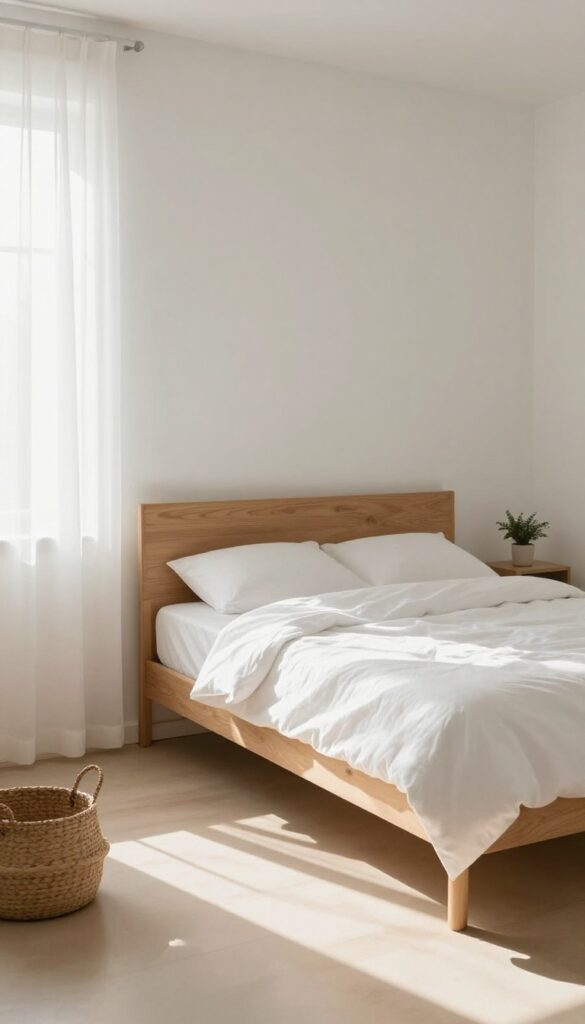
There's something about a made bed that instantly makes your bedroom feel calmer. It's a small action, but it sets a clean, organized tone for the rest of your day. Plus, it takes less than two minutes.
Making your bed first thing in the morning is the ultimate quick win. It transforms a messy sleep space into a tidy room before you even brush your teeth. This single habit can also spark momentum for other small cleaning tasks throughout the day.
Why It Works
A made bed visually anchors the room. Even if other areas are cluttered, the bed gives off a sense of order. Psychologically, it signals that you've already accomplished something, which can motivate you to keep going.
How To Make It Stick
Keep your bedding simple so you're not wrestling with multiple layers. A duvet and a few pillows are enough. If you're rushed, just pull the covers up and fluff the pillows.
Done is better than perfect.
The Ripple Effect
Once the bed is made, you're less likely to toss clothes or bags on it. That means fewer items to pick up later. It's a tiny reset that keeps your bedroom looking neat all day.
2. Wipe Down Kitchen Counters After Every Meal
Kitchen counters take a beating throughout the day. Crumbs from breakfast, splatters from lunch, and sticky spots from dinner can turn a clean surface into a mess by evening. A quick wipe after each meal prevents buildup and keeps your kitchen looking fresh without extra effort.
Make it a habit to clear and wipe your counters immediately after eating. This small action stops food residue from hardening and attracting pests. Plus, it takes less than two minutes and saves you from a bigger cleaning session later.
Use The Right Tools
Keep a dedicated microfiber cloth and an all-purpose spray under the sink or in a caddy. Microfiber picks up crumbs and grease without scratching surfaces. Spray lightly, wipe in one direction, and you're done.
Tackle Stubborn Spots Immediately
If something sticky or greasy lands on the counter, address it right away. A quick scrub with a soft sponge and a dab of dish soap prevents stains and keeps the surface smooth. Waiting only makes it harder to remove.
Don't Forget The Edges And Backsplash
Crumbs and splatters often collect along the edges and near the backsplash. After wiping the main area, run your cloth along these spots too. It takes an extra five seconds but makes a big difference in overall cleanliness.
3. Do a 5-Minute Evening Tidy in the Living Room

The living room is often the catch-all for the day's clutter—remote controls, throw blankets, snack bowls, and mail. A quick reset before bed takes almost no time but makes a huge difference in how you start the next morning. Set a timer for five minutes and tackle the most visible mess.
Fluff And Fold
Start with the soft surfaces. Fluff the throw pillows and arrange them neatly on the couch. Fold any blankets or throws and drape them over the arm or back of the sofa.
This one step instantly makes the room look intentional and cozy.
Clear Surfaces
Gather any stray items on coffee tables, side tables, or shelves. Put remote controls in a caddy or basket, toss empty snack wrappers, and return books or magazines to their spot. Wipe down surfaces with a microfiber cloth if you have a few extra seconds.
Reset The Floor
Scan the floor for shoes, toys, cords, or pet toys. Return everything to its proper place. If you have area rugs, give them a quick shake or straighten them out.
A clear floor makes the whole room feel less chaotic.
4. Sweep or Vacuum High-Traffic Areas Daily
Entryways, kitchen floors, and hallways take the brunt of daily foot traffic. A quick pass with a broom or vacuum each day prevents dirt and crumbs from spreading throughout the house. This simple habit keeps your floors noticeably cleaner without the need for a deep clean every week.
Focusing on high-traffic zones means you're tackling the areas that get dirty fastest. A daily sweep or vacuum takes just a few minutes but stops grime from building up. It also makes your home feel instantly fresher, especially when guests drop by unexpectedly.
Why High-traffic Areas Matter Most
These zones collect the majority of outdoor dirt, food crumbs, and pet hair. If left unchecked, debris gets trampled into other rooms or ground into carpets. A daily pass keeps the mess contained and reduces the need for frequent deep cleaning.
Tools That Make It Easy
Keep a lightweight cordless vacuum or a small broom and dustpan in a nearby closet. This way, you can grab it and do a quick sweep without hauling out heavy equipment. For hard floors, a microfiber mop can pick up fine dust that sweeping misses.
A Simple Routine To Follow
After dinner or before bed, take two minutes to run the vacuum over the kitchen floor and entryway. Make it part of your wind-down routine. You'll wake up to cleaner floors and a calmer morning.
5. Load and Run the Dishwasher Every Night
The kitchen sink is a magnet for dirty dishes, especially after dinner. Letting them sit overnight not only smells bad but also makes scrubbing harder the next day. A simple nightly routine can break this cycle and keep your kitchen feeling fresh every morning.
Make Loading A Family Habit
Get everyone involved by scraping and rinsing plates right after eating. Assign each person a task—loading plates, stacking cups, or placing utensils. This turns a chore into a quick team effort and prevents piles from forming.
Run It Before Bed
Once the dishwasher is full, add detergent and start the cycle before you head to bed. Modern dishwashers are quiet and energy-efficient, so you won't be disturbed. Waking up to clean dishes is a small win that sets a positive tone for the day.
Unload First Thing In The Morning
Make unloading part of your morning routine while your coffee brews. It takes less than five minutes and clears the dishwasher for the day's dishes. This habit also stops clean dishes from lingering and cluttering your counters.
6. Wipe Down Bathroom Sinks and Mirrors
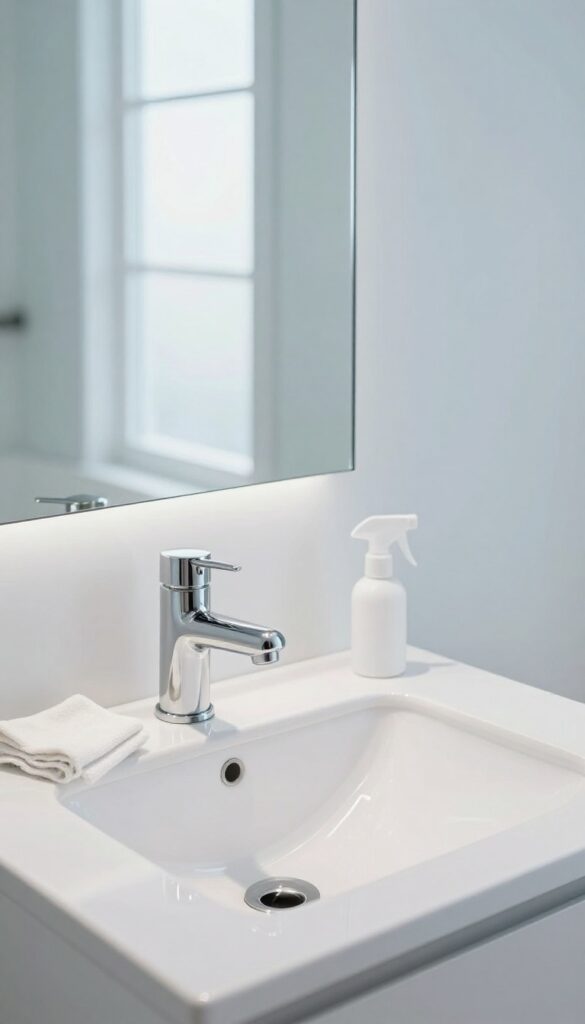
Bathroom surfaces collect grime fast—toothpaste splatters, water spots, and stray hairs can make a clean room look messy. A quick wipe after your morning or evening routine keeps things fresh without extra effort. This habit takes under a minute and prevents buildup that requires heavy scrubbing later.
Grab a microfiber cloth and an all-purpose spray or glass cleaner. Start with the mirror, using a circular motion to avoid streaks. Then wipe the sink basin, faucet, and countertop.
Don't forget the back of the faucet where toothpaste often hides. Toss the cloth in the laundry after a few uses to keep it sanitary.
Choose The Right Cleaner
A simple vinegar-water mix works for mirrors and most sinks, but avoid it on natural stone. For granite or marble, use a pH-neutral cleaner. Keep a small spray bottle under the sink so it's always handy.
Make It A Two-minute Habit
Tie this task to an existing routine, like brushing your teeth or washing your face. Once you finish, grab the cloth and do a quick pass. Consistency matters more than perfection.
Prevent Water Spots
After wiping, use a dry corner of the cloth to buff the mirror and faucet. This removes any leftover moisture and stops water spots from forming. If you have hard water, a squeegee on the mirror can also help.
7. Put Away Clothes Immediately After Wearing
That chair in your bedroom has a way of collecting clothes faster than you'd think. One shirt leads to a pile, and soon you're digging for something to wear. The fix is simple: put clothes away the moment you take them off.
This habit eliminates the visual clutter that makes a room feel messy. It also keeps your closet organized because you're not letting clean clothes mingle with worn ones. Plus, it saves you from last-minute scrambling.
Designate A Home For Everything
Make sure every item has a logical spot. Workout clothes go in a drawer, work shirts hang in the closet, and pajamas have a shelf. When you undress, you know exactly where each piece belongs.
Use A Laundry Sorter For Worn Items
Not everything you take off is ready for the hamper. Set up a small basket or hook for items you'll wear again—like jeans or hoodies. That way, they stay off the floor and out of the chair pile.
Make It A Two-minute Rule
Tell yourself it only takes two minutes to hang or fold. Because it does. Once you start, you'll see how fast it goes, and the habit becomes automatic.
8. Clear Kitchen Sink of Dishes and Food Debris
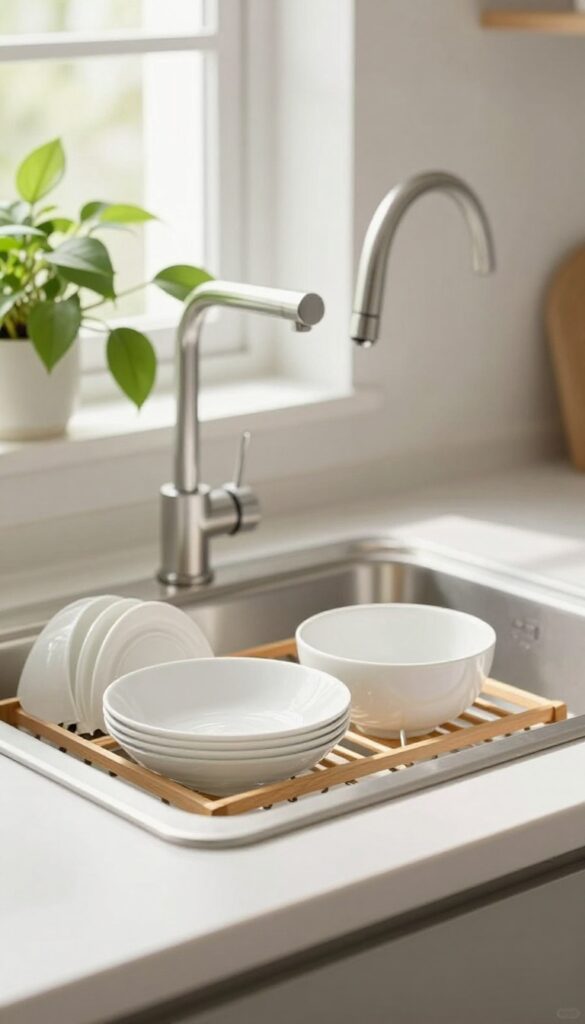
A clean sink is the anchor of a tidy kitchen. When dishes pile up, the whole room feels chaotic—even if counters are clear. Making it a habit to empty the sink before bed takes just a few minutes and pays off in morning calm.
Plus, it prevents odors and keeps fruit flies away.
Why The Sink Matters Most
The sink is the first thing you see when you walk into the kitchen. A sink full of dirty dishes signals clutter, even if everything else is neat. Clearing it resets the visual balance and makes the space feel ready for the next day.
It also stops food residue from hardening, which saves scrubbing later.
A Simple End-of-day Routine
After dinner, rinse plates and load the dishwasher or wash them by hand. Wipe down the sink with a sponge or cloth to remove crumbs and grease. Don't forget to check the drain for food scraps—a quick rinse with hot water keeps smells away.
If you have a garbage disposal, run it with a bit of dish soap to freshen it.
Handling Leftovers And Food Scraps
Scrape leftover food into the trash or compost before rinsing. Avoid letting greasy pans sit—oil can clog drains and attract pests. Use a small strainer to catch solids, and empty it into the bin.
For stubborn bits, a splash of vinegar or baking soda helps break them down.
Making It A Family Habit
Get everyone involved by assigning a quick sink duty after meals. Even young kids can rinse their own plates and put them in the dishwasher. A visual reminder, like a sticky note on the faucet, can help until the routine sticks.
Over time, clearing the sink becomes automatic—and your kitchen stays fresher with zero effort.
9. Wipe Down Stovetop After Cooking
That greasy stovetop might not look like a big deal right after dinner, but let it sit overnight and you're dealing with baked-on grime. A quick wipe while the surface is still warm takes just seconds and saves you from scrubbing later. This small habit keeps your kitchen looking clean and your stovetop functioning well.
Getting into the habit of wiping your stovetop after every meal prevents stubborn buildup and makes deep cleaning a breeze. Here's how to make it efficient and effective.
Use The Right Tools
Keep a microfiber cloth and a gentle cleaner near the stove. For glass cooktops, a dedicated ceramic cooktop cleaner works wonders. For gas stoves, a degreasing spray helps cut through oil.
Having supplies within arm's reach makes the task effortless.
Wipe While Warm, Not Hot
Let the stovetop cool for a minute after cooking—it should be warm but not scorching. Warmth loosens grease and food residue, so a single pass with a damp cloth removes most messes. Avoid wiping when the surface is still hot to prevent burns or streaking.
Don't Forget The Knobs And Grates
Spatters often land on knobs and burner grates. Give them a quick wipe too. For gas stoves, remove the grates and wipe underneath every few days.
This prevents sticky buildup and keeps your stove looking like new.
10. Toss Trash and Recycling from All Rooms
Trash and recycling have a sneaky way of accumulating in places you don't always notice—like the bathroom bin, a bedroom corner, or next to your desk. A quick room-to-room sweep each day keeps those small piles from turning into an overwhelming task. This isn't about deep cleaning; it's about resetting the visual clutter so your home feels instantly lighter.
Grab a small bag or bin and do a fast walk-through of every room. Check bedrooms, bathrooms, home office, and living areas. Collect any obvious trash—tissues, wrappers, junk mail, empty bottles—and toss recyclables into a separate container.
Empty the main bins if they're full or starting to smell. This five-minute habit prevents odors and keeps surfaces clear.
Why A Daily Sweep Works
When you let trash sit for days, it attracts pests and creates a sense of messiness that affects your mood. A daily sweep keeps things fresh and makes the weekly trash run easier. Plus, it's a low-effort win that gives you an immediate sense of accomplishment.
Where To Look
Don't just check the kitchen. Nightstands, bathroom counters, car consoles, and home office desks are prime spots for stray wrappers and old receipts. Make a mental list of high-traffic zones and check them first.
You'll be surprised how much collects in a single day.
Make It A Family Habit
Assign each family member a zone or do a quick group sweep before dinner. Kids can collect their own trash and recycling, teaching responsibility while lightening your load. Use a timer for extra motivation—see who can clear their area fastest.
11. Fluff and Arrange Throw Pillows and Blankets

Throw pillows and blankets are the unsung heroes of a cozy room—but they also have a talent for looking chaotic. A quick fluff and repositioning can transform a sofa or bed from rumpled to inviting in under two minutes. This small reset is especially satisfying because it delivers instant visual payoff with almost no effort.
The Power Of A Good Fluff
Pillows lose their shape after a day of lounging. Give each one a firm squeeze and shake to redistribute the filling. For decorative pillows, plump them from the center outward to restore their intended form.
Blankets benefit from a vigorous snap in the air before folding or draping. This simple motion removes wrinkles and gives fabric a fresher look.
Arranging For Visual Balance
Start with the largest pillows at the back or corners, then layer smaller ones in front. Odd numbers—three or five—tend to look more natural than even sets. For blankets, try a loose fold draped over one arm of the sofa or a casual toss across the foot of the bed.
Avoid perfection; a slightly relaxed arrangement feels lived-in and welcoming.
When To Rotate Or Swap
Rotate pillows from one end of the sofa to the other every few days to even out wear. Swap seasonal colors or textures to keep the room feeling fresh without buying new decor. If a pillow looks permanently flattened, it might be time to replace the insert.
A quick fluff routine also helps you notice stains or pilling early.
12. Spot-Clean High-Touch Surfaces (Light Switches, Handles)
Think about how many times a day you flip a light switch or grab a door handle. These surfaces are germ magnets, yet they often get overlooked during a quick tidy. A few targeted swipes can make a big difference in your home's overall cleanliness.
Grab a disinfecting wipe or a microfiber cloth with a gentle cleaner. Start with the most frequently touched spots: light switches, door knobs, cabinet pulls, and remote controls. Don't forget the handle on your fridge or the faucet in the bathroom.
This task takes less than two minutes but pays off in peace of mind, especially during cold and flu season.
Why High-touch Surfaces Matter
Studies show that light switches and door handles can harbor more bacteria than a toilet seat. That's because they're touched by multiple people and rarely cleaned. A quick daily wipe reduces the spread of germs and keeps your household healthier without any extra effort.
The Right Tools For The Job
Disinfecting wipes are the easiest option—just pull, wipe, and toss. If you prefer reusable options, use a microfiber cloth dampened with a spray disinfectant. Keep a small caddy with wipes or spray under each sink so you can grab them without hunting.
Make It A Routine
Tie this task to another daily habit, like after you brush your teeth or before you leave the kitchen. Consistency is key. Over time, it becomes automatic, and you'll notice how much fresher your home feels.
13. Organize the Entryway – Shoes, Bags, and Mail
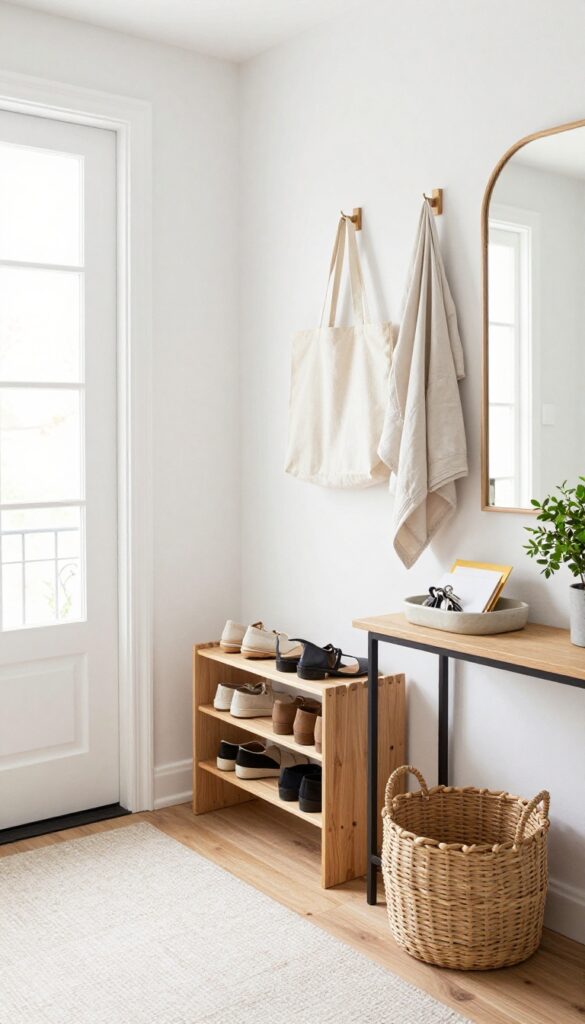
Your entryway is the first thing you see when you walk through the door—and the last thing you see when you leave. When it's cluttered with shoes, bags, and loose mail, it adds a subtle stress to your comings and goings. A quick two-minute reset each day can transform this high-traffic zone into a calm, welcoming space.
The key is to create simple systems that make tidying effortless. Start by designating a spot for each item: a shoe rack or basket, hooks for bags and coats, and a small tray or bin for mail. Then, make it a habit to spend two minutes each evening (or morning) putting everything back in its place.
This small daily reset prevents piles from forming and keeps your entryway ready for whatever comes next.
Designate Drop Zones
Assign a specific home for shoes, bags, and keys. Use a shoe rack or a shallow basket near the door. Install hooks at a convenient height for bags and coats.
A small tray or bowl catches keys and pocket items. When everything has a place, putting it away takes seconds.
Tame The Mail Monster
Mail can pile up fast. Keep a small recycling bin or shredder nearby. Sort mail immediately: toss junk, file bills, and set aside items that need action.
A simple wall-mounted organizer or a tiered tray can hold incoming and outgoing mail without clutter.
Make It A Family Habit
Get everyone involved by keeping the system simple. Label bins or hooks for each person. Set a timer for two minutes and race to see who can put away their items fastest.
Consistency turns the reset into an automatic routine.
14. Do a 10-Minute Declutter Session in One Room
Mess has a way of multiplying when you're not looking. A quick 10-minute declutter session can stop it in its tracks and reset a single room before the chaos spreads. The key is to work fast and focus only on what's out of place.
Set a timer for exactly ten minutes and pick one room that needs attention. Start with surfaces like tables, counters, and shelves, then move to the floor. Grab a basket or laundry bin for items that belong elsewhere, and put them away after the timer ends.
Don't get sidetracked by deep cleaning or organizing—just return things to their homes.
Start With Hot Spots
Every room has trouble zones where clutter piles up fastest. In the living room, it's the coffee table and side tables. In the kitchen, it's the counter and island.
In the bedroom, it's the dresser top and nightstand. Hit those first, and you'll see instant progress.
Use The One-touch Rule
When you pick up an item, decide immediately: put it away, toss it, or set it in your relocation basket. Avoid setting things down to deal with later—that's how clutter comes back. One touch, one decision, done.
End With A Quick Floor Sweep
Use the last minute or two to scan the floor for stray items like shoes, bags, toys, or mail. Kick them into a pile or toss them in the basket. A clear floor makes the whole room feel instantly tidier.
15. Wipe Down Kitchen Appliances (Microwave, Toaster)
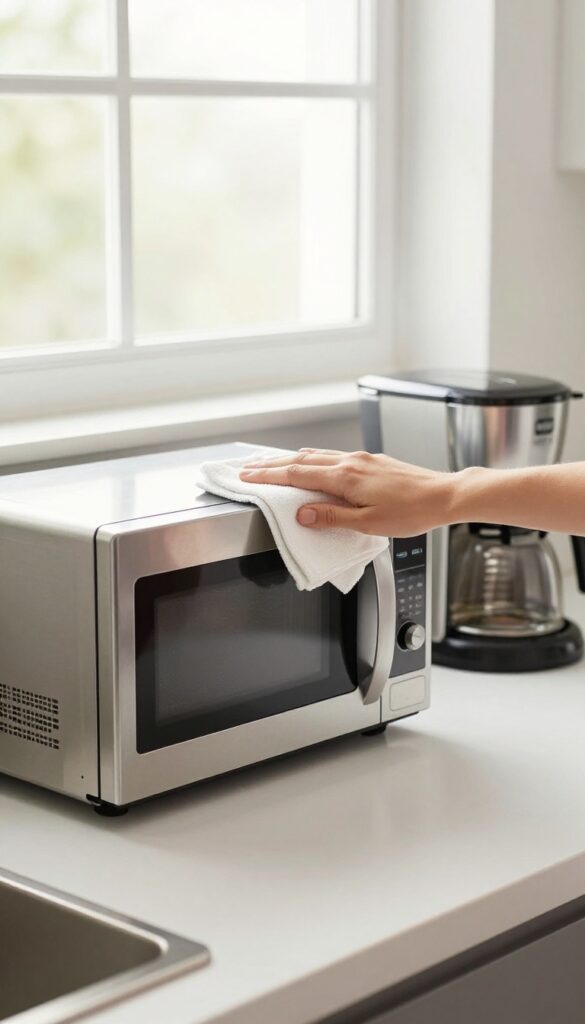
Kitchen countertops can look cluttered even when they're not, thanks to smudges and crumbs clinging to your appliances. A quick wipe-down of the microwave, toaster, and coffee maker takes under two minutes and instantly polishes the whole space. This small habit prevents grime from building up and keeps your counters looking intentional, not messy.
What You Need
Grab a microfiber cloth and a gentle all-purpose cleaner or a mix of water and vinegar. Avoid abrasive sponges that can scratch stainless steel. Keep a cloth dedicated to appliance wipes under the sink so you can grab it without thinking.
The Routine
Start with the microwave: a quick spray on the cloth (never directly on the buttons) and wipe the door, handle, and keypad. For the toaster, unplug it first, then wipe the exterior and shake out crumbs from the tray. Finish with the coffee maker—focus on the water reservoir exterior and the warming plate.
That's it.
Bonus Tip
If your microwave has stubborn splatters inside, heat a bowl of water with lemon slices for two minutes, then wipe. The steam loosens grime without scrubbing. For the toaster, use a pastry brush to dislodge crumbs from the slots before wiping.
16. Freshen Up the Bathroom – Toilet and Floor Spot-Clean
The bathroom can turn from fresh to funky fast, but a two-minute targeted clean keeps it guest-ready. Focus on the toilet bowl and the floor around it—the two areas that collect the most grime. A quick swish and spot-wipe make the whole room feel noticeably cleaner.
The 30-second Toilet Swish
Grab your toilet brush and give the bowl a quick scrub, especially under the rim where stains hide. Flush to rinse, then close the lid. This daily habit prevents rings from forming and keeps odors at bay.
Floor Spot-cleaning Around The Base
Use a disinfecting wipe or a damp microfiber cloth to wipe the floor around the toilet base, where dust and splashes land. Pay attention to the back and sides. This small action eliminates hidden messes and keeps the area looking tidy.
Bonus: Wipe The Lid And Seat
While you're at it, swipe a disinfectant wipe over the lid and seat. It takes just a few seconds and ensures every surface you touch is fresh. Your morning self will thank you.
17. Sort and File Daily Papers and Mail
Mail and papers have a sneaky way of taking over your countertops and kitchen table. A few minutes each day keeps that pile from becoming a mountain. By sorting daily, you stay on top of bills, invites, and school notices without the stress.
Create Three Action Piles
Set up three clearly labeled bins or trays: To-Do, To-File, and Recycle. As you go through each piece, decide immediately which pile it belongs to. This simple system takes the guesswork out of handling paper and keeps decisions quick.
Shred Sensitive Documents Right Away
Anything with personal info—bank statements, credit card offers, medical bills—should go straight into a shredder. Don't let them sit in the recycle bin. A quick shredding session daily protects your identity and clears your space.
Digitize What You Can
Snap a photo of important receipts, warranties, or handwritten notes with a scanning app. Store them in organized folders on your phone or cloud drive. Then recycle the physical copy.
This reduces paper clutter and makes retrieval a breeze.
Set A Timer For Five Minutes
If sorting feels tedious, set a timer for just five minutes. You'll be surprised how much you can process in that short window. When the timer goes off, stop—even if you're not done.
Consistency beats perfection.
18. Water Plants and Remove Dead Leaves
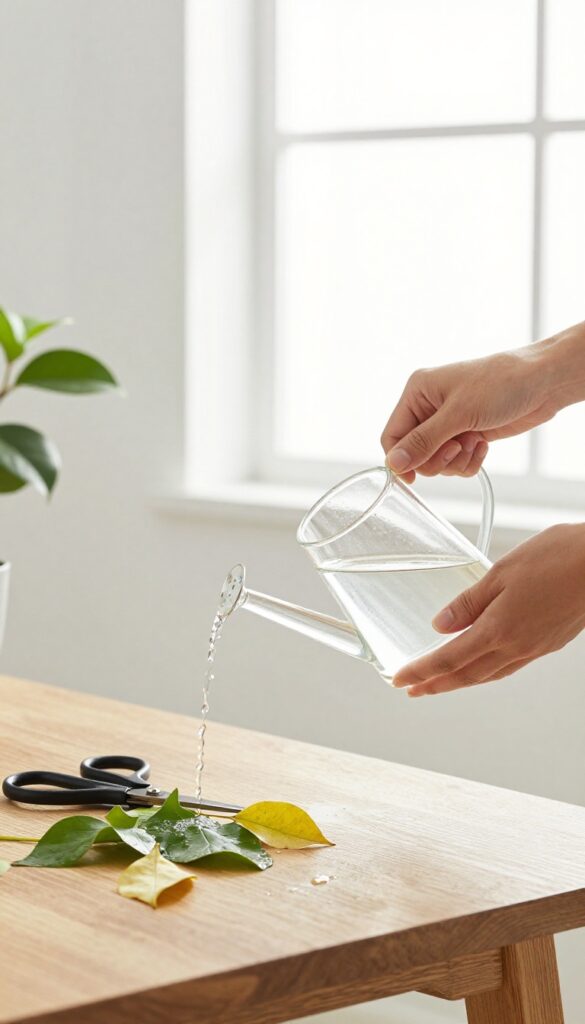
Your indoor plants work hard to freshen the air and brighten your space, but they need a little daily love to stay that way. A quick once-over each morning or evening can catch thirsty soil and dying foliage before they become a problem. This two-minute habit keeps your greenery lush and your home looking cared for.
Daily plant care doesn't have to be complicated. Just a quick check and a few snips can make all the difference in how your plants look and feel.
Check Soil Moisture
Stick your finger about an inch into the soil. If it feels dry, it's time to water. If it's still damp, leave it be.
Overwatering is a common mistake, so trust the touch test over a strict schedule. Use room-temperature water and aim for the base of the plant to avoid wetting the leaves.
Pluck Yellow Or Spent Leaves
Yellow, brown, or crispy leaves not only look sad but can drain energy from the rest of the plant. Gently pinch them off at the stem or use clean scissors. Also remove any fallen leaves from the soil surface to prevent mold and pests.
Wipe Down Dusty Leaves
Dust blocks sunlight and makes leaves look dull. Give broad leaves a quick wipe with a damp cloth. For fuzzy leaves, use a soft brush.
This small step boosts photosynthesis and keeps your plants glowing.
19. Do a Quick Wipe of Electronics Screens
Screens are magnets for dust, fingerprints, and smudges. A quick daily wipe keeps them clear and your space looking polished. It takes less than a minute and makes a surprising difference in how clean a room feels.
Grab The Right Cloth
Use a clean microfiber cloth—it traps dust without scratching. Keep one near your desk or TV stand so you can grab it easily. Avoid paper towels or rough fabrics that can leave streaks or damage coatings.
Dry Wipe First
Start with a dry cloth to lift loose dust. This prevents scratching when you go over the surface again. For stubborn smudges, breathe lightly on the screen to add moisture, then wipe gently.
Don't Forget The Edges
Dust collects along bezels and vents. Run the cloth along the edges of your monitor, laptop, and phone. This small step keeps grime from building up over time.
20. End the Day with a 5-Minute Reset in the Kitchen
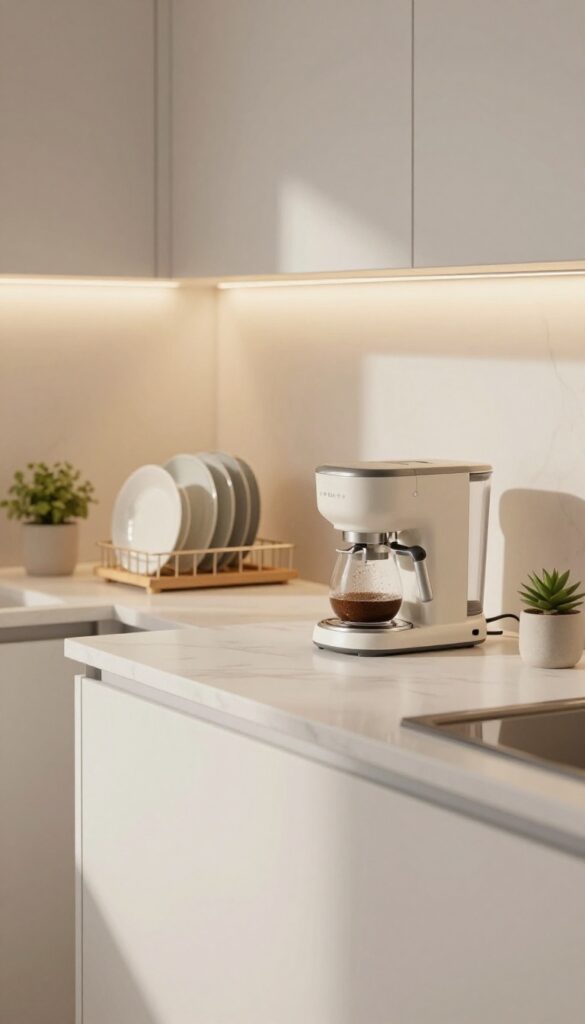
The kitchen can be the messiest room by bedtime, but a quick nightly reset changes everything. Spend just five minutes wiping counters, putting away leftovers, and setting up the coffee maker. You'll wake up to a clean, welcoming space that makes morning routines smoother.
This simple habit prevents crumbs from hardening and spills from staining. It also creates a psychological boundary between the busy day and a restful night. When you walk into a tidy kitchen the next morning, you start the day with a small win.
The Power Of A Clean Slate
A clean kitchen in the morning sets a positive tone for the entire day. You're more likely to eat breakfast at home and pack lunch when you don't have to clear clutter first. This five-minute investment saves you time and frustration later.
What To Tackle In 5 Minutes
Start by clearing the sink: wash or load any dishes, and wipe down the counter with a disinfecting spray. Put away any food items left out, and give the stovetop a quick wipe if you cooked. Finally, set the coffee maker with fresh water and grounds so it's ready to brew.
Make It A Family Habit
Get everyone involved by assigning tasks. Kids can wipe the table or put away snacks. When each person does one small job, the reset goes faster and teaches responsibility.
Consistency is key—aim to do it every night until it becomes automatic.
FAQ
How long should a daily cleaning checklist take?
Most daily cleaning checklists are designed to take between 5 and 15 minutes. The goal is to maintain cleanliness, not deep clean, so keep tasks small and focused.
Can I customize these checklist ideas for my home?
Absolutely. Pick the ideas that fit your lifestyle and home layout. You can rotate tasks or combine several into a routine that works for you.
What if I miss a day on my cleaning checklist?
Don't worry. Just pick up where you left off. Consistency over perfection is key.
Even doing a few tasks most days keeps your home tidy.
Should I do all 20 tasks every day?
No. The list offers options. Choose 5 to 10 that have the biggest impact on your home and stick with them.
You can swap tasks weekly to keep things fresh.
How do I stay motivated to follow a daily cleaning routine?
Set a timer, play music, or pair cleaning with a podcast. Focus on the immediate payoff—a clean space that helps you relax. Small rewards can also help.
Conclusion
A daily cleaning checklist doesn't have to be a chore. These 20 ideas are designed to fit into your existing routine without adding stress. Pick a few that resonate with you and start small.
Over time, these quick resets become habits that keep your home consistently clean and inviting. Remember, the goal is progress, not perfection. A few minutes each day can transform how your home feels and how you feel in it.