Chore charts often fail because they feel like extra work, not help. The trick is matching the right system to your family's daily rhythm and each person's age.
These 17 cleaning chart ideas solve real problems—like forgotten tasks, unfair splits, and morning chaos—with practical, customizable tools. From magnetic boards that make switching jobs fun to digital apps that track progress without nagging, each idea targets a specific pain point.
Pick one that fits your household's current struggle, and watch the routine click into place. No one-size-fits-all solutions here, just flexible frameworks that actually stick.
1. The Rotating Zone Chart
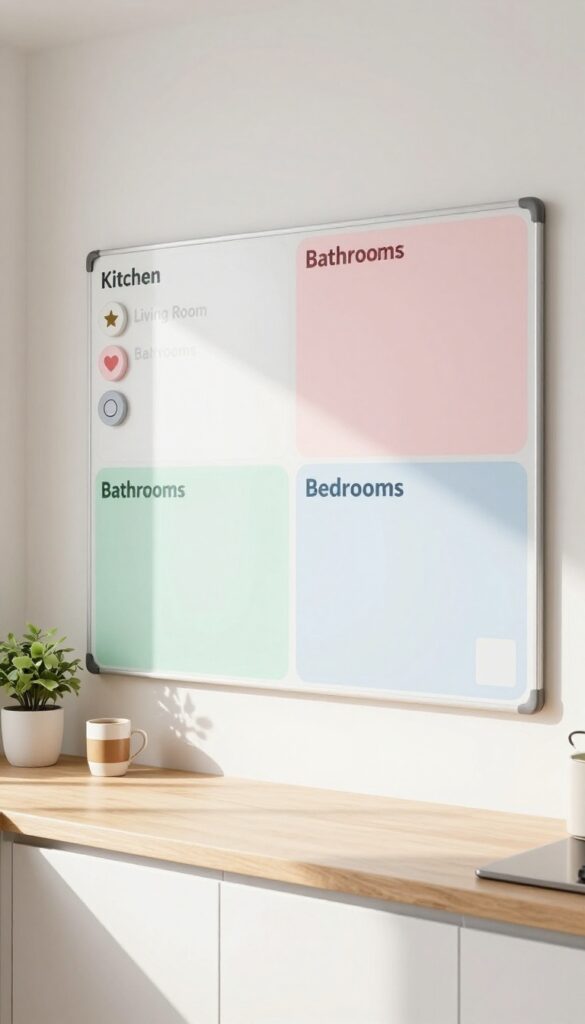
Nobody wants to scrub the toilet every single week. The rotating zone chart solves that by shifting responsibilities around so each person tackles a different area of the home. This keeps chores feeling fresh and prevents anyone from feeling stuck with the worst jobs.
How It Works
Divide your home into zones—like kitchen, living room, bathrooms, and bedrooms. Assign each family member one zone per week. At the end of the week, everyone rotates to the next zone.
Over a month, each person has done every area, so the load is balanced.
Why It Works
The rotation prevents boredom and resentment. Kids are more willing to clean when they know the task is temporary. It also helps everyone learn how to clean every part of the house, building a well-rounded skill set.
Set Up Tips
Use a magnetic whiteboard with zone names and family member magnets. Or make a simple paper chart that you move down one row each week. Keep the zones roughly equal in effort so no one feels cheated during their turn.
2. The Magnetic Chore Board
If your kids ignore a static list, try a board that moves. A magnetic chore board turns tasks into a physical game where each chore gets its own magnet. When a job is done, the magnet slides from the 'to do' column to the 'done' column.
That satisfying click and visual progress can motivate even reluctant helpers.
A magnetic chore board works best when it's simple and colorful. Start with a metal sheet or a whiteboard with magnetic backing. Divide it into two columns: 'To Do' and 'Done. ' Use small magnets with pictures or words for each chore.
For non-readers, add icons like a broom for sweeping or a toothbrush for brushing teeth. The key is making the movement from one side to the other feel rewarding. Kids love seeing their pile of 'done' magnets grow by the end of the day.
Customizing Magnets For Each Age
Tailor the magnets to your child's reading level. For toddlers, use photos of them doing the chore. For school-age kids, write the chore name and add a fun emoji.
Teens might prefer a minimalist magnet with just the chore word. You can also color-code by person—blue for one kid, green for another—to avoid confusion.
Making It A Family Ritual
Set a specific time each day for magnet moving. After dinner or before bedtime, gather everyone around the board. Each person moves their completed chores to 'Done. ' This daily check-in builds accountability and gives you a chance to praise effort.
Over time, the ritual becomes a calm, predictable end to the day.
Adding A Reward Magnet
Include a special 'reward' magnet that appears when a certain number of chores are done. For example, after 10 chores, the reward magnet moves to a 'Bonus' zone, unlocking a family movie night or extra screen time. This adds a long-term goal without making every chore feel transactional.
3. The Daily 15-Minute Dash
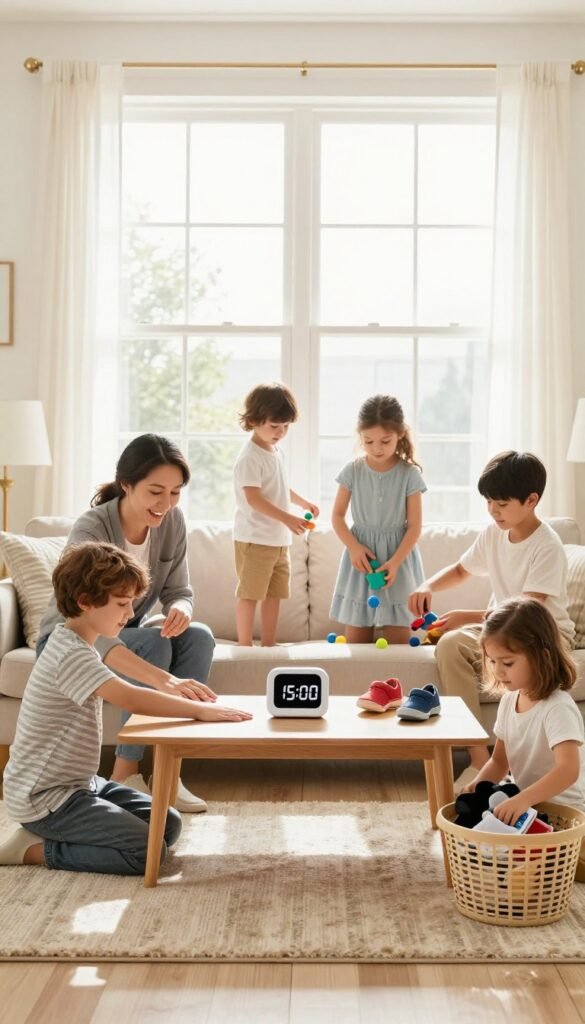
Some evenings feel like a race against the clock—dinner, homework, baths, and somehow the house still looks like a tornado hit it. The Daily 15-Minute Dash turns that chaos into a quick, team-based reset that actually fits into a busy weeknight. Instead of a long chore list, everyone picks one small task and works at full speed until the timer goes off.
The urgency makes it feel like a game, and the short duration keeps even reluctant helpers from complaining. By the time the buzzer sounds, you’ll be surprised how much gets done.
The concept is simple: set a timer for 15 minutes, and each family member tackles one quick chore from a pre-approved list. No switching tasks, no negotiating—just go. The key is choosing tasks that can realistically be finished in that window, like wiping down counters, gathering laundry, or picking up toys from one room.
To keep things fair, rotate the task categories each night. Monday might be kitchen-focused, Tuesday living room, Wednesday bathrooms. That way no one gets stuck with the same job every time.
And if someone finishes early, they can jump in and help someone else—teamwork makes the dash even more effective.
What Tasks Work Best?
Stick to surface-level tidying and quick wipes. Think: clear the coffee table, sweep the kitchen floor, put shoes away, or load the dishwasher. Save deep cleaning for weekends.
The goal is visible progress, not perfection.
Make It A Game
Add a competitive twist by assigning point values to tasks. Whoever earns the most points by the end of the week picks the family movie or gets an extra 15 minutes of screen time. The timer creates natural urgency, but points add extra motivation.
Handling Reluctant Kids
Younger children might need a visual checklist with pictures. Older kids can handle verbal reminders. If someone consistently drags their feet, let them choose their own task from a short list—it gives them a sense of control and often boosts cooperation.
4. The Age-Appropriate Checklist
A one-size-fits-all chore list sets everyone up for frustration. Younger kids need simple, safe tasks they can actually complete, while teens can handle more responsibility. Breaking chores down by age group makes expectations clear and tasks doable for each child, reducing arguments and building confidence.
Create separate checklists for different age ranges, adjusting complexity and frequency as kids grow. This approach ensures that each child has a fair share of work that matches their abilities, and it teaches responsibility step by step.
Preschoolers (ages 3–5)
Focus on simple, fun tasks that build habits: putting toys in a bin, matching socks, wiping tables with a damp cloth. Use picture charts so they can see what to do without reading. Keep it to one or two tasks per day.
Elementary Age (ages 6–10)
Add more responsibility: making the bed, setting the table, sweeping floors, feeding pets. Introduce a simple checklist with words and pictures. Teach one new chore at a time and rotate tasks weekly to prevent boredom.
Tweens And Teens (ages 11+)
Teens can handle deeper cleaning: vacuuming, cleaning bathrooms, doing laundry, mowing the lawn. Create a weekly checklist with clear expectations and deadlines. Include consequences for incomplete tasks, but also offer rewards for consistency.
5. The Reward Star Chart
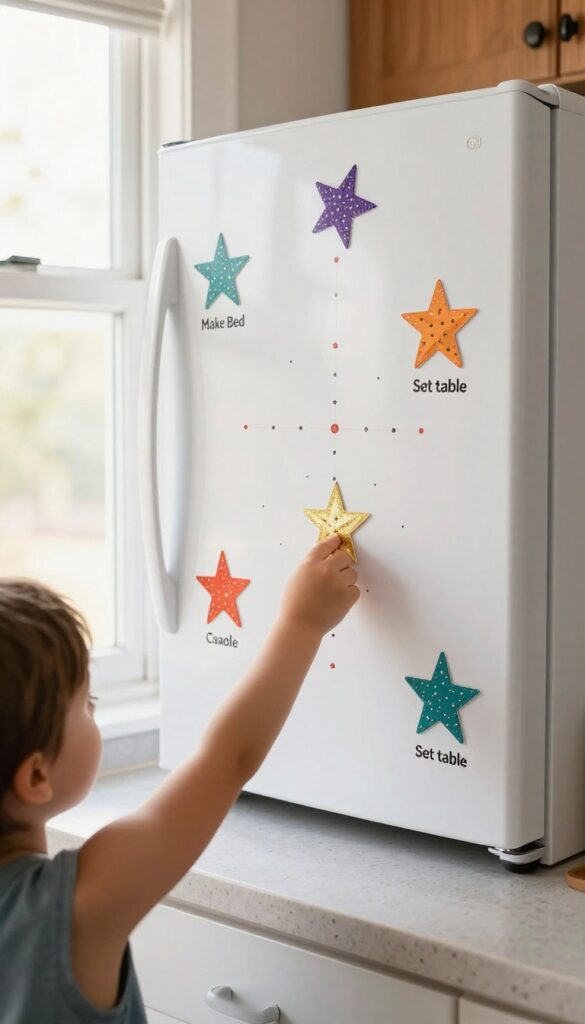
A star chart turns chores into a game, and the reward at the end keeps everyone motivated. Kids earn stars for each completed task, and once they hit a certain number, they cash them in for something they actually want. It’s simple, visual, and works especially well for younger children who thrive on immediate feedback.
The key is choosing rewards that feel meaningful without breaking the bank. Screen time, a small treat, or a family outing are popular options, but you can tailor them to your child’s interests. The chart itself can be as simple or fancy as you like—a printable template on the fridge or a magnetic board works great.
Just make sure it’s visible and easy to update daily.
How To Set Up The Star Chart
Decide on a list of age-appropriate chores and assign a star value to each. For example, making the bed might earn one star, while loading the dishwasher earns two. Then agree on a reward threshold—say, 10 stars for 30 minutes of screen time.
Post the chart in a central spot like the kitchen, and let kids place their own stars. This ownership builds pride and accountability.
Choosing Rewards That Stick
Rewards don’t have to be expensive. Common options include extra bedtime stories, choosing the family movie, or a trip to the park. For older kids, consider a points system that rolls over week to week for bigger prizes like a sleepover or a new book.
The trick is to involve them in picking the rewards so they feel invested in the process.
Keeping It Fresh Over Time
Star charts can lose their magic after a few weeks. To prevent boredom, rotate the rewards or increase the star requirement for bigger prizes. You can also add bonus stars for going above and beyond, like helping a sibling without being asked.
Seasonal themes—like holiday stickers or summer bucket list rewards—keep the chart feeling new.
6. The Morning and Evening Routine Chart
Mornings are chaos, evenings are a blur, and somewhere in between the house gets messy. Instead of one overwhelming chore list, split tasks into two simple time blocks. A morning chart covers quick, high-impact jobs like making beds and wiping counters, while an evening chart focuses on resetting the space before bed.
This approach works because it matches chores to natural energy levels. Morning tasks are fast and set a positive tone, while evening tasks wind down the day and prepare for tomorrow. Kids learn that small, consistent efforts prevent big messes.
Why Separate Am And Pm?
A single list of 10 chores feels like a mountain. Dividing them into 3 morning and 3 evening tasks makes each block manageable. Morning chores build momentum — kids feel accomplished before school.
Evening chores create a calm transition to bedtime and ensure the house is tidy for the next day.
Sample Morning Vs. Evening Split
Morning: Make bed, put away pajamas, wipe bathroom sink. Evening: Clear dinner dishes, sweep kitchen floor, pack school bags. Keep each block under 10 minutes.
Rotate tasks weekly so no one gets bored.
How To Make The Chart Stick
Use a dry-erase board with two columns — AM and PM. Let kids check off tasks with a marker. Pair morning chores with a breakfast reward (like choosing the cereal) and evening chores with extra story time.
Consistency builds in about two weeks.
7. The Chore Wheel of Fortune
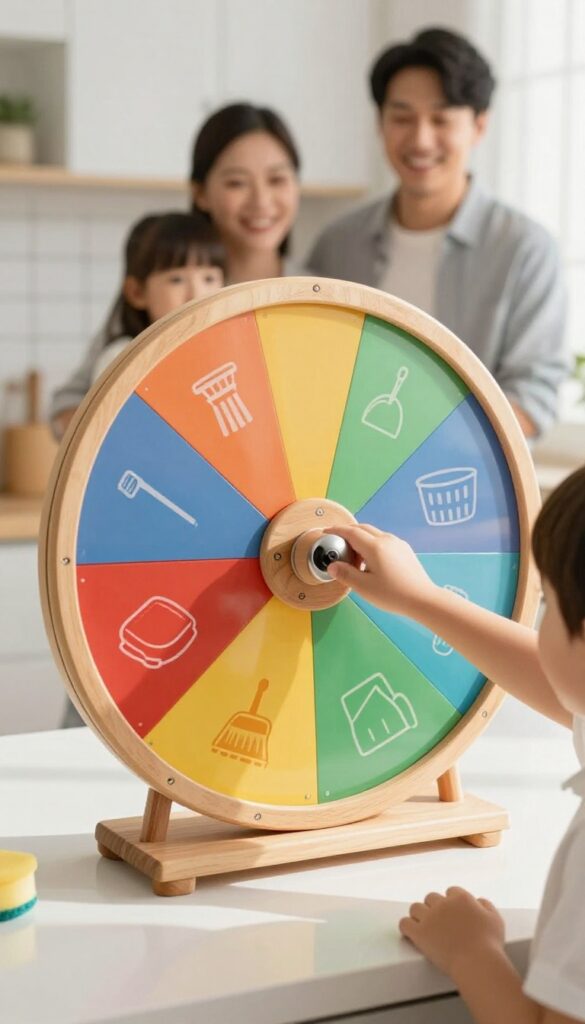
Sometimes the best way to break chore boredom is to leave it to chance. A chore wheel turns task assignment into a game, where every spin brings a new surprise. It's perfect for families who need a little unpredictability to keep things fresh.
This idea works because it removes the sense of unfairness—nobody can complain about getting stuck with the same job every week. Plus, the anticipation of the spin makes even dreaded tasks feel like a challenge. You can customize the wheel with age-appropriate chores and even add a "free spin" or "swap" slot for extra fun.
How To Set It Up
You can buy a pre-made chore wheel or make your own with a cardboard circle and a spinner. Write each family member's name on the outer ring and list chores in the inner sections. Spin to see who does what.
For younger kids, use pictures instead of words.
Keep It Fair
To avoid someone always landing on the worst task, rotate the chore sections regularly. You can also group chores by difficulty and assign point values, then spin for points instead of specific tasks. That way, everyone has a shot at the big jobs.
Add A Twist
Make it even more exciting by including a "wild card" section. Wild cards could mean swapping chores with someone else, skipping a task, or choosing a bonus chore for extra allowance. The element of surprise keeps everyone engaged and reduces whining.
8. The Family Meeting Chart
Weekly family meetings don't have to be just for scheduling—they're the perfect time to build a chore chart together. When everyone has a voice in choosing tasks, ownership goes up and complaining goes down. This approach turns chores from assigned drudgery into a team agreement.
Set aside 15 minutes each Sunday to gather around the kitchen table with a blank chart template. Let each family member pick one or two tasks they prefer, then rotate the rest. Use a whiteboard or a large sheet of paper so everyone can see and agree.
The key is to make it a collaborative decision, not a top-down assignment. Over time, this builds buy-in and teaches negotiation skills.
How To Run The Meeting
Start with a quick round of highs and lows from the week, then move to the chart. Let each person share which tasks they'd like to keep and which they'd like to swap. Use a timer to keep it focused.
End with a clear agreement on who does what for the coming week.
What To Include On The Chart
List daily tasks like making beds and setting the table, plus weekly jobs like vacuuming or wiping counters. Add a section for “extra credit” tasks that earn bonus points or privileges. Keep it simple—too many tasks overwhelm everyone.
Making Adjustments Together
If a task isn't getting done, bring it up at the next meeting instead of nagging. Ask the group for solutions—maybe the task is too hard, too boring, or needs a different time slot. Let the family problem-solve together.
9. The Color-Coded Responsibility Chart
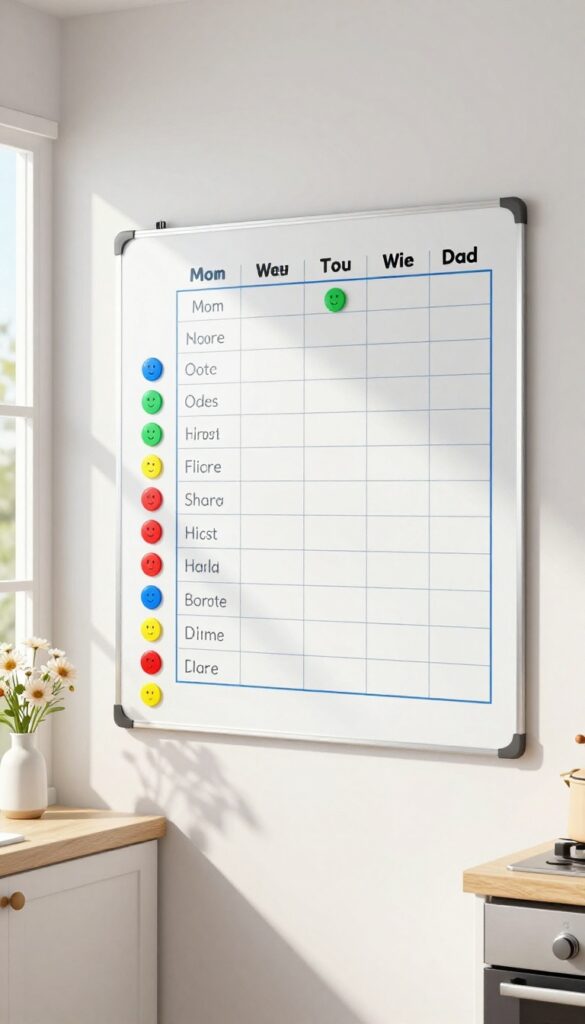
When everyone’s tasks blend into one big list, it’s easy to lose track of who did what. A color-coded chart solves that by giving each family member a unique color. At a glance, you can see who’s on top of their chores and who might need a gentle nudge.
Assign each person a specific color—blue for Mom, green for Dad, red for the oldest kid, yellow for the youngest. Use colored markers, stickers, or even washi tape to mark their tasks on a shared whiteboard or printed chart. This system works especially well for families with multiple children because it removes the guesswork.
No more asking, “Was that my job or yours? ”
Choosing Your Colors
Pick colors that are easy to distinguish and that each person likes. Avoid shades that are too similar, like light blue and dark blue, which can cause confusion. Let each family member choose their own color to increase buy-in.
Setting Up The Chart
Create a grid with days of the week across the top and tasks down the side. Fill in each person’s tasks using their color. You can use colored magnets, dry-erase markers, or sticker dots.
Place the chart in a high-traffic area like the kitchen.
Making It Stick
Review the chart together each evening. Have each person move their marker or add a sticker when a task is done. Celebrate completed weeks with a small reward, like a family movie night.
The visual progress keeps everyone motivated.
10. The Digital Chore App Integration
Phones are already glued to everyone's hands, so why not put them to work? Free apps like Tody and OurHome turn chore tracking into a shared, automated system that sends reminders and shows progress without anyone having to nag. It's perfect for families who are already comfortable with screens and want to reduce friction.
Digital chore apps take the physical chart and put it in a place everyone checks constantly—their phone. They handle the timing, the reminders, and the record-keeping, so you don't have to. Plus, they often include reward features that gamify the experience.
Setting Up Shared Access
Create one family login or invite each member to join. Assign tasks with specific frequencies (daily, weekly) and let the app handle the schedule. Everyone sees their own list and can mark tasks done with a tap.
Notifications That Actually Help
Set reminders for chore times—like after dinner or before screen time. The app pings gently, so you don't have to remind. Kids learn to respond to the notification rather than your voice.
Tracking And Rewards
Many apps track completion rates and let you assign points or virtual rewards. This builds accountability and gives a sense of achievement. Review the weekly stats together to celebrate progress.
11. The Seasonal Deep Clean Chart
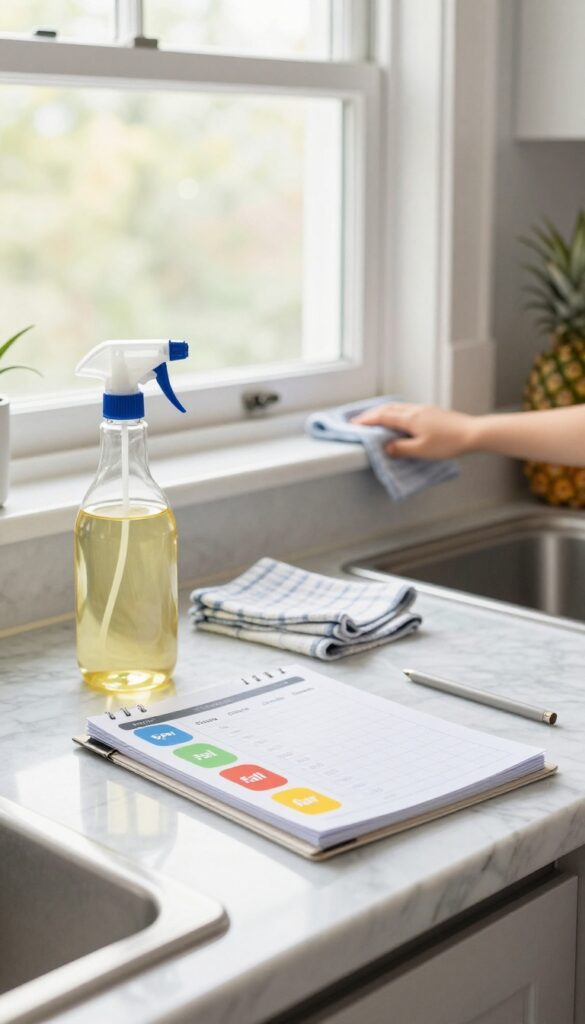
Big chores like washing windows or cleaning the fridge often get pushed aside until they become overwhelming. A seasonal deep clean chart breaks these tasks into manageable quarterly rotations, so nothing piles up and every corner of the house gets attention without a frantic spring-cleaning weekend.
Quarterly Focus Areas
Divide your year into four seasons and assign a specific zone or type of deep cleaning to each. For example, spring could target windows and screens, summer might focus on the garage and outdoor gear, fall tackles gutters and oven cleaning, and winter handles baseboards and inside cabinets. This way, every major task gets a turn without overlapping.
Visual Calendar Integration
Print a simple year-at-a-glance calendar and mark each season’s deep clean week. Use color-coded stickers or markers for different categories—kitchen, bathrooms, bedrooms, outdoor. Hang it near your regular chore chart so the whole family sees what’s coming and can prep.
Kids can help with age-appropriate parts like wiping baseboards or sorting pantry items.
Task Breakdown For Each Season
List specific chores for each quarter on a separate sheet. Include estimated time, supplies needed, and who’s responsible. For instance, spring: wash windows (2 hours, vinegar solution, Mom + older kids); summer: pressure-wash patio (1 hour, rental machine, Dad).
Keep the list realistic—no more than 5–7 tasks per season—so it feels doable.
12. The One-Task-Only Chart
Some families thrive on variety, but others do better with a single, predictable focus. The one-task-only chart strips away the complexity: each person handles the same chore for an entire week. No rotation, no confusion, no arguments over who does what today.
It’s simple, focused, and surprisingly effective.
This system works especially well for younger kids or anyone who feels overwhelmed by a long list. By assigning one task per person per week, you eliminate decision fatigue and build strong habits. At the end of the week, you can either keep the same assignments or let everyone pick a new task for the next round.
The key is consistency—once the task is set, it becomes automatic.
Why One Task Works
When each person owns one chore, there’s no hiding or forgetting. The task is clear, the expectation is set, and the result is visible. Kids learn responsibility by mastering a single job, and parents spend less time reminding and more time relaxing.
It also makes it easy to spot who’s slacking—no more “I thought you were doing the dishes. ”
How To Assign Tasks Fairly
Match tasks to ability and interest. A five-year-old can wipe tables or sort socks; a teenager can handle vacuuming or bathroom sinks. Rotate tasks weekly if you want variety, or keep them monthly for deeper habit formation.
Use a simple chart with names and tasks—magnetic, whiteboard, or even a sticky note on the fridge works fine.
Making It Stick Long-term
Celebrate completion, not perfection. A sticker or a quick thank-you goes a long way. If a task feels too big, break it into smaller steps.
The goal is to make the one task feel manageable and rewarding. Over time, this chart can become the backbone of your family’s routine—no fuss, no drama, just done.
13. The Chore Bingo Card
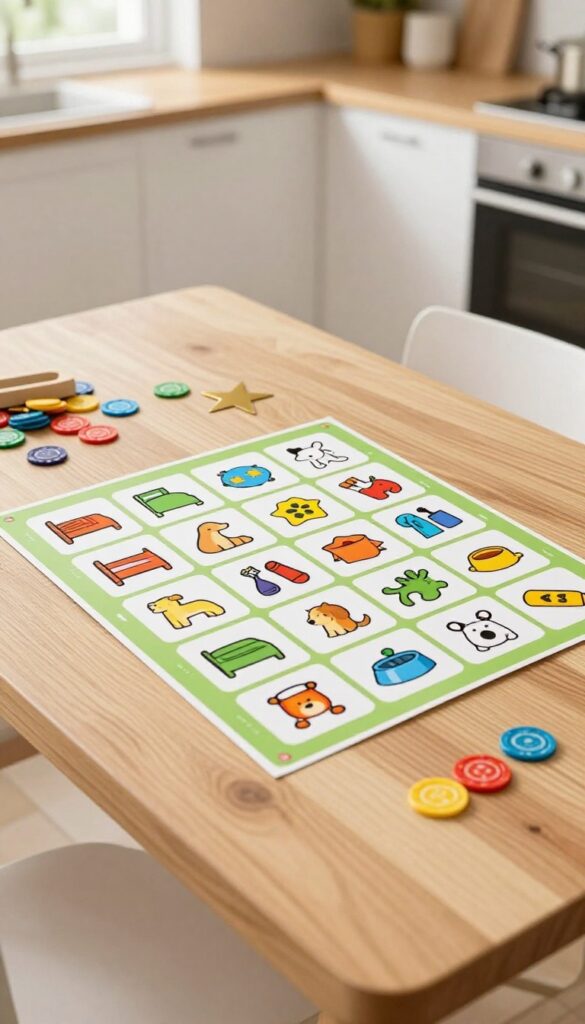
Kids love games, so why not turn chores into one? The Chore Bingo Card replaces the usual chart with a bingo grid where each square holds a task. Complete a row—horizontally, vertically, or diagonally—and earn a prize.
It's simple, fun, and surprisingly effective at getting things done without nagging.
This system works because it adds an element of chance and reward. Kids get to choose which tasks to tackle, and the bingo format keeps them engaged longer than a standard checklist. Plus, you can customize the difficulty and prizes to match your family's vibe.
How To Set Up Your Chore Bingo Card
Start with a 5×5 grid (or smaller for younger kids). Fill each square with a specific chore—like “make bed, ” “feed pet, ” or “put away toys. ” Use a mix of quick tasks and slightly longer ones. Print it out or draw it on a whiteboard.
Each player gets their own card, or you can play as a team.
Choosing Prizes That Motivate
Prizes don't have to be big. Think small rewards like extra screen time, a special snack, or picking the family movie. For bigger wins like a full-card blackout, offer something larger like a trip to the park or a small toy.
Let kids help choose the prizes so they're invested.
Tips For Keeping It Fresh
Rotate the chores on the card weekly to prevent boredom. Add “free space” squares for tasks they already do willingly. You can also introduce special bingo patterns—like corners or an X—to keep the game interesting.
The key is to make it feel like a game, not a trick.
14. The Weekend Warrior Chart
Saturdays don't have to be a drag. Turn your weekend cleaning into a family event with a shared playlist and a collective reward at the finish line. This chart turns chores into a team sport, making the work feel lighter and the payoff sweeter.
How It Works
Create a simple chart listing all the big chores—vacuuming, dusting, bathroom scrubbing, mopping. Each person picks one or two tasks. Set a timer for 60 to 90 minutes, blast everyone's favorite tunes, and work together until the music stops.
No one leaves until all tasks are done.
Choosing The Reward
The reward should be something the whole family enjoys—pizza night, a movie marathon, or an afternoon at the park. Let the kids have a say in what the reward is so they feel invested. The key is that everyone earns it together, so nobody gets left out.
Making It Stick
Consistency matters. Try to do this every Saturday morning at the same time. After a few weeks, it becomes a habit.
You can rotate the playlist duty among family members to keep the music fresh. The chart itself can be a simple whiteboard or a printed template—whatever works for your family.
15. The Point System Chart
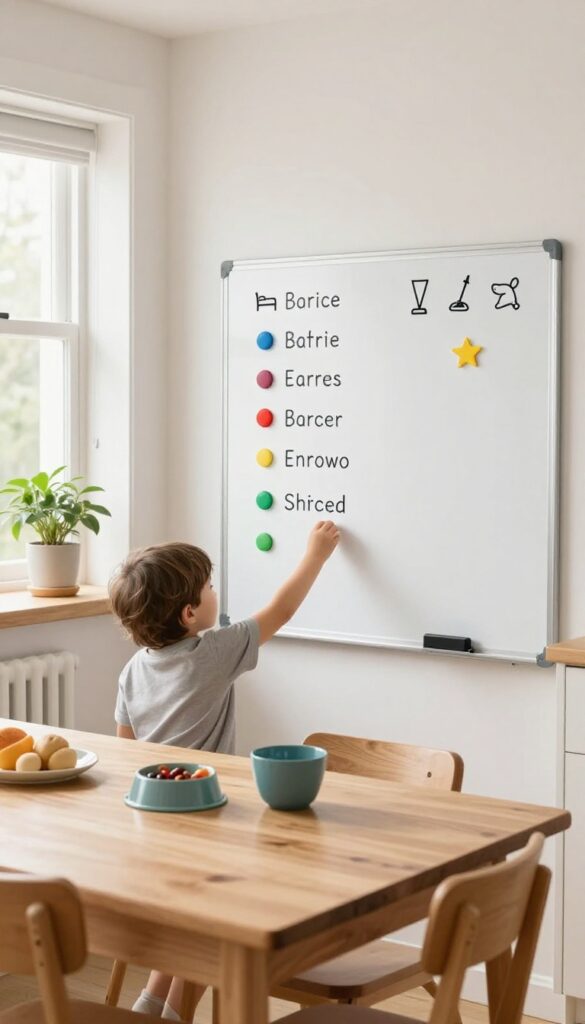
Chores can feel like a grind when the only reward is a sticker or a pat on the back. But what if kids could earn points that actually add up to something they really want? That's the magic of the point system chart.
Instead of a flat allowance or random rewards, assign a point value to each chore based on difficulty or time. Easy tasks like making the bed might be worth 5 points, while vacuuming the whole house could be 20. Kids track their points on a chart or app, and once they hit a certain threshold, they cash in for a reward you both agree on.
This builds a sense of delayed gratification and teaches them that effort pays off.
How To Set Point Values That Feel Fair
Start by listing every chore your kids are expected to do. Group them into easy, medium, and hard categories. Easy chores (1-5 points) might include putting away shoes or feeding a pet.
Medium chores (6-15 points) could be setting the table or folding laundry. Hard chores (16-30 points) might be cleaning the bathroom or mowing the lawn. Let your kids help decide the points so they feel the system is fair.
Adjust as needed—if a chore is taking longer than expected, bump up its value.
Choosing Rewards That Actually Motivate
The best rewards are experiences or privileges rather than more stuff. Ask your kids what they'd love to do—maybe a trip to the zoo, a movie night with popcorn, or staying up an extra hour on a weekend. Set point thresholds for each reward.
For example, 100 points = a trip to the zoo, 50 points = a new book. Keep a list of rewards visible on the chart so they always know what they're working toward. Rotate rewards every month to keep excitement high.
Tracking Points Without The Headache
You can use a simple whiteboard with a grid, a printable chart, or a free app like ChoreMonster or OurHome. Each time a chore is done, update the points immediately so kids see their progress. Some families like to use poker chips or tokens that kids can physically hold and trade in.
The key is consistency—if you forget to award points, the system falls apart. Make it a habit to check in at the same time each day.
Dealing With Common Hiccups
What if a kid tries to game the system by doing only easy chores? Set a minimum requirement: they must complete at least one medium or hard chore each day to earn points. If chores are done poorly, deduct points or require a redo before awarding them.
And if a reward is too easy to reach, raise the point threshold. The goal is to keep the system balanced so that earning feels satisfying but not effortless.
16. The Guest-Ready Chart
Nothing motivates a quick clean like a text that says, “On our way over! ” But panic-scrubbing the whole house isn't realistic. The Guest-Ready Chart zeroes in on what guests actually see—entryway, living room, bathroom, and kitchen counters—and ignores the rest. It's a short-term sprint, not a deep clean, designed for families who want to look put together without the stress.
This chart works best as a temporary overlay on your regular system. When you know company's coming, swap in the guest-ready version. It lists only the high-visibility tasks: sweep the entry, fluff couch pillows, wipe bathroom mirror, clear kitchen counters, and hide clutter in a basket.
Each person claims one or two tasks, and the timer starts. The goal is 15 minutes max. Once done, everyone's free until the doorbell rings.
What To Include
Focus on five zones: entryway (shoes tucked, floor clear), living room (cushions fluffed, coffee table wiped), bathroom (toilet swished, mirror streak-free), kitchen (counters cleared, dishes hidden), and a final clutter sweep (dump stray items into a bin, stash in a closet). That's it. No baseboards, no windows, no fridge fronts.
How To Assign Tasks
Write each zone on a magnetic strip or sticky note. Let family members pick their zone as guests arrive—first come, first served. Younger kids can handle the clutter basket or fluff pillows.
Older ones can tackle the bathroom or kitchen. Rotating keeps it fair and fast.
Make It A Game
Set a timer for 15 minutes and play upbeat music. If everyone finishes before the timer, they earn a treat—like picking the movie for the evening or choosing takeout. The pressure of a ticking clock turns the pre-guest scramble into a fun family challenge.
17. The DIY Custom Chart

When kids help design their own chore chart, the whole dynamic shifts. Suddenly it's their creation, not another rule from you. This approach works especially well for children who resist pre-made systems or need a creative outlet.
Let your child take the lead on designing a chart that feels personal and fun. Provide blank paper, markers, stickers, and maybe some printable templates as a starting point. The goal is to make them feel ownership over the process, so they're more invested in using it.
Start With A Brainstorm Session
Sit down together and ask what chores they think are fair and what rewards would motivate them. Let them pick the colors, layout, and even the name of the chart. This conversation alone builds buy-in.
Keep It Simple And Visual
Younger kids do well with pictures or icons they can color in. Older kids might prefer a checklist with fun fonts or a theme like space or animals. The chart should be easy to update and display somewhere visible.
Let It Evolve Over Time
A custom chart isn't set in stone. As your child's interests or chores change, let them redesign it. This keeps the system fresh and gives them ongoing ownership of their responsibilities.
FAQ
What age should kids start using a chore chart?
Kids as young as 2 can help with simple tasks like putting toys away. Adjust the chart to their abilities and make it fun with stickers or pictures.
How often should I update the chore chart?
Review it weekly during a family meeting to keep tasks fresh and fair. Rotate zones or chores every week or month to prevent boredom.
What if my child refuses to do their chores?
Stay consistent with consequences, like losing screen time, but also listen to their concerns. Sometimes the task is too hard or the chart needs tweaking.
Can a chore chart work for teenagers?
Absolutely. Teens respond well to point systems or digital apps that offer autonomy and rewards like later curfews or cash allowances.
How do I make a chore chart without spending money?
Use a whiteboard, paper, or even a chalkboard wall. Free printable templates are available online, or you can create one in a spreadsheet.
Conclusion
The best cleaning chart is the one your family will actually use. Start with just one or two ideas that fit your current routine, then tweak as you go. Over time, these small adjustments will turn chores from a daily struggle into a shared habit.
Your home will stay tidier with less nagging, and everyone will know exactly what to do. Pick a chart style today and give it a week—you might be surprised how much smoother mornings and evenings become.