That once-pristine couch now tells a story of spilled coffee, pet accidents, and mystery stains. But before you cover it with a throw or resign yourself to living with the marks, know this: most fabric stains can be tackled with the right approach.
The secret isn't harsh chemicals or expensive steam cleaners—it's matching the solution to the stain and fabric type. A little know-how goes a long way in bringing back that fresh, clean look.
These 20 couch cleaning ideas cover everything from everyday maintenance to emergency stain rescue. Whether you're dealing with a fresh spill or set-in grime, there's a solution here that fits your situation.
1. Baking Soda and Vinegar: The Dynamic Duo
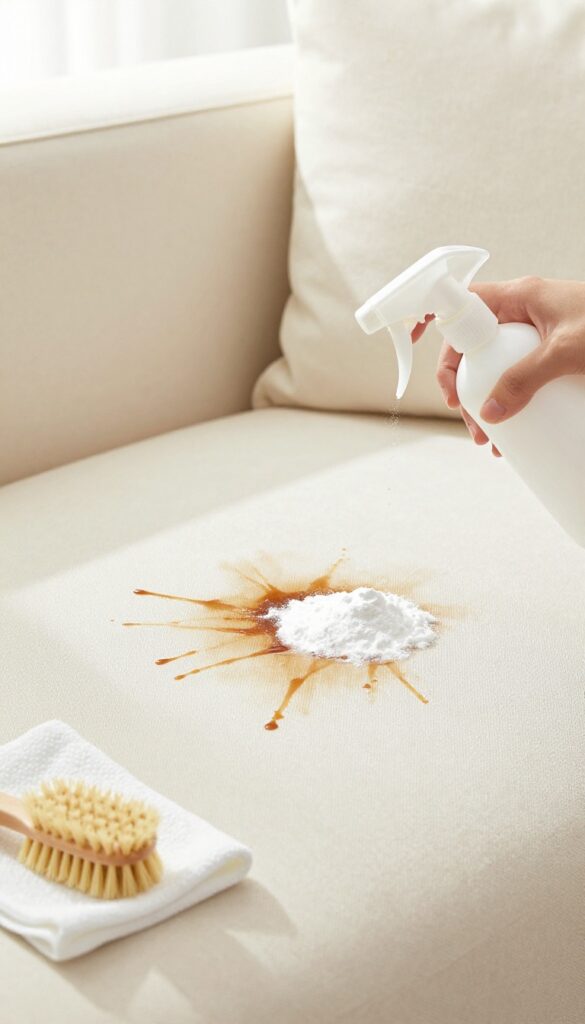
When you need a quick, non-toxic fix for mild stains and odors, baking soda and vinegar are your best friends. This pantry staple combo works by creating a fizzing reaction that lifts dirt and neutralizes smells without damaging most fabrics. It's especially effective on fresh spills and everyday grime.
Start by blotting up any excess liquid from the stain. Sprinkle a generous layer of baking soda over the affected area, then lightly spray white vinegar on top until it fizzes. Let the mixture sit for 5–10 minutes—long enough to break down the stain but not so long that it dries.
Blot the area with a clean cloth, then vacuum up any residue once dry. For tougher spots, gently scrub with a soft brush before blotting. This method works best on cotton, polyester, and synthetic blends, but avoid it on delicate fabrics like silk or velvet.
When To Use This Combo
Reach for baking soda and vinegar for fresh food or drink spills, pet accidents, and general mustiness. It's also great for refreshing cushions between deep cleans. Avoid using it on set-in grease stains or oil-based marks—those need a different approach.
Tips For Best Results
Always test on a hidden area first to ensure the fabric won't discolor. Use distilled white vinegar, not apple cider or balsamic. After treating, let the couch air dry completely before sitting on it to prevent dampness from causing new stains.
2. Dish Soap and Warm Water for General Cleaning
For everyday spills and light dirt, you don't need a fancy cleaner. A few drops of mild dish soap mixed with warm water can handle most messes without damaging your fabric. This gentle solution is safe for most upholstery types and uses ingredients you already have in your kitchen.
Mix a few drops of mild dish soap with warm water, dip a cloth, and gently blot stains. Rinse with a damp cloth and blot dry. This method works best on fresh stains and general grime.
Avoid scrubbing, which can push the stain deeper or fray the fabric.
Why It Works
Dish soap is designed to break down grease and food residues, making it effective for many common couch stains like spilled drinks, sauces, or body oils. Its mild formula is gentle on most fabrics, so you won't risk fading or damage.
How To Apply
Mix 2-3 drops of dish soap into a cup of warm water. Dip a clean white cloth into the solution and wring it out so it's damp, not soaking. Blot the stain from the outside in to prevent spreading.
Rinse the area with a cloth dipped in plain water, then blot dry with a towel.
When To Use This Method
This is your go-to for light, everyday cleaning and fresh stains. It's also a good first step before trying stronger treatments. Avoid using it on delicate fabrics like silk or velvet unless you've tested it on an inconspicuous spot first.
3. Hydrogen Peroxide for Organic Stains
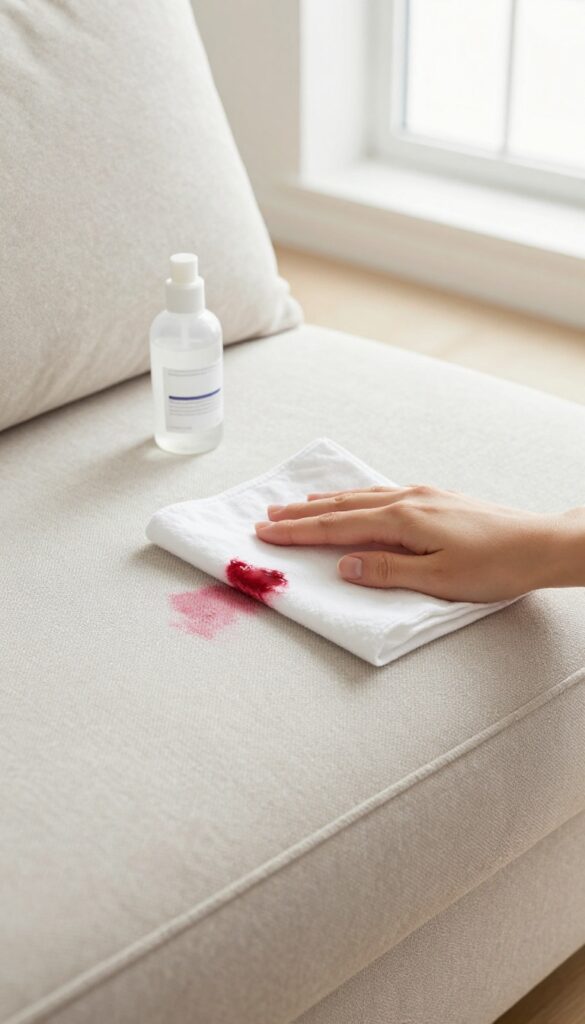
Blood, red wine, and coffee stains are notoriously stubborn, but hydrogen peroxide can be a game-changer. This common household item works by oxidizing the stain molecules, breaking them down so they lift out of the fabric. It's especially effective on light-colored upholstery where bleach might be too harsh.
Hydrogen peroxide is a mild bleach alternative that tackles organic stains without the harsh fumes. Always test it on a hidden area first, as it can lighten some fabrics. For best results, use a 3% solution—the kind you find at the drugstore.
Apply it directly to the stain with a clean cloth, let it sit for 5–10 minutes, then blot with a dry cloth. Repeat if needed, then rinse with a damp cloth and blot dry. Avoid using it on dark or delicate fabrics like silk or wool.
Why It Works On Organic Stains
Organic stains contain proteins or tannins that react with hydrogen peroxide's oxygen molecules. This reaction breaks the chemical bonds holding the stain to the fabric, making it easy to lift away. It's particularly good for fresh stains, but can also work on set-in ones with a little patience.
How To Apply Safely
Start by blotting up as much of the stain as possible. Then, pour a small amount of hydrogen peroxide onto a white cloth—never directly onto the couch to avoid oversaturation. Dab the stain gently, working from the outside in.
Let it sit for no more than 10 minutes, then blot with a dry cloth. Rinse the area with a little water and blot again. Repeat if the stain persists, but don't overdo it.
When To Skip This Method
Hydrogen peroxide can bleach or discolor dark fabrics, so avoid it on navy, black, or bright colors. It's also not suitable for wool, silk, or leather. If you're unsure, test on an inconspicuous spot first.
For delicate fabrics, stick to gentler options like dish soap and water.
4. Rubbing Alcohol for Ink and Marker
Ink and marker stains on your couch can feel like a permanent disaster, but rubbing alcohol is surprisingly effective at lifting them. The key is to act fast and use the right technique so the ink doesn't spread or set deeper into the fabric. This simple household item works because alcohol breaks down the pigments in ink, making it easy to blot away.
It's safe for most synthetic fabrics and blends, but always test on a hidden spot first.
How It Works
Rubbing alcohol is a solvent that dissolves the oils and dyes in ink and marker stains. When you dab it onto the stain, it penetrates the fabric and loosens the pigment, allowing you to lift it away with a clean cloth. This method works best on water-based and permanent markers, as well as ballpoint pen ink.
Step-by-step Application
Start by placing a clean cloth or paper towel under the stained area to catch any ink that bleeds through. Dip a cotton ball or soft cloth in rubbing alcohol, then gently blot the stain—don't rub, as that can spread the ink. As the cotton ball picks up color, switch to a clean area or use a new one.
Repeat until no more ink transfers, then blot with a damp cloth to remove any residue.
Fabric Considerations And Testing
Rubbing alcohol is generally safe for polyester, nylon, and cotton blends, but it can damage delicate fabrics like silk, rayon, or acetate. Always test on an inconspicuous spot first: apply a small amount of alcohol, blot with a white cloth, and check for color transfer or fabric damage. For leather or faux leather, use a specialized cleaner instead.
5. Enzyme Cleaner for Pet Accidents
Pet accidents happen, and when they do, regular cleaners often leave behind lingering odors that invite repeat offenses. Enzyme cleaners are specially formulated to break down the proteins in urine, vomit, and other organic messes at a molecular level. They don't just mask smells—they eliminate them.
Enzyme cleaners are a must-have for pet owners. They work by using natural enzymes to digest stain-causing proteins, effectively removing both the stain and the odor. This makes them ideal for fresh or dried accidents on fabric couches.
Always test on an inconspicuous area first, and follow the product's instructions for best results.
How Enzyme Cleaners Work
Enzymes are biological catalysts that target specific types of stains. Protease enzymes break down protein-based stains like urine and vomit, while lipase tackles fats and oils. When you spray an enzyme cleaner, the enzymes get to work digesting the stain particles until they can be easily blotted away.
Step-by-step Application
Blot up as much of the fresh accident as possible with paper towels. Spray the enzyme cleaner generously on the stain, making sure it saturates the fabric. Let it sit for the time recommended on the label—usually 10 to 15 minutes.
Blot again with a clean cloth, then allow the area to air dry. For dried stains, pre-wet the area with water before applying the cleaner.
Tips For Best Results
Avoid using heat or steam cleaners on enzyme-treated areas, as high temperatures can deactivate the enzymes. Also, don't mix enzyme cleaners with vinegar or other acidic cleaners, as that can reduce their effectiveness. For stubborn odors, you may need to repeat the process a couple of times.
6. Steam Cleaning for Deep Dirt
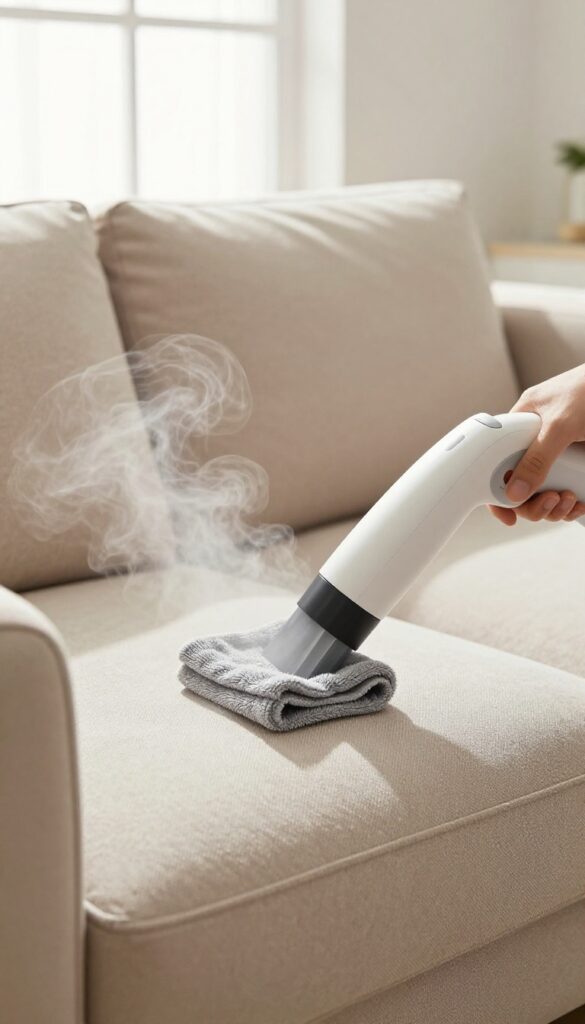
Sometimes your couch needs more than a surface wipe-down. Over time, dust, allergens, and ground-in dirt settle deep into the fabric fibers. Steam cleaning is the heavy lifter that reaches where sprays and wipes can't.
Why Steam Works
Steam cleaning uses high-temperature vapor to loosen dirt and kill dust mites, bacteria, and mold spores. The heat breaks down grime without harsh chemicals, making it safe for most fabrics. It's especially effective for synthetic blends and performance fabrics.
How To Steam Clean Your Couch
Start by vacuuming the couch thoroughly to remove loose debris. Fill your handheld steamer or rental machine with water—distilled is best to avoid mineral buildup. Work in sections, holding the steamer a few inches from the fabric.
Move slowly to let the steam penetrate, then immediately blot the area with a clean microfiber cloth to lift the loosened dirt and excess moisture.
Drying And Aftercare
After steaming, allow the couch to dry completely before using it. Open windows or use fans to speed up drying and prevent mold. Once dry, fluff the cushions and vacuum again to restore texture.
For best results, steam clean every 6–12 months or after heavy use.
7. Cornstarch for Grease and Oil
Grease and oil stains on upholstery can be tricky because they tend to spread if you rub them. Cornstarch offers a simple, powder-based solution that absorbs the oil without pushing it deeper into the fibers. It's a staple in many kitchens and works wonders on fresh or set-in greasy spots.
When you notice a grease or oil stain, act quickly. Sprinkle a generous amount of cornstarch directly onto the stain, covering it completely. Let it sit for at least 15 minutes—longer for larger or older stains.
The cornstarch will draw the oil out of the fabric. After the wait, vacuum up the powder using an upholstery attachment. If the stain persists, repeat the process.
This method is safe for most fabric types, but always test on an inconspicuous area first.
Why Cornstarch Works
Cornstarch is a fine, absorbent powder that acts like a sponge for oils. Unlike liquids or sprays, it doesn't wet the fabric, which prevents the stain from spreading. It's gentle enough for delicate fabrics like velvet or linen and won't leave residue if vacuumed thoroughly.
Step-by-step Application
First, blot any excess oil with a paper towel. Then, heap cornstarch over the stain and press it gently into the fibers. Wait 15–20 minutes.
Vacuum using a brush attachment to lift the powder. For stubborn stains, let it sit overnight. Finish by brushing the area with a soft cloth to restore texture.
When To Repeat Or Combine
One application often does the trick for fresh stains. For older or heavier grease marks, repeat 2–3 times. If the stain remains, follow up with a mild dish soap solution (a drop of soap in warm water) dabbed on a cloth, then blot dry.
Always avoid rubbing.
8. White Vinegar and Water for Odor Removal
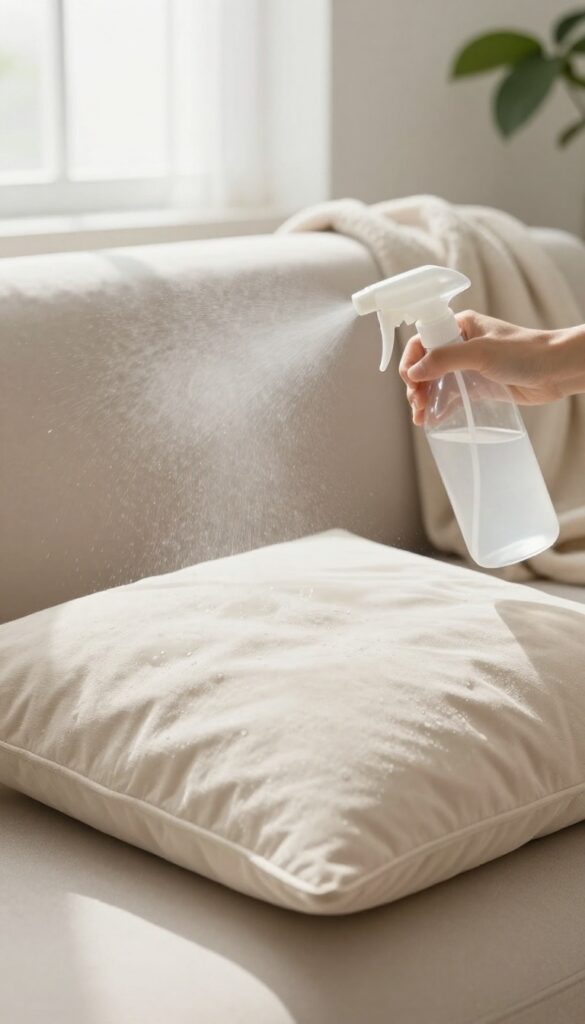
Unpleasant smells can linger in couch cushions long after the visible stain is gone. Instead of masking odors with synthetic sprays, reach for white vinegar—a natural deodorizer that neutralizes smells without leaving a heavy perfume trail. This simple solution is safe for most fabrics and costs pennies per use.
Mix equal parts white vinegar and water in a spray bottle. Lightly mist the affected area of the couch, taking care not to soak the fabric. Let it air dry completely; the vinegar smell dissipates as it dries, taking other odors with it.
For stubborn smells, repeat the process or allow more drying time between applications. Always test on a hidden spot first to ensure colorfastness.
Why Vinegar Works
White vinegar contains acetic acid, which breaks down alkaline odor molecules like those from urine, sweat, or mildew. It doesn't just cover smells—it chemically neutralizes them. Plus, it's non-toxic and safe around pets and kids once dry.
How To Apply It Right
Fill a clean spray bottle with equal parts distilled white vinegar and cool water. Lightly mist the smelly area—damp, not dripping. Use a fan or open a window to speed drying.
For cushion covers, you can remove them and spritz the foam inside. Avoid over-wetting to prevent mold growth.
When To Skip This Method
Avoid vinegar on delicate fabrics like silk or rayon, as the acid can damage fibers. Also, don't use it on leather or untreated wood frames. If your couch has a strong vinegar smell after drying, it means you used too much—dilute more next time.
9. Club Soda for Fresh Spills
When a spill just happened, club soda is your best friend. Its carbonation helps lift the stain from fabric fibers before it sets. And it's usually sitting right in your fridge, no special cleaner needed.
Why Club Soda Works
The bubbles in club soda create a gentle lifting action that pushes stain particles up and out of the fabric. The slight acidity also helps break down many common spills like wine, coffee, and juice.
How To Apply It
Pour a small amount directly onto the fresh spill—enough to cover it but not soak the cushion. Let it fizz for a few seconds, then blot with a clean, dry cloth. Repeat if needed, but don't rub or scrub.
Important Tips
Always test on an inconspicuous area first, especially if your couch has delicate fabric. And remember: club soda works best on fresh spills. Once the stain dries, you'll need a different approach.
10. Upholstery Shampoo for Overall Refresh
When your couch needs more than spot cleaning, an upholstery shampoo can restore its entire surface. These commercial foaming cleaners lift embedded dirt and revive fabric fibers without soaking them. It's like a mini spa day for your sofa—just without the cucumber water.
Start by vacuuming the couch thoroughly to remove loose debris. Test the shampoo on a hidden area first. Apply the foam according to the instructions, working it into the fabric with a soft brush in circular motions.
Let it sit for a few minutes to break down grime, then blot with a clean, damp cloth. Avoid over-wetting; you want the foam, not a flood. Let the couch air-dry completely before using it again.
Choosing The Right Shampoo
Look for a pH-neutral upholstery shampoo designed for your fabric type. For synthetic blends, a standard formula works; for natural fibers like cotton or linen, choose a gentle option. Avoid products with bleach or harsh solvents that can damage fabric or fade colors.
Brushing Technique Matters
Use a soft-bristled brush to agitate the foam gently. Stiff brushes can rough up the fabric. Work in small sections, overlapping slightly to avoid streaks.
The goal is to lift dirt without pushing it deeper into the fibers.
Drying And Post-care
After shampooing, open windows or turn on a fan to speed up drying. Fluff cushions occasionally to prevent stiffness. Once dry, vacuum again to restore texture.
Avoid sitting on the couch until it's completely dry to prevent new stains or mildew.
11. Shaving Cream for Set-In Stains
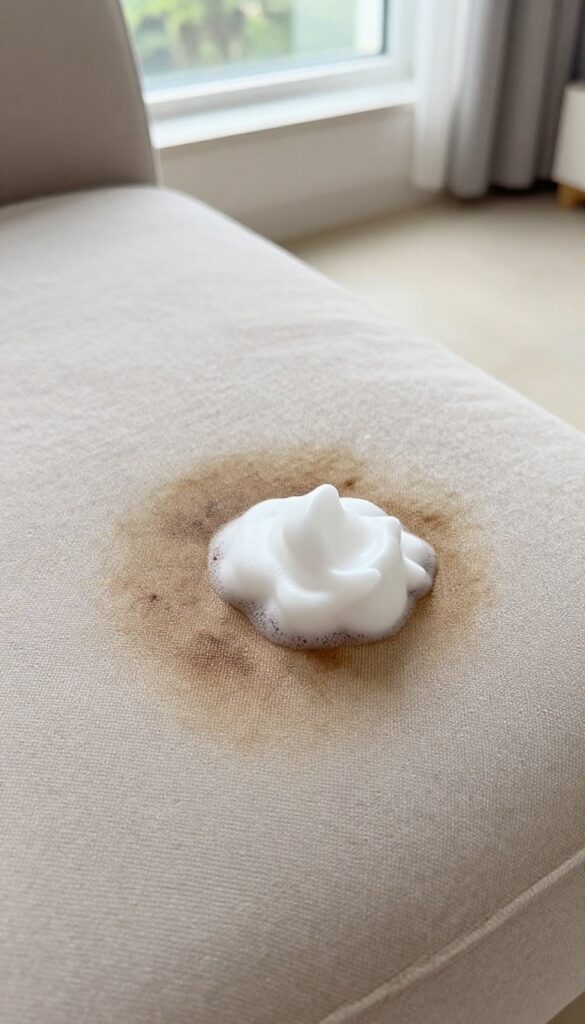
That mystery stain that's been sitting for days—or weeks—doesn't have to be permanent. Shaving cream, the kind you use in the bathroom, can lift set-in spots from fabric upholstery without harsh scrubbing. The foam's gentle surfactants break down oils and dyes while being safe for most couch fabrics.
Apply a small amount of shaving cream (non-gel) to the stain, let sit for 10 minutes, then blot with a damp cloth. Repeat if needed, then vacuum once dry.
Why Shaving Cream Works
Shaving cream contains mild detergents and foaming agents that penetrate fabric fibers and loosen stubborn particles. Unlike gel versions, foam shaving cream is less likely to leave residue, making it ideal for upholstery.
Best Stains For This Method
This trick works wonders on makeup, ink, and food-based stains like chocolate or tomato sauce. It's also effective for lightening old coffee or wine marks that have already dried.
Fabric Safety Check
Always test on a hidden area first. Shaving cream is generally safe for cotton, polyester, and blends, but avoid using it on delicate fabrics like silk or velvet. Blot—don't rub—to prevent spreading.
12. Salt for Red Wine Spills
Red wine on a light-colored couch feels like a disaster, but a common kitchen ingredient can save the day. Salt works as an instant absorbent, pulling the liquid out of the fabric before it sets. The key is speed—the moment the spill happens, grab the salt shaker.
Pour a generous amount of salt directly over the wine stain, covering it completely. The salt will start soaking up the wine, turning pink or red as it absorbs. Let it sit for at least 10–15 minutes—longer if the stain is large.
Then vacuum up the salt. Follow with a damp cloth to remove any residue, and blot dry. This method works best on fresh spills; for older stains, consider a different approach.
Why Salt Works So Well
Salt is hygroscopic, meaning it attracts and holds moisture. When you dump it on a liquid stain, it draws the wine out of the fabric fibers and into the salt crystals. This prevents the stain from spreading or setting deeper into the upholstery.
Step-by-step Rescue
- Blot (don't rub) the excess wine with a clean cloth. 2.
Pour a thick layer of salt over the stain. 3. Wait 10–15 minutes until the salt looks damp and colored.
- Vacuum thoroughly. 5.
Dab with a damp cloth to remove any salty residue, then blot dry.
What If The Stain Remains?
If a faint pink mark lingers after the salt treatment, mix a solution of mild dish soap and cold water. Dab it on the stain, blot, and repeat. Avoid hot water, which can set the stain.
For stubborn spots, a small amount of hydrogen peroxide (test first on a hidden area) can help lift the color.
13. Lemon Juice and Sunlight for Whitening

Light-colored couches brighten a room, but they also show every stain and discoloration. Over time, even with careful cleaning, white or beige fabrics can develop a dull, yellowish cast. Before you reach for bleach, consider a gentler method that uses two natural agents: lemon juice and sunlight.
The combination of citric acid and UV rays works as a mild bleaching system that can lift stains and restore brightness without damaging most fabrics. It's especially effective on organic stains like coffee, tea, fruit juice, and general yellowing from body oils and sweat.
How It Works
Lemon juice contains citric acid, which breaks down stain molecules and helps release them from fabric fibers. Sunlight provides UV radiation that accelerates this chemical reaction and adds a natural bleaching effect. Together, they can lighten stains that regular washing leaves behind.
Step-by-step Application
Mix equal parts fresh lemon juice and water in a spray bottle. Lightly mist the stained or yellowed area—don't soak it. Place the cushion or couch in direct sunlight for several hours.
Check periodically; the fabric should lighten as it dries. Rinse with a damp cloth afterward to remove any lemon residue.
Fabric And Safety Considerations
This method works best on natural fibers like cotton, linen, or cotton-polyester blends. Avoid using it on silk, wool, or delicate synthetics, as acid can damage them. Always test on a hidden spot first.
Overexposure to sunlight can fade some dyes, so monitor the process closely.
14. Dry Cleaning Solvent for Delicate Fabrics
Fabrics labeled 'dry clean only' can be intimidating, but you don't always need to haul your couch to the cleaners. A solvent-based cleaner is your go-to for these delicate materials. It lifts stains without water, which can cause shrinking or warping.
When using a dry cleaning solvent, always apply it to a clean cloth first—never pour it directly onto the fabric. Blot the stain gently, working from the outside in to avoid spreading. Test on a hidden area first, as some solvents can affect dyes.
This method works wonders on silk, rayon, and other sensitive upholstery.
Choosing The Right Solvent
Look for a solvent labeled for upholstery or delicate fabrics. Common options include perchloroethylene or hydrocarbon-based cleaners. Avoid anything with water or detergents, as those can damage dry-clean-only fabrics.
Blotting Technique Matters
Always blot, never rub. Rubbing can push the stain deeper or damage the fabric fibers. Use a white cloth to prevent color transfer, and change to a clean area of the cloth as the stain lifts.
When To Call A Professional
If the stain is large or set-in, or if you're unsure about the fabric, it's safer to call a professional cleaner. Some delicate fabrics require specialized handling that home solvents can't provide.
15. Microfiber Cloth for Dust and Hair
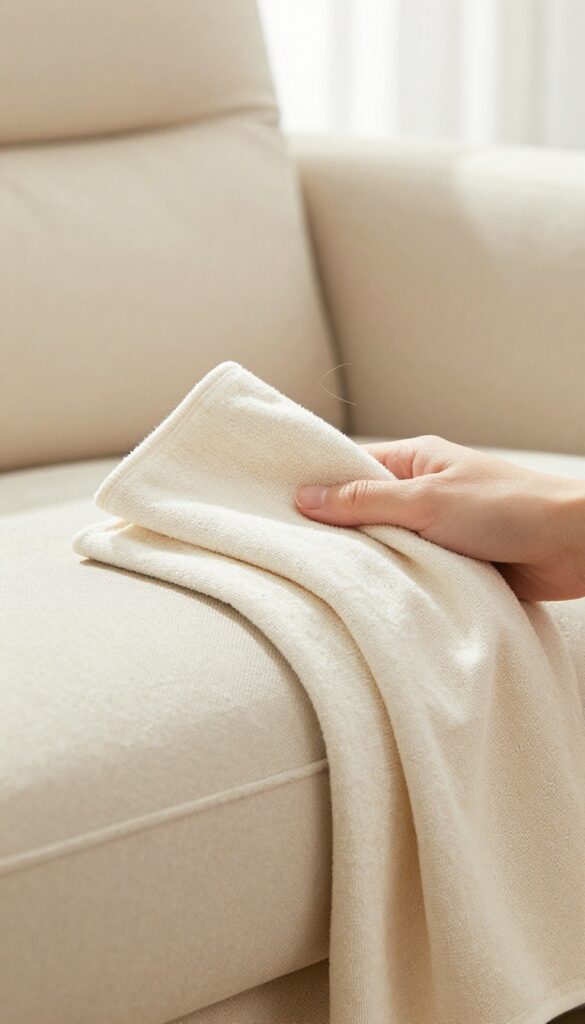
A dry microfiber cloth is one of the simplest yet most effective tools for keeping your couch looking fresh between deep cleans. Unlike a regular rag or paper towel, microfiber has an electrostatic charge that attracts dust, pet hair, and crumbs like a magnet. It lifts debris off the fabric instead of pushing it deeper into the fibers.
Grab a clean, dry microfiber cloth and gently wipe the surface in one direction. Avoid scrubbing back and forth—that can work debris into the weave. For stubborn pet hair, slightly dampen the cloth; the moisture helps clump the hair together so you can pick it up in one sweep.
This method works on most fabric types, including polyester, cotton, and microfiber suede. Make it a weekly habit to keep dust and dander from settling in.
Why Microfiber Works Best
Microfiber is made of ultra-fine split fibers that create a large surface area. These fibers trap particles as small as a micron—much smaller than what a cotton cloth can catch. The static charge also prevents dust from flying into the air, which is great for allergy sufferers.
Technique Tips
Always use a clean cloth—dirty microfiber just redistributes grime. Fold the cloth into quarters so you have multiple clean surfaces. Wipe in long, straight strokes following the fabric's grain.
For crevices and seams, wrap the cloth around a butter knife or credit card to reach deep.
When To Dampen The Cloth
For dry dust and hair, keep the cloth dry. For sticky residues or stubborn pet hair, lightly mist the cloth with water (not the couch). A slightly damp cloth picks up more without soaking the fabric.
Never use fabric softener on microfiber—it clogs the fibers and reduces effectiveness.
16. Vacuum with Brush Attachment for Maintenance
A couch can look clean on the surface while hiding dust, crumbs, and pet dander deep in the fibers. That buildup not only dulls the fabric but also grinds into the weave over time, causing premature wear. Weekly vacuuming with the right attachment is the easiest way to keep your couch looking fresh and extend its life.
Grab the upholstery brush attachment that came with your vacuum—it's designed to lift debris without damaging fabric. Run it over the entire couch, including the backrest, seat cushions, and arms. Pay extra attention to crevices and seams where crumbs and dust tend to collect.
For removable cushions, vacuum both sides and the space underneath. If you have pets, a rubber squeegee or a lint roller can help pick up stubborn hair before vacuuming. This simple habit prevents dirt from settling into the fibers and keeps stains from forming in the first place.
Why The Brush Attachment Matters
Using the wrong vacuum attachment—like a beater bar—can fray or pull threads on delicate fabrics. The upholstery brush has soft bristles that agitate the surface gently, loosening dirt so the suction can pull it away. It also helps prevent the dreaded 'vacuum lines' that can flatten the pile on certain materials.
How To Vacuum Crevices And Seams
These are the spots where dirt hides best. Use the crevice tool to get into tight spaces along the edges of cushions and where the back meets the seat. For seams, run the brush attachment along the stitching line.
You'll be surprised how much hidden debris comes out.
Frequency And Best Practices
Aim for once a week, or more often if you have pets or kids. Always check the manufacturer's care tag first—some fabrics require a specific vacuum technique. Empty your vacuum canister or replace the bag regularly to maintain strong suction.
A quick five-minute vacuum session can save you from deep cleaning down the road.
17. Fabric Protector Spray for Future Stains
You've put in the work to get your couch clean—now keep it that way. A fabric protector spray adds an invisible shield that repels liquids and prevents stains from setting in. It's a simple step that saves you from repeating the same deep-cleaning routine every time someone sneezes with a coffee cup nearby.
How Fabric Protectors Work
Most fabric protectors contain fluoropolymers or silicone that bond to the fibers and create a hydrophobic barrier. When a spill happens, the liquid beads up instead of soaking in, giving you time to blot it away. This doesn't make the fabric waterproof, but it drastically reduces the chance of a permanent stain.
Choosing The Right Spray
Not all protectors are the same. Look for one that's safe for your specific fabric type—check the label for compatibility with cotton, polyester, microfiber, or blends. Avoid sprays with strong chemical odors if you have allergies or pets.
Brands like Scotchgard and ForceField offer reliable options that are widely available.
Application Tips For Best Results
Always test the spray on a hidden area first to check for color changes or discoloration. Apply in a well-ventilated space, holding the can about 6 inches from the fabric. Use light, even coats and let it dry completely before using the couch.
Reapply every 6 to 12 months or after a deep clean to maintain protection.
18. Professional Cleaning for Tough Jobs
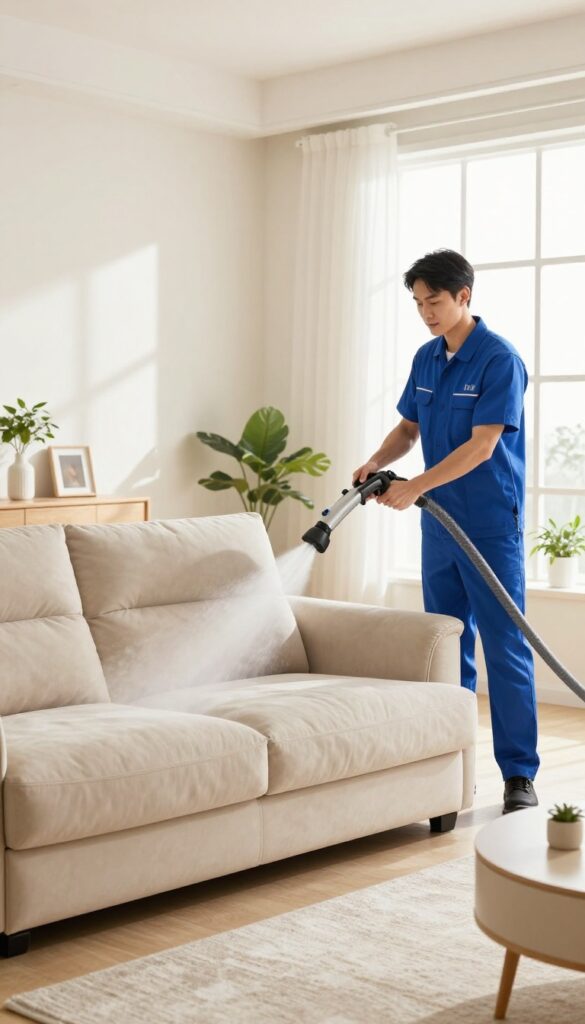
Sometimes, despite your best efforts, a couch just won't come clean. Maybe it's a decade of ground-in grime, a stubborn set-in stain, or a delicate fabric that scares you off. That's when it's smart to call in a pro.
Professional cleaners have industrial-grade equipment and specialized solvents that can tackle what household products can't. They can also identify fabric types and apply the right method without causing damage. It's an investment, but often cheaper than replacing a couch.
When To Wave The White Flag
If you've tried multiple DIY methods and the stain hasn't budged, or if the fabric is labeled "professional cleaning only, " it's time to hire someone. Also, if your couch has a musty odor or visible mold, professional cleaning is the safest route.
What To Expect From A Pro
Most services use hot water extraction (steam cleaning) or low-moisture encapsulation. They'll pre-treat stains, agitate the fibers, and extract dirt and solution. The couch may be damp for a few hours but dries faster than DIY methods.
They can also apply fabric protectors to extend cleanliness.
Choosing The Right Cleaner
Look for certified technicians who specialize in upholstery, not just carpet cleaners. Check reviews and ask about their process for your fabric type. Get a written estimate and ask about guarantees.
A good pro will be transparent about what they can and can't fix.
19. Spot Cleaning with a Toothbrush
When a small stain appears, you don't need to break out the heavy artillery. A soft toothbrush paired with a gentle cleaner can work wonders on localized spots. The bristles are firm enough to agitate the stain but soft enough to avoid damaging the fabric.
This method is perfect for targeted cleaning—think a drop of red wine, a smear of chocolate, or a muddy paw print. It's also great for reviving high-traffic areas like armrests or the center cushion where dirt gets ground in.
Choosing The Right Cleaner
Mix a few drops of mild dish soap with warm water, or use a dedicated upholstery cleaner. Test on a hidden area first to ensure no discoloration. Avoid bleach or harsh chemicals that can weaken fibers.
Technique Matters
Dip the toothbrush into the solution, then gently scrub the stain in a circular motion. Work from the outside in to prevent spreading. Blot excess moisture with a clean cloth afterward.
When To Use This Method
Spot cleaning with a toothbrush works best on fresh stains and small areas. For large or set-in stains, consider a deeper cleaning method. It's also ideal for delicate fabrics where aggressive scrubbing could cause damage.
20. Pillow Fluffing and Rotation
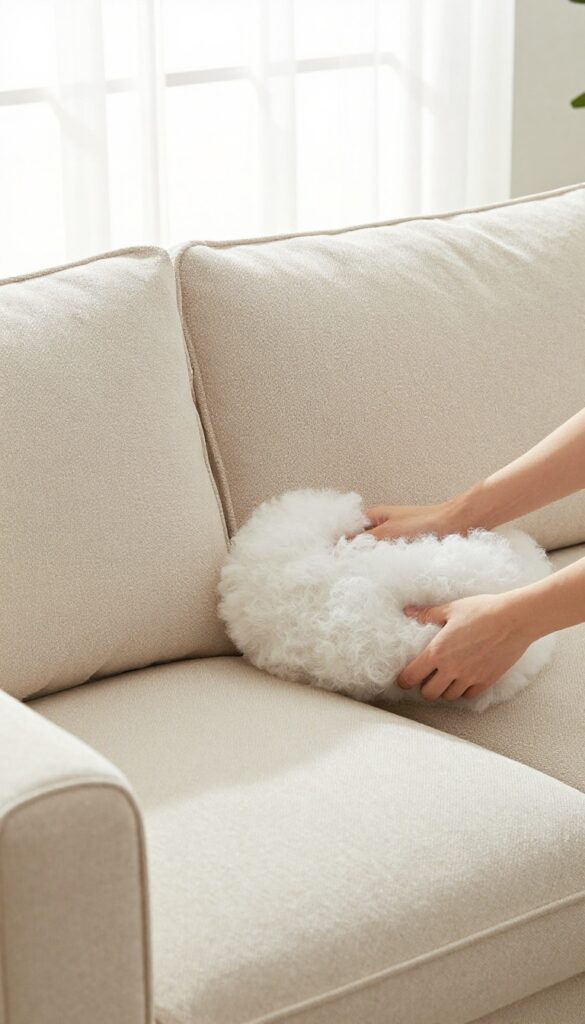
Your couch cushions take a beating every single day. The spot where you always sit gets compressed, while the corner nobody touches stays plump and new. Over time, that uneven wear makes the whole couch look lopsided and tired.
Fluffing and rotating cushions is the easiest habit you can adopt to keep your sofa looking fresh without any cleaning products at all.
This simple maintenance step redistributes the filling and evens out wear patterns. For foam cushions, flipping them over gives the top side a break and lets the foam rebound. For fiber-filled cushions, a good fluff mimics what you'd do with a pillow—just knead and punch the filling back into shape.
Make it part of your weekly routine, and you'll extend the life of your couch by months or even years.
How Often To Rotate
Aim to rotate cushions every two to four weeks, depending on how heavily the couch is used. In a busy family room, weekly rotation might be necessary. In a formal living room that sees less action, monthly is fine.
Set a reminder on your phone so it becomes automatic.
The Right Technique
For seat cushions, lift them off and swap positions—left to right, front to back. For back cushions, simply flip them over if they're reversible, or rotate them side to side. With fiber-filled cushions, grasp opposite corners and give a vigorous shake before placing them back.
This redistributes the filling evenly.
Bonus: Vacuum While You're At It
When you remove cushions for rotation, take 30 seconds to vacuum the exposed crevices. Crumbs, pet hair, and dust collect in those gaps. A quick pass with the crevice tool keeps the whole couch cleaner and reduces allergens.
FAQ
Can I use bleach on my fabric couch?
No, bleach can discolor and damage most upholstery fabrics. Stick to mild cleaners or those recommended for your fabric type.
How often should I clean my couch?
Vacuum weekly and spot-clean spills immediately. Deep clean every 6-12 months, or more often if you have pets or kids.
What's the best way to remove pet urine smell?
Use an enzyme cleaner specifically designed for pet stains. It breaks down the proteins that cause odor.
Can I machine wash couch cushion covers?
Check the care label. Many removable covers are machine washable on a gentle cycle, but air dry to avoid shrinkage.
How do I prevent water rings after cleaning?
Blot excess moisture with a dry cloth and allow the couch to air dry completely. Avoid sitting on it until dry.
Conclusion
Keeping your couch clean doesn't require a professional or a cabinet full of expensive products. With these 20 solutions, you can tackle most stains and odors right at home. The key is acting quickly and matching the method to the mess.
A little regular maintenance goes a long way in preserving your couch's look and feel. Try a few of these ideas and enjoy a fresher, more inviting living space.