Your fabric couch takes a beating every day—spills, pet hair, dust, and body oils all settle into the fibers. Over time, that once-soft seating can feel grimy and look dull.
But you don't need expensive professional cleaning to bring it back to life. These 23 tips cover everything from quick daily maintenance to deep stain removal, all using common household items and a little elbow grease.
Whether you're dealing with a fresh spill or an old set-in mark, there's a solution here that will leave your couch feeling soft and looking fresh again.
1. Vacuum Weekly with the Right Attachment
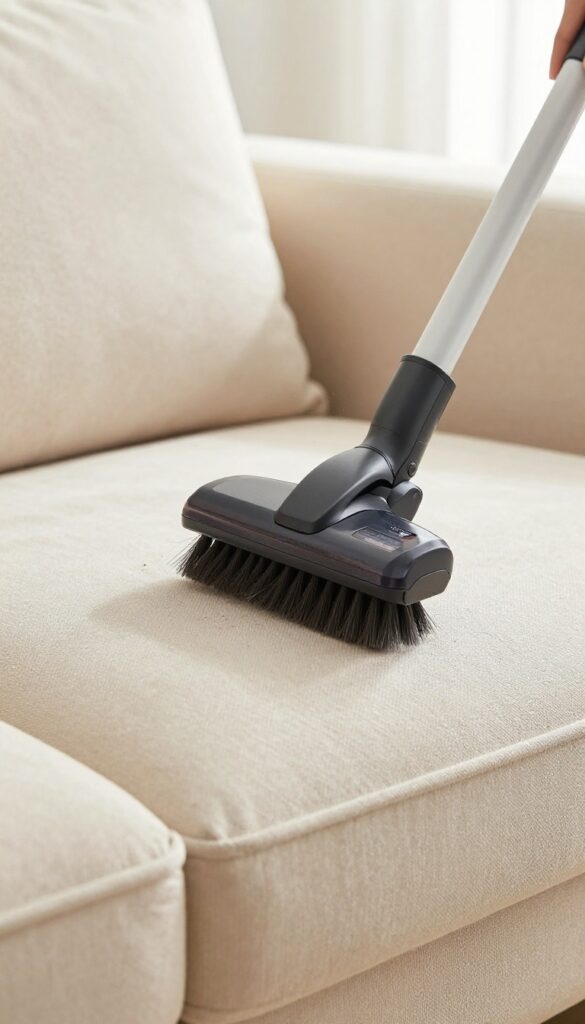
Vacuuming is the single most effective habit for keeping your fabric couch fresh. But not all vacuum attachments are created equal. The upholstery brush is your secret weapon—it lifts dust, crumbs, and pet hair without damaging the fibers.
Skipping this step lets debris settle deep into the fabric, where it grinds against the weave and causes premature wear. A quick weekly pass makes a huge difference.
Why The Upholstery Brush Matters
The upholstery brush has soft bristles that gently agitate the fabric, loosening embedded particles. Unlike the bare floor nozzle, it won't scratch or snag. It also creates a slight suction seal that pulls dirt from between fibers.
If you don't have one, most vacuums include it in the crevice tool set—or you can buy a universal one for under $10.
Technique: Slow And Overlapping Passes
Speed matters. Rushing over the surface only grabs surface-level debris. Instead, move the brush slowly in overlapping rows, like mowing a lawn.
Pay extra attention to crevices and seams where crumbs and pet hair accumulate. For removable cushions, vacuum both sides and the area underneath.
Don't Forget The Back And Sides
The backrest and armrests collect dust and body oils just as much as the seat. Run the upholstery brush over every fabric surface, including the back of the couch if it's accessible. This prevents a musty smell and keeps the whole piece looking uniform.
2. Blot Spills Immediately, Don't Rub
A fresh spill can feel like a crisis, but how you react in those first few seconds makes all the difference. The natural instinct is to scrub the spot, but that actually pushes the liquid deeper into the cushion fibers. Instead, stay calm and grab a clean, dry cloth.
Why Rubbing Makes It Worse
When you rub a spill, you're essentially grinding the liquid into the fabric. The fibers act like tiny straws, and rubbing forces the stain deeper into the padding underneath. This can turn a surface spill into a permanent set-in stain that's much harder to remove.
The Right Way To Blot
Place a clean, white cloth or paper towel over the spill and press down firmly. Let the cloth absorb the liquid for a few seconds, then lift it straight up. Repeat with a fresh area of the cloth until no more liquid transfers.
For thicker spills like wine or coffee, start from the outer edge and work inward to prevent spreading.
What To Do After Blotting
Once you've blotted up as much as possible, sprinkle a little baking soda over the damp area to absorb any remaining moisture and odors. Let it sit for 15 minutes, then vacuum it up. This simple step helps prevent residue and keeps your couch smelling fresh.
3. Test Cleaning Solutions on a Hidden Spot
You might be tempted to grab the nearest cleaner and start scrubbing a stain, but that can backfire big time. Some fabrics react poorly to certain chemicals, causing discoloration or even damage. That’s why a quick patch test is non-negotiable before you treat any visible area.
It takes just a few minutes and can save you from making a noticeable mistake.
Always check for colorfastness on an inconspicuous area before applying any cleaner to the main surface. This simple step prevents accidental bleaching or color bleeding that could ruin your couch’s appearance.
Where To Test
Look for a spot that’s normally hidden, like under a cushion, behind a leg, or along the back edge. Dab a small amount of your chosen cleaner on a white cloth and blot the area. Wait about 10 minutes, then check for any color transfer or fabric change.
If the cloth picks up dye or the fabric looks faded, switch to a milder solution.
What To Watch For
Besides colorfastness, pay attention to texture changes. Some cleaners can stiffen fibers or leave a sticky residue. After the test, let the spot dry completely and feel it.
If it’s still soft and looks the same, you’re good to go. If not, try a different method.
When To Skip Testing
Never skip testing, even if the label says “safe for all fabrics. ” Manufacturer claims don’t account for every dye lot or wear pattern. The only exception is plain water—if you’re just using water, it’s generally safe, but testing still gives peace of mind.
4. Use Baking Soda to Absorb Odors
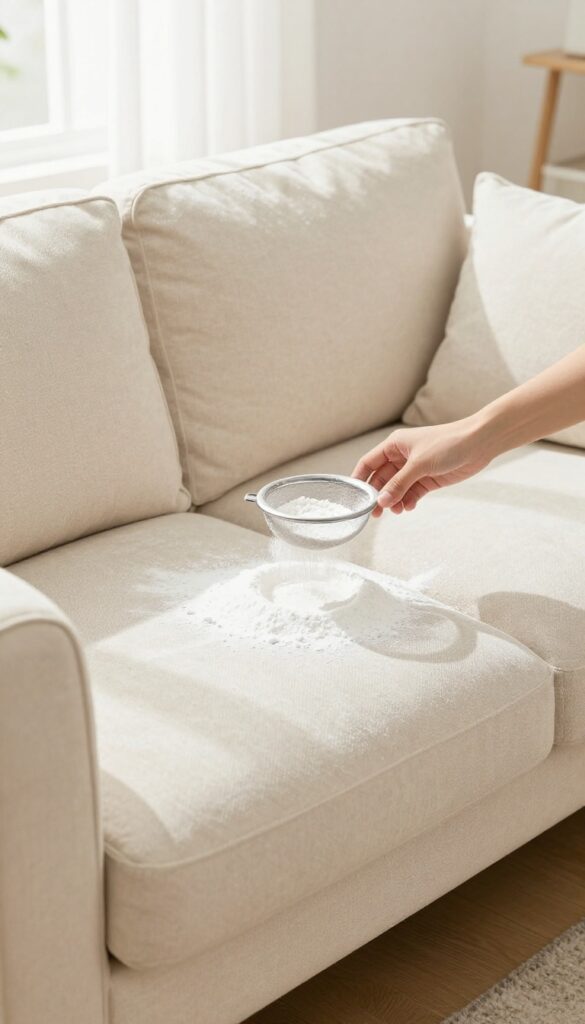
Baking soda is a powerhouse when it comes to neutralizing odors trapped in fabric. It's gentle, non-toxic, and works wonders on musty smells, pet odors, and even lingering smoke. Best of all, you probably already have a box in your pantry.
Sprinkle baking soda liberally over the entire couch, making sure to work it into the crevices and cushions. Let it sit for 15-20 minutes—longer if the odor is strong. Then vacuum thoroughly with an upholstery attachment.
This simple step can refresh your couch between deep cleans and keep it smelling clean.
Why Baking Soda Works
Baking soda is alkaline, which helps it react with and neutralize acidic odor molecules. It doesn't just mask smells—it chemically eliminates them. Plus, it's safe for most fabric types and won't leave residue if vacuumed properly.
How To Get The Best Results
For maximum odor absorption, make sure the couch is dry before applying baking soda. Use a sieve or flour sifter for an even sprinkle. Let it sit for at least 15 minutes, but an hour is even better.
Vacuum slowly and thoroughly, overlapping passes to pick up all the powder.
When To Repeat This Process
If your couch gets heavy use or you have pets, repeat this treatment every 2-4 weeks. You can also add a few drops of essential oil to the baking soda for a light scent, but test on an inconspicuous area first to avoid staining.
5. Make a DIY Upholstery Cleaner with Dish Soap and Vinegar
Store-bought upholstery cleaners can be pricey and full of chemicals you don't really need. A simple mix of dish soap, white vinegar, and warm water works just as well on most fabric couches. This homemade solution cuts through grime, lifts stains, and leaves your cushions smelling fresh without harsh residues.
Mixing your own cleaner is easy and cost-effective. Combine one cup of warm water, one tablespoon of white vinegar, and a few drops of mild dish soap in a spray bottle. Shake gently to combine.
Test on a hidden area first to ensure the fabric doesn't react badly. Spray lightly onto the soiled area, then blot with a clean cloth—never soak the fabric. This solution is safe for most synthetic and cotton blends, but avoid using it on delicate fabrics like silk or velvet.
Why This Combo Works So Well
Dish soap breaks down oils and dirt trapped in the fibers, while vinegar neutralizes odors and helps dissolve sticky residues. Warm water activates both ingredients without being harsh on the fabric. Together, they create a gentle but effective cleaner that won't leave a soapy film behind.
How To Apply It Right
Always start by vacuuming the couch to remove loose dirt. Spray the cleaner lightly onto the stain or soiled area—don't saturate. Use a microfiber cloth to blot, working from the outside of the stain inward.
Repeat if needed, then let the area air dry. For tougher stains, let the solution sit for five minutes before blotting.
When To Skip This Method
Avoid this cleaner on fabrics labeled as water-sensitive or that require dry cleaning only. Also skip it if your couch has a strong chemical smell after testing—some fabrics react poorly. In those cases, stick to a commercial upholstery cleaner designed for your specific fabric type.
6. Steam Clean for a Deep Refresh
A handheld steamer is a game-changer for fabric couches. It uses high-temperature steam to kill bacteria, loosen embedded dirt, and revive flattened fibers without harsh chemicals. The heat breaks down grime that vacuuming misses, leaving your seating feeling softer and smelling fresher.
Just make sure the fabric dries completely afterward to prevent mold or mildew.
Why Steam Works So Well
Steam penetrates deep into fabric fibers, loosening dirt and oils that stick over time. The high heat also kills dust mites, bacteria, and allergens—great for allergy sufferers. Unlike chemical cleaners, steam leaves no residue, so your couch feels clean, not sticky.
How To Steam Safely
First, check your couch’s cleaning code (S, W, WS, or X). Steam is safe for most fabrics except delicate ones like silk or velvet. Test a hidden area first.
Use a handheld steamer with a fabric attachment, moving in slow, overlapping strokes. Avoid soaking the fabric—steam until damp, not wet.
Drying Is Non‑negotiable
After steaming, let the couch air dry completely. Open windows or use a fan to speed things up. Sitting on damp fabric can cause wrinkles or mold.
Once dry, fluff the cushions and vacuum again to lift any loosened particles.
7. Treat Pet Stains with Enzyme Cleaner
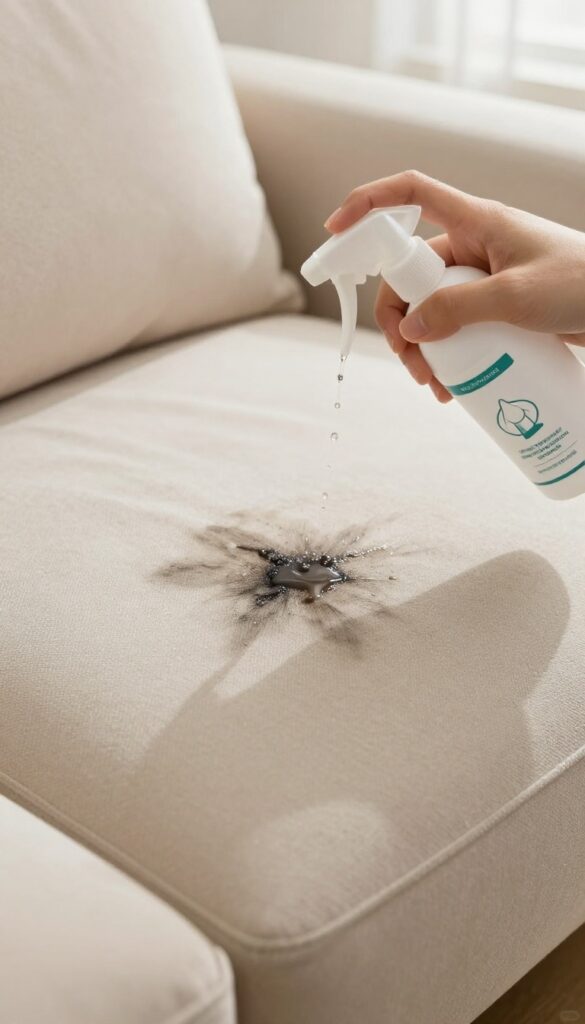
Pet accidents happen, even with the best-trained furry friends. When urine, vomit, or other organic messes soak into your couch, they leave behind proteins that cause stubborn stains and lingering odors. Standard cleaners often mask the smell temporarily, but enzyme cleaners actually break down those proteins at a molecular level, removing both the stain and the odor for good.
Enzymatic cleaners work by using natural enzymes to digest the proteins in organic stains. This process eliminates the source of the smell and prevents your pet from being attracted to the same spot again. For best results, use a cleaner specifically labeled for pet stains and follow the instructions carefully.
Why Enzyme Cleaners Work
Unlike regular cleaners that just cover up odors, enzyme cleaners contain proteins that target and break down the biological compounds in urine, vomit, and feces. These enzymes essentially eat away at the stain until it's gone. This makes them highly effective for deep-set pet stains that have already dried.
How To Apply Enzyme Cleaner
Blot up as much of the fresh mess as possible with paper towels. Then, saturate the stain with enzyme cleaner—don't just spray a little, really soak it. Let it sit for 10-15 minutes (or as directed on the bottle) to give the enzymes time to work.
Blot again with a clean cloth, then let the area air dry. Avoid using heat or steam, as that can set the stain.
Tips For Stubborn Or Old Stains
For dried or old stains, pre-treat by gently scraping off any residue. Apply the enzyme cleaner generously and let it sit longer—up to 30 minutes. You may need to repeat the process a few times for set-in stains.
Always test on a hidden area first to ensure the cleaner doesn't discolor your fabric.
8. Remove Ink Stains with Rubbing Alcohol
Ink stains on a fabric couch can feel like a permanent eyesore, but rubbing alcohol often dissolves them completely. This common household item breaks down the ink's chemical structure, making it easy to lift from the fibers without spreading the stain further. The key is to blot gently and avoid rubbing, which can push the ink deeper into the cushion.
Why Rubbing Alcohol Works
Rubbing alcohol is a solvent that dissolves many types of ink, including ballpoint pen and marker stains. It evaporates quickly, so it won't soak the cushion padding and cause mildew. The alcohol breaks the bond between the ink and the fabric, allowing you to transfer the stain to a clean cloth.
Step-by-step Blotting Technique
Start by placing a white cloth or paper towel under the stain to catch any ink that bleeds through. Dip a cotton ball in rubbing alcohol, then blot the stain gently—don't scrub. As the ink transfers to the cotton ball, switch to a fresh one.
Repeat until no more ink comes up, then let the area air dry.
Test First On Hidden Areas
Before you treat a visible spot, test the rubbing alcohol on a hidden part of the couch, like under a cushion or on the back. Some fabrics may react to alcohol, causing color fading or texture changes. Wait for the test spot to dry completely, then check for any damage before proceeding.
9. Fluff Cushions Regularly to Maintain Shape
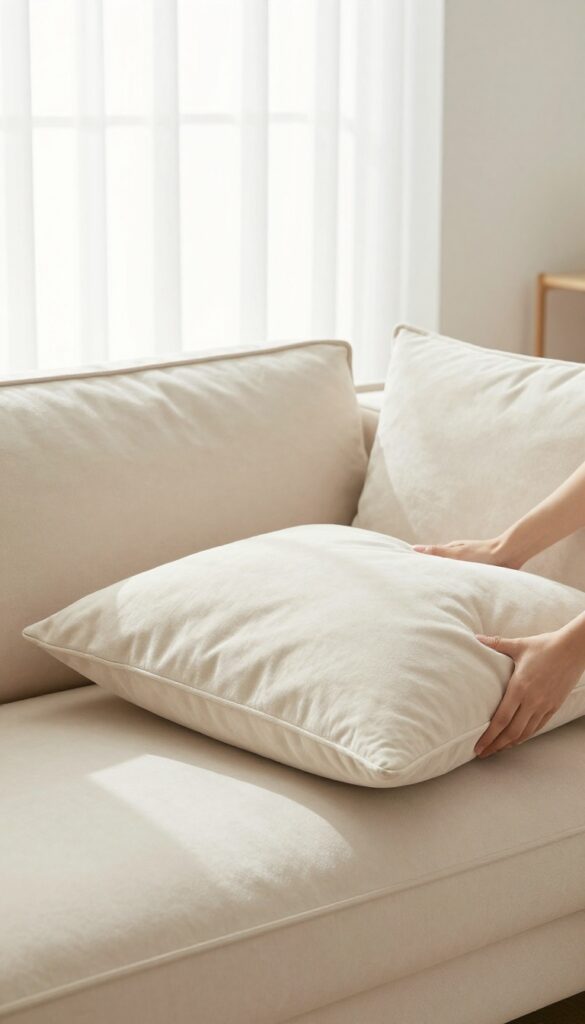
Your couch cushions take the brunt of daily use, and over time they can flatten out or develop uneven lumps. A simple weekly fluffing routine makes a big difference in keeping them supportive and comfortable. Rotating and flipping cushions distributes wear evenly so one side doesn't get all the pressure.
This small habit extends the life of your cushions and keeps your couch looking plump and inviting.
Why Fluffing Matters
Every time you sit down, the foam or fiberfill inside compresses. Over months, that compression becomes permanent, leading to sagging. Fluffing redistributes the filling and allows it to expand back to its original shape.
It also prevents body impressions from setting in, so your couch stays comfortable for years.
How To Fluff Different Fill Types
For foam cushions, simply remove them and press down firmly on each side to reshape. For fiberfill or down cushions, give them a good shake and punch them gently to break up clumps. If the cover is removable, you can also toss the cushion in the dryer on no heat with a couple of tennis balls to fluff them up.
Set A Weekly Reminder
Make it a habit to rotate and flip your cushions every week. Pick a day—like Sunday—and add it to your routine. While you're at it, vacuum the crevices and underneath the cushions to remove crumbs and dust.
This quick maintenance keeps your couch looking fresh and feeling soft.
10. Use a Lint Roller for Quick Pet Hair Pickup
Pet hair has a way of embedding itself deep into fabric couch fibers, making it look messy even after a quick wipe. While vacuuming is the go-to solution, it's not always convenient when you need a fast touch-up before guests arrive or just want to sit down without a fur coat. A lint roller is the ultimate grab-and-go tool for snatching loose hair from your couch in seconds.
It's cheap, disposable, and works on most fabric types without damaging the material. Keep one stashed in a side table drawer or next to your favorite seat for instant grooming.
A lint roller is perfect for catching surface-level pet hair that vacuum attachments might miss. The sticky sheets grab fur, dust, and even small crumbs, leaving your couch looking tidy between deeper cleanings. It's especially handy for high-traffic spots like the armrests or the cushion where your pet likes to nap.
For best results, roll in one direction rather than back and forth to avoid pushing hair deeper into the weave. Replace the sheet as soon as it loses tackiness. This method works on microfiber, cotton, polyester blends, and most synthetic upholstery.
Where To Keep Your Lint Roller
Store a lint roller within arm's reach of your couch—maybe in an end table drawer, a decorative basket, or even clipped to the side of a nearby shelf. The easier it is to grab, the more likely you'll use it daily. Some people keep one in the car or by the front door for quick touch-ups when coming in from a walk.
When To Use It Vs. Vacuuming
Use the lint roller for quick, visible hair removal between vacuum sessions. It's ideal for a five-second spiff before company arrives or when you just want a clean spot to sit. For deeper cleaning—especially if hair is ground into the fabric or mixed with dust—stick with a vacuum that has a brush attachment.
The lint roller is a supplement, not a replacement.
Choosing The Right Lint Roller
Standard lint rollers with adhesive sheets work fine, but you can also find reusable versions with washable sticky pads or silicone rollers that trap hair without disposables. For fabric couches, a medium-tack roller is best—too sticky might pull at loose threads, while too weak won't pick up fur. Test on an inconspicuous spot first if you're unsure.
11. Wash Removable Covers According to Care Labels
Many fabric couches come with zip-off covers that make deep cleaning surprisingly easy. Before you reach for any cleaning solution, check the care tag—it tells you exactly what your covers can handle. Following those instructions prevents shrinkage, fading, or damage, so your couch stays soft and fits perfectly.
Machine washing removable covers is one of the most effective ways to refresh your couch, but only if you do it right. Start by unzipping and removing all covers, including cushion covers and any attached skirts. Check the care label for water temperature and cycle recommendations—cold water is usually safest for most fabrics.
Use a gentle detergent without bleach or fabric softener, as softeners can leave a residue that attracts dirt. Wash similar colors together to avoid dye transfer. Once the cycle finishes, air dry the covers completely before putting them back on the couch.
Heat from a dryer can cause shrinkage, so lay them flat or hang them up. If the care label allows low heat, tumble dry briefly and remove while slightly damp to minimize wrinkles. Never put covers back on while wet—they can stretch or develop mildew.
This simple routine keeps your couch looking and smelling fresh without harsh chemicals.
Check The Care Label First
The care label is your best guide. Look for symbols indicating machine washability, water temperature, and drying method. If it says "dry clean only, " skip the washing machine and spot clean instead.
Ignoring these instructions can ruin the fabric or cause the cover to shrink beyond use.
Use Cold Water And Gentle Cycle
Cold water is gentle on fibers and prevents color bleeding. Select a delicate or gentle cycle to minimize agitation, which can cause pilling or stretching. Add a small amount of mild detergent—about half the usual amount—to avoid excess suds that are hard to rinse out.
Air Dry To Avoid Shrinkage
Heat is the enemy of removable covers. Air drying is the safest method: lay covers flat on a clean towel or hang them over a drying rack. If you must use a dryer, choose the lowest heat setting and remove covers while still slightly damp.
Stretch them gently back into shape before air drying completely.
12. Spot Clean Grease Stains with Cornstarch
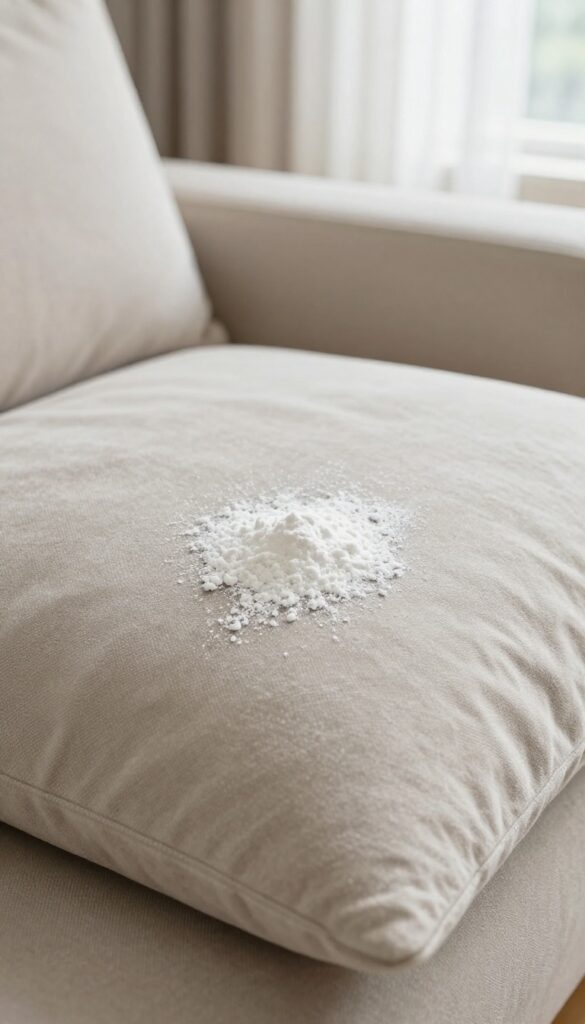
Grease stains from food, lotions, or body oils can make your couch look dirty even after a quick wipe. Cornstarch is a gentle, effective way to lift grease without harsh chemicals. It works by absorbing the oil right out of the fabric fibers, leaving no residue behind.
Cornstarch is a pantry staple that doubles as a powerful grease remover for fabric couches. Unlike liquid cleaners that can push grease deeper into the fibers, cornstarch absorbs it from the surface. This method is safe for most upholstery fabrics and requires no scrubbing that might damage the material.
Why Cornstarch Works On Grease
Cornstarch is a fine powder with a high absorbency rate. When sprinkled on a grease stain, it pulls the oil molecules away from the fabric. This process is gentle enough for delicate fabrics like linen or microfiber but effective enough for set-in stains.
Unlike baking soda, cornstarch doesn't leave a white residue that's hard to remove.
Step-by-step Application
Start by blotting any excess grease with a paper towel. Then generously sprinkle cornstarch over the stain, covering it completely. Let it sit for at least 15 minutes—longer for older or larger stains.
The cornstarch will form a paste as it absorbs the oil. After that, brush off the powder with a soft brush or cloth, then vacuum the area to remove every trace.
Tips For Best Results
For stubborn grease stains, gently press the cornstarch into the fabric with your fingers or a spoon. You can also repeat the process if the stain remains after the first treatment. Avoid rubbing the cornstarch in, as that can spread the grease.
Always test on an inconspicuous area first to ensure colorfastness.
13. Deal with Mold and Mildew Using White Vinegar
Mold and mildew can turn your cozy fabric couch into a health hazard and an eyesore. The musty smell and dark spots are not just unpleasant—they can trigger allergies and respiratory issues. White vinegar is a safe, natural, and highly effective solution that kills mold spores without harsh chemicals.
White vinegar's acetic acid breaks down mold and mildew at the root, preventing regrowth. It's gentle enough for most fabric types but tough on fungus. Always test on a hidden area first to ensure colorfastness, then follow these steps to restore your couch.
Apply Undiluted Vinegar
Fill a spray bottle with plain white vinegar—no need to dilute. Mist the affected areas generously until the fabric is damp but not soaked. The strong vinegar smell will fade as it dries, taking the musty odor with it.
Let It Sit
Allow the vinegar to penetrate for at least one hour. This dwell time is crucial for killing mold spores deep in the fibers. For stubborn spots, you can leave it on for up to two hours, but don't let it dry completely before blotting.
Blot And Dry In Sunlight
After an hour, blot the area with a clean, dry cloth to lift moisture and loosened mold. Then move the couch into direct sunlight if possible—UV rays are a natural mold killer. If you can't move it, open windows and use fans to speed up air drying.
Once fully dry, vacuum the area to remove any dead mold particles.
14. Use a Soft Brush to Restore Fabric Texture
Once your couch is clean and dry, the fabric might still feel flat or stiff. That's because cleaning can leave fibers matted down or slightly rough. A simple brushing with the right tool brings back that soft, plush feel and helps remove any leftover cleaning residue that can attract dirt.
Brushing is a finishing step that many people skip, but it makes a noticeable difference. It lifts the fibers, restores the fabric's original texture, and gives your couch a fresh, like-new appearance. Plus, it helps distribute any remaining cleaning solution evenly so there are no stiff spots.
Choose The Right Brush
Not all brushes work well on fabric couches. A soft-bristle brush—like a horsehair brush or a nylon brush with gentle bristles—is ideal. Avoid stiff brushes that can snag or damage the fibers.
For delicate fabrics like velvet or microfiber, use a brush specifically labeled for that material.
Brush In One Direction
Always brush in the same direction as the fabric's natural grain. This prevents creating uneven texture or visible streaks. Work in small sections, using light pressure, and lift the fibers with short, gentle strokes.
Over-brushing can wear out the fabric, so a few passes per area is enough.
Focus On High-traffic Areas
Seats, armrests, and back cushions see the most use and tend to flatten fastest. Give these areas extra attention with your soft brush. You can also use a fabric steamer before brushing to loosen fibers even more, but only if the fabric care label allows moisture.
15. Avoid Over-Wetting the Fabric
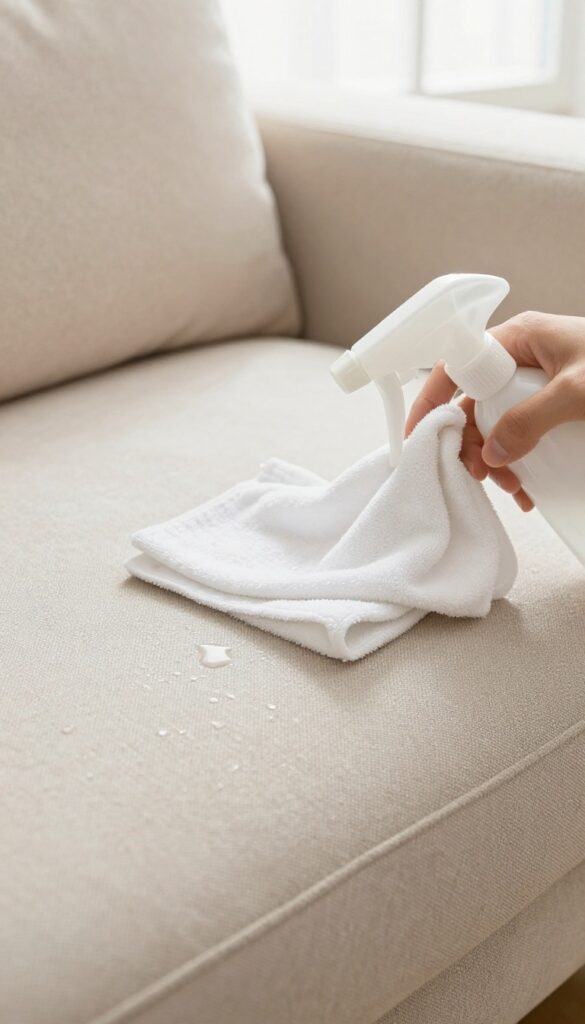
It's easy to think more water means a deeper clean, but with fabric couches, moisture is your frenemy. Too much liquid can soak into the cushion foam or backing, leading to mold, mildew, or stubborn water stains. The key is to clean efficiently without drowning the fibers.
Use A Spray Bottle For Control
Instead of pouring cleaner directly onto the fabric, fill a spray bottle with your cleaning solution. Mist the area lightly—just enough to dampen the surface without saturating it. This gives you full control and prevents puddles from forming.
Blot, Don't Rub
When you apply the cleaner, use a clean microfiber cloth to blot the spot gently. Rubbing can push moisture deeper into the cushion, while blotting lifts dirt and absorbs excess liquid. Repeat with a dry cloth until the area feels only slightly damp.
Dry Thoroughly Between Steps
If you need to treat a stain multiple times, let the fabric dry completely before reapplying. Use a fan or open a window to speed up drying. This prevents moisture buildup and keeps your couch fresh instead of musty.
16. Protect Fabric with a Scotchgard Spray
You've put in the work to clean your couch—now keep it that way. A fabric protector like Scotchgard adds an invisible shield that repels liquids and prevents stains from setting in. It's a simple step that buys you time to blot spills before they become permanent.
Applying a fabric protector is one of the smartest preventive measures you can take. It creates a barrier that causes spills to bead up rather than soak into the fibers. This gives you precious seconds to blot them away.
Reapply after each deep clean because the protection wears off over time.
Choose The Right Protector
Not all fabric protectors are the same. Look for a water-based, non-toxic spray that's safe for upholstery. Scotchgard's Fabric & Upholstery Protector is a popular choice.
Test it on an inconspicuous area first to make sure it doesn't darken or stiffen the fabric.
Apply Evenly And Let It Dry
Hold the can about 6 inches from the fabric and spray in a sweeping motion. Cover the entire surface lightly—don't soak it. Let the couch dry completely, ideally for 24 hours, before using it.
Open windows or run a fan to speed up drying and reduce fumes.
Reapply After Deep Cleaning
Deep cleaning removes dirt but also strips away the protective layer. So after you've shampooed or steam-cleaned your couch, wait until it's fully dry, then apply a fresh coat of fabric protector. This keeps your couch resistant to future spills.
17. Remove Crayon Marks with WD-40
Kids and crayons are a colorful combo—until that waxy streak ends up on your fabric couch. Crayon marks can look stubborn, but you don't need harsh chemicals to lift them. WD-40, the same stuff you use on squeaky hinges, works surprisingly well on wax-based stains.
It breaks down the wax and lets you wipe it away without damaging the fabric.
Why Wd-40 Works On Crayon Stains
Crayons are made of wax and pigment. The wax binds to fabric fibers and resists regular soap. WD-40 contains solvents that dissolve wax, loosening its grip.
Once the wax is broken down, the pigment lifts off with it. This makes WD-40 a gentle but effective option for most fabric types.
How To Apply Wd-40 Safely
First, test WD-40 on a hidden spot of your couch to check for colorfastness. Spray a small amount onto a clean white cloth—never directly onto the couch to avoid oversaturation. Gently dab and rub the crayon mark in a circular motion.
As the wax dissolves, you'll see it transfer to the cloth. Switch to a clean area of the cloth as needed.
Finishing Up With Soapy Water
After the crayon mark is gone, WD-40 leaves a slight oily residue. Mix a few drops of mild dish soap with warm water. Dip a clean cloth into the solution, wring it out well, and wipe the treated area.
This removes any leftover oil and solvent. Finally, blot with a dry cloth to absorb moisture. Let the spot air dry completely.
18. Freshen Fabric with a Vodka Spray
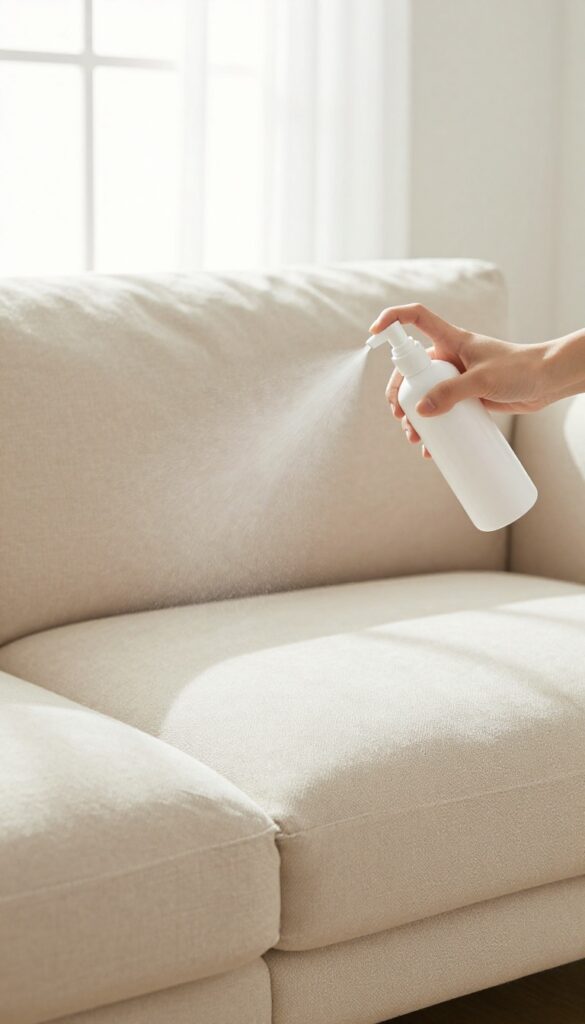
Vodka isn't just for cocktails—it's a surprisingly effective fabric deodorizer. Because it's a clear, high-proof alcohol, vodka kills odor-causing bacteria without leaving any residue or strong smell behind. When mixed with water, it becomes a gentle, fast-drying spray that lifts smells from deep within the fibers.
This trick works wonders on musty couches, pet odors, or just that vague “lived-in” scent that builds up over time.
Mix equal parts vodka and water in a spray bottle. Lightly mist the couch to neutralize odors without wetting it heavily. The alcohol evaporates quickly, taking the stink with it.
Unlike commercial fabric sprays that mask smells with perfume, vodka actually eliminates them. Test on an inconspicuous spot first, then spritz the whole sofa. Let it air dry for 15–20 minutes—your couch will smell like nothing, which is exactly the point.
Why Vodka Works So Well
Vodka's high alcohol content (at least 80 proof) is a natural disinfectant. It breaks down the volatile organic compounds that cause odors, and because it evaporates almost instantly, it doesn't leave the fabric damp. That means no risk of mold or mildew, unlike water-based sprays.
Plus, it's colorless and odorless once dry, so it won't alter the look or feel of your couch.
How To Apply It Right
Use a fine-mist spray bottle and hold it about 6–8 inches from the fabric. Mist lightly—you want a fine fog, not a wet spot. Work in sections, and don't oversaturate.
If the couch is heavily soiled, vacuum first to remove dust and debris. For stubborn odors, you can increase the vodka-to-water ratio to 2: 1, but the standard 1: 1 mix is plenty for most freshening jobs.
When To Use This Method
This spray is perfect for routine deodorizing between deep cleans. Use it after a party, when you've had pets on the couch, or if the room feels a bit stale. It's also a great quick fix for spot odors—like a spilled drink that left a smell but no stain.
Just don't rely on it for heavy grime or set-in stains; that's what the other tips in this article are for.
19. Use a Microfiber Cloth for Dusting
Dust might seem harmless, but it actually grinds into fabric fibers over time, making your couch look worn and feel rough. A quick weekly dusting with the right cloth can prevent that buildup and keep your seating soft. Microfiber is the unsung hero here.
Its split fibers create a static charge that grabs dust and dirt particles, trapping them instead of pushing them around. Plus, it's gentle enough for any fabric type—no scratches, no pilling.
Why Microfiber Works Best
Regular cotton cloths just push dust into the air or deeper into the fabric. Microfiber's electrostatic action pulls particles out of the weave and holds onto them until you wash the cloth. It's also lint-free, so you won't leave fuzz behind.
How To Dust Effectively
Use a clean, dry microfiber cloth. Start at the top of the couch and work your way down, using long, sweeping motions. Pay extra attention to crevices and seams where dust hides.
Flip the cloth often to use a fresh side.
When To Wash Your Cloth
After each dusting session, toss the microfiber cloth in the laundry. Avoid fabric softener—it coats the fibers and reduces their static charge. Air-dry or tumble on low heat.
20. Tackle Red Wine Stains with Salt
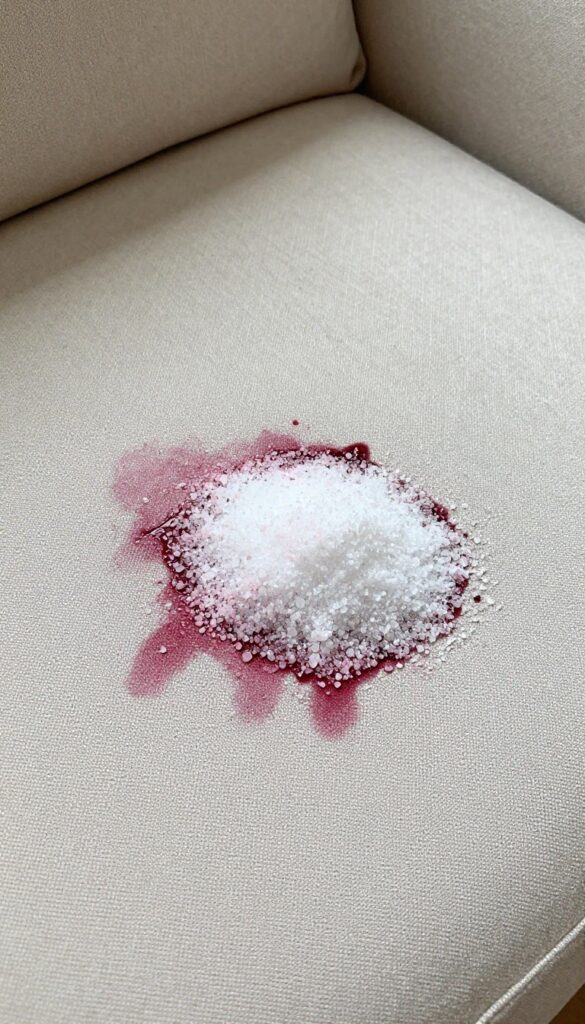
Red wine on a light fabric couch is a heart-stopping moment. But before you panic, reach for the salt shaker. This common kitchen staple can lift the stain before it sets, saving your seat from a permanent purple mark.
Act fast when red wine spills. Grab a clean, dry cloth and blot up as much liquid as possible without rubbing. Then pour a generous layer of table salt directly over the stain, covering it completely.
The salt absorbs the wine, pulling it up from the fibers. Let it sit for 10 minutes—you'll see the salt turn pink as it works. Vacuum up the salt and repeat if any stain remains.
For older stains, make a paste of salt and water, apply it, let it dry, then vacuum.
Why Salt Works So Well
Salt is naturally absorbent and draws moisture out of fabric. It's gentle on fibers, so it won't damage your couch like harsh chemicals might. Plus, it's always in your pantry, no special cleaner needed.
Step-by-step: Fresh Spill Rescue
Blot the spill gently with a clean cloth to remove excess wine. Pour salt directly onto the stain, making a thick layer. Wait 10 minutes for the salt to soak up the wine.
Vacuum thoroughly. If a faint mark remains, repeat the process.
What About Set-in Stains?
For dried wine stains, mix salt with a little water to form a paste. Spread it over the stain and let it sit until dry. Vacuum away the salt.
Follow up with a fabric-safe stain remover if needed. Test on an inconspicuous area first.
21. Keep the Couch Out of Direct Sunlight
Sunlight streaming through a window looks nice, but it's tough on fabric. UV rays break down fibers over time, causing fading and weakening the material. That sunny spot might be cozy, but it's slowly damaging your couch.
Protecting your seating from direct sun doesn't mean living in a dark room. A few simple adjustments can block the harshest rays while still letting in light. Your couch will stay vibrant and strong for years longer.
Position your couch away from south- or west-facing windows if possible. If that's not an option, use window treatments strategically. Blinds, curtains, or UV-blocking window film can cut out the most intense sun during peak hours—usually 10 a. m. to 4 p. m.
Rotating cushions also helps. If one side gets more sun, flip or swap cushions regularly so fading is even. This keeps the whole couch looking uniform instead of patchy.
Window Treatments That Work
Sheer curtains filter light without making the room feel closed in. For stronger protection, go with blackout curtains or cellular shades. They block most UV rays and also help with temperature control.
If you prefer an open look, apply UV-blocking film directly to the glass—it's nearly invisible but stops up to 99% of harmful rays.
Rearrange When Possible
If your couch is fixed in a sunny spot, consider moving it a few feet away from the window. Even a small shift can reduce direct exposure. Another option: place a tall plant or a decorative screen between the window and the couch.
It adds style and acts as a sun shield.
Protect With Throws And Covers
Use a light-colored throw blanket or a fabric protector spray on areas that get the most sun. Throws can be washed or replaced easily, while protectors add a layer that reflects some UV. Just make sure the product is safe for your fabric type.
22. Use a Fabric Shaver to Remove Pilling
Pilling is those tiny fuzz balls that form on high-traffic areas of your couch. They make the fabric look old and worn, even if the cushions are still in great shape. The good news is that removing them is quick and satisfying with the right tool.
A fabric shaver is a small, handheld device that gently trims away pills without damaging the fibers. It's like giving your couch a close shave. Work in sections, moving the shaver in circular motions over the pilled areas.
Empty the lint collector often so it stays effective. Afterward, run your hand over the fabric to check for any missed spots. Your couch will look noticeably smoother and fresher.
Choose The Right Shaver
Look for a fabric shaver with adjustable height settings so you can match the fabric's thickness. Models with a lint trap and rechargeable battery are convenient. Avoid cheap ones that might snag or tear the fabric.
Prep The Couch First
Vacuum the couch thoroughly before shaving. This removes loose dirt and debris that could clog the shaver or cause uneven trimming. Make sure the fabric is dry and free of any sticky spots.
Work Gently On Delicate Fabrics
For delicate fabrics like linen or chenille, use a light touch and test on an inconspicuous area first. Keep the shaver moving to avoid pressing too hard in one spot. If the fabric pills heavily, take breaks to prevent overheating.
Maintain Your Shaver
Clean the blade and lint collector after each use. Most shavers come with a small brush for this. A well-maintained shaver lasts longer and works better.
Replace blades when they get dull.
23. Schedule a Professional Cleaning Once a Year
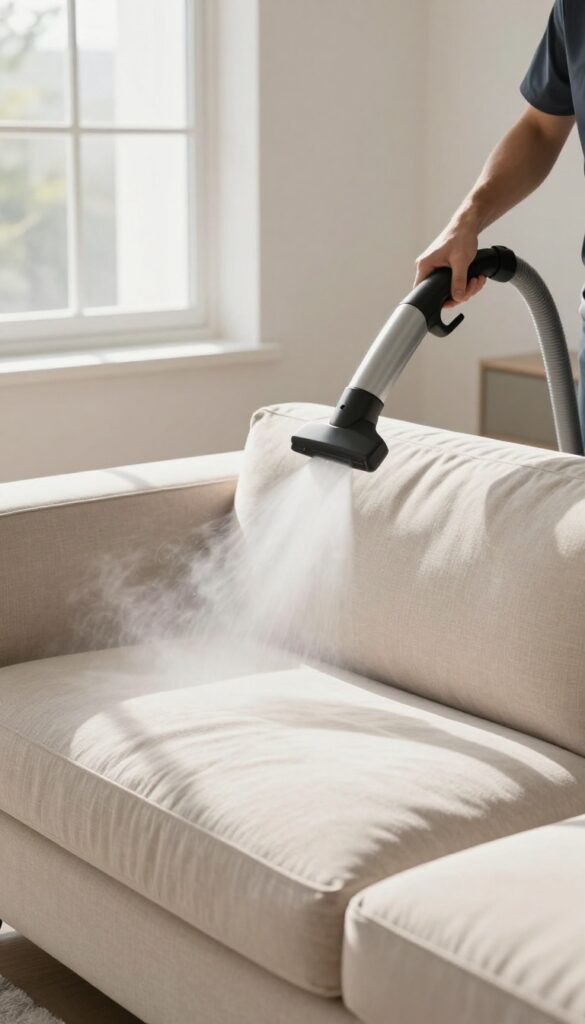
Even with the best at-home care, your couch accumulates deeply embedded dirt, oils, and allergens over time. A yearly professional hot water extraction cleaning can reset your fabric, restoring softness and freshness that surface cleaning just can't reach.
Think of professional cleaning as a deep reset for your couch. While your weekly vacuuming and spot treatments handle surface issues, a hot water extraction machine forces heated cleaning solution deep into the fibers, then vacuums out the dirty water along with years of trapped grime. This process not only lifts stubborn stains but also removes dust mites, pet dander, and other allergens that can irritate sensitive noses.
Most manufacturers recommend this service every 12 to 18 months to maintain warranty coverage and keep fabric looking its best. The cost is usually between $100 and $300 depending on couch size and your location, which is far less than replacing a worn-out sofa.
What Hot Water Extraction Actually Does
Unlike steam cleaning, which uses dry vapor, hot water extraction injects a mixture of water and cleaning solution under pressure. The agitation loosens dirt and the powerful vacuum pulls it all out. This method is approved by most fabric manufacturers and is the only way to remove deeply embedded soil without damaging fibers.
How To Choose A Reliable Pro
Look for cleaners who use truck-mounted units (stronger suction) and who are certified by the Institute of Inspection, Cleaning and Restoration Certification (IICRC). Ask about their cleaning solutions—avoid those that leave sticky residues that attract more dirt. Read reviews and request a quote that includes pre-treatment of stains and furniture moving.
Prepping Your Couch For The Appointment
Remove all cushions, pillows, and removable covers. Vacuum every crevice to pick up loose debris. Point out any specific stains or problem areas to the technician.
Move small furniture and rugs out of the way so they can access the couch from all sides. After cleaning, let the couch dry completely—usually 6 to 12 hours—before sitting on it or replacing cushions.
FAQ
How often should I clean my fabric couch?
Vacuum weekly and spot clean spills immediately. Deep clean every 6-12 months, depending on usage.
Can I use bleach on my fabric couch?
No, bleach can damage fabric fibers and cause discoloration. Stick to mild cleaners like dish soap and vinegar.
What is the best way to remove pet hair from a couch?
Use a lint roller, a damp rubber glove, or a vacuum with an upholstery attachment. Regular vacuuming prevents buildup.
How do I get rid of musty smells from my couch?
Sprinkle baking soda, let it sit for a few hours, then vacuum. For persistent odors, use an enzyme cleaner or steam clean.
Can I machine wash my couch cushions?
Only if the care label says it's safe. Use cold water and air dry to prevent shrinkage or damage.
Conclusion
Keeping your fabric couch clean doesn't have to be a chore. With these 23 tips, you can handle everything from daily dust to stubborn stains without breaking a sweat. A little regular care goes a long way in preserving that soft, fresh feel you love.
So pick a tip that matches your current couch crisis and give your seating the attention it deserves. Your couch will thank you with years of comfortable, clean service.