A fresh, clean couch makes the whole room feel better. But upholstery collects dust, spills, and odors faster than you'd think. The good news?
You don't need professional help to keep it looking great. These 20 ideas focus on everyday freshness—simple habits and quick fixes that prevent buildup and tackle messes as they happen. No complicated routines, just practical steps that work.
Whether you have fabric, microfiber, or velvet, these tips will help your furniture stay inviting and extend its life. Let's dive into the ideas that make a real difference.
1. Vacuum Weekly with the Right Attachment
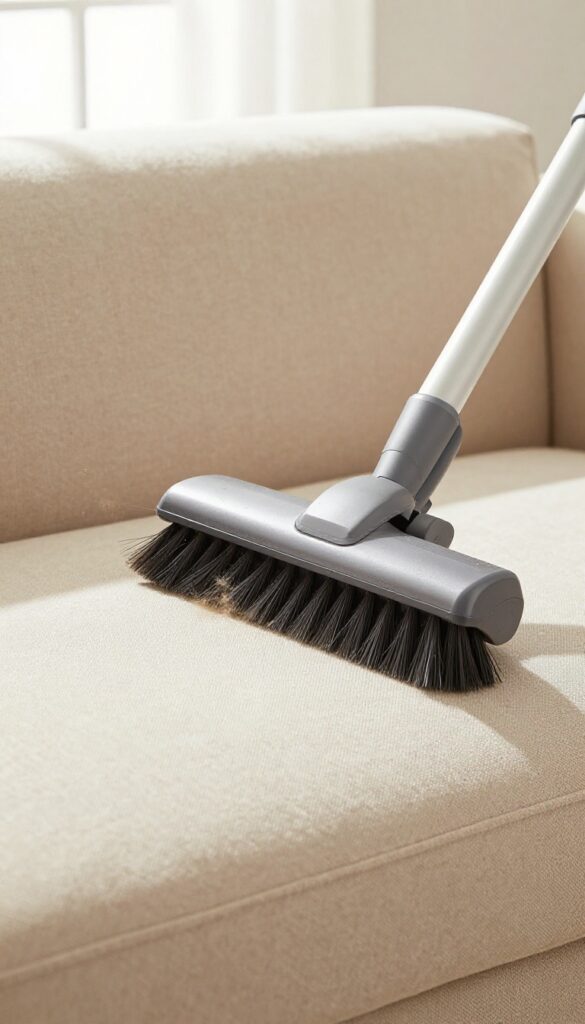
Dust and debris settle into upholstery faster than you notice. A quick weekly vacuum with the right attachment keeps fibers fresh and prevents dirt from grinding in. It's the single easiest habit for long-term cleanliness.
Most couch grime comes from everyday dust, pet hair, and crumbs. Using the upholstery brush attachment lifts particles without damaging fabric. Pay extra attention to crevices and seams where debris hides.
For pet owners, a rubber brush or squeegee helps pull embedded hair loose before vacuuming.
Why The Upholstery Brush Matters
The wide, soft bristles of an upholstery brush are designed to loosen and lift dirt from fabric without pushing it deeper. Using a bare floor or crevice tool can actually grind particles into the weave, causing premature wear. The brush also helps fluff the fibers, keeping your couch looking plush.
How To Vacuum Seams And Crevices
Crumbs and dust love to collect along seams, under cushions, and around armrests. Use the crevice tool for these tight spots once a month. For a deeper clean, remove cushions and vacuum both sides, plus the base underneath.
This prevents hidden buildup that can cause odors.
2. Blot Spills Immediately—Don't Rub
A spill happens fast, and your first instinct might be to scrub it away. But rubbing is the worst thing you can do. It grinds the liquid deeper into the fabric and can fray the fibers, leaving a permanent mark.
Blotting, on the other hand, lifts the spill out without damaging the upholstery. Keep a clean, white cloth or paper towels handy near your couch so you're never caught off guard.
Blotting is simple but requires the right technique. Press the cloth firmly onto the spill and hold for a few seconds to let the fabric absorb the liquid. Lift the cloth straight up—don't wipe.
Repeat with a fresh dry area of the cloth until no more moisture transfers. If the spill is sticky or sugary, follow up with a dab of mild soap solution on a damp cloth, then blot again with a dry cloth. Always test any cleaner on a hidden spot first.
Why Rubbing Makes It Worse
When you rub, you push the liquid deeper into the cushion or backing, where it can cause mold or odor. The friction also loosens the weave of the fabric, creating a fuzzy or worn spot. Over time, repeated rubbing fades the color and leaves a rough texture that's impossible to reverse.
The Right Blotting Technique
Start from the outside of the spill and work inward to prevent spreading. Use a white cloth so no dye transfers onto your furniture. Apply gentle pressure—no need to press hard.
For larger spills, place a stack of paper towels on the area and weigh them down with a book for a few minutes to absorb maximum liquid.
What To Do After Blotting
Once you've blotted up as much as possible, let the area air dry completely. Avoid using a hair dryer or heater, which can set the stain. If a residue remains, mix a few drops of dish soap with water, dip a cloth in the solution, wring it out well, and blot the spot.
Follow with a dry cloth to remove excess moisture.
3. Use a Lint Roller for Quick Pickups
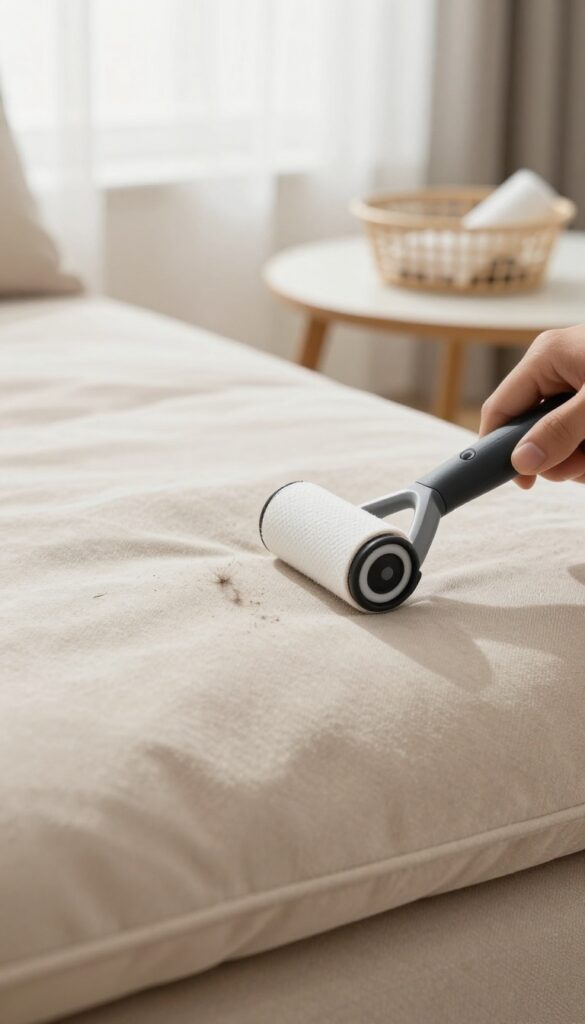
You don’t always need a full vacuum session to keep your couch looking fresh. A lint roller is one of the simplest tools for grabbing surface debris between deeper cleanings. Keep one in an end-table drawer or a nearby basket so it’s always within reach.
Pet hair, dust bunnies, and crumbs love to settle into fabric. A few quick rolls over the seat cushions and armrests can make a noticeable difference. It’s especially handy before guests arrive or when you just want a quick refresh.
Lint rollers work best on smooth and medium-texture fabrics like microfiber, cotton, and polyester blends. They’re less effective on heavily textured or nubby materials, but still worth a try. For best results, roll in one direction to avoid pushing debris deeper into the fibers.
Make it a habit to do a quick pass every couple of days. This prevents buildup from becoming embedded, which makes future deep cleaning easier. It also keeps your upholstery looking tidy with minimal effort.
Choose The Right Roller
Standard adhesive lint rollers work fine for most fabrics. If you have a velvet or delicate material, opt for a fabric-friendly version with gentler adhesive. Reusable lint rollers with washable sticky surfaces are also available and more eco-friendly.
Target High-traffic Areas
Focus on spots where people sit most often and where pets like to lounge. Armrests, headrests, and the front edge of seat cushions collect the most dust and hair. A quick roll over these areas keeps them looking fresh between vacuum sessions.
Combine With Other Quick Tools
Pair your lint roller with a soft brush or a slightly damp microfiber cloth for stubborn spots. The roller grabs loose debris, while the brush or cloth lifts embedded dust. This combo takes just a minute and leaves your upholstery noticeably cleaner.
4. Flip and Fluff Cushions Regularly
Cushions take the brunt of daily use, so they need a little attention to stay looking good. Rotating and flipping them weekly distributes wear evenly, preventing one side from flattening out. Fluffing also helps the filling bounce back, keeping your couch comfortable and supportive for longer.
Make it a habit to flip and rotate cushions every week. If your cushions are reversible, flip them over and also rotate them front to back. For non-reversible cushions, just rotate them.
While you're at it, give each cushion a good fluff by punching and squeezing it to redistribute the filling. This simple step can add months to your furniture's life.
Why It Matters
Sitting in the same spot day after day compresses the foam or fiberfill, creating permanent sags. Rotating cushions spreads the pressure across different areas, so no single part wears out too fast. Fluffing restores loft and shape, making your couch feel like new.
How To Fluff Without Damaging
Use your hands to knead and punch the cushion gently—avoid beating it hard. For cushions with loose fill, unzip the cover and manually redistribute the stuffing. If the filling has clumped, break it apart before zipping back up.
When To Do It
Pick a day each week—maybe Sunday or trash day—and make it part of your routine. Set a phone reminder if you need to. Consistency is key; once a week is enough to prevent major sagging.
5. Spot Clean with Mild Soap and Water
Not every stain needs a heavy-duty cleaner. In fact, most fresh spills and everyday marks come out easily with a simple soap-and-water solution. This gentle method works on fabric upholstery, microfiber, and many synthetics—without leaving behind harsh chemical residues or strong odors.
Mix a few drops of dish soap with water, dip a cloth, and blot stains gently. Test on a hidden area first to ensure colorfastness.
Mix The Right Solution
Use a few drops of mild dish soap (like Dawn or a clear castile soap) in a cup of lukewarm water. Stir gently to avoid creating too many suds. Too much soap can leave a sticky residue that attracts dirt.
Less is more here.
Blot, Don’t Scrub
Dip a clean white cloth or microfiber towel into the solution, wring it out well, and blot the stain from the outside in. Scrubbing pushes the stain deeper into the fibers. Blotting lifts it out.
Repeat with a fresh part of the cloth as needed.
Rinse And Dry
After the stain lifts, dampen a clean cloth with plain water and blot the area to remove any soap residue. Then use a dry towel to absorb excess moisture. Let the spot air dry completely, then fluff the fibers with your fingers or a soft brush.
6. Deodorize with Baking Soda
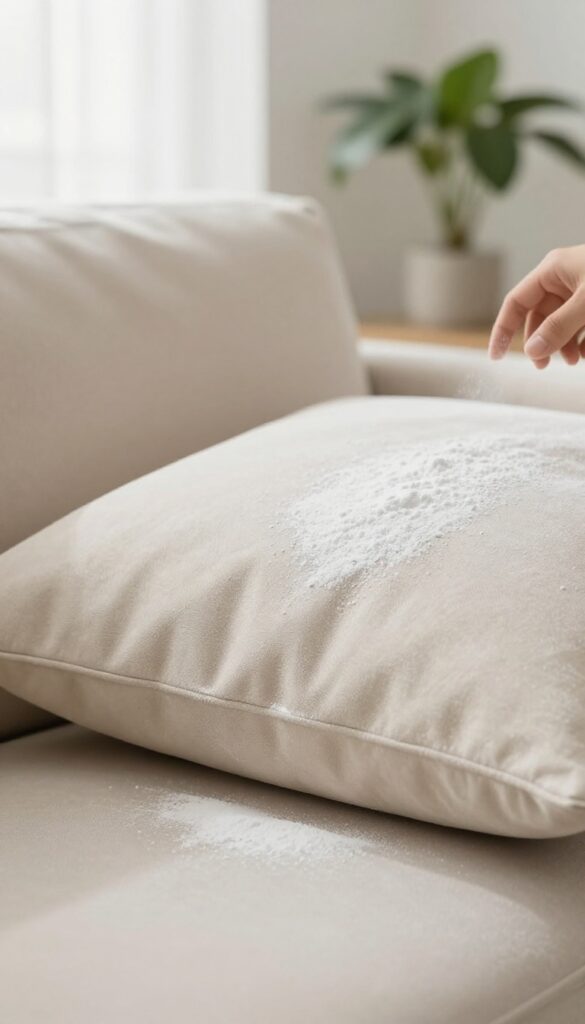
Over time, upholstery can trap odors from pets, cooking, or just daily living. Instead of masking smells with sprays, baking soda offers a simple, chemical-free way to absorb them. It's a pantry staple that works quietly in the background, leaving your furniture smelling fresh without any heavy fragrances.
Sprinkle baking soda generously over the entire surface of the upholstery, focusing on areas that get the most use. Let it sit for 15-20 minutes to allow the powder to absorb odors. Then, vacuum thoroughly using an upholstery attachment to remove every trace.
For deeper deodorizing, you can leave it on for up to an hour.
Why Baking Soda Works
Baking soda is a natural odor neutralizer. It doesn't just cover up smells; it chemically binds with odor molecules and lifts them away. This makes it especially effective for musty or stale smells that linger in cushions and fabric fibers.
Tips For Best Results
Always test baking soda on a hidden spot first to ensure it doesn't discolor the fabric. For stubborn odors, add a few drops of essential oil (like lavender or lemon) to the baking soda before sprinkling. Let the mixture sit for 30 minutes before vacuuming.
Also, make sure the upholstery is dry before applying, as moisture can cause clumping.
When To Repeat
For high-traffic areas or homes with pets, repeat this process every two weeks. You'll notice a significant difference in how fresh the room smells. It's a quick, low-effort habit that pays off.
7. Steam Clean for a Deep Refresh
Every once in a while, your upholstery needs more than a surface wipe-down. That's where steam cleaning comes in. It uses high-temperature vapor to break down grime, kill bacteria, and lift dirt that's settled deep into the fibers.
Steam cleaning is a powerful way to reset your furniture's freshness without harsh chemicals. The heat sanitizes and deodorizes, making it ideal for homes with pets, kids, or allergies. You can rent a machine or use a handheld steamer with an upholstery attachment for smaller jobs.
When To Steam Clean
Plan a steam clean once a year or whenever your couch starts looking dull. It's also a good move after a major spill or if you notice lingering odors. Avoid steaming delicate fabrics like velvet or silk unless the manufacturer says it's safe.
How To Steam Clean At Home
Start by vacuuming thoroughly to remove loose dirt. Fill your steamer with water (distilled is best) and let it heat up. Work in sections, holding the nozzle a few inches from the fabric.
Go slow to let the steam penetrate, then blot away moisture with a clean cloth.
Drying And Aftercare
After steaming, open windows or turn on fans to speed up drying. Avoid sitting on the furniture until it's completely dry—usually 6 to 12 hours. Once dry, give it a quick vacuum to fluff the fibers and restore the texture.
8. Protect with Fabric Spray
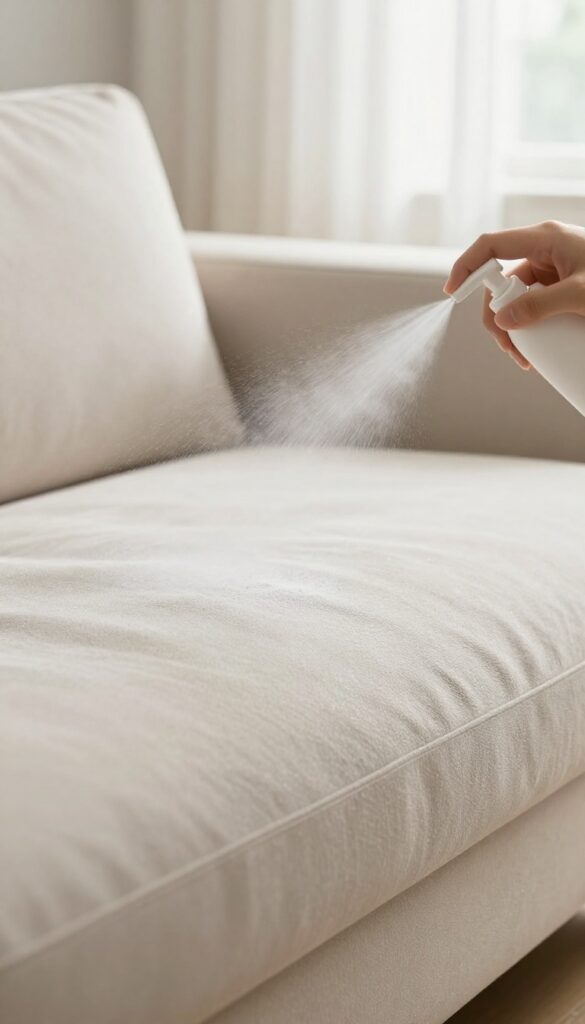
A fabric protector spray is like an invisible shield for your upholstery. It adds a protective layer that repels liquids and prevents stains from setting in. This simple step can save you from major cleaning headaches down the road.
Applying a fabric protector is quick and easy, but it makes a big difference. It's especially useful for high-traffic areas or homes with kids and pets. Just make sure to test it on a hidden spot first, and always follow the manufacturer's instructions.
How Fabric Protectors Work
Most fabric protectors contain fluoropolymers that bond to the fibers, creating a barrier that causes liquids to bead up instead of soaking in. This gives you time to blot spills before they become stains. The protection is invisible and doesn't change the feel or appearance of the fabric.
When To Apply
Apply a fabric protector right after you clean your upholstery, when the fabric is completely dry. For ongoing protection, reapply every few months or after a deep clean. If you notice liquids starting to soak in faster, it's time for another coat.
Choosing The Right Product
Look for a fabric protector that's specifically designed for your type of upholstery—fabric, microfiber, or velvet. Avoid products with harsh chemicals or strong odors. Many brands offer eco-friendly options that are safe for homes with children and pets.
9. Brush Velvet and Chenille Gently
Velvet and chenille add a cozy, luxurious feel to any room, but their plush fibers need a little extra care. Harsh scrubbing or vacuuming with a beater bar can crush the nap and leave permanent marks. The right brushing technique keeps the fabric looking soft and fresh without damaging the texture.
A soft-bristle brush is your best friend for maintaining velvet and chenille. Use short, gentle strokes in one direction—usually the same direction as the natural nap—to lift dust and restore the pile. Avoid circular motions or back-and-forth scrubbing, which can tangle fibers.
For stubborn spots, a clothes steamer can help relax the fibers before brushing.
Choose The Right Brush
Not all brushes are safe for delicate upholstery. Look for a brush with soft, natural bristles (like horsehair) or a dedicated upholstery brush with rounded tips. Avoid stiff plastic brushes or wire brushes that can snag or scratch the fabric.
A clean, dry toothbrush can work for small areas, but test on an inconspicuous spot first.
Brush In The Nap Direction
Velvet and chenille have a distinct nap—the fibers lie in one direction. Brushing against the nap can crush or lift fibers unevenly. Run your hand over the fabric to feel which way feels smoother; that's the nap direction.
Always brush from the top down or in that smooth direction to keep the pile uniform.
When To Brush And When To Steam
Light brushing once a week prevents dust from settling deep into the fibers. For crushed spots from sitting or leaning, a handheld steamer can revive the nap. Hold the steamer a few inches away and let the steam relax the fibers, then brush gently.
Never soak the fabric—dampen only the steam vapor.
10. Remove Pet Hair with a Damp Sponge
Pet hair can cling to upholstery like static, making it tough to remove with a dry cloth or vacuum alone. A damp sponge works surprisingly well because the moisture creates just enough friction to gather the hairs into clumps. It's a quick, low-cost trick that saves you from pulling out the lint roller every time.
This method works best on fabric upholstery like cotton, linen, or microfiber. Avoid using too much water—the sponge should be damp, not wet—to prevent soaking the fabric. After wiping, you can easily pick up the hair clumps by hand or with a vacuum.
Why A Damp Sponge Works
Dry cloths often push pet hair deeper into the fibers or spread it around. A damp sponge creates a slight adhesive effect, lifting hair from the surface and rolling it into manageable clumps. The moisture also helps loosen static cling, making the hair easier to remove.
Best Fabrics For This Trick
This technique works well on tight-weave fabrics like microfiber, canvas, and polyester blends. Avoid using it on delicate materials like velvet, silk, or suede, as moisture can cause water spots or damage the fibers. Always test on an inconspicuous area first.
Step-by-step Quick Guide
Start by lightly dampening a clean sponge and wringing it out well. Wipe the upholstery in one direction using short strokes. As hair collects, rinse the sponge and repeat.
Once you've covered the area, vacuum up the clumps or pick them off by hand. Let the fabric air dry completely.
11. Treat Grease Stains with Cornstarch
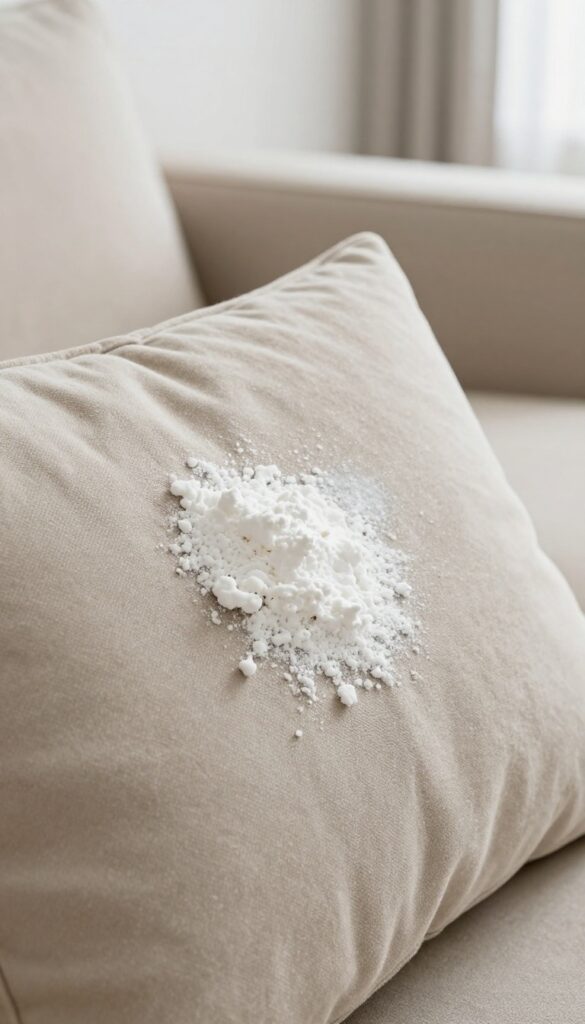
Grease stains on upholstery can feel like a disaster, but they don't have to be permanent. Cornstarch is a simple, pantry-friendly solution that lifts oil before it bonds with the fabric fibers. It works on fresh stains and even helps with older ones if you give it time.
Sprinkle a generous amount of cornstarch directly onto the grease or oil stain. Let it sit for at least 15 minutes—longer for stubborn spots. The powder absorbs the grease, pulling it away from the fabric.
After that, vacuum thoroughly using an upholstery attachment. Repeat if needed for deep-set stains.
Why Cornstarch Works
Cornstarch is a fine, absorbent powder that acts like a sponge for oils. It doesn't contain harsh chemicals, so it's safe for most fabrics, including microfiber and cotton blends. The key is giving it enough time to soak up the grease before vacuuming.
Step-by-step Application
Blot any excess oil with a paper towel first. Then cover the stain completely with cornstarch. Press it gently into the fabric with your fingers.
Wait 15 to 30 minutes, then vacuum using a brush attachment. For older stains, let the cornstarch sit overnight for better results.
Tips For Best Results
Test on a hidden area first to make sure the fabric doesn't discolor. Avoid rubbing the stain, which can spread the grease. If a residue remains after vacuuming, wipe with a dry cloth.
For stubborn stains, repeat the process or follow up with a mild dish soap solution.
12. Use Rubbing Alcohol for Ink Stains
Ink stains on upholstery can feel like a permanent mark, but rubbing alcohol is a surprisingly effective solution. It breaks down the ink's chemical structure, allowing you to lift it from the fibers without damaging the fabric. Just a few simple steps can make that pen mishap disappear.
Why Rubbing Alcohol Works
Rubbing alcohol is a solvent that dissolves the pigments in ink, making it easier to blot away. It evaporates quickly, so it won't soak deep into the cushion or leave a wet ring. This makes it safe for most upholstery fabrics, but always test on a hidden spot first.
Step-by-step Blotting Method
Start by dabbing a cotton ball or clean cloth with rubbing alcohol—don't soak it. Gently blot the ink stain, working from the outside in to prevent spreading. As the ink transfers to the cloth, switch to a fresh area.
Continue until no more ink lifts, then blot with a dry cloth to absorb excess moisture.
Avoid These Common Mistakes
Never rub the stain, as that can push the ink deeper into the fibers. Also, avoid using too much alcohol, which might damage the fabric's backing or color. If the stain is old or set in, you may need to repeat the process a few times, but patience pays off.
13. Freshen with Essential Oils
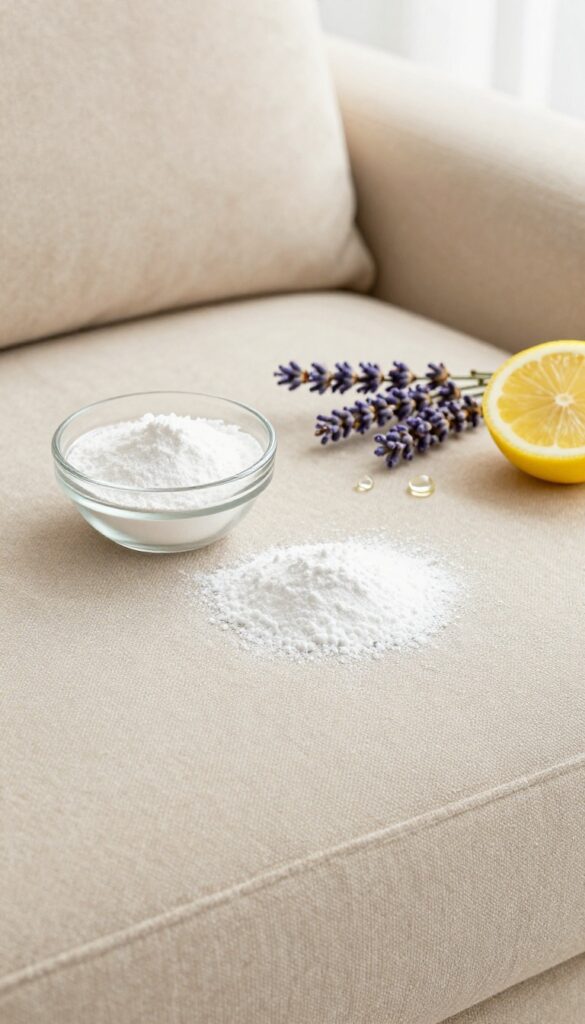
Essential oils do more than just smell nice—they can transform your deodorizing routine. By pairing them with a simple base like baking soda, you get a gentle, natural freshener that leaves upholstery smelling clean without harsh chemicals. Lavender, lemon, or tea tree oil are great choices, each bringing its own fresh vibe.
This method is incredibly easy and works on most fabric types. The baking soda absorbs odors while the essential oil leaves a light, pleasant scent behind. It's a quick refresh between deep cleans.
Choose Your Oil
Pick an oil that suits your mood. Lavender is calming, lemon is energizing, and tea tree has a clean, medicinal scent that also fights bacteria. A few drops go a long way.
Mix And Apply
Add 10–15 drops of essential oil to a cup of baking soda. Stir well to break up clumps. Sprinkle the mixture evenly over your upholstery, let it sit for 15–20 minutes, then vacuum thoroughly.
Test First
Always test on a hidden spot before applying to the whole piece. Some oils can stain light fabrics or cause discoloration. Wait for the test area to dry completely before proceeding.
14. Clean Removable Covers in the Wash
Not all cushion covers are stuck in place. Many come off easily and can go right into your washing machine. This simple step can make a huge difference in how fresh your sofa feels.
Before you toss anything in the wash, check the care label. Most removable covers are machine washable, but some require cold water or a gentle cycle. Use a mild detergent and skip the fabric softener—it can break down fibers over time.
Air drying is usually safest to avoid shrinkage, but if the label allows, a low tumble dry works too.
Check The Tag First
Look for the washing instructions sewn into the cover. Symbols like a tub of water mean machine washable, while a crossed-out tub means dry clean only. If the tag says "hand wash, " use a gentle cycle anyway—it's usually fine.
Wash On Gentle With Cold Water
Set your machine to delicate or gentle cycle with cold water. Hot water can shrink or fade the fabric. Use a small amount of mild detergent—too much can leave residue that attracts dirt.
Air Dry To Avoid Shrinkage
The safest way to dry covers is to lay them flat or hang them up. If you must use a dryer, choose the lowest heat setting and check frequently. Remove them while still slightly damp to reshape and prevent wrinkles.
15. Wipe Leather with a Damp Cloth
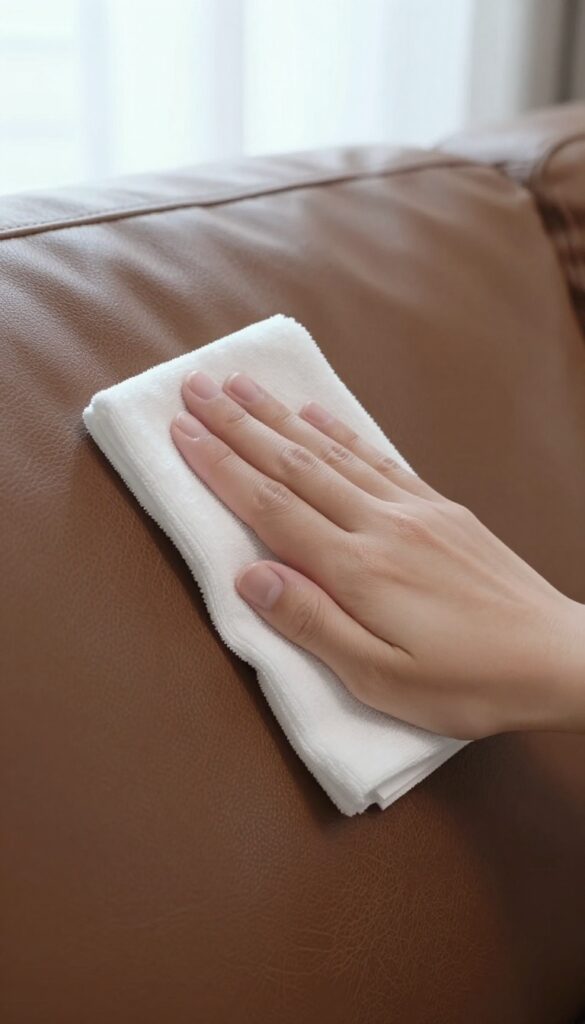
Leather upholstery adds a touch of elegance, but it needs a different kind of care than fabric. The good news is that keeping it fresh is surprisingly simple. A quick wipe with a damp cloth can remove dust and light grime before it settles in, and a little conditioner now and then keeps the leather supple and crack-free.
Leather is durable but porous, so regular dusting prevents buildup that can dull its finish. Use a soft, lint-free cloth slightly dampened with water—never soak the leather. Wipe gently in sections, then immediately dry with a clean cloth to prevent moisture from seeping into seams or causing water spots.
For deeper cleaning, a mild soap solution (like a drop of dish soap in water) works, but always test on a hidden area first. Condition every 3-6 months with a product designed for your leather type to maintain flexibility and prevent cracking.
Simple Daily Wipe-down
A quick once-over with a damp cloth every week or two keeps dust and surface dirt from building up. Focus on high-touch areas like armrests and headrests. Always follow with a dry cloth to avoid moisture damage.
Conditioning For Longevity
Leather conditioner replenishes natural oils that keep the material soft and resistant to cracks. Apply a small amount to a clean cloth and rub in circular motions. Let it absorb for a few hours before using the furniture.
Avoid products with wax or silicone, which can clog pores.
Spot Cleaning Spills
Blot spills immediately with a dry cloth—never rub, as that spreads the liquid. For sticky residues, use a damp cloth with a tiny bit of mild soap, then dry thoroughly. For stubborn stains, consult a professional leather cleaner.
16. Keep Furniture Away from Direct Sunlight
Sunlight does more than warm up a room—it can quietly damage your upholstery. UV rays break down fabric fibers over time, causing fading and weakening. The fix is simple: reposition your furniture or use window coverings to block direct rays.
Your couch will thank you with longer-lasting color and strength.
Direct sunlight is one of the biggest culprits behind faded upholstery. The ultraviolet rays gradually break down the dye molecules in fabric, leading to uneven color loss. Over time, the fibers themselves can become brittle and more prone to tearing.
The good news is that you don't have to live in a dark cave to protect your furniture. A few strategic adjustments can make a big difference.
Rearrange For Shade
The easiest fix is to move your furniture out of the sun's path. If possible, place sofas and chairs away from south- or west-facing windows where sunlight is strongest. Even shifting the piece a few feet can reduce direct exposure.
If rearranging isn't an option, try rotating cushions regularly so they fade evenly.
Use Window Treatments
Curtains, blinds, or shades are your best defense. Sheer curtains filter some UV rays while still letting in light. For maximum protection, choose blackout curtains or UV-blocking window film.
During peak sunlight hours, simply close the blinds to keep your upholstery safe.
Apply Uv-protective Spray
For an extra layer of defense, consider a fabric-safe UV protectant spray. These products are designed to block harmful rays without altering the color or feel of the fabric. Test on a hidden area first, then apply evenly.
Reapply after cleaning or every few months for continued protection.
17. Use a Slipcover for High-Traffic Areas
Slipcovers are a game-changer for busy households. They let you protect your original upholstery from daily wear, spills, and pet accidents without sacrificing style. And because they're washable, you can toss them in the machine whenever they need a refresh.
A slipcover acts like a second skin for your sofa or chair. It's especially useful in homes with kids, pets, or frequent guests. You can choose from stretchy fitted covers or more tailored options that look like custom upholstery.
The best part? When a spill happens, you just unzip and wash.
Choose The Right Fabric
Look for slipcovers made from durable, machine-washable materials like cotton twill, polyester blends, or performance fabrics. Avoid delicate fabrics that might shrink or wrinkle. A heavy-duty canvas or a stretch knit with stain resistance works great for high-traffic areas.
Fit Matters For A Polished Look
A baggy slipcover can look messy. Measure your furniture carefully and choose a cover designed for your sofa shape—especially if you have a sectional or recliner. Many brands offer custom sizing or adjustable straps to keep the cover snug and in place.
Rotate And Wash Regularly
To maintain freshness, wash your slipcover every few weeks or whenever it starts to look dingy. Follow the care instructions to avoid shrinking or fading. Having two slipcovers lets you swap them out while one is in the laundry.
18. Vacuum Under Cushions and Crevices
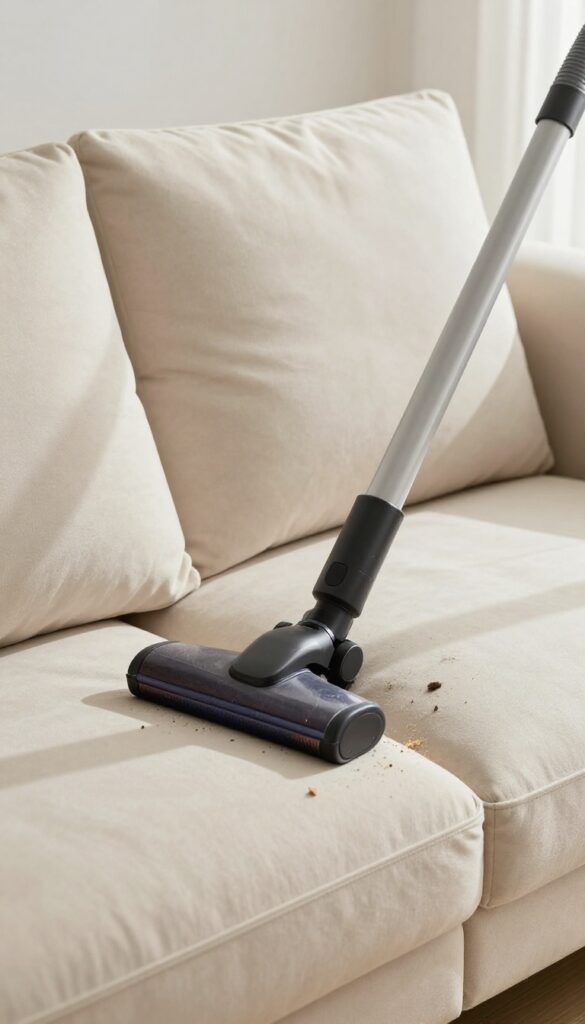
Crumbs, pet hair, and random debris love to hide under cushions and in the tight crevices of your sofa. Over time, these particles can cause odors and even attract pests. A quick vacuum session in those hidden spots makes a huge difference in keeping your upholstery fresh between deep cleans.
Start by removing all removable cushions. Use the crevice tool on your vacuum to reach deep into the frame where the cushions sit. Pay extra attention to the corners and along the seams.
For fixed cushions, use a thin attachment to slide into the gap. Do this weekly to prevent buildup.
Why Crevices Matter
The spaces under cushions are like catch-all bins for everything that falls onto your couch. Food crumbs, dust, and even small toys can get trapped. If left unchecked, they can stain the fabric or create a musty smell.
Regular vacuuming stops that before it starts.
Tools That Help
A standard vacuum crevice tool works well, but a brush attachment can loosen stubborn debris. For extra-tight gaps, try a flexible dusting wand or even a clean, dry paintbrush to sweep crumbs into the open. Some vacuums come with a mini turbo brush that’s perfect for upholstery.
How Often To Do It
Aim to vacuum under cushions at least once a week if you use the couch daily. If you have pets or kids, twice a week is better. For less-used furniture, every two weeks is fine.
Make it part of your regular cleaning routine so it becomes automatic.
19. Address Odors with White Vinegar Spray
Unwanted smells can linger in upholstery long after the source is gone. Instead of masking odors with synthetic sprays, reach for a natural solution that actually neutralizes them. White vinegar is a powerful deodorizer that breaks down odor-causing compounds without leaving a harsh chemical residue.
White vinegar spray is one of the simplest and most effective ways to freshen upholstery. It works by balancing pH levels and neutralizing alkaline odors like pet accidents, smoke, or mustiness. The smell of vinegar evaporates quickly, leaving no trace behind.
How To Make And Apply The Spray
Mix equal parts white vinegar and water in a clean spray bottle. Shake gently to combine. Lightly mist the affected area—don't soak it.
Let the upholstery air dry completely. Open windows or use a fan to speed up drying and help the vinegar scent dissipate.
When To Use This Method
This spray works best for light to moderate odors. It's ideal for refreshing a room after cooking smells settle into the couch or for neutralizing pet odors between deep cleans. Avoid using it on delicate fabrics like silk or velvet without spot testing first.
Tips For Best Results
Always test the spray on an inconspicuous area first to check for colorfastness. For stubborn odors, add a few drops of essential oil like lavender or lemon to the mix for a light scent boost. Repeat the process as needed, but allow the fabric to dry fully between applications.
20. Schedule a Professional Cleaning Annually
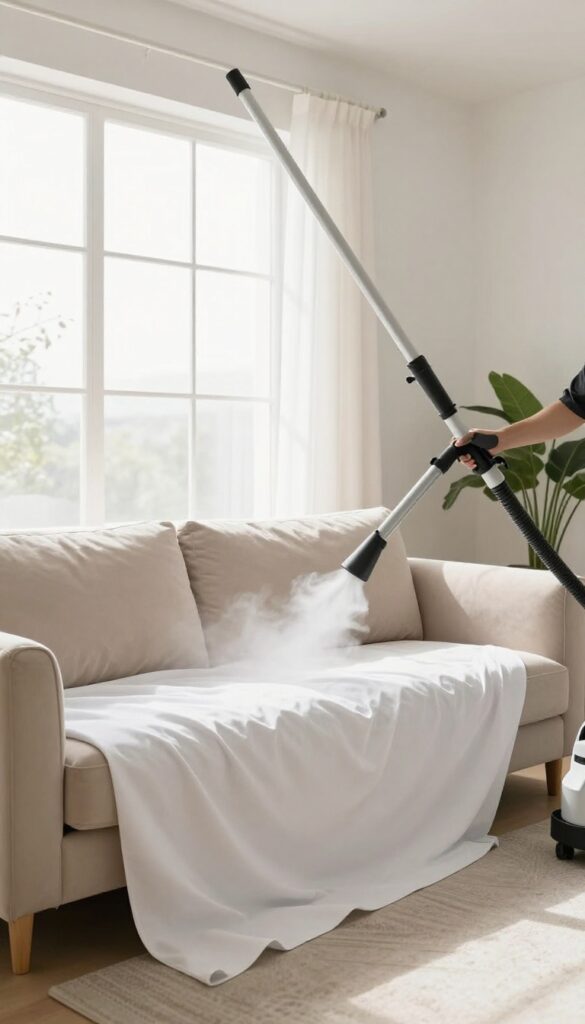
Even the most diligent at-home care has limits. Over time, dust mites, allergens, and deeply embedded dirt accumulate deep within the cushions and fibers. A professional deep cleaning every 12 to 18 months resets your upholstery, making it look and feel like new.
It's the one step that truly extends the life of your furniture.
Why Diy Isn't Enough
Surface cleaning removes visible dirt, but it doesn't reach the layers where allergens and bacteria thrive. Professional-grade equipment uses hot water extraction or steam cleaning that penetrates deep into the fabric, extracting what your vacuum and spot cleaner can't. This process also helps restore the texture and color of your upholstery.
What To Expect During A Pro Clean
A technician will pre-treat stains, agitate the fibers, and rinse with powerful suction. The whole process usually takes a few hours, and you'll need to let the furniture dry completely—typically 6 to 12 hours. Plan ahead so you can enjoy a truly refreshed sofa the next day.
How Often Is Enough?
For most households, an annual cleaning strikes the right balance. If you have pets, kids, or allergies, consider scheduling every 12 months. For low-traffic homes, every 18 months works well.
Regular professional care not only keeps your furniture fresh but also protects your investment.
FAQ
How often should I clean my upholstered furniture?
Vacuum weekly and spot clean spills immediately. Deep clean with steam or a professional service every 12-18 months, or more often if you have pets or allergies.
Can I use bleach on upholstery stains?
No, bleach can discolor and damage fabric. Stick to mild soap, water, or specialized upholstery cleaners. Always test in an inconspicuous area first.
What's the best way to remove pet hair from fabric?
A damp sponge, lint roller, or rubber glove works well. Vacuuming with a rubber brush attachment also lifts pet hair effectively.
How do I know if my upholstery fabric is safe to clean with water?
Check the care tag for cleaning codes: W (water safe), S (solvent only), WS (water or solvent), or X (vacuum only). Follow the code to avoid damage.
Does baking soda really remove odors from upholstery?
Yes, baking soda absorbs odors naturally. Sprinkle it on, let it sit for 15-20 minutes, then vacuum thoroughly. It's safe for most fabrics.
Conclusion
You don't need a professional service to keep your upholstered furniture looking its best. These 20 ideas give you a practical toolkit for maintaining freshness with everyday supplies and a little regular effort.
Start with the tips that address your biggest concerns—whether it's pet odors, dust buildup, or stubborn stains—and build a simple routine from there. Consistent care keeps your sofas and chairs inviting without the hassle.