After a long day, the last thing you want is to spend hours scrubbing your house. But a little mess can still feel overwhelming when you're running on empty.
These 17 cleaning tips are designed for the exhausted—quick, low-effort moves that make a visible difference without draining your energy. You don't need a full deep clean; just a few targeted actions can reset your space and your mood.
From a 10-minute room reset to a nightly tidy routine, each tip respects your limited time and energy. Let's dive into realistic shortcuts that actually work on tired days.
1. The 10-Minute Room Reset
You don't need hours to make a room look presentable. The 10-minute room reset is a game-changer for tired days when motivation is low. It's about doing just enough to feel a sense of order without burning out.
Set a timer and pick one room. Focus on the obvious—clutter, pillows, surfaces. When the timer beeps, stop.
No guilt, no extra minutes. This short burst keeps cleaning manageable and leaves you with a visible win.
What To Tackle First
Start with the biggest eyesores: stray shoes, mail piles, or empty cups. Fluff couch cushions and fold throws. Wipe down counters or tables with a dry cloth.
Don't deep clean—just reset the visual baseline.
Why 10 Minutes Works
Short bursts prevent burnout and build momentum. You're more likely to start when the time commitment feels tiny. Plus, a quick reset can lift your mood and make the rest of your evening feel less cluttered.
Tips For Maximum Impact
Keep a basket in each room for stray items—toss them in and sort later. Use a multi-surface spray for quick wipe-downs. And if you're really drained, just do the floor: pick up everything off the ground.
It changes the whole feel.
2. Trash Bag Blitz
Sometimes the fastest way to feel better about your home is to remove what doesn't belong. A trash bag blitz is exactly what it sounds like: grab a bag and make a single pass through the house, tossing anything that's clearly garbage. Old receipts, empty snack wrappers, junk mail, broken pens, dried-out markers—if it's obviously trash, it goes.
No sorting, no second-guessing, just a quick sweep that instantly lightens the visual load.
The beauty of this method is that it requires zero decision-making. You're not organizing, not decluttering in the deep sense, just removing the obvious. Do one room at a time or hit the main living areas.
The whole thing can take under ten minutes. When you're done, tie up the bag and take it straight to the outside bin. The space will feel noticeably cleaner and less chaotic, even if nothing else has been touched.
What Counts As Obvious Trash
Focus on items that have no purpose or value: empty bottles, takeout containers, expired coupons, old receipts, junk mail, broken items you meant to fix but never will. If you hesitate for more than a second, leave it for another day. The goal is speed, not perfection.
One Bag, One Pass
Don't overthink it. Grab a standard kitchen trash bag and walk through each room. Keep moving.
If you spot something, toss it. Don't stop to tidy or rearrange. The point is to remove visible clutter, not to reorganize.
Finish by throwing the bag away immediately.
Why This Works When You're Exhausted
Trash is neutral—you don't have emotional attachments to it. That makes it the easiest clutter to eliminate. The act of filling a bag and removing it gives a quick sense of accomplishment.
Plus, less visual noise means your brain can actually rest.
3. Laundry Basket Roundup
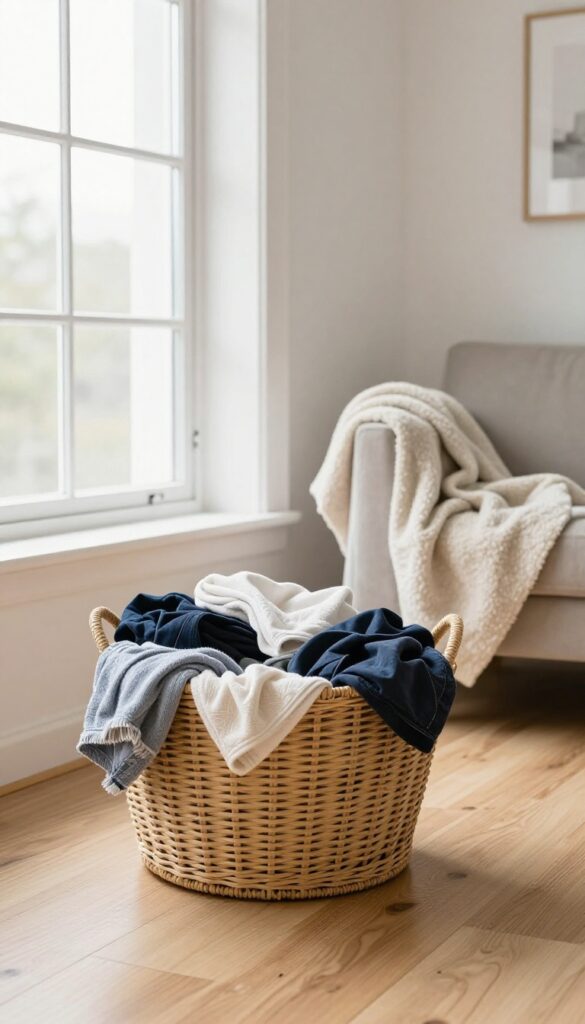
Laundry is one of those chores that multiplies when you ignore it. But on a tired day, you don't have to sort, wash, or fold—just gather. Grab a basket and do a quick sweep through every room, collecting stray clothes, towels, and linens.
That single action instantly makes your space look neater without any real effort.
The goal isn't to do laundry. It's to contain the chaos. By tossing everything into one basket, you remove visual clutter from floors, chairs, and bed corners.
Later, when you have more energy, you can deal with it. For now, just round up and move on.
Why Gathering Beats Sorting
When you're wiped out, decision fatigue is real. Sorting lights from darks or delicates from towels takes mental energy. Instead, make it a no-brainer: everything goes into the same basket.
You can sort when you actually run a load. This approach saves time and spares your brain.
Where To Look First
Start in the most visible rooms: living room, bedroom, and bathroom. Check under throw blankets, behind doors, and on the bathroom floor. Don't forget the guest room or hallway hooks.
The goal is to catch the strays that make a room feel messy.
One Basket Rule
Use a single large basket or hamper for the whole house. If you have multiple baskets, you'll create more work. One central collection point keeps things simple.
Once it's full, set it aside. You've already made a big difference.
4. Dish Duty Shortcut
A sink full of dishes can feel like a mountain when you're already drained. But here's a secret: you don't have to wash them all. Just focus on what you actually need for the next meal and hide the rest.
It's a small permission that saves energy and keeps your kitchen functional.
When you're too tired to face a pile of dishes, give yourself permission to do a partial wash. Grab only the plates, cups, and utensils you'll use for the next meal. Wash those few items quickly, then stack the remaining dirty dishes into a dishpan or bin and tuck it under the sink or on a counter out of sight.
The visual relief is instant, and you've still prepped for your next eating moment without the overwhelm.
Why This Works
The biggest barrier to starting dishes is the sheer volume. By shrinking the task to just what you need, you lower the mental hurdle. You also avoid the guilt of leaving everything undone because you've actually accomplished something useful.
Make It A Habit
Keep a dedicated dishpan or plastic bin under the sink. After each meal, immediately place non-essential dishes in the bin. Over time, this becomes a default move that prevents the sink from becoming a stress point.
You can tackle the bin when you have more energy.
When To Wash The Rest
Pick a low-pressure time, like while waiting for coffee to brew or during a podcast. Set a timer for 10 minutes and wash as many as you can. The bin system keeps the mess contained, so you never face a full sink again.
5. Surface Swipe
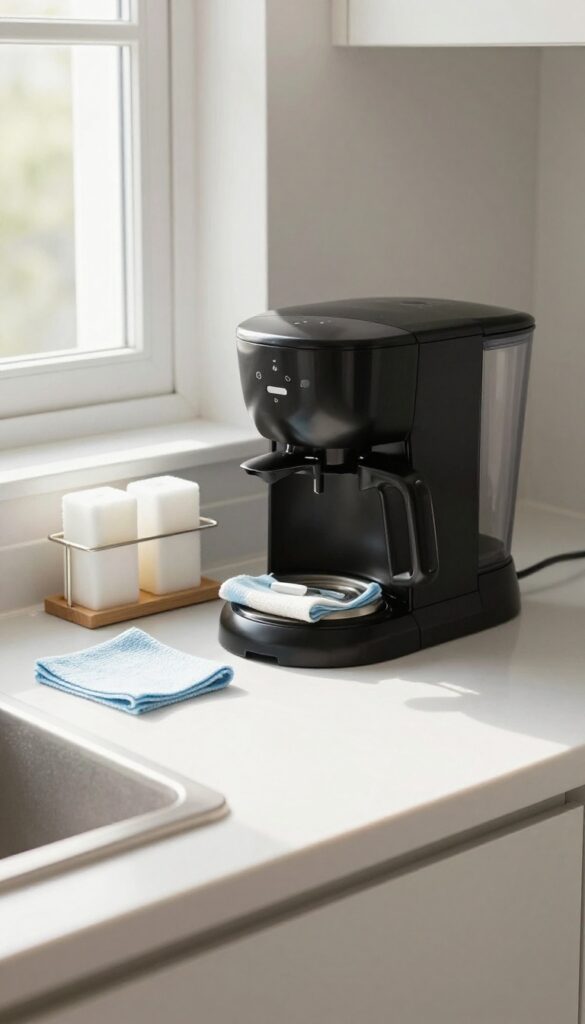
Countertops, tables, and bathroom sinks collect visible clutter fast, but they don't need a deep scrub every day. A quick pass with a multi-surface wipe or a damp microfiber cloth can make these areas look fresh in under a minute. Focus on the spots you actually touch—like the kitchen island, coffee table, and vanity—and ignore the rest.
This isn't about sanitizing; it's about visual reset.
Hit The Hot Spots
You don't need to wipe every inch of every surface. Think about where your hands go most: the kitchen counter near the coffee maker, the bathroom sink edge, the dining table where you set your bag. Those are the high-touch zones.
A quick swipe there removes fingerprints, crumbs, and that vague stickiness that builds up. It takes 30 seconds and instantly makes the room feel cleaner.
Keep Supplies Handy
If you have to walk to another room to grab a wipe, you're less likely to bother. Store a pack of multi-surface wipes under the kitchen sink, in a bathroom drawer, or even on the counter in a cute caddy. For a reusable option, keep a spray bottle of diluted all-purpose cleaner and a stack of microfiber cloths within arm's reach.
The easier it is to start, the more likely you'll do it.
One Pass, No Rinse
This isn't a deep clean, so don't overthink it. Use a wipe or damp cloth and make one continuous pass over the surface. No scrubbing, no waiting for dwell time.
If it's a wood table, just dust it quickly. For granite or quartz, a gentle wipe is fine. The goal is to remove visible smudges and crumbs, not to disinfect.
Save the heavy cleaning for when you have more energy.
6. Floor Spot Clean
Vacuuming the entire house can feel like a workout, especially when you're already tired. But you don't have to do it all. Focus on the spots that actually look dirty—like the kitchen floor after dinner or the entryway where shoes pile up.
A quick spot clean takes two minutes and makes your home feel instantly tidier.
A cordless stick vacuum is your best friend here. It's always ready to grab, no plugging in or wrestling with a cord. Just zip over the visible crumbs and high-traffic areas.
If you don't have a stick vac, a handheld vacuum or even a dustpan and brush work fine. The key is to target only what's bothering you—not every square inch.
Why Spot Cleaning Works
When you're exhausted, motivation is low. Spot cleaning is low-commitment—you can stop after one area if you want. But often, cleaning just the visible mess is enough to make the whole room look better.
Your brain focuses on the clean spots, not the untouched corners.
High-traffic Hotspots
Focus on areas that get the most foot traffic: the kitchen floor near the counter, the hallway, and the bathroom floor around the toilet. These spots collect crumbs, hair, and dust quickly. A 30-second pass with a stick vac makes a noticeable difference.
Make It A Habit
Keep your cordless vacuum in an easy-to-reach spot, like a closet in the hallway or next to the kitchen. When you see a mess, grab it immediately. Over time, this becomes a reflex—no thinking, just cleaning.
It's one of the easiest ways to maintain a clean floor without a big time investment.
7. Make the Bed
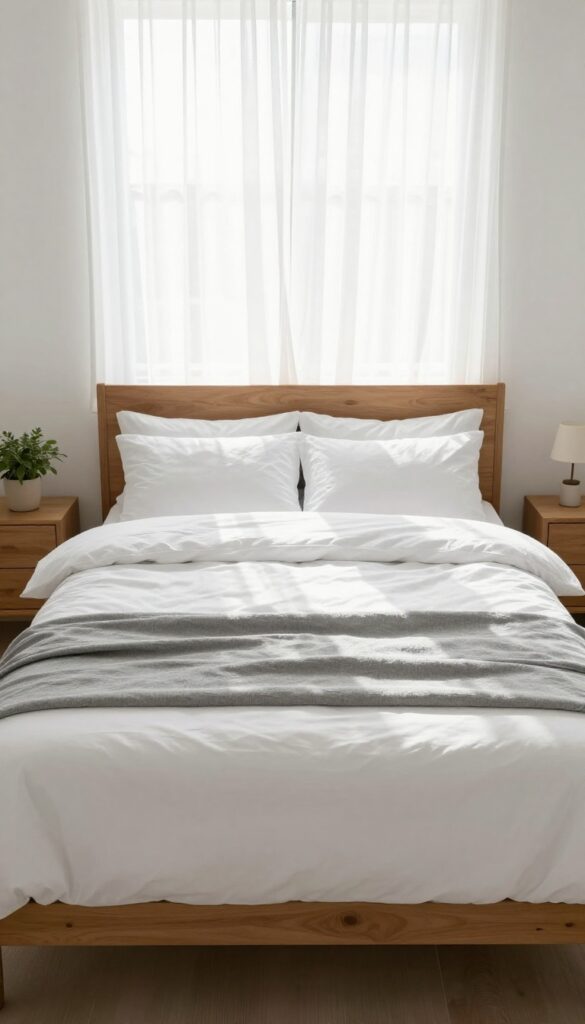
Starting your day by making the bed is a small win that sets a productive tone. It takes less than two minutes, but the visual payoff is huge—a tidy bed instantly makes the whole bedroom feel more organized. Even if the rest of the room is a little messy, that one neat corner gives you a sense of calm and control.
Making the bed is the ultimate low-effort, high-impact habit for tired days. It doesn't require any cleaning supplies or scrubbing, just a quick pull of the sheets and a fluff of the pillows. The psychological boost is real: a made bed signals that you've accomplished something, which can motivate you to tackle other small tasks.
Plus, when you come back to your bedroom at the end of the day, you'll have a welcoming, peaceful space to unwind.
The Two-minute Trick
Set a timer for two minutes and challenge yourself to finish before it goes off. Smooth out the fitted sheet, pull up the flat sheet and blanket, and arrange the pillows. That's it—no hospital corners required.
The goal is just to make it look neat, not perfect.
Why It Works When You're Exhausted
On low-energy days, every bit of effort counts. Making the bed is a tiny task that gives you an immediate visual reward. It also removes one more thing from your mental to-do list, freeing up brain space for more important things.
Build The Habit Slowly
If you're not used to making the bed, start by doing it just on weekends. Once that feels easy, add in one weekday. Over time, it becomes automatic—like brushing your teeth.
And on days when you really can't, give yourself grace. The bed will still be there tomorrow.
8. Clutter Corral
When you're running on fumes, putting every single item back where it belongs is a non-starter. But you can still make a room look tidy in seconds with one simple trick: grab a basket or bin and toss in anything that's out of place. This isn't about organizing—it's about visual relief.
Once the clutter is corralled, the space instantly feels calmer, and you can deal with the rest later.
Choose Your Weapon
Keep a designated basket or bin in each main living area. A laundry basket works for the bedroom, a decorative bin for the living room, or a plastic tote for the kitchen. The key is having something big enough to hold a reasonable amount of stuff but not so huge that it becomes a black hole.
The 60-second Sweep
Set a timer for one minute and quickly scan the room. Grab any item that doesn't belong—remote controls, mail, toys, water bottles—and drop them in the basket. No sorting, no deliberating.
Just toss and move on. You'll be amazed how much cleaner the room looks in under a minute.
Return Trip (later)
When you have more energy, empty the basket by returning items to their proper homes. This two-step process separates the high-effort decision-making from the low-effort gathering, making the whole chore feel much lighter. Bonus: you can even delegate the return trip to a family member or do it while on a phone call.
9. Bathroom Quick Wipe
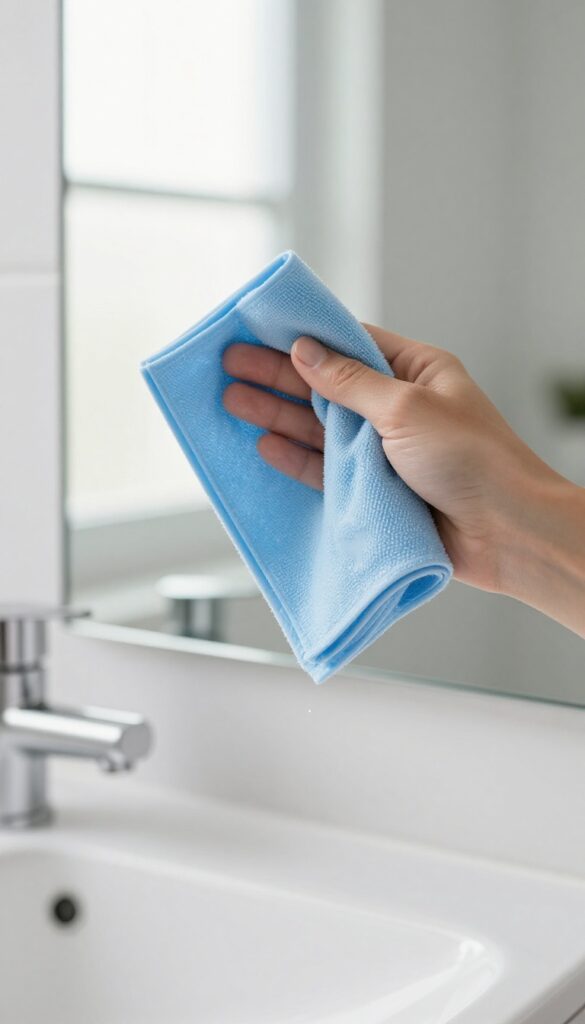
Bathrooms can feel like a chore, but a targeted five-minute wipe-down makes a surprising difference. You don't need to scrub grout or organize cabinets—just hit the high-visibility spots that make the room feel fresh. This quick reset is perfect for tired days when you want a clean bathroom without the full workout.
Grab a disinfectant wipe and start with the mirror—streaks and smudges vanish instantly. Next, wipe the sink basin and faucet handles, then give the toilet seat and lid a quick pass. If you have a shower with glass doors, a squeegee swipe prevents water spots and soap scum buildup.
Done in under five minutes, the room looks and smells noticeably cleaner with minimal effort.
Why This Works
Bathrooms accumulate visible grime quickly—toothpaste splatter, water spots, and dust. By focusing on the surfaces you see and touch most, you create a strong visual impact. Disinfectant wipes are convenient and effective, cutting through grease and killing germs without needing sprays or rags.
When To Do It
This is ideal right before bed or after your morning routine. It takes less time than scrolling through social media, and you'll wake up to a fresher space. If you're really drained, just wiping the mirror and toilet seat can still feel like a win.
Pro Tip
Keep a canister of disinfectant wipes under the sink or on the counter so you don't have to search for supplies. For the squeegee, hang it inside the shower so it's always ready. Stacking these small habits makes the quick wipe feel automatic.
10. One-Touch Tidy
The one-touch tidy rule is deceptively simple: every time you move from one room to another, pick up one item and put it away. That's it. No marathon cleaning sessions, no pressure to tackle everything at once.
Over the course of a day, these small actions add up to a noticeably cleaner home without ever feeling like a chore.
This method works because it piggybacks on movements you're already making. You're going from the living room to the kitchen anyway—why not grab that stray coffee mug? The key is consistency, not intensity.
Before you know it, you've cleared surfaces, returned items to their homes, and reduced visual clutter with almost zero extra effort.
Start Small, Stay Consistent
Don't overthink it. When you stand up from the couch, scan for one thing out of place—a remote, a pillow, a water bottle. Pick it up and take it with you.
The goal isn't to clean the whole room; it's to make one small improvement each time you move.
Build The Habit Gradually
At first, you might forget. That's okay. Place a sticky note on your phone or set a gentle reminder.
After a few days, the one-touch rule becomes automatic. You'll find yourself naturally scanning for items to relocate without any mental effort.
Apply It To Every Transition
Use this technique for every room change: bedroom to bathroom, kitchen to office, even walking past a cluttered hallway table. Each trip becomes a mini-tidy session. Over a week, you'll be amazed at how much gets done without dedicating a single block of time to cleaning.
11. Couch Cushion Fluff

Your couch takes the brunt of daily life—lounging, napping, maybe even a snack or two. After a long day, those cushions might look a bit sad and squished. But here's the good news: fixing them takes almost zero effort and instantly makes your living room feel more pulled together.
The Five-second Fluff
Stand in front of your couch, grab each cushion by the edges, and give it a good shake and a punch back into shape. That's it. No need to remove covers or wrestle with foam.
Just a quick fluff resets the volume and removes any visible dips. Do all three cushions in under fifteen seconds.
Straighten The Throws
If you have throw blankets or pillows, take a moment to fold or drape them neatly. A blanket tossed over the back of the couch looks intentional when it's smoothed out. Pillows get a quick plump and a centered placement.
This small step alone makes the whole room look tidier.
The Corner Check
Run your hand along the seams and corners of the couch. Often, remote controls, snack wrappers, or stray socks get wedged between cushions. Pull those out and toss them in the nearest bin or basket.
Now your couch is not only fluffed but also free of hidden clutter.
12. Nightly Reset Routine
The end of the day is when clutter tends to pile up—blankets, dishes, mail, and random items scattered across the living room. A five-minute nightly reset can prevent that mess from snowballing into a weekend-long cleaning session. This small habit takes almost no energy but leaves you waking up to a tidy space, which makes the next day feel less chaotic.
The nightly reset is about creating a clean slate for tomorrow. It’s not a deep clean—just a quick sweep to put things back in their place. Focus on high-traffic areas like the living room and kitchen, where mess accumulates fastest.
The goal is to make the space feel calm, not perfect.
Start With The Kitchen
Load the dishwasher or wash the few dishes that piled up during the day. Wipe down the counters with a damp cloth—this takes less than a minute but makes the kitchen look instantly cleaner. Put away any food items or condiments left out, and sweep crumbs off the floor if you spot them.
Tidy The Living Room
Fluff and fold blankets, put remotes back in their designated spot, and clear the coffee table of cups, books, or random clutter. If you have throw pillows, arrange them neatly. This simple act transforms the room from “lived in” to “ready for tomorrow. ”
Set Yourself Up For Morning
Take one extra minute to prepare for the next day. Lay out your coffee mug, fill the kettle, or set out your breakfast bowl. It’s a tiny effort that makes your morning routine smoother and reduces decision fatigue.
13. The Power of One Load
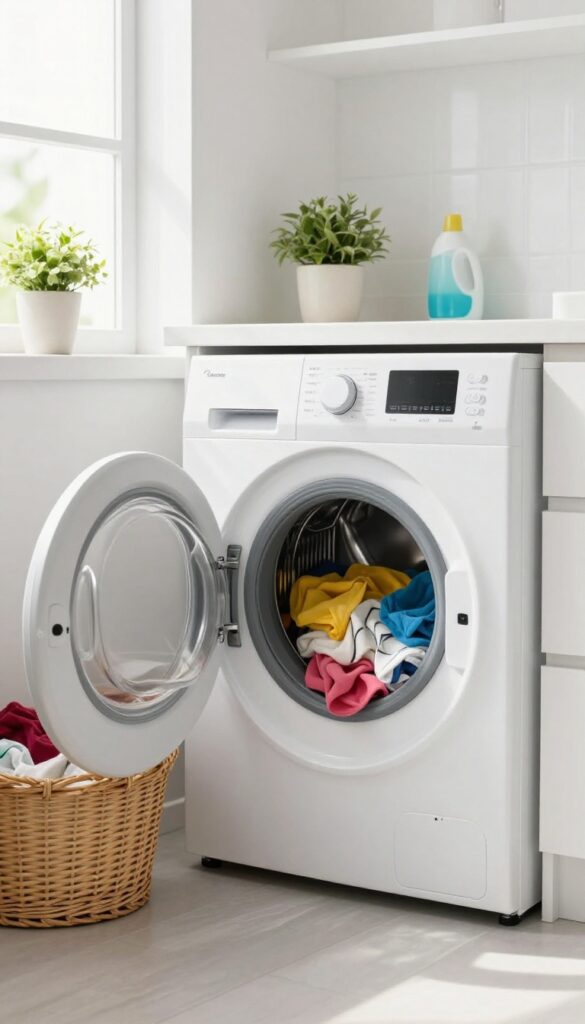
Laundry can feel like a mountain when you're already drained. But you don't have to conquer it all at once—just start one load. That single step breaks the paralysis and gives you a tangible win, even if you never fold a single sock.
The key is lowering the bar. Don't aim for perfectly folded, put-away laundry. Just get one load from dirty to clean.
Set a timer for 10 minutes to gather and start the wash. When it's done, transfer to the dryer. That's it.
You've already done more than zero, and tomorrow you'll have clean clothes waiting.
Why One Load Works
Starting is the hardest part. By committing to just one load, you remove the mental weight of the entire pile. It's a small, achievable goal that builds momentum.
Plus, having clean clothes—even if they sit in a basket—reduces stress and makes mornings easier.
Make It A Habit
Tie this task to an existing routine, like starting a load right after dinner or before you sit down to watch TV. Keep a hamper in the laundry room or near the machine so sorting is minimal. Over time, one load becomes automatic, and you'll wonder why you ever let it pile up.
14. Entryway Sweep
Your entryway is the first thing you see when you walk in the door, and a cluttered pile of shoes and coats can instantly drain your energy. Clearing it takes almost no time but makes your whole home feel more organized. Spend just five minutes returning shoes to their spot, hanging coats, and stashing bags.
That small effort resets the room and your mindset.
Why The Entryway Matters
The entryway sets the visual tone for your entire home. When it's cluttered, you carry that stress into the rest of the house. A quick sweep removes visual noise and helps you feel more in control.
What To Do In Five Minutes
Start by gathering stray shoes and lining them up or placing them in a basket. Hang coats and bags on hooks or in the closet. Wipe down any surfaces like a console table or bench.
Finally, sweep or vacuum the floor to catch dirt tracked in from outside.
Make It A Habit
Tie this task to an existing routine, like right after you take off your shoes. Keep a small basket for mail and keys so they have a designated spot. Over time, this five-minute sweep becomes automatic and keeps your entryway consistently tidy.
15. Fridge Front Wipe
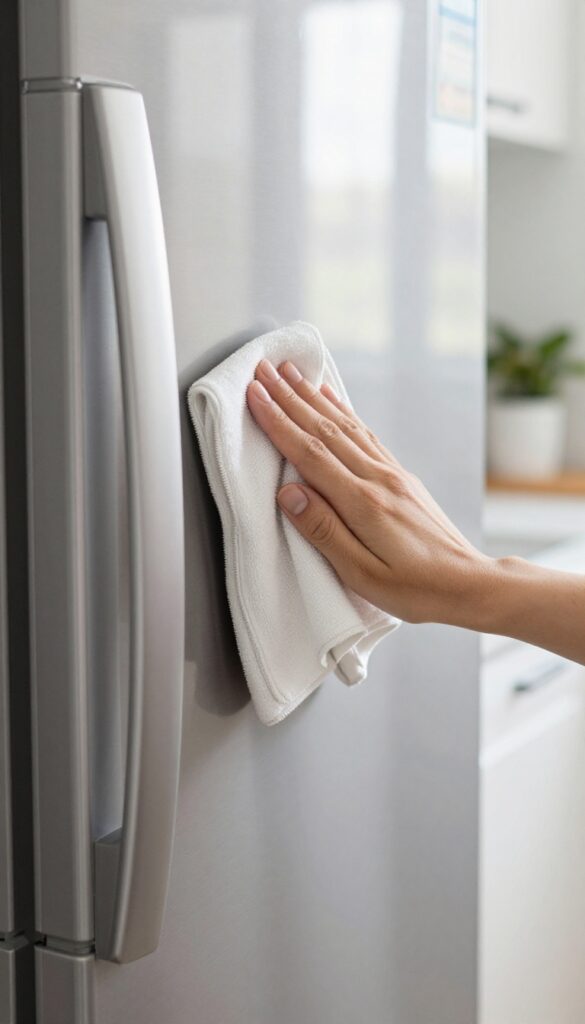
The fridge is one of those surfaces you touch multiple times a day without thinking. Over time, fingerprints, smudges, and little drips build up, making the whole kitchen feel grimy even when it's not. A quick wipe of the front and handles takes less than a minute but instantly lifts the room's perceived cleanliness.
Grab a microfiber cloth or a paper towel with a dab of all-purpose cleaner or just soapy water. Wipe down the entire front surface, paying extra attention to handles and any textured areas where grime hides. Dry with a clean cloth to avoid streaks.
That's it—no need to move anything or open the doors.
Why It Works
The fridge is a high-traffic zone in the kitchen. When it's clean, the whole room looks more put together. It's a small visual anchor that signals 'this kitchen is cared for. ' Plus, clean handles feel more hygienic, which is a nice mental boost.
Make It A Habit
Tie this task to something you already do, like waiting for your coffee to brew or while your dinner reheats. Keep a microfiber cloth under the sink or in a caddy so you can grab it without rummaging. A weekly wipe is enough to keep it looking fresh.
Bonus: Inside Quick Check
While you're at it, take two seconds to scan the front for any old magnets or papers that have been there too long. Clearing visual clutter from the fridge door adds to the clean feel. No need to organize the inside—just the outside.
16. Electronics Dust
Electronics attract dust like magnets, and a layer of grime on your TV or computer monitor can make the whole room feel dingy. The good news: this is one of the fastest fixes you can do. A quick wipe with the right cloth takes seconds and instantly brightens your space.
Dusting electronics isn't just about looks—it can also help your devices run cooler and last longer. But you have to do it right. Using the wrong cloth or cleaner can damage screens.
Stick to a microfiber cloth and keep it dry or slightly damp with distilled water. Avoid paper towels, which can scratch, and never spray liquid directly onto electronics.
The Right Cloth Makes All The Difference
Microfiber is your best friend here. It traps dust without scratching, and it doesn't leave lint behind. Keep a dedicated microfiber cloth near your entertainment center or desk so you can grab it when you notice dust.
For a deeper clean, slightly dampen the cloth with distilled water—never tap water, which can leave mineral spots.
Don't Forget The Shelves And Cords
While you're at it, run the same cloth over nearby shelves and the tangle of cords behind your TV or computer. Dust collects there too, and cleaning those areas makes the whole setup look fresher. It's a two-minute add-on that pays off visually.
17. Celebrate Small Wins
When you're exhausted, it's easy to focus on everything you didn't get done. But that mindset only drains your motivation further. Shifting your attention to what you actually accomplished—even if it's just wiping down one counter—can change how you feel about your space and yourself.
Cleaning on low energy isn't about perfection. It's about progress. By acknowledging small victories, you build momentum and make cleaning feel less like a chore and more like a series of manageable wins.
A quick mental note or a physical reward reinforces the habit, making it easier to start again tomorrow.
The Power Of Acknowledgment
Take a moment to look at what you did, not what's left. Did you put away the shoes by the door? That's a win.
Folded one towel? Progress. Saying it out loud or writing it down can trick your brain into feeling accomplished, which releases dopamine and makes you more likely to repeat the behavior.
Reward Yourself (even A Little)
Pair a small cleaning task with a small reward. After you clear the coffee table, allow yourself five minutes of scrolling or a piece of chocolate. This creates a positive association with cleaning, so your brain starts to see it as a path to pleasure rather than a drain.
Track Your Streak
Use a simple calendar or app to mark each day you complete at least one cleaning task. Even if it's just making the bed, the visual of a streak can be motivating. Breaking a streak feels worse than the effort of doing one tiny task, so it nudges you to keep going.
FAQ
How can I clean my house when I'm too tired?
Focus on small, high-impact tasks like making the bed, wiping surfaces, or doing a 10-minute room reset. Break cleaning into micro-sessions and stop when the time is up.
What is the best cleaning routine for busy people?
A nightly 5-minute reset and a weekly 30-minute deep clean work well. Use the tips in this article to maintain a tidy home without overwhelming yourself.
How do I motivate myself to clean when exhausted?
Start with one tiny task, like putting away a single item. Often, that small win builds momentum. Also, set a timer to make it feel less daunting.
What cleaning supplies should I keep on hand for quick cleanups?
Multi-surface wipes, a microfiber cloth, a cordless vacuum, and a trash bag. These allow you to clean any surface in seconds without gathering supplies.
How can I keep my house clean with minimal effort?
Adopt the 'one-touch' rule: put things away immediately instead of setting them down. Also, declutter regularly so there's less to clean.
Conclusion
A clean house doesn't require hours of scrubbing—just a few smart strategies that work with your energy levels. Start with one or two tips from this list, like the 10-minute tidy or the laundry basket method, and see how much lighter your day feels. Remember, the goal isn't perfection; it's making your home a place that supports you, not drains you.
Pick what fits your life right now, and let those small wins add up over time. You've got this.