You probably wash your towels way too often and with way too much detergent. That rough, scratchy feel isn't from wear and tear—it's from buildup and over-drying.
The good news is you can fix it without buying expensive products. A few simple adjustments to your laundry routine will make your towels softer, fluffier, and last longer.
From skipping fabric softener to using baking soda, these 17 tips are practical and budget-friendly. Get ready for fresher, more absorbent towels starting with your next load.
1. Wash Towels Less Often Than You Think
It sounds counterintuitive, but washing your towels less frequently actually keeps them softer and more absorbent. Every trip through the washer and dryer breaks down cotton fibers and strips away natural softness. Most people toss bath towels in the hamper after just one use, but unless they're truly wet or soiled, they can easily go three or four uses.
Hand towels, which get more traffic, can last two to three days. This simple shift saves water, detergent, and wear on your towels—and your washing machine.
Overwashing is the number one culprit behind stiff, scratchy towels. The constant friction and chemical exposure cause fibers to fray and lose their plushness. By spacing out washes, you give your towels a break and extend their lifespan significantly.
How Often Is Just Right?
For bath towels, a good rule of thumb is every three to four uses. Hang them up to dry completely between uses—preferably on a towel rack or bar where air circulates. If a towel feels damp or smells musty, wash it sooner.
Hand towels in a busy bathroom might need swapping every two days. Guest towels can go even longer if they're barely used.
The Exceptions You Should Know
If you've been sick, exercised, or used a towel to wipe up a spill, wash it immediately. Towels that stay damp for hours (like those left in a gym bag) should also be washed right away to prevent mold and mildew. But for everyday use after a shower, your towel is much cleaner than you think—your skin's natural oils and dead cells are minimal after you've already washed your body.
Why Less Washing Means Softer Towels
Each wash cycle agitates fibers and can cause pilling and fraying. Detergent residue also builds up over time, making towels feel stiff and less absorbent. By washing less often, you reduce this buildup and keep the cotton fibers intact.
Plus, you save money on detergent and energy—a win-win for your wallet and your towels.
2. Use Half the Detergent You Normally Do
Most of us pour detergent with a heavy hand, thinking more suds means cleaner towels. But that excess soap doesn't rinse out completely. It gets trapped in the fibers, leaving a sticky residue that attracts dirt and makes towels feel stiff and smell musty.
Cutting your detergent in half is one of the easiest fixes for softer, fresher laundry.
Start by measuring your detergent instead of eyeballing it. For a standard load of towels, 1 to 2 tablespoons is plenty—even for heavily soiled ones. If you use pods, choose the smallest size or cut a regular pod in half (store the other half in a sealed bag).
You'll notice less residue, better rinsing, and towels that actually feel clean instead of coated.
Why Less Is More
Modern detergents are concentrated and powerful. Using more doesn't boost cleaning—it just leaves behind a film. That film traps odors from sweat and moisture, making towels smell sour even after washing.
By using less, you let the detergent do its job without the buildup.
How To Adjust Your Routine
Start by reducing your usual amount by half. If your machine has a detergent cup, fill it only to the lowest line. For top-loaders, add detergent directly to the drum, not the dispenser, to avoid over-sudsing.
For HE machines, use just 1 tablespoon. You can even skip detergent entirely every third wash and rely on hot water and baking soda for a deep clean.
Signs You're Using Too Much
If your towels feel stiff, look dingy, or smell musty right out of the dryer, you're likely overdoing the soap. Another clue: suds remaining in the rinse cycle or a slimy feel after washing. Switch to half the detergent for two washes and see the difference.
3. Skip the Fabric Softener Completely
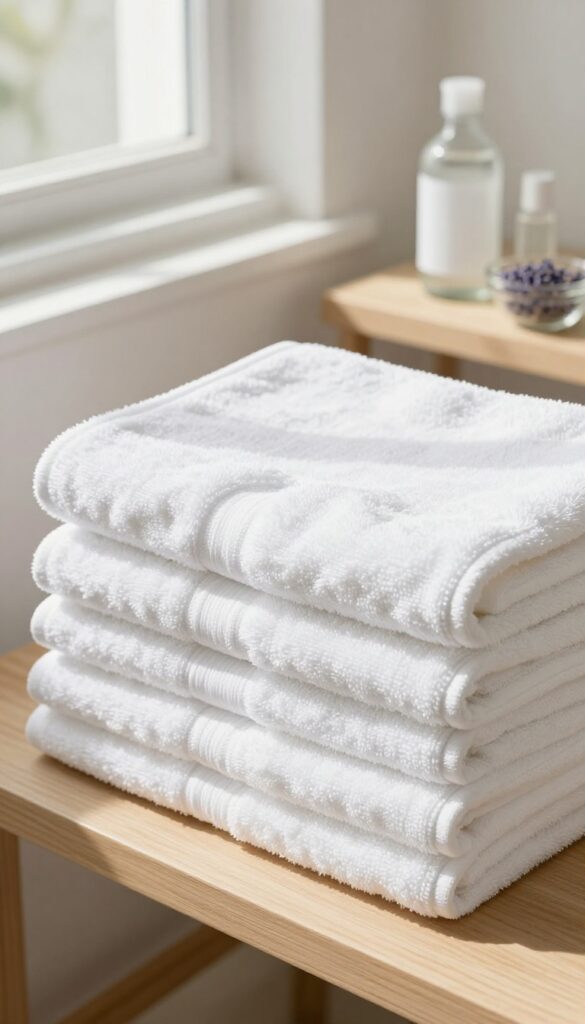
Fabric softener might make your clothes smell nice, but it's secretly ruining your towels. The waxy coating it leaves behind coats the cotton fibers, locking in odors and blocking absorbency. That's why your towels feel less thirsty over time.
Luckily, there's a simple swap that costs pennies. White vinegar works as a natural fabric softener and deodorizer without any buildup.
Fabric softener creates a thin, waterproof layer on towel fibers. This reduces how much water they can soak up, which is the whole point of a towel. It also traps bacteria and detergent residue, leading to musty smells even after washing.
White vinegar cuts through alkaline detergent residue and balances pH. It softens fibers naturally without coating them. Your towels come out fluffy, fresh, and way more absorbent.
Why Fabric Softener Is The Enemy
Think of fabric softener as a plastic wrap for your towels. It's made of oils and silicone that cling to fibers. Over time, this buildup makes towels stiff, less absorbent, and prone to odor.
If your towels smell sour even when clean, fabric softener is likely the culprit.
How To Use Vinegar The Right Way
Pour 1/2 cup of plain white vinegar into the fabric softener dispenser or add it during the rinse cycle. Don't worry—your towels won't smell like salad dressing. The vinegar smell disappears as they dry.
For extra freshness, run an empty hot cycle with vinegar once a month to clean your machine.
What About Scent?
If you miss the perfume, add a few drops of essential oil (like lavender or eucalyptus) to the vinegar. Or use wool dryer balls with a drop of oil. They soften naturally and reduce static, plus they last for hundreds of loads.
4. Add Baking Soda to the Wash Cycle
Baking soda isn't just for cookies and fridge deodorizing. It's a laundry powerhouse that tackles odors and boosts cleaning power without harsh chemicals. When added to your towel wash, it helps strip away residue that leaves fabrics feeling stiff and smelling less than fresh.
The best part? It's cheap, gentle, and works with any detergent.
How It Works
Baking soda is alkaline, which helps dissolve grease and grime that regular detergent might leave behind. It also neutralizes acidic odors, so musty smells disappear. Plus, it softens water, allowing detergent to lather better and rinse more thoroughly.
This means less buildup on your towels over time.
How To Use It
Add 1/2 cup of baking soda directly to the drum before tossing in your towels. You can also sprinkle it into the detergent dispenser, but dumping it in the drum gives better contact with the fabric. For extra freshness, combine it with your regular detergent—no need to change your usual cycle.
Extra Brightening Trick
If your white towels have started to look dingy, baking soda can help restore their brightness without bleach. Add 1/2 cup to the wash along with your detergent. For a deeper clean, let the towels soak in warm water with baking soda for 30 minutes before running the cycle.
When To Skip It
Baking soda is safe for most fabrics, but avoid using it on silk or wool towels (if you have them). It's also not necessary every single wash—once every few loads is enough to maintain softness and freshness. Overuse can lead to a slight residue, so stick to the recommended amount.
5. Run a Hot Water Cycle Once a Month
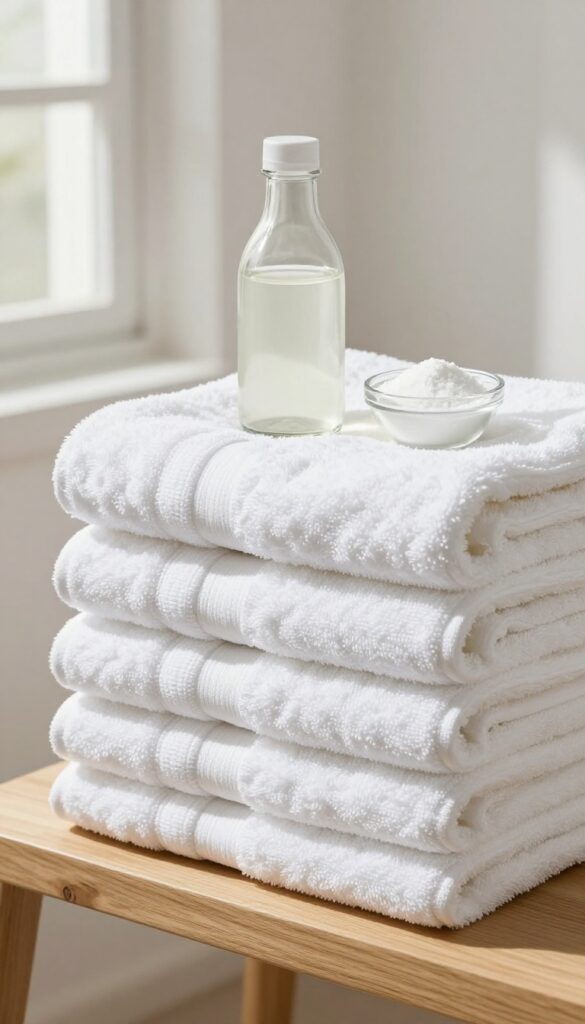
You might be surprised how much gunk builds up in your towels even when they look clean. Detergent residue, body oils, and bacteria cling to the fibers over time, and a regular warm wash isn't enough to blast them away. That's where a monthly hot water cycle comes in.
Hot water is a powerhouse for deep-cleaning towels. It kills bacteria that cause musty smells and dissolves the detergent buildup that makes towels feel stiff. Once a month, skip the usual settings and go for the hottest water your towels can handle—check the care label to be safe.
Add a cup of white vinegar to the rinse cycle or half a cup of baking soda directly into the drum. These natural helpers break down residue and neutralize odors without harsh chemicals.
Check Your Towel Tags First
Not all towels can handle high heat. Cotton, bamboo, and linen usually tolerate hot water well, but microfiber or blends might shrink or warp. Look for the washing instruction symbol: dots inside a tub indicate temperature.
One dot is cool, two is warm, three is hot. If your towels are mostly cotton or a cotton-polyester blend, hot is likely safe.
Vinegar Vs. Baking Soda
Both work, but they do different things. Vinegar (added to the rinse cycle) cuts through detergent residue and softens fabric naturally. Baking soda (added directly to the drum) tackles odors and helps brighten whites.
You can alternate each month or use them together—just don't mix them directly; add vinegar to the rinse dispenser and baking soda to the drum.
Don't Overdo It
Hot water can be tough on fibers if used too often. Stick to once a month for deep cleaning. For regular loads, warm or cool water is gentler and still gets towels clean.
Over-washing with hot water can cause fading and wear over time, so reserve this method for when your towels really need a refresh.
6. Don't Overload the Washer
It's tempting to cram every towel into one load to save time and energy. But when the drum is packed tight, your towels don't actually get clean. They need room to tumble freely so water and detergent can reach every fiber and rinse away dirt and residue.
Why Space Matters
Towels are thick and absorbent. When they're squished together, water can't circulate evenly. Dirt, body oils, and detergent get trapped in the folds, leaving towels stiff and less absorbent.
Over time, this buildup makes them smell sour even after washing.
The 3/4 Full Rule
A good rule of thumb: fill the drum no more than three-quarters full. You should be able to fit your hand between the towels and the top of the drum. If you can't, remove a few towels.
This leaves enough space for proper agitation and rinsing.
Signs You're Overloading
If your towels come out still damp, have soap streaks, or feel heavy and stiff, you're likely overloading. Another clue: if the washer struggles to spin or makes loud thumping noises, you've packed too many. Lighten the load and see the difference.
7. Shake Towels Before Drying
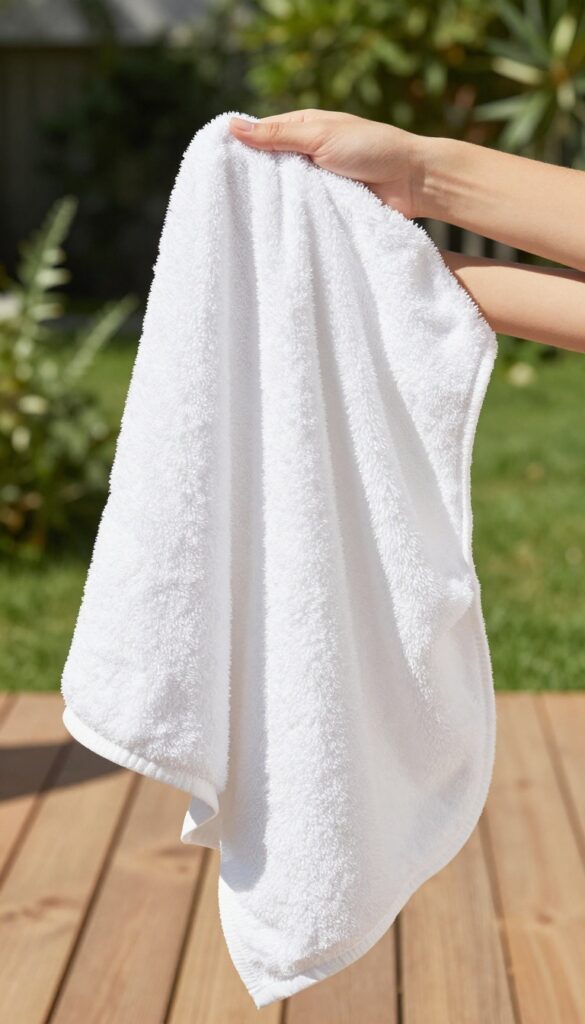
That extra step of shaking your towels before they hit the dryer makes a real difference. It separates the fibers, reduces wrinkles, and helps them dry faster and more evenly. Plus, it's a quick habit that costs nothing.
Why Shaking Works
When towels come out of the wash, they're often clumped together. Shaking them loosens the fibers, allowing hot air to circulate better in the dryer. This means less time tumbling and less wear on the fabric.
How To Shake Properly
Grab the towel by two corners and give it a firm snap in the air. Do this a couple of times until the towel is fully open and the fibers feel fluffy. Then lay it flat or drape it briefly before tossing it in.
Bonus Benefits
Shaking also helps remove any lingering lint or debris caught in the weave. You'll notice fewer lint balls in the trap and fluffier towels overall. It's a small move with big payoffs.
8. Use Wool Dryer Balls Instead of Dryer Sheets
Dryer sheets might make your laundry smell like a meadow, but they coat your towels with a waxy layer that reduces absorbency. Wool dryer balls are a simple swap that softens naturally without chemicals. They bounce around in the dryer, separating fibers and letting hot air circulate more efficiently.
Wool dryer balls work by gently pounding the towels as they tumble, which breaks down stiffness and speeds up drying time. Unlike sheets, they don't leave residue, so your towels stay fluffy and drink up water better. Plus, they reduce static cling without synthetic fragrances.
How Many Balls To Use
For a standard load, toss in 3 to 6 wool dryer balls. More balls mean more fluffing and faster drying. If you have a large load or extra-thick towels, lean toward 6.
For small loads, 3 is enough. You can also add a few drops of essential oil to the balls for a light scent.
They Last For Years
A set of wool dryer balls costs about the same as a box of dryer sheets, but they last for hundreds of loads. When they start to look felted or lose their bounce, you can refresh them by running them through a hot wash and drying them on high heat. That's it.
Bonus: Cut Drying Time
Because wool balls improve air circulation, they can reduce drying time by 10 to 25 percent. That saves energy and wear on your towels. You'll notice the difference especially with thick bath sheets that usually take forever to dry.
9. Dry Towels on Low or Medium Heat
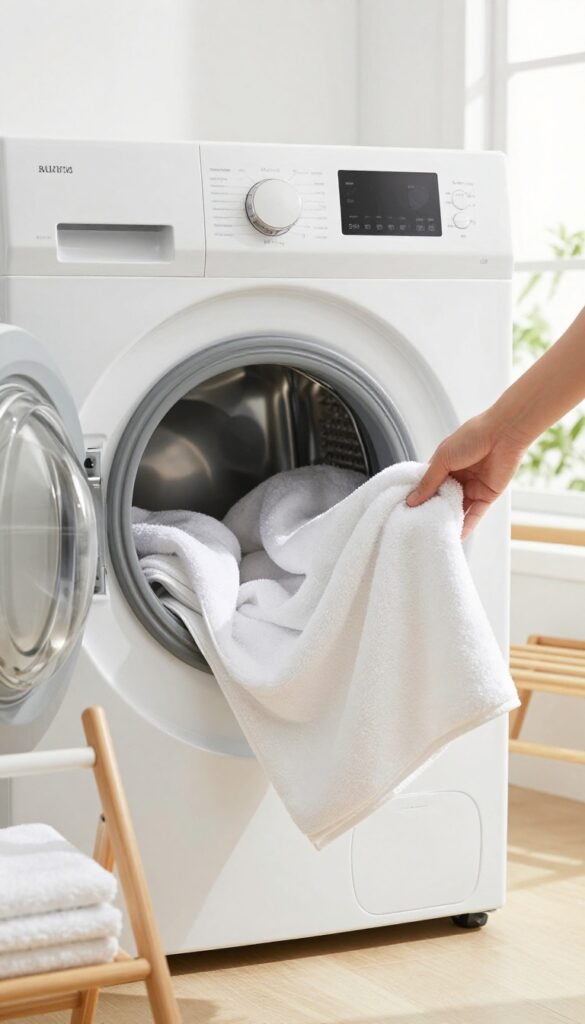
High heat is a common culprit behind stiff, shrunken towels. When you blast them on the hottest setting, the fibers get damaged and lose their natural fluffiness. The fix is simple: dial down the heat and pull them out while they're still a bit damp.
Why High Heat Hurts
Extreme heat breaks down cotton fibers over time. It also causes shrinkage, making towels smaller and less absorbent. Once the fibers are damaged, no amount of fabric softener can bring back that plush feel.
The Low-and-slow Method
Set your dryer to low or medium heat. This gentler approach preserves fiber integrity and prevents overdrying. Towels come out softer and last longer.
The Damp Trick For Extra Softness
Remove towels while they're still slightly damp—about 80% dry. Let them finish air drying on a rack or line. This reduces static and leaves them noticeably softer than if they were fully machine-dried.
10. Give Towels a Vinegar Soak Every Few Months
Even with good washing habits, towels can accumulate detergent residue, minerals from hard water, and body oils over time. That buildup makes them feel stiff and less absorbent. A periodic vinegar soak strips away all that gunk and restores natural softness without harsh chemicals.
Why Vinegar Works
White vinegar is mildly acidic, which helps dissolve alkaline detergent residues and mineral deposits from hard water. It also breaks down oils and bacteria that cause musty smells. Unlike fabric softeners, vinegar doesn't leave a coating, so towels stay fluffy and absorbent.
How To Do The Soak
Fill a bathtub or large basin with the hottest tap water you can. Add 1 cup of white vinegar and stir. Submerge your towels completely and let them soak for 30 minutes.
If they're especially smelly or stiff, you can extend the soak to an hour. After soaking, drain the water and toss the towels straight into the washing machine for a regular cycle with your usual detergent.
How Often To Do It
A vinegar soak every two to three months is plenty for most households. If you have hard water or use a lot of detergent, you might benefit from doing it monthly. Overdoing it isn't harmful, but it's unnecessary.
Your towels will tell you when they need it—if they start feeling rough or less absorbent, it's time.
11. Separate Towels by Color and Fabric Weight
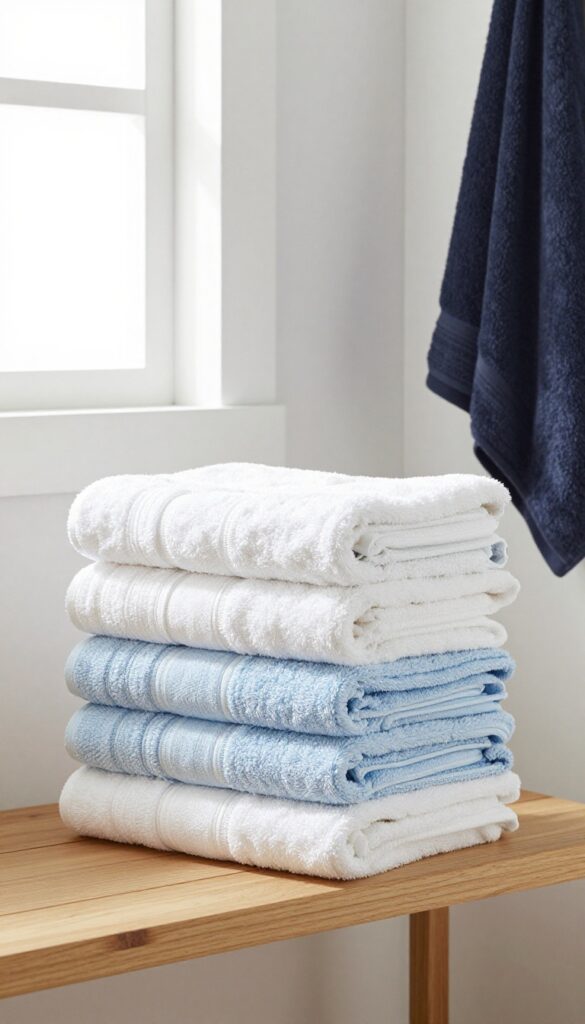
Throwing all your towels into one load might seem efficient, but it can lead to dingy whites and uneven drying. Dark towels often shed dye, especially when new, and heavy bath sheets take much longer to dry than lightweight hand towels. Sorting by both color and fabric weight keeps everything looking fresh and drying evenly.
Washing towels of similar colors and weights together prevents color transfer and ensures each towel gets the right amount of drying time. Heavy towels need more heat and time to fluff up, while lighter ones can overdry and become stiff if left in too long. This simple sorting step also helps your towels last longer by reducing wear from mismatched tumbling.
Why Color Separation Matters
New dark towels, especially reds, navies, and blacks, can bleed dye for the first few washes. If you toss them in with whites or light pastels, you might end up with a load of grayish or pinkish towels. Wash darks together for at least the first three washes, and use a color-catching sheet if you're unsure.
Fabric Weight Affects Drying Time
Heavy bath sheets and thick bath towels hold more water and need longer drying cycles. Lightweight hand towels and washcloths dry much faster. If you mix them, the lighter towels will be bone-dry while the heavy ones are still damp, forcing you to run the dryer longer and wasting energy.
Separate loads let you set the right drying time for each group.
Practical Sorting Tips
Keep a small hamper or basket in your laundry room for darks and another for lights. When you buy new towels, wash them separately for the first few cycles. Also, consider grouping by fabric type: cotton, microfiber, and bamboo all behave differently in the wash and dryer.
12. Treat Stains Immediately with a Paste
Stains on towels are inevitable, but how you handle them makes all the difference. Letting a stain set in means it becomes much harder to remove, and harsh scrubbing can damage the fibers. A simple paste made from baking soda and water tackles most stains gently yet effectively.
For greasy marks like makeup or cooking oil, a drop of dish soap breaks down the oils before you apply the paste.
This method works because baking soda is a mild abrasive that lifts stains without scrubbing, and dish soap cuts through grease. The key is to act fast—the sooner you treat the stain, the better the results. This technique saves your towels from premature wear and keeps them looking fresh.
How To Make And Apply The Paste
Mix three parts baking soda with one part water to form a thick paste. Spread it over the stain, covering it completely. Let it sit for 15 minutes—this gives the baking soda time to absorb and lift the stain.
Then wash the towel as usual. For dried or stubborn stains, let the paste sit for up to 30 minutes.
Pre-treating Oily Stains
If the stain is from makeup, lotion, or cooking oil, start by rubbing a small amount of liquid dish soap directly onto the stain. Use your fingers or a soft brush to work it in gently. Then apply the baking soda paste on top.
The dish soap emulsifies the oils, making them easier to rinse away during the wash.
Avoid Common Mistakes
Don't rub the stain vigorously—this can push it deeper into the fibers. Instead, blot or dab the paste on. Also, avoid using hot water on protein-based stains like blood or sweat, as heat can set them.
Stick to cold or warm water for those. And never put a stained towel in the dryer until the stain is completely gone, because heat will set it permanently.
13. Avoid Using Bleach on Towels
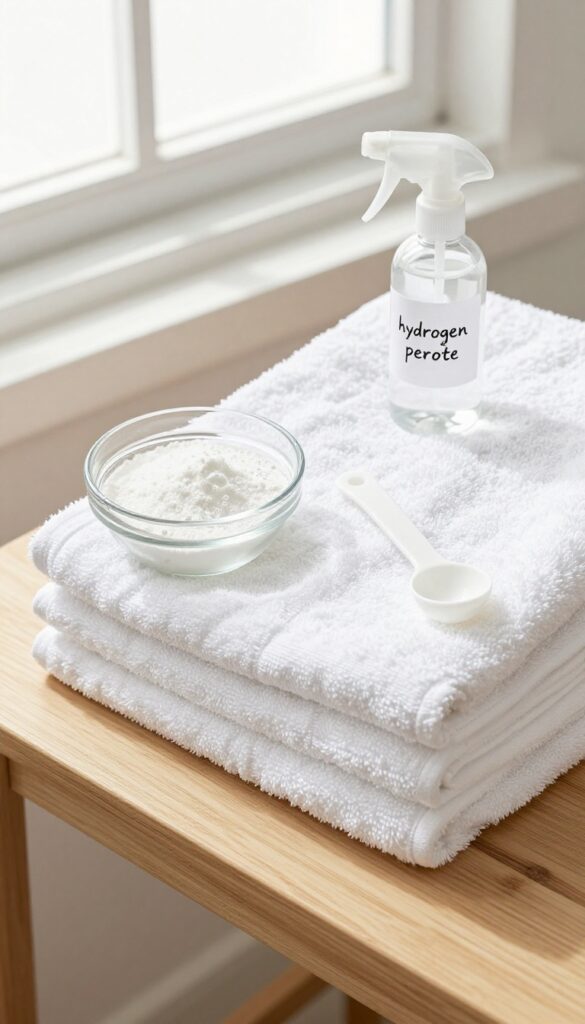
Bleach might seem like the easiest way to keep white towels bright, but it actually does more harm than good over time. The chlorine in bleach weakens cotton fibers, causing towels to thin, fray, and lose their softness. It also reacts with residues and minerals, often turning whites a dull yellow instead of keeping them crisp.
Instead of reaching for chlorine bleach, switch to oxygen-based bleach like OxiClean or use hydrogen peroxide. These alternatives lift stains and whiten without breaking down the fabric. They work well in warm or hot water and are safe for most towel materials.
Your towels will stay brighter, softer, and last much longer.
Why Chlorine Bleach Is Bad For Towels
Chlorine bleach attacks the cellulose in cotton, which is what gives towels their strength and plush feel. Over time, fibers become brittle and break, leading to thinning spots and frayed edges. The yellowing effect happens because bleach doesn't rinse out completely and reacts with proteins or minerals left in the fabric.
Better Whitening Alternatives
Oxygen bleach releases active oxygen when mixed with water, lifting stains and brightening whites without damaging fibers. Hydrogen peroxide works similarly—just add half a cup to your wash cycle. Both are gentle enough for regular use and won't leave behind harmful residues.
For extra whitening power, soak towels in a solution of oxygen bleach and warm water for a few hours before washing.
When To Skip Bleach Altogether
If your towels are colored or patterned, avoid any type of bleach—even oxygen bleach can fade dyes over time. Instead, use baking soda or white vinegar in the rinse cycle to brighten and deodorize. These natural options keep colors vibrant while still freshening up your towels.
14. Store Towels in a Dry, Airy Place
Even the cleanest towels can turn musty if they sit in a damp, closed space. Bathrooms are naturally humid, so where you store your towels matters just as much as how you wash them. The goal is to let air move freely around the fabric so moisture doesn't get trapped.
You can avoid that stale smell by choosing open storage over closed cabinets. Hooks, open shelves, or a towel rack allow air to circulate on all sides. If you must use a cabinet, leave the door slightly ajar or drill small ventilation holes.
Also, don't pack towels too tightly—loose folds or rolls let air reach every layer. And never store damp towels; always dry them completely before putting them away.
Choose Open Storage
Open shelves, ladder racks, or simple hooks are your best friends. They let air flow around each towel, preventing moisture from settling. Closed cabinets can trap humidity, especially in a small bathroom.
If you love the look of folded towels on a shelf, space them out so they're not touching.
Don't Overcrowd
Piling towels too high or squeezing them onto a small rod blocks airflow. Fold them loosely or roll them individually. This not only keeps them fresher but also makes it easier to grab one without disturbing the rest.
Keep Them Off The Floor
The floor is the dampest spot in any bathroom. Even a clean floor can harbor moisture and bacteria. Use a wall-mounted rack or a stand to keep towels elevated.
If you have a towel warmer, it doubles as a drying rack—perfect for preventing mustiness.
15. Replace Towels Every Two to Three Years
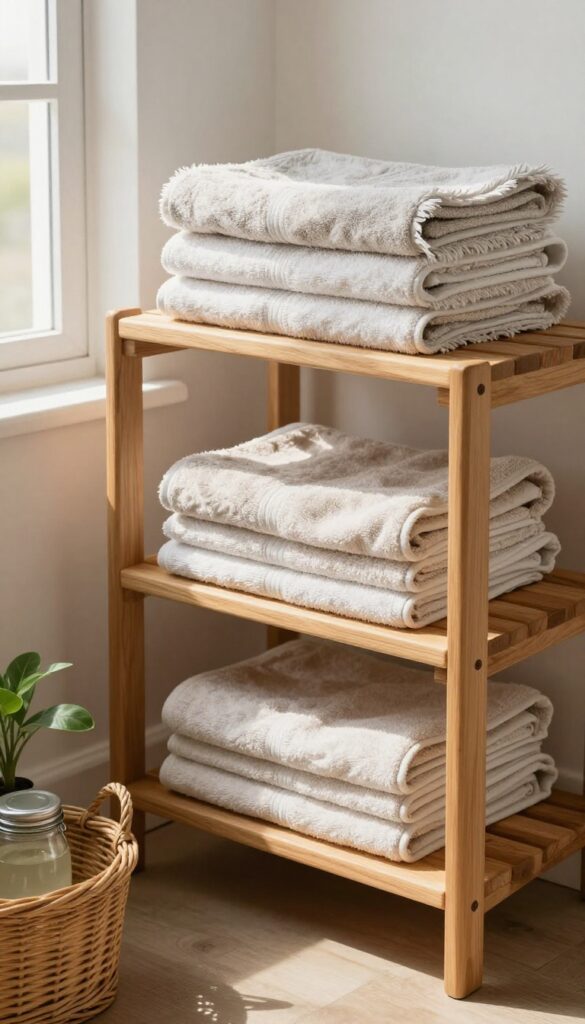
No matter how well you care for your towels, they won't last forever. After a couple of years of regular use, fibers break down, and towels lose their ability to dry you off properly. If your towels feel stiff even after a vinegar soak, look faded, or have frayed edges, it's a clear sign they've reached the end of their useful life.
How To Know It's Time
Check for these warning signs: reduced absorbency (water just beads up), persistent odors even after washing, thinning fabric, or visible holes. If a towel leaves lint all over you or feels rough no matter what you do, it's done.
Why Two To Three Years?
Most quality cotton towels last through about 500 washes before the fibers start to break down. With weekly washing, that's roughly two to three years. Rotating your towel sets can extend their life, but eventually, replacement is the only fix.
What To Do With Old Towels
Don't just toss them—old towels are perfect for pet bedding, cleaning rags, or car drying. Many animal shelters also accept clean, gently used towels. Just call ahead to see what they need.
16. Line Dry Occasionally for a Natural Boost
Your dryer is convenient, but it's also hard on towels. High heat breaks down fibers over time and can leave them stiff. Line drying gives your towels a break—and a natural upgrade.
Sunlight is a gentle bleach and disinfectant, so white towels stay bright without chemicals. Plus, the fresh outdoor scent is something no dryer sheet can match. Just bring them in before they turn board-stiff from over-drying.
Sunlight Does The Heavy Lifting
UV rays naturally brighten whites and kill bacteria. Hang towels in direct sun for a couple of hours to freshen them up. You'll notice a cleaner smell and a softer feel without any extra effort.
Save Energy And Your Towels
Line drying uses zero electricity and spares your towels from heat damage. Fibers last longer, and towels stay fluffy. It's a win for your utility bill and your laundry.
Timing Is Everything
Don't leave towels out until they're bone-dry and stiff. Bring them in while they're still slightly damp, then finish in the dryer on low for 10 minutes. That combination gives you softness and that outdoor scent.
17. Add a Few Drops of Essential Oil to the Dryer
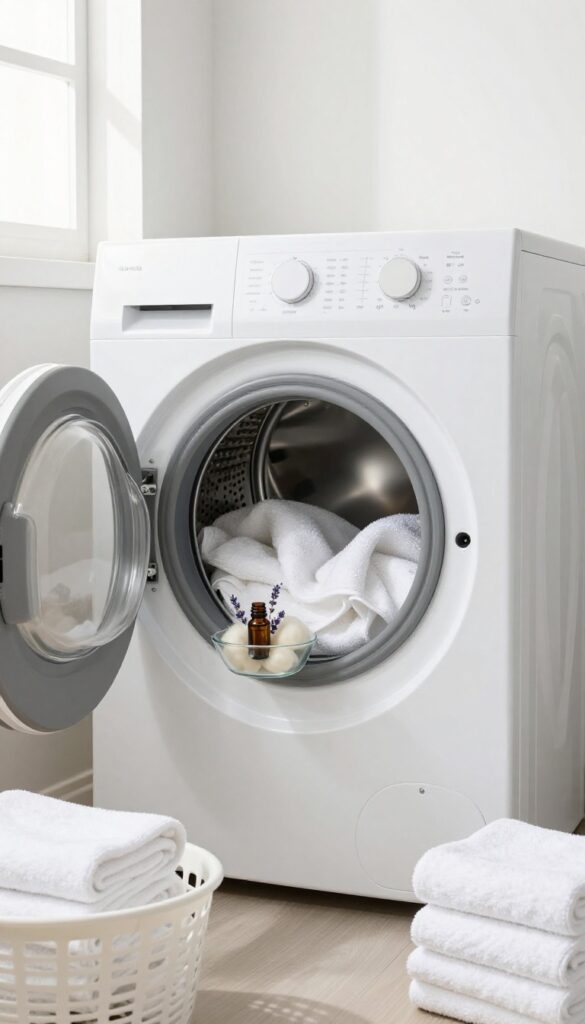
If you love the scent of freshly dried towels but want to skip the chemicals in commercial dryer sheets, essential oils are a perfect solution. A couple of drops on a wool dryer ball can infuse your laundry with a subtle, natural fragrance that lasts. Just be careful not to let the oil touch the towels directly—it can leave stubborn stains.
Essential oils offer a simple way to customize your laundry scent without synthetic fragrances. Lavender promotes relaxation, lemon is refreshing, and eucalyptus can help repel dust mites. The key is using a carrier like wool dryer balls to distribute the oil evenly.
Why Wool Dryer Balls Work Best
Wool dryer balls are ideal because they absorb the oil and release the scent gradually during the drying cycle. They also help reduce static and soften towels naturally. Avoid using plastic or rubber balls, as they may not hold the oil as well.
How To Apply Essential Oils Safely
Add 2-3 drops of your chosen essential oil to a dry wool ball before tossing it in the dryer. Never pour oil directly onto towels—it can cause discoloration or greasy spots. For a stronger scent, you can reapply the oil halfway through the cycle.
Best Essential Oils For Towels
Lavender is calming and widely loved, while lemon or orange provides a fresh, clean aroma. Tea tree oil has antimicrobial properties, and peppermint leaves a cool, invigorating scent. Stick with pure, high-quality oils to avoid residue.
FAQ
Why do my towels feel stiff after washing?
Stiffness is usually caused by detergent residue or fabric softener buildup. Try using less detergent and adding vinegar to the rinse cycle.
Can I use vinegar and baking soda together?
It's best to use them separately. Add baking soda to the wash cycle and vinegar to the rinse cycle. Combining them neutralizes their cleaning power.
How often should I wash bath towels?
Every 3-4 uses is sufficient for most households. Wash more often if towels are damp or used by someone with a skin condition.
What's the best way to remove mildew smell from towels?
Wash with hot water and 1 cup of vinegar, then rewash with baking soda. Dry thoroughly on high heat or in direct sunlight.
Are dryer sheets bad for towels?
Yes, they coat fibers and reduce absorbency. Switch to wool dryer balls for softer towels without the downsides.
Conclusion
You don't need fancy products or endless effort to get softer, fresher towels—just a few smart habits and the right laundry routine. Start with the tips that address your biggest towel frustrations, like vinegar for stiffness or baking soda for lingering odors, and build from there.
Consistent care makes a real difference in how your towels feel and smell over time. Try one or two new methods this week, and you'll notice the improvement with every use.