Your rugs take a beating daily—foot traffic, spills, pet accidents, and dust all settle deep into the fibers. Over time, that once-soft floor covering can feel flat and smell stale.
But you don't need harsh chemicals or expensive steamers to bring back that plush, fresh feel. These 15 cleaning ideas use everyday ingredients and a few simple tools to soften fibers, lift stains, and leave your whole room smelling clean.
From quick maintenance tricks to deep refresh methods, each tip is practical and easy to try. Let's get your rugs feeling softer and your space smelling fresher.
1. Vacuum Like a Pro – Both Sides
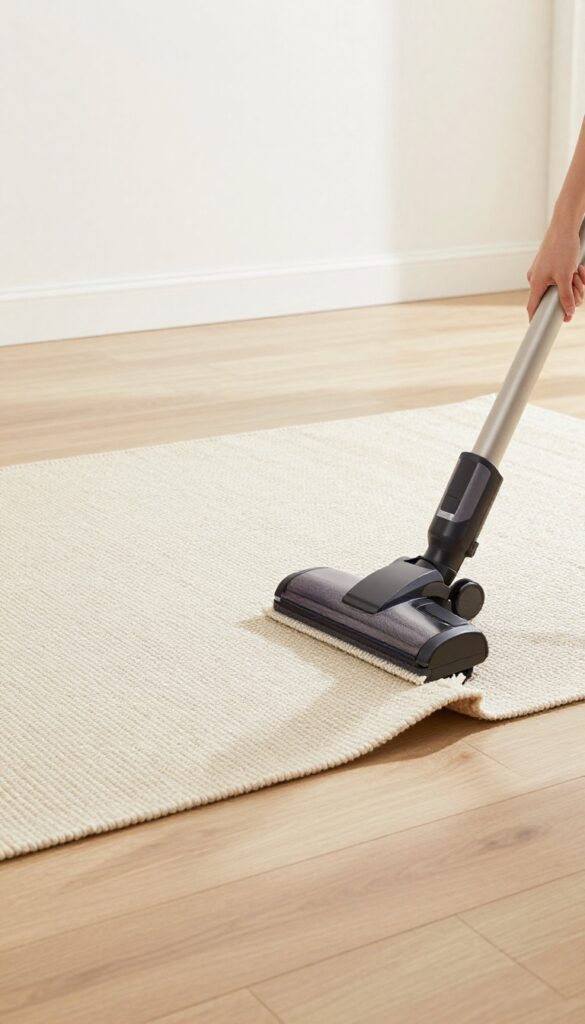
Most people vacuum only the top of their rug and call it a day. But dirt, dust, and grit actually work their way through the fibers and settle on the back side. Flipping your rug over and vacuuming the back first loosens that trapped debris so it doesn't grind against the fibers when you walk.
Then a slow, overlapping pass on the front lifts everything out.
Start by taking the rug outside or to a well-ventilated area. Flip it over so the backing faces up. Use the brush attachment on your vacuum and go in slow, overlapping rows.
This dislodges deep dirt that brushing alone can't reach. After you've covered the entire back, flip the rug right-side up. Switch to the standard floor head or a beater bar if your rug can handle it, and vacuum the front in the same slow, overlapping pattern.
This two-sided approach can remove up to twice as much debris as front-only vacuuming.
Why The Back Matters
Grit and sand are heavier than dust—they sink through the pile and sit against the backing. Every step grinds them into the fibers, causing premature wear. Vacuuming the back lifts that abrasive material before it can do damage.
It also helps remove pet hair and dander that get trapped underneath.
Slow Passes Beat Fast Ones
Rushing the vacuum reduces suction time per square inch. Slow, deliberate passes—about one foot per second—let the vacuum pull out more dirt. Overlap each pass by half the width of the head to avoid missing spots.
This method works especially well on high-pile and shag rugs.
When To Skip The Beater Bar
Delicate rugs like wool, silk, or antique pieces can get damaged by a spinning brush. For those, use the suction-only setting or a hard floor attachment. Always check the manufacturer's label.
When in doubt, test on a small corner first.
2. Baking Soda for Odor Absorption
Baking soda is a powerhouse when it comes to neutralizing odors trapped in rug fibers. It’s cheap, non-toxic, and works on everything from pet smells to musty basement odors. The key is giving it enough time to work its magic before vacuuming.
How To Apply It Right
Start by vacuuming the rug to remove loose dirt. Then sprinkle a generous, even layer of baking soda over the entire surface. For high-traffic areas or spots with strong smells, use more.
Let it sit for at least 30 minutes—overnight is even better for stubborn odors.
Boost With Essential Oils
Mix 10–15 drops of your favorite essential oil (like lavender, lemon, or tea tree) into the baking soda before sprinkling. Stir well to avoid clumps. This adds a light, natural fragrance while the baking soda does the deodorizing.
Just be sure to test a small area first for colorfastness.
Vacuum Thoroughly
After the waiting period, vacuum the rug slowly in multiple directions to pick up all the powder. A canister vacuum or one with a brush roll works best. Don’t rush—leftover baking soda can feel gritty underfoot.
Repeat monthly to keep your rug smelling fresh.
3. White Vinegar Spray for Freshness
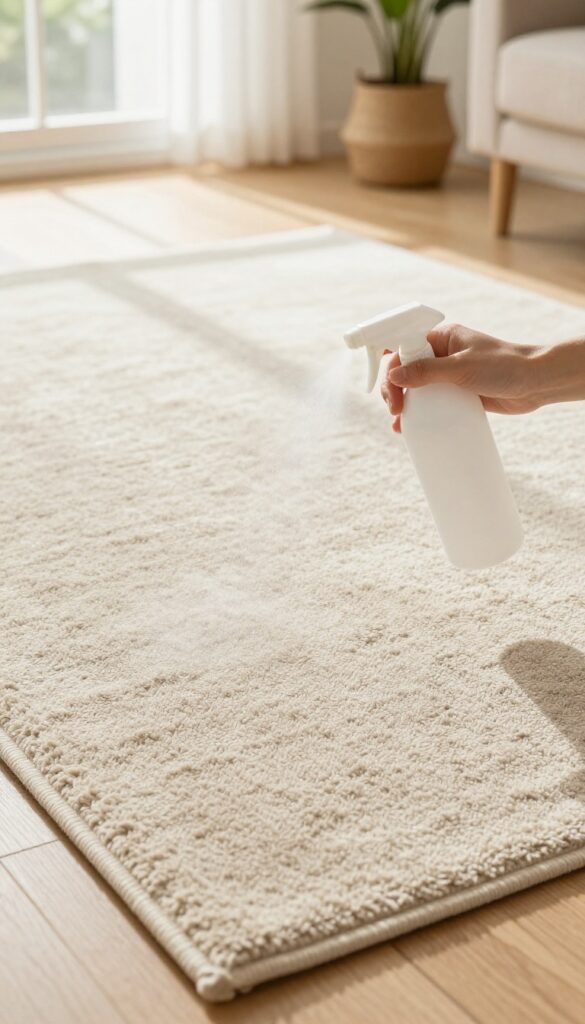
White vinegar is a natural deodorizer that neutralizes odors rather than just covering them up. A simple spray can refresh your rug between deep cleanings without soaking the fibers or leaving residue. The key is using a light mist—not a drench—so the rug dries quickly and the vinegar scent evaporates completely.
Mix equal parts white vinegar and water in a clean spray bottle. Lightly mist the rug, focusing on areas that smell musty or where pets hang out. Let it air dry completely—open a window or turn on a fan to speed things up.
The vinegar smell vanishes as it dries, taking odors with it. This works on synthetic and natural fiber rugs, but always test a small hidden spot first to make sure the color doesn't change.
Why Vinegar Works So Well
Vinegar is acidic, which helps break down alkaline odor molecules like pet urine, sweat, and smoke. It also kills some bacteria and mold spores that contribute to smells. Unlike fabric softeners or scented sprays, vinegar doesn't coat fibers with chemicals that attract dirt over time.
It simply lifts and neutralizes, leaving the rug cleaner and softer.
How To Apply Without Overwetting
Use a fine mist setting on your spray bottle and hold it about 12 inches from the rug. Lightly spritz until the surface feels damp but not wet. Avoid saturating the backing, especially on rugs with rubber or latex backing, as moisture can cause delamination.
For larger rugs, work in sections and let each area dry before moving on.
Boosting The Freshening Power
Add 10–15 drops of essential oil like lavender, lemon, or tea tree to the vinegar-water mix for extra scent and antimicrobial benefits. Shake well before each use. You can also sprinkle baking soda over the rug before spraying—the fizzing action helps lift embedded dirt and odors.
Let it sit for 15 minutes, then vacuum after the spray dries.
4. Steam Cleaning Without a Machine
A clothing steamer isn't just for wrinkles—it can also refresh your rug fibers in minutes. The heat and steam loosen trapped dirt, kill dust mites, and soften the pile without soaking the backing. It's a gentle, low-moisture method that works especially well for synthetic rugs or delicate wool pieces that can't handle a full wet cleaning.
Plus, you don't need to rent or buy a bulky machine.
How It Works
Hold the steamer a few inches above the rug surface and move it slowly across the fibers. The steam penetrates the pile, loosening dust and allergens. The heat also helps relax matted areas, making the rug feel softer.
Avoid pressing the steamer directly onto the rug or staying in one spot too long to prevent moisture buildup.
Best Rugs For This Method
Synthetic rugs like polyester, nylon, and olefin handle steam well because they dry quickly and resist shrinking. Wool rugs can also benefit from steam, but use a lower heat setting and keep the steamer moving. Avoid steam on delicate fibers like silk or jute, as moisture can cause damage or discoloration.
Tips For Best Results
Vacuum the rug thoroughly before steaming to remove loose dirt. Work in sections, and after steaming, let the rug air dry completely before walking on it. For extra freshness, add a few drops of essential oil to the water tank—lavender or tea tree oil work great for a clean scent and natural antimicrobial boost.
5. Carpet Rake for Fluffing
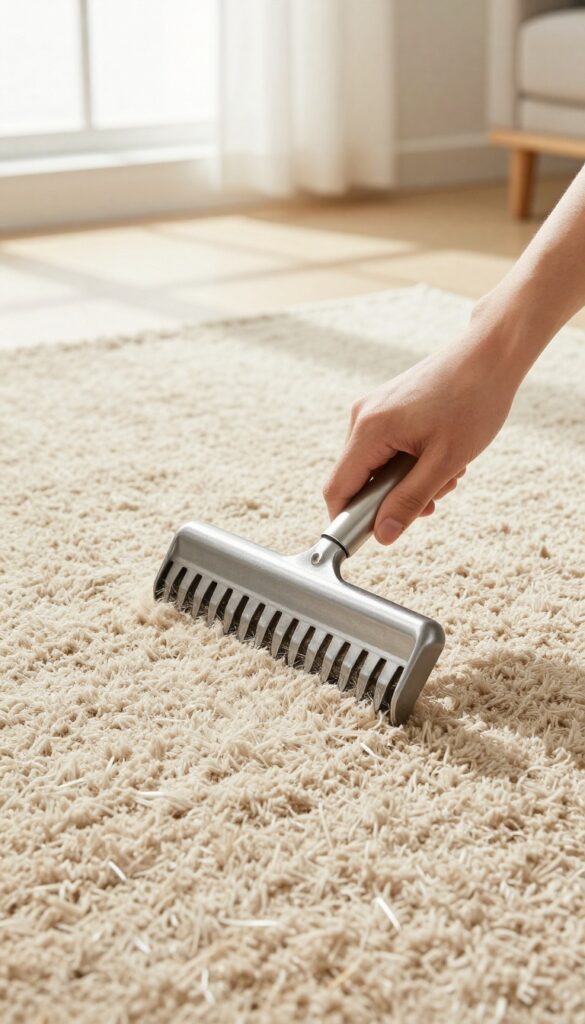
Vacuuming does a great job on surface dirt, but it doesn't always revive flattened fibers. That's where a carpet rake comes in. This simple tool lifts matted pile, pulls out embedded pet hair, and redistributes the fibers for a softer, more uniform look.
Using a carpet rake is straightforward. After vacuuming, rake the rug in one direction to lift the pile, then go over it again perpendicularly for a full fluff. The metal tines dig deep without damaging the fibers, making even high-traffic areas feel plusher.
It's especially effective on shag and Berber carpets.
Why A Rake Works Better Than Just Vacuuming
Vacuum suction pulls up loose dirt but can't always separate tangled fibers. A rake physically separates matted strands, allowing air to circulate and restoring the rug's original loft. It also dislodges hair and dander that suction alone leaves behind.
How Often To Rake For Best Results
Rake once a week in high-traffic zones and every two weeks in quieter areas. Over-raking can stress the fibers, so stick to a gentle, steady motion. Pair it with a thorough vacuum session for a complete refresh.
Choosing The Right Carpet Rake
Look for a rake with curved, rust-resistant metal tines and an ergonomic handle. Avoid plastic rakes, which can break or snag fibers. For large rugs, a wide rake covers more ground quickly; for delicate rugs, a smaller, finer-tooth rake is safer.
6. Spot Clean with Dish Soap and Warm Water
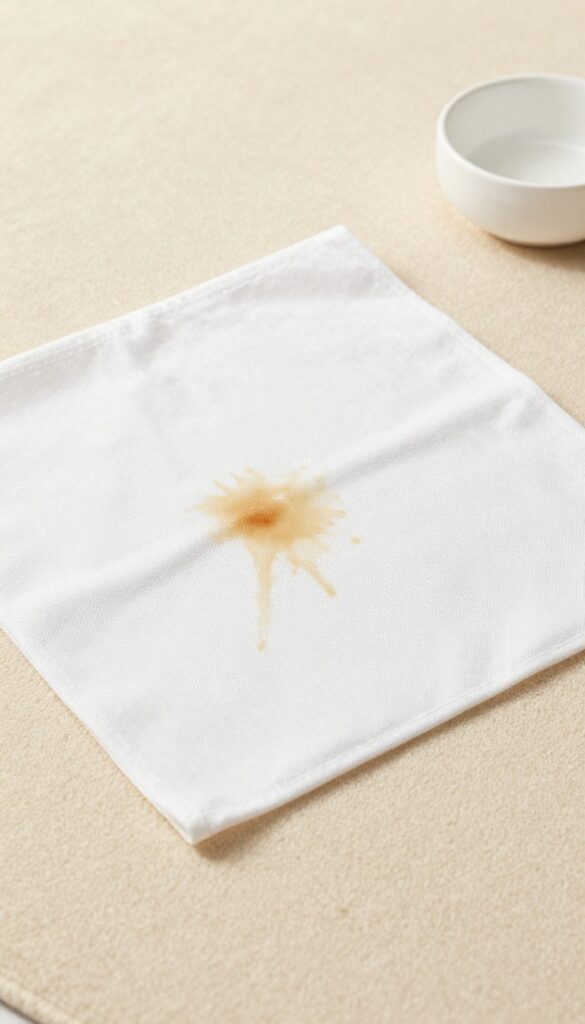
Fresh stains don't stand a chance against a simple mixture of dish soap and warm water. This gentle yet effective solution lifts spills without harsh scrubbing or expensive cleaners. It's a go-to method for treating spots right when they happen.
Dish soap cuts through grease and food-based stains without damaging rug fibers. Warm water helps activate the soap and loosen the stain. Always blot—never rub—to prevent the stain from spreading deeper into the pile.
Why Dish Soap Works So Well
Mild dish soap is designed to break down oils and food residues, making it perfect for common rug stains like coffee, wine, or pet accidents. It's gentle enough for most synthetic and natural fibers, and it rinses out easily without leaving a sticky residue.
Step-by-step Spot Cleaning
Mix a few drops of dish soap with two cups of warm water. Dip a clean white cloth into the solution and blot the stain from the outer edge inward. Continue blotting with a dry section of the cloth until the stain transfers.
Then rinse with a cloth dampened with plain water and blot dry.
When To Avoid This Method
Avoid using dish soap on silk or delicate antique rugs, as the moisture can cause damage or color bleeding. Always test the solution on a hidden area first. For large or set-in stains, consider professional cleaning instead.
7. Hydrogen Peroxide for Tough Stains
Some stains just won't budge with regular cleaners—wine spills, coffee drips, or old pet accidents that have had time to set. That's where hydrogen peroxide comes in. It's a mild bleach alternative that breaks down organic stains without damaging most rug fibers, as long as you use it correctly.
A 3% solution is strong enough to lift stubborn marks but gentle enough for routine use. The key is to test first and work slowly, letting the peroxide do its fizzing magic before blotting it away.
Hydrogen peroxide works by releasing oxygen bubbles that lift stain particles from deep within the fibers. This makes it especially effective on protein-based stains like blood, wine, and coffee. Unlike chlorine bleach, it won't discolor most synthetic or wool rugs when used properly.
Always dilute if you're worried about colorfastness, and never mix it with vinegar or ammonia—that creates toxic fumes.
Spot Test First
Before you treat the stain, dab a tiny amount of 3% hydrogen peroxide on an inconspicuous area of the rug. Wait 10 minutes, then blot with a white cloth. If the color doesn't lift or change, you're good to go.
If there's any fading, skip this method or dilute the peroxide with equal parts water.
Apply And Blot
Pour enough hydrogen peroxide to saturate the stained area, but don't flood the rug. Let it sit for 5–10 minutes—you'll see it start to fizz as it reacts with the stain. Blot with a clean, dry cloth, pressing firmly to absorb the liquid and stain.
Repeat the process if the stain is still visible, then rinse with a little cold water and blot dry.
When To Call It Quits
If the stain hasn't lifted after three applications, it's probably set too deep or the peroxide isn't strong enough. Don't oversoak the rug, as moisture can damage the backing or padding. Instead, move on to a different method like a professional cleaner or an enzyme-based stain remover.
8. Shaving Cream for Grease and Oil
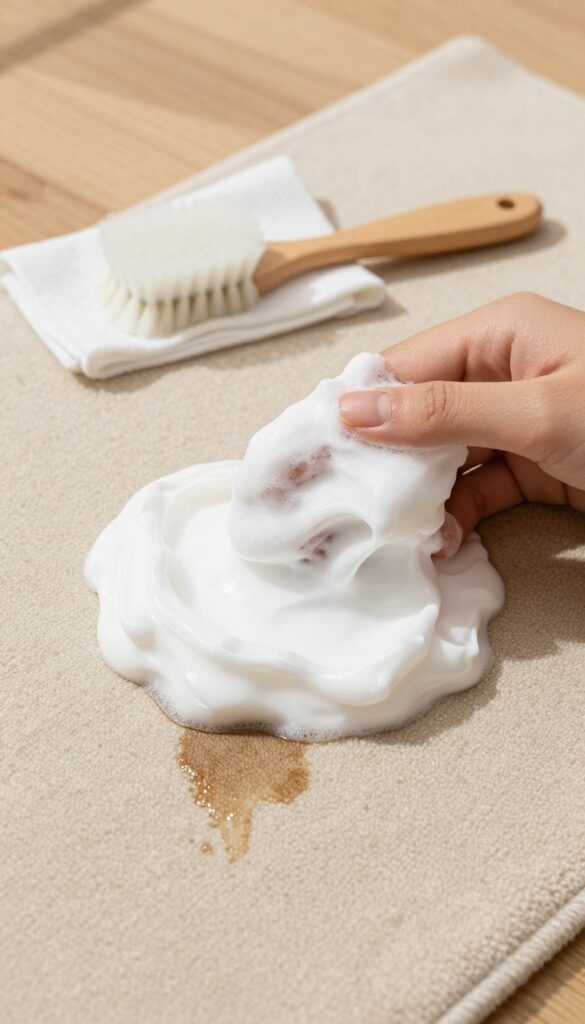
Grease and oil stains are stubborn, but you don't need a specialty cleaner. Plain shaving cream cuts through grease without harsh chemicals. It's cheap, gentle, and works on most rug types.
Squirt plain shaving cream (not gel) directly onto the grease spot. Use your fingers or a soft brush to work it in gently. Let it sit for 10 minutes, then blot with a damp cloth.
The cream breaks down oils, making them easy to lift. Repeat if needed.
Why Shaving Cream Works
Shaving cream contains surfactants that trap and lift oil molecules. It's mild enough for synthetic and wool rugs, but always test a hidden area first. The foam texture helps it penetrate without soaking the fibers.
Best Uses And Tips
Use this method for fresh or set-in grease from food, lotion, or hair products. Blot—don't rub—to avoid spreading. After blotting, rinse with a little water and blot dry.
Vacuum once the spot is fully dry.
9. Salt for Fresh Spills
When a glass of red wine or coffee topples over, every second counts. Reaching for a bottle of cleaner might be your first instinct, but plain table salt can do the job faster and without any chemicals. Salt acts like a sponge, drawing the liquid out of the rug fibers before it has a chance to set into a stubborn stain.
The trick is to act immediately. As soon as the spill happens, pour a generous layer of salt directly over the wet area—enough to completely cover it. Let the salt sit for 10 to 15 minutes.
During that time, it will absorb the liquid and any pigment. Then simply vacuum up the salt. You'll see the stain lifted away with it.
For deeper spills, you can repeat the process or follow up with a gentle blot using a clean cloth.
Why Salt Works So Well
Salt is hygroscopic, meaning it pulls moisture toward itself. When you dump it on a fresh spill, it rapidly soaks up the liquid, preventing it from seeping deeper into the rug backing. It also lifts some of the stain-causing particles, so they get trapped in the salt crystals instead of bonding to the fibers.
Best Spills For This Method
This works brilliantly for red wine, coffee, tea, fruit juice, and even soda. It's less effective for oily or greasy spills, but for water-based stains, it's a lifesaver. Just remember: fresh spills only.
Once a stain has dried, salt won't do much.
Pro Tip For Extra Stubborn Stains
If the spill has already started to set, mix salt with a little cold water to form a paste. Apply it to the stain, let it dry completely, then vacuum. This can help pull out residual color from older spots.
10. Freeze Gum and Wax
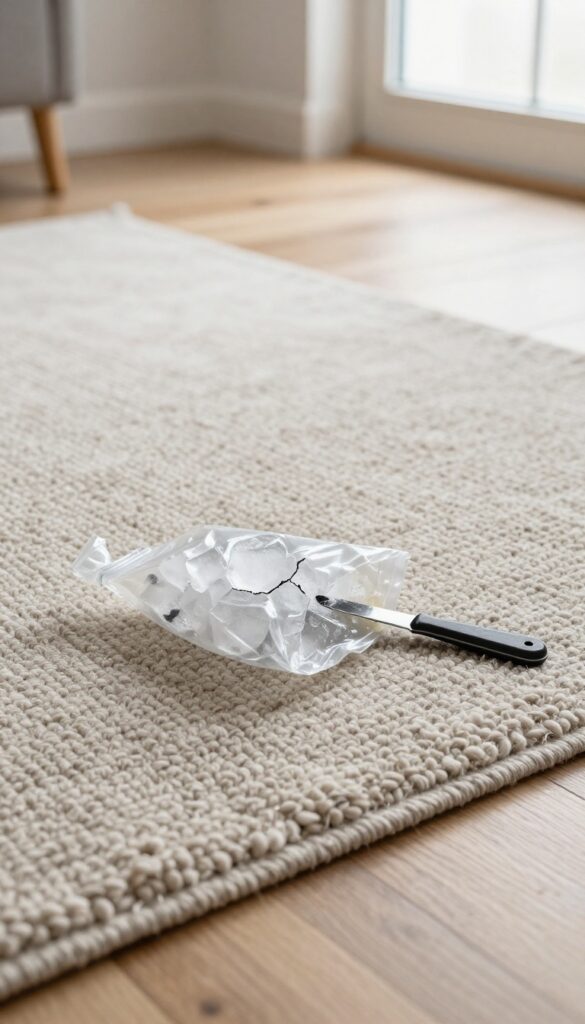
Chewing gum and candle wax are two of the trickiest things to remove from rug fibers. If you try to scrape them off while they're soft, you'll just smear the mess deeper. The freezer trick is a game-changer: harden the gunk, then break it away cleanly.
This method works because frozen gum and wax become brittle and lose their stickiness. Once hardened, they crack off in chunks instead of pulling at the rug fibers. For any leftover residue, a gentle scrape with a dull knife or the edge of a credit card does the trick without damaging the rug.
The Freeze-and-crack Method
Grab a plastic bag filled with ice cubes or a gel ice pack. Place it directly over the gum or wax and let it sit for 10–15 minutes until the substance is rock hard. Then, use a dull knife or a plastic scraper to gently pry it off.
The frozen material should break into pieces and lift away easily.
Tackling Stubborn Residue
If a thin film remains after the main chunk is gone, don't scrub—that can push it deeper. Instead, press another ice pack on the spot for a few minutes, then scrape again. For wax residue, you can also place a brown paper bag over the area and run a warm iron over it (on low heat) to melt and absorb the wax.
But for this listicle, the freeze method is the go-to.
11. Essential Oils for Natural Scent
Why settle for synthetic air fresheners when you can give your rug a spa-like treatment with essential oils? A few drops of your favorite scent mixed with baking soda can neutralize odors and leave a light, natural fragrance. It's a simple, chemical-free way to refresh your rug between deep cleans.
Essential oils not only smell great but also have antibacterial properties that help keep your rug fresh. Lavender calms, lemon energizes, and tea tree oil fights mold and mildew. The baking soda acts as a carrier and deodorizer, lifting trapped smells from the fibers.
Choosing Your Oil
Pick oils that match your mood or the room's purpose. For the bedroom, lavender or chamomile promote relaxation. In the living room, citrus oils like lemon or orange add a bright, clean scent.
For high-traffic areas or pet zones, tea tree or eucalyptus help combat odors and bacteria.
Mixing And Application
Combine 1 cup of baking soda with 10–15 drops of essential oil in a bowl. Stir well to break up clumps, then sprinkle evenly over the rug. Let it sit for at least 30 minutes—longer for stronger odors.
Vacuum thoroughly to remove all powder. The scent will linger softly.
Safety And Tips
Always test a small, hidden area first to ensure the oil doesn't stain or discolor your rug. Avoid using oils on silk or delicate fibers. If you have pets, check which oils are safe—tea tree and eucalyptus can be toxic to cats and dogs in high concentrations.
Stick to pet-friendly options like lavender or cedarwood.
12. Rug Pads for Extra Softness
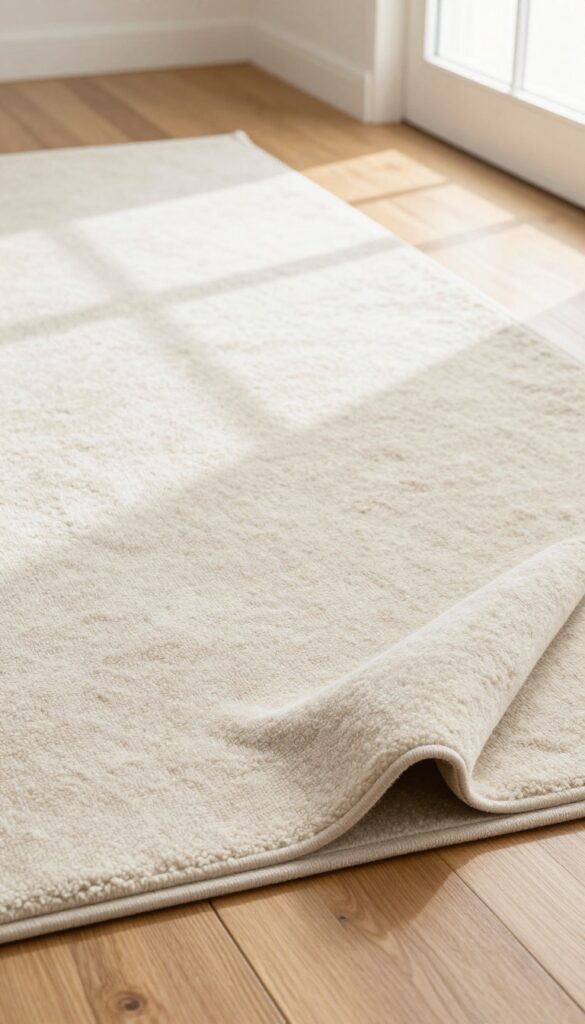
A good rug pad does more than keep your rug from sliding around. It adds a layer of cushioning that makes even a thin rug feel plush underfoot. Plus, it protects your floors from scratches and helps your rug last longer.
Not all rug pads are created equal. The best ones for softness and floor protection combine felt and rubber. The felt layer provides the padding you feel when you walk, while the rubber grips the floor and prevents movement.
Look for pads that are slightly smaller than your rug so they don't peek out at the edges.
Why Felt-and-rubber Works Best
Felt pads are thick and soft, giving that extra cushioning. Rubber backing adds grip and prevents slipping. Together, they create a stable, comfortable base.
Avoid pads made of PVC or recycled foam—they can break down over time and leave residue on your floors.
How To Choose The Right Thickness
For high-traffic areas, a 1/4-inch thick pad is usually enough. For bedrooms or living rooms where you want more softness, go up to 1/2 inch. Just make sure the pad doesn't create a tripping hazard at doorways or edges.
Installation And Care Tips
Unroll the pad and let it flatten for a day before placing your rug on top. Vacuum the pad occasionally to remove dust. If you have hardwood floors, check that the rubber is non-staining—many high-quality pads are designed to be safe for all floor types.
13. Professional Deep Clean Once a Year
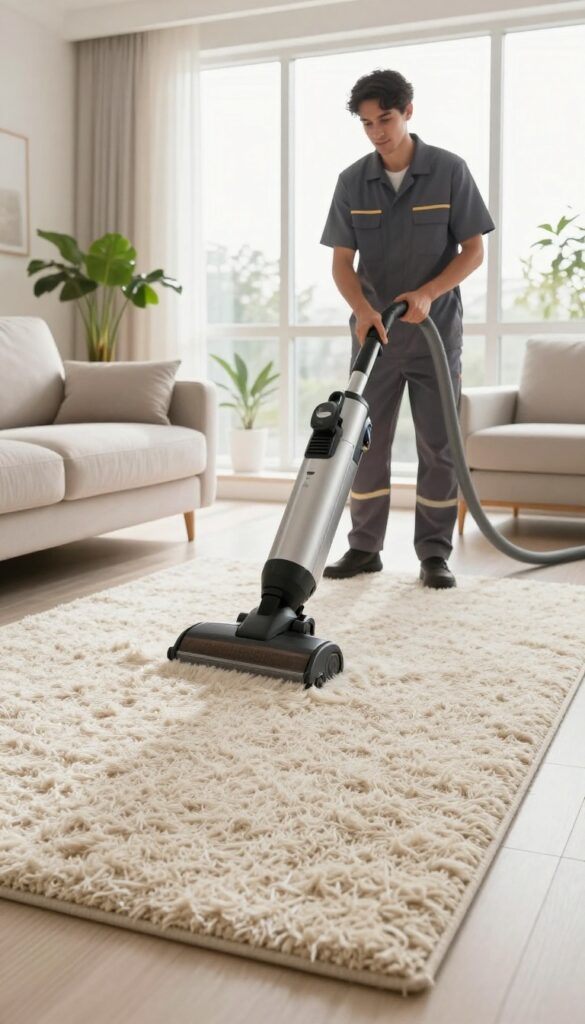
Even with the best at-home care, rugs accumulate deeply embedded dirt, allergens, and grime that regular vacuuming and spot cleaning can't reach. A yearly professional deep clean resets your rug's fibers, restoring softness and freshness. This isn't about replacing your routine—it's about giving your rug a reset button.
Think of your rug like your mattress. You change sheets weekly, but you still flip and deep clean the mattress occasionally. Same idea here.
A professional hot water extraction (steam cleaning) or dry cleaning method can lift years of trapped dust and revive the pile. If hiring out isn't in the budget, renting a quality machine from a hardware store works almost as well. Just follow the instructions carefully and use the right cleaning solution for your rug type.
What Professional Cleaning Does
Professional cleaners use powerful equipment that extracts more water and dirt than consumer machines. They also have specialized spotting agents for stubborn stains. The result: deeper clean, faster drying, and a noticeably softer feel underfoot.
When To Schedule It
Aim for once a year, preferably in spring or fall when you can open windows for ventilation. High-traffic areas or homes with pets may need twice a year. Mark your calendar so you don't forget.
Diy Deep Clean Option
If hiring a pro isn't possible, rent a carpet cleaner from a grocery store or home improvement center. Use a detergent designed for rugs, not carpet shampoo. Go slowly, overlap passes, and let the rug dry completely before walking on it.
14. Sunlight for Disinfecting
The sun is one of nature's best disinfectants, and it's completely free. On a sunny, dry day, take your rug outside and let UV rays do the heavy lifting. This simple method kills bacteria, dust mites, and even some mold spores while fresh air naturally lifts odors.
It's a gentle, chemical-free way to refresh your rug without any scrubbing or spraying.
How Uv Light Works On Rugs
Ultraviolet (UV) rays from the sun damage the DNA of microorganisms like bacteria and dust mites, effectively killing them. For rugs, this means a reduction in allergens and germs that can trigger sneezing or musty smells. Just a few hours of direct sunlight can make a noticeable difference, especially for rugs that can't be washed easily.
Best Practices For Sun-drying
Hang the rug over a clean, dry clothesline or lay it flat on a clean surface like a deck or patio. Flip it halfway through so both sides get equal exposure. Avoid leaving it out too long on extremely hot days to prevent fading—2 to 4 hours is usually plenty.
Check the rug's care label first; some delicate fibers or dyes may be sensitive to prolonged sun.
When Sunlight Isn't Enough
Sunlight is great for maintenance and mild odors, but it won't remove heavy stains or deep-set dirt. For those, combine sun-drying with a thorough vacuuming beforehand. If your rug has a strong smell from pet urine or mildew, you may need a deeper enzymatic cleaner first, then use sunlight as a finishing step.
15. Rotate to Even Out Wear
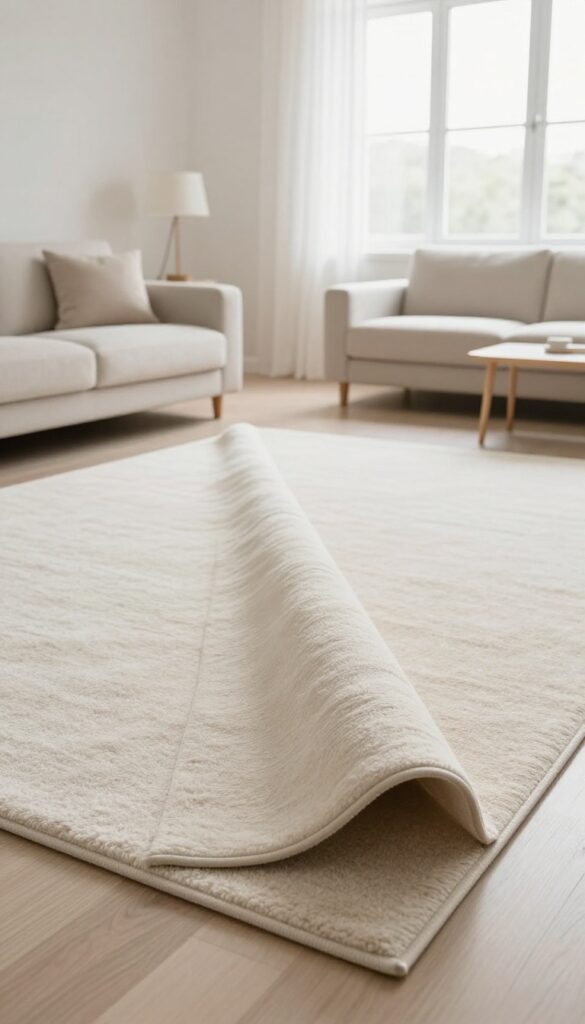
Rugs don't wear evenly. High-traffic areas like doorways, hallways, and spots in front of sofas get flattened faster, while corners stay plush. Over time, this creates a patchy feel underfoot.
The fix is simple: rotate your rug every three to six months. This redistributes foot traffic so the entire surface wears evenly, keeping it soft and plush for longer.
Rotating your rug is one of the easiest ways to extend its life and maintain that fluffy texture. It takes just a few minutes and requires no tools or products. By shifting the rug's orientation, you expose different areas to foot traffic, preventing permanent flattening in high-use zones.
This is especially important for rugs in living rooms, hallways, and entryways where people walk most. Regular rotation also helps balance sun exposure, preventing one side from fading faster than the rest.
How Often Should You Rotate?
A good rule of thumb is every three to six months. If your rug is in a very busy area, lean toward the three-month mark. For a low-traffic bedroom or guest room, twice a year is enough.
Mark your calendar or set a reminder so you don't forget. Consistency is key to even wear.
The Right Way To Rotate
Start by clearing the rug of furniture and objects. If the rug is large, ask a friend for help to avoid straining your back. Simply turn the rug 180 degrees (half a turn) so the end that was near the wall now faces the room.
For square rugs, you can rotate 90 degrees for a slightly different look. After rotating, rearrange furniture to match the new orientation. Your rug will thank you.
Bonus: Flip It If Possible
Some rugs, like flatweaves or those with reversible designs, can be flipped over. This doubles the life of your rug because both sides get equal wear. Check the manufacturer's label to see if your rug is reversible.
If it is, flip it every time you rotate for maximum softness and longevity.
FAQ
How often should I vacuum my rugs?
For high-traffic areas, vacuum at least twice a week. For low-traffic rooms, once a week is enough. Always vacuum both sides every few months.
Can I use bleach on my rug?
Avoid bleach—it can discolor or damage fibers. Stick to mild dish soap, vinegar, or hydrogen peroxide for stain removal.
What's the best way to dry a wet rug?
Hang it outside in the shade or lay it flat with fans blowing over it. Avoid direct sunlight for dark rugs to prevent fading.
How do I remove pet urine smell from a rug?
Blot up as much as possible, then apply a mixture of equal parts white vinegar and water. Let it sit for 10 minutes, blot, then sprinkle baking soda. Vacuum when dry.
Is steam cleaning safe for all rug types?
Not all rugs handle heat well. Check the care label—wool and delicate fibers may shrink or get damaged. For those, use cold water cleaning methods instead.
Conclusion
Your rugs don't need complicated treatments to feel softer and fresher. Just a few of these ideas, matched to your rug type and daily wear, can make a real difference in comfort and room atmosphere. Start with one or two techniques that target your biggest concerns, whether that's fluffing the fibers or neutralizing odors.
A little regular care turns even worn rugs into cozy, inviting floor accents. Try a method this week and notice how much nicer your space feels.