You step into the shower expecting a fresh start, but the glass doors look like a foggy mess. Hard water spots, soap scum, and grime build up fast, turning clear glass into an eyesore. The good news?
You don't need expensive products or hours of scrubbing to bring back the sparkle. These 17 tips cover everything from daily maintenance to deep cleaning methods. Whether you prefer natural solutions or store-bought cleaners, there's a trick here that will make your shower doors gleam.
No more squinting through streaks—just pure, clear glass. Let's dive into the most effective ways to banish buildup and keep your shower doors looking brand new.
1. Squeegee After Every Shower
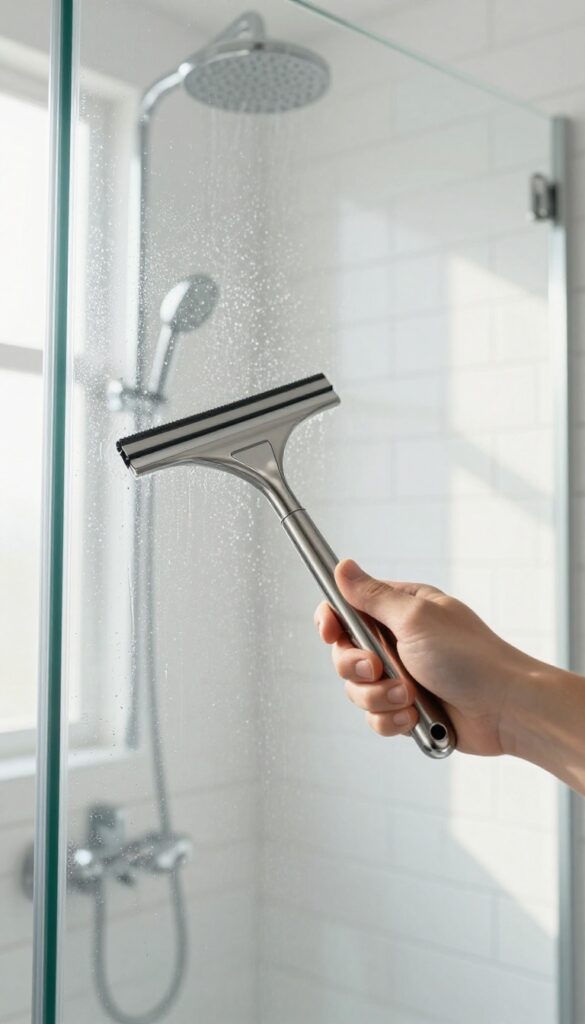
The simplest habit for spotless glass doors takes just 30 seconds. After you finish your shower, grab a squeegee and run it over the wet glass. This quick swipe removes water droplets before they dry into hard water spots or soap scum.
It's a game-changer for keeping doors clear without extra effort.
Why It Works So Well
Shower water contains minerals like calcium and magnesium. When droplets dry on glass, they leave behind those white, cloudy deposits. A squeegee wipes away the water before evaporation happens.
Over time, this prevents buildup and makes deep cleaning sessions far less frequent.
Best Squeegee For The Job
Look for a squeegee with a rubber blade and a stainless steel or plastic handle. A 6- to 10-inch blade works well for standard shower doors. Keep it hanging inside your shower on a hook or suction cup so it's always within reach.
Replace the rubber blade every few months if it starts leaving streaks.
Quick Technique Tips
Start at the top corner and pull the squeegee across horizontally, slightly overlapping each stroke. Wipe the blade with a towel after each pass to keep it dry. Finish with a vertical stroke down the sides to clear any remaining drips.
No need to dry the frame—just the glass.
2. Use a Vinegar and Dish Soap Spray
If you want a cleaner that actually cuts through both grease and hard water, look no further than your kitchen pantry. White vinegar and dish soap team up to dissolve soap scum while breaking down mineral deposits. The result?
A streak-free shine without harsh chemicals.
This simple DIY spray is surprisingly effective. The acidity of vinegar tackles hard water stains, while dish soap lifts oily residues. Just mix, spray, let it sit, and rinse.
It's cheap, non-toxic, and leaves your glass crystal clear.
Why This Combo Works So Well
Vinegar's acetic acid reacts with calcium and magnesium in hard water, loosening stubborn spots. Dish soap, a surfactant, breaks the surface tension of grease and soap scum. Together, they create a cleaning powerhouse that's gentle on glass but tough on grime.
How To Mix And Apply
Combine equal parts white vinegar and water in a spray bottle. Add a few drops of dish soap—just enough to create suds when shaken. Spray the solution generously onto your shower doors, covering all glass surfaces.
Let it sit for 10 minutes to break down buildup. Then rinse thoroughly with warm water. For best results, use a microfiber cloth or squeegee to dry the glass and prevent new spots.
Tips For Stubborn Stains
If you have heavy hard water deposits, increase the vinegar ratio or let the spray sit longer—up to 20 minutes. For extra scrubbing power, dip a soft sponge in the solution and gently scrub before rinsing. Avoid using abrasive pads that could scratch the glass.
3. Try a Lemon Juice Rinse
Lemon juice isn't just for lemonade. Its natural acidity cuts through mineral deposits and soap scum without harsh chemicals. Plus, it leaves your bathroom smelling like a citrus grove.
This simple rinse can restore clarity to foggy glass doors in minutes.
Why Lemon Juice Works
Hard water stains are caused by calcium and magnesium deposits. Lemon juice contains citric acid, which breaks down these alkaline minerals. It's a gentle yet effective cleaner that won't damage glass or metal fixtures.
How To Apply The Rinse
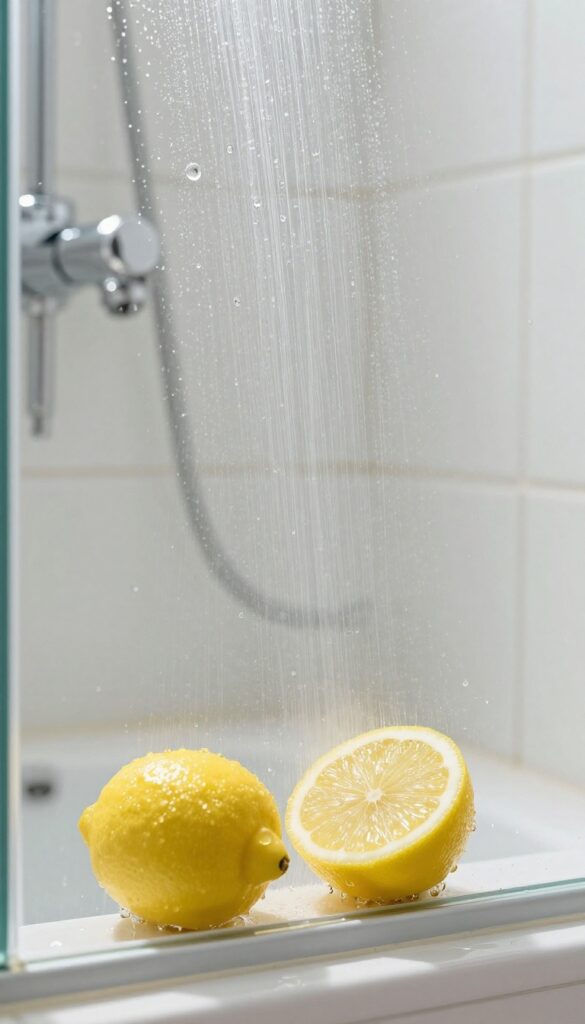
Cut a fresh lemon in half and rub it directly onto the glass, squeezing gently to release juice. Or mix equal parts lemon juice and water in a spray bottle. Spray generously, let it sit for 5 minutes, then wipe with a microfiber cloth.
Rinse with water to avoid stickiness.
Extra Tips For Best Results
For stubborn spots, sprinkle baking soda on the lemon half before scrubbing. Always rinse thoroughly to prevent residue. Use this method weekly to maintain shine and prevent buildup.
4. Make a Baking Soda Paste for Stubborn Spots
Sometimes a simple spray isn't enough. Those crusty water rings and stubborn soap scum need a little extra muscle. That's where baking soda comes in.
It's gentle enough to avoid scratching glass but tough enough to lift grime that's been building up for weeks.
Baking soda is a mild abrasive, which means it can scrub away hard water deposits without damaging the glass surface. When mixed with water, it forms a paste that clings to vertical surfaces, giving you more contact time to break down the gunk. This method is especially effective on shower door tracks and corners where scum tends to hide.
How To Make The Paste
In a small bowl, combine three parts baking soda with one part water. Stir until it forms a thick, spreadable paste. If it's too runny, add more baking soda; if too dry, add a few drops of water.
The consistency should be similar to toothpaste.
Application Tips
Use a soft sponge or microfiber cloth to apply the paste. Gently rub it onto the stained areas in circular motions. Let it sit for 5–10 minutes so it can work on the buildup.
Then rinse with warm water and wipe dry with a clean cloth. For extra tough spots, you can add a splash of white vinegar to the paste for a fizzing action that helps loosen dirt.
What To Avoid
Never use abrasive scrubbers like steel wool or harsh scouring pads. They can create micro-scratches on the glass, which will trap more dirt and make future cleaning harder. Stick to soft sponges or non-abrasive brushes.
Also, avoid letting the paste dry completely on the glass—it can leave a residue that's difficult to remove.
5. Apply a Rain Repellent Coating
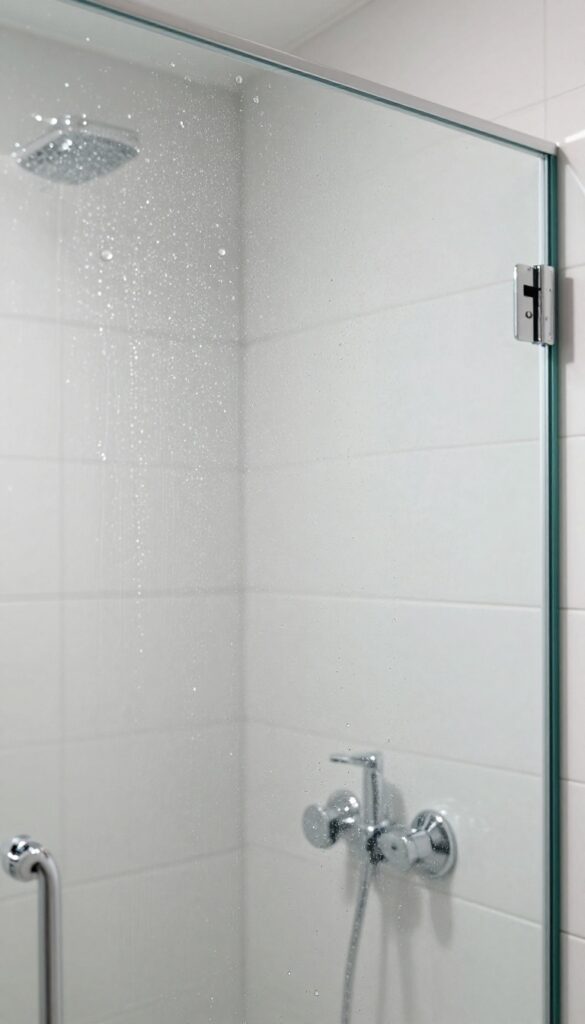
Think about how water beads up on a freshly waxed car. That same principle works wonders on shower doors. A hydrophobic coating forces water to form tight beads that roll right off, carrying soap scum and minerals with them.
The result: less spotting, less scrubbing, and glass that stays clear longer between cleanings.
Commercial glass treatments like Rain‑X or dedicated shower coatings create a slick surface that repels water. You can also use a high‑quality carnauba car wax for a DIY version. The coating fills microscopic pores in the glass, so water can't cling and dry into spots.
Application is straightforward: clean the glass thoroughly, apply the product in a thin, even layer, let it haze, then buff off. Reapply every few months for best results. Note that some coatings may not be safe for tinted or treated glass, so check the manufacturer's instructions first.
Why Hydrophobic Coatings Work
Glass is naturally porous at a microscopic level. Water seeps into those tiny pits and leaves behind minerals when it evaporates. A hydrophobic layer seals the surface, so water beads up and slides off before it can dry.
This reduces both hard water spots and soap scum buildup dramatically.
Diy Vs. Store‑bought Options
Store‑bought treatments are formulated specifically for glass and often last longer. But a simple car wax can work just as well if you apply it correctly. The key is to use a clean microfiber cloth and buff until the glass is clear with no haze.
Avoid waxes with abrasives or dyes.
How Often To Reapply
Most commercial coatings last two to four months with regular shower use. DIY wax may need refreshing every month. You'll know it's time when water stops beading and starts sheeting again.
A quick reapplication keeps the protection going without much effort.
6. Use a Magic Eraser on Soap Scum
Sometimes the simplest tools work best. A melamine foam eraser—often sold as a Magic Eraser—is surprisingly effective at lifting soap scum without any chemical cleaners. The foam acts like a fine abrasive, gently scrubbing away stubborn residue while you barely break a sweat.
Dampen the eraser until it's soft but not dripping, then lightly rub it over the soap scum lines. The foam will start to break down the buildup almost immediately. Rinse the glass thoroughly afterward to remove any foam particles.
This method works best on light to moderate scum; for thick layers, you may need to repeat or pre-treat with a vinegar spray.
Why It Works So Well
Melamine foam has a unique micro‑structure that acts like thousands of tiny scrubbers. When wet, it creates a mild abrasive action that lifts soap scum, hard water spots, and even some mildew stains—all without scratching the glass. It's also completely chemical‑free, so you don't have to worry about harsh fumes or residue.
Test First On Coated Glass
Some shower doors have a protective coating (like a water‑repellent layer). While melamine foam is generally safe, it's smart to test on a small, inconspicuous area first. Rub gently for a few seconds, then rinse and check for any hazing or damage.
If the glass looks fine, you're good to go.
Best Practices For Best Results
Always dampen the eraser before use—dry foam can be too abrasive. Use light pressure and let the foam do the work. Rinse the glass well after scrubbing to remove any foam dust.
For tough spots, let a vinegar or baking soda paste sit for a few minutes before using the eraser. And remember: these erasers wear down quickly, so cut them into smaller pieces to get more use out of each one.
7. Clean with Rubbing Alcohol for Streak-Free Glass
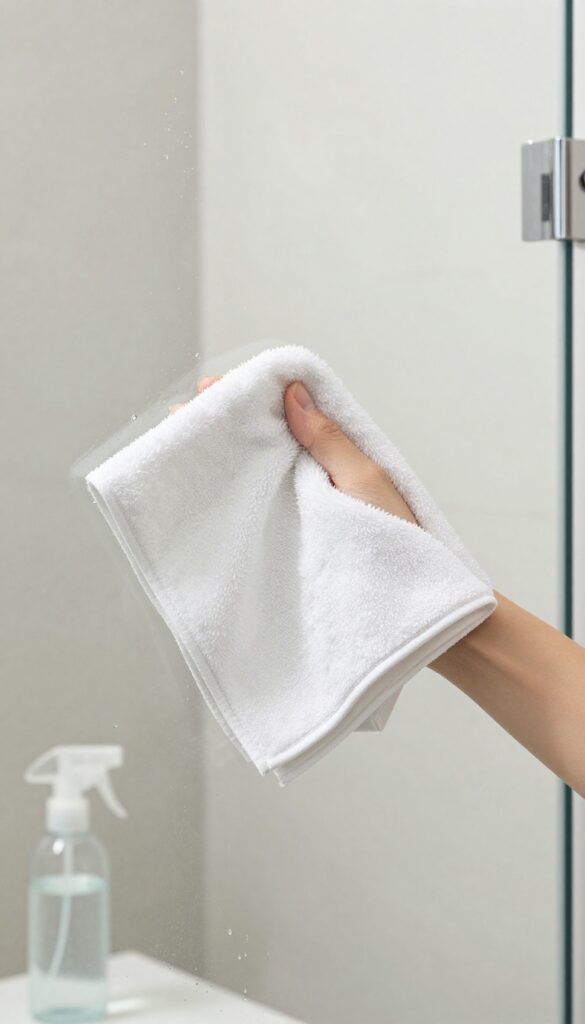
Rubbing alcohol isn't just for first aid kits—it's a powerhouse for cleaning glass. When mixed with water, it evaporates quickly, leaving no residue behind. That means zero streaks and a brilliant shine every time.
Combine equal parts rubbing alcohol and water in a spray bottle. Shake gently to mix. Spray the solution onto your shower doors, then wipe with a clean microfiber cloth.
The alcohol cuts through soap scum and hard water spots while disinfecting the surface. For best results, work in small sections and buff dry immediately.
Why It Works So Well
Rubbing alcohol has a low surface tension, which helps it spread evenly and lift grime. It evaporates faster than water, so there's no time for streaks to form. Plus, it kills bacteria and mold spores, keeping your shower hygienic.
Pro Tips For Best Results
Use a 70% isopropyl alcohol for optimal cleaning. Avoid adding vinegar to the mix—it can create a harsh smell and reduce effectiveness. Always use a lint-free microfiber cloth; paper towels can leave fuzz and scratches.
When To Use This Method
This is perfect for weekly maintenance or after a deep clean. It's gentle enough for daily use if your doors get heavy soap buildup. Just avoid using it on etched or frosted glass, as it may dull the finish over time.
8. Install a Water Softener
Hard water is the main culprit behind white spots. A whole-house water softener reduces mineral content, preventing buildup on glass and making cleaning effortless.
Hard water contains high levels of calcium and magnesium. When water dries on glass, these minerals are left behind as white, chalky deposits. A water softener exchanges those minerals for sodium, so your water is softer and less likely to leave spots.
This not only keeps shower doors clearer but also extends the life of your fixtures and appliances.
How It Works
A water softener uses ion exchange to remove hardness minerals. Salt is used to regenerate the resin beads that trap calcium and magnesium. The result is water that feels silkier and doesn't leave mineral residue.
Installation is typically done at the main water line, treating all water in your home.
Benefits Beyond Glass
Soft water also helps soap lather better, reducing soap scum. Your hair and skin may feel less dry, and you'll use less detergent for laundry. Over time, you'll notice fewer stains on sinks and toilets, and your water-using appliances will last longer.
Installation Considerations
You can buy a water softener at a home improvement store or hire a professional. Costs range from a few hundred to over a thousand dollars. Maintenance includes adding salt periodically.
If you rent or can't install a whole-house system, consider a showerhead filter that reduces some minerals, though it's less effective.
9. Use a Commercial Glass Cleaner with Ammonia
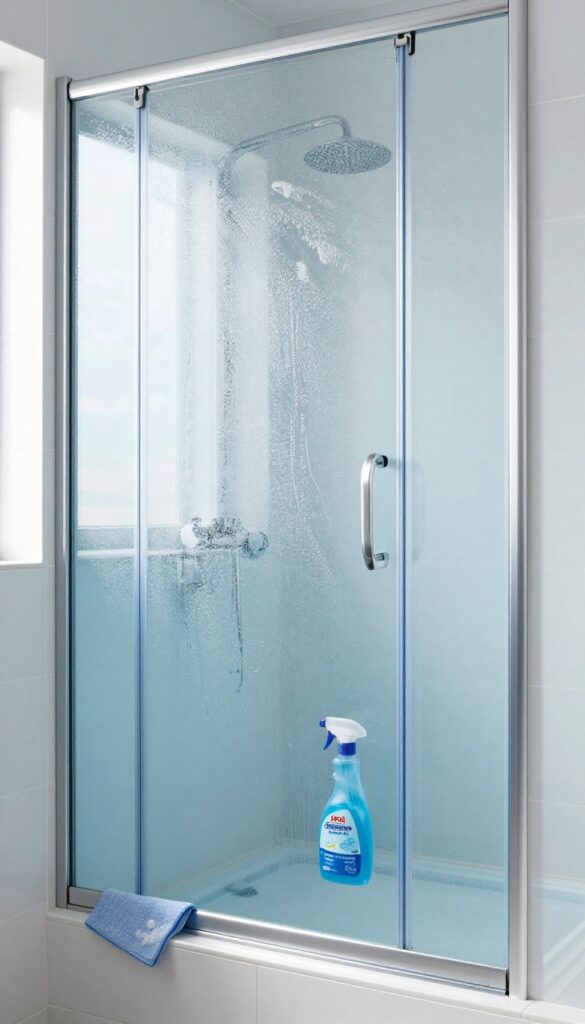
When natural solutions aren't cutting it, sometimes you need to bring in the big guns. Ammonia-based glass cleaners are specifically formulated to dissolve grease, grime, and hard water residue, leaving a streak-free shine that's hard to beat. They're especially effective on shower doors because they cut through soap scum quickly without heavy scrubbing.
Just a few sprays and a wipe can transform a cloudy door into crystal clear glass.
To get the best results, spray the cleaner generously onto the glass, then wipe with a lint-free microfiber cloth or a crumpled newspaper. Avoid rinsing—the ammonia helps the glass dry without streaks. Make sure the bathroom is well-ventilated, as ammonia fumes can be strong.
Wear gloves if you have sensitive skin. This method works wonders on weekly maintenance or after a deep clean to restore that showroom shine.
Why Ammonia Works So Well
Ammonia is an alkaline compound that breaks down fatty acids in soap scum and emulsifies oils. Unlike vinegar, which is acidic and better for mineral deposits, ammonia targets organic grime. It also evaporates quickly, leaving no residue behind.
That's why professional cleaners often reach for ammonia-based sprays when they want a fast, streak-free finish.
Best Practices For Application
Always spray the cleaner directly onto the glass—not the cloth—to ensure even coverage. Work in small sections to prevent the cleaner from drying before you wipe. Use a clean, dry microfiber cloth and wipe in one direction (top to bottom or side to side) to avoid streaks.
For stubborn spots, let the cleaner sit for 30 seconds before wiping. And please, never mix ammonia with bleach—that creates toxic fumes.
When To Skip Ammonia
If your shower doors have a protective coating or are made of acrylic, ammonia can damage the surface over time. Check the manufacturer's guidelines first. Also, if you have respiratory issues or are sensitive to strong smells, stick with milder options like vinegar or a commercial non-toxic cleaner.
Ammonia is powerful, but it's not for every situation.
10. Try a Hydrogen Peroxide Paste for Mold
Mold loves the dark, damp corners of shower door seals and hinges. Bleach might seem like the obvious fix, but its fumes can be harsh and it doesn't always penetrate porous surfaces. A hydrogen peroxide paste offers a gentler yet powerful alternative that kills mold deep down without the strong smell.
Hydrogen peroxide is a natural disinfectant that breaks down into water and oxygen, making it safe for most surfaces. When mixed with baking soda, it forms a thick paste that clings to vertical surfaces and crevices. This combo attacks mold at the root while being gentle on rubber seals and caulking.
How To Make And Apply The Paste
In a small bowl, combine three parts baking soda with one part 3% hydrogen peroxide. Stir until it forms a spreadable paste. Apply a thick layer to any moldy areas—focus on bottom tracks, corner seals, and hinge gaps.
Let it sit for 15 minutes so the peroxide can work into the mold.
Scrubbing And Rinsing
After the wait, use an old toothbrush or a soft scrub brush to gently work the paste into the moldy spots. The baking soda acts as a mild abrasive to lift dead mold without scratching the glass. Rinse thoroughly with warm water and wipe dry with a microfiber cloth to prevent moisture from lingering.
When To Repeat
For stubborn mold, you may need a second application. If the mold returns quickly, check for leaks or poor ventilation. This paste is safe for weekly use on seals and tracks, but always test a small hidden area first to ensure compatibility with your shower's materials.
11. Use a Toothbrush for Track and Seal Details
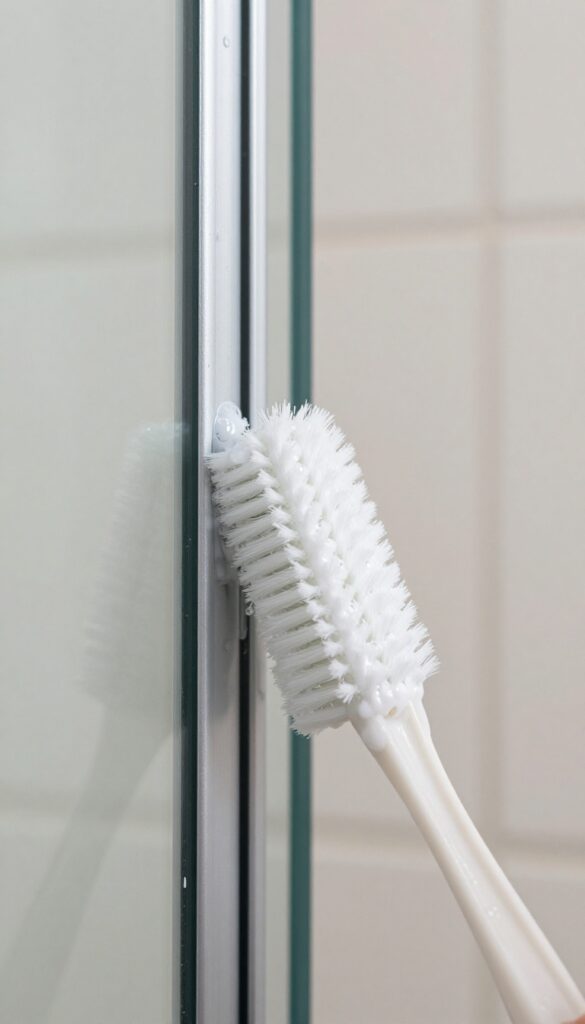
The tracks and rubber seals on your shower door are grime magnets. They collect soap scum, hair, and mildew that a sponge can't reach. An old toothbrush is the perfect tool to dig into those tight spaces without scratching the surfaces.
Dip an old toothbrush in vinegar or a mild cleaner and scrub along the tracks, hinges, and rubber seals. These areas trap grime and can cause mildew if neglected. For stubborn buildup, let the cleaner sit for a few minutes before scrubbing.
Rinse thoroughly with water and wipe dry with a cloth.
Why Tracks Get So Grimy
Shower door tracks are constantly exposed to moisture and soap residue. Hair and debris get trapped, creating a breeding ground for mold and mildew. Regular cleaning prevents odors and keeps the door sliding smoothly.
Best Cleaners For The Job
White vinegar works well for mild grime. For tougher buildup, use a paste of baking soda and water or a commercial cleaner with bleach. Apply the cleaner with the toothbrush and let it sit for a few minutes to break down the gunk.
How To Prevent Future Buildup
After each shower, use a squeegee to remove excess water from the tracks. Once a week, give the tracks a quick wipe with a dry cloth. This simple habit keeps grime from accumulating and makes deep cleaning easier.
12. Apply a DIY Glass Cleaner with Cornstarch
Store-bought glass cleaners work fine, but they often contain chemicals you might not want around. A simple homemade spray with cornstarch cuts through grime and leaves a streak-free shine that rivals anything from the store. The cornstarch acts as a gentle abrasive, polishing the glass as you wipe.
This three-ingredient cleaner is cheap, non-toxic, and surprisingly effective. The vinegar cuts soap scum and hard water deposits, while the cornstarch adds a light polishing action that buffs away minor etching. Shake the bottle before each use because the cornstarch settles quickly.
Why Cornstarch Works
Cornstarch is a mild abrasive that helps lift stubborn residue without scratching glass. When combined with vinegar, it creates a paste-like consistency that clings to vertical surfaces, giving it more contact time to break down buildup.
How To Make And Use It
Mix 1 cup water, 1 cup white vinegar, and 2 tablespoons cornstarch in a spray bottle. Shake vigorously until the cornstarch dissolves. Spray generously onto the glass, let it sit for 30 seconds, then wipe with a dry microfiber cloth.
For heavy buildup, let it sit a few minutes before wiping.
Pro Tips For Best Results
Use a fresh microfiber cloth to avoid redepositing dirt. Wipe in one direction—top to bottom or side to side—to prevent streaks. If the mixture separates, just shake again.
Store any leftover in a cool, dark place for up to two weeks.
13. Use a Pumice Stone on Hard Water Rings
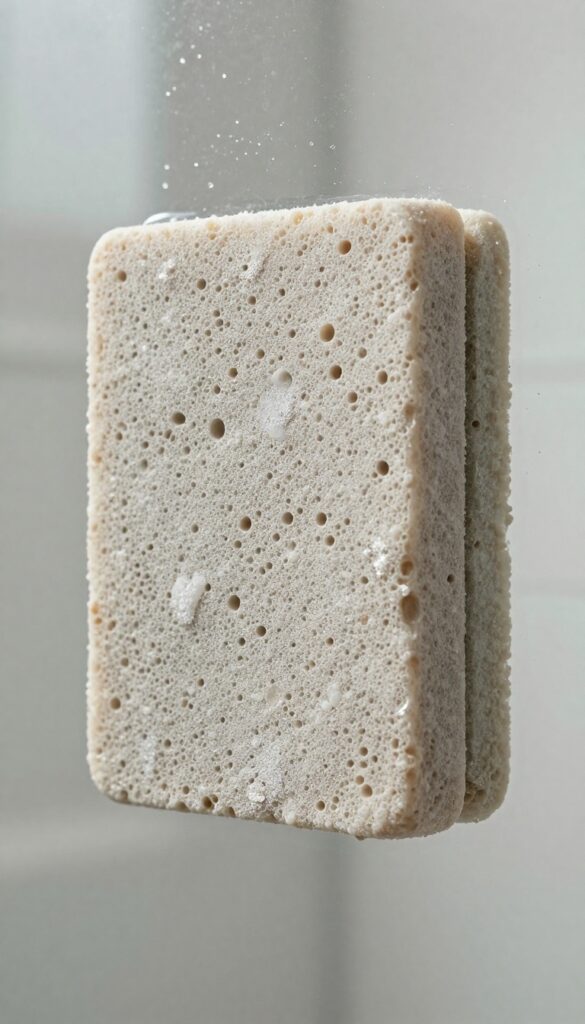
Hard water rings can feel impossible to remove, especially when they've been sitting for weeks. A pumice stone offers a simple, low-tech solution that works surprisingly well. The trick is to use it correctly so you get the deposits off without damaging the glass.
Pumice stones are naturally abrasive, making them perfect for scrubbing away mineral deposits that cling to glass. When wet, the stone glides smoothly and lifts stubborn rings without scratching. This method is especially effective on thick, tempered shower doors that can handle a bit of friction.
Why Pumice Works On Hard Water
Hard water contains calcium and magnesium that leave white, crusty rings on glass. Pumice is porous and slightly gritty, so it acts like a fine sandpaper. When you rub it gently over the deposits, it breaks them down without harming the glass surface.
Always wet the stone first to reduce friction and prevent scratches.
Step-by-step Application
Start by wetting the pumice stone thoroughly. Gently rub the hard water ring in a circular motion, applying light pressure. You'll see the white residue start to powder away.
Rinse the area frequently to check your progress. Once the ring is gone, wash the glass with a mild cleaner to remove any remaining grit.
Safety Tips For Tempered Glass
Tempered glass is strong but not scratch-proof. Always keep the stone wet and avoid pressing too hard. Test on a small, hidden area first.
If you hear a scraping sound, ease up. Pumice works best on flat surfaces, so skip textured or frosted glass. After cleaning, dry the door with a microfiber cloth to prevent new spots.
14. Try a Dishwasher Rinse Aid as a Spray
You might already have a bottle of Jet-Dry or another rinse aid under your kitchen sink. That same liquid that makes your dishes spot-free can work wonders on shower glass. It's a clever hack that costs pennies per use and delivers professional-level shine.
Dishwasher rinse aids contain surfactants that reduce water surface tension. When sprayed onto glass, water sheets off instead of beading up, which means fewer droplets are left to dry into spots. The result is faster drying and less mineral buildup between cleanings.
How To Mix And Apply
Fill a clean spray bottle with about 2 tablespoons of rinse aid and 1 cup of water. Shake gently to combine. After your regular shower cleaning, spray the solution onto the glass and let it sit for 30 seconds, then wipe with a microfiber cloth or squeegee.
No rinsing needed—just let it dry.
Why It Works So Well
Rinse aids are formulated to break the bond between water molecules and hard surfaces. On glass, this creates a hydrophobic layer that repels water. Hard water minerals and soap residue slide off rather than sticking.
It's the same chemistry that keeps your wine glasses crystal clear.
Safety And Precautions
Most rinse aids are non-toxic and safe for glass, but avoid contact with painted or metal surfaces—the chemicals can cause discoloration. Also, test on a small hidden area first. If you have pets or kids, store the bottle out of reach.
For best results, reapply every two weeks or after deep cleaning.
15. Use a Microfiber Cloth for Final Buffing
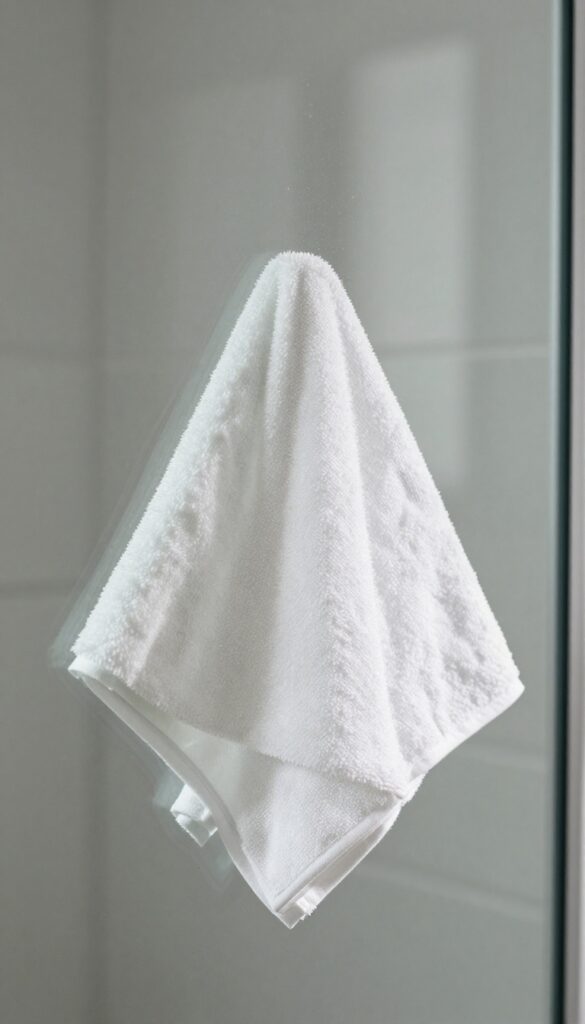
You've scrubbed, rinsed, and squeegeed, but a few stubborn streaks or lint fibers can still ruin the look. That's where the final buffing step comes in. A dry microfiber cloth lifts away any leftover residue and polishes the glass to a brilliant, streak-free shine.
Microfiber is the unsung hero of glass cleaning. Its ultra-fine fibers trap dust and moisture without scratching the surface, unlike paper towels or old rags that can leave lint behind. For best results, use a clean, dry microfiber cloth dedicated to glass only—using one that's been washed with fabric softener can reduce its effectiveness.
Buff in a circular motion, then finish with vertical or horizontal strokes to match the direction of your squeegee passes. This two-step technique eliminates any remaining haze and gives your shower doors that just-installed look.
Why Microfiber Beats Other Cloths
Cotton towels and paper towels often shed lint or leave tiny scratches over time. Microfiber's split fibers create a static charge that pulls dust and grime away, not just push it around. It also absorbs moisture quickly, so you're not spreading water spots back onto the glass.
The Right Way To Buff
Start with a dry microfiber cloth and work in small sections. Use a light touch—pressure isn't needed. If you notice streaks, flip the cloth to a clean side or grab a fresh one.
For extra shine, spray a tiny amount of distilled water on the cloth before buffing; this helps dissolve any remaining mineral deposits.
Keep Your Microfiber Cloths In Top Shape
Wash microfiber cloths separately from cotton items to prevent lint transfer. Skip fabric softener and dryer sheets—they clog the fibers and ruin the cloth's cleaning power. Air-dry or tumble dry on low heat.
A well-cared-for microfiber cloth can last through dozens of cleaning sessions.
16. Clean Shower Door Tracks with Vinegar Soak
The bottom track of your shower door is a hidden haven for soap scum, hair, and mildew. Over time, this gunk hardens and can even prevent the door from sliding smoothly. A simple vinegar soak breaks down the buildup without harsh scrubbing, leaving the track clean and your door gliding like new.
Why Vinegar Works Best
White vinegar is acidic enough to dissolve mineral deposits and soap residue but gentle on metal and plastic tracks. It also kills mold spores and neutralizes odors. Unlike bleach, vinegar won't damage rubber seals or leave toxic fumes in your bathroom.
Step-by-step Soak Method
Start by removing any loose debris from the track with a vacuum or a damp paper towel. Pour undiluted white vinegar directly into the track until it's full. Let it sit for 30 minutes.
For stubborn buildup, use a small brush or an old toothbrush to work the vinegar into crevices. Finally, flush the track with warm water and wipe dry.
Preventing Future Grime
To keep tracks clean longer, spray them with a vinegar-water solution (1: 1) once a week and wipe dry. Also, make sure your shower door is properly aligned so water doesn't pool in the track. A quick weekly rinse after each shower can stop buildup before it starts.
17. Schedule a Weekly Deep Clean Routine
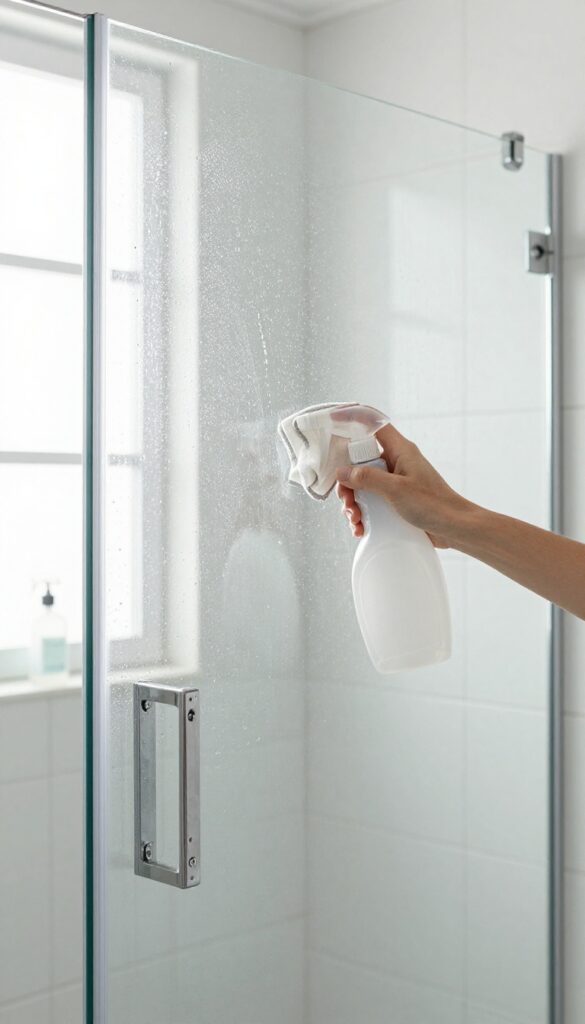
Consistency is the secret to glass that stays crystal clear. Instead of waiting until the buildup is visible, set aside just 10 minutes each week for a thorough cleaning. This small habit prevents soap scum and hard water spots from getting a foothold, so you never have to battle stubborn grime again.
A weekly deep clean doesn't have to be a chore. Pick one day—maybe Sunday evening—and make it part of your routine. Spray your preferred cleaner all over the glass, scrub the tracks with an old toothbrush, and finish with a squeegee.
Over time, this simple practice keeps your shower doors looking like new with minimal effort.
Pick Your Weapon
Choose a cleaner you actually like using. Whether it's a store-bought spray, a vinegar-water mix, or a dedicated glass cleaner, having it ready makes the routine easier. Keep the bottle and a microfiber cloth within arm's reach of the shower so you don't have to hunt for supplies.
Don't Forget The Tracks
The bottom track collects hair, soap residue, and mildew. Use a stiff brush or an old toothbrush to scrub the track, then rinse with warm water. A quick weekly scrub prevents buildup that can lead to mold and makes the door slide smoothly.
Squeegee Last, Shine First
After cleaning, always finish with a squeegee. Pull it from top to bottom in overlapping strokes. This removes excess water and cleaner residue, leaving the glass streak-free.
A dry microfiber cloth can buff away any remaining spots for an extra polish.
FAQ
How often should I clean my shower doors?
For best results, squeegee after every shower and do a deep clean weekly. This prevents hard water stains and soap scum from building up.
Can I use bleach on shower doors?
Bleach is effective for mold but can damage rubber seals and discolor some finishes. Use it sparingly and rinse thoroughly, or opt for hydrogen peroxide instead.
What causes white spots on shower glass?
White spots are usually hard water deposits from minerals like calcium and magnesium. They build up when water evaporates, leaving residue behind.
How do I remove scratches from shower doors?
Minor scratches can be buffed with a cerium oxide glass polishing compound. For deep scratches, consider replacing the glass or consulting a professional.
Is it safe to use vinegar on all shower doors?
Vinegar is safe for glass but can damage natural stone, some metal finishes, and rubber seals over time. Test on a small area first and avoid prolonged contact.
Conclusion
Keeping your shower doors crystal clear doesn't have to be a chore. With these 17 tips, you can tackle everything from daily maintenance to stubborn stains using simple, effective methods. The key is consistency—a quick squeegee and weekly wipe-down go a long way.
Pick a few tips that fit your lifestyle and give them a try. Your shower doors will thank you with a brilliant, streak-free shine that makes your bathroom feel cleaner and brighter every day.