You don't need a spotless home to feel in control. The secret is a routine that works with your energy, not against it. Most cleaning schedules fail because they demand too much too fast.
A steady home flow comes from small, consistent actions that add up over time. Whether you have 10 minutes or an hour, there's a rhythm that fits.
These 15 ideas range from minimalist to thorough, and they all respect your time and budget. Pick one, tweak it, and watch your home stay tidy without the burnout.
1. The 10-Minute Tidy: A Daily Reset
Some evenings, the last thing you want to do is clean. But a quick 10-minute tidy can save you from a weekend of catch-up. The trick is to focus only on high-traffic areas and surfaces that collect the most visual clutter.
By making this a daily habit, you keep your home consistently neat without ever feeling overwhelmed.
Set a timer and move through your main living spaces. Start with the kitchen—load the dishwasher, wipe counters, and put away stray items. Then hit the living room: fluff pillows, fold blankets, and return remote controls and books to their spots.
The goal isn't deep cleaning; it's resetting the room so it looks and feels ready for tomorrow. Over time, this short burst becomes automatic, and you'll notice how much easier it is to maintain order.
Why 10 Minutes Works
A brief daily tidy prevents the snowball effect of clutter. When you let things slide, the mess multiplies quickly. Ten minutes is short enough to fit into even the busiest evenings, yet long enough to make a visible difference.
It also builds momentum: once you start, you might find yourself wiping down a counter or sweeping the floor.
What To Focus On
Concentrate on surfaces that are most visible: kitchen counters, dining table, coffee table, and entryway. Put away mail, shoes, bags, and any items that don't belong. Wipe down sticky spots and give the floor a quick sweep if needed.
Avoid getting sidetracked by closets or drawers—those are for another day.
Make It A Ritual
Pair your tidy with an existing habit, like after dinner or right before brushing your teeth. Play a favorite song or listen to a short podcast. Keep cleaning supplies handy in a caddy so you don't waste time gathering them.
Consistency is more important than perfection.
2. The Weekly Power Hour: One Room at a Time
Deep cleaning doesn't have to mean losing your entire Saturday. By focusing on just one room per week, you can keep your whole home fresh without the burnout. This method turns a daunting task into a manageable, rotating habit.
Pick one hour each week—maybe Sunday afternoon or Wednesday evening—and commit to deep cleaning a single room. Start with the room that needs it most, then rotate through your home. By the end of the month, every space gets its turn.
This approach prevents neglect and keeps your home consistently clean.
How To Rotate Efficiently
Create a simple four-week rotation: kitchen, living room, bedrooms, bathrooms. Adjust based on your home's layout and your priorities. Use a checklist for each room so you don't miss tasks like wiping baseboards or cleaning under furniture.
What To Tackle In Your Hour
Focus on tasks you skip during daily tidying: dusting blinds, wiping cabinets, scrubbing grout, vacuuming under cushions. Set a timer and move quickly. If you finish early, reward yourself—you've earned it.
Staying Consistent
Schedule your power hour on the same day each week to build a habit. If life gets in the way, just pick up the next week with the next room. Consistency matters more than perfection.
3. The 15-Minute Morning Routine: Start Fresh

Mornings set the tone. Instead of rushing out the door leaving chaos behind, try a quick 15-minute reset. It’s not about deep cleaning—it’s about creating a calm starting point.
You’ll come home to a space that feels manageable, not overwhelming.
This routine is designed to be fast and effective. Focus on the areas that impact your day most: the bedroom, bathroom, and kitchen. By tackling these three zones, you prevent mess from piling up and reduce the evening workload significantly.
Make The Bed First
It takes two minutes and instantly makes your bedroom look tidier. A made bed signals that the day has started with intention. Plus, it’s a small win that motivates you to keep going.
Wipe Down The Bathroom Sink
After brushing your teeth, give the sink a quick wipe with a cloth or a disinfectant spray. This prevents toothpaste splatters from hardening and keeps the mirror spotless. It’s a five-second habit that pays off.
Sweep The Kitchen Floor
Use a broom or a cordless vacuum to quickly pick up crumbs and debris from last night. A clean kitchen floor sets a fresh tone for the day and makes the space feel ready for breakfast prep.
4. The Zone Cleaning Method: Divide and Conquer
Instead of trying to clean everything at once, the zone method breaks your home into manageable pieces. You focus on one area each day for just 20 minutes. By Friday, every zone has been touched, and you never feel overwhelmed.
Split your home into zones (e. g. , kitchen, bathrooms, living areas). Focus on one zone each day for 20 minutes. By week's end, every zone has been touched, and no single day feels heavy.
How To Divide Your Home
Start by listing the main rooms or areas you use daily. Common zones include kitchen, bathrooms, living room, bedrooms, and entryways. If you have a larger home, combine smaller rooms into one zone, like a hallway and laundry room.
Keep it to five zones max so each day stays light.
Setting A 20-minute Timer
The key is consistency, not perfection. Set a timer for 20 minutes and work only in that day's zone. Dust surfaces, wipe counters, vacuum floors, or declutter a single drawer.
When the timer goes off, stop. This prevents burnout and builds momentum.
Rotating Zones Weekly
Assign each zone a day of the week, like Monday for kitchen, Tuesday for bathrooms, etc. Repeat the same schedule each week. Over time, you'll notice that no zone gets neglected, and deep cleans happen naturally because you're touching each area regularly.
5. The 30-Day Declutter Challenge: One Item at a Time
Decluttering can feel overwhelming when you look around and see years of accumulated stuff. The 30-day declutter challenge breaks it down into a single daily task: remove one item from your home each day. It's a low-pressure way to create space without the mental load of a full weekend purge.
Start by grabbing a bag or box and walking through your home. Day one is easy: look for obvious trash like old receipts, broken pens, or expired coupons. As you progress, shift to items that are still usable but no longer serve you—clothes that don't fit, kitchen gadgets you never use, or books you've already read.
Donate or sell them, and feel the weight lift gradually. By day 30, you'll have removed 30 items, and your home will feel noticeably lighter and easier to clean.
Why One Item A Day Works
Decision fatigue is real. When you try to declutter an entire room, your brain gets overloaded with choices. By limiting yourself to one item, you remove the pressure.
It takes less than five minutes, so you can do it even on busy days. Plus, the daily habit builds momentum—soon you'll start looking forward to finding that one thing to let go.
How To Keep It Going After 30 Days
Once the challenge ends, you'll have a taste of how freeing it is to own less. You can repeat the cycle with a new category each month, like one item from your closet or one from the kitchen. Some people even extend to 60 or 90 days.
The key is to keep it simple and sustainable, so decluttering becomes a natural part of your routine.
6. The Weekend Warrior: Two Hours on Saturday
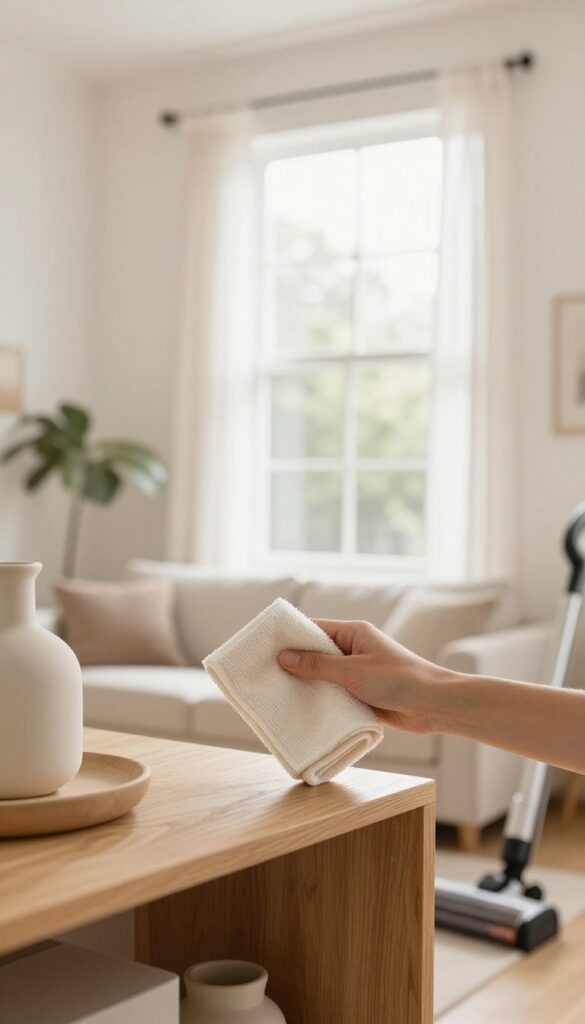
If your weekdays are packed and you'd rather not clean every evening, this one's for you. The Weekend Warrior approach dedicates just two hours on Saturday to tackle the deeper cleaning tasks that build up during the week. It's a focused burst that leaves your home refreshed without eating up your whole weekend.
The key is breaking those two hours into manageable 30-minute blocks with short breaks in between. You'll cover vacuuming, mopping, dusting, and bathroom scrubs—everything that needs a weekly reset. By the time you're done, you'll feel accomplished and still have plenty of time for fun.
Block 1: Dusting And Decluttering Surfaces
Start with dusting all surfaces—shelves, tables, electronics. Use a microfiber cloth to trap dust without spreading it. While you're at it, quickly put away any stray items.
This first block sets a clean foundation for the rest of your session.
Block 2: Vacuuming And Mopping Floors
Move on to floors. Vacuum all carpets and rugs, then mop hard floors. If you have a large area, focus on high-traffic zones first.
A quick pass under furniture is enough—you're not aiming for perfection, just a noticeable improvement.
Block 3: Bathroom Deep Clean
Tackle the bathroom next. Spray cleaner on the toilet, sink, and shower, then let it sit while you wipe mirrors and counters. Scrub the toilet bowl and shower walls, then rinse everything.
Finish by wiping down the floor corners with a damp cloth.
Block 4: Kitchen Refresh And Final Touch-ups
End in the kitchen. Wipe down countertops, the stovetop, and the microwave. Empty the trash and sweep the floor.
Use the last few minutes to do a quick walk-through, putting anything out of place back where it belongs.
7. The 5-Minute Quick Win: Tackle One Hot Spot
Not every cleaning session needs to be a marathon. Sometimes the best way to build momentum is to start small. The 5-minute quick win focuses on one cluttered spot—like the kitchen counter or entryway table—and clears it in just five minutes.
Do this whenever you pass by, and those micro-wins add up fast. Surfaces stay clear, and you feel a little burst of accomplishment each time.
Pick Your Hot Spot
Choose a spot that collects clutter quickly. Common hot spots are the kitchen counter, entryway table, bathroom vanity, or a corner of the living room. The key is to pick just one.
Don't try to tackle multiple spots at once. Keep it focused so the five-minute limit feels doable.
The Five-minute Rule
Set a timer for five minutes. Grab a basket or a tray to corral items that belong elsewhere. Quickly sort: trash goes out, items go back to their homes, and surfaces get a quick wipe.
When the timer rings, stop. Even if you're not done, you've made progress. Repeat the process later or the next day.
Build Momentum Over Time
Consistency is what makes this work. Each time you pass by, spend five minutes. Over a week, that's over half an hour of focused decluttering.
You'll notice the spot stays cleaner because you're maintaining it regularly. The sense of control spreads to other areas of your home.
8. The Evening Wind-Down: Prep for Tomorrow
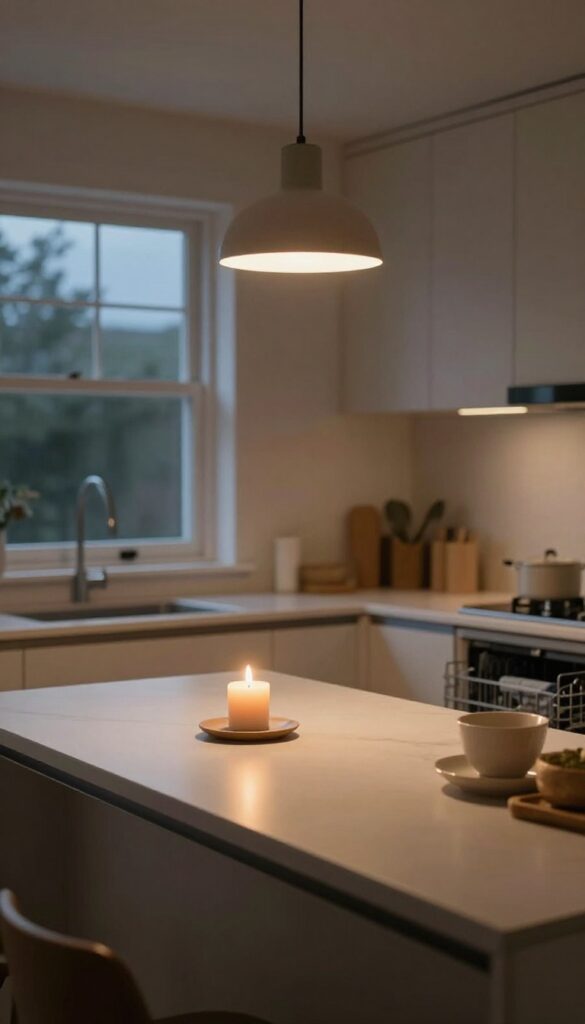
Evenings are the perfect time to set yourself up for a smooth morning. A quick 10-minute reset before bed can transform how you feel when you wake up. Instead of leaving dishes in the sink or clutter on the counters, a simple wind-down routine clears the stage for a fresh start.
Spend 10 minutes each evening loading the dishwasher, wiping counters, and laying out tomorrow's essentials. Waking up to a clean kitchen and organized space reduces morning stress. This small habit pays off big time, especially on busy weekdays.
The 10-minute Reset
Set a timer and focus on the kitchen and living area. Load the dishwasher, wipe down counters, and sweep the floor. Put away any stray items like mail or remote controls.
That's it—no deep cleaning, just a quick tidy.
Prep For The Morning
Lay out clothes, pack bags, and set up the coffee maker. Having these ready means you can roll out of bed and into your day without scrambling. It's a small investment that saves precious time and mental energy.
Create A Calming Atmosphere
Dim the lights, light a candle, or play soft music while you clean. This turns the chore into a relaxing ritual. You'll end the day feeling accomplished and ready for rest.
9. The Monthly Deep Clean: Rotating Focus
Deep cleaning doesn't have to mean spending an entire weekend scrubbing baseboards. The rotating focus approach picks one neglected area each month and gives it proper attention alongside your regular weekly routine. This way, hidden grime never piles up, and you avoid the dreaded marathon cleaning session.
The key is to choose tasks that you normally skip—like cleaning the oven, washing windows, or organizing a closet—and pair them with your usual weekly tasks. Over the year, you'll hit every corner of your home without ever feeling overwhelmed.
Pick One Task Per Month
At the start of each month, decide on one deep-clean task. Write it on your calendar or set a reminder. Examples: degrease the kitchen hood, vacuum under furniture, wash curtains, or scrub grout.
Keep the list varied so every area gets love.
Pair It With Your Weekly Routine
Don't treat the deep clean as an extra chore. Instead, add it to your regular weekly cleaning session. For example, if you clean bathrooms on Saturday, spend an extra 20 minutes washing windows that day.
This keeps your schedule simple and the extra task doesn't feel like a burden.
Track What You've Done
Use a simple checklist or a notes app to track which tasks you've completed each month. This prevents double-dipping and ensures you rotate through all the hidden areas. After a year, you'll have a clean home with no forgotten spots.
10. The Family Chore Chart: Share the Load
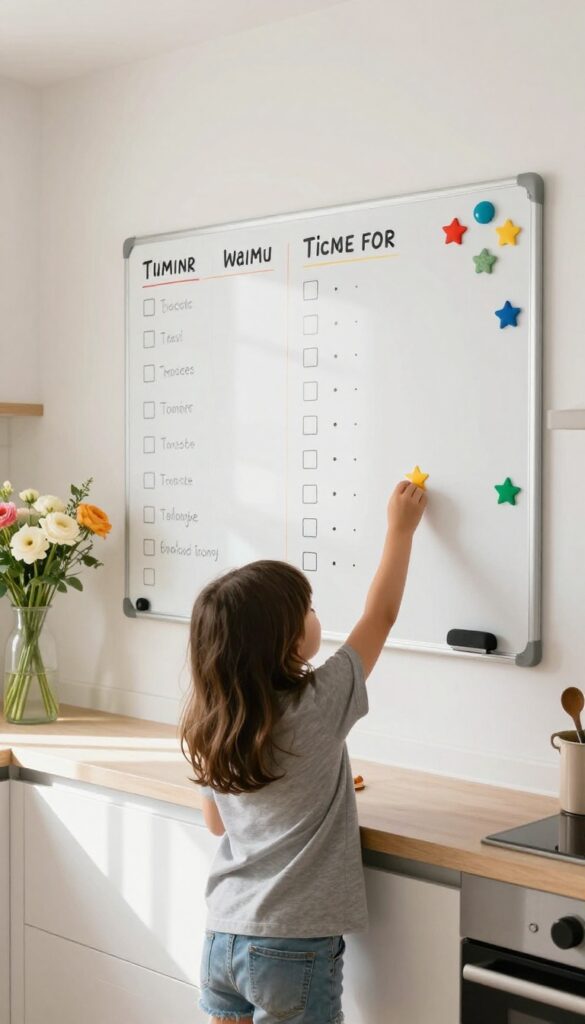
Cleaning doesn't have to fall on one person. When everyone in the household chips in, the work gets done faster and feels lighter. A family chore chart turns chores into a team effort, teaching responsibility and keeping your home consistently tidy without resentment.
A visual chart with daily and weekly tasks for each family member makes expectations clear. Rotate duties monthly so no one gets stuck with the worst jobs. Start with a family meeting to assign age-appropriate tasks—young kids can sort laundry or wipe tables, teens can vacuum or clean bathrooms.
Use magnets, stickers, or a whiteboard to track progress. Celebrate completed weeks with a small reward, like a movie night or extra screen time. This system not only lightens your load but also builds life skills and a sense of contribution in your kids.
How To Set Up The Chart
Choose a visible spot like the kitchen or hallway. List each family member's name and their daily and weekly chores. Use simple icons or colors for non-readers.
Laminate or use dry-erase for easy updates. Assign a point system or checkboxes to track completion.
Age-appropriate Task Ideas
Ages 3–5: put away toys, dust low shelves. Ages 6–9: make bed, set table, sort recycling. Ages 10–12: load dishwasher, sweep floors, take out trash.
Teens: clean bathrooms, mop, do laundry. Adjust based on your child's maturity.
Keeping It Fair And Fun
Rotate tasks monthly so everyone tries different chores. Hold a weekly check-in to see if the chart needs tweaking. Add a reward system—stickers for younger kids, allowance or privileges for older ones.
Keep the tone positive; praise effort, not just results.
11. The 20/10 Method: Clean in Sprints
Deep cleaning can feel overwhelming, especially when you try to tackle everything at once. The 20/10 method breaks it into manageable chunks: work for 20 minutes, then take a 10-minute break. Repeat up to three cycles, and you'll be amazed at how much you accomplish without burning out.
Why It Works
Our brains are wired for short bursts of focus. Twenty minutes is long enough to make real progress but short enough to avoid fatigue. The 10-minute break resets your motivation, so you can jump back in without dread.
How To Set Up Your Sprint
Pick one area—like the kitchen or a cluttered closet. Set a timer for 20 minutes and work nonstop. No checking your phone, no wandering.
When the timer goes off, step away completely. Stretch, grab water, or just sit. Then repeat.
Best Uses For This Method
Great for deep cleaning tasks like scrubbing baseboards, organizing a pantry, or washing windows. It's also perfect for tackling a room that's been neglected for weeks. Three cycles give you a full hour of focused cleaning with built-in rest.
12. The Seasonal Reset: Four Times a Year
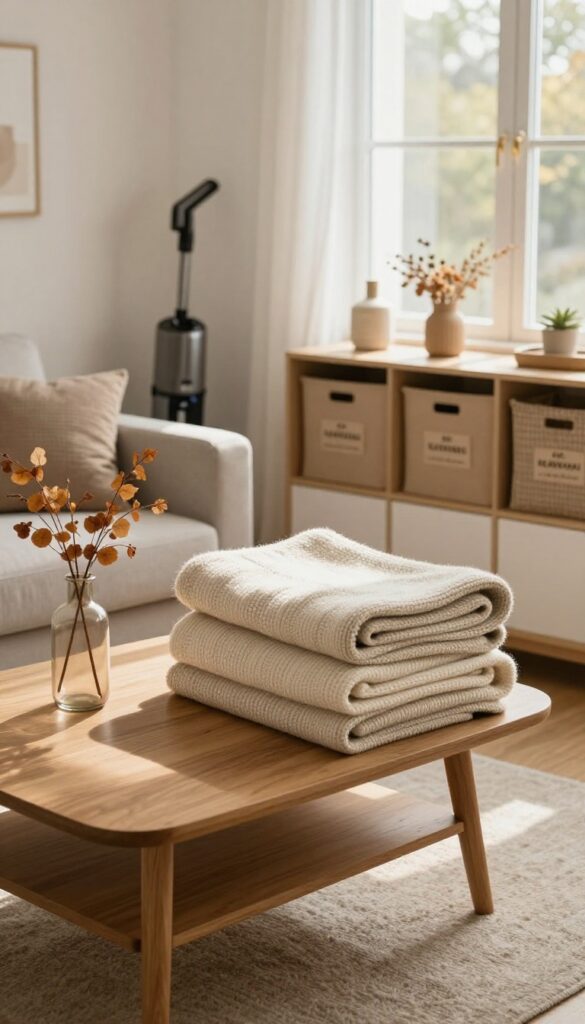
Think of the seasonal reset as your home’s quarterly checkup. As the leaves change or the first snow falls, it’s the perfect cue to tackle the deep cleaning tasks that get overlooked in daily or weekly routines. This isn’t about scrubbing every inch—it’s about resetting your space so it feels fresh and ready for the new season ahead.
A seasonal reset takes a weekend, but the payoff lasts for months. By rotating storage, deep cleaning fabrics, and decluttering, you prevent the slow creep of dust and clutter. It’s also a natural time to assess what you actually use and love.
Start With A Room-by-room Scan
Walk through each room with a critical eye. Pull furniture away from walls to vacuum hidden dust bunnies. Check for items that don’t belong—things you meant to donate or toss.
This scan sets the stage for focused work.
Deep Clean Fabrics And Floors
Wash curtains, steam clean carpets, and shampoo upholstery. These tasks trap allergens and odors over time. A fresh set of clean fabrics instantly lifts the whole room.
Don’t forget to vacuum under cushions and behind heavy furniture.
Rotate Seasonal Items And Declutter
Swap out heavy blankets for lighter ones, or store summer clothes in bins. As you rotate, purge anything stained, torn, or unused. This keeps your storage from becoming a black hole and makes each season’s transition smoother.
13. The One-Touch Rule: Put It Away Immediately
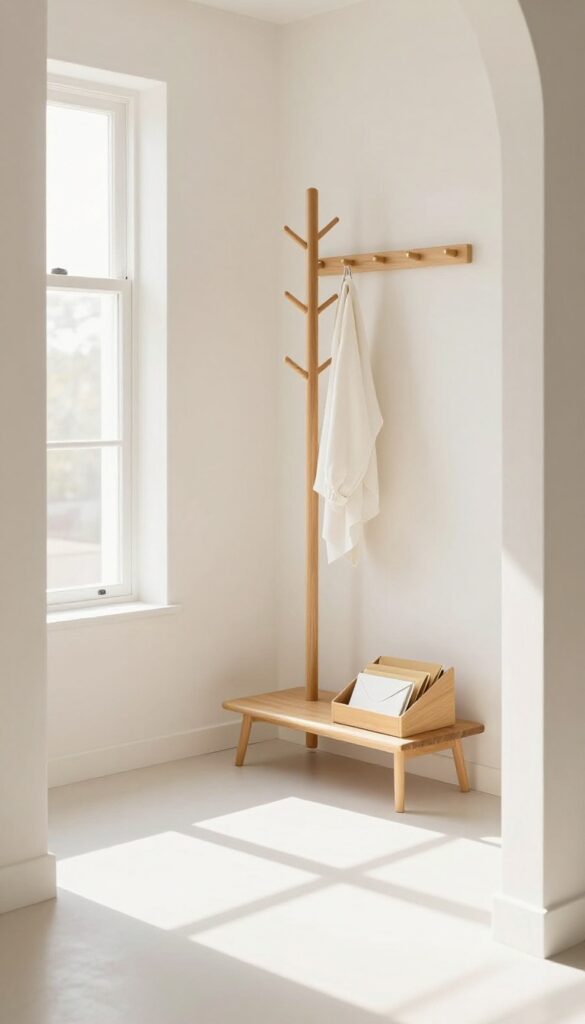
Clutter builds up when we set things down with good intentions. The mail gets dropped on the counter, the jacket lands on the chair, and the book stays on the nightstand. Before you know it, every surface has a pile waiting for "later.
" The one-touch rule breaks that cycle by forcing a single decision: put it where it belongs the first time you pick it up.
This habit is deceptively simple. When you walk in the door, hang your coat instead of draping it over a chair. When you finish a glass, rinse it and put it in the dishwasher.
When you open mail, recycle the envelope and file the bill. Each item gets touched once and moved to its permanent home. Over a day, this eliminates dozens of small piles before they form.
The mental payoff is huge: no more nagging lists of things to put away later.
Why It Works So Well
The one-touch rule works because it removes the mental load of remembering. Every time you set something down, your brain has to track it for later. That subtle stress adds up.
By putting things away immediately, you free up mental energy and keep surfaces clear. It also prevents the domino effect: one pile invites another, and soon every flat surface is covered.
Where To Start
Pick one high-traffic area to practice the rule first. The entryway, kitchen counter, or bedside table are great candidates. For a week, commit to touching each item only once in that zone.
Don't worry about the rest of the house. Once the habit sticks, expand to another area. You'll notice how much faster tidying becomes when you don't have to sort through piles.
Common Pitfalls And Fixes
The biggest challenge is convenience. If your coat hook is behind a door, you'll drape the coat over a chair. Make the proper place as easy as possible.
Move the hook to eye level, place a mail sorter by the door, or keep a small trash bin where you open packages. If you can't put something away immediately, ask yourself why. Often it's because the home for that item isn't logical or accessible.
14. The Laundry System: One Load a Day
Laundry has a way of piling up until it becomes a mountain that takes over your weekend. The one-load-a-day system breaks that cycle by making laundry a small daily habit instead of a dreaded marathon. You run one full load from start to finish—wash, dry, fold, and put away—every single day.
It takes about 10 minutes of active time, and the payoff is a wardrobe that’s always ready and a laundry room that never overflows.
This system works because it matches the natural pace of most households. A family of four generates roughly one load of laundry per day anyway, so you’re just staying ahead of the curve. The key is to commit to finishing the load completely—no leaving clothes in the dryer overnight or piling folded laundry on a chair.
Pair it with a daily 5-minute tidy, and your home stays consistently neat without any big cleanup sessions.
Why One Load Works
Small daily tasks are easier to sustain than weekly marathons. One load takes about 10 minutes of hands-on time spread across the day—start it in the morning, switch to the dryer after work, fold during a show, and put away before bed. You never have to set aside a whole afternoon for laundry, and you always have clean clothes when you need them.
How To Make It Stick
Pick a consistent time for each step. For example, start a load right after breakfast, move it to the dryer when you get home, fold while watching the evening news, and put away before brushing your teeth. Use a timer or a habit tracker for the first two weeks until it becomes automatic.
If you miss a day, just skip it—don’t double up, or you’ll break the rhythm.
The 5-minute Tidy Pairing
While the washer or dryer is running, spend five minutes tidying one room. Put away stray items, fluff pillows, or wipe a counter. This combo keeps your entire home from sliding into chaos, even on busy days.
The laundry system handles the clothes, and the mini tidy handles the rest.
15. The Minimalist Schedule: Only What Matters
Sometimes less really is more. The minimalist schedule strips away everything except the handful of tasks that keep your home functional and hygienic. It’s designed for people who want a clean-enough space without spending hours scrubbing or organizing.
You focus on dishes, laundry, a quick bathroom wipe-down, and spot-cleaning floors. That’s it. Everything else gets ignored until it truly needs attention.
This routine works best if you’re short on time, easily overwhelmed, or simply prefer a low-maintenance lifestyle.
The minimalist schedule is built around four core tasks: dishes, laundry, bathroom wipe-down, and floor spot-cleaning. Each task takes no more than 10–15 minutes daily. Dishes get washed or loaded into the dishwasher immediately after meals.
Laundry is started first thing in the morning and folded while watching TV. The bathroom wipe-down is a quick spray-and-wipe of the sink, counter, and toilet seat. Floor spot-cleaning means sweeping or vacuuming only high-traffic areas like the kitchen and entryway.
The rest of the house gets touched only when visibly dirty or when guests are expected. This approach eliminates decision fatigue and keeps your home at a baseline of cleanliness without the burnout.
Why These Four Tasks?
These four tasks cover the biggest sources of mess and odor in any home. Dirty dishes attract pests and smell. Unwashed laundry piles up and becomes a psychological burden.
Bathrooms grow grime and bacteria quickly. Floors collect dirt that gets tracked everywhere. By tackling only these, you prevent the most noticeable and unhygienic problems.
Everything else—dusting, organizing closets, deep cleaning—can wait indefinitely without causing major issues.
How To Stay Consistent
Consistency matters more than perfection. Set a timer for 10 minutes per task and stop when it rings. Use a simple checklist on your phone or a sticky note to track completion.
Pair tasks with existing habits: start laundry while making coffee, wipe the bathroom after your morning shower. If you miss a day, don’t double up—just pick up where you left off. The goal is to build a rhythm that feels effortless, not punishing.
When To Add More
Once the four core tasks feel automatic, you can slowly add one extra task per week if you want. Maybe it’s wiping down kitchen counters or making the bed. But resist the urge to expand too fast.
The minimalist schedule’s power is its simplicity. Only add something if it genuinely improves your daily life without adding stress. Otherwise, keep it lean and enjoy the extra time.
FAQ
How do I choose the right cleaning schedule for my home?
Consider your available time, energy levels, and home size. Start with a low-commitment option like the 10-Minute Tidy or the 5-Minute Quick Win, then adjust as you find your rhythm.
Can I combine multiple cleaning schedules?
Absolutely. Many people pair a daily micro-routine with a weekly power hour. Feel free to mix and match ideas to create a custom schedule that fits your lifestyle.
What if I miss a day in my cleaning routine?
Don't stress. Just pick up where you left off. Consistency over perfection is key.
Missing one day won't derail your progress if you get back on track the next day.
How can I motivate myself to stick to a cleaning schedule?
Set a timer, play music, or reward yourself after completing a session. Also, track your progress visually—crossing off tasks on a checklist can be surprisingly satisfying.
Are these schedules suitable for small apartments?
Yes, they scale down easily. For small spaces, focus on zone cleaning or the 10-minute tidy. You may even find you need less time than suggested.
Conclusion
A steady cleaning flow doesn't need to be rigid—it's about finding what fits your life and energy levels. Start with one schedule idea that feels doable this week, whether it's a daily 10-minute reset or a weekend deep-clean rotation. Small, consistent actions build momentum without the burnout.
Remember, the goal isn't a spotless home every day, but a rhythm that keeps your space comfortable and your mind at ease. Adjust as you go, and let your routine evolve with you.