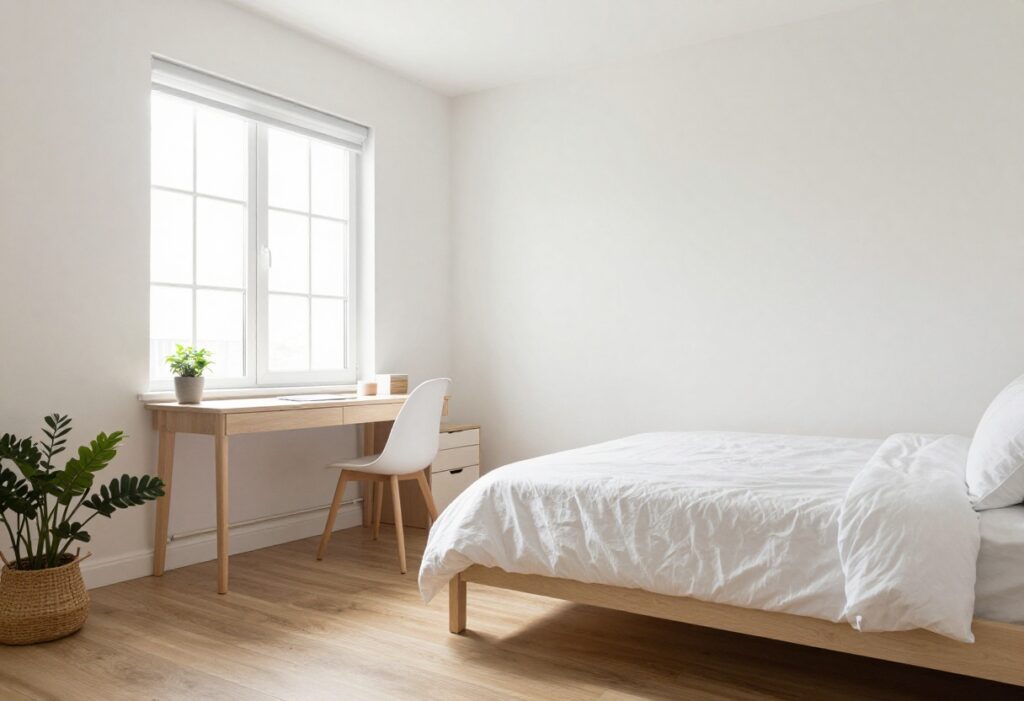
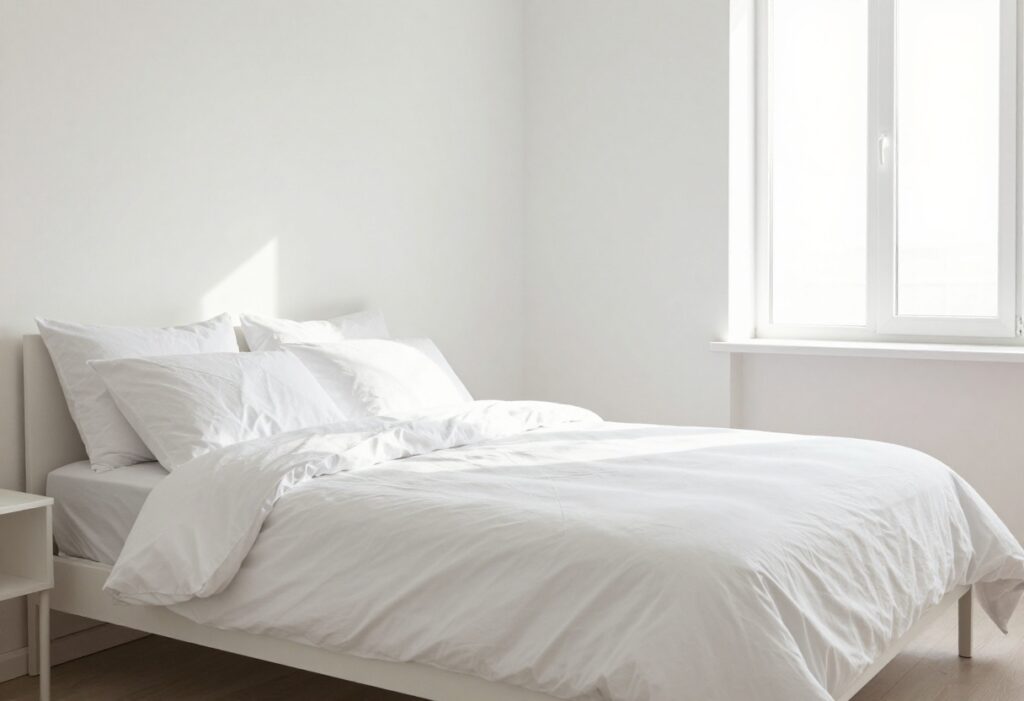
Your room doesn't have to be a source of stress. With just a few targeted moves, you can flip it from chaotic to calm in under an hour. These 23 tips are designed for quick wins that build momentum, so you feel the reset almost immediately.
Start by clearing your bed—it instantly creates a sense of order and gives you a flat surface to work with. Then, grab a laundry basket and sweep through the room, collecting anything that doesn't belong.
This single action tackles the biggest visual clutter in minutes. The rest of the tips focus on small, repeatable habits that keep the peace lasting longer.
1. Start with a 5-Minute Tidy
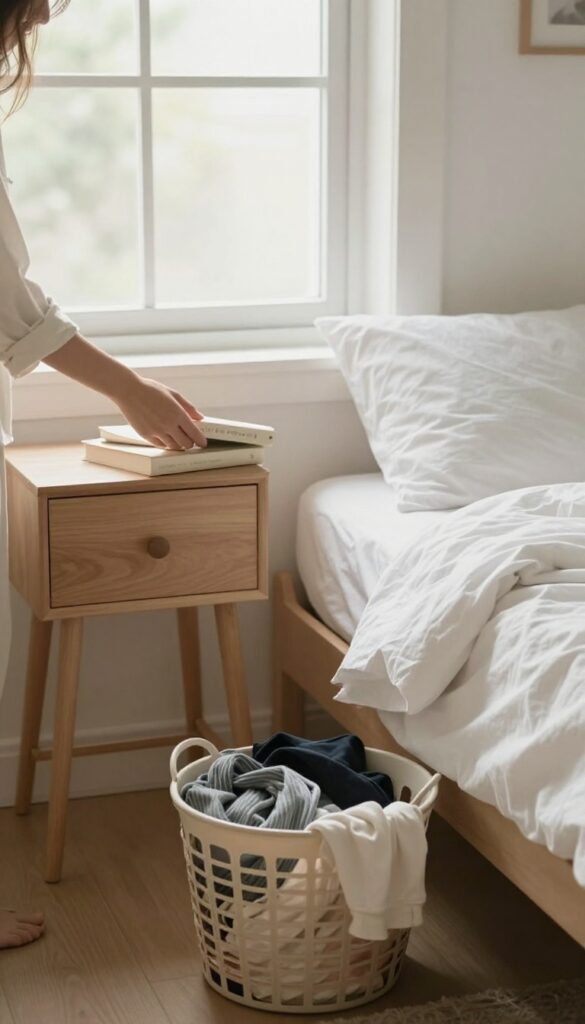
The hardest part of cleaning is often just getting started. That's where the five-minute tidy comes in—it's a low-pressure way to break the inertia. Set a timer, and for those 300 seconds, you're allowed to do nothing but grab obvious clutter.
Clothes on the floor, books on the desk, empty water bottles—whatever catches your eye. When the timer dings, you stop. No guilt if you didn't finish.
But chances are, you'll want to keep going.
This quick burst is about building momentum, not perfection. It turns a daunting task into a game you can win. Plus, seeing a clear patch of floor or a tidy corner gives your brain a little dopamine hit—proof that change is possible.
Use this as a warm-up for deeper cleaning, or repeat it throughout the day whenever things start to feel chaotic.
Grab A Bag Or Basket First
Before you start, arm yourself with a trash bag and a laundry basket. That way, you can sort as you go—trash in one, clothes in the other, and everything else on a designated surface. Having a system keeps you from getting sidetracked.
You'll be amazed how much you can clear in five minutes when you're not stopping to decide where each item belongs.
Focus On High-impact Zones
Not all clutter is created equal. In five minutes, target the areas that make the biggest visual difference: the bed, the floor, and the top of your dresser. Clearing these spots instantly makes the room feel larger and more organized.
Leave the drawers and closet for later—right now, you're just creating a calm first impression.
Use The Timer As A Motivator
A timer turns cleaning into a race. It's hard to procrastinate when you know the clock is ticking. If you're feeling resistant, challenge yourself to beat your own record.
Next time, try four minutes. Or see how much you can grab in one minute. The point is to make it fun, not a chore.
2. Clear Your Bed First
Your bed is the anchor of the room. When it's piled with clothes, books, and random stuff, the whole space feels chaotic. Stripping it bare and remaking it takes just a few minutes, but the payoff is huge.
A neatly made bed instantly signals that order has been restored, giving you a psychological boost to keep going.
Start by removing everything from your bed—blankets, pillows, clothes, gadgets, whatever. Don't sort or decide where each item goes yet; just dump it all onto the floor or a chair. Then, make the bed with fresh sheets if needed, fluff the pillows, and smooth the duvet.
That clear, flat surface becomes your new command center for the rest of the cleanup.
Why The Bed Matters Most
Psychologists call this the "bed effect. " A made bed creates a visual anchor of calm in an otherwise messy room. It's the one large, uncluttered surface your eyes land on first, tricking your brain into thinking the whole room is more organized.
This small win builds momentum for the next tasks.
The 2-minute Bed Reset
If you're short on time, focus on just the top layer. Smooth the comforter, arrange the pillows, and fold any stray blankets. Even a half-made bed looks intentional.
Pair it with a quick fluff of your pillows, and you've transformed the room's focal point in under two minutes.
Use Your Bed As A Sorting Station
Once the bed is made, use it as a temporary staging area. Pile items you need to put away on one side, and keep the other side clear for folding clothes or stacking books. This keeps the process organized and prevents you from spreading mess to other surfaces.
3. Grab a Laundry Basket and Go
Laundry is often the biggest culprit in a messy room. It piles up on chairs, the floor, and even your bed, making the space feel smaller and more chaotic. Instead of tackling it piece by piece, use one simple tool: a laundry basket.
Walk through the room with it and toss in anything fabric that doesn't belong where it is.
This single action clears surfaces and floors fast, giving you an immediate sense of progress. You don't need to sort or wash right now—just gather. Once the basket is full, set it aside (or in the laundry room) and enjoy the sudden openness.
You'll be surprised how much calmer the room feels with those stray clothes gone.
Start With The Obvious Spots
Hit the easy targets first: the foot of your bed, the back of your desk chair, and any pile near the closet. These are usually where dirty clothes land after a long day. Grab them without overthinking—just toss them in the basket.
This takes under two minutes and already makes a visible difference.
Check Under The Bed And Behind Doors
Don't forget the hidden zones. Under the bed often collects stray socks, gym clothes, or that sweater you wore once. Behind the door might have a towel or a jacket you hung temporarily.
A quick sweep of these areas ensures you're not just surface-cleaning. Plus, it prevents that "I thought I was done" moment later.
Don't Worry About Sorting Yet
The goal here is speed, not perfection. Throw everything into one basket—whites, darks, delicates, all together. You can sort later when you actually do laundry.
For now, the mission is to remove visual clutter. Once the basket is full, you've already won half the battle.
4. Use the One-Minute Rule
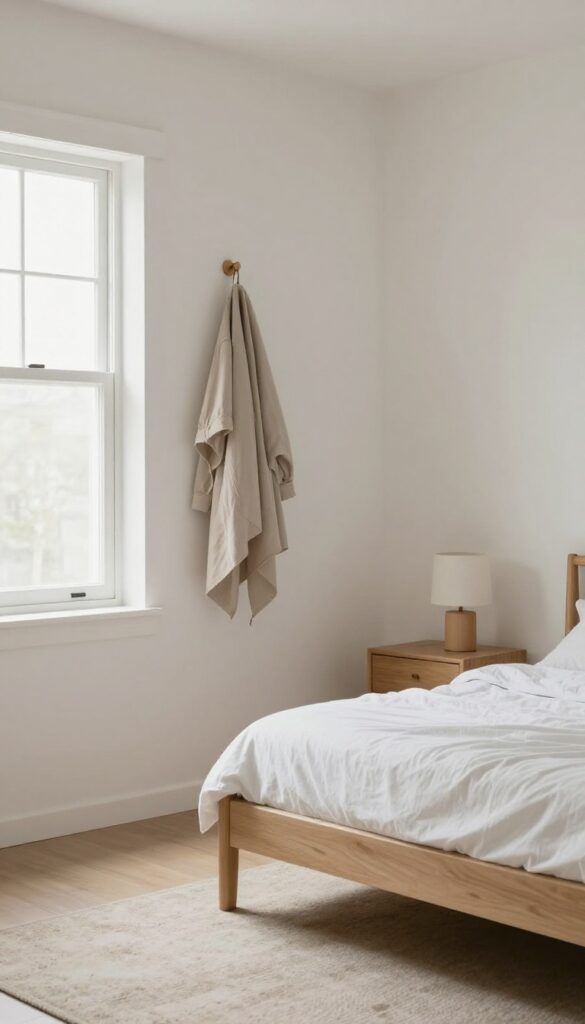
Small delays add up to big messes. That jacket you leave on the chair? It becomes a pile.
The wrapper you set aside? It multiplies. The one-minute rule stops that cycle before it starts.
If a task takes sixty seconds or less, do it right now. No putting it off, no mental list—just action. Over a day, those tiny choices keep your room from sliding into chaos.
The one-minute rule is a simple commitment: whenever you spot a task that can be completed in under a minute, you do it immediately. This could be hanging up a coat, tossing an empty bottle, or straightening a pillow. The key is to stop overthinking and just move.
Each small win builds momentum and prevents clutter from accumulating. You'll be surprised how much cleaner your space stays with almost no extra effort.
Where To Start
Walk through your room with a mental timer. Look for obvious one-minute tasks: a stray sock, a water glass, a book lying open. Do each one as you spot it.
Don't stop to organize—just complete the quick action. After a few rounds, you'll notice the room already looks better.
Tackle The Hotspots
Certain areas attract quick clutter: your nightstand, desk corner, or dresser top. Make a habit of scanning these spots whenever you enter or leave the room. That pen, that receipt, that charging cable—each can be dealt with in under a minute.
Over time, these hotspots stay clear.
Make It A Game
Set a timer for five minutes and race to complete as many one-minute tasks as possible. You'll be amazed how many you can knock out. This turns cleaning into a fun challenge and builds the habit of immediate action.
Plus, you get a visibly cleaner room in just minutes.
5. Create a Designated Spot for Daily Items
Ever waste ten minutes hunting for your keys or phone right when you're about to leave? That frantic search adds unnecessary stress to your morning and can undo the calm you just created. By giving each daily essential a permanent home, you eliminate that chaos and make your room work for you.
Choose a tray, bowl, or small basket that fits your style and place it near your door or on your dresser. Every time you walk in, drop your phone, keys, wallet, and other essentials into that spot. This simple habit prevents them from scattering across surfaces and keeps your room looking tidy.
Plus, you'll never have to panic-search again.
Pick The Right Container
Your designated spot should be big enough to hold everything but small enough to stay clutter-free. A ceramic dish, a woven basket, or a sleek tray all work well. Avoid anything too deep where items can get buried.
Think of it as a landing pad, not a junk drawer.
Make It A Habit
The real magic happens when you consistently use it. For the first week, remind yourself to empty your pockets and place items in the spot as soon as you get home. After that, it becomes automatic.
You'll notice your room stays neater without extra effort.
Expand The System
Once you master your daily essentials, apply the same idea to other items that tend to wander. A small tray for mail, a hook for your bag, or a dish for loose change can all reduce visual clutter. Each designated spot is a small anchor that keeps your room organized.
6. Wipe Down Surfaces with a Microfiber Cloth
Dust and smudges have a sneaky way of making a room feel dirty even when everything else is in its place. A quick wipe-down of your main surfaces can instantly freshen the space and give you that clean-room glow. Grab a damp microfiber cloth and target your desk, nightstand, dresser tops, and any other flat surfaces that collect fingerprints or dust bunnies.
This step takes less than five minutes but makes a huge visual difference. Microfiber traps dust instead of pushing it around, and a slightly damp cloth lifts sticky spots without leaving streaks. Focus on high-touch areas like your bedside table, computer desk, and dresser.
Don't forget to wipe down lamp bases, picture frames, and the top of your headboard if it's exposed. Once you're done, toss the cloth in the laundry so it's ready for next time.
Why Microfiber Works Best
Microfiber cloths have tiny fibers that grab dust and grime like a magnet. They're reusable, lint-free, and work with just water for most surfaces. Paper towels often leave residue or just push dust around, so switching to microfiber is a small upgrade that pays off.
The Right Dampness Matters
You want the cloth slightly damp—not soaking wet. Wring it out well before wiping. Too much water can damage wood finishes or leave water spots on glass.
A light misting of water on the cloth works better than running it under the tap.
Don't Forget The Hidden Spots
Quickly swipe the top of your dresser, the ledge of a window, and any shelves within arm's reach. These areas collect dust silently and make the room feel stale. A once-over on door handles and light switches also removes oily fingerprints that catch the eye.
7. Declutter Your Nightstand
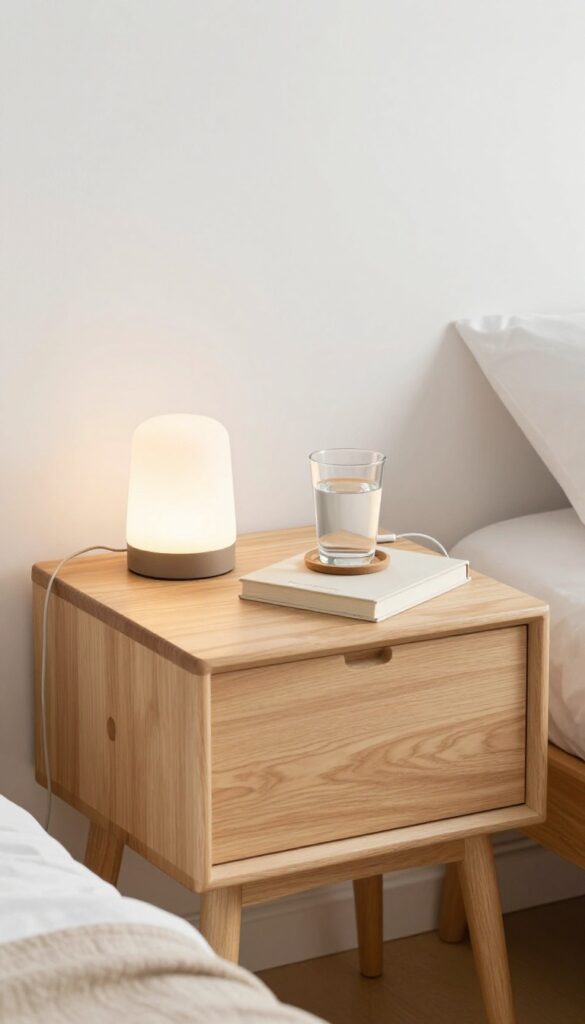
Your nightstand is a magnet for random items—phone chargers, books, glasses, water bottles, and maybe a snack wrapper or two. Over time, it becomes a messy catch-all that distracts you right before sleep. Clearing it out takes five minutes and instantly makes your bedside feel more peaceful.
Start by taking everything off the nightstand and putting it on your bed or floor. Wipe down the surface. Then sort each item into one of three piles: keep, trash, or relocate.
Only put back what you actually use at bedtime—like a lamp, a book, or a glass of water. Everything else should find a proper home elsewhere.
The Keepers
These are the essentials you reach for every night: a reading lamp, your phone charger, a coaster for your water, maybe a small tray for your watch or glasses. Limit yourself to three to five items max. If you haven't used something in the past week, it doesn't belong here.
The Trash And Relocate Pile
Old receipts, empty water bottles, dead pens—toss them. Items like books you've already read, extra chargers, or random mail should go to their proper spots: bookshelf, electronics drawer, or recycling bin. Don't let them linger on the nightstand.
Maintain The Calm
Make it a habit to clear your nightstand every morning when you make your bed. Just a quick sweep—return any stray items to their homes. This takes 30 seconds and prevents the pileup from happening again.
A clean nightstand signals your brain that it's time to wind down.
8. Organize Your Desk in Layers
A cluttered desk makes it hard to focus, even if the rest of your room is tidy. The layered method breaks the process into simple steps, so you end up with a workspace that feels fresh and functional. It's less about perfection and more about creating a system that works for you.
Clear Everything Off
Start by taking every single item off your desk. Pile it all on the floor or a nearby table—don't worry about sorting yet. This gives you a blank slate and lets you see exactly what you're working with.
Sort Into Categories
Group similar items together: pens and markers in one pile, papers in another, gadgets and cables in a third. Be honest about what you actually use. If you haven't touched that stack of sticky notes in months, toss it or store it elsewhere.
Put Back Only The Essentials
Now decide what earns a spot on your desk. Keep daily-use items within easy reach and tuck away things you only need occasionally. Use trays, pen holders, or small bins to keep categories separate.
A simple organizer can turn a jumble into a tidy setup.
9. Tame the Cable Chaos
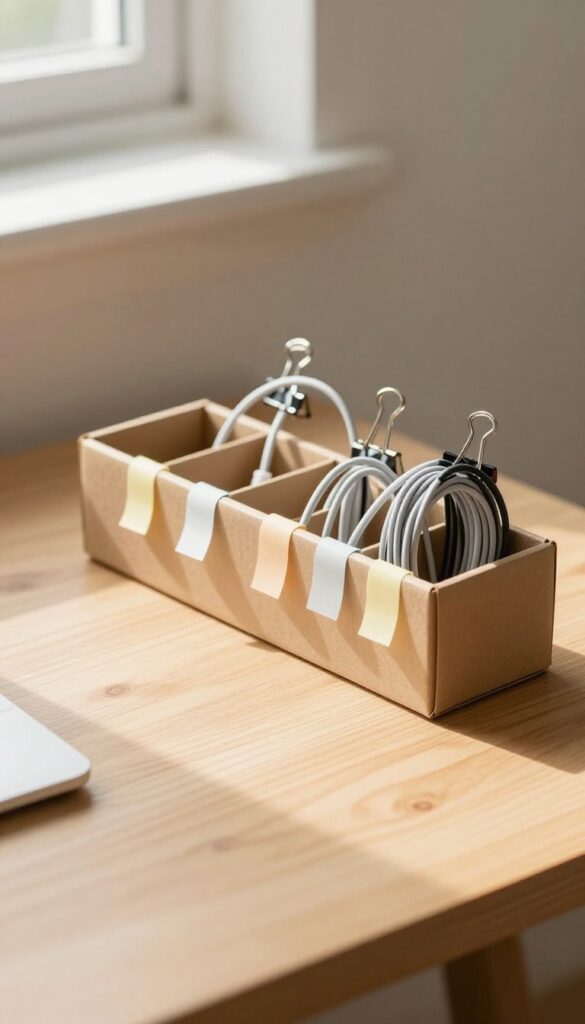
Charging cables have a way of multiplying when you're not looking. Before you know it, your desk or nightstand looks like a tangled mess of wires. The good news is that cleaning them up takes just a few minutes and makes a huge visual difference.
Untangle First, Then Organize
Start by unplugging everything and separating each cable. Hold each one by the connector and let it dangle—gravity will help release knots. Once they're straight, you can decide what stays and what gets stored away.
Use Simple Tools You Already Have
Binder clips, twist ties, or even a small cardboard box can work wonders. Clip each cable to the edge of your desk or nightstand so they're within reach but not sprawling. For multiple cables, a small box with dividers keeps them separated and easy to grab.
Label For Speed
If you have several similar cables (like USB-C or Lightning), a piece of masking tape and a marker can save you time later. Write what each cable powers—phone, tablet, headphones—so you never have to guess again.
10. Refresh Your Linens and Pillows
Your bed is the centerpiece of the room, and worn-out linens can make the whole space feel tired. Swapping pillowcases and sheets if they're wrinkled or stained takes just a minute but instantly lifts the look and feel of your bed. Fluffing pillows and folding the duvet neatly adds a finishing touch that makes the bed look inviting rather than just made.
Swap Out Tired Linens
Pull off any pillowcases or sheets that are visibly wrinkled, stained, or pilling. Keep a spare set of fresh linens folded nearby so you can make the swap in under a minute. Even if you don't have time to wash the old ones, just removing them and putting on clean ones changes the whole energy of the room.
Fluff And Shape Pillows
Give each pillow a good fluff by punching and shaking it to redistribute the filling. If your pillows are flat or lumpy, consider replacing them—but for a quick refresh, plumping them and arranging them upright against the headboard makes the bed look plush and welcoming.
Fold The Duvet Or Blanket Neatly
Instead of leaving your duvet in a heap, fold it into thirds lengthwise and lay it across the foot of the bed. If you use a blanket, fold it neatly at the bottom. This simple act of folding creates clean lines and makes the bed look intentionally styled rather than just thrown together.
11. Vacuum or Sweep High-Traffic Areas
Floors take a beating, especially the spots you walk on most. Even if the rest of the room looks tidy, a gritty floor can undo all that effort. A quick vacuum or sweep of high-traffic zones removes dust, crumbs, and hair that accumulate without you noticing.
You don't need to vacuum the whole room to make a difference. Focus on the areas around your bed, desk, and doorway—these are the paths you tread daily. A two-minute pass with a vacuum or broom picks up the debris that makes a room feel dirty, and the instant visual payoff is surprisingly satisfying.
Target The Hot Spots
Identify the three main traffic zones: beside your bed (where you step out each morning), under your desk (where crumbs and dust collect), and the doorway area (where outdoor dirt gets tracked in). These spots accumulate the most grime, so hitting them first gives you the biggest impact for the least effort.
Use The Right Tool For The Job
If you have a vacuum, use the crevice tool along baseboards and corners to catch hidden dust. For hard floors, a dry microfiber mop or a cordless stick vacuum works fast. Carpeted areas benefit from a quick pass with a brush attachment to lift embedded debris.
No vacuum? A stiff broom and dustpan do the trick—just sweep toward you to avoid scattering dust.
Make It A Habit
Incorporate this into your daily or weekly reset. A 60-second sweep before bed keeps the floor from ever looking neglected. Pair it with a quick spray of a room-safe floor cleaner for a fresh scent that signals cleanliness.
12. Use a Lint Roller on Upholstery
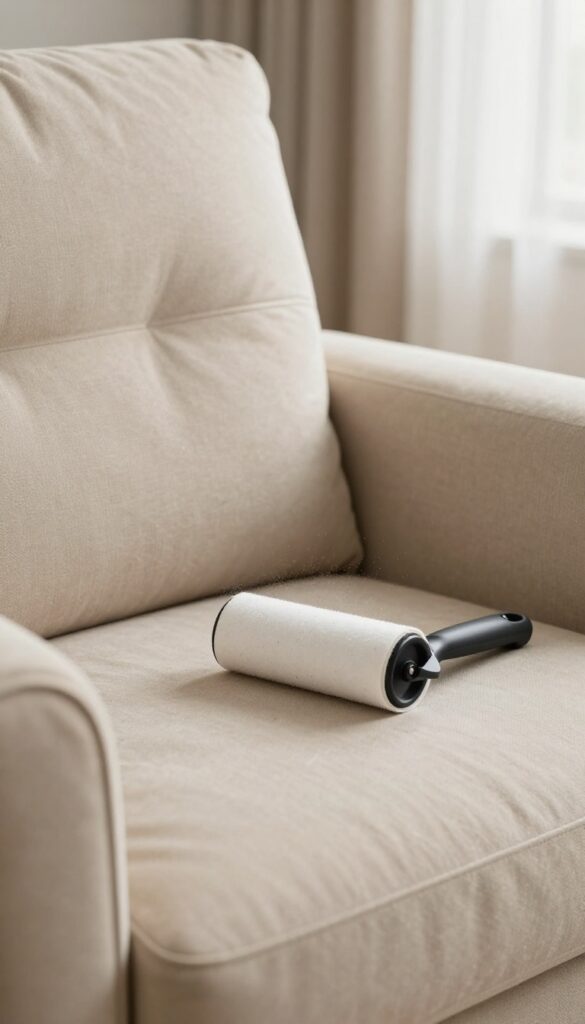
Fabric surfaces trap dust, pet hair, and crumbs like a magnet. A lint roller is your secret weapon for a quick refresh. In just a few swipes, you can make your chair, curtains, or throw pillows look noticeably cleaner.
A lint roller is one of the fastest tools to freshen up a room. It picks up debris that vacuum attachments might miss, especially on delicate fabrics. Keep one in your nightstand or desk drawer for easy access.
Run it over your desk chair, the armrest of your favorite reading chair, or even the lampshade. You'll be surprised how much dust and hair it collects. This small habit takes less than a minute but makes a big visual difference.
Target High-touch Areas
Focus on spots you use most: your desk chair, the edge of your bed, and any seating near your workspace. These accumulate dead skin cells, hair, and crumbs faster than other surfaces. A quick pass with a lint roller each morning keeps them looking fresh.
Don't Forget Curtains And Lampshades
Curtains and fabric lampshades are dust magnets. Roll the lint roller gently over them to lift dust without damaging the fabric. For pleated shades, roll along the folds.
This simple step brightens the whole room.
Use It On Throw Pillows And Blankets
Throw pillows and decorative blankets collect pet hair and lint. A lint roller is perfect for these because it doesn't crush the fabric like a vacuum might. Refresh them in seconds for a cozy, clean look.
13. Sort Papers into Three Piles
Paper clutter is one of those things that quietly builds up until you have a mountain of it. The key is to stop treating every piece of paper like it's precious. You just need a simple system that takes seconds per sheet.
Gather every loose paper from your desk, nightstand, and any flat surface. Stack them all together, then sort into three piles: recycle, action needed, and file. Be ruthless with the recycle pile—most of it can go.
For the rest, put action items in a visible tray and file important documents right away.
Recycle Without Guilt
Old receipts, expired coupons, junk mail, and notes you'll never look at again. If it's not essential, toss it. You'll be surprised how much disappears.
Action Needed: Keep It Visible
Bills to pay, forms to fill out, or invitations to respond to. Put these in a single tray or folder on your desk so you don't forget them.
File It Or Lose It
Tax documents, warranties, medical records, and other keepers go straight into a labeled file folder. No stacking, no piling—just file and move on.
14. Corral Small Items in Trays or Bins
Small items have a talent for taking over every flat surface. A few loose lip balms, some paper clips, a stray hair tie—they don't seem like much on their own, but together they create visual noise. The fix is simple: give them a designated home.
Trays, bins, and jars are the unsung heroes of surface organization. They keep similar items together and prevent that scattered look. Plus, they make cleaning faster because you can grab the whole tray instead of picking up individual pieces.
Choose The Right Containers
Look for containers that match your decor style—ceramic catchalls for the nightstand, wire bins for the desk, acrylic organizers for the vanity. Size matters: a tray that's too small will overflow, and one that's too big invites clutter. Measure your space and pick containers that fit snugly.
Group By Function
Keep like with like. On your desk, one bin for pens and another for sticky notes. On your dresser, a tray for jewelry and a jar for change.
When everything has a logical group, you can find what you need without digging.
Make It A Daily Habit
At the end of each day, take two minutes to return stray items to their trays. This small reset keeps the system working. If you notice a tray getting messy, it's a sign you need a bigger container or a different spot.
15. Do a Quick Under-Bed Check
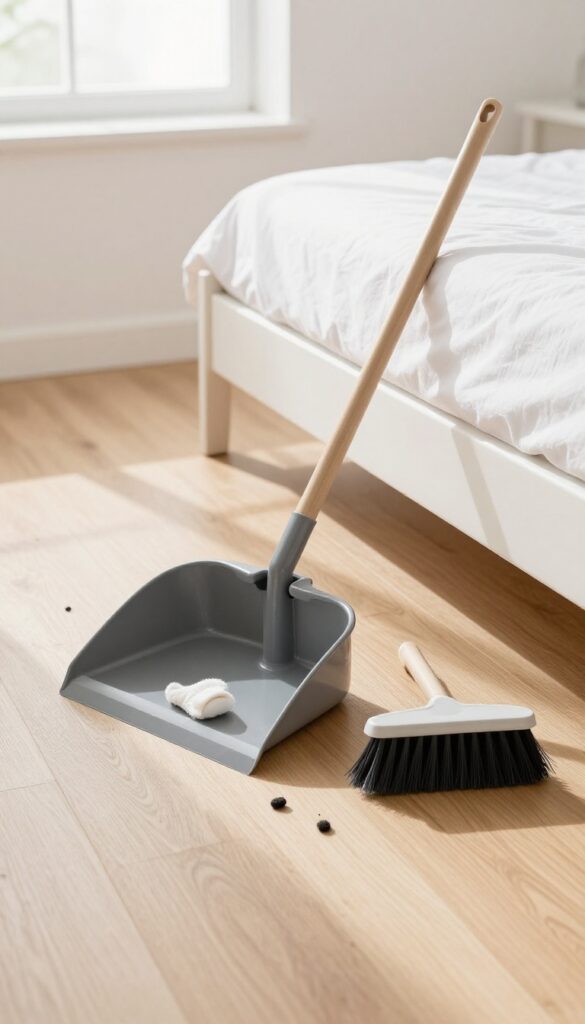
The space under your bed is a black hole for dust bunnies, stray socks, and things you forgot existed. A quick sweep or vacuum can pull out all that hidden grime and give you back a clean zone you didn't even know you were missing. Plus, clearing out the clutter under there makes the whole room feel lighter and more open.
Why It Matters
That dark area collects dust and allergens that float up into your breathing space. Removing the debris improves air quality and makes the room feel fresher. It also prevents small items from getting lost or damaged.
What To Look For
Slide a flashlight under there to spot anything that's rolled out of sight: pens, hair ties, charging cables, or even old food wrappers. Grab a dustpan or a vacuum crevice tool to reach the far corners.
Smart Storage Solution
Invest in low-profile under-bed storage bins for items you don't use daily, like out-of-season clothes or extra bedding. That way the space stays organized and easy to clean next time. Just label the bins so you know what's inside without pulling everything out.
16. Wipe Down Windows and Mirrors
Windows and mirrors are like the eyes of your room—when they're smudged, everything feels a little off. A quick wipe brings back clarity and brightness, making the whole space feel fresher without any heavy lifting.
Grab a quality glass cleaner and a microfiber cloth. Spray lightly, then wipe in a zigzag or S-pattern to avoid streaks. Don't forget the corners and edges where dust collects.
For mirrors, a little spritz goes a long way—too much cleaner can leave residue. Once they're dry, step back and notice how much more light bounces around. It's a small effort with a big payoff.
Why Streak-free Matters
Streaks aren't just annoying—they scatter light and make windows look dirty even after cleaning. A clean, streak-free surface lets natural light flood in, instantly lifting the mood. Plus, it makes the room feel larger and more open.
Best Tools For The Job
Microfiber cloths are your best friend here. They trap dust and absorb liquid without leaving lint behind. Avoid paper towels—they can leave fibers and streaks.
For stubborn spots, a squeegee works wonders on large windows.
Quick Maintenance Tips
Keep a small spray bottle of glass cleaner and a microfiber cloth in your cleaning caddy. Wipe mirrors and windows every time you do a quick tidy—about once a week. That way, grime never builds up, and the job stays fast.
17. Refresh the Air with a Simple Spray
Scent is a powerful shortcut to a clean-feeling room. Even if you haven't scrubbed every corner, a pleasant aroma can trick your brain into thinking the space is fresher than it is. That's why a quick spritz of linen or citrus mist works wonders for a peaceful reset.
You don't need a fancy diffuser or candles that require supervision. A simple spray bottle with a light, natural fragrance can do the job in seconds. Just a few pumps into the air and onto soft surfaces like curtains or your bedspread, and the room instantly feels more inviting.
The right scent can transform your mood and make the room feel cleaner without any extra effort. Linen and cotton fragrances mimic the smell of freshly laundered sheets, while citrus notes like lemon or grapefruit are naturally uplifting and associated with cleanliness. Avoid heavy, sweet perfumes that can be cloying—you want a scent that fades gently, not one that lingers aggressively.
Keep your spray bottle in an easy-to-reach spot, like on your dresser or nightstand, so it becomes a quick habit. After making your bed or tidying up, a couple of spritzes signal to your brain that the reset is complete. It's a small sensory cue that reinforces the feeling of order and calm.
Choose The Right Scent
Not all sprays are created equal. Look for natural, non-toxic options with essential oils rather than synthetic fragrances. Linen, lavender, and citrus are safe bets for a calming yet fresh atmosphere.
If you're sensitive to smells, try an unscented fabric refresher or a very mild eucalyptus mist.
Where To Spray For Best Effect
Aim for soft surfaces that hold scent longer: your bedspread, curtains, upholstery, and even the carpet. Avoid spraying directly on electronics or glossy surfaces. A couple of pumps in the center of the room and one on your pillow can make the whole space feel renewed.
Make Your Own Diy Mist
Mix a cup of distilled water with 10–15 drops of your favorite essential oil in a spray bottle. Shake well before each use. This is cost-effective and lets you customize the scent.
Just remember to use a glass bottle if you're using citrus oils, as they can degrade plastic over time.
18. Put Away Out-of-Season Items
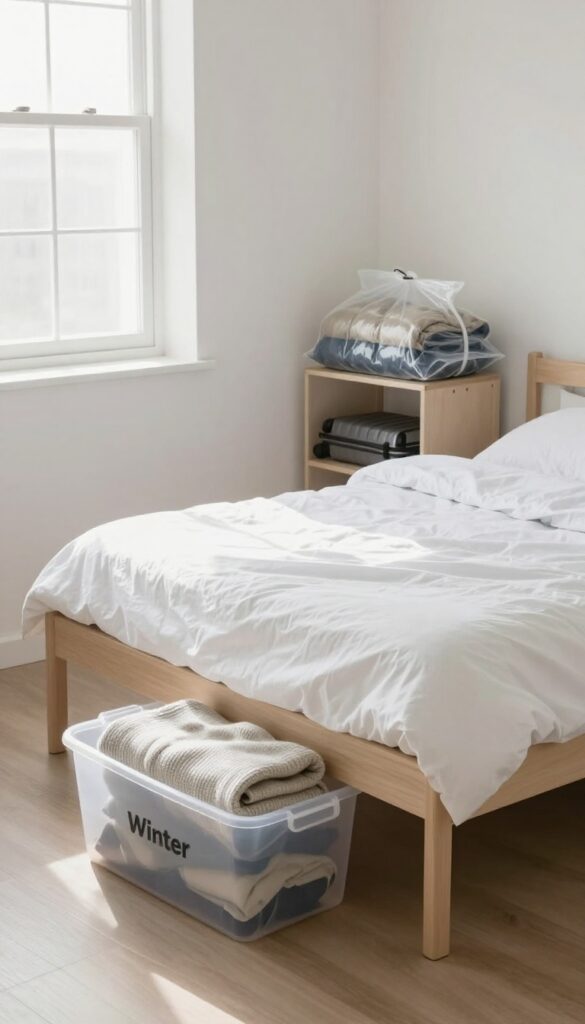
Seasonal stuff takes up a surprising amount of real estate in your room. When winter boots sit next to sandals or heavy sweaters crowd your summer tees, every drawer and closet feels cramped. By moving out-of-season items to a dedicated storage spot, you instantly free up space and cut down on visual noise.
Storing off-season gear is one of the easiest ways to reclaim closet space and make your room feel more open. You don't need a huge storage system—just a few bins or a spare suitcase can do the trick. The key is to keep only what you actually use and store it somewhere out of sight, like under the bed or on a high shelf.
This simple habit prevents your daily space from turning into a year-round warehouse.
What To Store
Start with the obvious: heavy coats, thick sweaters, wool scarves, and boots in warmer months; lightweight dresses, shorts, and sandals when it gets cold. Also consider bedding—swap flannel sheets for cotton, and store extra blankets. Don't forget accessories like gloves, hats, or swimwear that only get used part of the year.
Where To Store It
Under-bed bins are perfect for bulky items like winter coats or extra blankets. Use vacuum-seal bags to compress puffy jackets and duvets, saving even more space. If you have a closet with high shelves, clear bins with labels make it easy to grab what you need next season.
A spare suitcase or duffel bag can double as storage for off-season clothes.
Prep Before Packing
Before you stash anything, make sure items are clean and dry. A quick wash or spot-clean prevents stains from setting and keeps musty smells away. Fold or roll clothes neatly to avoid wrinkles, and toss in a cedar block or lavender sachet to deter moths and keep everything fresh.
This small step means your out-of-season clothes are ready to wear when you pull them out again.
19. Use Vertical Space for Storage
When floor space is tight, the walls become your best friend. Hooks, shelves, and over-the-door organizers take advantage of vertical real estate, clearing clutter from surfaces and making your room feel larger. This strategy works especially well for items you reach for daily, like bags, hats, or accessories.
Vertical storage is about thinking upward instead of outward. By mounting hooks behind doors or installing floating shelves, you create designated spots for items that otherwise end up on chairs or floors. This not only frees up horizontal space but also adds visual interest to your walls.
Hooks For Daily Grab-and-go
A row of sturdy hooks near your door or closet handles bags, jackets, and hats. Use adhesive hooks if you can't drill—they hold lightweight items well. This keeps your floor clear and your morning routine faster.
Shelves For Display And Storage
Floating shelves hold folded sweaters, books, or decorative boxes. Group similar items together for a tidy look. Use baskets on shelves to corral small accessories like scarves or sunglasses.
Over-the-door Organizers For Small Items
Over-the-door shoe racks aren't just for shoes—they can store toiletries, craft supplies, or tech accessories. Clear pockets let you see everything at a glance, so you never lose a charging cable again.
20. Create a Morning and Evening Routine
A clean room isn't a one-time event—it's a daily practice. The trick is to make it so quick and easy that you barely notice you're doing it. A two-minute morning and evening routine can keep your space from ever reaching disaster mode again.
The secret to a consistently tidy room is not a deep clean every weekend but a tiny daily reset. By spending just two minutes in the morning and two minutes in the evening, you prevent clutter from piling up. This habit works because it's almost effortless—you're not trying to clean the whole room, just maintain the baseline order you already created.
The Morning Two-minute Reset
Start your day by making your bed. It takes less than a minute and instantly makes the room look 50% tidier. Then, grab any clothes or items that ended up on the floor and put them where they belong.
That's it. You're done. Now you have a clean foundation for the day.
The Evening Two-minute Tidy
Before you go to sleep, do a quick sweep of surfaces—nightstand, desk, dresser. Put away any stray items like water glasses, phone chargers, or books. Fluff your pillows and straighten your bedding.
This small ritual signals to your brain that the room is ready for rest, and you'll wake up to a calm space.
Why Two Minutes Works
The two-minute rule is powerful because it removes the mental barrier of cleaning. You can always find two minutes, even on your busiest days. Over time, this becomes a habit that runs on autopilot, so your room stays neat without you having to think about it.
21. Donate or Toss Unused Items
Clutter has a sneaky way of creeping back into a clean room. The best way to stop it is to remove the items that are just taking up space. As you clean, set aside anything you haven't touched in six months.
Then, get it out of your room immediately.
The Six-month Rule
If you haven't used an item in half a year, you probably don't need it. Clothes, gadgets, books—apply the rule across the board. Be honest with yourself.
That sweater you keep meaning to wear? If it's been sitting untouched, it's time to let it go.
Donate Or Toss Right Away
Once you've sorted your pile, act fast. Put donate items in a bag by the door or in your car. Toss anything broken, expired, or stained.
The key is to remove them from your room before you change your mind. This prevents the clutter from returning.
One In, One Out
To keep your room from filling up again, adopt the one-in-one-out rule. Every time you bring something new into your room, remove one old item. This simple habit keeps your space balanced and prevents future clutter buildup.
22. Add a Calming Element
A clean room feels good, but adding one personal, calming touch makes it feel like yours. That small plant on the windowsill, the candle you love, or a piece of art that makes you smile—these aren't just decorations. They're anchors that turn a sterile space into a peaceful retreat.
After you've done the scrubbing and organizing, this final step is what makes the reset stick.
Choose Something That Sparks Joy
Pick an item that genuinely makes you feel good when you look at it. A low-maintenance succulent, a framed photo of a happy memory, or a simple ceramic dish you found at a market. It doesn't have to be expensive or trendy.
The goal is to create a visual anchor that reminds you this is your sanctuary.
Place It Where You'll See It First
Position your calming element where your eyes naturally land when you walk into the room. On your nightstand, the corner of your desk, or a shelf at eye level. This way, every time you enter, you get a small hit of peace before your brain scans for mess.
Keep It Simple And Intentional
Avoid cluttering your clean space with too many items. One or two carefully chosen pieces are more effective than a shelf full of knickknacks. The simplicity itself is calming.
Let that one plant or candle be the star, and let the clean surfaces breathe.
23. Celebrate Your Progress
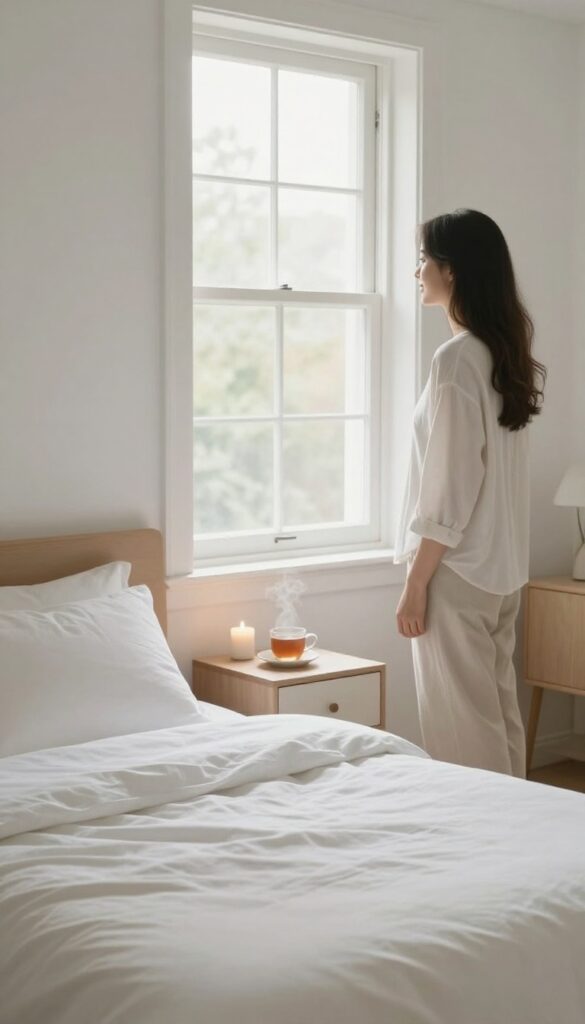
You just turned a messy room into a tidy sanctuary. That deserves a moment of recognition. Celebrating your progress isn't about throwing a party—it's about letting the good feeling sink in so your brain associates cleaning with reward.
When you take a second to appreciate what you've done, you reinforce the habit. Your mind learns that effort leads to a pleasant outcome, making you more likely to start next time. This small pause can be the difference between a one-time clean and a lasting routine.
Why It Works
Positive reinforcement is powerful. A quick mental pat on the back releases dopamine, the feel-good chemical. That little buzz makes you want to repeat the behavior.
Skipping this step means you miss out on building a natural motivation loop.
How To Celebrate
Simple actions work best. Stand in the doorway and take in the view. Say out loud, "Nice job.
" Or treat yourself to a cup of tea while you enjoy the calm. The key is to pause and acknowledge the change before moving on to your next task.
Make It A Ritual
Turn this into a closing ritual. After your last tip, dim the lights, light a candle, or just sit for sixty seconds. Over time, this signals to your brain that cleaning is complete and it's time to relax.
You'll start looking forward to that moment of peace.
FAQ
How often should I do a quick room reset?
A quick reset of 5-10 minutes daily is ideal to maintain order. A deeper clean can be done weekly or bi-weekly depending on your lifestyle.
What's the best way to stay motivated while cleaning?
Set a timer for short bursts, play upbeat music, or reward yourself after finishing. Focusing on the peaceful result also helps keep you going.
How do I prevent my room from getting messy again?
Create a habit of putting things back immediately after use. Use designated spots for everyday items and do a quick 2-minute tidy each evening.
What cleaning supplies do I need for a quick reset?
A microfiber cloth, all-purpose cleaner, glass cleaner, a lint roller, and a vacuum or broom are enough for most quick resets.
How can I make my room feel more peaceful after cleaning?
Add soft lighting, a calming scent, and a few personal touches like a plant or a cozy throw. Keep surfaces clear to maintain a serene look.
Conclusion
A clean room isn't just about appearances—it's about how you feel when you walk in. These 23 tips are designed to help you reset your space quickly, so you can enjoy the calm without the stress. Remember, you don't have to do everything at once.
Pick a few ideas that resonate with you and start there. Over time, these small habits will transform your room into a peaceful sanctuary that supports your well-being.