You know the feeling: your room is a mess, but you just can't bring yourself to start cleaning. The thought of sorting through piles of laundry and dusting every surface feels overwhelming. That's chore fatigue, and it's totally normal.
The good news is that you don't need a massive burst of willpower to get your space in order. Small, clever tricks can trick your brain into getting started and keep you going until the job is done.
These 15 motivation hacks are designed to make cleaning feel less like a chore and more like a series of small wins. Pick one that resonates and see how quickly your room transforms.
1. The 5-Minute Rule: Start Smaller Than You Think
The biggest hurdle to cleaning is often just getting started. Your brain sees a messy room and calculates hours of work, triggering avoidance. The 5-Minute Rule short-circuits that by lowering the barrier to entry.
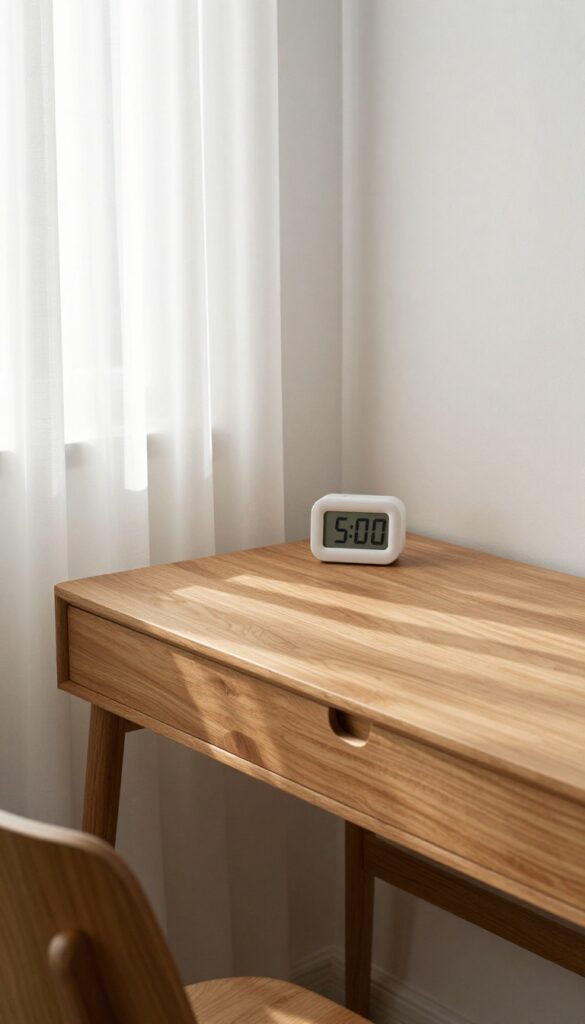
Commit to cleaning for only five minutes—set a timer and stop when it goes off. That's it.
This trick works because it bypasses your brain's resistance. Five minutes feels doable, so you're more likely to start. And once you're in motion, momentum often takes over.
Many people find they keep going past the timer because the hardest part was beginning.
Why Five Minutes Works
Psychologists call this the 'activation energy' principle. Small tasks require less mental effort to initiate. By shrinking the task to five minutes, you remove the dread.
Plus, seeing even a small improvement—like a cleared nightstand—gives a quick dopamine hit that fuels further action.
How To Apply It Right Now
Pick one tiny area: a corner of your desk, one shelf, or a single drawer. Set a timer for five minutes and go. No multitasking.
When the timer beeps, you can stop guilt-free. If you want to continue, great. If not, you still made progress.
Repeat this daily, and your room will transform without burnout.
When To Level Up
Once the 5-Minute Rule becomes a habit, try extending to ten or fifteen minutes. But always keep the option to stop. The goal is consistency, not perfection.
Over time, these micro-sessions add up to a cleaner room with minimal effort.
2. Pair Cleaning with a Podcast or Audiobook
Sometimes the hardest part of cleaning is the silence. Without anything to occupy your mind, every swipe of the cloth feels like it takes forever. That's where audio entertainment comes in.
By reserving your favorite podcast or audiobook exclusively for cleaning time, you create a reward system. The anticipation of hearing what happens next can pull you through even the most tedious tasks.
This trick works because it transforms cleaning from a chore into a side activity. Your brain focuses on the story or conversation, and your hands work on autopilot. Before you know it, the room is tidy and you're already looking forward to the next episode.
Choose The Right Audio
Pick something you genuinely look forward to. A gripping thriller audiobook, a comedy podcast, or an educational series can all work. Avoid anything too dense or requiring full attention—save that for when you can sit down.
Set The Rules
Only listen while cleaning. If you want to hear more, you have to keep cleaning. This creates a powerful incentive.
You can even break tasks into episodes: one episode for dusting, another for vacuuming.
Use Headphones For Immersion
Noise-canceling headphones or earbuds help you zone in. You'll feel like you're in your own world, and the cleaning will fade into the background. Plus, you won't disturb others in the house.
3. Use a Visual Timer for a Game-Like Challenge
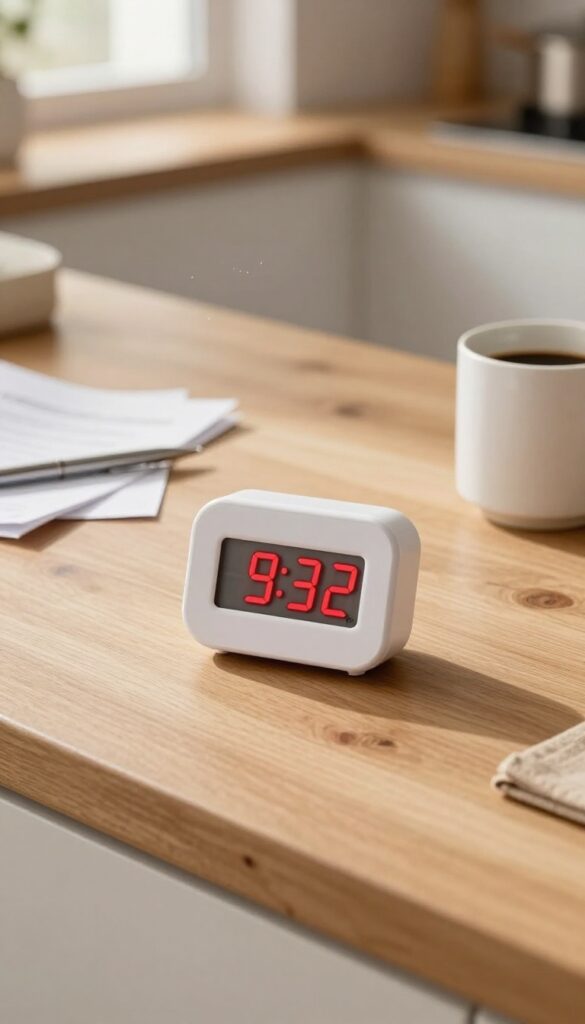
Cleaning feels endless when there's no finish line in sight. That's where a simple visual timer can change everything. By setting a countdown for just 10 or 15 minutes, you create a sense of urgency that turns a boring task into a race against the clock.
The key is using a timer you can actually see—like a digital kitchen timer or your phone's stopwatch displayed prominently. The ticking numbers remind you that time is running out, which sparks a playful competitive instinct. Suddenly, you're not just wiping counters; you're trying to beat your best time.
This works especially well for small, focused tasks like tidying a single drawer or wiping down one bathroom sink. Once the timer goes off, you can stop or keep going if you're on a roll. The game-like structure makes starting easy and quitting guilt-free.
Why Visual Timers Work Better
A visual timer taps into our brain's natural response to deadlines. Unlike a vague goal like "clean the kitchen, " a countdown creates a clear endpoint. The red numbers shrinking toward zero trigger a mild adrenaline rush, making you move faster.
Plus, seeing time pass gives you immediate feedback on your progress, which is more motivating than a to-do list that never shrinks.
How To Set Up Your Timer Challenge
Pick one small area—a cluttered desk, a messy shelf, or a corner of the floor. Set your timer for 10 minutes and place it where you can easily see it. Then go all out: sort, toss, wipe, or organize with full focus.
When the timer beeps, stop and admire what you accomplished. If you feel like continuing, reset the timer for another round. This approach prevents burnout and builds momentum.
Making It A Habit
Use the timer daily for one quick cleaning sprint. Over time, your brain will associate the beep with a sense of achievement rather than dread. You can even compete with yourself: try to beat your previous time for the same task.
The gamification turns a chore into a mini workout for your space.
4. The One-Touch Rule: Never Put It Down, Put It Away
Clutter multiplies when you handle things twice. You pick up a shirt, drape it on a chair, and later move it again. That's wasted effort.
The one-touch rule stops the cycle by forcing a decision the first time you touch an item.
This rule is simple: when you pick something up, don't set it down until it's in its designated spot. No intermediate piles, no "I'll deal with it later. " It trains your brain to finish the task immediately, reducing the mental load of remembering to come back to it.
Over time, it becomes automatic, and your room stays tidier with less overall effort.
Start Small: One Surface At A Time
Don't try to apply the rule to your entire room at once. Pick one surface—your desk, a dresser top, or a nightstand. Clear everything off it, then put each item away immediately.
Seeing that one clean spot gives you a dopamine hit and motivates you to keep going.
Create A Landing Zone For Exceptions
Some items genuinely need a temporary spot—like library books you're returning tomorrow. Designate a single tray or basket as a "to-go" zone. When you pick up a book, either put it on the shelf or in the basket.
Never set it on the floor. This keeps the rule intact while allowing for practical exceptions.
Pair It With A Timer For Speed
Set a timer for 10 minutes and challenge yourself to one-touch every item you see. The time pressure forces quick decisions, and the rule prevents backtracking. You'll be surprised how much you can clear when you refuse to put things down twice.
5. Create a Cleaning Playlist with High Energy Songs
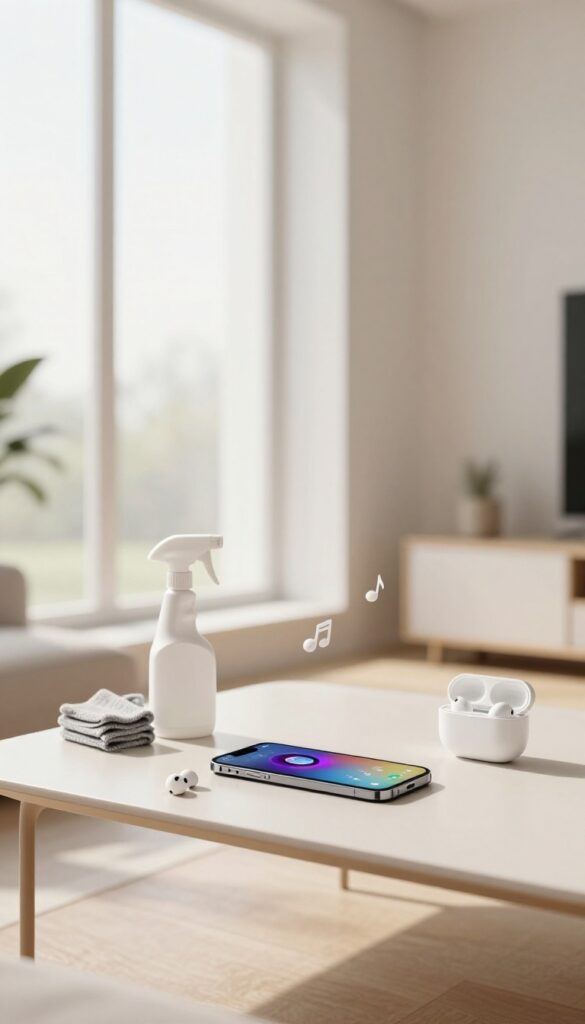
Music has a way of shifting your mood and energy levels. When you're dreading a cleaning session, a curated playlist of upbeat tracks can be the difference between dragging your feet and moving with purpose. The right songs turn a boring task into a mini dance party, making the time fly by.
Start by picking songs that have a fast tempo—think 120 to 140 beats per minute—and a positive vibe. Avoid anything too slow or mellow, as it might make you feel sluggish. Pop, dance, rock, or even high-energy instrumental music works great.
The goal is to get your body moving and your mind distracted from the chore itself.
Build Your Perfect Cleaning Playlist
Don't just hit shuffle on a generic playlist. Take a few minutes to handpick songs that you know get you hyped. Include old favorites, new discoveries, and maybe a guilty pleasure or two.
Aim for at least 30 minutes of music so you don't have to stop and change tracks mid-clean. Streaming services have pre-made cleaning playlists, but customizing your own makes it more personal and motivating.
Use Music As A Timer
Set a goal to clean for the duration of three songs, then take a short break. This breaks the task into manageable chunks. You'll be surprised how much you can accomplish in 10–12 minutes of focused effort.
As the playlist progresses, you'll naturally want to keep going until the last track ends.
Match The Energy To The Task
Save your highest-energy songs for the most physical chores like vacuuming, scrubbing, or moving furniture. Use slightly calmer but still upbeat tracks for tidying up, folding laundry, or dusting. This way, the music's tempo aligns with the activity, keeping you in a productive flow.
6. Break the Room into Zones and Tackle One at a Time
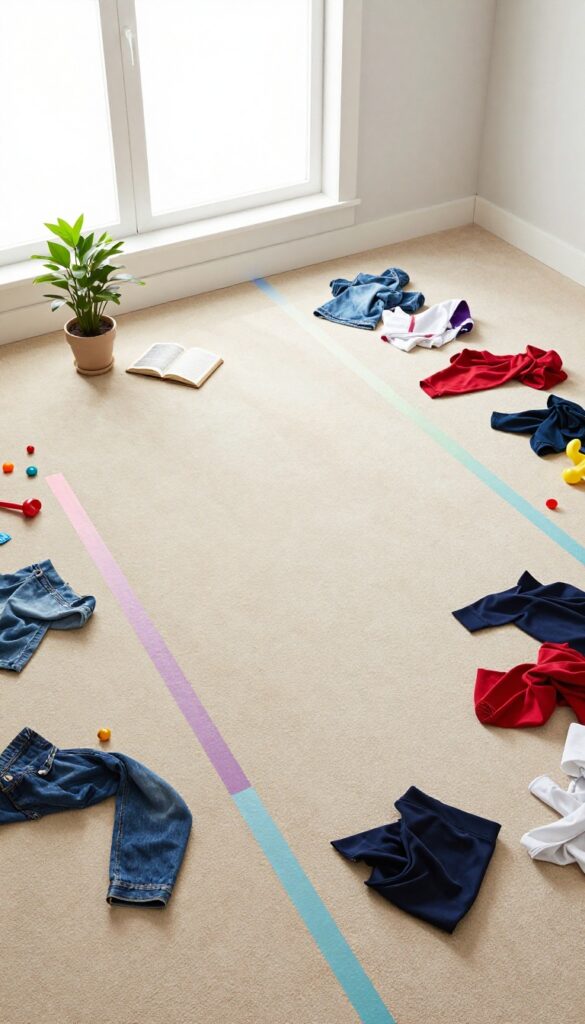
A messy room can feel like one giant, impossible task. But what if you stopped seeing it as one room and started seeing it as a collection of small areas? That's the magic of zoning.
By dividing your space into manageable chunks, you trick your brain into thinking the work is smaller than it really is. Suddenly, cleaning feels less like climbing a mountain and more like taking a few steps.
How To Define Your Zones
Walk around your room and mentally map out natural clusters. A typical bedroom might have a desk zone, a closet zone, a nightstand zone, a bed zone, and a floor zone. Keep each zone small enough to finish in 10 to 15 minutes.
The goal is to create clear boundaries so you can focus without drifting.
The One-zone Rule
Commit to cleaning only one zone per session. When you sit down to work, pick a zone and ignore everything else. If you finish early, stop and celebrate.
If you want to keep going, that's fine—but never start a second zone unless the first one is completely done. This prevents overwhelm and builds momentum.
Why This Beats Fatigue
Chore fatigue often comes from looking at the whole picture. Zoning gives you a series of small wins. Each finished zone releases a little dopamine, making you feel good instead of drained.
Over a few days, you'll have a clean room without ever feeling like you did a big clean.
7. Reward Yourself After Each Cleaning Session
Cleaning can feel like a thankless job, but it doesn't have to be. By pairing each session with a small reward, you train your brain to associate cleaning with pleasure. This simple trick can turn a dreaded task into something you actually look forward to.
The key is to choose rewards that are immediate and enjoyable, not counterproductive. Keep them simple and guilt-free so you don't undo your hard work. Over time, this habit builds positive momentum and makes cleaning feel less like a chore.
Choose Your Reward In Advance
Decide what you'll treat yourself to before you start cleaning. It could be a cup of your favorite tea, a 10-minute break to scroll social media, or watching one episode of a show. Having a specific reward waiting for you makes it easier to push through the last few minutes of tidying up.
Keep Rewards Small And Immediate
Big rewards like a shopping spree or a fancy dinner are too far off to motivate you in the moment. Stick with small, instant gratifications: a piece of chocolate, a few minutes of a podcast, or a quick stretch. The reward should feel like a natural break, not a major event.
Avoid Counterproductive Rewards
Be mindful not to choose rewards that create more mess or drain your energy. For example, a sugary snack might give you a quick boost but lead to a crash later. Instead, opt for something that refreshes you without sabotaging your progress, like a short walk or a relaxing playlist.
8. Invite a Friend to Clean Together (Virtually or In Person)

Cleaning alone can feel lonely and tedious. But when you invite a friend to join you, the dynamic shifts. Suddenly, you have a partner in crime, someone to chat with, and a shared goal.
Whether you video call each other or clean side by side, that social connection turns a boring task into a fun activity.
Accountability is a powerful motivator. When you know a friend is waiting for you to start, it's harder to procrastinate. Plus, you can encourage each other, share tips, and even race to see who finishes first.
The time flies by, and your room gets clean without the usual struggle.
Set A Time And Stick To It
Pick a specific day and time for your cleaning date. Treat it like any other appointment—no canceling. Having a set time creates commitment, and you'll both be less likely to bail.
Even a 30-minute session can make a big difference.
Use Video Calls For Virtual Motivation
If you can't meet in person, a video call works just as well. Prop your phone or laptop so you can see each other's space. Chat while you clean, or put on music together.
Seeing someone else working hard can inspire you to keep going.
Make It A Friendly Competition
Turn cleaning into a game. See who can declutter the most items in 15 minutes, or who finishes their room first. A little friendly rivalry can boost your speed and make the process more enjoyable.
Just remember to keep it light and fun.
9. Use the 'Don't Break the Chain' Method for Daily Habits
Motivation often comes from seeing progress, not just feeling it. The 'Don't Break the Chain' method turns cleaning into a visual game where each day you mark an X on a calendar for completing at least 10 minutes of tidying up. Over time, that chain of X's becomes a powerful motivator—you won't want to break it.
This technique, popularized by comedian Jerry Seinfeld, works because it leverages our natural desire to maintain streaks. Start by hanging a calendar somewhere visible, like on your fridge or bedroom wall. Every day you clean for 10 minutes, draw a bold X.
After a few days, you'll have a chain. The goal is simple: don't break it. Even on low-energy days, just 10 minutes of wiping counters or folding laundry keeps the streak alive.
The visual reminder of your consistency builds momentum and makes cleaning feel like a rewarding habit rather than a dreaded task.
Start Small To Build Momentum
The key is to set a low bar—10 minutes is enough. You can always do more, but the minimum keeps the streak achievable. Pick a specific time each day, like right after work or before bed, to anchor the habit.
Consistency matters more than duration.
Use A Physical Calendar For Satisfaction
Digital trackers work, but there's something satisfying about drawing a big X with a marker. Place the calendar where you'll see it often. The growing chain gives a sense of accomplishment that fuels further effort.
If you miss a day, just start a new chain—no guilt.
Pair With A Reward For Extra Push
To strengthen the habit, link your daily X to a small reward. After marking the calendar, treat yourself to a cup of tea, 10 minutes of scrolling, or an episode of your favorite show. This positive reinforcement makes the chain even harder to break.
10. Declutter First, Then Clean – Less Stuff, Less Work
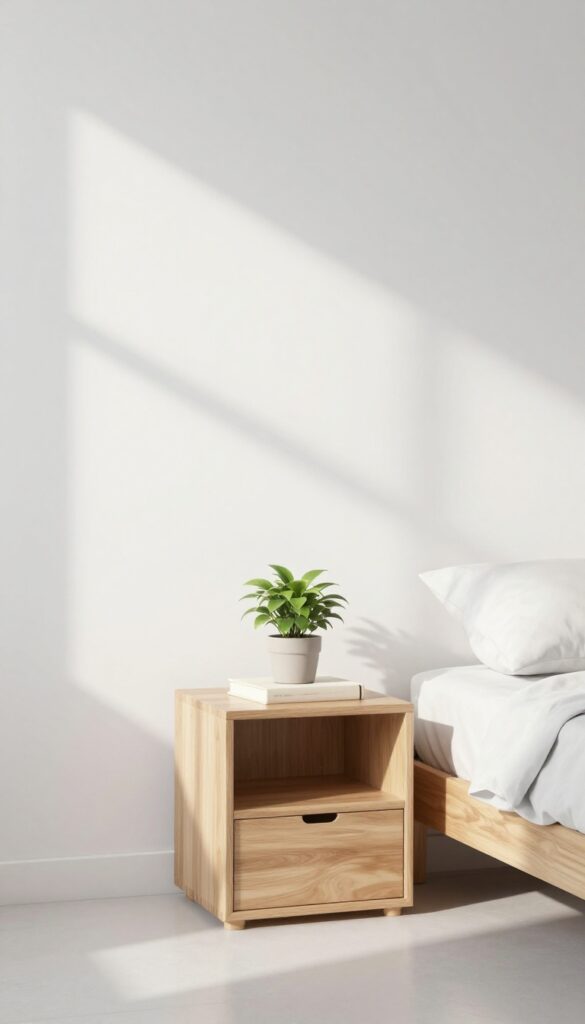
Before you grab a spray bottle, take a few minutes to clear out items you no longer need. Clutter makes every surface harder to clean and every corner feel cramped. When you reduce what's in your room, cleaning becomes faster and more satisfying.
Decluttering before cleaning is a game-changer. It removes physical obstacles and mental weight, so you can focus on actual cleaning without constantly moving things around. Start with a small area, like a desk or a shelf, and you'll see immediate progress.
Start With One Surface
Pick a single flat surface, like your nightstand or dresser top. Remove everything, wipe it down, and only put back what you truly use or love. This small win builds momentum and shows how much easier cleaning becomes with less stuff.
Use The Four-box Method
Grab four boxes or bags labeled: Keep, Donate, Trash, and Relocate. Sort items quickly without overthinking. Once you fill a box, take it out of the room immediately.
This prevents piles from growing back and keeps your space lean.
Focus On High-impact Areas
Not every corner needs decluttering. Target the spots that collect the most dust and clutter: floors, countertops, and surfaces near entryways. Clearing these areas makes the room feel instantly cleaner and more spacious.
11. Set a Weekly 'Power Hour' for Deep Cleaning
Deep cleaning tasks often get pushed aside because they feel like they'll take forever. But what if you gave yourself permission to do them for just one hour? That's the idea behind a weekly 'Power Hour'—a dedicated block where you tackle those neglected jobs without guilt or pressure.
When you know the timer is ticking, it's easier to dive in. No overthinking, no perfectionism—just focused effort for sixty minutes. You'll be amazed at how much you can accomplish when you're not worried about doing everything at once.
Pick Your Targets Ahead Of Time
Before your Power Hour begins, choose three or four deep cleaning tasks. Maybe it's vacuuming under the couch, wiping down baseboards, and cleaning the inside of the microwave. Having a short list prevents decision fatigue and keeps you moving.
Set A Timer And Go All In
Once you start, commit to working without breaks until the timer goes off. Put your phone away, turn on an upbeat playlist, and move quickly. The time limit creates a sense of urgency that makes the work feel more like a game than a chore.
Celebrate What You Accomplished
When the hour is up, stop—even if you didn't finish everything. Look around and appreciate the difference you made. That positive feeling will make you more likely to repeat the Power Hour next week.
12. Make Cleaning More Pleasant with Scent Motivation
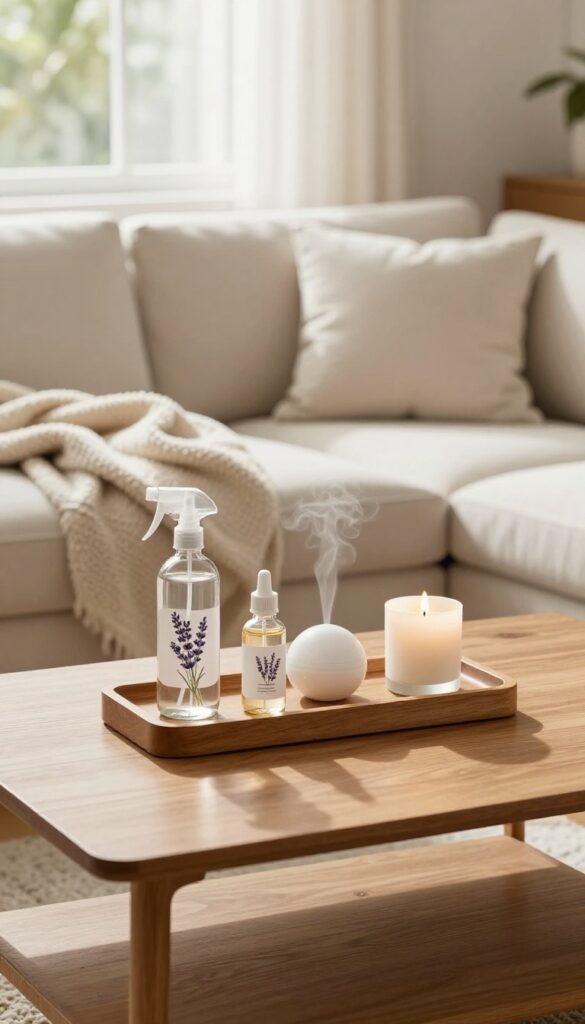
Cleaning doesn’t have to smell like bleach and lemons. The right scent can turn a dull chore into a sensory treat. When you associate cleaning with a fragrance you love, your brain starts to look forward to the task instead of dreading it.
Scent is a powerful mood booster. A pleasant aroma can reduce stress and make the time pass faster. By intentionally adding fragrance to your cleaning routine, you create a positive feedback loop that keeps you motivated.
Choose A Signature Cleaning Scent
Pick one scent you love—like lavender, citrus, or vanilla—and use it consistently. That way, whenever you smell it, your brain will automatically shift into cleaning mode. It’s like a trigger that makes starting easier.
Use Scented Cleaning Products
Swap your regular cleaner for one with a fragrance you enjoy. Many brands offer natural options like eucalyptus, peppermint, or rose. The simple act of smelling something nice while you spray and wipe can lift your mood instantly.
Add A Diffuser Or Candle
Set up an essential oil diffuser or light a candle before you begin. The slow release of scent fills the room and creates a spa-like atmosphere. Just make sure to keep candles away from clutter and never leave them unattended.
13. Use a Checklist to Track Progress and Feel Accomplished
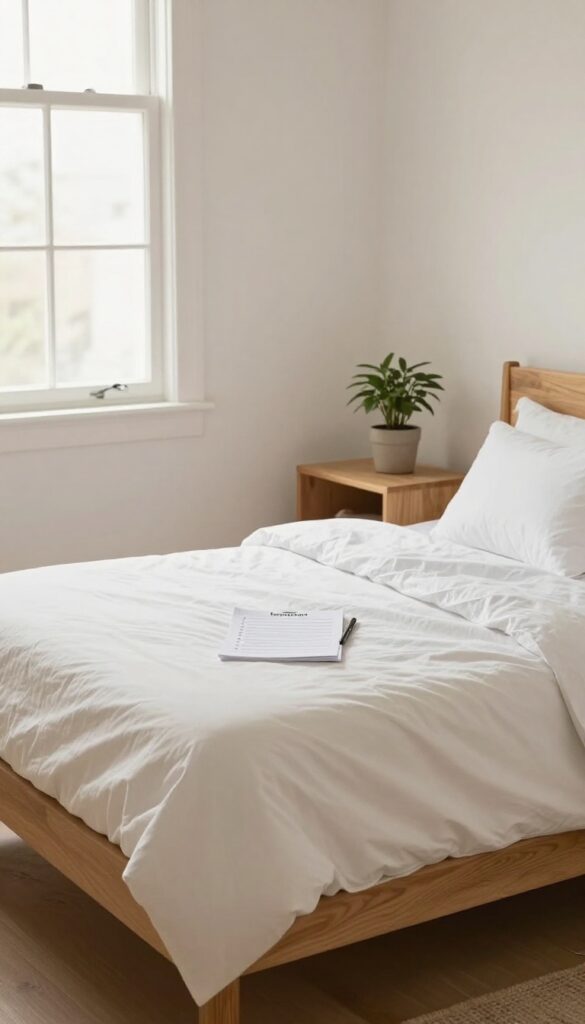
There's something deeply satisfying about crossing items off a list. When cleaning feels like a never-ending slog, a simple checklist breaks the chaos into bite-sized tasks. You get a visual reminder of what you've already done, which keeps you from feeling like you're spinning your wheels.
Start by writing down every single task you want to tackle, no matter how small. 'Pick up dirty clothes, ' 'wipe nightstand, ' 'vacuum under bed. ' Then, as you finish each one, check it off. That small act releases a little dopamine hit that makes you want to keep going. You'll be surprised how much more you accomplish when you can see your progress in black and white.
Keep It Realistic
Don't overload your list with 30 items. Aim for 5 to 10 tasks per session. Completing a realistic list feels great.
An unrealistic one just adds stress.
Use A Physical List Or App
A paper list works wonders because you get to physically check boxes. But if you prefer digital, apps like Todoist or even a simple notes app can do the job. The key is to see those checkmarks pile up.
Celebrate Small Wins
When you finish a section, take a moment to look at your checked items. Let yourself feel that satisfaction. It's not silly—it's motivation for the next task.
14. Try the '10 Things' Method for Quick Wins
Sometimes the hardest part of cleaning is just deciding where to start. The '10 Things' method removes that decision paralysis by setting a ridiculously small goal: pick up and put away just ten items. It takes less than two minutes, but the instant visual improvement gives you a shot of motivation to keep going.
The beauty of this trick is that it works even when you have zero energy. You don't need to sort, organize, or deep clean—just grab ten things that are out of place and return them to their home. A jacket on the chair goes to the closet.
A water glass on the nightstand goes to the kitchen. A book on the floor goes back on the shelf. That's it.
In under two minutes, your room looks noticeably tidier, and you feel a small sense of accomplishment that can snowball into more cleaning.
Why Ten Is The Magic Number
Ten is small enough to feel achievable but large enough to make a visible difference. If you set a goal of 'clean the whole room, ' your brain rebels. But ten items?
That's a quick win. Psychologists call this the 'progress principle'—seeing progress, even tiny progress, boosts motivation and makes you want to continue.
How To Make It A Habit
Use the '10 Things' method as a daily reset. Before bed, walk through your room and put away ten misplaced items. In the morning, you'll wake up to a neater space without having done a full clean.
You can also use it as a warm-up: do ten items, then decide if you feel like doing another ten. Often, you'll keep going.
Pair It With A Timer For Extra Focus
Set a timer for two minutes and race to find and put away ten things. The time pressure makes it feel like a game, not a chore. When the timer goes off, you're done—or you can choose to keep going.
Either way, you've made progress.
15. Habit Stack: Attach Cleaning to an Existing Routine
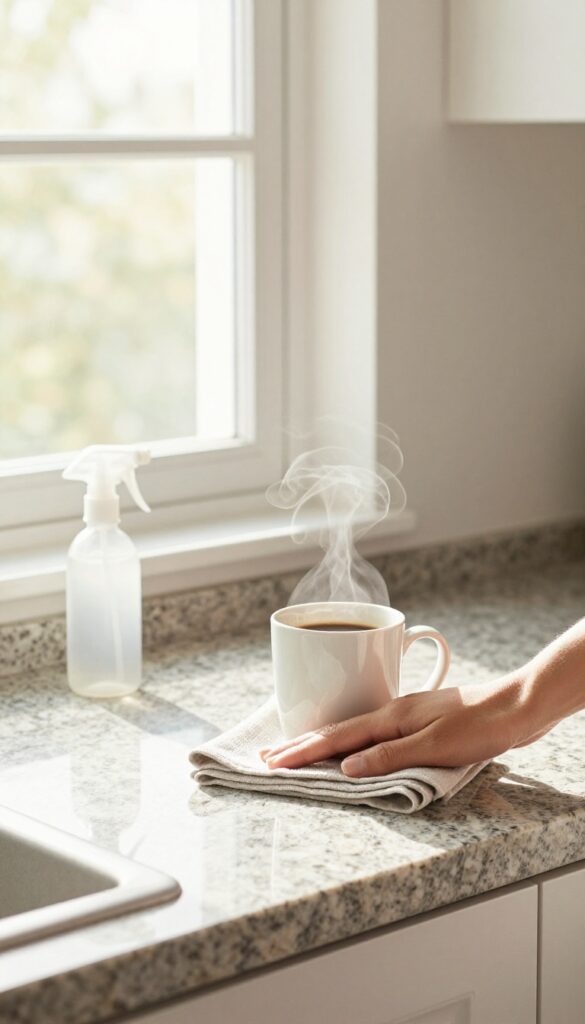
You already have daily habits—making coffee, watching TV, brushing your teeth. Why not piggyback a tiny cleaning task onto one of them? Habit stacking is a psychology-backed trick that makes cleaning feel automatic instead of forced.
By linking a new behavior to an established one, you remove the mental friction of deciding when to clean.
Start With Your Morning Brew
While your coffee or tea is brewing, you have two to three minutes of idle time. Use that window to wipe down the kitchen counter, put away one stray item, or fold a few pieces of laundry. The key is to choose a task that can be completed in that exact window.
Over time, the smell of coffee will trigger your cleaning reflex.
Commercial Break Clean-up
If you watch streaming with ads or live TV, those commercial breaks are perfect for quick bursts of cleaning. Pick one small zone—like the coffee table or a bathroom sink—and see how much you can do before the show returns. You'll be surprised how much accumulates in just two minutes.
End-of-day Wind Down
Right after you brush your teeth at night, spend one minute tidying your bedroom. Put away clothes, clear the nightstand, or fluff pillows. This tiny ritual signals to your brain that the day is done and creates a calmer space for sleep.
FAQ
How do I motivate myself to clean my room when I'm tired?
Start with the 5-minute rule: commit to just five minutes of cleaning. Often, getting started is the hardest part, and you'll feel like doing more once you begin.
What is the best way to clean a room quickly?
Use the one-touch rule and break the room into zones. Focus on high-impact areas like making the bed and clearing surfaces first for an instant visual improvement.
How can I make cleaning less boring?
Pair cleaning with a podcast, audiobook, or upbeat playlist. You can also turn it into a game by using a timer or rewarding yourself after each session.
How often should I deep clean my room?
Aim for a deep clean once a week, such as a 'power hour' dedicated to tasks like vacuuming, dusting, and organizing. Daily maintenance of 10-15 minutes keeps it manageable.
What if I still can't find motivation to clean?
Try the '10 things' method: just put away 10 items. The small win can build momentum. Also, consider inviting a friend to clean together for accountability.
Conclusion
Chore fatigue doesn't have to win. Even one small shift—like starting with a 5-minute timer or pairing cleaning with your favorite podcast—can break the cycle. You don't need to overhaul your entire routine overnight.
Pick the trick that feels easiest today, and let that small win build momentum. Over time, these tiny habits make cleaning feel less like a burden and more like a natural part of your day.