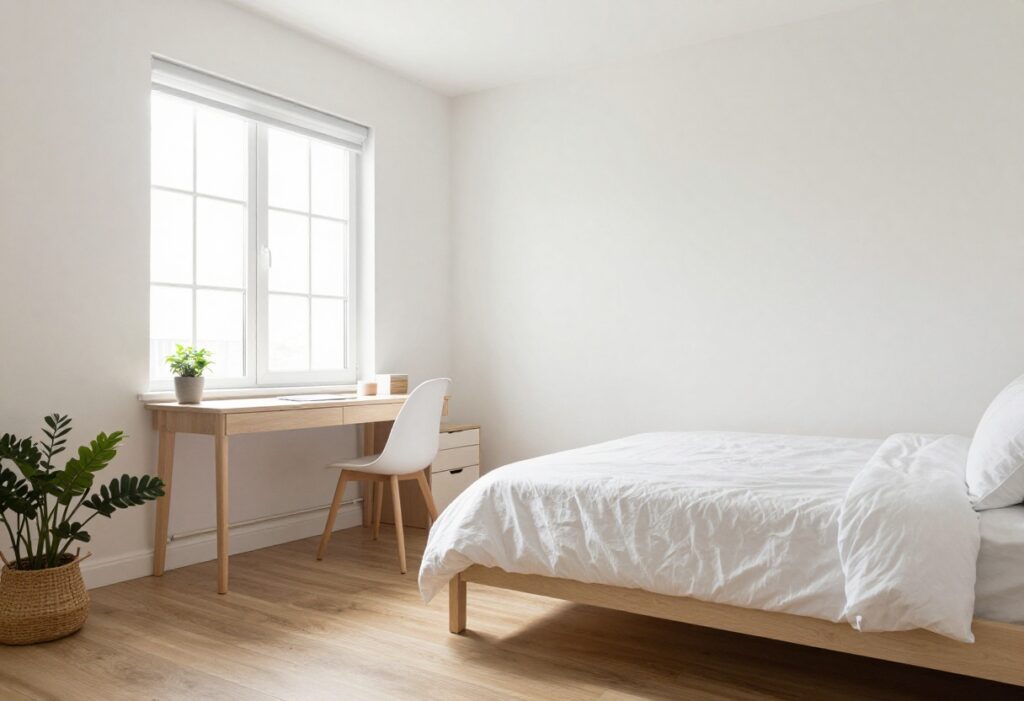
You walk into your bedroom after a long day, and instead of feeling calm, you're hit with a wave of stress. Clothes on the chair, dust on the nightstand, and that pile of random stuff you keep meaning to sort. It's not just messy—it's draining your energy.
A clean bedroom isn't about perfection; it's about creating a space where you can truly unwind. The good news? You don't need to spend hours scrubbing to get there.
Small, intentional changes can make a huge difference. These 17 ideas are designed to help you clean smarter, not harder, so your bedroom becomes the relaxing retreat you deserve.
1. Strip and Refresh Your Bedding Weekly
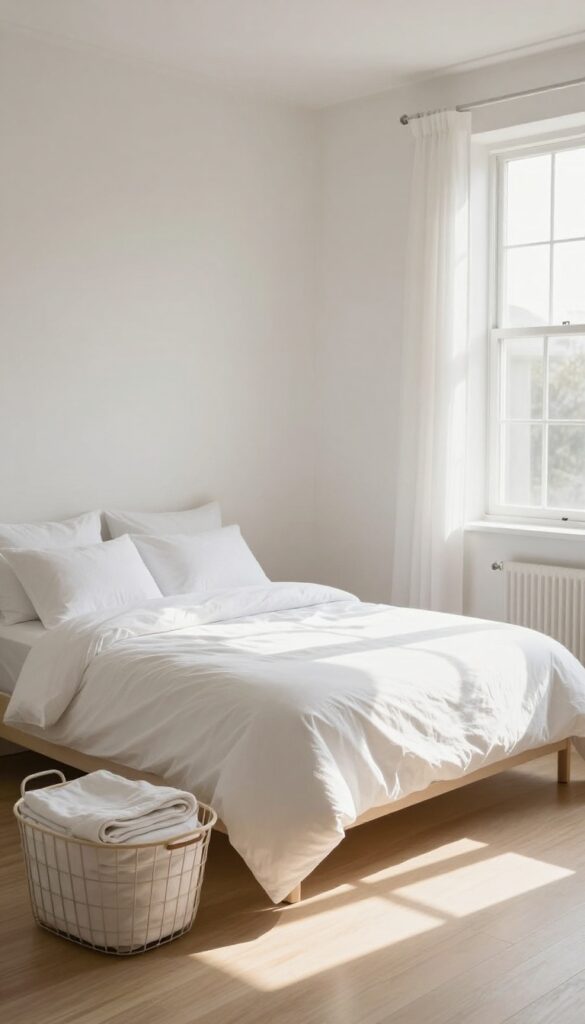
Your bed takes up the most visual space in the room, so starting there makes everything else feel easier. Once a week, pull off everything—fitted sheet, flat sheet, pillowcases, and those often-forgotten pillow protectors. Toss them in a hot water wash to kill dust mites and remove oils.
While the laundry runs, leave the mattress bare to air out for at least an hour. That brief airing lets moisture escape and helps keep your mattress fresh longer.
This simple habit cuts down on dust mites and gives your room an instant fresh feel. It also sets a clean baseline for the rest of your cleaning routine. Once the bedding is back on, the whole room looks and smells better with minimal effort.
Why Weekly Stripping Matters
Sweat, dead skin cells, and dust mites build up fast in your bedding. Washing weekly in hot water (at least 130°F) kills mites and removes allergens. This is especially helpful if you wake up stuffy or sneeze more in your bedroom.
How To Air Your Mattress Properly
Prop up the mattress slightly if you can, or just leave it flat with the covers off. Open a window or run a fan to circulate air. An hour is ideal, but even 15 minutes helps.
This step reduces musty smells and keeps your mattress drier.
Make It A Habit Without Overthinking
Pick a day—like Sunday morning—and stick to it. Use a laundry basket dedicated to bedding so you're not hunting for stray socks. Pair it with another quick task, like wiping down your nightstand, to build momentum.
2. Declutter Surfaces with the Five-Minute Rule
Flat surfaces have a way of collecting clutter without you even noticing. A few seconds of neglect turns into a week's worth of random items. The five-minute rule is a simple trick to reset those surfaces fast.
Set a timer for exactly five minutes. Grab a small basket or trash bag, and start clearing every flat surface in your bedroom: nightstands, dressers, windowsills, and the top of your desk. Toss trash, relocate items that belong elsewhere, and group similar things together (like charging cables or books).
When the timer goes off, stop. You'll see an instant visual improvement that makes the room feel more spacious and calming.
What Counts As A Surface?
Think beyond obvious tables. Include the top of your dresser, window ledge, any shelves within arm's reach, and even the floor area beside your bed. The goal is to clear every horizontal spot where dust and clutter gather.
The Basket Trick
Keep a small basket or tray on your nightstand for daily essentials like your phone, glasses, and a book. During your five-minute sweep, anything that doesn't belong in the basket gets moved to its proper home. This keeps your surfaces tidy between deep cleans.
Make It A Daily Habit
Do this quick sweep every morning or right before bed. It takes almost no time, but it prevents clutter from piling up. Over a week, you'll save yourself from having to do a major surface clean.
3. Vacuum Under the Bed Like You Mean It
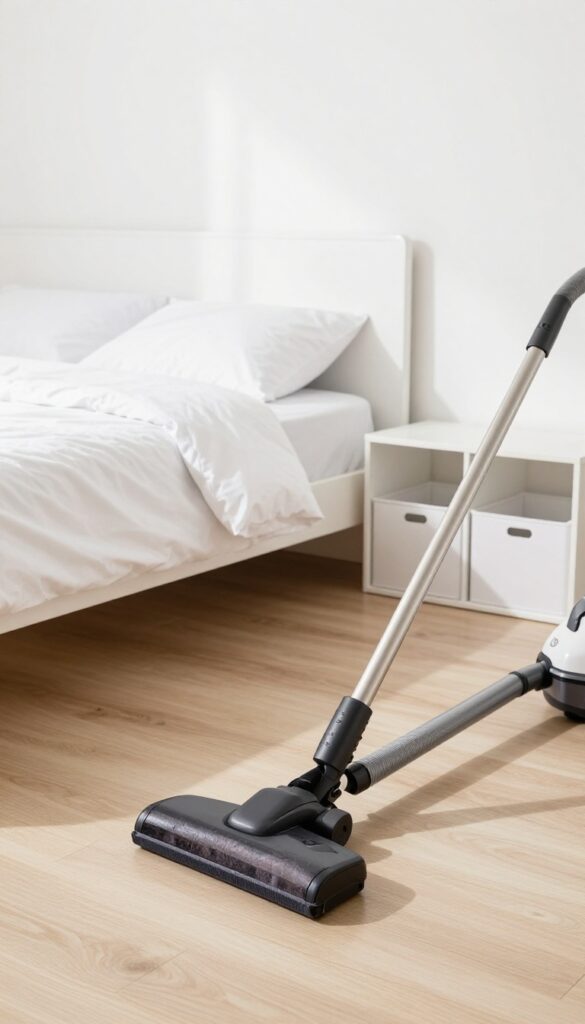
That dark space under your bed is a dust bunny breeding ground. Pull out anything stored there, vacuum thoroughly, and consider using a flat mop to reach the center. Do this monthly to keep allergens low and your room feeling fresh.
Clear The Way First
Before you vacuum, pull out everything stored under your bed—boxes, bins, shoes, or forgotten laundry. This gives you full access and a chance to sort through what’s really needed. Wipe down any containers before sliding them back.
Use The Right Tools
A standard vacuum attachment might not reach far enough. Use a crevice tool for edges and a flat mop with a microfiber cloth to glide under the center. Some vacuums have a low-profile head that fits under most bed frames.
Make It A Monthly Habit
Set a reminder on your phone to tackle under the bed once a month. It takes less than 10 minutes and stops dust from building up. Your bedroom will smell fresher, and you’ll breathe easier.
4. Wipe Down Light Fixtures and Ceiling Fans
Ceiling fans and light fixtures are easy to overlook, but they collect dust that gets blown around every time you flip the switch. That dust doesn't just settle on surfaces—it ends up in the air you breathe. Cleaning them is a quick win that makes your room feel fresher and brighter instantly.
Grab a microfiber cloth or an extendable duster to tackle fan blades and lamp shades. For ceiling fans, use a pillowcase to trap dust as you wipe each blade. For light fixtures, remove shades if possible and wash them with mild soap.
This simple task improves air quality and makes your room look cleaner without much effort.
Choose The Right Tool
A microfiber cloth works best because it traps dust instead of spreading it. An extendable duster with a bendable head lets you reach fan blades without climbing. For delicate shades, use a soft, lint-free cloth.
Don't Forget The Bulbs
Dust on light bulbs dims the light and makes the room feel darker. Wipe bulbs gently with a dry cloth while the fixture is cool and off. Brighter light instantly makes your space feel more inviting.
Set A Reminder
Mark your calendar to clean fans and lights every month. It only takes a few minutes, and consistency keeps dust from building up. Your room will feel fresher, and you'll breathe easier.
5. Organize Your Closet by Category

A cluttered closet creates visual noise that spills into your entire bedroom. When you open the doors and see a jumble of clothes, it's hard to feel peaceful. The fix is simpler than you think: pull everything out, sort through it, and group items by category.
This one change can transform your closet from a source of stress into a calming, functional space.
Start by emptying your closet completely. Yes, everything. Lay it all on your bed or floor so you can see what you actually own.
Then create three piles: keep, donate, and trash. Be honest with yourself—if you haven't worn it in a year, let it go. Once you've pared down, sort the keepers into clear categories like work clothes, casual wear, activewear, and seasonal items.
Use matching hangers for a uniform, tidy look that makes your closet feel curated. Grouping by category means you'll always know where to find your favorite sweater or that go-to blazer, saving time and reducing morning frustration.
Start With A Full Purge
Before you organize, you need to edit. Take everything out and assess each piece. If it's stained, torn, or doesn't fit, toss or donate.
This step is crucial because organizing clutter just gives you a neat pile of stuff you don't need. Be ruthless—you'll thank yourself later.
Group By How You Use It
Once you've purged, sort items by function. Work clothes together, casual clothes together, and activewear in its own section. Seasonal items like heavy coats or swimsuits can go on higher shelves or in bins.
This logic makes getting dressed effortless because you're not hunting through unrelated items.
Keep It Looking Clean
Matching hangers instantly upgrade the look of your closet. They create visual consistency and make it easier to slide clothes in and out. Also consider using shelf dividers for folded items and clear bins for accessories.
A tidy closet not only looks better but also helps you maintain the system long-term.
6. Deep Clean Windows and Window Treatments
Natural light is one of the best ways to make a bedroom feel open and airy, but dirty windows block that effect. Grime, dust, and smudges build up over time, dimming the room and making it feel smaller. A thorough window cleaning lets the sunshine pour in, instantly lifting the mood of the space.
Wash The Glass Like A Pro
Mix equal parts white vinegar and warm water in a spray bottle. Spray the glass and wipe with a microfiber cloth or a squeegee for streak-free results. Don't forget the corners and edges where grime hides.
For stubborn spots, use a bit of dish soap in the mix.
Tackle Sills And Tracks
Window sills collect dust and dead bugs, while tracks trap dirt that can make windows hard to open. Vacuum the tracks with a brush attachment, then wipe sills with a damp cloth. Use an old toothbrush to scrub the corners of the tracks clean.
Refresh Blinds And Curtains
Blinds can be dusted with a microfiber cloth or a duster designed for slats. For fabric curtains, check the care label—most can be tossed in the wash on a gentle cycle. Vacuum heavier drapes with the upholstery attachment to remove dust.
Clean window treatments let more light through and eliminate musty odors.
7. Tackle Nightstand Drawers One at a Time
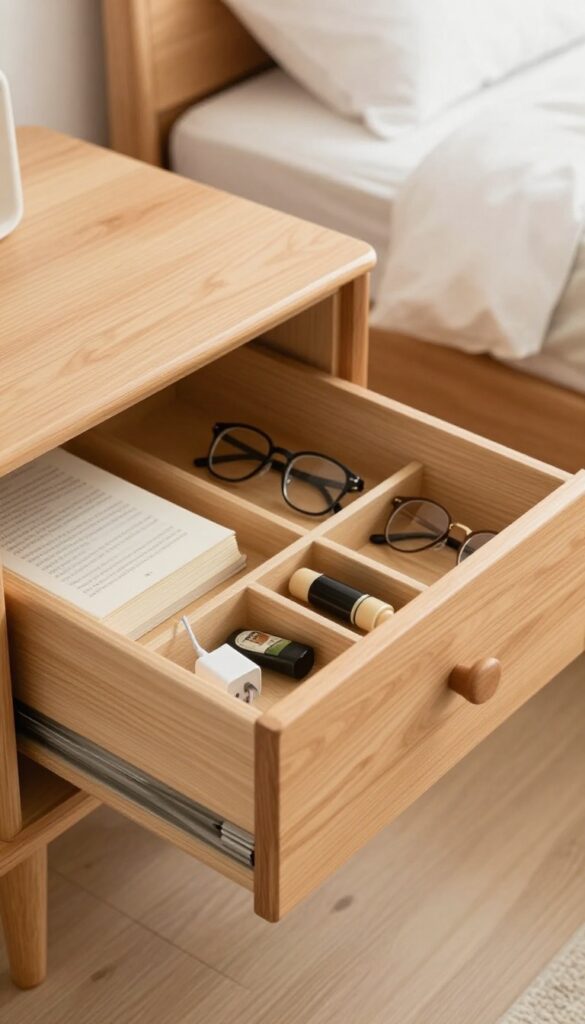
Nightstand drawers have a sneaky way of becoming catch-all spaces for receipts, old pens, and mystery items you forgot existed. The chaos inside can make your entire bedside feel cluttered, even if the surface looks clean. Instead of dumping everything out and getting overwhelmed, focus on one drawer at a time.
It’s a small, manageable task that delivers instant satisfaction and a tidier sleeping space.
Empty And Wipe
Pull out the drawer completely and dump its contents onto a towel or tray. Use a damp cloth to wipe down the inside, removing dust, crumbs, and any sticky residue. Let it air dry for a minute while you sort through the pile.
Sort Ruthlessly
Divide items into three piles: keep, relocate, and trash. Only keep things you use at least once a week near your bed—like a book, glasses, lip balm, or a phone charger. Move everything else to its proper home, and toss anything broken or expired.
Organize With Dividers
Use small trays, drawer organizers, or even empty mint tins to corral small items. This prevents things from sliding around when you open and close the drawer. Assign a spot for each essential so you can grab them without digging.
Repeat For Each Drawer
Work through your nightstand drawers one by one, following the same process. Resist the urge to skip ahead. By the time you finish the last drawer, you’ll have a streamlined bedside setup that makes winding down easier.
8. Freshen Carpets and Rugs with Baking Soda
Carpets and rugs are like sponges for odors, especially if you have pets or enjoy a snack in bed. Over time, trapped smells can make your bedroom feel stale, no matter how much you dust. Baking soda is a simple, non-toxic solution that neutralizes odors without masking them.
Sprinkle baking soda liberally over carpets and rugs, let it sit for 15 minutes, then vacuum thoroughly. This neutralizes odors trapped in fibers without harsh chemicals. Do this monthly, especially if you have pets or eat in bed.
Why Baking Soda Works
Baking soda is a natural deodorizer that absorbs and neutralizes acidic odor molecules. It's safe for most carpet fibers and won't leave a residue when vacuumed properly.
How To Apply For Best Results
First, vacuum the carpet to remove loose dirt. Then, sprinkle baking soda evenly, focusing on high-traffic areas and spots near the bed. Let it sit for at least 15 minutes—longer for stubborn odors.
Finally, vacuum thoroughly, going over each area multiple times.
When To Use This Method
Make this a monthly habit, especially if you have pets or eat in bed. You can also use it after a spill or if you notice a musty smell. For a light scent, add a few drops of essential oil to the baking soda before sprinkling.
9. Clean Under and Behind Furniture
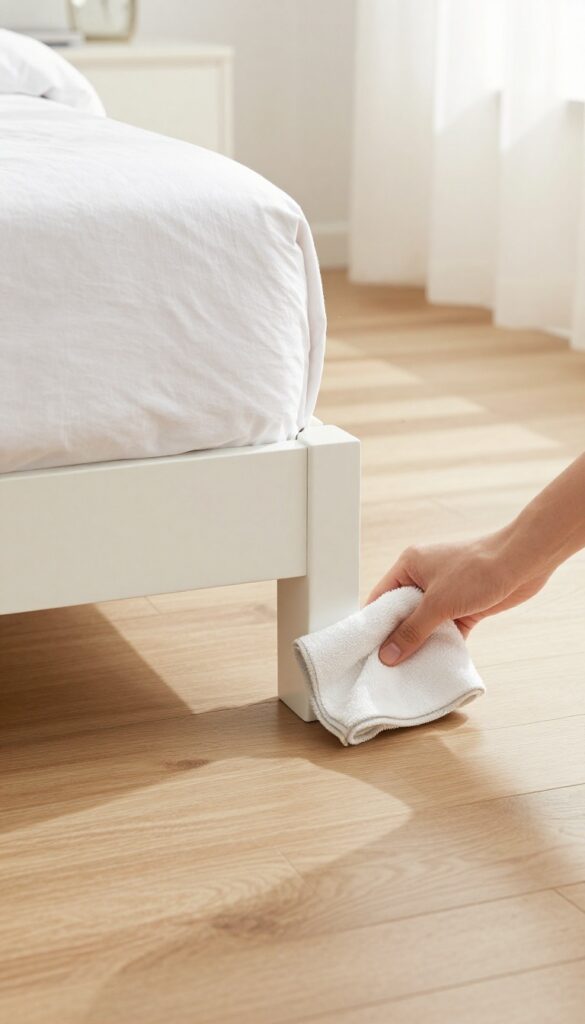
When was the last time you moved your bed or dresser to clean underneath? If you're like most people, it's been a while. Dust bunnies, lost socks, and even forgotten items accumulate in these hidden spots, affecting your room's air quality and overall cleanliness.
A quick twice-yearly deep clean under and behind furniture can make a surprising difference.
Moving heavy furniture might seem like a chore, but the payoff is worth it. Not only do you remove hidden dust and allergens, but you also reclaim lost items and freshen up your space. Here's how to tackle this task efficiently.
Schedule A Twice-yearly Move
Mark your calendar for spring and fall. These seasons are perfect for a deep clean. Enlist a friend or use furniture sliders to make moving heavy pieces easier.
Start with the bed, then move to dressers and nightstands. You'll be amazed at what you uncover.
Vacuum And Wipe Down
Use your vacuum's crevice tool to reach baseboards and corners. Follow up with a microfiber cloth to wipe down walls and furniture backs. This prevents dust from resettling.
For hard floors, a quick mop can finish the job.
Check For Hidden Clutter
Behind furniture, you might find lost earrings, charging cables, or even pet toys. Sort through these items and return them to their proper places. This is also a good time to check for any damage like scuffs or scratches on your walls.
10. Wash Throw Pillows and Blankets
Throw pillows and blankets are the first things you grab when you want to get cozy, but they also trap dust, oils, and pet dander over time. That fresh-from-the-laundry feeling can transform your bed or reading nook into an inviting oasis. Washing them regularly is a simple step that pays off in comfort and cleanliness.
Check Care Labels First
Before tossing everything in the machine, take a minute to read the care labels. Some decorative pillows are dry-clean only, while others can handle a gentle cycle. For machine-washable items, use cold water and a mild detergent to protect colors and fabric.
If the pillow has a removable cover, wash the cover separately and spot-clean the insert.
Dry And Fluff Properly
After washing, tumble dry on low heat with a couple of clean tennis balls or dryer balls. They help redistribute the filling and prevent clumping. Add a dryer sheet for a light, fresh scent—but skip fabric softener if you want to maintain absorbency or flame resistance.
Check every 15 minutes to avoid overheating, and fluff by hand once they're dry.
Refresh Between Washes
You don't need to wash every week. For quick refreshes, toss pillows and blankets in the dryer on a no-heat or air-fluff cycle with a damp microfiber cloth and a few drops of essential oil. This removes dust and odors without a full wash.
Vacuuming decorative pillows with an upholstery attachment also helps keep them fresh longer.
11. Wipe Down Baseboards and Crown Molding
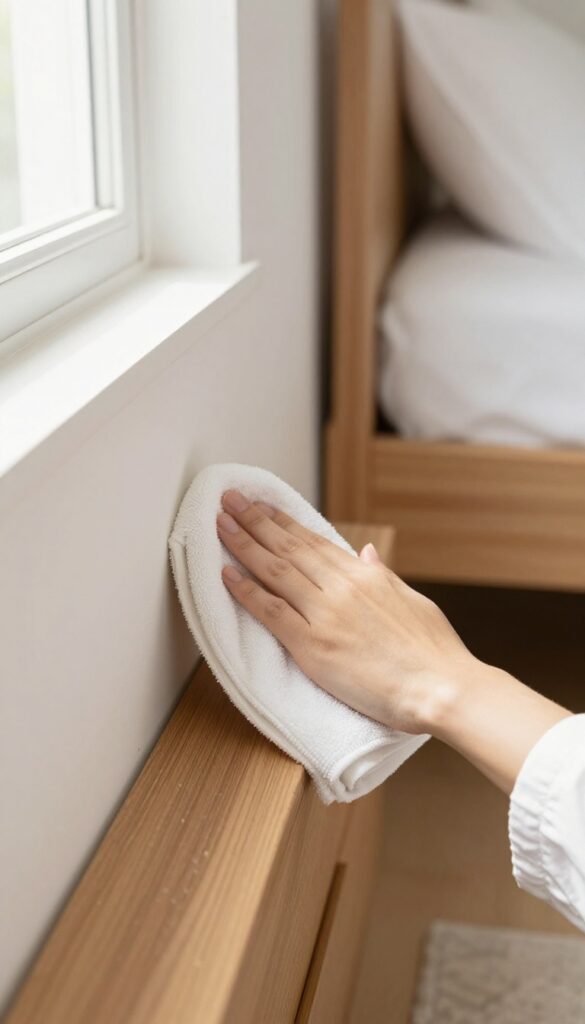
Baseboards and crown molding are like the forgotten heroes of a clean room. They sit there quietly, collecting dust and grime, until one day you notice a distinct line of fuzz along the floor. Wiping them down is a small effort that pays off big in how fresh and polished the whole space feels.
Dust and dirt settle on these surfaces over time, creating a subtle layer of grime that dulls the room's appearance. A quick wipe every few months keeps them looking sharp and prevents buildup that can be harder to remove later. It's one of those tasks that makes the room feel truly clean, not just surface-level tidy.
What You'll Need
Grab a microfiber cloth, a Swiffer duster, or an old sock. Dampen it slightly with water or a gentle all-purpose cleaner. Avoid soaking the cloth—too much moisture can damage paint or wood.
A dry microfiber duster works well for light dusting between deeper cleans.
How To Tackle It
Start at one corner of the room and work your way around. For baseboards, run the cloth along the top edge and the front face. Pay extra attention to corners and behind furniture where dust bunnies hide.
For crown molding, use a step stool or extendable duster to reach safely. Wipe in one direction to avoid smearing.
When To Do It
Aim for a thorough wipe every two to three months. If you have pets or live in a dusty area, monthly touch-ups help. Combine this task with vacuuming or dusting the rest of the room so you don't forget.
It's a quick add-on that makes a visible difference.
12. Organize Under-Bed Storage with Clear Bins
That dark space under your bed can be a goldmine for storage—or a black hole for clutter. If you're like most people, you probably shove things under there and forget about them. Clear bins with labels turn that hidden zone into an organized system where you can actually find what you need.
Under-bed storage is prime real estate, but only if you use it wisely. The key is visibility and categorization. Clear bins let you see contents at a glance, while labels ensure everything has a home.
This prevents the dreaded "out of sight, out of mind" syndrome and keeps your bedroom feeling airy and uncluttered.
Choose The Right Bins
Not all bins are created equal. Look for low-profile, lidded containers that slide easily under your bed frame. Clear plastic is best so you can see what's inside without pulling everything out.
Measure the height of your bed frame first to ensure a good fit—nothing worse than a bin that's too tall.
Label Everything
Labels are your best friend here. Use a label maker or simple adhesive tags to mark each bin with its contents, like "Winter Scarves" or "Extra Pillows. " Be specific—"Miscellaneous" will just lead to chaos later.
This small step saves you from rummaging through multiple bins when you need one item.
Group By Season Or Frequency
Organize bins based on how often you access them. Store off-season clothing (like heavy sweaters in summer) in the hardest-to-reach spots, and keep frequently used items like extra bedding or shoes near the front. Rotate bins as seasons change to keep your system efficient.
13. Clean Your Mattress with a Vacuum and Stain Remover
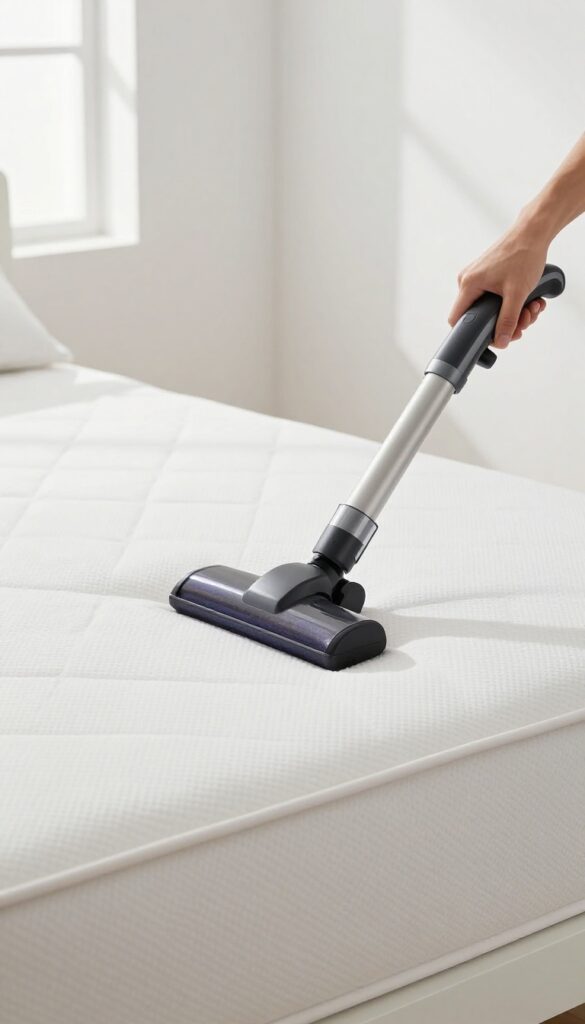
Your mattress works hard every night, but it rarely gets any attention. Over time, it collects dust, dead skin cells, and even sweat stains. A clean mattress isn't just about looks—it can actually improve your sleep quality and reduce allergens.
Vacuum First
Start by stripping all bedding and giving your mattress a thorough vacuum. Use the upholstery attachment to go over the entire surface, paying extra attention to seams and crevices. This removes dust mites, pet dander, and other debris that builds up over time.
Spot-treat Stains
Mix one part hydrogen peroxide with two parts dish soap and a pinch of baking soda to form a paste. Apply it directly to any stains and let it sit for 10-15 minutes. Blot with a clean cloth—don't scrub, or you'll push the stain deeper.
Repeat if needed.
Dry Completely
After cleaning, let the mattress air out fully before putting sheets back on. Open a window or use a fan to speed up drying. Moisture trapped inside can lead to mold or mildew, so patience here pays off.
14. Create a Daily 10-Minute Tidy Routine
A messy bedroom often feels overwhelming because the clutter accumulates faster than we can manage. The solution isn't a marathon cleaning session once a month—it's a tiny daily habit that stops the mess before it starts. A 10-minute tidy routine each morning or evening can transform your space without eating into your free time.
Set a timer for 10 minutes and focus on three simple tasks: make the bed, put away any stray clothes, and clear flat surfaces like nightstands and dressers. That's it. No deep cleaning, no reorganizing drawers—just a quick reset.
Over time, this short burst of effort becomes automatic, and you'll notice your room stays consistently tidy with minimal work.
Why 10 Minutes Works
Ten minutes is short enough to feel doable even on busy days, but long enough to make a visible difference. The key is consistency—doing it daily builds momentum. Once the habit sticks, you'll spend less time cleaning overall because messes never get a chance to pile up.
When To Do It
Pick a time that fits your natural rhythm. Morning tidiers love starting the day with a made bed and clear surfaces—it sets a calm tone. Evening tidiers prefer a quick reset before bed so they wake up to a fresh room.
Either works, as long as you do it every day.
What To Include (and Skip)
Stick to the high-impact areas: bed, clothes, and surfaces. Don't get sidetracked by dusting, vacuuming, or organizing drawers—those are for deeper cleaning sessions. The goal is a quick visual tidy, not perfection.
If you finish early, use the extra minute to fluff a pillow or straighten a rug.
15. Use Drawer Dividers for Dressers
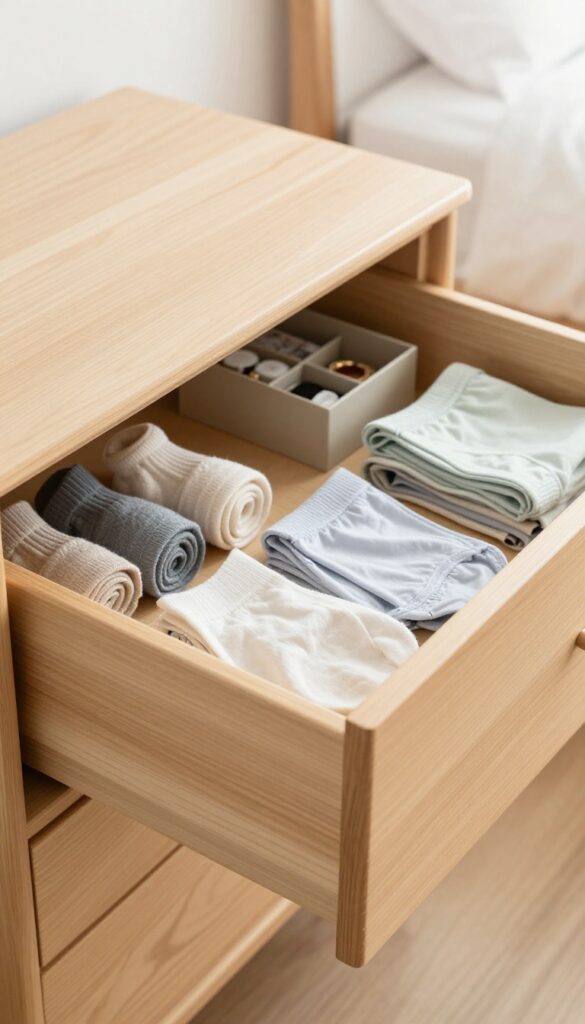
Drawer dividers are one of those small upgrades that make a surprisingly big difference. Instead of digging through a tangled mess of socks or underwear every morning, you can open a drawer and see exactly what you need. It’s a simple system that cuts down on frustration and keeps your dresser organized with minimal effort.
Drawer dividers keep socks, underwear, and accessories neatly separated. No more digging through a jumbled drawer. Measure your drawers and buy adjustable dividers or use small boxes.
This small investment pays off in daily ease.
Measure Before You Shop
Grab a tape measure and note the width, depth, and height of each drawer. Adjustable dividers are great because they can fit a range of sizes, but knowing your exact dimensions ensures a snug fit. If you’re using small boxes or bins, measure those too so they don’t slide around.
Sort By Category
Group similar items together: socks in one section, underwear in another, belts and ties in a third. This makes grabbing what you need quick and easy. You can even use smaller dividers for accessories like watches or sunglasses.
Maintain The System
Once your dividers are in place, make a habit of putting items back in their designated spots. It takes just a few extra seconds, but it keeps your drawers tidy for weeks. If something doesn’t fit, adjust the dividers or swap out a box for a better size.
16. Wash Curtains or Blinds Every Season
Curtains and blinds work hard filtering light and dust, but they also trap odors and allergens. When was the last time you actually washed them? If you can't remember, it's probably overdue.
Giving them a seasonal refresh keeps your bedroom smelling clean and reduces airborne irritants.
Fabrics and blinds collect dust, pet dander, and even cooking smells over time. A quick seasonal wash or wipe-down makes a noticeable difference in air quality and overall freshness. Plus, it brightens up the room instantly.
Check Care Labels First
Before tossing curtains in the wash, read the care label. Many can be machine-washed on a gentle cycle with cold water, but some require dry cleaning. For blinds, check if they're fabric, wood, or vinyl—each material needs a slightly different cleaning method.
Machine-wash Curtains
Remove hooks or rings and wash curtains on a delicate cycle with mild detergent. Hang them back up while slightly damp to avoid wrinkles. If they're lined or heavy, consider taking them to a laundromat with large-capacity machines.
Wipe Down Blinds
For blinds, use a microfiber cloth or a damp sponge with a little mild soap. Close the slats flat, wipe from one side, then tilt and repeat on the other. A vacuum with a brush attachment works well for quick dust removal between deep cleans.
Don't Forget The Hardware
While you're at it, wipe down curtain rods and blind cords. Dust accumulates there too. A quick pass with a damp cloth keeps everything looking fresh and prevents grime buildup.
17. Add a Final Touch: Open the Windows for 10 Minutes
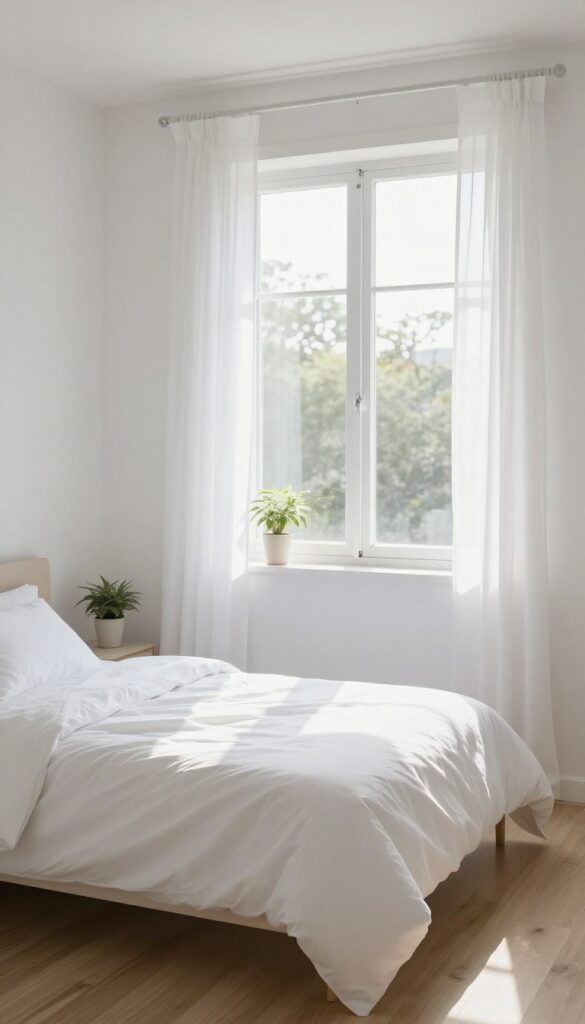
You've scrubbed, dusted, and organized. The room looks amazing. But there's one last step that can make the whole space feel fresh and alive.
Open your windows wide for at least ten minutes. This simple act lets stale air out and brings fresh air in, reducing indoor pollutants and giving your bedroom that crisp, clean feel. Even in cold weather, a brief air exchange is worth it.
After all that cleaning, your bedroom might still feel stuffy. Indoor air can be more polluted than outdoor air due to dust, cleaning product residues, and trapped odors. Opening the windows for just ten minutes helps flush out those pollutants and replaces them with fresh, oxygen-rich air.
It also regulates humidity, preventing mold and dust mites. This final step seals the deal on your cleaning efforts, making the room feel truly refreshed.
Why Fresh Air Matters
Indoor air quality often suffers from lack of ventilation. Dust mites, pet dander, and volatile organic compounds from furniture and cleaners accumulate. Opening windows allows cross-ventilation to carry these pollutants out.
Even a short burst of fresh air can lower carbon dioxide levels and improve your sleep quality.
Timing Is Everything
Choose a time when outdoor air is cleanest—early morning or after rain. Avoid rush hours if you live near a busy road. Ten minutes is enough to exchange the air in a typical bedroom without letting in too much outdoor dust.
In cold weather, close windows after ten minutes to retain warmth.
A Simple Ritual
Make window opening a regular part of your cleaning routine. After vacuuming, dusting, and making the bed, crack the windows open. While they're open, take a moment to enjoy the fresh breeze and the sight of your tidy room.
It's a mindful pause that reinforces the sense of accomplishment.
FAQ
How often should I deep clean my bedroom?
Aim for a deep clean every 3 to 6 months, depending on factors like allergies, pets, and how much time you spend in the room. In between, a weekly surface clean and daily 10-minute tidy will keep things manageable.
What's the best way to remove dust from a bedroom?
Use a microfiber cloth or an electrostatic duster, which traps dust rather than spreading it. Start high (ceiling fans, shelves) and work your way down to the floor. Vacuuming with a HEPA filter also helps reduce airborne dust.
How can I keep my bedroom smelling fresh without artificial sprays?
Open windows daily for ventilation, wash bedding weekly, and use baking soda on carpets. You can also place a small bowl of white vinegar in a corner to absorb odors, or use essential oil diffusers with natural oils like lavender or eucalyptus.
What should I do with clothes I don't wear anymore?
Sort them into donate, sell, or repurpose piles. Donate gently used items to local charities, sell higher-end pieces online, and turn old T-shirts into cleaning rags. Keeping only what you actually wear reduces closet clutter significantly.
How do I clean a memory foam mattress?
Vacuum the surface with an upholstery attachment to remove dust and debris. For stains, use a small amount of mild detergent mixed with water, blot gently, and avoid soaking the foam. Let it air dry completely before putting sheets back on.
Conclusion
A clean bedroom doesn't have to be a chore. By breaking the process into small, manageable tasks, you can transform your space without feeling overwhelmed. Start with one or two ideas from this list and build from there.
Over time, these habits will become second nature, and your bedroom will truly feel like a relaxing retreat. Remember, the goal isn't perfection—it's creating a space that helps you rest and recharge. So pick an idea, give it a try, and enjoy the calm that follows.