That microfiber couch you love? It's probably hiding more than just loose change.
Between daily use and accidental spills, the fabric can lose its softness and pick up stubborn stains that make it look tired. But here's the good news: microfiber is one of the most forgiving upholstery materials out there.
With the right techniques, you can restore that plush feel and keep it looking fresh for years. These 25 tips will walk you through everything from quick spot cleaning to deep refreshes, so your couch stays the cozy centerpiece of your living room.
1. Vacuum Weekly with a Soft Brush Attachment
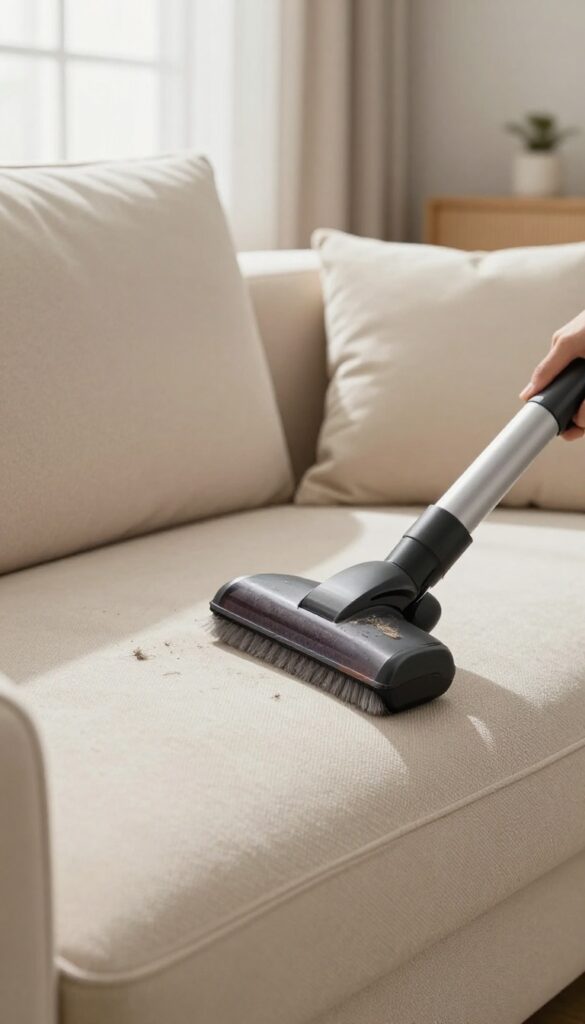
Dust, crumbs, and pet hair settle into microfiber fast. If you let them sit, they grind into the fibers and dull the fabric. A quick weekly vacuum with the right attachment keeps your couch looking fresh without any extra effort.
Use the soft brush attachment on your vacuum—it lifts debris without scratching or flattening the fibers. Run it over the entire couch, including the crevices and under cushions. This simple habit stops dirt from building up and makes future stain removal much easier.
Why Soft Brush Matters
Hard bristles or a beater bar can damage microfiber, leaving it fuzzy or worn. The soft brush gently agitates the surface, pulling out trapped particles while preserving the fabric's texture.
How Often To Vacuum
Once a week is the sweet spot for most households. If you have pets or kids, bump it up to twice a week. More frequent vacuuming prevents dander and crumbs from embedding deep into the fibers.
Don't Forget The Crevices
Use the crevice tool to reach between cushions and along the edges. That's where snacks, pet hair, and dust bunnies hide. A thorough clean here prevents odors and keeps the couch looking tidy.
2. Blot Spills Immediately—Don't Rub
Spills happen. When they do, your first instinct might be to grab a cloth and scrub. But with microfiber, rubbing is the enemy.
It forces the liquid deeper into the fibers and can mat the fabric, leaving a permanent mark. Blotting, on the other hand, lifts the spill out before it settles.
Why Rubbing Damages Microfiber
Microfiber is made of densely packed synthetic fibers. When you rub, you're essentially pushing the spill into the spaces between those fibers. The stain sets deeper, and the friction can roughen the fabric's texture, making it look worn or fuzzy.
Over time, rubbing also breaks down the protective coating that helps repel future stains.
The Right Blotting Technique
Grab a clean, dry cloth—white is best to avoid color transfer. Press down firmly on the spill, then lift straight up. Don't wipe or scrub.
Repeat with a fresh section of the cloth until no more liquid transfers. For thicker spills, scrape off excess first with a spoon or dull knife before blotting.
What To Do After Blotting
Once you've blotted up as much as possible, let the area air dry completely. If a stain remains, you can treat it with a gentle cleaner. But starting with blotting gives you the best chance of a clean, soft couch without damage.
3. Check the Manufacturer's Code First
Before you grab any cleaner or scrub brush, flip over a cushion and look for the tag. That little square of fabric holds the secret to cleaning your couch without damaging it. Most microfiber sofas have a cleaning code—W, S, WS, or X—that tells you exactly what's safe.
Ignoring it is the fastest way to ruin the fabric or set a stain permanently.
What Each Code Means
W means you can use water-based cleaners. S means you need solvent-based cleaners (no water). WS means either is fine.
X means vacuum only—no liquids, no solvents. Check before you start.
Where To Find The Tag
The tag is usually tucked under a cushion, along a seam, or behind a zipper. If it's faded or missing, snap a photo of it when the couch is new so you always have the code.
Why It Matters So Much
Using water on an S-coded couch can cause shrinkage, staining, or mildew. Using solvent on a W-coded couch can strip the finish or leave a sticky residue. The code saves you from costly mistakes.
4. Use Rubbing Alcohol for Water-Based Stains
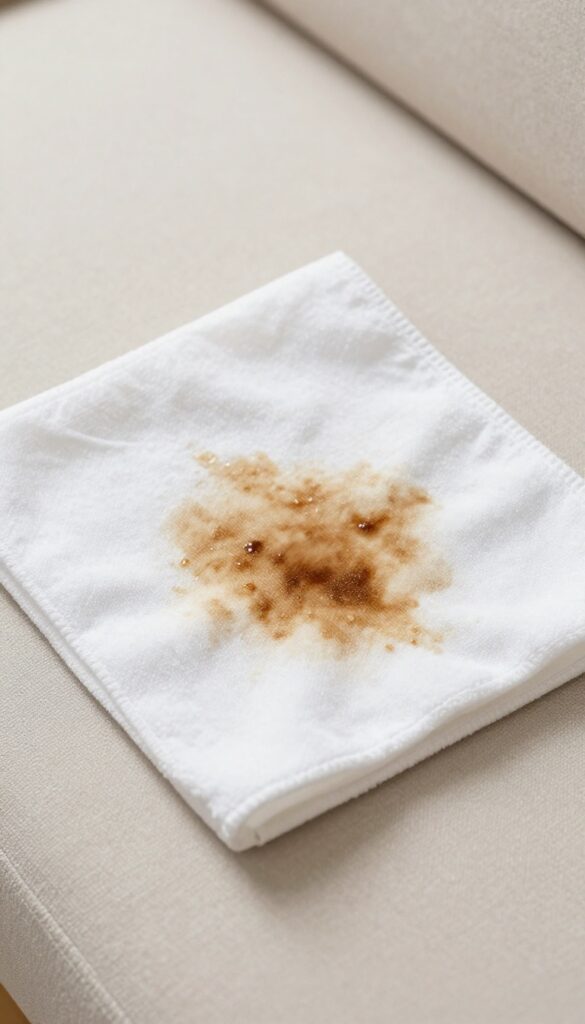
Water-based stains like coffee, soda, or juice can be tricky on microfiber. But rubbing alcohol is a secret weapon that lifts them without damaging the fabric. It evaporates quickly, so you won't have to worry about lingering moisture or residue.
To use this method, you'll need isopropyl alcohol (70% or higher) and a clean white cloth. Avoid colored cloths, as dyes can transfer to your couch. Test the alcohol on a hidden spot first to make sure it doesn't affect the color.
How To Apply
Dab a clean cloth with rubbing alcohol—don't soak it—and gently blot the stain. Start from the outer edge and work inward to prevent spreading. The alcohol breaks down the stain and lifts it to the surface.
You'll see the stain transfer to the cloth. Keep blotting with a fresh area of the cloth until no more stain comes up.
Why It Works So Well
Microfiber is synthetic, so it's resistant to water but responds well to alcohol. The alcohol dissolves the stain without saturating the fibers. Plus, it dries in minutes, so you can sit back down quickly.
It's also safe for most microfiber colors, but always spot test first.
What To Do After Blotting
Once the stain is gone, let the area air dry completely. Then use a soft brush or your fingers to fluff the fibers back up. If any residue remains, repeat the process.
For stubborn stains, you can let the alcohol sit for a minute before blotting, but don't let it pool.
5. Try Dish Soap and Warm Water for Grease
Grease stains on a microfiber couch can feel like a disaster, but they're actually one of the easiest to tackle. The key is reaching for something you already have in your kitchen: mild dish soap. It's designed to break down oils, making it perfect for greasy spots from food, hair products, or even body oils.
Dish soap is a gentle yet effective degreaser that won't damage microfiber when used correctly. It works by lifting oil from the fabric fibers without leaving a residue. Always use a mild, dye-free dish soap to avoid discoloration.
Test on a hidden area first to be safe, but most microfiber handles this method well.
Mix The Solution Right
Add a few drops of mild dish soap to a bowl of warm water. Swirl gently until it's sudsy but not frothy. You don't need a lot—just enough to break the grease.
Too much soap can leave a sticky film, so keep it minimal.
Blot, Don't Rub
Dip a clean white cloth or microfiber towel into the soapy water. Wring it out so it's damp, not soaking wet. Blot the greasy spot gently, working from the outside in to prevent spreading.
The soap will start to lift the oil into the cloth. Repeat with a fresh part of the cloth until the stain fades.
Rinse Away The Soap
Once the grease is gone, dampen a separate cloth with plain water and blot the area to remove any soap residue. This step is crucial—leftover soap can attract dirt later. Let the couch air dry completely, then fluff the fibers with a soft brush to restore texture.
6. Steam Clean for Deep Refresh
A handheld steamer can be a game-changer for microfiber couches. It lifts flattened fibers and neutralizes odors trapped deep in the fabric. The key is to keep the steamer moving steadily, so you don't oversaturate any one spot.
Steam cleaning works wonders on microfiber that has lost its fluff or started to smell musty. The heat and gentle moisture help relax the fibers, restoring that soft, plush feel. It's also effective at loosening dried-on spills and refreshing the fabric without harsh chemicals.
Why Steam Works On Microfiber
Microfiber is synthetic, so it responds well to heat. Steam penetrates the fibers, breaking down residue and lifting dirt. It also kills bacteria and dust mites, making it a great option for allergy sufferers.
How To Steam Safely
Always test a hidden area first. Use distilled water to avoid mineral deposits. Hold the steamer a few inches from the fabric and move it in slow, sweeping strokes.
Don't let the fabric get soaking wet—moisture should evaporate quickly.
After-steam Care
Let the couch air dry completely before sitting on it. Use a fan or open windows to speed up drying. Once dry, gently brush the fibers with a soft brush to restore the nap.
7. Brush the Fabric After Cleaning
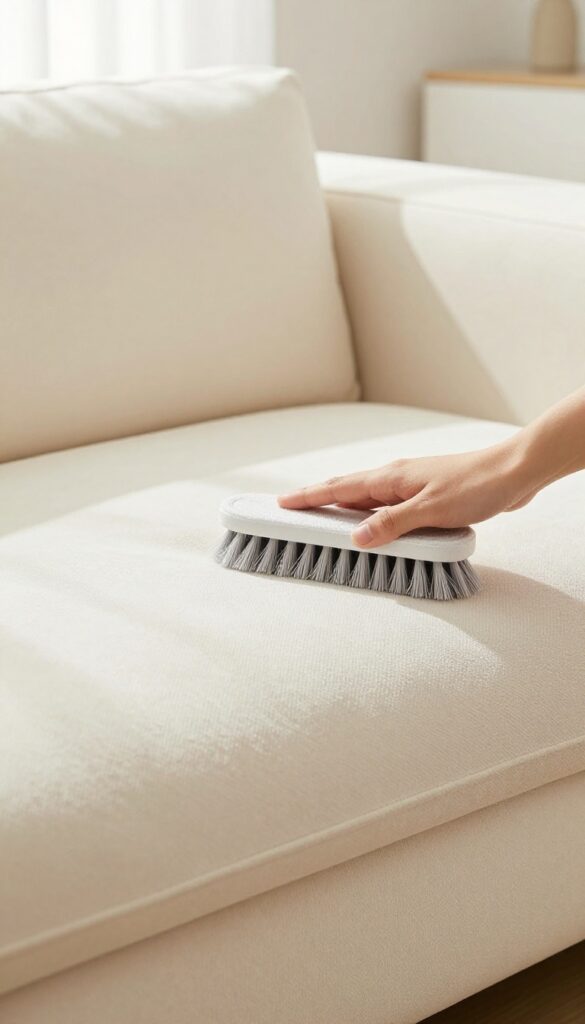
Once your couch is dry, don't just call it done. The fibers can get matted or flattened during cleaning, leaving the surface looking dull or uneven. A quick brush restores the soft, plush texture that makes microfiber so comfortable.
Choose The Right Brush
Not all brushes work well on microfiber. A soft-bristle brush or a dedicated microfiber brush is best. Avoid stiff bristles that can scratch or fray the fabric.
A clean, dry toothbrush can work for small areas.
Brush In One Direction
For a uniform, factory-fresh look, brush the entire couch in the same direction. This aligns the nap and prevents patchy spots. If your couch has a visible grain, follow it.
Brushing against the grain can create a streaky effect.
Revive Matted Spots
Areas that get a lot of sitting or rubbing may stay matted. For those spots, use a gentle circular motion first to lift the fibers, then finish with long strokes in the main direction. A steamer before brushing can help loosen stubborn matting.
8. Sprinkle Baking Soda to Absorb Odors
Over time, even a well-maintained microfiber couch can start to smell a little stale. Pets, spilled snacks, and everyday use leave behind odors that settle deep into the fabric. Before you reach for a chemical spray, try a simple pantry staple: baking soda.
Baking soda is a natural deodorizer that works by neutralizing odor molecules rather than just covering them up. It's gentle on microfiber and safe for most cleaning methods. To use it, simply sprinkle a generous, even layer over the entire couch surface.
Let it sit for 15–20 minutes—longer if the smell is strong—then vacuum thoroughly with a brush attachment. This pulls out trapped odors and leaves your couch smelling fresh. For best results, do this every few weeks or after any major spill or pet accident.
Why Baking Soda Works So Well
Baking soda is alkaline, which helps it react with and neutralize acidic odor compounds. Unlike sprays that add fragrance, baking soda actually removes the smell at the source. It's also non-toxic and won't damage the fibers or leave a sticky residue.
How To Apply It For Maximum Effect
Start by vacuuming the couch to remove loose dirt and debris. Then sprinkle baking soda generously, focusing on areas that get heavy use or where odors are strongest. Let it sit for at least 15 minutes—up to an hour for stubborn smells.
Finally, vacuum thoroughly, using a crevice tool to get into seams and corners.
When To Skip This Method
If your couch has a strong musty smell from moisture or mold, baking soda alone won't solve the problem. In that case, address the moisture source first and consider using a specialized upholstery cleaner. Also, avoid baking soda on couches with a water-repellent coating unless you've tested it on a hidden area first.
9. Use a Lint Roller for Pet Hair and Dust
Pet hair and surface dust can make your microfiber couch look dingy between deep cleans. A lint roller is a quick, no-fuss tool that grabs loose debris without damaging the fabric. Keep one stashed in the couch side pocket so you can give the cushions a once-over whenever you notice buildup.
Why It Works So Well
Microfiber's tight weave holds onto pet hair and dust, but a lint roller's adhesive sheets lift them right off. Unlike a vacuum, which can sometimes push hair deeper into the fibers, the roller pulls it away cleanly. It's especially effective on the sides and back of the couch where hair tends to cling.
When To Use It
Use the lint roller after your pet has been lounging on the couch, or whenever you notice visible dust. It's also great for a quick refresh before guests arrive. For best results, run the roller in one direction to avoid grinding debris into the fabric.
Pro Tips For Best Results
Buy a pack of extra-large lint rollers to cover more surface area quickly. If you don't have a lint roller handy, a slightly damp microfiber cloth works similarly for dust. For stubborn embedded hair, try a rubber squeegee first, then follow up with the roller.
10. Spot Clean with White Vinegar Solution
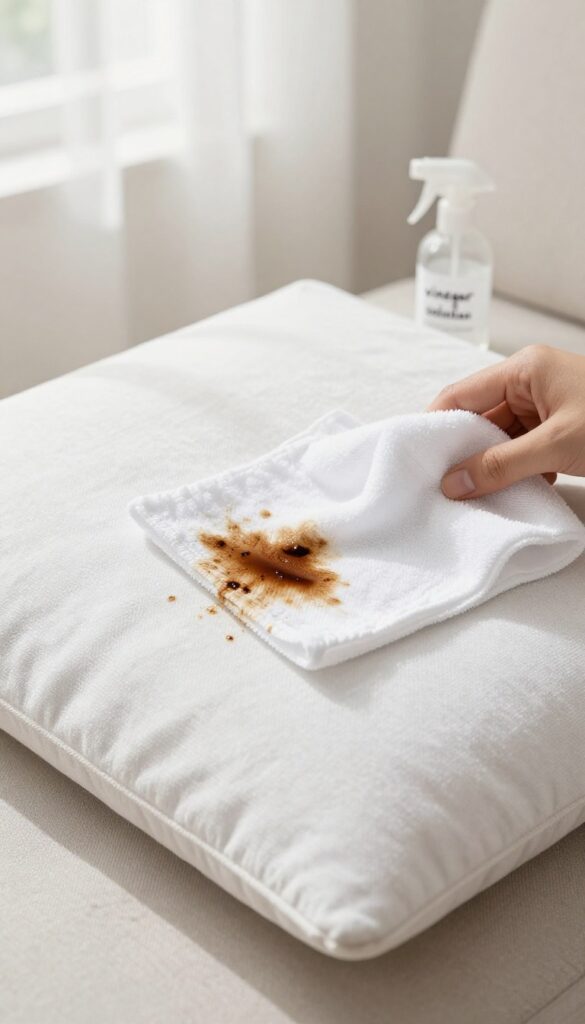
When a fresh stain appears, you don't need harsh chemicals to tackle it. White vinegar is a natural degreaser that breaks down spills without damaging microfiber fibers. This simple solution works wonders on everything from coffee drips to mystery smudges.
Mix The Right Ratio
Combine equal parts white vinegar and water in a spray bottle. Shake gently to mix. Avoid using full-strength vinegar, as it can be too acidic for some microfiber colors.
Always test on a hidden spot first, like under a cushion, to make sure the color doesn't change.
Blot, Don't Rub
Spray the solution lightly onto the stain, then blot with a clean white cloth. Rubbing pushes the stain deeper into the fibers. Start from the edges and work inward to prevent spreading.
Repeat until the stain lifts, then let the area air dry.
Neutralize Odors Too
Vinegar naturally neutralizes odors, so this method is great for musty spots or pet accidents. The vinegar smell fades as it dries. If you're sensitive to the scent, add a few drops of essential oil to the mixture, but test first to avoid staining.
11. Avoid Harsh Chemicals Like Bleach
It might be tempting to reach for bleach when a tough stain appears, but that's a fast track to ruining your microfiber couch. Harsh chemicals can strip the fabric's color, damage the fibers, and leave behind a stiff, faded patch. Stick with gentle, upholstery-safe cleaners to keep your couch looking its best.
Why Bleach Is A Bad Idea
Bleach is a strong oxidizer that breaks down dyes and weakens synthetic fibers. Even a small amount can cause permanent discoloration or a bleached spot that stands out. Microfiber is usually polyester or nylon, both of which react poorly to chlorine bleach.
Solvents And Degreasers Can Be Just As Damaging
Products like acetone, paint thinner, or heavy-duty degreasers can dissolve the protective coating on microfiber or cause the fabric to become rough and scratchy. Stick to water-based cleaners or those labeled specifically for upholstery.
Safe Alternatives That Actually Work
For most stains, a mild dish soap and water solution works wonders. For oil-based stains, a dab of rubbing alcohol on a clean cloth can lift the grease without harming the fabric. Always test any cleaner on a hidden area first.
12. Use a Magic Eraser for Scuff Marks
Scuff marks from shoes, furniture legs, or even kids' toys can make your microfiber couch look beat up. Before you panic, grab a melamine sponge—the generic version of a Magic Eraser. It's surprisingly gentle on microfiber when used correctly.
How To Prep The Sponge
Dampen the sponge with water and wring it out until it's just moist, not dripping. A soaking wet sponge can leave water stains on microfiber. Test on an inconspicuous spot first to make sure the color doesn't lift.
The Right Rubbing Technique
Gently rub the scuff mark in a circular motion with light pressure. You should see the mark fade quickly. Avoid scrubbing hard—microfiber can be damaged if you're too aggressive.
For stubborn marks, let the sponge sit on the spot for a few seconds before rubbing.
Aftercare For The Treated Area
Once the scuff is gone, let the area air dry completely. Then use a soft brush or your hand to fluff the fibers back up. This restores the original texture and prevents any hard spots from forming.
13. Fluff Cushions Regularly
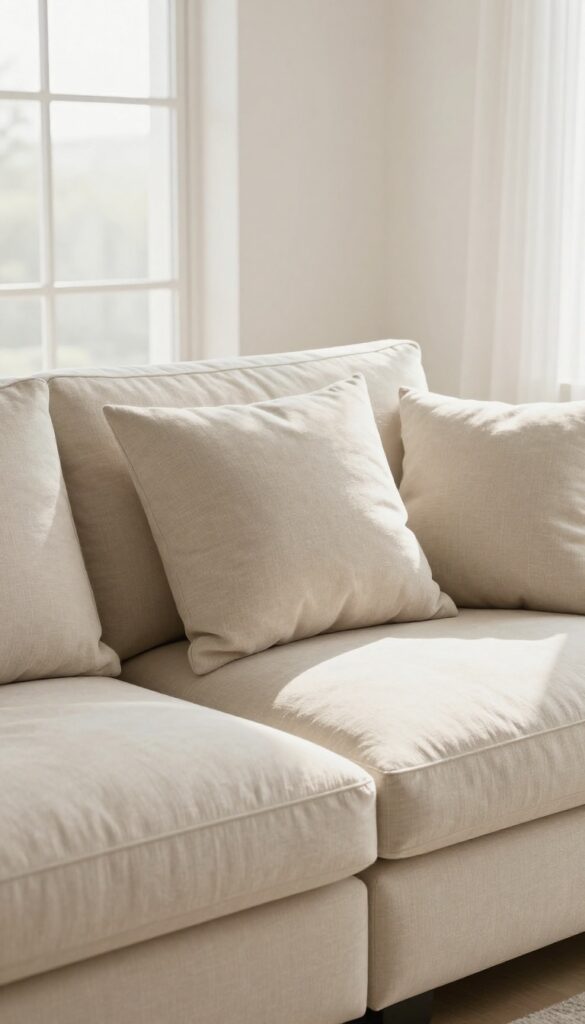
Your microfiber couch might look fine on the surface, but those cushions take a beating every single day. Sitting in the same spots, leaning on the same armrests—it all adds up. Without a little attention, you'll start noticing flat patches and sagging that make the whole couch feel tired.
Fluffing and rotating your cushions is one of the easiest ways to keep that plush, like-new look without any extra effort.
Rotating cushions helps distribute wear evenly, so one side doesn't get all the pressure. Microfiber is durable, but it does compress over time. By swapping cushions from left to right, or flipping them over, you give the fibers a chance to bounce back.
This simple habit can add years to your couch's life and keep it looking symmetrical. Plus, it's a quick task you can do while watching TV or waiting for coffee to brew.
Why Fluffing Matters
Fluffing isn't just about appearance—it's about structure. When you sit, the foam and fiber fill inside the cushion compresses. Over time, that compression becomes permanent if you never fluff.
Fluffing redistributes the filling, fills out the shape, and prevents those dreaded indentations. Microfiber's tight weave holds the shape better when the cushion core is evenly packed.
How To Fluff Like A Pro
Start by removing the cushions if possible. Give each one a good shake and then punch or knead it to loosen the fill. For attached cushions, lift the edge and push the filling toward the center.
Rotate cushions front to back and side to side every few weeks. If your couch has reversible cushions, flip them over to wear the other side. Doing this monthly keeps everything even.
When To Replace Cushions
Even with regular fluffing, cushions eventually lose their resilience. If you notice permanent sagging or lumps that won't smooth out, it might be time for new inserts. Microfiber covers can last longer than the foam inside.
Check the cushion's core—if it feels crumbly or doesn't spring back, replace it. That way your couch stays comfortable and supportive.
14. Protect with a Fabric Spray
A little prevention goes a long way when it comes to keeping your microfiber couch soft and stain-free. Fabric protector sprays create an invisible barrier that makes spills bead up instead of soaking in. This extra layer can be a game-changer, especially if you have kids, pets, or just enjoy a glass of wine on the couch.
Applying a microfiber-safe fabric protector is one of the smartest moves you can make. These sprays are designed to repel liquids and prevent stains from setting in. They work by coating each fiber with a protective shield that doesn't change the feel or look of the fabric.
Best of all, you can apply it yourself in minutes.
Choose The Right Spray
Not all fabric protectors are safe for microfiber. Look for one that's specifically labeled for microfiber or synthetic upholstery. Avoid products with harsh chemicals that could damage the fibers or cause discoloration.
A water-based, non-toxic formula is usually your best bet.
How To Apply Evenly
Start by vacuuming your couch to remove dust and debris. Hold the spray can about 6 inches away from the fabric and apply in a light, even mist. Don't soak the fabric—too much product can leave a sticky residue.
Work in sections, and let each area dry completely before using the couch.
When To Reapply
Fabric protector wears off over time, especially in high-use areas. Plan to reapply every 6 to 12 months, or after a deep cleaning session. If you notice liquids starting to absorb again instead of beading up, it's time for another coat.
15. Use a Dry Cleaning Solvent for Tough Stains
Some stains just laugh at water-based cleaners. Grease, oil, ink, or that mystery spot from last week's takeout—they need something stronger. That's where a dry cleaning solvent comes in.
These products are designed to lift oily residues without saturating the fabric, which is exactly what microfiber needs.
Dry cleaning solvents work by breaking down oil-based stains on a chemical level. They evaporate quickly, so you avoid the water damage that can leave rings or make the stain spread. The key is to apply sparingly and blot—never rub.
Rubbing pushes the stain deeper into the fibers. Instead, dab with a clean white cloth, moving from the outside of the stain inward. Repeat until the stain lifts, then let the area air dry completely before using the couch again.
When To Choose Solvent Over Water
If you've already tried a water-based cleaner and the stain didn't budge, or if the stain is greasy (think butter, salad dressing, or hand lotion), solvent is your best bet. Water can actually set some oil-based stains, making them permanent. Solvent tackles them without the risk.
Also, if your microfiber is labeled "W" (water-safe) but you're dealing with a stubborn mark, solvent is a gentler alternative to harsh scrubbing.
How To Apply Dry Cleaning Solvent Safely
Always test in an inconspicuous spot first. Pour a small amount onto a clean cloth—never directly on the couch—and blot the test area. If the color doesn't change and the fabric feels fine, proceed.
Work in a well-ventilated room, as solvents have strong fumes. Use a white cloth to avoid color transfer, and keep blotting until the cloth comes away clean. Let the spot dry fully; it might look damp for a bit, but it will return to normal.
What To Do If The Stain Persists
For really stubborn stains, you can repeat the process a few times. If it still won't lift, consider using a specialized microfiber cleaner or a professional upholstery cleaning service. Avoid mixing solvent with water or other cleaners—that can cause chemical reactions or damage the fabric.
And never use bleach or ammonia-based products on microfiber; they'll ruin the texture and color.
16. Shave Pills with a Fabric Shaver
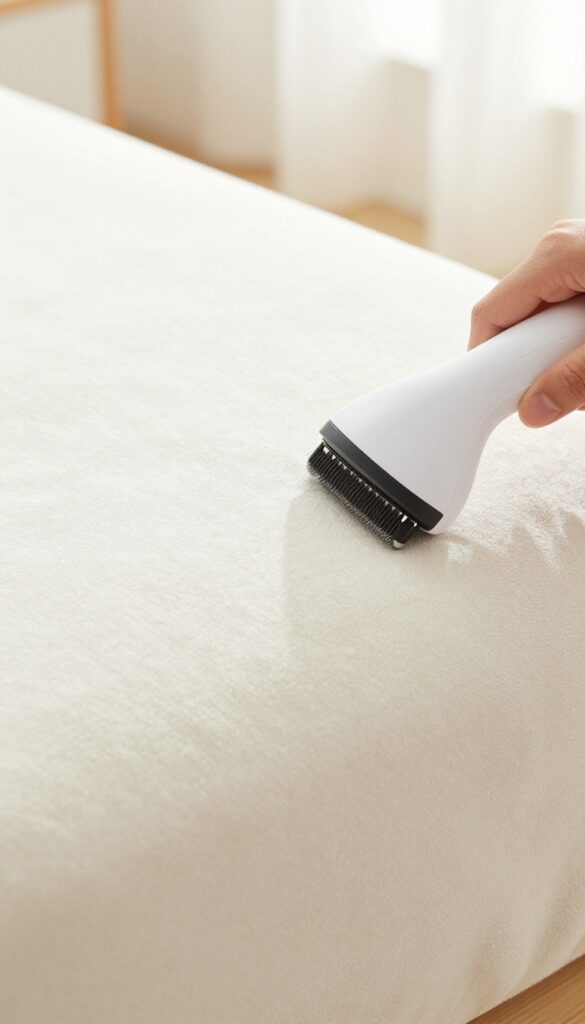
Pilling is one of those things that sneaks up on you. One day your microfiber couch feels smooth, the next it's covered in tiny fuzz balls that make it look worn and tired. The culprit is friction from sitting, shifting, and even pet claws.
But don't worry—this is an easy fix.
A fabric shaver is a small, handheld device that gently trims away pills without damaging the fibers. It's like giving your couch a haircut. Before you start, vacuum the surface to remove loose debris.
Then, working in sections, run the shaver over the pilled areas using light, circular motions. Empty the lint chamber frequently. After shaving, use a soft brush or a microfiber cloth to smooth the fabric.
Your couch will look noticeably fresher.
Why Pilling Happens
Pilling occurs when loose fibers tangle into small balls on the surface. Microfiber is made of tightly woven synthetic fibers, but friction from daily use can still cause pills. Common causes include rough fabric contact, pet claws, and even certain cleaning methods that roughen the fibers.
Choosing The Right Fabric Shaver
Not all fabric shavers are created equal. Look for one with a rechargeable battery, adjustable height settings, and a large lint collector. Some models come with a built-in vacuum to catch pills as you go.
Avoid cheap, battery-operated ones that may snag or pull the fabric.
Post-shaving Care
After shaving, your microfiber might look slightly fuzzy. That's normal. Gently brush the area with a soft-bristled brush or a clean microfiber cloth to realign the fibers.
If you have a steam cleaner, a quick pass of steam can help fluff the fabric back to its original texture.
17. Clean Removable Covers in the Wash
If your microfiber couch has removable covers, you're in luck—they can go right in the washing machine. This is one of the easiest ways to get a deep, even clean without scrubbing every inch by hand. Just be sure to check the care tag first to confirm the covers are machine-washable and note any temperature recommendations.
Machine washing removable covers saves time and gives your couch a thorough refresh. But you need to do it right to avoid damage like shrinkage or fading. Cold water and a mild detergent are your safest bet.
Skip the fabric softener—it can leave a residue that attracts dirt. When drying, air drying is best, but if you use a dryer, keep it on the lowest heat setting and remove the covers while they're still slightly damp to prevent over-drying.
Check The Tag First
Before you toss the covers in the wash, always read the care label. Look for symbols or text indicating machine washability and water temperature. If the tag says "dry clean only" or "spot clean, " don't risk it—follow those instructions instead.
Use Cold Water And Mild Detergent
Hot water can cause microfiber to shrink or fade. Stick with cold water and a gentle, bleach-free detergent. Avoid using too much soap—excess suds can get trapped in the fabric and leave a sticky film that attracts more dirt.
Dry With Care
Heat is the biggest enemy of microfiber covers. Air drying is ideal: lay them flat or hang them up. If you must use a dryer, set it to low or no heat.
Remove the covers while they're still a bit damp to avoid shrinkage, then let them finish air drying.
18. Use a Hairdryer on Wet Spots
You've just spot-cleaned a fresh spill, and the microfiber looks great—except for that darker, damp ring around the edge. That's where a hairdryer comes in handy. By applying low heat while brushing, you can dry the area evenly and prevent those ugly water marks from setting in.
Why Water Rings Happen
Microfiber is made of ultra-fine synthetic fibers that wick moisture quickly. When you blot or spray a spot, the water spreads outward and dries unevenly, leaving a visible ring. The fibers also tend to clump when wet, which changes how light reflects off them.
The Hairdryer Technique
Set your hairdryer to low heat—medium heat can damage the fibers. Hold it about six inches from the fabric and move it constantly over the damp area. Use a soft-bristled brush in your other hand to gently fluff the fibers as they dry.
This keeps the texture uniform and helps the moisture evaporate evenly.
When To Skip The Hairdryer
Avoid this method on delicate or heat-sensitive microfiber, like some blends with natural fibers. Always test on a hidden spot first. If the fabric starts to feel stiff or looks shiny, you're using too much heat.
In that case, switch to air-drying with a fan instead.
19. Treat Ink Stains with Hairspray
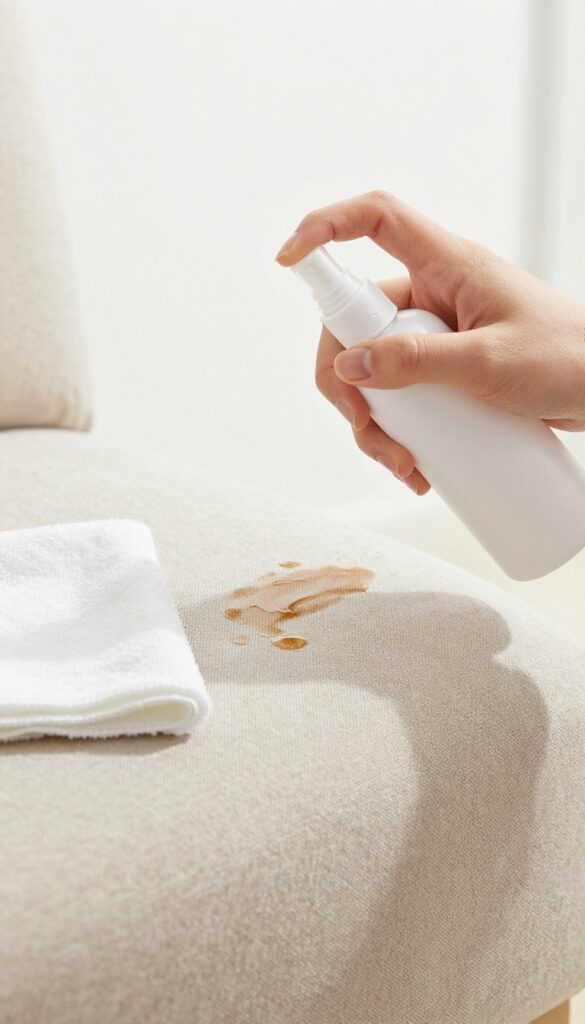
Ink stains on a microfiber couch can feel like a permanent disaster, but they don't have to be. The alcohol in most hairsprays works as a solvent to break down the ink, making it easy to lift away. This trick works best on fresh stains, but it's worth a try on older ones too.
Spray a generous amount of hairspray directly onto the ink stain, making sure it's fully saturated. Let it sit for about 30 seconds to a minute so the alcohol can penetrate and dissolve the ink. Then, blot the area with a clean white cloth or paper towel—don't rub, or you'll spread the stain.
Repeat if necessary, then blot with a damp cloth to remove any residue. Finally, let the area air dry and brush the fibers to restore the texture.
Why Hairspray Works
Hairspray contains isopropyl alcohol, which is a common solvent for many types of ink. When sprayed on the stain, the alcohol breaks down the ink's pigments, making them easier to lift out of the microfiber fibers. The key is to use a hairspray with a high alcohol content—check the label if you're unsure.
Step-by-step Application
First, test the hairspray on an inconspicuous area of the couch to make sure it doesn't discolor the fabric. Then, spray the stain until it's wet but not dripping. Let it sit for about a minute.
Blot with a clean cloth, pressing firmly to absorb the dissolved ink. Avoid rubbing. If the stain remains, repeat the process.
Once the ink is gone, dab the area with a damp cloth to remove any sticky residue from the hairspray.
What To Avoid
Don't use hairspray that contains oils or conditioners, as they can leave a greasy residue on the microfiber. Also, avoid rubbing the stain—blotting is gentler and prevents the ink from spreading deeper into the fabric. If the hairspray doesn't work after a couple of tries, consider using a dedicated upholstery cleaner or rubbing alcohol instead.
20. Keep Direct Sunlight Away
Sunlight streaming through a window can make your living room feel warm and inviting, but it's not doing your microfiber couch any favors. UV rays are surprisingly harsh on synthetic fibers, causing them to fade, weaken, and lose that soft, uniform color over time. The fix is simple: block or filter the light before it reaches your upholstery.
Even indirect sunlight can gradually bleach microfiber, leaving patches that look washed out compared to protected areas. This is especially noticeable on darker colors, where fading creates an uneven, worn appearance. The good news is that you don't have to live in a cave—just use smart window treatments to shield your couch during peak sun hours.
Use Curtains Or Blinds Strategically
Sheer curtains filter harsh rays while still letting in natural light, making them a great compromise. For rooms with intense afternoon sun, consider blackout curtains or cellular shades that block UV completely. If your couch is near a window, draw the blinds during the brightest part of the day—usually between 10 a. m. and 4 p. m.
Rearrange Furniture When Possible
If your couch is directly in a sunbeam, try angling it away from the window or moving it a few feet back. Even a small shift can reduce exposure significantly. If rearranging isn't an option, a decorative throw or slipcover over the sun-facing section can act as a temporary shield.
Apply Uv-protective Window Film
Window film is an affordable, nearly invisible solution that blocks up to 99% of UV rays without changing your view. It's easy to apply and can be trimmed to fit any window size. This is especially useful for renters who can't install permanent curtains or blinds.
21. Use a Carpet Cleaner Machine for Large Areas
When your microfiber couch needs a deep clean across a whole section, a portable upholstery cleaner can be a game-changer. These machines work like mini carpet cleaners, injecting cleaning solution and extracting dirt and grime. It's a powerful method for refreshing large areas that spot cleaning just can't handle.
Choose The Right Machine And Solution
Not all portable cleaners are created equal. Look for one with an upholstery attachment and adjustable suction. Use a cleaning solution specifically formulated for microfiber or one labeled safe for synthetic fabrics.
Avoid anything with harsh chemicals or bleach. Test the solution on a hidden area first to ensure it doesn't cause discoloration or damage.
Prep The Couch Properly
Before you start, vacuum the entire couch thoroughly to remove loose dirt and debris. Check the manufacturer's care tag—if it says 'W' (water-safe), you're good to go. If it says 'S' (solvent-only), skip this method.
Also, blot any fresh stains with a dry cloth to avoid spreading them during cleaning.
Work In Sections And Don't Oversaturate
Divide the couch into manageable sections, like each seat cushion or the backrest. Apply the cleaning solution sparingly—too much moisture can lead to mold or damage. Move the machine slowly over the fabric, making overlapping passes.
Immediately after, go over the area with the machine's dry suction to remove as much moisture as possible.
Let It Dry Completely
After cleaning, allow the couch to air dry fully before using it. Open windows or use fans to speed up the process. Avoid sitting on the couch until it's completely dry to prevent new stains or wrinkles.
Once dry, give the fabric a quick brush with a soft bristle brush to restore its texture.
22. Remove Gum with Ice
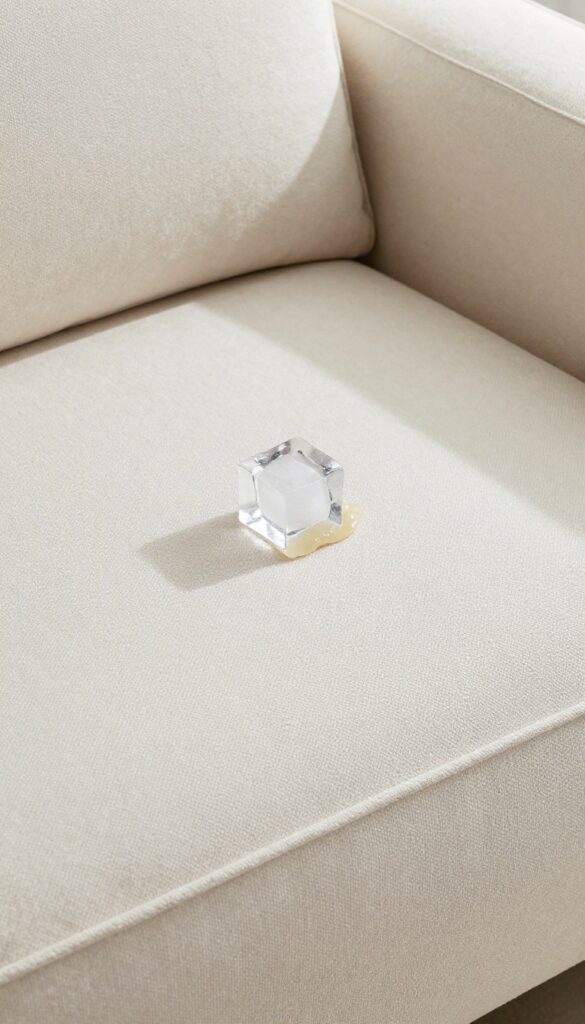
Chewing gum stuck to your microfiber couch is annoying, but you don't need harsh chemicals to get it off. The trick is to freeze the gum solid so it loses its stickiness and can be scraped away cleanly. Once the bulk is gone, a little rubbing alcohol handles any leftover residue without damaging the fabric.
Freeze And Scrape
Grab an ice cube from the freezer and hold it directly on the gum for about 30 seconds. You want the gum to become hard and brittle, not just cold. Once it's firm, use a blunt knife or a plastic scraper to gently pry the gum away from the fibers.
Work slowly to avoid pulling the fabric. The gum should pop off in one piece if it's frozen enough.
Blot Away Residue
After the main chunk is gone, you might see a sticky spot left behind. Dampen a clean cloth with rubbing alcohol and blot the area—don't rub, or you'll spread the residue. The alcohol breaks down the stickiness without harming microfiber.
Blot until the cloth comes away clean, then let the spot air dry. Your couch will be gum-free and soft again.
23. Wipe Down with a Damp Microfiber Cloth
Dust and pet hair love to cling to microfiber, but a quick dry wipe often just pushes them around. A slightly damp microfiber cloth changes the game entirely. It grabs particles instead of scattering them, and it's gentle enough for daily use.
No sprays or chemicals needed—just water and the right cloth.
This method is perfect for light maintenance between deeper cleans. It takes seconds and keeps your couch looking fresh without any effort.
Why Damp Works Better
Dry cloths can create static, which attracts more dust. A damp cloth neutralizes static and traps particles in the fibers. The moisture also helps lift embedded dirt without soaking the fabric.
The Right Cloth
Use a clean, lint-free microfiber cloth. Avoid terry cloth or old t-shirts—they can leave lint behind. A high-quality microfiber cloth with a 300 GSM or higher works best.
How To Do It
Lightly mist the cloth with water until it's damp, not wet. Wipe the couch in long, even strokes, following the grain of the fabric. Rinse the cloth as needed and let the couch air dry for a few minutes.
24. Test Cleaners on a Hidden Spot
You might be eager to dive in and scrub that stain away, but rushing can lead to bigger problems. Some cleaners can react badly with microfiber, causing discoloration or even damaging the fabric. A quick patch test saves you from turning a small spot into a permanent eyesore.
Always test a small, inconspicuous area before applying any cleaner. This prevents accidental damage or discoloration.
Why Testing Matters
Microfiber can be sensitive to certain chemicals, especially solvents or bleach-based products. A hidden spot test shows you how the fabric reacts before you commit to cleaning a visible area.
How To Do A Patch Test
Choose a spot that's out of sight, like under a cushion or behind the couch. Apply a small amount of cleaner, wait a few minutes, then blot with a white cloth. If color transfers or the fabric changes texture, pick a different cleaner.
What To Watch For
Look for any color fading, darkening, or stiffening of the fibers. Even a slight change means that cleaner isn't safe for your couch. Stick to mild soap and water or a cleaner specifically labeled for microfiber.
25. Call a Professional for Stubborn Stains
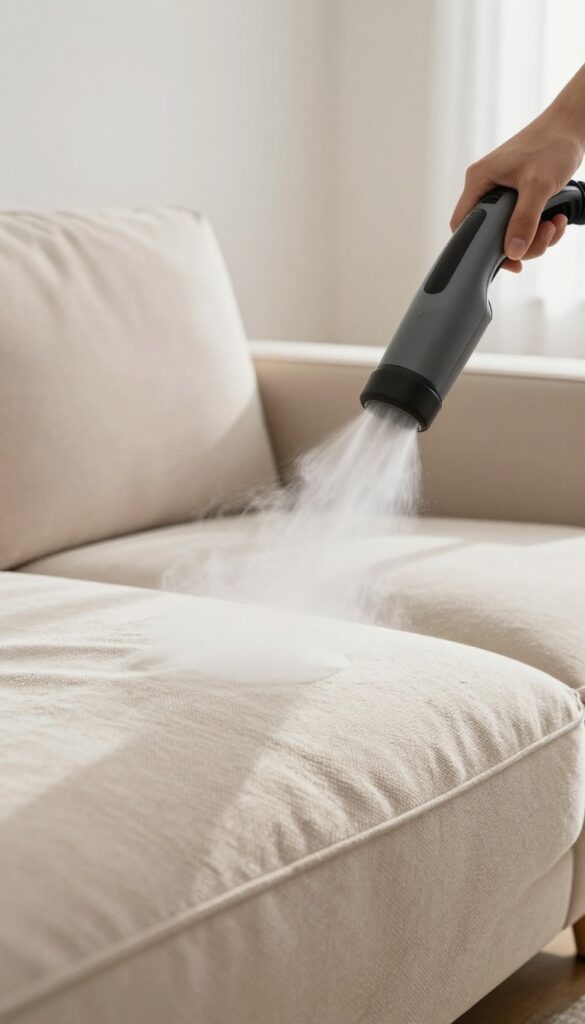
Sometimes, no matter how many DIY tricks you try, that stain just won't budge. Maybe it's set in too deep, or the fabric is too delicate for your at-home methods. That's when it's time to wave the white flag and bring in a pro.
Professional upholstery cleaners have industrial-grade equipment and specialized solvents that can tackle even the toughest marks without damaging the fibers. They also know exactly which cleaning method works best for your specific microfiber type—whether it's water-safe or solvent-clean only. Plus, they can give the whole couch a deep steam cleaning that lifts embedded dirt and restores that just-bought softness.
It's an investment, but it often saves you from replacing the couch entirely.
When To Wave The White Flag
If you've tried multiple methods and the stain is still there—or worse, spreading—it's a clear sign to call a pro. Same goes for large areas of discoloration or if the fabric starts to feel rough or stiff after your attempts. Don't wait until the damage is irreversible.
What To Expect From A Pro Clean
A professional will first inspect your couch to determine the fabric type and any special care requirements. They'll then use a combination of vacuuming, spot treatment, and hot water extraction or dry cleaning to lift stains and refresh the fibers. The result is a couch that looks and feels significantly cleaner, often with a protective coating to repel future spills.
How Often To Call For Help
For most households, a professional deep clean once a year is plenty. If you have kids, pets, or heavy use, consider twice a year. And if you've just wrestled with a major stain yourself, a follow-up pro clean can ensure no residue is left behind.
FAQ
Can I use water on my microfiber couch?
It depends on the cleaning code. If the tag says 'W' or 'WS', water is safe. For 'S' codes, use only solvent-based cleaners.
How do I get rid of pet urine smell from microfiber?
Blot up as much as possible, then apply a mixture of equal parts water and white vinegar. Let it sit, blot again, and sprinkle baking soda. Vacuum after it dries.
Will rubbing alcohol damage microfiber?
No, rubbing alcohol is generally safe for microfiber and evaporates quickly. Always test on a hidden area first.
How often should I deep clean my microfiber couch?
Every 6 to 12 months, depending on usage. High-traffic homes or homes with pets may need more frequent cleaning.
Can I put microfiber cushion covers in the dryer?
Only if the care label allows. Use low heat and remove while slightly damp to avoid shrinkage. Air drying is safest.
Conclusion
Keeping your microfiber couch soft and stain-free doesn't require expensive products or endless effort. With regular vacuuming, prompt spot cleaning, and a few household staples, you can handle most messes yourself. These 25 tips give you a complete toolkit to maintain your couch's look and feel.
Remember, the key is consistency—a little care each week goes a long way. So go ahead, enjoy your seating without worrying about the next spill. Your couch will thank you.