You step out of the shower and see it again—those stubborn water spots and soap scum that turn your glass doors into a foggy mess. A streak-free shine feels impossible, but it doesn't have to be. The right approach makes all the difference.
Most people grab harsh chemicals or scrub endlessly, only to end up with more streaks. The secret lies in using the right tools and techniques that actually work with the glass, not against it.
These 15 ideas are designed to cut through grime and leave your shower doors looking brand new. No fancy products required—just smart, effective methods you can start using today.
1. The Classic Vinegar and Dish Soap Combo
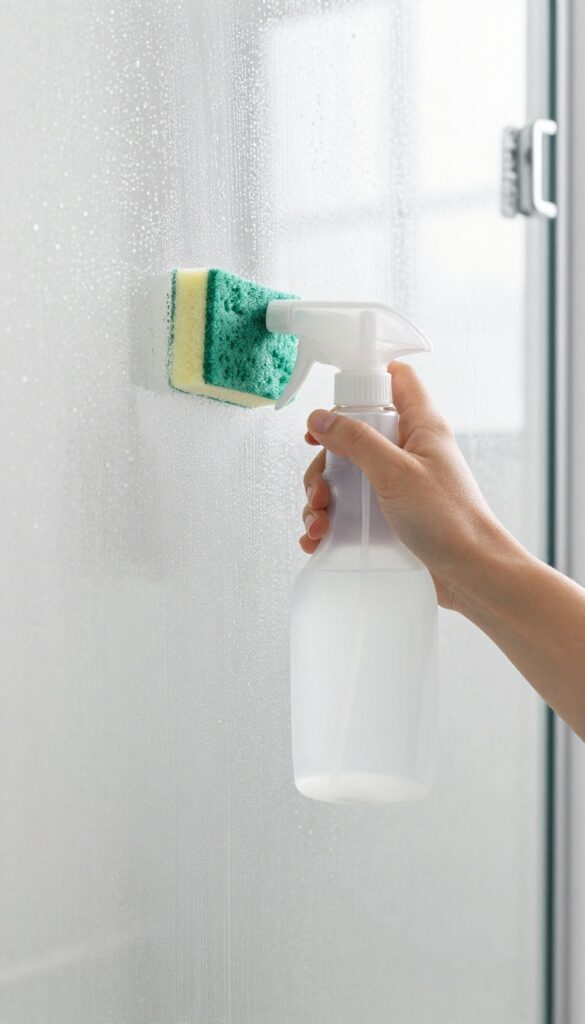
You probably already have these two ingredients in your kitchen, and they work wonders on glass. White vinegar cuts through mineral deposits and soap scum, while dish soap tackles the greasy residue left by body washes and shampoos. Together, they form a simple, non-toxic cleaner that leaves glass sparkling.
Mix equal parts white vinegar and warm water in a spray bottle, then add a few drops of dish soap. Shake gently to combine. Spray the solution generously onto the glass, covering all the cloudy areas.
Let it sit for about 10 minutes—this gives the vinegar time to break down hard water stains. Then, scrub with a soft sponge or a non-abrasive scrubber. Rinse thoroughly with warm water and squeegee dry for a streak-free finish.
Why Vinegar Works
Vinegar is mildly acidic, which makes it excellent at dissolving calcium and lime deposits from hard water. It also helps loosen soap scum without harsh fumes. Just be sure not to use it on natural stone surfaces like marble or granite.
The Role Of Dish Soap
Dish soap is a degreaser, so it lifts the oily film from conditioners and body washes. It also helps the solution cling to vertical glass surfaces, giving it more time to work. A few drops go a long way—too much can leave a residue.
Tips For Best Results
Always use a soft sponge or microfiber cloth to avoid scratching. Rinse well—any leftover vinegar can dry into streaks. Follow up with a squeegee to prevent new spots.
For extra stubborn stains, let the solution sit longer or scrub with a little baking soda paste.
2. Squeegee After Every Shower
That quick swipe after your shower is the single most effective habit for keeping glass doors clear. Hard water spots and soap scum need time to bond with the glass. A squeegee removes the water before it dries, cutting off the problem at the source.
It takes less than a minute and eliminates the need for deep scrubbing later.
A squeegee is your first line of defense against buildup. When you let water dry naturally, minerals and soap residue are left behind. Over time, they etch into the glass and become nearly impossible to remove without harsh chemicals.
By squeegeeing immediately, you're preventing that chemical reaction from happening in the first place. Keep a squeegee mounted inside your shower or hang it on a hook near the door. The goal is to make it as easy as possible to grab.
Some people keep a small one in a caddy or even use a microfiber cloth instead. But a squeegee is faster and more effective because it removes nearly all the water in one pass. Consistency is what makes this work.
If you do it after every single shower, you'll notice the glass stays clear for weeks without any extra effort. Miss a few days, and spots start to appear. Make it part of your routine, and you'll wonder why you ever scrubbed those doors.
Why Timing Matters
The longer water sits on glass, the more minerals have a chance to deposit. Within minutes, hard water starts leaving calcium and magnesium traces. Within hours, those traces bond and become visible spots.
Squeegeeing within 30 seconds of turning off the water prevents this bonding process entirely. It's the difference between a quick wipe and a full-on scrubbing session later.
Choosing The Right Squeegee
Not all squeegees are created equal. Look for one with a rubber blade that's soft enough to conform to the glass but firm enough to remove water efficiently. A stainless steel handle resists rust in the humid shower environment.
The blade width should match your door panels—too small and you'll make multiple passes, too large and it's awkward to handle. Replace the rubber blade every few months when it starts to leave streaks.
Building The Habit
The hardest part is remembering to do it every time. Start by placing the squeegee in plain sight—right next to the shower door or on a hook at eye level. Make it the last step before you step out.
Some people set a mental trigger, like squeegeeing while they're still under the water's warmth. After a week, it becomes automatic. Your future self will thank you for the 30-second investment.
3. Baking Soda Paste for Tough Spots
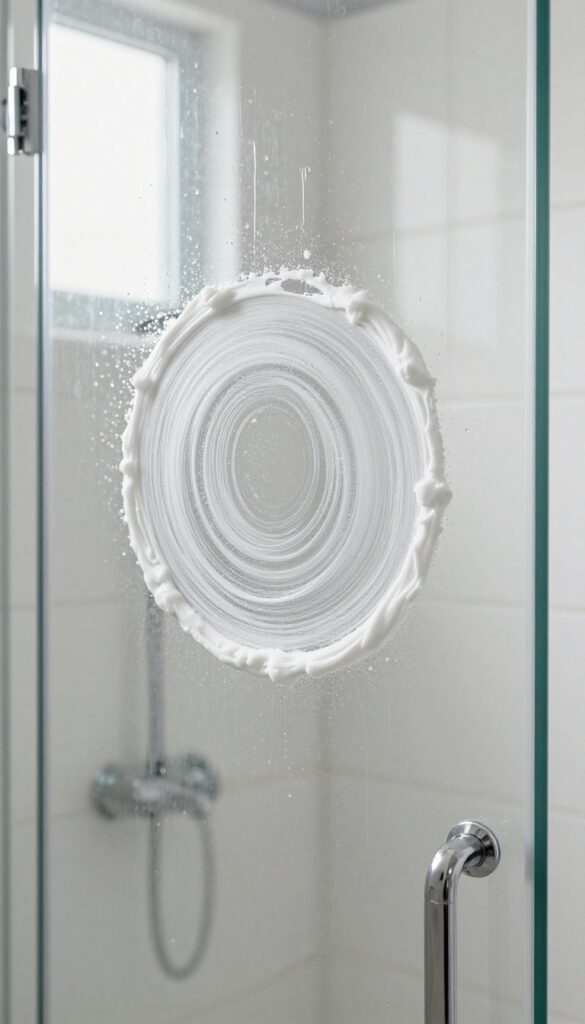
Some spots just won't budge with a simple spray. Hard water deposits and soap scum can build up into a stubborn layer that laughs at regular cleaners. That's when you need a gentle abrasive that works without scratching the glass.
Baking soda is the perfect solution for those tough spots. It's mildly abrasive, so it can scrub away grime without damaging the glass surface. Plus, it's cheap and you probably already have it in your pantry.
How To Make The Paste
Mix three parts baking soda with one part water in a small bowl. Stir until it forms a thick, spreadable paste. If it's too runny, add more baking soda.
Too thick, add a drop more water. The consistency should be like toothpaste.
Application And Waiting Time
Apply the paste directly onto the stubborn spots using a sponge or your fingers. Spread it evenly over the affected areas. Let it sit for about 15 minutes.
This gives the baking soda time to break down the mineral deposits and soap residue.
Scrubbing And Rinsing
After 15 minutes, gently scrub the paste in circular motions with a non-abrasive pad or soft cloth. Avoid steel wool or rough scrubbers that could scratch the glass. Rinse thoroughly with warm water.
You'll notice the spots are gone, leaving a clean, streak-free surface.
4. Lemon Juice and Salt Scrub
If you prefer a natural, non-toxic approach, this citrus-based scrub is a game-changer. Lemons cut through grime like magic, and salt adds just enough grit to lift stubborn deposits. Plus, your bathroom will smell amazing.
This method works best on light to moderate buildup. For heavy scum, you might need to repeat or pre-soak the glass. Always rinse thoroughly to avoid salt residue.
How It Works
Citric acid in lemon juice breaks down mineral deposits and soap scum chemically, while salt acts as a gentle abrasive to physically scrub away particles. Together, they create a powerful yet safe cleaner.
Step-by-step
Cut a lemon in half. Dip the cut side into a small dish of salt. Scrub the glass door in circular motions, focusing on cloudy areas.
Let the juice sit for a minute, then rinse with warm water. Wipe dry with a microfiber cloth.
Pro Tips
Use coarse salt like kosher or sea salt for better abrasion. Avoid this on etched or frosted glass, as the acid can dull the finish. For extra shine, follow with a vinegar rinse.
5. Use a Magic Eraser on Stubborn Marks
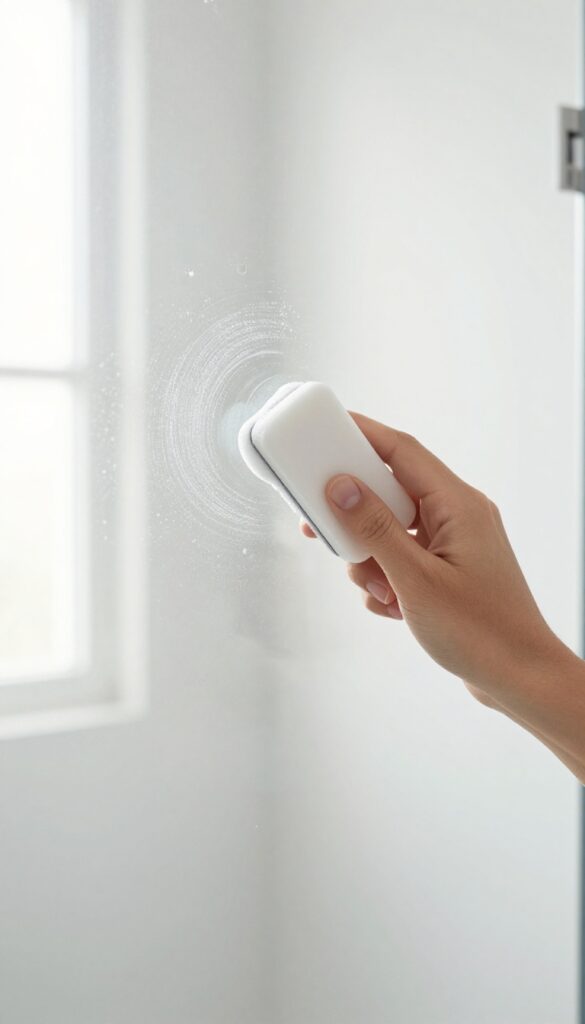
Some spots just won't budge with a simple spray. That's where a melamine foam eraser—often sold as Magic Eraser—comes in. It's like a super-fine sandpaper that lifts water spots and soap scum without scratching the glass.
Just dampen it, rub gently, and rinse. It's that simple.
Melamine foam erasers work by creating a micro-abrasive action that breaks down mineral deposits and soap residue. Unlike harsh scrubbers, they're soft enough for glass but tough on grime. The key is to use light pressure and keep the eraser damp.
Over-scrubbing can wear down the foam quickly, so let the material do the work. After you've tackled the marks, rinse the door thoroughly to remove any foam particles. This prevents a hazy film from forming as the eraser residue dries.
How It Works
Melamine foam is made of a resin that, when wet, creates millions of tiny abrasive cells. These cells act like microscopic scrubbers that lift dirt and deposits from the glass surface. The foam is non-toxic and won't scratch most finishes, but it's always smart to test a small area first.
Best Practices
Always dampen the eraser before use—dry foam can be too abrasive. Use gentle, circular motions and avoid pressing hard. Rinse the door immediately after scrubbing to remove any foam residue.
For best results, use a fresh eraser each time; reused ones can trap dirt and cause scratches.
When To Avoid
Don't use a magic eraser on tinted or coated glass, as it can strip the coating. Also avoid it on acrylic or plastic shower doors, as the abrasion can cause cloudiness. Stick to tempered glass doors for safe use.
6. Rubbing Alcohol for a Streak-Free Finish
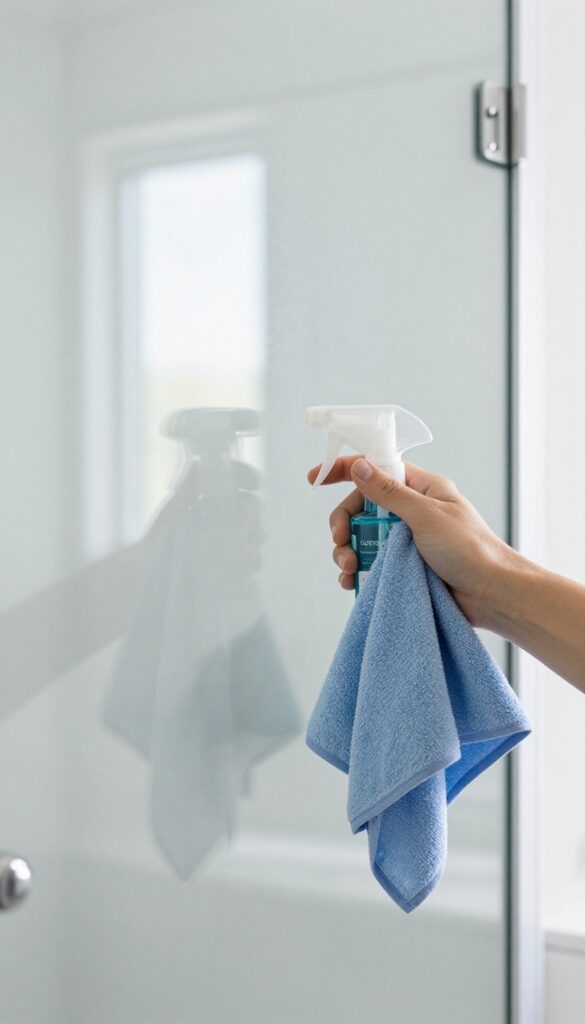
Rubbing alcohol is a secret weapon for achieving that elusive streak-free shine on glass shower doors. It evaporates quickly, leaving no residue behind, which means no more wiping and rewiping. This simple solution works especially well after you've already removed soap scum and hard water deposits.
After you've cleaned the glass with your preferred method, mix equal parts rubbing alcohol and water in a spray bottle. Mist the glass lightly, then wipe with a clean, dry microfiber cloth. The alcohol cuts through any remaining film and dries instantly, giving you a crystal-clear finish.
This step is perfect for a final polish before guests arrive or just for that satisfying sparkle.
Why It Works So Well
Rubbing alcohol has a low surface tension and high evaporation rate. It doesn't contain additives that can leave streaks, unlike some glass cleaners. When combined with water, it creates a solution that lifts any lingering oils or residues without smearing.
Best Practices For Application
Always use a microfiber cloth—paper towels can leave lint. Spray the solution directly onto the glass rather than the cloth to ensure even coverage. Work in small sections, wiping in a consistent direction (top to bottom or side to side) to avoid missed spots.
When To Use This Method
This technique is ideal for a quick touch-up between deep cleans. It's also great for removing fingerprints or smudges that appear after daily use. For best results, use it after you've already tackled heavy buildup with a dedicated cleaner.
7. Commercial Glass Cleaner with Microfiber Cloth
When you want a no-fuss solution that works every time, a quality commercial glass cleaner paired with a microfiber cloth is hard to beat. Products like Invisible Glass are formulated to evaporate quickly and leave zero residue, which is exactly what you need for shower doors. The trick is in how you apply it—spray lightly, then wipe in a zigzag pattern to avoid streaks.
Skip paper towels; they leave lint and actually push dirt around.
Why Commercial Cleaners Work Better Than Diy
Store-bought glass cleaners contain surfactants and solvents designed to break down soap scum and hard water minerals without leaving a film. DIY mixes often rely on vinegar or ammonia, which can be less effective on stubborn deposits and may even damage certain glass coatings. A dedicated glass cleaner gives you consistent results with minimal effort.
The Right Wiping Technique
Start at the top of the door and work your way down using a clean, dry microfiber cloth. Wipe in a zigzag or S‑pattern rather than circles—this helps distribute the cleaner evenly and prevents streaks. Flip the cloth frequently to keep a fresh surface against the glass.
If you see any streaks, buff them immediately with a dry section of the cloth.
Why Microfiber Beats Paper Towels And Rags
Microfiber cloths have split fibers that trap dirt and absorb liquid without leaving lint. Paper towels can scratch glass over time and often leave behind tiny fibers that show up as streaks. Old cotton rags may work in a pinch, but they can shed lint and aren't as absorbent.
Invest in a pack of high-quality microfiber cloths dedicated to glass cleaning.
8. Hard Water Stain Remover with Citric Acid
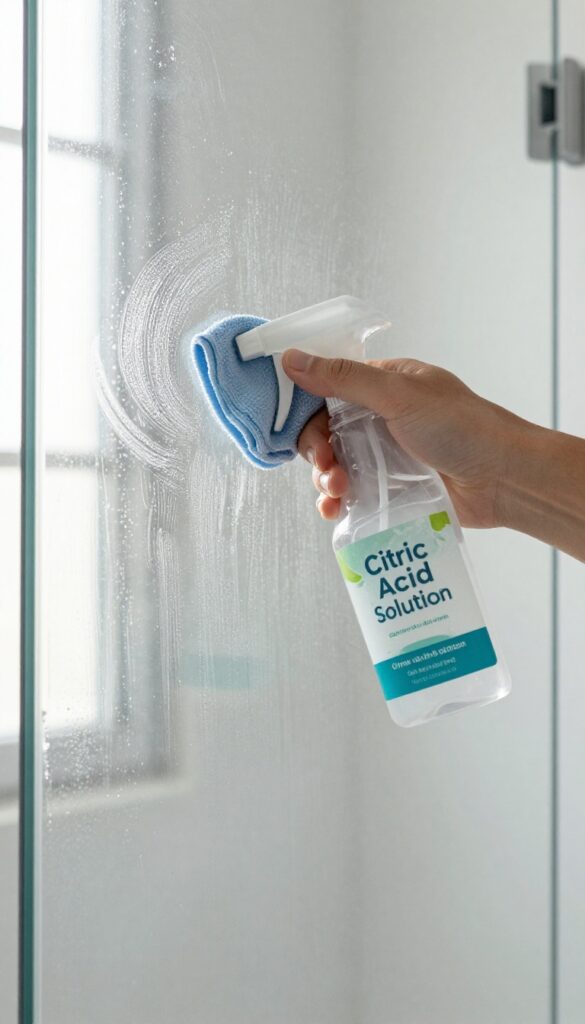
Hard water stains can feel impossible to remove, but citric acid cuts through mineral deposits without the harsh fumes of bleach or ammonia. This natural acid dissolves calcium and lime buildup, restoring clarity to your glass doors. Best of all, it's gentle on your skin and the environment.
Why Citric Acid Works So Well
Citric acid is a weak organic acid that chelates calcium and magnesium ions—the main culprits behind hard water stains. Unlike vinegar, it doesn't leave a strong smell, and it's more effective at breaking down thick, crusty deposits. The powder form is stable and easy to store, making it a convenient option for regular maintenance.
How To Mix And Apply
Mix one tablespoon of citric acid powder with one cup of warm water (not hot) until fully dissolved. Pour the solution into a spray bottle. Spray generously onto the glass, covering all stained areas.
Let it sit for 5 minutes—longer for stubborn spots—but don't let it dry completely. Then wipe with a soft microfiber cloth or sponge. Rinse thoroughly with water to remove any residue.
Safety Tips And Best Practices
Always wear gloves to protect your skin, especially if you have cuts or sensitivities. Avoid using citric acid on natural stone surfaces like marble or granite, as it can etch them. Test on a small hidden area first.
For best results, use this method weekly to prevent buildup. You can also add a few drops of dish soap to help cut through soap scum.
9. Toothpaste for Small Spots
Toothpaste isn't just for your teeth—it can also polish away those stubborn small water spots on your shower door. Non-gel white toothpaste contains mild abrasives that gently buff the glass without scratching. It's a quick fix for isolated stains that saves you from mixing up a whole batch of cleaner.
When you notice a few water spots or soap scum marks that won't come off with regular cleaning, toothpaste can be your go-to. It's especially effective on small, concentrated areas. You don't need to cover the entire door—just target the spots.
This method is perfect for touch-ups between deep cleans.
Why Toothpaste Works
The abrasive particles in toothpaste are fine enough to polish glass without scratching. They break down mineral deposits and soap residue. The mild cleaning agents also help lift grime, leaving the glass smooth and shiny.
Just make sure you use the white, non-gel kind—gel toothpaste lacks the abrasives needed for this job.
How To Apply It
Dab a small amount of toothpaste onto a damp, soft cloth. Rub it gently onto the water spots in a circular motion for about 30 seconds. You don't need to press hard—let the toothpaste do the work.
Then rinse the area thoroughly with warm water and dry with a clean microfiber cloth. Repeat if necessary for stubborn spots.
When To Use This Method
Toothpaste is best for small, isolated spots rather than large areas. If your entire door is covered in hard water stains, a stronger solution like vinegar or citric acid might be better. But for those few annoying marks that appear after a few showers, toothpaste is a convenient and effective fix.
It's also a great option if you're out of your usual glass cleaner.
10. Rain-X or Car Wax for Water Repellency
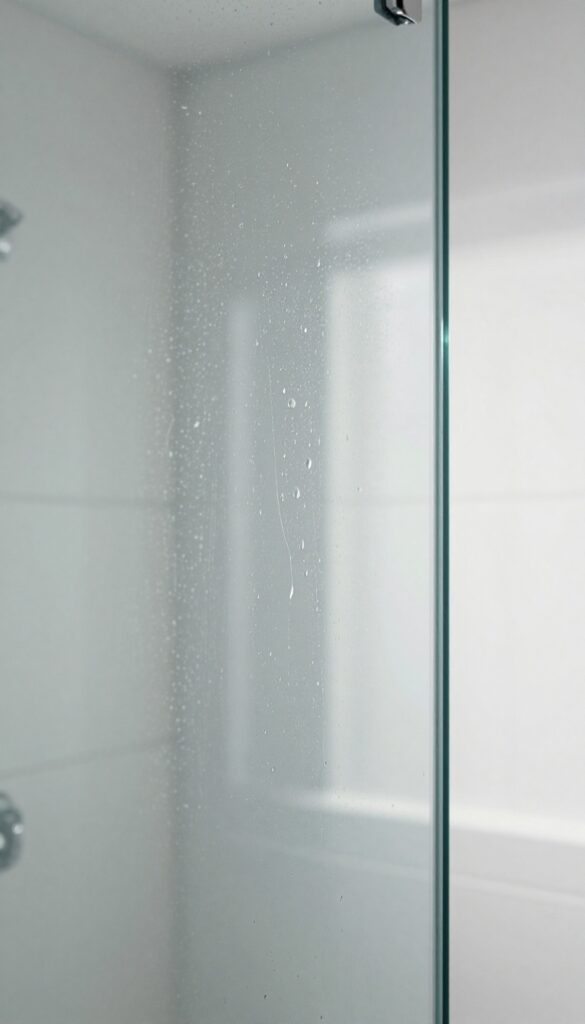
Imagine your shower door shedding water like a freshly waxed car hood. That's exactly what happens when you apply a hydrophobic treatment. Rain-X, typically used on windshields, or a simple automotive car wax creates a slick barrier that makes water bead up and roll away before it can dry into spots.
Start with a perfectly clean and dry glass surface. Any residual soap scum or hard water deposits will prevent the treatment from bonding. Apply a thin, even layer of Rain-X or car wax using a soft cloth, following the product's instructions.
Let it haze slightly, then buff it off with a clean microfiber cloth until the glass is crystal clear. You'll notice water beading up immediately. Over time, the hydrophobic layer will wear off, so reapply every few weeks or when you see water starting to sheet again.
Why It Works
Glass is naturally porous at a microscopic level, which allows minerals and soap residue to cling. Rain-X and car wax fill those microscopic pores and create a smooth, water-repellent surface. Water molecules can't grab hold, so they form tight beads and slide off, carrying dirt with them.
Application Tips
Work in a well-ventilated area and avoid getting the product on non-glass surfaces like metal or tile, as it can leave a residue. Use a dedicated microfiber cloth for application and a separate one for buffing. For best results, apply two thin coats, allowing the first to cure for a few minutes before adding the second.
Maintenance And Longevity
A single application can last two to four weeks depending on shower frequency and water hardness. To extend the life, avoid harsh cleaners or abrasive scrubbing on the treated area. Regular rinsing with a squeegee after each shower will also help maintain the hydrophobic effect.
11. Steam Cleaner for Deep Grime
Sometimes a simple spray and wipe isn't enough. When soap scum and hard water deposits have built up over months, you need something that cuts through the layers without elbow grease. A handheld steam cleaner delivers intense heat that loosens even the toughest grime, making it easy to wipe away.
Using a steam cleaner is straightforward. Fill the reservoir with water, let it heat up, and direct the steam at the glass. The high temperature softens soap scum and mineral deposits.
After a few seconds, wipe the area with a microfiber cloth. The residue comes off effortlessly, leaving the glass clean and streak-free. This method is chemical-free, so it's safe for you and the environment.
Aim to do a deep steam clean every two to three months to prevent buildup from becoming stubborn. For best results, work in sections and keep the steam moving to avoid overheating the glass.
Why Steam Works So Well
Steam penetrates porous deposits like hard water scale and soap scum, breaking their bond with the glass. The heat also kills mold and mildew spores that can hide in crevices. Unlike scrubbing, steam doesn't scratch the surface, preserving the glass's clarity.
Choosing The Right Steamer
A handheld steamer with a small nozzle attachment works best for shower doors. Look for one that heats up quickly and has a continuous steam button. Avoid large floor steamers—they're too bulky for vertical glass surfaces.
Safety Tips For Steam Cleaning
Always test a small hidden area first to ensure the glass can handle the heat. Keep the steamer moving to avoid thermal shock. Wear gloves to protect your hands from hot steam, and ensure the room is well-ventilated.
12. Dishwasher Rinse Aid Spray
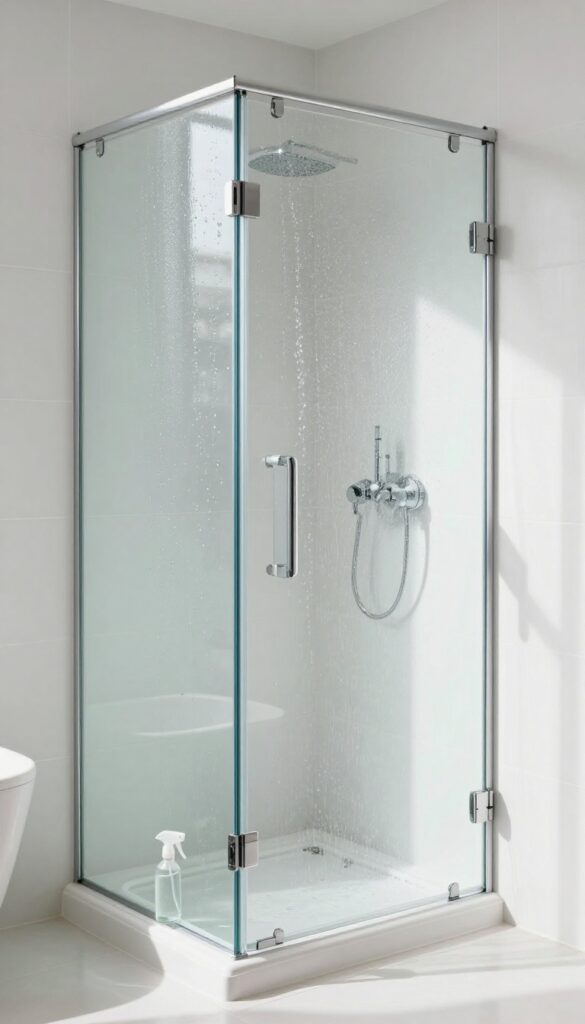
You might already have a bottle of dishwasher rinse aid under your kitchen sink. That same stuff that makes your glasses sparkle can work wonders on your shower doors. It's a clever hack that uses a product designed to prevent water spots in the dishwasher to do the same on glass.
Dishwasher rinse aid contains surfactants that break the surface tension of water, causing it to sheet off instead of beading up and drying into spots. When applied to shower doors, it creates a protective barrier that repels water and soap scum. This means less scrubbing and a longer-lasting shine between deep cleans.
How To Make The Spray
Fill a clean spray bottle with 1 cup of water and add about 1 tablespoon of dishwasher rinse aid (like Jet-Dry or a store brand). Shake gently to mix. That's it.
You don't need a lot—just enough to lightly mist the glass.
Application Tips For Best Results
After you've cleaned the shower door with your usual method, spray the rinse aid mixture onto the glass. Use a microfiber cloth or a squeegee to spread it evenly and wipe off any excess. For extra protection, let it sit for a minute before wiping.
Reapply every week or after each deep clean.
Why It Works So Well
The rinse aid lowers the water's surface tension so much that water slides off in sheets rather than forming droplets. Droplets are what leave those ugly mineral spots when they dry. By preventing droplet formation, you prevent spots.
Plus, it's cheap and you probably already have the ingredients.
13. Baby Oil for a Protective Shine
After you've scrubbed and rinsed, there's one more step that can make your glass doors look like they're brand new. A tiny amount of baby oil applied after cleaning creates a protective barrier that repels water and adds an incredible shine. It's a simple trick that pro cleaners use, but you need to know how to apply it without leaving a greasy mess.
Baby oil is mostly mineral oil, which is lightweight and non-toxic. When you buff a thin layer onto clean glass, it fills microscopic pores and creates a hydrophobic surface. Water beads up and rolls off instead of leaving spots.
The shine is immediate and lasts for days, sometimes weeks, depending on how often you shower.
How To Apply Baby Oil On Glass
Start with a perfectly clean, dry glass door. Any leftover soap scum or hard water spots will get sealed in, so make sure the surface is spotless. Put a few drops of baby oil on a soft, lint-free microfiber cloth—no more than a dime-sized amount.
Rub it onto the glass in circular motions, covering the entire surface. Then, using a clean section of the cloth, buff the glass until it's clear. You should see an instant glossy finish with no streaks.
Why It Works So Well
Mineral oil is non-polar, meaning it doesn't mix with water. When you apply it to glass, it forms a thin, invisible film that water can't cling to. This is the same principle behind commercial glass sealants, but baby oil costs pennies per application.
It also helps prevent future buildup because water slides off before minerals and soap have a chance to dry on the surface.
Tips To Avoid A Greasy Look
The key is using a very small amount. Too much baby oil will leave a hazy, greasy film that attracts dust and lint. Stick to a few drops per door.
If you accidentally overapply, use a second clean cloth to buff it out. You can also dilute the baby oil with a little water in a spray bottle, shake well, and mist it on before buffing. This makes it easier to control the amount and still get that protective shine.
14. White Vinegar Soak for Removable Parts
Hardware and removable panels often collect grime in spots you can't reach with a simple wipe. A deep soak in white vinegar dissolves mineral deposits and soap scum that have built up over time. It's a low-effort method that targets hidden buildup directly.
If your shower door has removable panels or hardware, soaking them in full-strength white vinegar for an hour can make a huge difference. The acid breaks down calcium and soap residues that routine cleaning misses. After the soak, scrub with a soft brush, rinse thoroughly, and reinstall.
You'll notice the difference in how clean and clear everything looks.
What To Soak
Focus on metal brackets, hinges, handles, and any glass panels that can be taken off easily. Plastic or rubber parts are also safe to soak, but check for any manufacturer warnings first. Avoid soaking parts with painted or coated finishes, as vinegar may damage them.
How Long To Soak
An hour is usually enough for moderate buildup. For heavy crusty deposits, leave them in vinegar for up to two hours. Don't exceed that to prevent any potential damage to seals or finishes.
If you're unsure, start with 30 minutes and check progress.
Post-soak Care
After soaking, scrub each part with an old toothbrush or a non-abrasive pad to dislodge any remaining residue. Rinse well with warm water and dry completely before reinstalling. A microfiber cloth works best to avoid water spots.
This step ensures your hardware looks as good as new.
15. Regular Maintenance with a Daily Spray
A little daily effort can save you from heavy scrubbing later. A simple spray-on solution keeps soap scum and water spots from building up in the first place. You can mix it in minutes and use it every time you shower.
This maintenance spray is your first line of defense. Combine 1 cup water, 1 cup white vinegar, and 1 tablespoon dish soap in a spray bottle. Shake gently to mix.
After your shower, spray the solution all over the glass and let it drip off. No wiping needed. The vinegar cuts through minerals, the soap breaks down oils, and the water dilutes everything so it rinses clean.
Over time, this habit prevents stubborn deposits from forming and keeps your doors looking clear with almost zero effort.
Why It Works
Vinegar is acidic and dissolves hard water minerals. Dish soap breaks down body oils and soap residue. Together, they create a solution that lifts grime before it bonds to the glass.
Letting it drip off means you don't spread residues around with a towel.
How To Make It Last
Store the spray bottle in your shower caddy or hang it on a hook. Use it after every shower for best results. If you notice streaks after a few days, wipe the glass with a microfiber cloth once a week to remove any buildup.
When To Refresh The Mix
The solution stays effective for about two weeks. After that, the vinegar loses potency. Make a fresh batch every couple of weeks to keep it working.
Label the bottle with the date so you remember.
FAQ
What is the best homemade cleaner for glass shower doors?
A mixture of equal parts white vinegar and warm water with a few drops of dish soap is highly effective. It cuts soap scum and hard water stains without harsh chemicals.
How do I prevent water spots on shower doors?
Using a squeegee after every shower is the most effective prevention. Applying a water repellent like Rain-X also helps by causing water to bead and roll off.
Can I use Windex on shower doors?
Yes, but it's best for light cleaning. For heavy soap scum or hard water stains, a stronger cleaner like vinegar or a dedicated glass cleaner works better.
How often should I clean glass shower doors?
For best results, do a quick wipe or squeegee daily, and a deep clean with vinegar or baking soda every 1-2 weeks. This prevents buildup and keeps doors streak-free.
Will baking soda scratch glass shower doors?
Baking soda is mildly abrasive but safe for glass when used as a paste. Avoid scrubbing too hard, and always rinse thoroughly to prevent residue.
Conclusion
Streak-free shower doors aren't just for magazine photos—they're totally achievable with the right habits and a few simple ingredients. Whether you choose a daily squeegee or a weekly vinegar soak, consistency is key. Pick one or two ideas from this list and start today.
You'll notice the difference immediately, and soon that crystal-clear shine will be your new normal. Your bathroom will feel fresher, and you'll wonder why you didn't try these sooner.