You don't need to spend your whole weekend scrubbing to have a clean home. A smart cleaning schedule spreads the work out so nothing piles up. The trick is matching your routine to your actual energy and time.
Most cleaning advice assumes you have hours to spare every day. But real life means some days you can only do ten minutes. That's okay.
These 17 ideas are built for real people on real budgets. No fancy products or unrealistic expectations. Just simple shifts that keep your space tidy and your stress low.
1. The 10-Minute Morning Tidy

Mornings are chaotic enough without adding a deep clean to the list. But a tiny investment of ten minutes can set the tone for the whole day. The goal isn't perfection—it's preventing the mess from snowballing while you're busy with everything else.
The 10-Minute Morning Tidy is about building a micro-habit that pays off fast. You hit the high-traffic zones—bedroom, kitchen, living room—and do just enough to reset the space. No scrubbing, no organizing drawers.
Just a quick sweep that makes your home feel ready for whatever comes next.
Start With Your Bed
Making your bed is the two-minute win that triggers momentum. It instantly makes the bedroom look neater and gives you a small sense of accomplishment. Plus, a smoothed-out duvet means you won't be tempted to crawl back in.
Clear The Kitchen Counters
Put away the coffee mug, wipe down the drip from the pot, and toss any mail that landed overnight. Three minutes here prevents sticky spills from hardening and keeps the kitchen from becoming a catch-all.
Do A Living Room Sweep
Grab a basket or your arms and collect anything that doesn't belong: shoes, blankets, remote controls. Return each item to its home. This five-minute pass makes the main living area look tidy without actually cleaning.
Set A Timer And Stop
When the alarm goes off, walk away. The whole point is to keep it short and sustainable. If you have extra energy, great—but don't let this turn into a 30-minute project.
Consistency beats intensity.
2. The Evening Reset Routine
A tidy morning starts the night before. Instead of waking up to yesterday's mess, spend just five minutes each evening doing a quick reset. This small habit prevents clutter from accumulating and helps you start each day with a clear head and a clean space.
What To Tackle
Focus on the areas you use most: the living room and kitchen. Load the dishwasher or wash a few dishes by hand. Fold any blankets or throw pillows on the couch.
Clear the coffee table of cups, remotes, and mail. Wipe down the countertops if needed. That's it—no deep cleaning, just surface-level tidying.
Why It Works
The evening reset works because it's short and specific. Five minutes feels doable even on tired nights. And waking up to a clean room sets a positive tone for the whole day.
You'll feel less overwhelmed and more in control, which makes it easier to stick with the habit.
Make It Stick
Set a timer on your phone for five minutes and put on a song you like. Do the reset at the same time each night, right before you brush your teeth or head to bed. After a week, it'll feel automatic.
You can even involve your family by making it a quick team effort.
3. The One-Room Deep Clean Per Week

Deep cleaning the entire house in a single day is exhausting and often unrealistic. Instead, pick one room each week and give it your full attention. Over time, every space gets a turn without burning you out.
This approach turns a daunting task into a manageable weekly habit. By rotating through rooms, you maintain a consistently clean home without sacrificing your weekends.
How To Set Up Your Rotation
List all the rooms in your home that need periodic deep cleaning. Assign one room to each week, skipping weeks as needed for smaller homes. For example, week one might be the kitchen, week two the living room, and so on.
What A Weekly Deep Clean Looks Like
Focus on tasks you don't do daily: wiping baseboards, cleaning windows inside, vacuuming under furniture, and organizing drawers. Spend 30–60 minutes on that one room, then call it done.
Staying Consistent Without Overwhelm
Use a simple calendar or checklist to track which room is due. If you miss a week, just pick up where you left off. The goal is progress, not perfection.
4. The 15-Minute Power Hour
Some days you have zero cleaning motivation. That's when the 15-minute power hour saves you. You set a timer for 15 minutes and clean as fast as you can.
Pick one task like dusting the living room or wiping down bathroom mirrors. You'll be shocked how much you can do in a short burst.
The 15-minute power hour is all about urgency. When you know you only have a quarter of an hour, you move faster and focus better. It's perfect for days when you're short on time or energy.
You can even do two or three of these sprints throughout the day to cover more ground.
Pick One Task Per Sprint
Don't try to clean the whole kitchen in 15 minutes. Choose one specific job: wipe down all counters, sweep the floor, or organize one drawer. Finishing a single task gives you a sense of accomplishment and keeps you from feeling scattered.
Use A Timer, Not Your Phone
A physical timer or a dedicated app works best. Your phone has too many distractions. Set it, start cleaning, and stop when it goes off.
No cheating. You can always do another sprint later if you want.
Make It A Game
Challenge yourself to beat your own record. Can you dust the living room in 12 minutes next time? Turn on an upbeat song and race the clock.
It turns cleaning into a fun challenge instead of a chore.
5. The Laundry Day Split
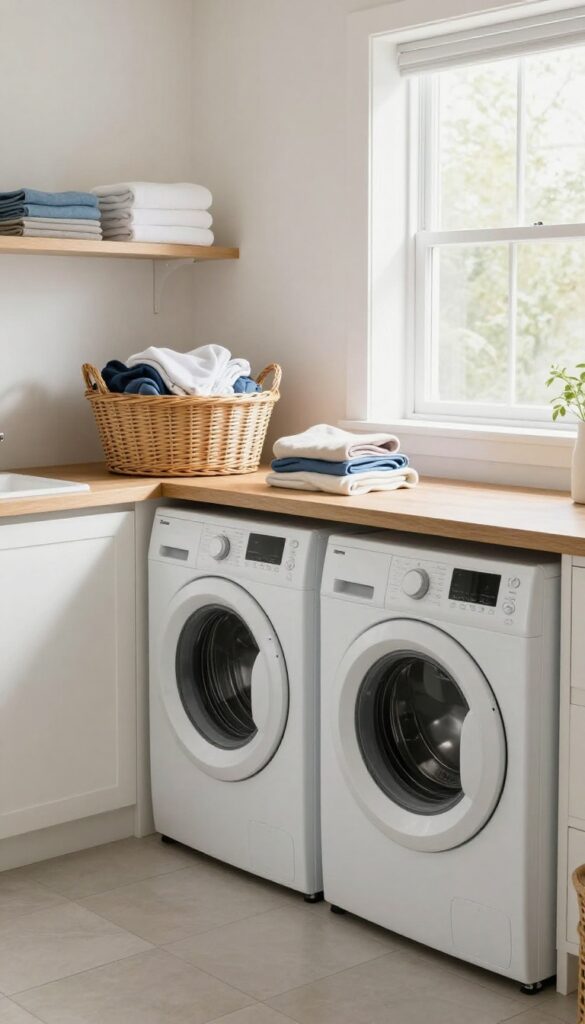
Laundry has a way of multiplying when you least expect it. One load turns into three, and suddenly you have a mountain of clean clothes sitting in baskets waiting to be folded. The Laundry Day Split fixes this by breaking the process into two manageable days.
Instead of trying to wash, dry, fold, and put away everything in one marathon session, you separate the tasks. Day one is for washing and drying. Day two is for folding and putting away.
This simple shift stops the pile-up and makes laundry feel less overwhelming.
Why It Works
The biggest laundry bottleneck is folding and putting away. By splitting the work, you avoid the temptation to let clean clothes sit in the basket. You also spread the effort across two days, so neither day feels like a chore marathon.
How To Set It Up
Pick two days that work for your schedule. For example, wash and dry on Wednesday evening, then fold and put away on Thursday morning. Or do the washing on Saturday and the folding on Sunday.
The key is consistency.
Tips For Success
Set a timer for the folding session so it doesn't drag on. Fold clothes straight from the dryer or basket while they are still warm to reduce wrinkles. And if you have a family, assign each person their own basket to make sorting easier.
6. The Kitchen Nightly Wipe Down
The kitchen is the heart of the home, but it can also be the messiest room by the end of the day. A nightly wipe down is a simple habit that prevents grime from building up and keeps your kitchen looking fresh with minimal effort. Just five minutes after dinner can save you from a weekend scrubbing session.
After dinner, spend five minutes wiping counters, the stovetop, and the sink. Doing this nightly keeps grime from building up and makes your morning coffee routine more pleasant.
Why It Works
Grease and food residue harden overnight, making them harder to remove later. A quick wipe while surfaces are still warm lifts grime easily. You also avoid attracting pests and odors.
What To Wipe
Focus on high-touch areas: countertops, stovetop, sink, and handles. Use a microfiber cloth and an all-purpose cleaner or a vinegar-water solution. Don't forget the backsplash if it's splattered.
Make It A Ritual
Pair the wipe down with another nightly task, like loading the dishwasher or brewing coffee for the next morning. The habit sticks when it's part of a routine. Set a timer if needed.
7. The Bathroom Quick Clean Between Deep Cleans
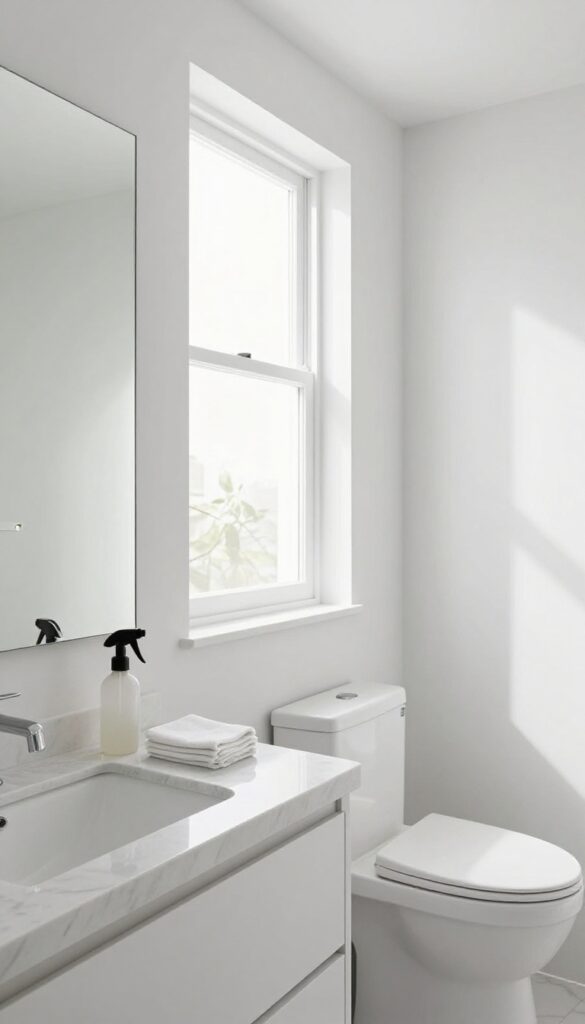
Bathrooms get grimy fast, but a full scrub every few days is overkill. The trick is to do a tiny reset after each use and one weekly touch-up. This keeps the space fresh without turning cleaning into a second job.
Keep a spray bottle and microfiber cloth in the bathroom. After your shower, quickly wipe down the mirror and counter. Once a week, spray the toilet and wipe it down.
This keeps the bathroom fresh with minimal effort.
The Post-shower Wipe Down
Hang a small microfiber cloth near the mirror. After you shower, give the mirror and counter a quick wipe. This prevents water spots and toothpaste splatters from hardening.
Takes 30 seconds.
Weekly Toilet Refresh
Pick one day, say Sunday evening, to spray the toilet inside and out with a daily cleaner. Let it sit for a minute, then wipe with a dedicated cloth. This prevents stains and odors from building up.
Stock The Essentials
Store a spray bottle of daily cleaner, a roll of paper towels or extra cloths, and a small squeegee right in the bathroom. When everything is within arm's reach, you're more likely to use it.
8. The Weekend Reset Block
The weekend is your secret weapon for a low-stress week. Instead of letting Saturday and Sunday slip away, claim one hour for a home reset. This isn't about deep cleaning—it's about hitting the reset button so Monday morning feels fresh.
Pick a consistent time—Saturday morning or Sunday afternoon works best. Set a timer for 60 minutes and move through your home with purpose. Start with high-traffic areas like the living room and kitchen, then tackle bedrooms.
The goal is to reset, not to perfect.
Vacuum High-traffic Zones
Focus on the spots that see the most action: entryways, hallways, and the main living area. A quick pass with the vacuum picks up crumbs, dust, and pet hair that accumulated during the week. It instantly makes the whole house feel cleaner.
Change Bed Sheets
Fresh sheets are a small luxury that pays off all week. Strip the beds, toss the linens in the wash, and remake them with clean sets. Climbing into a made bed on Sunday night is one of the simplest pleasures.
Quick Surface Declutter
Grab a basket and do a lap around the house. Collect anything that doesn't belong—mail, random toys, coffee mugs—and return it to its proper home. Wipe down counters and tables with a microfiber cloth.
This ten-minute sweep resets the visual calm of your space.
9. The Declutter Before You Clean Rule

Ever tried to dust a shelf covered in knick-knacks? Or vacuum a floor littered with shoes and toys? It's frustrating and wastes time.
The Declutter Before You Clean Rule is simple: before any cleaning session, spend just two minutes putting things back where they belong. This tiny step transforms your cleaning from a battle against clutter into a smooth, efficient process.
Cleaning around piles of clutter is like trying to mow a lawn full of furniture. You have to move things, clean awkwardly, and often miss spots. By clearing surfaces first, you expose the actual dirt and grime, making your cleaning efforts far more effective.
Plus, a decluttered space instantly feels tidier, giving you a motivational boost before you even pick up a sponge.
The Two-minute Rule Works
Set a timer for two minutes. Grab a basket or laundry bin and quickly toss in anything that doesn't belong in the room. Don't worry about organizing—just collect.
Pens, mail, stray socks, empty water bottles. Once the timer dings, you're done. Now your cleaning tools can actually reach the surfaces.
Why It Makes Cleaning Faster
When you declutter first, you eliminate the need to work around obstacles. You can wipe a whole counter in one smooth motion instead of lifting each item. Vacuuming becomes a straight path instead of a zigzag.
This rule can cut your cleaning time by up to 30%, leaving you more time for other things.
Build It Into Your Routine
Make decluttering the automatic first step of any cleaning task. Before you wipe down the bathroom sink, put away the toothbrush and soap dispenser. Before you mop the kitchen floor, clear the dog bowls and trash can.
Eventually, it becomes a habit that makes every cleaning session feel easier and more productive.
10. The Zone Cleaning Method
Instead of trying to tackle every room at once, the Zone Cleaning Method divides your home into specific areas and gives each one its own day. This approach stops you from feeling scattered or overwhelmed because you know exactly what to focus on. By the end of the week, every zone has been touched without a single marathon cleaning session.
How To Set Up Your Zones
Start by listing the main areas of your home: kitchen, living room, bedrooms, bathrooms, and maybe a home office or entryway. Assign each zone to a weekday, leaving one or two days free for catch-up or deeper tasks. For example, Monday could be kitchen day, Tuesday living room, Wednesday bathrooms, Thursday bedrooms, and Friday the remaining space.
Keep the zones broad enough that each day feels manageable but specific enough that you know what to do.
What To Do On Each Zone Day
On a zone day, you only clean that area. That means dusting, vacuuming, wiping surfaces, organizing clutter, and any other tasks that belong there. If you finish early, you're done.
If you only have ten minutes, focus on the one thing that makes the biggest difference—like wiping counters in the kitchen or making the bed in a bedroom. The rule is: no jumping to another zone until tomorrow.
Why This Works When Other Plans Fail
Most cleaning schedules fail because they're too vague or too ambitious. The Zone Method works because it gives you a clear, daily target and removes the pressure to do everything at once. It also builds momentum—once you see how clean one zone can get, you'll look forward to the next.
Plus, it naturally prevents the worst messes from accumulating because every area gets attention at least once a week.
11. The 5-Minute Pickup Before Guests

Nothing kills a relaxed hosting vibe like scrambling to hide clutter when the doorbell rings. The 5-Minute Pickup turns panic into a quick, almost fun game. You set a timer, move fast, and suddenly your space looks guest-ready without any deep cleaning.
This trick works because it focuses on visual clutter only. You're not scrubbing baseboards or organizing drawers. You're just making the room look tidy in a flash.
The key is having a designated basket or bin to toss stray items into. Once guests leave, you can put everything back in its proper place.
What To Tackle In 5 Minutes
Start with the most visible areas: the living room, entryway, and bathroom. Fluff pillows, fold blankets, and stash shoes in a closet. Wipe down counters with a dry cloth to remove dust and fingerprints.
The goal is to create the illusion of order, not perfection.
The Clutter Basket Strategy
Keep a decorative basket or bin in a closet or under a table. When guests are coming, quickly sweep all loose items—magazines, remote controls, kids' toys—into the basket. Hide it in a bedroom or closet.
After guests leave, you can sort through it at your leisure.
Make It A Habit
Practice the 5-Minute Pickup even when no one is coming over. It trains your eye to spot clutter and builds speed. Over time, you'll naturally keep surfaces clearer, making pre-guest cleanups even faster.
12. The Weekly Floor Care Routine
Floors take a beating, but you don't need to scrub them daily. A simple weekly routine keeps them looking good without eating up your time. The key is matching your effort to how much traffic each area gets.
High-traffic Zones: Twice A Week
Focus on entryways, kitchen, and hallways. Vacuum or sweep these areas twice a week to catch dirt before it gets ground in. A quick pass with a cordless stick vacuum takes just a few minutes.
Low-traffic Areas: Every Other Week
Bedrooms, guest rooms, and formal living spaces don't need as much attention. Once every two weeks is plenty. This frees up time for the spots that really need it.
Mopping: Once A Week Is Enough
Save mopping for your weekly deep clean. Use a microfiber mop and a gentle cleaner. No need to scrub on your hands and knees—just a quick pass over hard floors keeps them fresh.
13. The Monthly Deep Dive
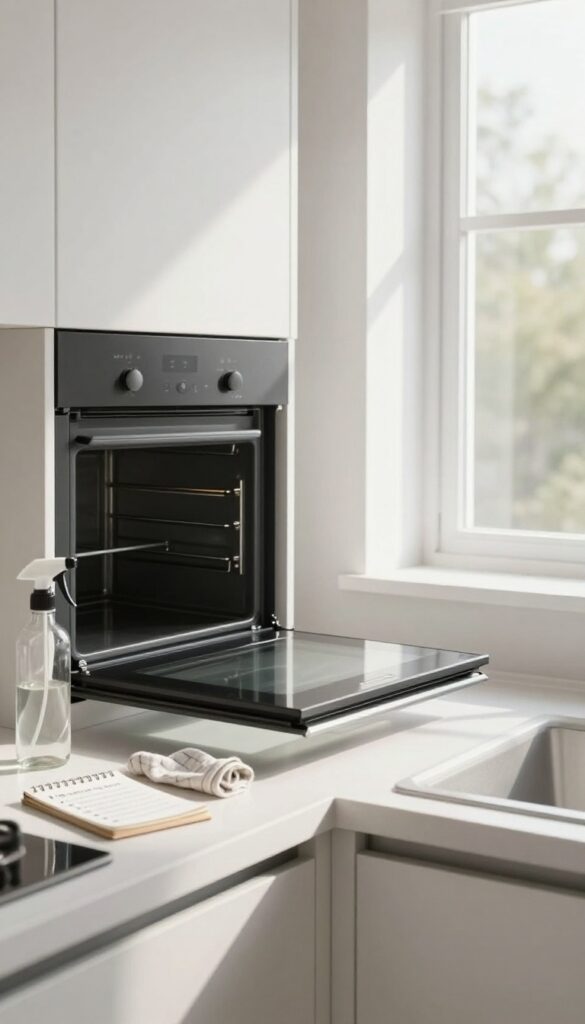
No matter how consistent your weekly routine is, some tasks always slip through the cracks. That's where a monthly deep dive comes in. Once a month, you pick one job you rarely do—like cleaning the oven, washing windows, or organizing a closet—and give it your full attention.
Over the course of a year, your home gets a thorough reset without overwhelming any single weekend.
The beauty of this approach is that it turns dreaded chores into manageable, one-off projects. You're not trying to deep clean everything at once. Instead, you rotate through a list of neglected tasks so that each one gets done eventually.
To make it easy, keep a running list of deep-dive tasks on your phone or fridge, and at the start of each month, pick the one that feels most urgent or that you've been avoiding the longest.
How To Choose Your Monthly Task
Start by listing every deep-cleaning job you can think of: scrubbing grout, washing curtains, cleaning under the fridge, dusting ceiling fans, wiping down baseboards, and so on. Then assign each one to a month based on season or need. For example, wash windows in spring, clean the oven before holiday cooking, and organize the coat closet before winter.
This way, your deep dives align with your home's natural rhythms.
Keep It Simple And Rewarding
A monthly deep dive doesn't have to take all day. Set a timer for 60 to 90 minutes and focus only on that one task. When the time's up, stop—even if you're not completely finished.
You can always pick it up next month. To make it more enjoyable, put on a podcast or music, and treat yourself to something nice afterward, like a coffee or a relaxing bath.
Track Your Progress
Use a simple checklist or a notes app to track which tasks you've done each month. Seeing your progress over time is surprisingly motivating. You'll also avoid accidentally repeating the same deep dive while neglecting others.
If you miss a month, no big deal—just pick a new task the next month. The goal is consistency, not perfection.
14. The Shared Chore Chart
Living with roommates or family means cleaning is a team sport. Without a system, resentment builds fast. A shared chore chart makes expectations clear and keeps things fair.
A chore chart isn't just for kids. It's a practical tool that shows who does what and when. Keep it visible—on the fridge or a communal board—so everyone sees their tasks.
Rotate duties weekly or monthly so no one gets stuck with the worst jobs forever. This transparency cuts down on nagging and arguments. When each person knows their role, the whole home stays cleaner with less stress.
Designing Your Chart
Start with a simple grid. List days of the week across the top and household members down the side. Assign tasks like vacuuming, bathroom scrubbing, or taking out trash.
Use a whiteboard or a digital app like Trello or Google Sheets for easy updates. Keep it flexible—life happens, and swapping tasks should be simple.
Making Rotation Work
Nobody loves scrubbing toilets every week. Rotate high-effort chores so everyone shares the load. For example, one person handles the bathroom for a week, then switches to kitchen duty the next.
This keeps things fresh and prevents burnout. Pair a disliked task with a preferred one to make trades easier.
Accountability Without Drama
The chart is a neutral reference point. When a task is missed, point to the chart, not the person. Set a simple consequence, like the person who skips a chore covers the next round of groceries or does an extra task.
Keep it light and fair—the goal is teamwork, not punishment.
15. The Seasonal Declutter

Clutter has a way of creeping back in, but a seasonal reset keeps it in check. Instead of letting stuff pile up all year, pick one category each season—clothes in spring, books in summer, kitchen gadgets in fall, and so on. Go through that category and donate or toss anything you haven't used since the same season last year.
It's a small time investment that stops clutter from snowballing.
This approach makes decluttering manageable by breaking it into quarterly chunks. You're not overhauling your entire home at once—just one focused area. Over a year, you'll have touched every major category without the overwhelm.
Plus, it naturally aligns with wardrobe swaps, holiday prep, and other seasonal rhythms.
Pick A Category That Makes Sense For The Season
Spring is perfect for clothes because you're already swapping out winter gear. Summer might be ideal for books and media, when you're more likely to read outdoors. Fall works well for kitchen gadgets as you start cooking heartier meals.
Winter, especially after the holidays, is great for toys, decor, or linens. Match the category to what you're already doing that season.
Set A Timer And Stick To One Box Or Shelf
You don't need to do your whole closet in one go. Commit to 30 minutes or one storage bin. Pull everything out, sort into keep, donate, and toss piles.
Be honest—if you haven't worn that sweater in two winters, you probably won't. The goal is progress, not perfection.
Create A Donation Habit That Sticks
Keep a designated bag or box in your closet or garage year-round. When it fills up, drop it off. This makes the seasonal declutter even easier because you're already in the habit of letting go.
Many charities pick up, so schedule a pickup right after your seasonal sort.
16. The Night Before Prep
Mornings set the tone for the whole day. When you're rushing to find keys, make coffee, and pack lunch, messes happen fast. A two-minute evening routine can flip that script entirely.
Spending just 120 seconds before bed to prep for tomorrow morning pays off in calm, clean starts. Lay out your clothes, set up the coffee maker, and pack lunches. You'll wake up to a kitchen that's already tidy and a closet that's ready to go.
That small effort prevents frantic clutter and sets a peaceful tone.
What To Prep
Focus on the three things that slow you down most: breakfast, clothes, and bags. Fill the coffee maker, grab a mug, and set out non-perishable breakfast items. Pick your outfit (including socks and shoes) and place it where you can see it.
Pack work bags, gym bags, or school bags by the door.
The Two-minute Rule
Set a timer for two minutes and do a quick tidy of the main living area. Put pillows back, fold blankets, and clear the coffee table. This makes your morning space feel fresh without a deep clean.
Make It A Habit
Tie your night-before prep to an existing habit like brushing your teeth or charging your phone. Keep prep supplies visible—lunch containers on the counter, outfit hooks on the closet door. Consistency turns it into autopilot.
17. The Grace Rule

Some weeks you won't stick to your schedule. That's fine. The goal is progress, not perfection.
Give yourself grace, reset, and start fresh the next day. A clean home should support you, not stress you out.
The Grace Rule is your permission slip to let go of guilt when life gets in the way. Instead of abandoning your cleaning routine entirely after a missed day, you simply acknowledge it, take a breath, and pick up where you left off. This mindset shift prevents the spiral of feeling like a failure and then doing nothing for days.
It's not about lowering your standards—it's about being realistic. A single missed day doesn't erase the progress you've made. The next morning, you can tackle the most urgent task for just five minutes.
That small win rebuilds momentum. Over time, you'll find that consistency matters more than perfection. Your home will stay tidy enough without the emotional baggage.
Why Perfection Backfires
When you demand perfection from yourself, any slip-up feels like a total failure. That all-or-nothing thinking often leads to abandoning the schedule altogether. The Grace Rule replaces that with a simple reset: you do what you can, when you can, and you move on.
How To Reset Without Guilt
Start the next day with one small task—wipe the kitchen counter, fold a single load of laundry, or sweep the entryway. That tiny action signals to your brain that you're back in control. No self-criticism needed.
Just action.
When To Let Things Slide
If you're sick, exhausted, or having a genuinely rough day, skip the cleaning entirely. Your health and peace of mind come first. The Grace Rule means you trust yourself to return to the routine when you're ready, without penalty.
FAQ
How do I create a cleaning schedule that I can actually stick to?
Start small. Pick one or two habits from this list and practice them for a week. Add more only when those feel automatic.
The key is matching tasks to your energy levels and daily routine.
What's the best way to clean when I have very little time?
Focus on high-impact areas: the kitchen counter, bathroom sink, and living room floor. A 10-minute tidy in these spots makes the whole home feel cleaner. Use a timer to stay on track.
How often should I deep clean each room?
Aim for one deep clean per room every month. Rotate through rooms so you're not doing everything at once. For example, deep clean the kitchen one week and the bathroom the next.
Should I clean every day or just on weekends?
A mix works best. Do small daily tasks (like making the bed and wiping counters) and save bigger jobs for weekends. This prevents weekend overwhelm and keeps your home consistently tidy.
What if I live with messy roommates or family?
Create a shared chore chart and have a calm conversation about expectations. Assign specific tasks to each person and rotate. Remember, you can only control your own space, so focus on your areas if others don't cooperate.
Conclusion
A tidy home doesn't require a perfect system, just one that works for you. Start with just one or two of these schedule ideas that feel doable this week. As those become habits, layer in more.
The goal isn't a spotless house every day, it's a low-stress routine that keeps mess from piling up. Consistency beats intensity every time. Pick your starting point, stick with it, and let the rest follow naturally.