White socks don't have to stay gray or dingy after a few wears. With the right brightening techniques, you can restore that crisp, fresh look using common household items—no harsh chemicals required.
These 10 methods target everything from set-in stains to overall dullness, giving your socks a second life. From baking soda soaks to sun bleaching, each technique is practical and easy to fit into your laundry routine.
Pick the ones that match your toughest stains and watch your whites come back to life.
1. The Classic Baking Soda and Vinegar Soak
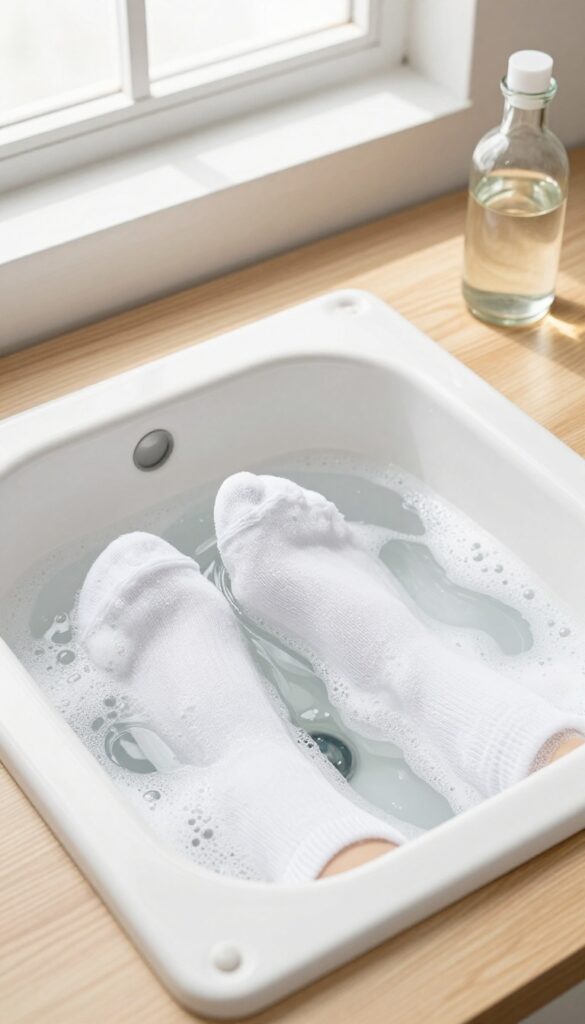
Baking soda and white vinegar are a powerhouse duo for whitening socks. The fizzy reaction helps lift dirt and odors from the fabric, making it a go-to method for dingy or smelly socks. This soak works best for general brightness, not set-in stains.
Start by filling a basin or sink with hot water. Add half a cup of baking soda and stir until dissolved. Then pour in one cup of white vinegar—expect lots of bubbles!
Submerge your socks and let them soak for at least an hour, or overnight for extra-dingy pairs. After soaking, wash as usual with your regular detergent. The combination neutralizes odors and breaks down residue that makes whites look gray.
Why This Combo Works
Baking soda is a mild alkali that helps dissolve dirt and grease. Vinegar is acidic and cuts through detergent buildup and mineral deposits from hard water. Together, they create a chemical reaction that lifts grime from fibers.
When To Use This Method
This soak is ideal for socks that have lost their brightness due to general wear, not specific stains like grass or blood. It's also great for removing lingering odors from sweat or mildew.
Tips For Best Results
Use hot water to activate the fizzing reaction. Don't mix baking soda and vinegar directly in the bottle—always add them to water separately. For extra whitening power, add a squeeze of lemon juice to the soak.
2. Lemon Juice Sun Bleaching
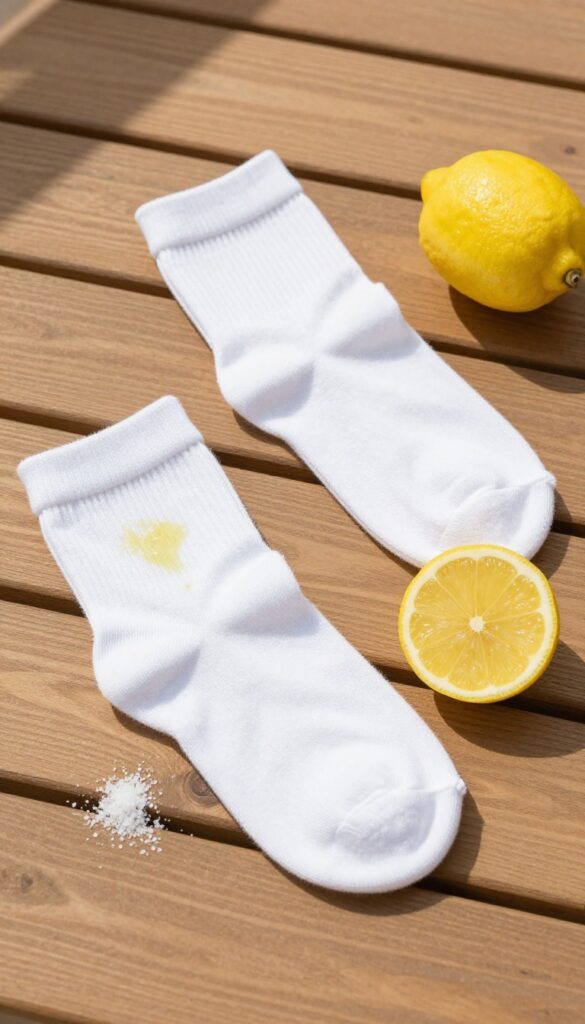
Sunlight is one of nature’s best whitening agents, and when you pair it with lemon juice, you get a stain-fighting combo that’s hard to beat. The citric acid in lemons breaks down organic stains while UV rays from the sun lift discoloration—all without the harsh smell of chlorine. This method works especially well for sweat stains, grass marks, and general yellowing.
Start by squeezing fresh lemon juice directly onto the stained areas of your damp socks. Rub it in gently with your fingers or a soft brush so the juice penetrates the fabric. Then lay the socks flat on a clean towel or hang them in direct sunlight for several hours.
The sun will activate the lemon juice, and you’ll see the stains fade as the socks dry. For extra stubborn spots, sprinkle a little salt on the lemon juice before sunning—the salt acts as a mild abrasive and boosts the bleaching effect. Just rinse the socks with cool water after they’re dry, then wash as usual.
Why This Works
Lemon juice contains citric acid, a natural bleaching agent that breaks down stain molecules. Sunlight emits UV rays that further oxidize and whiten the fabric. Together, they create a chemical reaction that lifts stains without damaging fibers like chlorine bleach can.
Best Stains For This Method
This technique is ideal for organic stains like sweat, grass, mud, and food spills. It’s less effective on oil-based stains or set-in dye marks. For best results, treat stains while they’re fresh and damp.
Tips For Maximum Brightening
Use fresh lemon juice rather than bottled, as bottled juice often has preservatives that reduce potency. Turn socks inside out to expose the stained side directly to sunlight. On cloudy days, you can still get results, but it may take longer—leave them out all day.
3. Hydrogen Peroxide Pre-Treatment
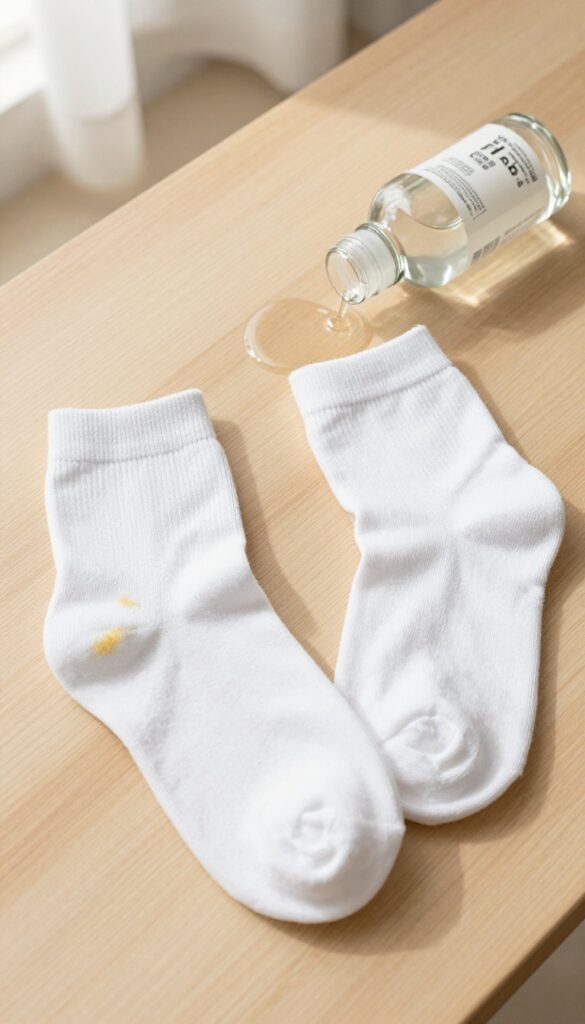
Hydrogen peroxide is a gentle yet effective bleaching agent that works wonders on yellow patches and sweat stains. Unlike harsh chlorine bleach, it's safe for most fabrics and won't damage the fibers. This pre-treatment is especially useful for those stubborn areas that regular washing can't seem to fix.
To use this method, start by soaking the stained areas of your white socks in 3% hydrogen peroxide. You can apply it directly to the stains or soak the entire sock if needed. Let it sit for about 15 minutes to allow the peroxide to break down the discoloration.
After the soak, wash the socks as usual with your regular detergent. The hydrogen peroxide will boost the cleaning power and leave your socks noticeably brighter.
Why It Works
Hydrogen peroxide is an oxidizing agent that releases oxygen when it comes into contact with organic stains. This reaction helps lift dirt and discoloration from fabric fibers without the harshness of bleach. It's particularly effective on sweat and deodorant stains, which are common on white socks.
Application Tips
For best results, use 3% hydrogen peroxide straight from the bottle. If you're treating a large area, you can dilute it with water, but for tough stains, undiluted works better. Let the socks sit for the full 15 minutes, but don't exceed 30 minutes to avoid any potential damage.
Always test on a small hidden area first if you're unsure about colorfastness.
Combining With Other Methods
Hydrogen peroxide pairs well with baking soda for a powerful stain-fighting paste. Mix a small amount of baking soda with hydrogen peroxide to form a paste, apply it to stains, and let it sit for 15 minutes before washing. This combo is great for set-in yellowing or tough ring-around-the-collar marks.
4. Aspirin Dissolving Trick
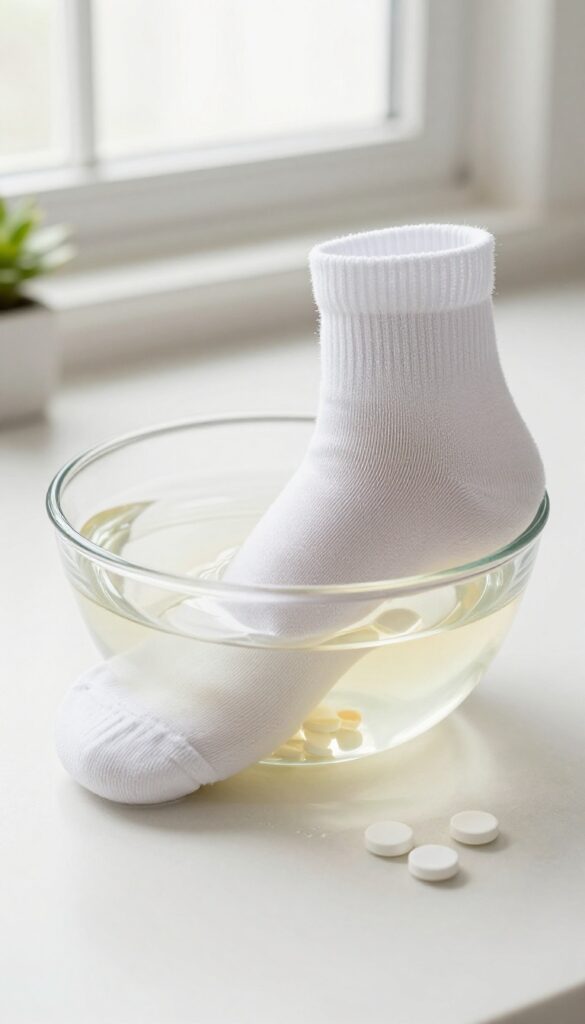
Aspirin isn't just for headaches—it's a surprisingly effective stain fighter for white socks. The acetylsalicylic acid in uncoated aspirin helps break down protein-based stains like sweat and body oils that cause yellowing. This simple trick can revive socks that have lost their brightness after repeated wear.
Crush five uncoated aspirin tablets into a fine powder and dissolve them in a bowl of warm water. Stir until the powder is fully dissolved, then submerge your white socks and let them soak for at least 30 minutes. The aspirin works by penetrating the fabric fibers and lifting stubborn protein stains.
After soaking, wash the socks as usual with your regular detergent. For best results, use this method on socks that are heavily stained from sweat or deodorant marks.
Why Uncoated Aspirin Works Best
Coated aspirin tablets are designed to resist dissolving in your stomach, which means they won't break down properly in water. Uncoated aspirin dissolves quickly and releases the active acid that targets stains. Always check the label to ensure you're using plain, uncoated aspirin for this trick.
Soaking Time And Temperature Tips
Warm water helps activate the aspirin, but avoid hot water as it can set stains further. A 30-minute soak is usually sufficient, but for extra-stubborn yellowing, you can extend the soak to an hour. Don't exceed two hours, as prolonged exposure might weaken the fabric.
Pairing With Other Brighteners
For an extra whitening boost, add a tablespoon of baking soda to the aspirin solution. The baking soda enhances the cleaning action and helps neutralize odors. After the soak, launder the socks with a scoop of oxygen-based bleach for maximum brightness.
5. Bluing Agent Rinse
Bluing might sound like an old-fashioned laundry trick, but it’s still one of the most effective ways to make white socks look brighter. A tiny amount of liquid bluing added to the final rinse counteracts the yellow tint that builds up over time. The result is a crisp, optical-white finish that’s hard to beat with regular detergent alone.
Bluing works by depositing a microscopic blue pigment onto the fabric fibers. This blue tint neutralizes the yellow tones that make white socks look dull or dingy. It’s not a bleach or a stain remover—it’s an optical brightener that tricks the eye into seeing a purer white.
The effect is subtle but instantly noticeable, especially on socks that have been washed many times. You can find liquid bluing at most grocery stores or online. It’s inexpensive and a single bottle lasts for dozens of loads.
How To Use Bluing Correctly
Always dilute bluing before adding it to the wash. Never pour it directly onto socks, as it can leave blue spots. Fill the fabric softener dispenser with water, add a few drops of bluing (check the bottle for the exact amount), and let the machine do the rest.
If your washer doesn’t have a dispenser, mix the bluing into a quart of water and add it during the rinse cycle. Start with a small amount—too much can turn socks slightly blue, especially on synthetic fabrics.
Best Practices For Best Results
Use bluing only on whites, never on colors or patterns. For heavily yellowed socks, repeat the bluing rinse every few washes until the whiteness returns. Bluing works best on cotton and cotton-blend socks; polyester and nylon may not hold the tint as evenly.
Always test on an inconspicuous area first if you’re unsure about fabric compatibility.
Combining Bluing With Other Whitening Methods
Bluing pairs well with oxygen-based bleach or a vinegar soak. For extra-stubborn yellowing, pre-treat socks with a hydrogen peroxide solution, then wash as usual and finish with a bluing rinse. This layered approach tackles both the stain and the optical dullness for a truly bright result.
6. Salt and Borax Boil
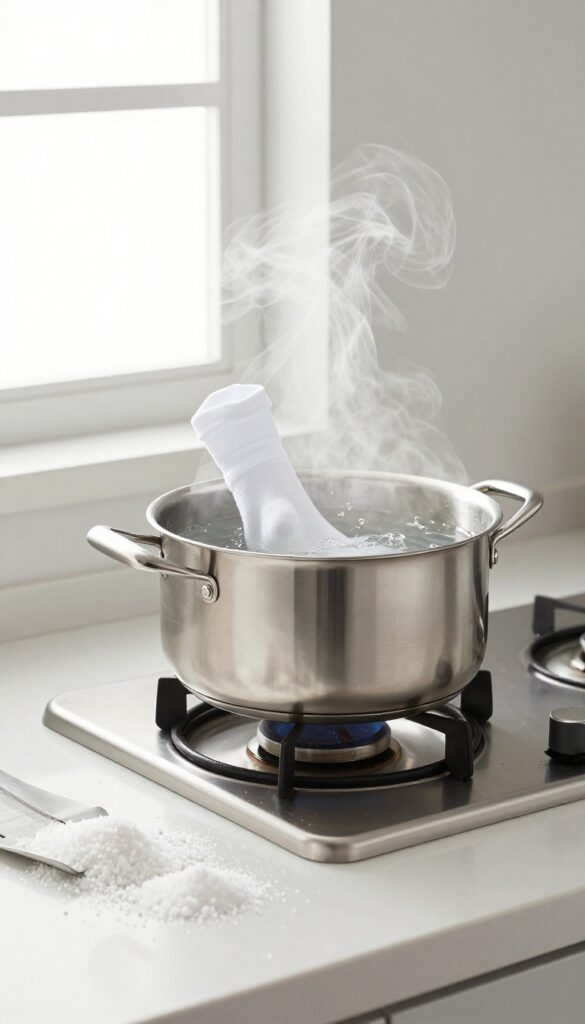
Sometimes a good soak just isn't enough, especially when your socks have been through mud, grass, or weeks of wear. That's where a salt and borax boil comes in. This old-school method uses heat and mineral power to lift deep-set grime that cold water can't touch.
Boiling socks might sound extreme, but it's surprisingly gentle on fabric when done right. The combination of salt and borax creates a mild alkaline solution that breaks down dirt and oils. Plus, the heat helps the minerals penetrate fibers, releasing stubborn stains without harsh bleach.
What You'll Need
Grab a large pot (dedicated to laundry only), water, one tablespoon of salt, and one tablespoon of borax per pair of socks. That's it. No special equipment required.
The Boiling Process
Fill the pot with enough water to fully submerge the socks. Add salt and borax, then bring to a boil. Once boiling, reduce to a simmer and drop in your socks.
Let them simmer for 15–20 minutes. Stir occasionally to ensure even treatment.
After The Boil
Carefully remove socks with tongs and rinse them under cold water. Then wash as usual in your machine with detergent. The heat and minerals will have loosened the grime, so a regular cycle is all you need to finish the job.
7. Dish Soap and Oxygen Bleach Paste
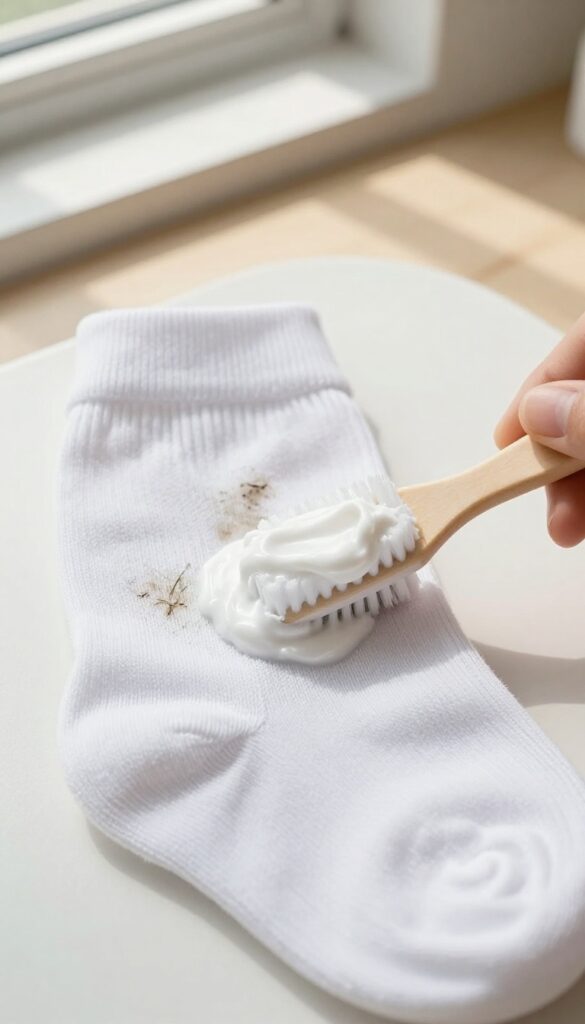
When stains are stubborn and a regular wash won't cut it, a paste made from dish soap and oxygen bleach can be a game changer. This combination tackles grease and protein-based stains while lifting dirt and brightening the fabric. It's a simple DIY solution that works on everything from grass marks to collar grime.
Why This Paste Works
Dish soap is designed to break down grease and oils, while oxygen bleach releases hydrogen peroxide to lift stains and whiten fibers. Together, they create a powerful spot treatment that's gentle enough for most white socks. The paste consistency keeps the mixture in place, allowing it to penetrate deep into the fabric.
How To Make And Apply The Paste
Mix one part dish soap with two parts oxygen bleach powder (like OxiClean) in a small bowl. Stir until it forms a thick, spreadable paste. Apply a generous layer directly to the stained areas, using an old toothbrush or your fingers to work it in gently.
Let the paste sit for 20 minutes—longer for set-in stains.
Laundering After Treatment
After the paste has done its job, toss the socks into the washing machine with your regular detergent. Wash in warm or hot water (check the sock care label first) to activate the oxygen bleach fully. For extra whitening, add a scoop of oxygen bleach to the wash cycle.
Air dry in the sun for a natural boost.
8. Cream of Tartar and Vinegar Scrub
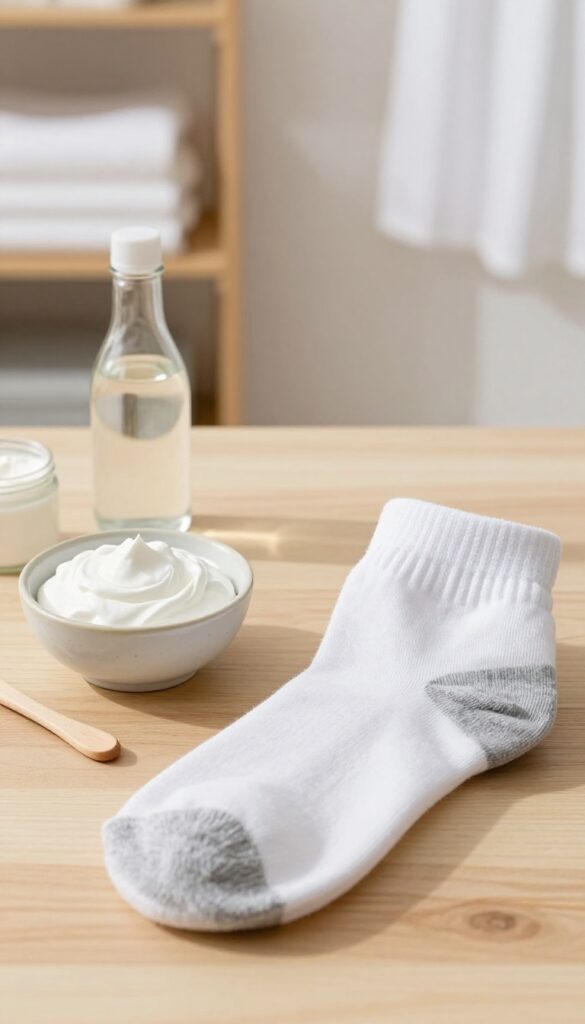
When your white socks develop stubborn gray patches that regular washing won't touch, a paste made from cream of tartar and white vinegar can be surprisingly effective. This gentle abrasive combined with the mild acid in vinegar helps break down residue and brighten fibers without bleaching or harsh chemicals.
Cream of tartar, a common baking ingredient, works as a gentle abrasive and mild acid when mixed with vinegar. Together, they form a paste that can lift embedded dirt and restore whiteness to dingy areas. This method is especially good for socks that have lost their brightness from repeated wear rather than specific stains.
How To Make The Paste
Mix two tablespoons of cream of tartar with enough white vinegar to form a thick, spreadable paste. The consistency should be like toothpaste—not too runny or too dry. If it's too thick, add a few drops of vinegar; if too thin, add more cream of tartar.
Application And Waiting Time
Dampen the gray areas of your socks slightly with water. Apply the paste generously over the discolored spots, rubbing it gently into the fabric. Let it sit for 15 minutes so the mixture can penetrate and break down the residue.
Don't let it dry completely—cover with plastic wrap if needed.
Rinsing And Washing
After 15 minutes, rinse the socks thoroughly under cool running water to remove all paste. Then wash them as usual with your regular detergent. Check the results before drying—if some grayness remains, repeat the process.
Air drying in sunlight can enhance the brightening effect.
9. Enzyme Laundry Booster Soak
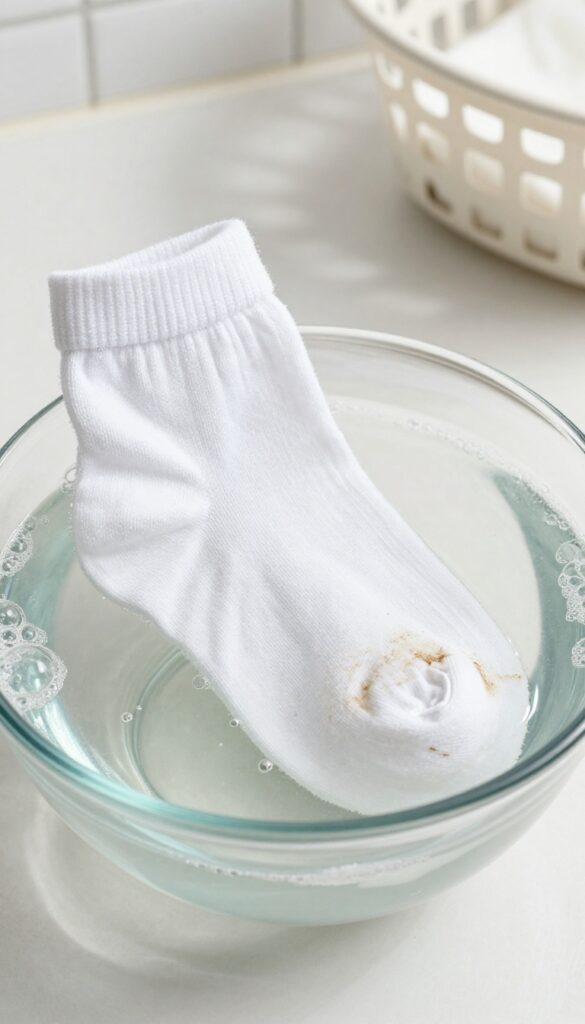
Enzymes are nature’s stain eaters. They break down protein-based stains like grass, mud, sweat, and food, making them ideal for white socks that see heavy action. An enzyme laundry booster soak is a gentle but powerful way to lift deep-set grime without bleach.
Enzyme boosters contain protease, amylase, or lipase—enzymes that target specific stain molecules. When you soak socks in warm water with an enzyme booster, the enzymes digest the organic matter, loosening it from the fabric fibers. This method works best on fresh or set-in stains, but avoid using it on wool or silk as enzymes can damage those proteins.
After soaking, wash as usual for noticeably brighter whites.
Choosing The Right Enzyme Booster
Look for products labeled as enzyme stain removers or laundry boosters. Popular options include OxiClean, Biz, or Seventh Generation’s enzyme-based formulas. Some are powders, others liquids—both work.
Check the label to ensure it contains active enzymes like protease or amylase. Avoid products with bleach if you want a gentler soak.
How To Enzyme Soak Socks
Fill a basin or sink with warm water (not hot, as high heat can deactivate enzymes). Add the recommended amount of enzyme booster and stir until dissolved. Submerge your white socks completely and let them soak for at least 30 minutes, or up to 6 hours for stubborn stains.
Agitate occasionally to help the enzymes reach all areas.
When To Skip This Method
Enzyme soaks are not ideal for synthetic blends that don't hold organic stains well, or for socks with non-organic stains like ink or oil. Also, if your socks have metallic threads or delicate trims, test a small area first. For most cotton or cotton-blend white socks, this soak is safe and effective.
10. Regular Maintenance with Distilled White Vinegar
You don't have to wait until your white socks are already yellow to take action. A little regular maintenance goes a long way in keeping them bright. Distilled white vinegar is a simple, natural ingredient that helps prevent the buildup of detergent residue and minerals that cause dinginess over time.
Adding it to your wash cycle every few washes is an easy habit that protects your socks from gradual discoloration.
Distilled white vinegar works by breaking down alkaline residues left behind by laundry detergent and fabric softener. These residues can trap dirt and cause whites to turn gray or yellow. The mild acetic acid in vinegar also helps soften fabric and neutralize odors, leaving socks feeling fresh without any lingering vinegar smell.
For best results, use half a cup of distilled white vinegar per load. You can pour it directly into the fabric softener dispenser or add it during the rinse cycle. Avoid using vinegar with bleach, as the combination can produce harmful fumes.
Stick to this routine every three to four washes to keep your socks looking their best.
Why Vinegar Prevents Yellowing
Yellowing in white socks often comes from a combination of sweat, body oils, and detergent buildup. The vinegar helps dissolve these residues, especially in hard water areas where mineral deposits can cling to fabric fibers. By keeping the fibers clean and residue-free, vinegar maintains the original white brightness much longer.
How To Use Vinegar In Your Routine
Simply add half a cup of distilled white vinegar to the rinse cycle. If your washing machine has a fabric softener compartment, that works perfectly. For top-loaders without a dispenser, pause the machine after the first rinse and pour the vinegar in.
Then let the cycle finish as usual. There's no need to worry about a vinegar smell—it rinses out completely during the final spin.
When To Skip The Vinegar
Avoid using vinegar if you're also using chlorine bleach in the same load, as the combination can release toxic chlorine gas. Also, vinegar is not a stain remover for set-in stains; it's a preventive maintenance tool. For existing yellowing, combine vinegar with a soak in oxygen bleach before washing.
FAQ
Can I use bleach on all white socks?
Chlorine bleach can damage elastic fibers and cause yellowing over time. It's safer to use oxygen bleach or natural alternatives like lemon juice and vinegar.
How often should I brighten my white socks?
Brighten them every 3-5 washes or whenever they start looking dull. Regular maintenance with vinegar in the rinse cycle helps keep them white longer.
Will hot water shrink my socks?
Hot water can shrink cotton and wool socks. Check the care label; for most cotton socks, warm water is safe, but avoid boiling unless the fabric is durable.
Can I combine multiple brightening methods?
Yes, but avoid mixing chlorine bleach with vinegar or ammonia, as that creates toxic fumes. Stick to combining natural methods like baking soda and lemon juice.
What if my socks have set-in stains?
For set-in stains, pre-treat with hydrogen peroxide or an enzyme booster, then soak overnight in warm water with oxygen bleach before washing.
Conclusion
Bringing white socks back to life doesn't require expensive products or complicated routines. With these 10 techniques, you can tackle everything from everyday grime to stubborn yellowing using items you probably already have at home.
Pick the method that suits your socks' fabric and stain level, and you'll see a noticeable difference after just one wash. Keep your whites bright with regular care, and enjoy that fresh-out-of-the-pack look every time you pull on a pair.