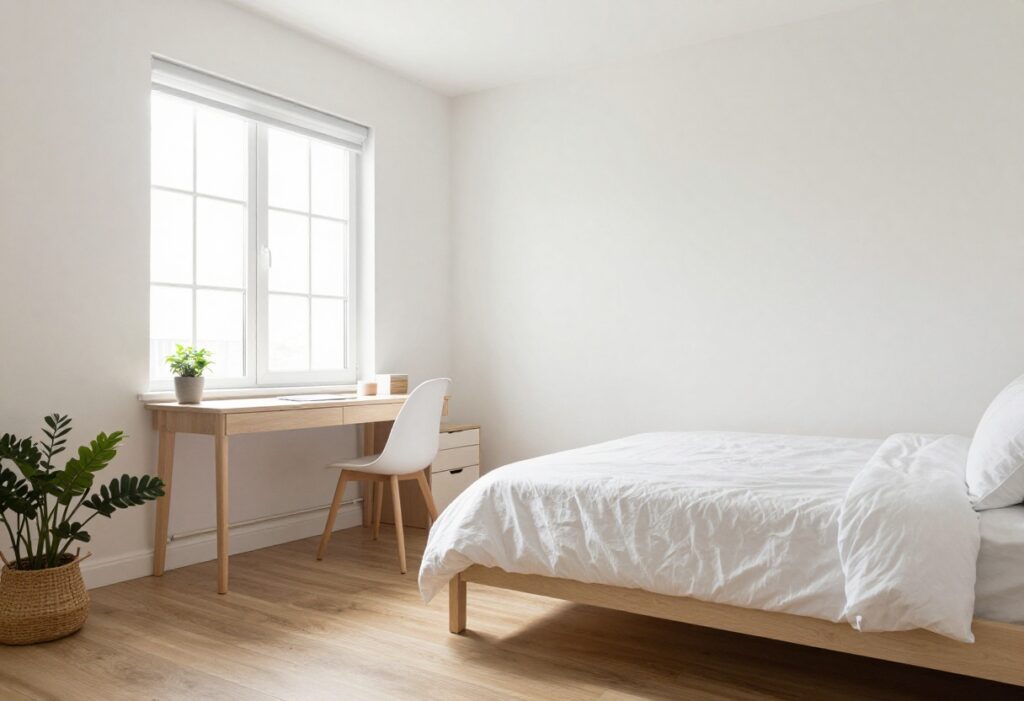
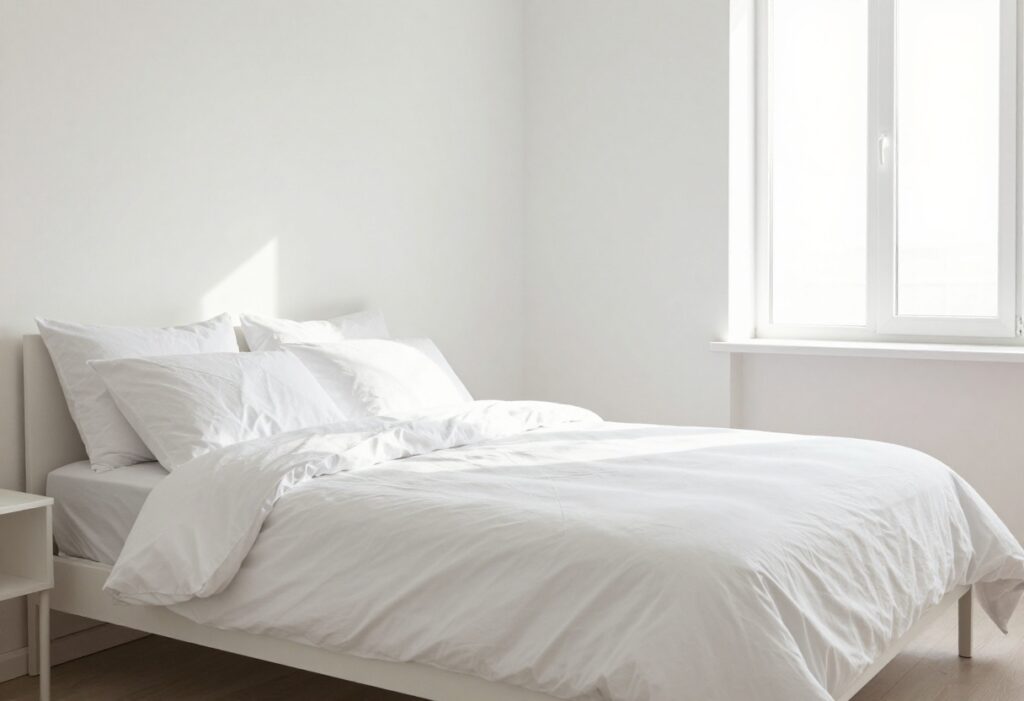
You don't need a Pinterest budget to make your room look like a calm, curated space. Aesthetic isn't about buying new stuff—it's about showing off what you already own in a cleaner, more intentional way. These 13 moves focus on effort and smart rearranging, not spending.
Start with the basics: clearing surfaces, organizing clutter, and making your bed. Then layer in small styling tweaks that cost nothing but time. By the end, your room will feel lighter, brighter, and totally you.
No pressure to do it all in one day. Pick a few moves that feel doable, and build from there. The goal is progress, not perfection.
1. Clear Every Surface Completely
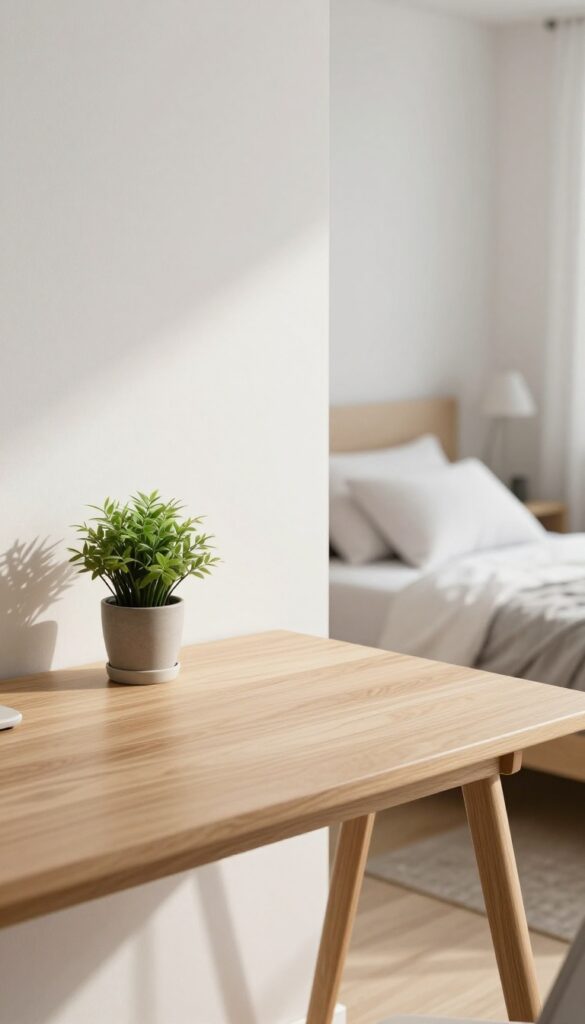
A cluttered surface is the fastest way to kill an aesthetic vibe. Even the prettiest decor gets lost under piles of mail, charging cables, and random trinkets. The fix is simple: strip everything off and start fresh.
This move alone can transform how your room feels in under ten minutes.
Once every surface is bare, grab a microfiber cloth and a gentle cleaner. Wipe down desks, nightstands, dressers, and any shelves you use daily. Dust and smudges are subtle mood killers—removing them instantly makes the space look intentional.
Now comes the crucial part: only return items that serve a purpose or genuinely make you smile. That means old receipts, empty water bottles, and broken earbuds go straight to the trash. A single plant, a favorite book, or a small candle is enough.
The goal is breathing room, not a museum display.
The Two-second Decision Rule
When deciding what stays, give yourself two seconds per item. If you hesitate, it goes. This prevents overthinking and keeps the process fast.
You can always retrieve something later if you miss it.
Group Similar Items Together
If you keep a few things on your nightstand, group them by function. A tray for your phone and glasses, a small dish for jewelry, and one decorative object. Clusters look intentional; scattered items look messy.
Leave Negative Space
Resist the urge to fill every inch. Empty space is a design element. A desk with just a lamp and a notebook feels calmer than one crowded with organizers and knickknacks.
Let your surfaces breathe.
2. Make Your Bed Like a Hotel Pro
A neatly made bed is the anchor of an aesthetic room. It immediately signals order and calm, making the whole space feel more intentional. You don't need expensive linens—just a few minutes and some simple techniques.
Start With A Tight Foundation
Pull your fitted sheet tight so there are no wrinkles or bunching. Tuck the corners under the mattress firmly—hospital corners work great. Then lay your flat sheet evenly, tucking the bottom and sides snugly.
Layer Like A Luxury Hotel
Add a thin blanket or duvet, smoothing it out completely. Fold the top edge down about six inches to show off the sheet underneath. Then place your comforter or quilt on top, centered and wrinkle-free.
Pillows: Fluff And Arrange
Fluff each pillow by punching the center and shaking it out. Place two sleeping pillows flat against the headboard, then two decorative pillows in front, leaning slightly against each other. This creates that plush, inviting look.
Final Touches For Polish
Run your hands over the entire bed to smooth any remaining wrinkles. Fold a throw blanket at the foot, or drape it casually. Step back and adjust until everything looks balanced and crisp.
3. Declutter One Zone at a Time
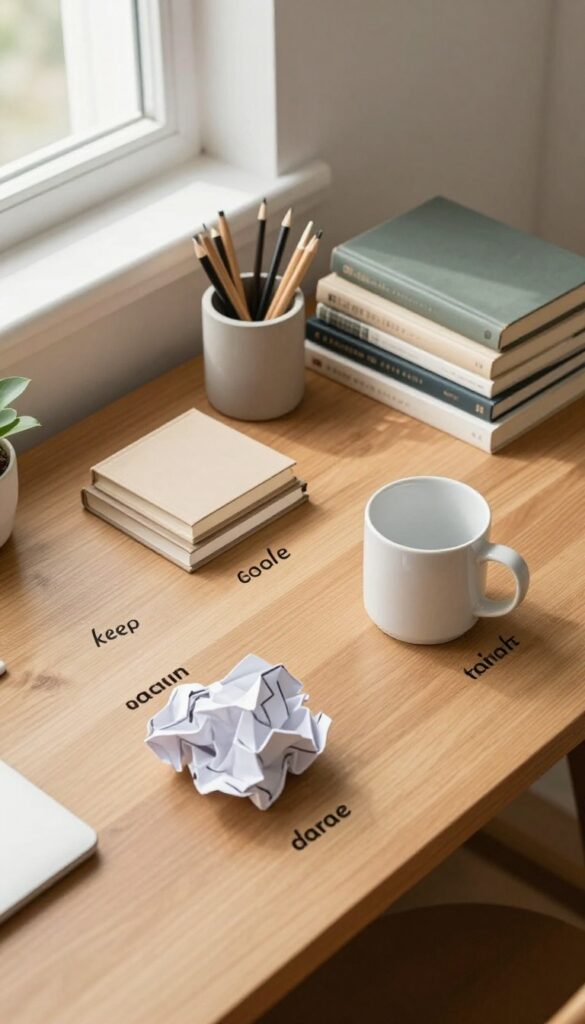
Trying to declutter your entire room at once is a recipe for burnout. Instead, pick one small zone—like a single drawer, a shelf, or a corner of your desk—and focus only on that. This approach makes the task feel manageable and gives you a quick win that motivates you to keep going.
When you break your room into tiny zones, decluttering becomes less overwhelming. You see immediate results, which builds momentum. Plus, working in focused bursts helps you make better decisions about what to keep versus what to let go.
Choose Your First Zone
Start with the area that bothers you the most or the one that will have the biggest visual impact. A cluttered nightstand or a messy desk corner are great candidates. Keep it small—no bigger than a square foot or two.
This isn't about tackling the whole closet yet.
Sort Into Three Piles
As you go through the zone, create three piles: keep, donate, and trash. Be honest with yourself. If you haven't used something in six months and it doesn't spark joy, it's probably time to let it go.
Don't overthink—just sort quickly.
Finish Before Moving On
Don't start another zone until you've fully completed the first one. Put the keep items back neatly, bag up the donate pile, and toss the trash. Seeing a finished zone gives you a sense of accomplishment and a clear visual reward.
4. Corral Small Items into Trays or Bins
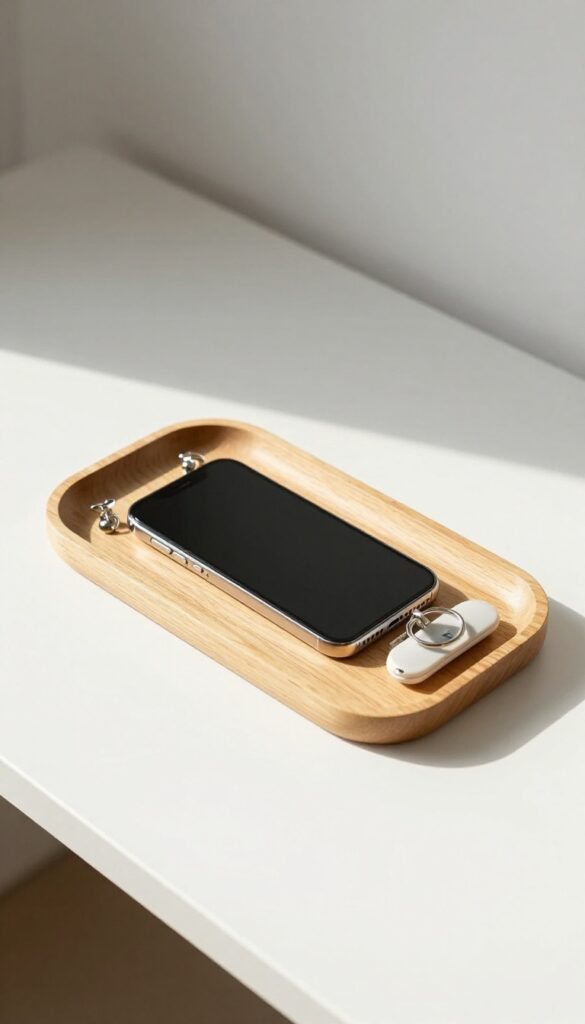
Loose items scattered across surfaces instantly make a room feel messy, no matter how clean everything else is. The trick is to gather those odds and ends—chargers, remotes, jewelry, keys—and give them a designated home in a tray or small bin. Suddenly, that clutter looks intentional and even decorative.
When small items are contained, your eyes see order instead of chaos. Trays and bins create visual boundaries that trick the brain into thinking everything is organized. Plus, they make cleaning faster: instead of picking up ten things, you just grab one tray.
Choose The Right Vessel
Not all trays are created equal. For a cohesive look, pick trays or bins that match your room's color palette and style. A ceramic catchall works for a boho vibe, while a sleek metal tray fits modern decor.
Thrift stores are goldmines for unique, cheap containers.
Group By Function
Keep similar items together. A tray by the bed holds your phone, watch, and glasses. A small bin on your desk corrals pens and sticky notes.
A dish near the door catches keys and wallet. This way, you always know where things are.
Keep It Minimal
Don't overfill your trays. Leave some empty space so the tray itself becomes part of the decor. If it's stuffed, it looks like clutter in a container.
Aim for a curated look—just the essentials you use daily.
5. Fold and Store Clothes Vertically
There's a reason the KonMari folding method went viral—it actually works. When you store clothes upright in your drawers, you can see every single item at a glance. No more digging through piles or forgetting what you own.
Plus, it looks incredibly tidy and intentional.
The Basic Fold
Start with a shirt. Lay it flat, fold one side in, then the sleeve, and repeat on the other side. Fold the bottom up to create a neat rectangle that can stand on its own.
The key is to make each fold crisp so the fabric stays upright.
Arranging By Category
Group similar items together—t-shirts in one row, sweaters in another, pants in the back. This makes it easy to grab what you need without disturbing the rest. You can also color-code within categories for an extra aesthetic touch.
Maintaining The System
The beauty of vertical storage is that it stays neat with minimal effort. When you take out a shirt, the others stay upright. Just make sure you refold items properly when putting them back.
A few seconds of care keeps your drawers looking perfect.
6. Wipe Down All Surfaces and Mirrors
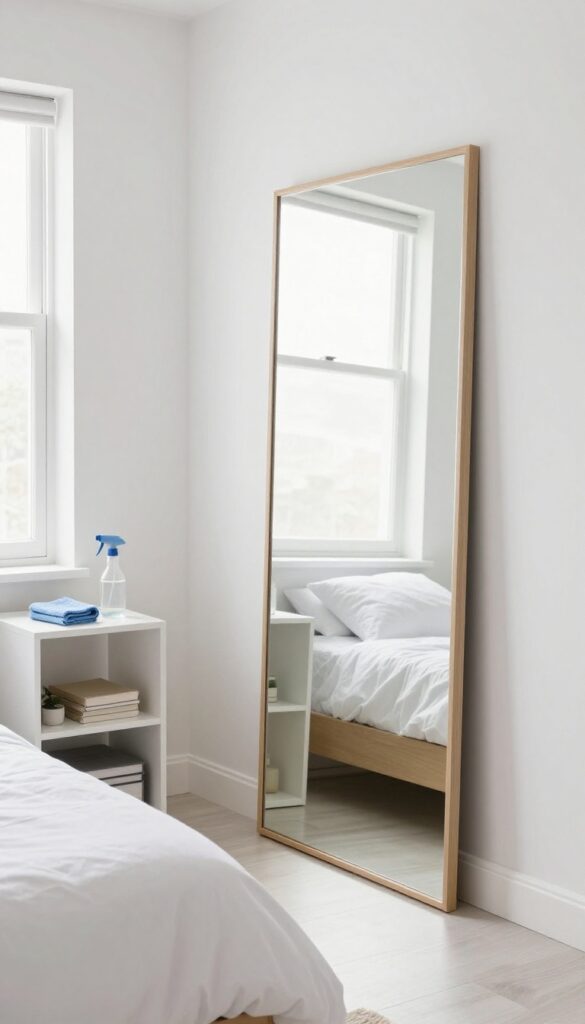
Dust and smudges are silent aesthetic killers. Even if your room is perfectly arranged, a layer of grime on your nightstand or a foggy mirror dulls the whole vibe. This move is about bringing back the sparkle—literally.
Start With The Dust Bunnies
Grab a microfiber cloth or a duster and hit every surface: shelves, nightstands, desk, window sills, and baseboards. Don't forget electronics like your TV or monitor—they attract static dust like crazy. Work from top to bottom so you don't re-dust what you've already cleaned.
Mirrors Are Your Best Friend
A clean mirror instantly doubles the light in a room. Use a glass cleaner or a mix of vinegar and water, and wipe with a lint-free cloth or newspaper for a streak-free shine. Pay attention to the edges and corners where dust hides.
Don't Skip The Little Things
Light switches, door handles, and remote controls get grimy fast. A quick wipe with a disinfectant wipe or a damp cloth makes them look new. These small details add up to a room that feels genuinely clean, not just tidy.
7. Vacuum or Sweep Floors Thoroughly
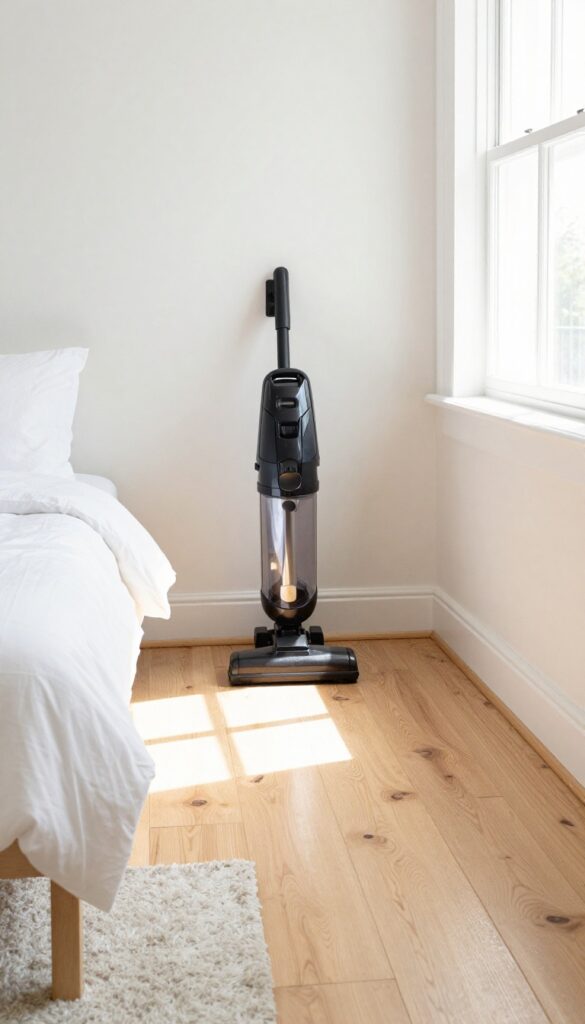
Clean floors are the foundation of an aesthetic room. No matter how tidy your surfaces are, a dusty or hairy floor drags the whole vibe down. This move is about getting into every corner, not just the visible center of the room.
Start by picking up any large items like shoes, bags, or toys. Then go over the entire floor with a vacuum or broom. Pay extra attention to edges, under furniture, and along baseboards.
For carpets, use the crevice tool to get into tight spots. For hard floors, a microfiber mop can pick up fine dust that sweeping misses. Finish by spot-cleaning any stains or sticky spots.
A truly clean floor makes the room feel instantly fresher and more put-together.
Don't Skip Under The Bed
That dark space under your bed is a magnet for dust bunnies, stray socks, and lost items. Pull everything out, vacuum or sweep thoroughly, and only put back what belongs there. Use storage bins if you need to keep things under the bed, but keep them organized and dust-free.
Corners And Baseboards Matter
Dust and grime love to gather in corners and along baseboards. Use a vacuum attachment or a damp cloth to wipe these areas down. Clean baseboards make the whole room look more polished, even if they're not the first thing you notice.
Finish With A Floor Freshener
For carpets, sprinkle baking soda before vacuuming to neutralize odors. For hard floors, a few drops of essential oil in your mop water can leave a subtle, natural scent. This small extra step makes the room smell as clean as it looks.
8. Add a Simple Greenery Element
A single plant or a small vase of fresh flowers can transform the energy of a room. Greenery adds life, color, and a sense of calm without requiring a major overhaul. If you're worried about keeping plants alive, high-quality faux options look just as good and need zero maintenance.
Plants bring texture and organic shapes that soften the hard lines of furniture and walls. They also improve air quality and boost your mood. Even one well-placed plant on a nightstand, desk, or windowsill makes the space feel more intentional and alive.
Pick The Right Spot
Place your greenery where it gets noticed but doesn't block your workflow or walking path. A small snake plant on a corner shelf, a trailing pothos on a bookshelf, or a bunch of eucalyptus on the dresser all work well. Avoid cramming plants into dark corners—they need light to thrive, and you want to see them.
Choose Low-maintenance Plants
If you're new to plants, go for hardy varieties like snake plants, ZZ plants, or succulents. They tolerate low light and irregular watering. For fresh flowers, a simple bunch of baby's breath or dried lavender lasts longer and still looks aesthetic.
Faux Plants Are Fine
Not everyone has a green thumb, and that's okay. A high-quality faux plant can look nearly identical to the real thing. Look for ones with realistic leaves and natural-looking pots.
Place them near natural light to mimic real growth and avoid dust buildup by wiping them occasionally.
9. Layer Your Bedding for Texture
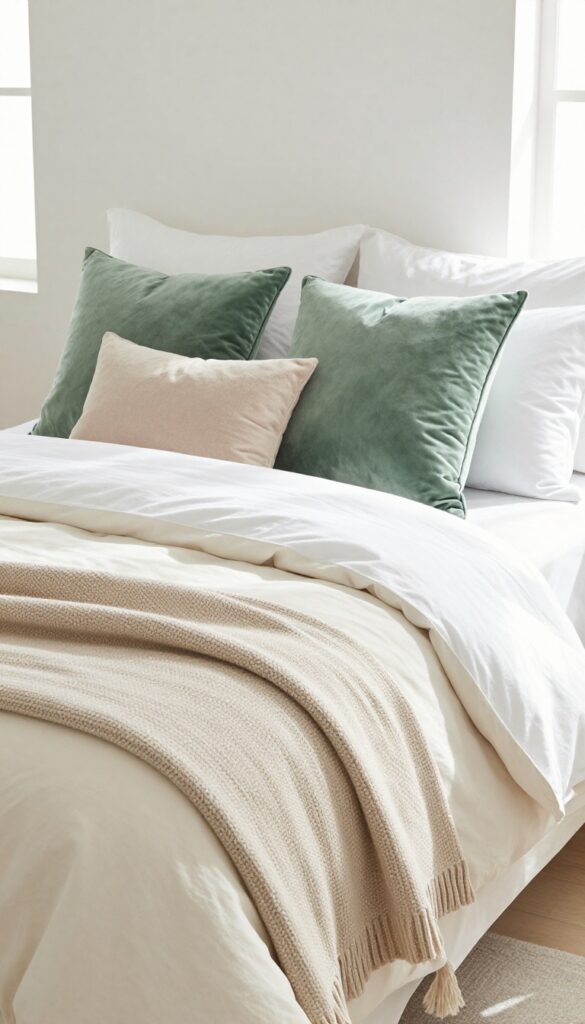
Your bed is the largest surface in the room, so it deserves a little extra attention. Layering isn't just for winter—it's a styling trick that adds depth and makes the space feel curated. A few simple additions can turn a plain bed into a cozy centerpiece.
Start With A Neutral Base
Keep your fitted sheet, flat sheet, and duvet or comforter in a solid neutral color. White, cream, beige, or light gray work best because they create a calm backdrop. This base lets your textured layers stand out without competing.
Add A Throw Blanket
Drape a throw blanket across the foot of the bed or fold it neatly at the end. Choose one with a different texture—chunky knit, faux fur, or a soft cotton weave. The contrast against your smooth duvet adds visual interest and invites you to snuggle in.
Mix In Decorative Pillows
Start with two standard pillows in crisp white cases, then add one or two accent pillows. Try a velvet square or a linen lumbar pillow. Stick to a cohesive color palette—maybe blush, sage, or charcoal—so the look stays intentional, not chaotic.
Keep It Easy To Maintain
You don't need a dozen pillows. Two or three extra pieces are enough to make an impact. Choose machine-washable covers for practicality.
The goal is a bed that looks styled but still functions for sleep, not a display you're afraid to touch.
10. Create a Dedicated Charging Station
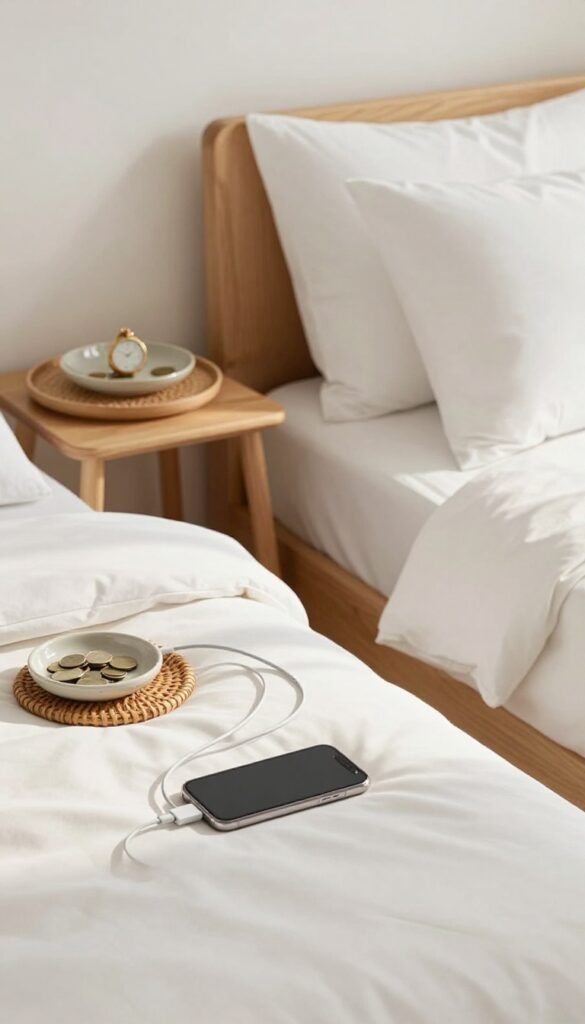
Tangled cords and scattered chargers can instantly ruin the clean, calm vibe you're working toward. A dedicated charging station solves that problem in one simple move. It keeps your devices powered up without creating visual clutter.
Pick a spot near an outlet—on a nightstand, desk, or even a low shelf. Use a small tray, a pretty box, or a cord organizer to contain the mess. The goal is to have one place where all your electronics live while charging, so they're not spread across the room.
Choose The Right Spot
Think about where you naturally use your devices. A corner of your desk or a nightstand drawer works well. Avoid high-traffic areas where cords might get yanked.
The spot should be convenient but out of plain sight if possible.
Contain The Cords
Use a small tray, a decorative box, or a charging station organizer. Velcro ties or cable clips keep cords from tangling. If you have multiple devices, a multi-port USB charger reduces the number of plugs.
Keep It Minimal
Only keep chargers for devices you use daily. Store extras elsewhere. A clean charging station looks intentional—not like a tech dump.
Tuck away any cords that dangle over the edge.
11. Edit Your Wall Decor
Your walls are prime real estate, but too many pieces can make the room feel cluttered rather than curated. Editing your wall decor is about quality over quantity—keeping only the pieces that truly speak to your aesthetic and arranging them with intention.
Take everything off your walls and lay it out on the floor. Be honest with yourself: which pieces still resonate? Maybe that poster from college doesn't fit your current vibe, or that frame is just too busy.
Keep only the art, photos, or prints that make you feel calm or inspired. Once you've narrowed it down, plan a balanced layout. A gallery wall doesn't have to be symmetrical—mixing frame styles and sizes can look intentional if you keep consistent spacing (about 2-3 inches apart) and align edges or centers.
Use paper templates on the wall to test arrangements before hammering nails. The result is a wall that feels thoughtfully composed, not haphazardly filled.
Declutter Your Wall Collection
Start by taking down everything—every frame, poster, shelf, and tapestry. Group similar items and ask yourself if each piece still fits the room's mood. If it doesn't spark joy or align with your aesthetic, donate it or store it for another space.
This step clears visual noise and makes room for pieces that matter.
Create A Balanced Gallery Layout
Lay your chosen pieces on the floor and experiment with arrangements. You can go for a symmetrical grid for a clean look, or an organic cluster for a more eclectic feel. Use kraft paper cutouts taped to the wall to visualize spacing.
Keep gaps consistent—around 2 to 3 inches between frames—and make sure the overall shape fits your wall's dimensions.
Incorporate Personal Touches
Mix in a few non‑art items like a small mirror, a woven basket, or a dried floral arrangement to add texture. Personal photos in matching frames can feel cohesive, while a single large statement piece can anchor the whole wall. The goal is a curated collection that tells your story without overwhelming the space.
12. Use Soft, Warm Lighting
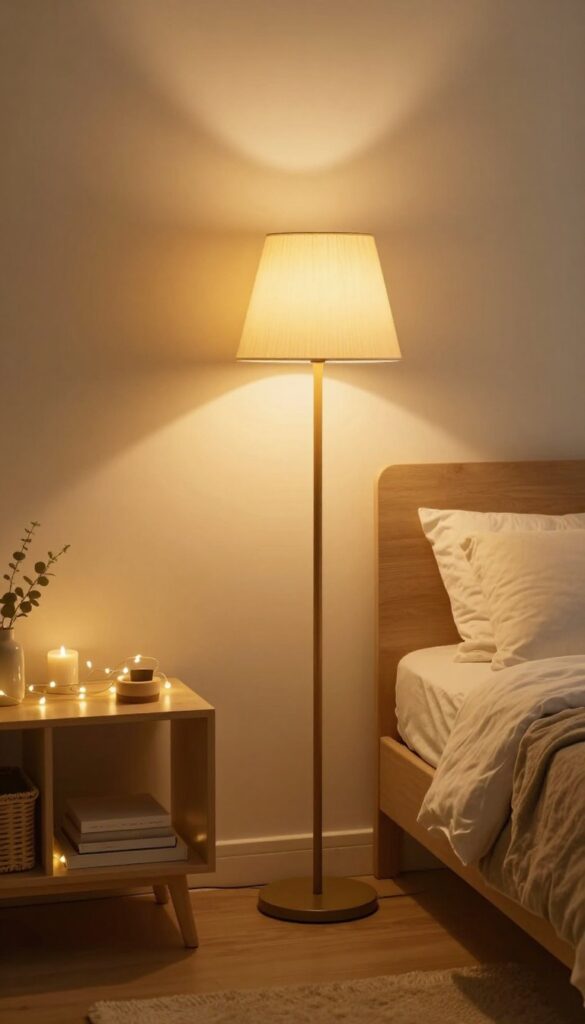
Lighting can make or break the mood of a room. Harsh overhead lights often feel cold and uninviting, while soft, warm lighting creates a cozy, aesthetic glow. Swapping out your main light source for lamps or string lights is one of the easiest ways to transform your space without spending much.
It instantly adds warmth and makes everything look more intentional.
Choose Warm-toned Bulbs
Look for bulbs labeled 'warm white' or with a color temperature around 2700K to 3000K. These emit a soft yellowish light that flatters skin and makes the room feel snug. Avoid cool white or daylight bulbs—they can feel sterile and harsh, like an office or hospital room.
Swap out bulbs in your main lamp or ceiling fixture first, then add smaller accent lights.
Layer Your Light Sources
Instead of relying on one overhead light, use multiple smaller lights at different heights. A floor lamp in a corner, a table lamp on your nightstand, and a string of fairy lights along a shelf create depth and eliminate harsh shadows. This layered approach mimics natural light and makes the room feel more dynamic and curated.
Use Dimmers For Flexibility
A dimmer switch is a small upgrade that gives you control over the intensity of your lighting. It lets you adjust the brightness depending on the time of day or your mood—bright for cleaning or studying, dim for relaxing or winding down. If you can't install a dimmer, use plug-in dimmable lamps or smart bulbs that you can control with an app.
13. Add a Personal Touch with a Scent
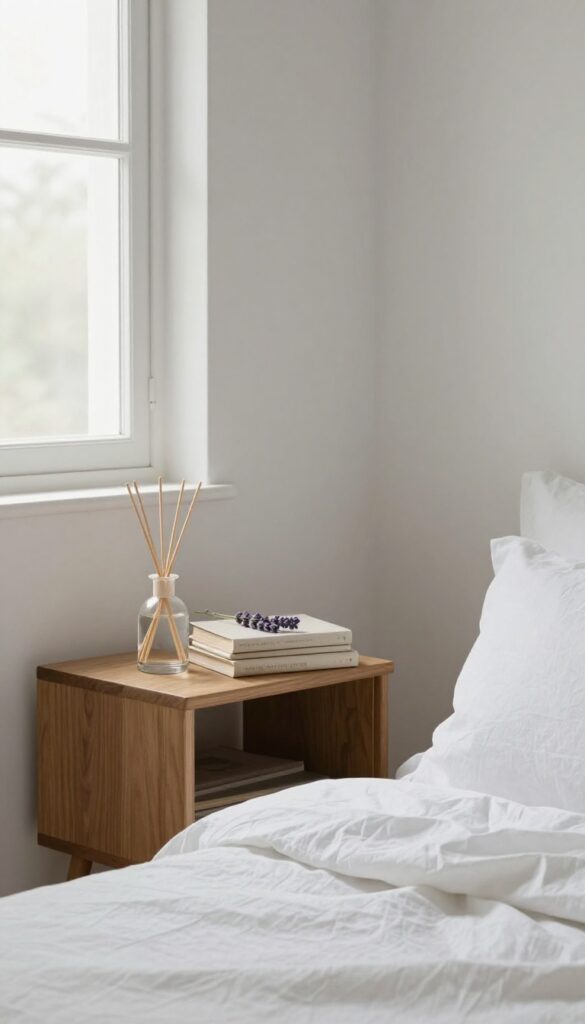
Scent is the invisible layer that ties a room together. A subtle fragrance can make your space feel instantly more inviting and put-together. It's the final touch that signals to your brain: this room is clean and ready to relax in.
Choose a scent that matches the mood you want. Lavender or vanilla are calming classics, while citrus or eucalyptus can feel fresh and energizing. A candle, diffuser, or room spray all work—just keep it gentle, not overpowering.
Place it near your bed or desk where you'll catch whiffs throughout the day.
Pick Your Scent Strategy
Candles add warmth and a soft glow, perfect for evenings. Diffusers offer a constant, low-key fragrance without any flame. Room sprays are great for a quick refresh after cleaning.
Choose one that fits your routine and safety preferences.
Placement Matters
Put your scent source where air circulates—near a window or fan helps the fragrance travel. Avoid placing it right next to your nose, as you'll get nose-blind quickly. A shelf, nightstand, or corner of your desk works well.
Layer Scents Gently
If you use multiple scented items (like a candle and a linen spray), keep them in the same fragrance family to avoid clashing. Stick to one or two scents per room for a cohesive feel.
FAQ
How long does it take to clean a room for an aesthetic look?
It depends on the room's starting condition. A quick refresh can take 30-60 minutes, while a deep declutter might take a few hours. The 13 moves are designed to be done in stages.
Do I need to buy new things to make my room aesthetic?
Not at all. Most moves focus on cleaning, organizing, and rearranging what you already own. A few low-cost additions like a plant or tray can help, but they're optional.
What if my room is very small?
Small rooms benefit even more from these moves. Clearing surfaces and using vertical storage can make the space feel larger and more open.
How do I maintain the aesthetic look?
Spend 5-10 minutes each day tidying up: make your bed, put away clutter, and wipe down surfaces. Weekly deep cleaning of one zone keeps it fresh.
Can I achieve an aesthetic look on a tight budget?
Absolutely. Most of the 13 moves cost nothing. For small purchases, check thrift stores or dollar stores for trays, bins, and faux plants.
Conclusion
Turning your room into an aesthetic space isn't about perfection—it's about making small, intentional moves that reflect your style. Start with just a few of these 13 steps, like clearing surfaces or adding a plant, and see how the look comes together. Once you feel the vibe, layer in more changes at your own pace.
The goal is a room that feels good to be in, not a magazine cover. Pick the moves that fit your budget and energy, and let your space evolve naturally.