Burnt-on food and stubborn scorch marks can make your stainless steel pans look worse for wear. You've tried scrubbing, but those dark spots just won't budge.
The good news is you don't need harsh chemicals or expensive cleaners to restore your cookware. These 15 scorch-release tips use everyday ingredients like baking soda, vinegar, and even ketchup to lift burnt residue with minimal effort.
Each method targets a specific type of burn, so you can pick the one that fits your mess. No more wrestling with stuck-on grime—just a simple, effective way to bring back that mirror-like shine.
1. The Baking Soda Paste Method
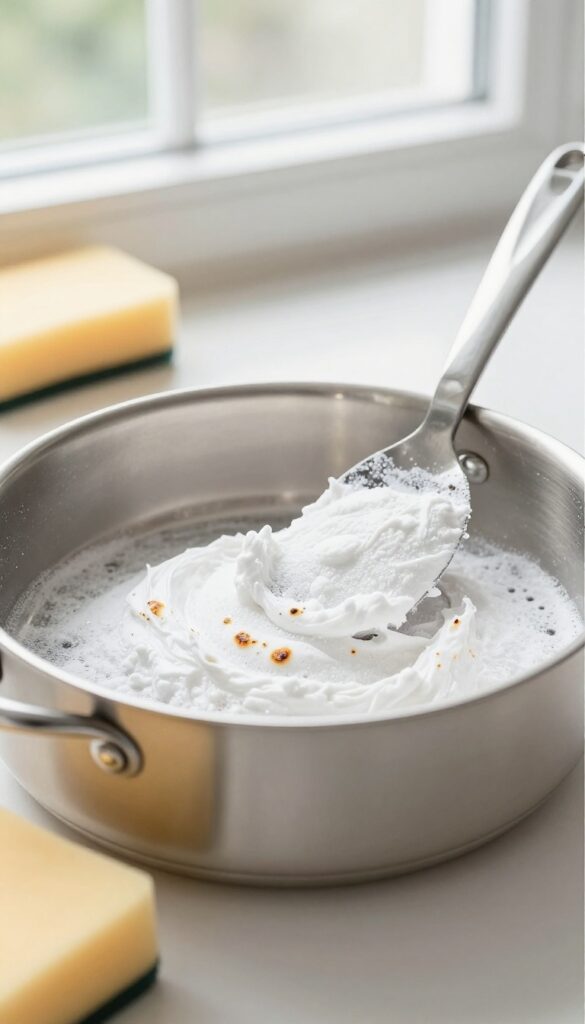
Baking soda is a gentle abrasive that works wonders on scorched stainless steel without scratching the surface. When mixed with water, it forms a paste that clings to burnt areas and breaks down stubborn residue. This method is especially effective for light to moderate scorch marks and is safe to use on any stainless steel pan.
To start, sprinkle a generous amount of baking soda directly onto the burnt spots. Add just enough water to create a thick, spreadable paste—about a 3: 1 ratio of baking soda to water works well. Use a soft sponge or your fingers to apply the paste evenly over the scorched area.
Let it sit for 15 minutes to allow the baking soda to penetrate and loosen the burnt food. Then, gently scrub in circular motions with a non-abrasive sponge or a soft cloth. Rinse with warm water and repeat if necessary.
For tougher spots, you can add a few drops of dish soap to the paste or let it sit longer.
Why Baking Soda Works
Baking soda is mildly alkaline, which helps break down acidic burnt-on foods. Its fine particles provide just enough friction to lift residue without scratching the metal. It's also non-toxic and cheap, making it a kitchen staple for cleaning.
Tips For Best Results
Use warm water to make the paste—it helps activate the baking soda. If the paste dries out during the wait, spritz a little water to keep it moist. For extra stubborn burns, let the paste sit for up to 30 minutes or overnight for severe scorch marks.
What To Avoid
Never use steel wool or abrasive scrubbers with baking soda, as they can scratch the surface. Also, avoid using too much water, which can make the paste runny and less effective.
2. Vinegar and Water Boil
White vinegar is a kitchen superhero when it comes to cutting through burnt-on grime. Its mild acidity breaks down carbonized food without damaging the stainless steel surface. This method is especially effective for pans with a thin, even layer of scorch rather than thick, chunky residue.
Fill the scorched pan with equal parts white vinegar and water—enough to cover the burnt areas. Bring the mixture to a boil, then reduce the heat and let it simmer for 5–10 minutes. Turn off the heat and allow the pan to cool completely.
The acidic steam and liquid will have loosened the burnt bits, so you can simply pour out the liquid and wipe the pan clean with a sponge. For stubborn spots, a gentle scrub with a non-abrasive pad usually does the trick. Rinse thoroughly with water and dry immediately to prevent water spots.
Why Vinegar Works So Well
Vinegar contains acetic acid, which reacts with the alkaline compounds in burnt food, breaking them down into water-soluble substances. This chemical reaction makes the charred layer soft and easy to remove without heavy scrubbing. Plus, it's non-toxic and leaves no harsh chemical residue.
Best For Light To Medium Scorch
This method shines when you have a thin, even layer of burnt-on food—like after boiling over or sautéing at too high heat. For thick, crusty burns, you may need to combine this with a baking soda paste or let it soak longer. But for everyday scorch marks, the vinegar boil is a quick and reliable fix.
Safety Tips For This Method
Always use a well-ventilated kitchen when boiling vinegar, as the fumes can be strong. Never leave the pan unattended on the stove. After boiling, let the pan cool completely before handling to avoid burns.
And remember: vinegar can react with certain metals over time, so rinse the pan thoroughly and dry it right away.
3. Dishwasher Tablet Soak
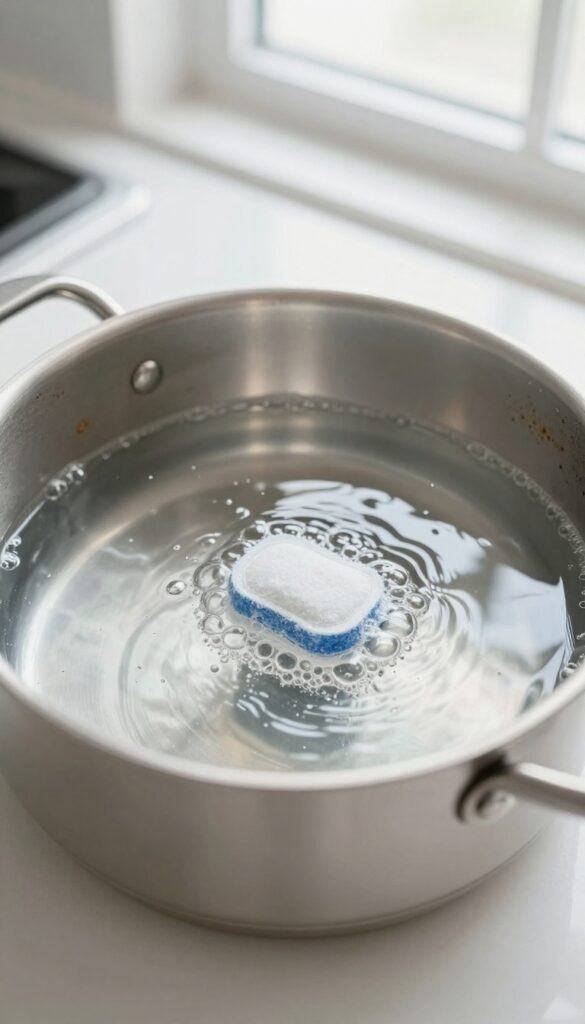
Your dishwasher tablets are made for more than just cleaning dishes. Drop one into your scorched stainless steel pan, cover it with hot water, and let it work its magic for an hour. The enzymes and surfactants in the tablet break down stubborn, baked-on residue without any scrubbing on your part.
This method is perfect for pans with a thick layer of burnt food that won't budge with gentler methods. The tablet dissolves and releases powerful cleaning agents that penetrate and lift the scorch marks. After the soak, simply rinse and wipe clean.
For extra tough spots, a quick scrub with a soft sponge will finish the job.
Why It Works
Dishwasher tablets contain enzymes that target proteins and starches, which are common in burnt food. They also include surfactants that reduce surface tension, allowing the cleaning solution to seep under the residue. The hot water activates these ingredients, making them more effective at breaking down the burn.
Step-by-step Instructions
Fill the pan with enough hot water to cover the scorched area. Drop in one dishwasher tablet. Let it soak for at least an hour—overnight for severe burns.
Pour out the water, then rinse the pan. Use a non-abrasive sponge to remove any remaining residue. Dry immediately to prevent water spots.
Tips For Best Results
Use a fresh tablet for the best cleaning power. Avoid using this method on aluminum or non-stick pans, as the chemicals can damage them. If the pan has a copper bottom, keep the solution away from that area.
For a quicker soak, use boiling water instead of hot tap water.
4. Lemon Juice and Salt Scrub
When you need a quick, natural fix for burnt-on messes, reach for a lemon and some salt. The acid in lemon juice breaks down stubborn residue while the salt acts as a gentle abrasive. Together, they create a powerful scrub that lifts scorch marks without scratching your pan's surface.
This method works best on light to medium scorch marks, especially when the burnt area is still somewhat fresh. It's also a great option if you want to avoid using commercial cleaners or strong chemicals. The lemon leaves a fresh scent behind, which is a nice bonus.
How To Do It
Cut a lemon in half and sprinkle a generous amount of coarse salt onto the cut side. Rub the lemon directly onto the burnt areas of your pan, applying moderate pressure. Focus on the darkest spots, and add more salt as needed.
Let the mixture sit for 5–10 minutes, then rinse with warm water and scrub with a soft sponge.
When To Use This Method
This scrub is ideal for pans with light scorching or discoloration, such as after cooking acidic foods like tomatoes or wine-based sauces. It's less effective on thick, carbonized layers, but it can still help loosen them for easier removal.
Why It Works
The citric acid in lemon juice reacts with the burnt food particles, helping to dissolve them. The salt provides mechanical abrasion, which physically scrubs away the loosened residue. Together, they create a chemical and physical action that lifts scorch marks without damaging the stainless steel.
5. Cream of Tartar Trick
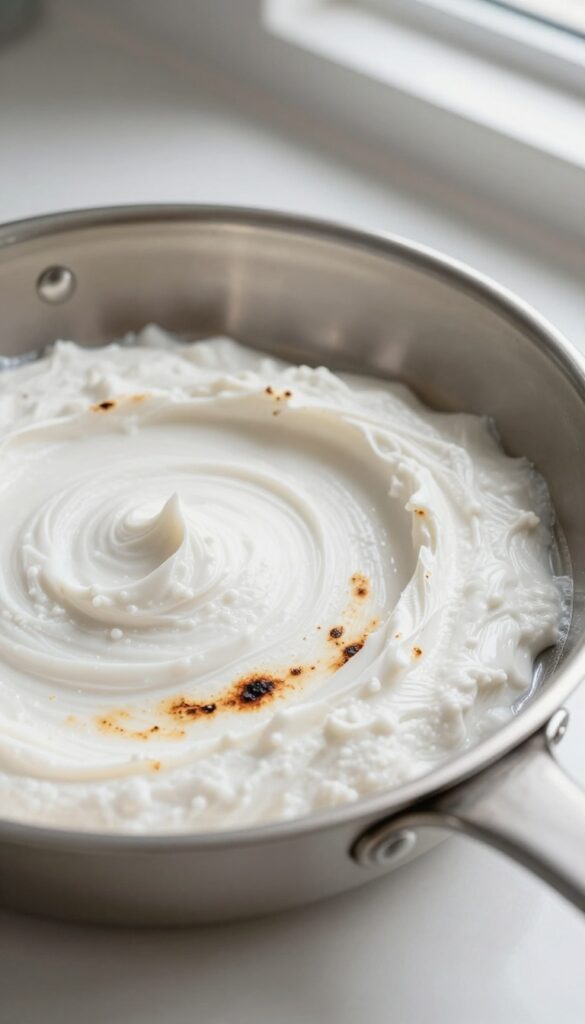
Cream of tartar isn't just for stabilizing egg whites or making fluffy meringues. This acidic powder is a surprisingly effective cleaner for stainless steel, especially when dealing with stubborn scorch marks. It works by reacting with the burnt residue, helping to loosen it without harsh scrubbing.
All you need is a small amount and a little water to make a paste that targets even the toughest stains.
Sprinkle a generous amount of cream of tartar directly over the burnt area. Add just enough water to form a thick paste, similar to toothpaste. Let it sit for about 10 minutes to allow the acid to break down the scorch.
Then, rinse with warm water and wipe clean with a soft cloth. For extra stubborn spots, you can gently scrub with a non-abrasive sponge. This method is gentle enough for daily use but powerful enough for those caked-on messes.
Why It Works
Cream of tartar is a mild acid (potassium bitartrate) that helps dissolve mineral deposits and burnt-on food. When mixed with water, it creates a gentle chemical reaction that lifts stains without scratching the metal surface. Unlike some harsh cleaners, it won't damage the finish of your pan.
When To Use It
This trick is ideal for light to moderate scorch marks, especially those caused by boiling over or cooking at too high heat. It works well on the bottom of pans and inside walls. For heavy, layered burns, you might need to repeat the process or combine it with another method like baking soda.
Pro Tips
For an extra boost, add a few drops of lemon juice to the paste. The combination of acids can speed up the cleaning process. Always rinse thoroughly after use to remove any residue.
And remember, a little goes a long way—start with a teaspoon and add more if needed.
6. Hydrogen Peroxide and Baking Soda
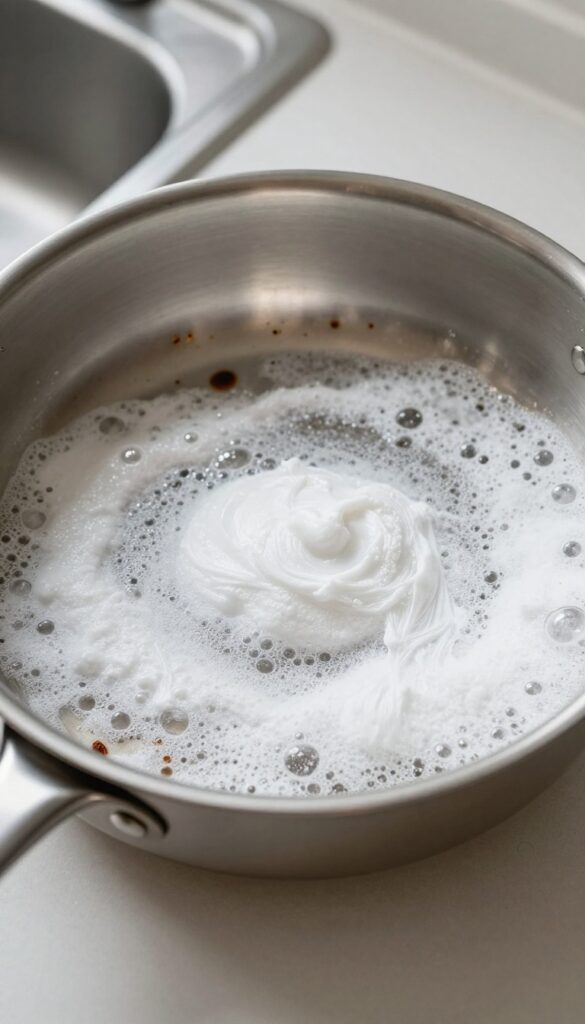
Hydrogen peroxide isn't just for first aid—it's a powerful oxidizer that breaks down burnt-on organic matter. When combined with baking soda, the fizzy reaction lifts scorch marks without harsh scrubbing. This duo works especially well on pans with dark, baked-on stains from high-heat cooking.
To make the paste, mix equal parts hydrogen peroxide (3% solution) and baking soda until it forms a spreadable consistency. Apply a thick layer over the scorched areas, letting it sit for 20 minutes. The fizzing action helps loosen the burnt residue.
After the wait, scrub with a non-abrasive sponge or soft brush, then rinse with warm water. For stubborn spots, repeat the process or let the paste sit longer.
Why This Combo Works
Hydrogen peroxide releases oxygen bubbles that help lift carbonized food particles. Baking soda provides gentle abrasion and alkalinity, which helps break down grease. Together, they create a chemical reaction that targets burnt-on stains without damaging the stainless steel surface.
Tips For Best Results
Use 3% hydrogen peroxide from the drugstore—stronger concentrations can be harsh. Apply the paste to a cool pan to avoid rapid evaporation. If the paste dries out during the 20-minute wait, spritz a little water to reactivate.
This method is safe for all stainless steel finishes, including brushed and mirror-polished surfaces.
7. Bar Keepers Friend Cleaner
Bar Keepers Friend is a mild abrasive cleaner that works wonders on stainless steel. It's specifically formulated to remove scorch marks and restore shine without scratching the surface. You'll find it in powder or liquid form at most grocery stores.
This cleaner contains oxalic acid, which breaks down burnt-on food and discoloration. It's gentle enough for regular use but tough on tough stains. A little goes a long way, so start with a small amount.
How To Apply
Wet your pan and sprinkle a small amount of Bar Keepers Friend powder onto the scorched area. Use a damp sponge or soft cloth to rub gently in circular motions. Avoid steel wool or harsh scrubbers that could damage the finish.
Rinsing And Drying
Rinse the pan thoroughly with warm water to remove all residue. Dry it immediately with a clean towel to prevent water spots. Your pan should look noticeably brighter after just one application.
Tips For Best Results
For stubborn stains, let the cleaner sit on the pan for 1-2 minutes before scrubbing. Don't let it dry on the surface. Always test on a small area first if you're unsure.
Wear gloves to protect your hands from the mild acid.
8. Boiling Water with Baking Soda
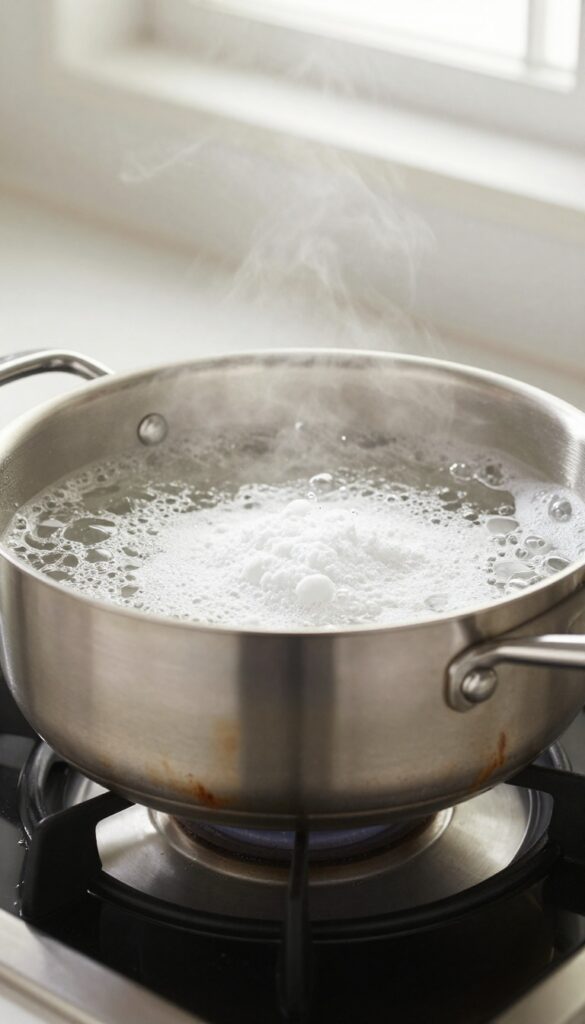
If you've got a pan with a thick layer of charred food, boiling water with baking soda is a gentle yet powerful way to loosen the gunk. The combination of heat and alkaline baking soda creates a fizzy reaction that helps break down burnt-on residue without harsh scrubbing. This method works especially well for pans with stubborn, dried-on messes that have been sitting for a while.
Start by filling your scorched pan with enough water to cover the burnt area. Add a few tablespoons of baking soda—about one tablespoon per cup of water works well. Bring the water to a boil and let it bubble for 10 minutes.
The baking soda reacts with the water and heat, releasing carbon dioxide bubbles that help lift burnt particles from the surface. After boiling, turn off the heat and let the pan cool completely. Once it's cool, pour out the water and rinse the pan.
Most of the burnt bits should come off easily with a gentle scrub from a non-abrasive sponge. For any remaining stubborn spots, you can repeat the process or use a plastic scraper.
Why Baking Soda Works
Baking soda is mildly alkaline, which helps break down the chemical bonds of burnt food. When heated, it increases the pH of the water, making it more effective at dissolving organic residues. The bubbling action also provides a gentle mechanical agitation that dislodges stuck-on particles without scratching the stainless steel.
Tips For Best Results
Use enough water to fully submerge the burnt area—don't skimp. Let the pan cool completely before scrubbing; sudden temperature changes can warp the metal. If the burnt layer is very thick, you may need to scrape off the loosened bits with a wooden or silicone spatula before rinsing.
When To Avoid This Method
Avoid using this method on pans with non-stick coatings or delicate finishes, as the boiling and baking soda can damage them. Also, don't use it on aluminum or copper pans, as the alkaline solution can cause discoloration.
9. Ketchup Surprise
Ketchup isn't just for fries—it's a surprisingly effective cleaner for scorched stainless steel. The acidity in tomatoes helps break down burnt-on residue without any harsh scrubbing. This method works best for light to moderate scorch marks and is almost effortless.
Spread a generous layer of ketchup over the scorched area, making sure it's fully covered. Let it sit for 30 minutes—the longer, the better for tougher spots. Then, wipe clean with a damp cloth or sponge.
Rinse and dry as usual. You'll be amazed at how the ketchup lifts the burnt bits away.
Why It Works
Tomatoes are naturally acidic, and that acidity reacts with the burnt-on food particles, loosening them from the pan's surface. Ketchup also contains vinegar and salt, which add extra cleaning power. It's a gentle, non-abrasive option that won't scratch your stainless steel.
Best For Light To Medium Burns
This trick shines on pans with a thin, even layer of scorch—like after cooking tomatoes or sugary sauces. For heavy, blackened burns, you might need a stronger method. But for everyday mishaps, ketchup is a quick and easy fix.
Pro Tips For Better Results
Use a cheap ketchup—no need for fancy organic stuff. If the ketchup starts to dry out, spritz a little water on it to keep it active. For extra stubborn spots, let it sit for up to an hour.
After wiping, wash the pan with soap and water to remove any sticky residue.
10. Dryer Sheet Soak
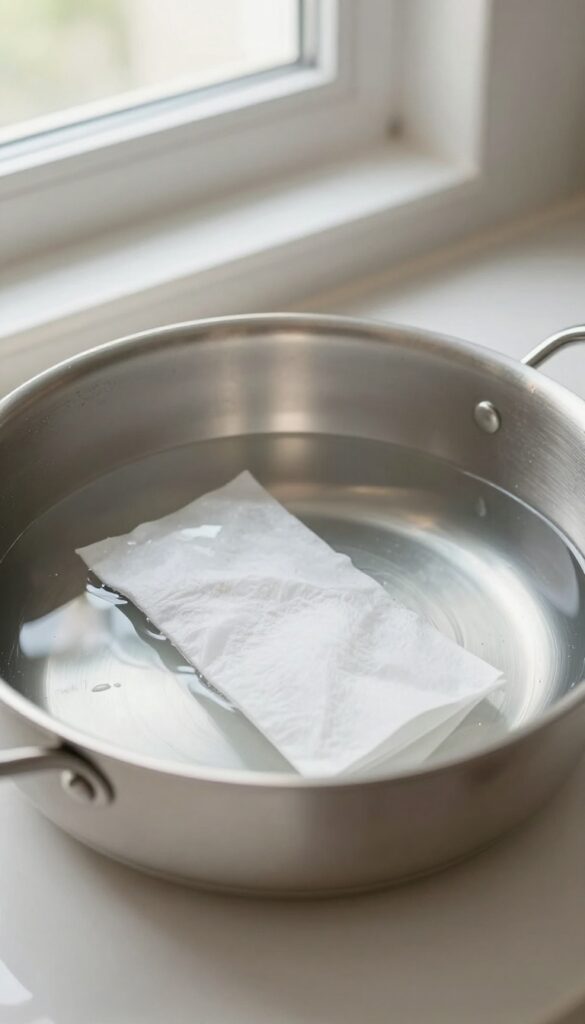
Who knew that laundry room staple could rescue your scorched pans? A dryer sheet soak is one of the most effortless tricks for loosening burnt-on gunk. The softening agents in the sheet work to break down stubborn residue while you sleep.
Place a new or used dryer sheet in the bottom of the pan. Cover it with warm water and let it soak overnight. In the morning, dump the water and wipe away the loosened gunk.
For extra tough spots, give it a gentle scrub with a non-abrasive sponge. This method works best for light to moderate scorching and is completely chemical-free.
Why It Works
Dryer sheets contain surfactants and softening compounds that help lift burnt food particles from the metal surface. The warm water activates these agents, making the residue slide off easily.
Best Practices
Use unscented sheets if you're sensitive to fragrances. Make sure the water covers the burnt area completely. For extra stubborn spots, add a drop of dish soap to the soak.
When To Skip This Method
Avoid this trick if your pan has a non-stick coating or if the burnt layer is extremely thick. In those cases, a more abrasive method might be needed.
11. Salt and Oil Scrub
Coarse salt isn't just for seasoning—it's a brilliant abrasive that can lift scorch marks without scratching your stainless steel. When combined with a little oil, it becomes a gentle scrub that breaks down burnt-on residue while protecting the pan's surface. This method is especially handy when you need a quick fix without pulling out heavy-duty cleaners.
Salt and oil scrub is one of the simplest and most accessible methods for removing light to moderate scorch marks. The salt provides the grit needed to physically abrade the burnt layer, while the oil lubricates the surface, preventing scratches and helping the salt glide smoothly. This combination is particularly effective for fresh scorch marks or spots that haven't been baked on for hours.
It's also a great option if you prefer using natural, non-toxic ingredients in your kitchen.
Why It Works
The coarse salt acts as a mild abrasive, similar to a fine-grit sandpaper, but gentle enough not to damage stainless steel. The oil reduces friction, so you can scrub with more pressure without worrying about scratching. Together, they create a paste that clings to the pan's surface, allowing you to target specific burnt areas.
Step-by-step Instructions
Start by sprinkling a generous layer of coarse salt (like kosher or sea salt) directly onto the scorched area. Add just enough cooking oil (vegetable, canola, or olive oil) to moisten the salt—about a teaspoon should do. Use a paper towel or a soft cloth to scrub the mixture in circular motions, applying moderate pressure.
Focus on the darkest spots, and you'll see the burnt residue start to lift. Once the pan looks clean, rinse with warm water and wash with dish soap.
Tips For Best Results
For stubborn spots, let the salt and oil sit on the pan for 5–10 minutes before scrubbing. This gives the mixture time to penetrate the scorch. Avoid using table salt, as its fine crystals can be too abrasive and may cause micro-scratches.
Always rinse thoroughly to remove all salt residue, which can cause pitting if left on the surface. This method works best on warm pans (not hot), as the oil spreads more easily.
12. Coca-Cola Boil
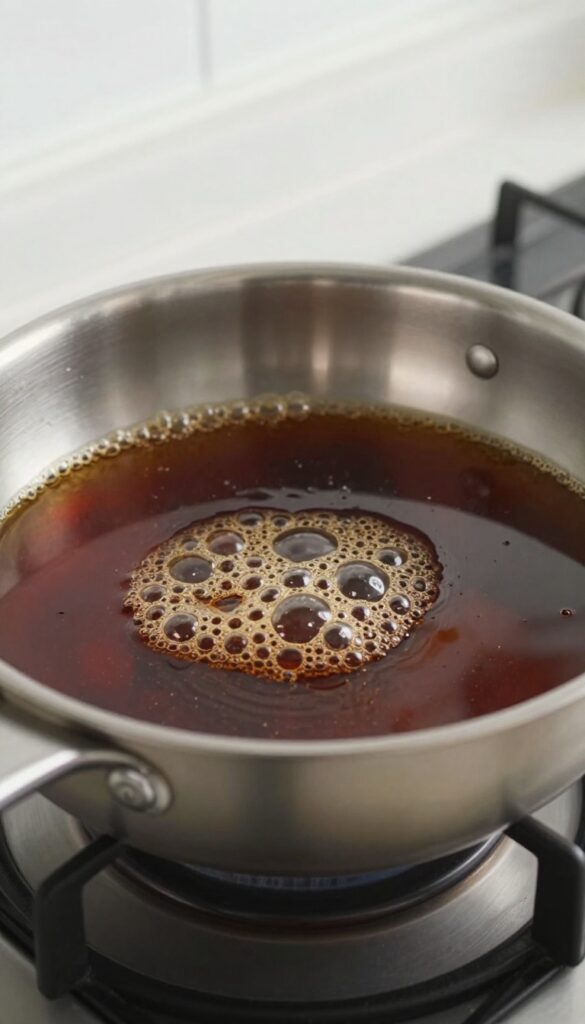
Cola isn't just a drink—it's a surprisingly effective cleaner for burnt pans. The phosphoric acid in soda helps break down carbonized food without harsh scrubbing. This method works best for moderate scorch marks that haven't built up into thick layers.
Pour a can of cola into the pan, enough to cover the burnt area. Bring it to a boil on the stove, then reduce the heat and let it simmer for 5 minutes. Turn off the heat and let the pan sit for another 10–15 minutes.
The acid will loosen the burnt bits, making them easy to wipe away with a sponge. Rinse thoroughly with warm water and mild soap to remove any sugary residue.
Why It Works
The phosphoric acid in cola reacts with the burnt food, softening it so it releases from the stainless steel. The carbonation also helps lift particles. This method is gentler than abrasive scrubbing and works well on light to moderate scorch marks.
Best For Light To Moderate Burns
If your pan has a thin layer of burnt-on food or some dark spots, the cola boil is a great first step. For thick, charred layers, you might need to repeat the process or combine it with a baking soda scrub afterward.
After The Boil
Once the cola has cooled slightly, pour it out and rinse the pan. Use a non-abrasive sponge to wipe away any remaining residue. If some stubborn spots remain, sprinkle a little baking soda on the damp pan and scrub gently—it will lift the last bits without scratching.
13. Aspirin Fizz
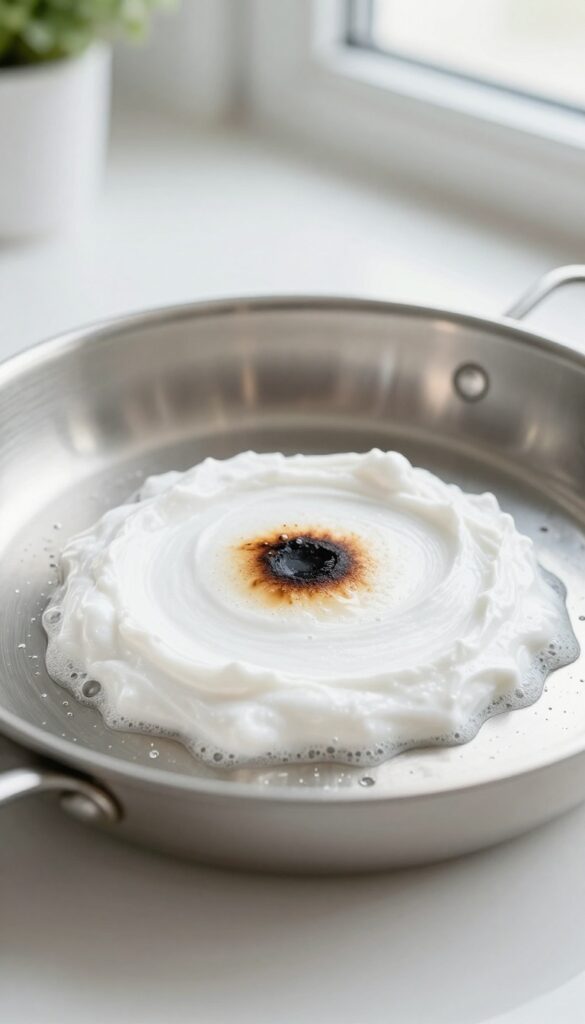
Aspirin isn't just for headaches—it can also tackle tough scorch marks on stainless steel. The acetylsalicylic acid reacts with burnt-on residue to help break it down, making scrubbing much easier. This method works especially well on stubborn, dark stains that other cleaners can't touch.
Crush a few aspirin tablets (plain, uncoated work best) into a fine powder. Mix with just enough water to form a thick paste, then spread it over the scorched areas. Let the paste sit for 20 minutes—you might notice a faint fizzing action as it works.
Rinse thoroughly with warm water and scrub gently with a non-abrasive sponge. Repeat if needed for deeper stains.
Why Aspirin Works
The active ingredient in aspirin, acetylsalicylic acid, is a mild acid that helps dissolve carbonized food particles. Unlike harsh chemical cleaners, it's gentle on the pan's surface but effective on burnt residue. The fizzing action also helps lift debris from tiny scratches.
Best For Stubborn Spots
This method is ideal for small, concentrated scorch marks rather than a full pan of burnt food. If you have a few dark patches that won't come off with baking soda or vinegar, aspirin offers a targeted solution. For larger areas, consider using a different method or repeating the paste application.
Tips For Best Results
Use uncoated, plain aspirin—avoid coated or buffered varieties. Crush the tablets as finely as possible for better contact. For extra stubborn stains, let the paste sit longer, up to 30 minutes, but don't let it dry completely.
Rinse well to remove all residue before using the pan again.
14. Commercial Stainless Steel Cleaner
Sometimes the simplest solution is the one designed specifically for the job. Commercial stainless steel cleaners are formulated to tackle tough scorch marks while protecting the pan's finish. They're a great option when home remedies haven't quite cut it.
When you've tried baking soda, vinegar, and even ketchup but stubborn scorch marks remain, a dedicated stainless steel cleaner can be your secret weapon. These products are specially made to remove burnt-on food and restore shine without damaging the metal. Look for cleaners labeled safe for cookware—some are designed for appliances and may be too harsh.
Always read the label and follow the instructions carefully. Apply a small amount to a soft cloth or non-abrasive sponge, then rub in the direction of the grain. Rinse thoroughly with warm water and dry immediately to prevent water spots.
A little goes a long way, so start with a pea-sized amount. With regular use, you can keep your pans looking like new.
Choosing The Right Cleaner
Not all stainless steel cleaners are created equal. For cookware, avoid products with harsh abrasives or bleach, which can scratch or discolor the surface. Look for gentle formulas that specifically mention cookware or pots and pans.
Brands like Bar Keepers Friend, Weiman, and Therapy are popular choices. If you're unsure, test a small hidden area first.
How To Apply For Best Results
Start by washing the pan with warm soapy water to remove loose debris. Dry it completely. Apply the cleaner to a soft microfiber cloth or sponge—never use steel wool or abrasive pads.
Rub gently in the direction of the metal grain to avoid swirl marks. Let it sit for a minute if the instructions allow, then rinse thoroughly.
Aftercare And Maintenance
Once cleaned, rinse the pan well to remove any residue. Dry it immediately with a soft towel to prevent water spots. For extra shine, you can buff with a tiny drop of olive oil on a paper towel.
Store pans with a soft cloth between them to avoid scratches. Regular use of a stainless steel cleaner every few weeks will keep your pans looking their best.
15. Prevention: Deglazing While Cooking
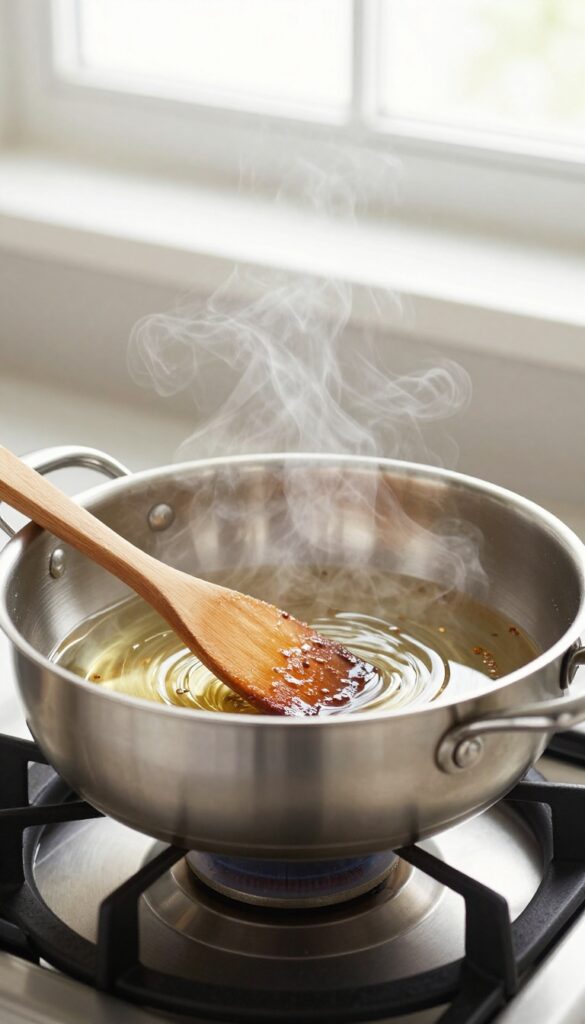
The best way to clean a scorched pan is to never let it scorch in the first place. Deglazing is a simple technique that lifts stuck-on bits while you're still cooking, saving you from a brutal scrub session later. It's a habit that pays off every time you use your stainless steel pans.
Deglazing works because the liquid you add—wine, broth, or even water—creates steam that loosens food particles before they have a chance to burn and bond to the metal. The key is to do it while the pan is still hot, right after you've removed the main ingredient. Pour in a splash of liquid, then use a wooden spoon or spatula to scrape up the browned bits.
Not only does this prevent scorch marks, but it also builds a flavorful base for sauces and gravies. It's a win-win: your pan stays clean, and your meal gets more depth.
When To Deglaze
Deglaze right after searing meat or sautéing vegetables, while the pan is still hot but not smoking. If you wait too long, the residue can burn and become difficult to remove. The moment you take out the meat or veggies, add your liquid and start scraping.
What Liquid To Use
Choose a liquid that complements your dish: white wine for chicken or fish, red wine for beef, broth for almost anything, or plain water for a neutral clean. Avoid cold liquids, as they can shock the pan and cause warping—use room temperature or warm liquid instead.
The Right Tools
Use a wooden spoon, silicone spatula, or a flat-edged metal spatula designed for stainless steel. Avoid abrasive scrubbers during deglazing, as they can scratch the surface. Gentle scraping is all you need to lift the bits without damaging the pan.
FAQ
Can I use steel wool on stainless steel pans?
It's best to avoid steel wool as it can scratch the surface. Use non-abrasive sponges or soft cloths instead.
How do I remove rainbow discoloration from my pan?
Rainbow stains are caused by overheating. Wipe with a cloth dipped in white vinegar, then rinse and dry.
Is it safe to use bleach on stainless steel?
No, bleach can pit and damage stainless steel. Stick to mild cleaners like baking soda or vinegar.
Why does my stainless steel pan have brown spots?
Brown spots are often mineral deposits or burnt oil. A vinegar soak or baking soda paste should remove them.
Can I put my stainless steel pan in the dishwasher?
While many are dishwasher-safe, hand washing is gentler and helps maintain the finish longer.
Conclusion
With these 15 tips, you can tackle even the toughest scorch marks without resorting to harsh chemicals or damaging your pans. Remember that patience is key—letting a soak do the work saves elbow grease and protects your cookware.
Keep your stainless steel pans looking their best by cleaning them promptly after each use and avoiding high heat that causes burning. A little care goes a long way in preserving their shine and performance.