Blinds are dust magnets, and cleaning them often feels like a tedious chore. But with the right tricks, you can zap dust and grime in minutes without taking them down.
These 10 easy methods use everyday items—from microfiber gloves to lint rollers—to make the job quick and effective.
Say goodbye to dusty blinds and hello to a cleaner, brighter room with minimal effort.
1. Use a Microfiber Glove for a Gentle, Effective Wipe

A microfiber glove is one of the simplest tools for dusting blinds. Its soft fibers trap dust without scratching the surface, making it safe for wood, faux wood, aluminum, and vinyl blinds. Plus, you can wear it like a regular glove, giving you full control and dexterity.
To use, simply slip the glove on your hand and run your fingers along each slat. The microfiber material grabs dust particles and holds them until you wash the glove. This method works especially well for horizontal blinds because you can wipe multiple slats in one smooth motion.
For vertical blinds, use a top-to-bottom stroke. The glove is reusable—just toss it in the laundry when it gets dirty.
Why Microfiber Works Best
Microfiber is made of ultra-fine synthetic fibers that create a static charge, attracting dust like a magnet. Unlike cotton cloths that just push dust around, microfiber lifts and holds it. This means less airborne dust and fewer passes over each slat.
Step-by-step: How To Use The Glove
Start at the top of the blinds and work your way down. For horizontal blinds, close them so the slats are flat, then slide your gloved hand between each pair of slats. Wipe from left to right in one continuous motion.
Flip the glove over or wash it between sections to avoid redepositing dust.
Pro Tip: Pair With A Dryer Sheet
After dusting with the microfiber glove, lightly rub a dryer sheet over each slat. The anti-static agents in the sheet help repel future dust, keeping your blinds cleaner longer. Just be sure to test on an inconspicuous spot first, especially on painted or faux wood blinds.
2. Try the Tongs-and-Cloth Method for Hard-to-Reach Spots
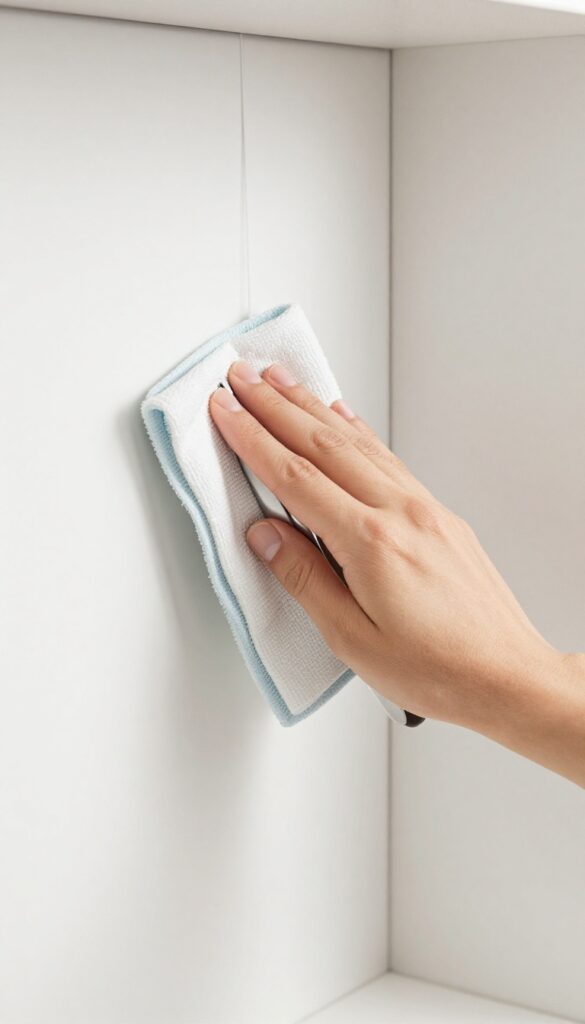
Some blinds are just awkwardly placed—behind furniture, above a sink, or in a tight corner. Bending and twisting to reach every slat can leave you sore and frustrated. That's where a simple kitchen tool comes to the rescue.
Grab a pair of kitchen tongs and a microfiber cloth. Wrap the cloth around the tips of the tongs and secure it with a rubber band. Now you have a precise gripping tool that lets you clean each slat without straining your back or stretching your arms.
The tongs give you control to slide along the slat, picking up dust from both sides at once. This method works especially well for vertical blinds and mini blinds in tricky spots.
Why This Works So Well
The tongs act as an extension of your hand, giving you reach without the awkward angles. The microfiber cloth traps dust instead of spreading it around. Plus, you can easily swap out the cloth when it gets dirty.
Best Blinds For This Trick
This technique shines on vertical blinds and narrow mini blinds. For horizontal blinds, you can grip each slat individually. It's also great for blinds that are close to a window or behind a curtain.
Pro Tips For Best Results
Use a slightly damp microfiber cloth for stubborn grime. Make sure the rubber band is tight so the cloth doesn't slip. Work from top to bottom to avoid dripping dust onto already cleaned slats.
3. Vacuum with a Brush Attachment for a Quick Dust-Off
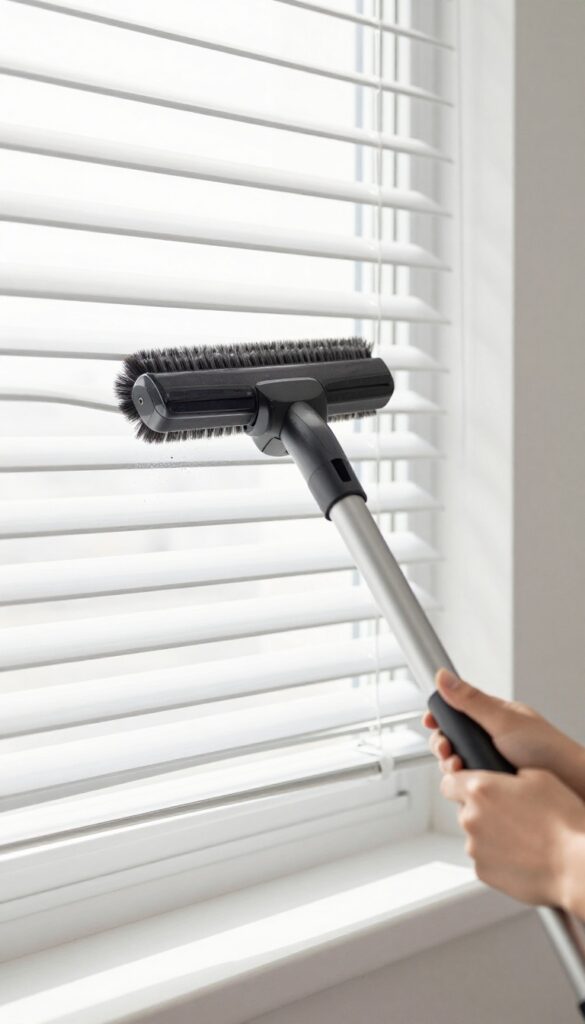
When you need to clean blinds fast, your vacuum cleaner can do the heavy lifting. No special tools required—just the brush attachment that probably came with your machine. This method works great for a weekly dusting or when you have company coming and need a quick refresh.
Using a vacuum is one of the fastest ways to remove loose dust from blinds without spreading it around. The brush attachment gently agitates the dust while suction pulls it away, so you're not just pushing dirt elsewhere. This is especially handy for larger blinds or multiple windows.
Prep Your Vacuum
Attach the brush or dusting tool to your vacuum hose. If your vacuum has adjustable suction, set it to a lower setting to avoid bending or damaging the slats. A high-powered vacuum can be too aggressive on some materials like faux wood or aluminum.
Close The Blinds Flat
Rotate the blinds so they are completely closed and flat, forming a solid surface. This allows the brush to glide smoothly from top to bottom without catching on the gaps. Start at the top and work your way down in long, even strokes.
Vacuum Both Sides
After one side is done, rotate the blinds the opposite way and vacuum the other side. This ensures you capture dust that settled on the back. For extra stubborn spots, use the crevice tool to get into the corners and along the cords.
4. Wipe Down with a Dryer Sheet to Repel Future Dust
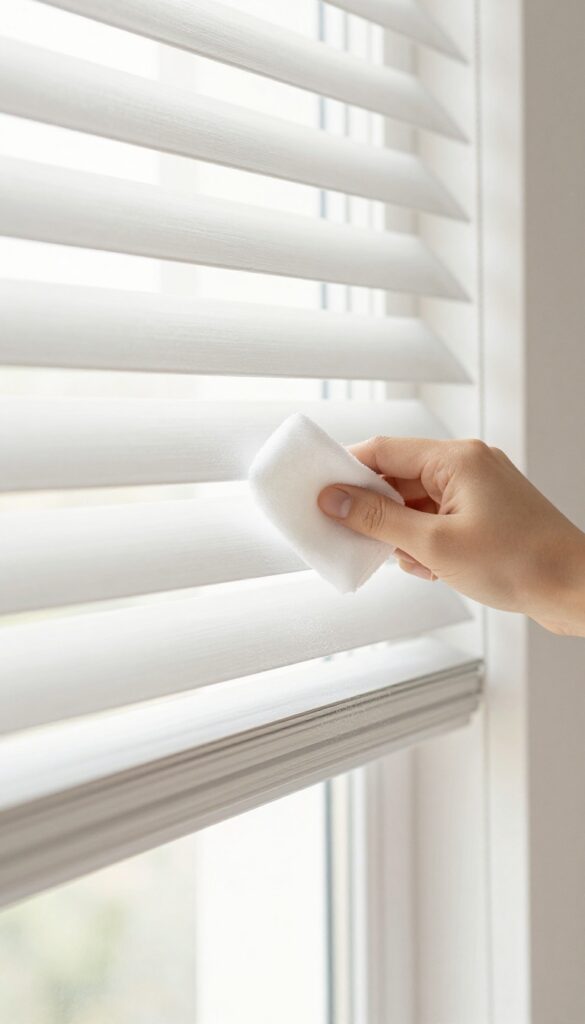
Dryer sheets aren't just for the laundry room. They work wonders on blinds by picking up dust and leaving behind an anti-static coating that helps repel dust longer. This simple trick cuts down your cleaning frequency and keeps blinds looking fresh.
Grab a used or new dryer sheet and run it over each slat. The sheet grabs dust easily, and the anti-static agents cling to the surface, creating a barrier that discourages dust from settling. Focus on one side first, then flip the sheet for the other side.
For best results, use a fresh sheet for each set of blinds.
Why Dryer Sheets Work So Well
Dryer sheets contain fabric softeners and anti-static compounds. When you wipe blinds, these compounds transfer to the slats, neutralizing static electricity. Static is a major dust magnet, so reducing it means less dust buildup over time.
Best Types Of Dryer Sheets To Use
Any brand works, but sheets with stronger anti-static properties (like Bounce or Snuggle) tend to last longer. Avoid scented ones if you're sensitive to fragrances. Used sheets still have enough coating for a single cleaning pass.
How Often To Use This Method
Incorporate dryer sheet dusting into your monthly cleaning routine. For high-traffic rooms or homes with pets, you might need to do it every two weeks. The anti-static effect typically lasts a few weeks, reducing overall dusting frequency.
5. Use a Damp Sponge for Stubborn Grime on Faux Wood or Vinyl
Faux wood and vinyl blinds are durable and easy to clean, but sticky spots from cooking grease or fingerprints can be stubborn. A slightly damp sponge is your secret weapon—it lifts grime without damaging the material. Just wring it out well so it's barely moist, then wipe each slat gently.
For tough buildup, a damp sponge outperforms dry dusting every time. The moisture softens sticky residue, while the sponge's texture grabs dirt. Always follow with a dry cloth to prevent water spots or warping.
This method works best on horizontal blinds where you can tackle one slat at a time.
Choose The Right Sponge
Use a non-scratch sponge to avoid scratching the finish. A cellulose sponge with a soft side is ideal. Avoid abrasive pads or scrubbers—they can dull the surface over time.
Wipe In One Direction
Start at the top slat and work your way down. Wipe each slat from left to right in a single pass to avoid spreading grime. Rinse the sponge frequently in clean water to keep it effective.
Dry Immediately For A Streak-free Finish
After wiping, go over each slat with a soft, dry microfiber cloth. This removes excess moisture and prevents water spots. For extra shine, buff lightly with a clean cloth.
6. Spray a Vinegar Solution for a Deep Clean on Greasy Blinds
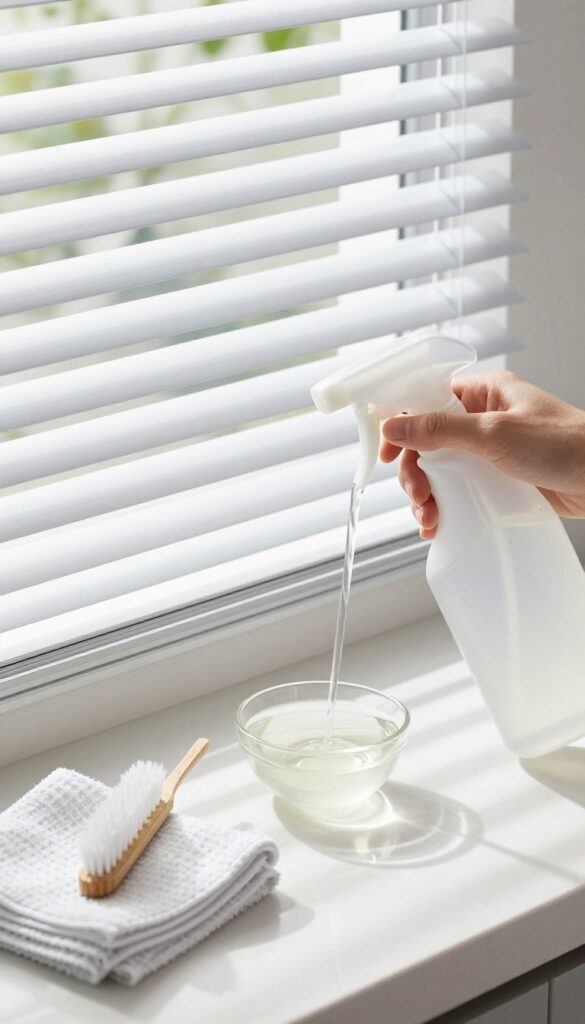
Kitchen blinds often bear the brunt of cooking grease, leaving them sticky and grimy. A simple vinegar solution cuts through that residue without harsh chemicals. It's cheap, effective, and safe for most blind materials.
Why Vinegar Works So Well
White vinegar is a natural degreaser and disinfectant. Its acidity breaks down grease and grime on contact, making it ideal for kitchen blinds. Plus, it evaporates quickly, leaving no sticky residue behind.
How To Mix And Apply It
Combine equal parts white vinegar and warm water in a spray bottle. Shake gently. Never spray directly onto the blinds—this can damage the mechanism or cause streaks.
Instead, spray the solution onto a clean microfiber cloth until damp, then wipe each slat from top to bottom.
Tips For Stubborn Spots
For built-up grease, let the vinegar cloth sit on the spot for a minute before wiping. Use a soft toothbrush to gently scrub textured areas. Rinse the cloth frequently to avoid spreading grease around.
Finish by wiping with a dry cloth to prevent water spots.
7. Clean Vertical Blinds with a Sock and Rubbing Alcohol

Vertical blinds can be tricky because they're long, flimsy, and often collect dust along the entire length. But you don't need special tools or expensive sprays. A simple sock and some rubbing alcohol will have them looking brand new in no time.
The alcohol evaporates fast, so there's no sticky residue or waiting around for them to dry. Plus, it cuts through grease and grime that plain water can't touch.
Why Rubbing Alcohol Works So Well
Rubbing alcohol is a powerful degreaser and disinfectant that dries almost instantly. When you wipe vertical slats with it, the alcohol lifts dirt and kills germs without leaving streaks or moisture that can warp the blinds. It's safe for most materials, including vinyl, aluminum, and fabric vertical blinds.
The Sock Method Step By Step
Grab a clean cotton sock (an old one works fine) and slip it over your hand like a glove. Pour a small amount of rubbing alcohol into a bowl or spray it lightly onto the sock—don't soak it. Then, starting at the top, grip each vertical slat between your thumb and fingers and slide down the length.
The sock's texture grabs dust, while the alcohol dissolves grime. Flip the sock inside out or switch to a fresh one when it gets dirty.
Tips For Fabric Vertical Blinds
If your vertical blinds are fabric, test the alcohol on a hidden spot first to make sure it won't cause color bleeding. For heavy stains, you can gently dab the area with the alcohol-soaked sock instead of rubbing. Let the slats air dry completely before closing them to prevent mildew.
8. Use a Lint Roller for a Super Quick Touch-Up
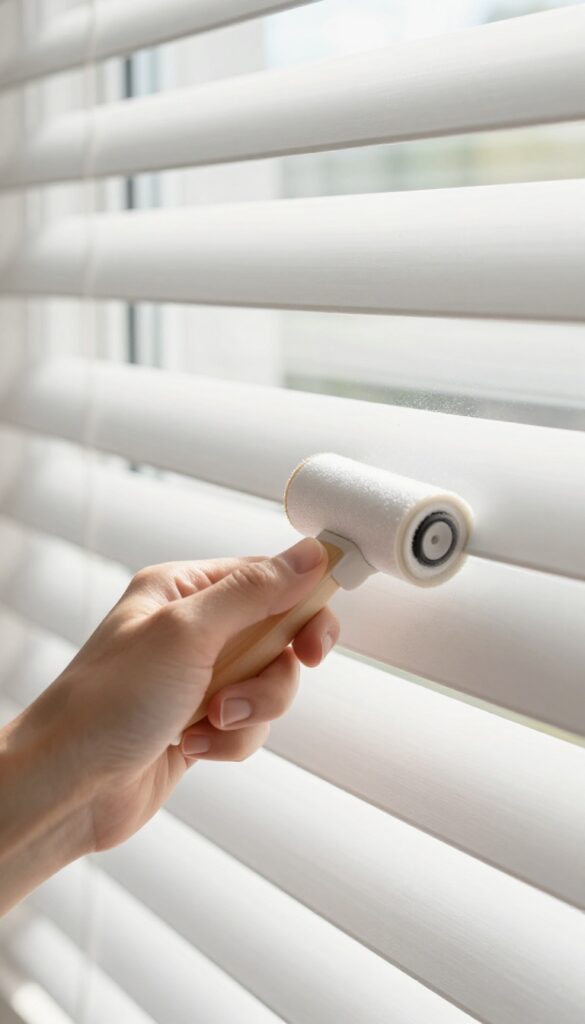
Sometimes you just need a fast refresh, and that's where a lint roller shines. It picks up dust and pet hair from blinds in seconds, making it perfect for a quick touch-up between deep cleans. Keep one in your cleaning caddy or even in a drawer near the blinds for instant access.
A lint roller is one of the simplest tools for a speedy blind cleaning. The sticky sheets grab loose dust, dander, and hair without any spray or wiping. It's especially effective on horizontal blinds, where dust settles on top of each slat.
Just roll it across the surface, and you'll see immediate results. This method is ideal for a quick spruce-up before guests arrive or when you notice a dusty glare in the sunlight.
Why It Works So Well
The adhesive on lint roller sheets is designed to lift fine particles from fabric, and it works just as well on hard surfaces like blinds. It's gentle enough not to damage the finish, yet sticky enough to grab stubborn dust. Plus, it's dry—no moisture means no streaks or water spots, which is a common issue with spray cleaners.
Best Blinds For This Trick
Lint rollers work best on smooth, flat surfaces like vinyl, faux wood, or aluminum blinds. They're less effective on textured or fabric blinds, where dust can get trapped in the weave. For those, stick to vacuuming or a microfiber cloth.
Pro Tips For Maximum Efficiency
Use a fresh sheet for each blind to avoid redepositing dust. Start at the top slat and work your way down, so falling dust doesn't land on already cleaned areas. For a deeper clean, follow up with a quick wipe using a damp microfiber cloth.
Keep a lint roller in each room with blinds, so you can grab it whenever you notice dust.
9. Soak Mini Blinds in the Bathtub for a Thorough Wash
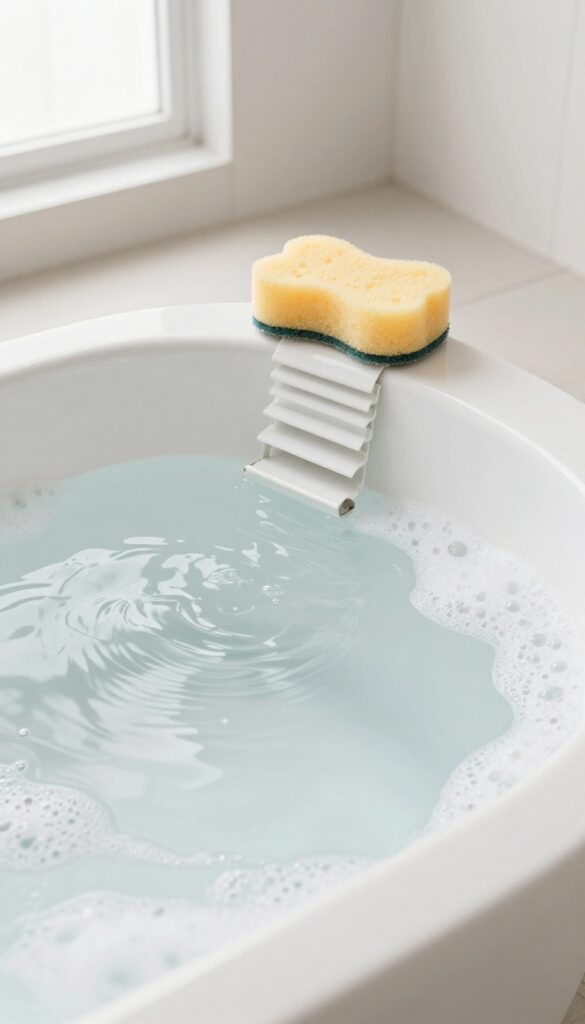
Sometimes dusting just isn't enough. If your mini blinds have layers of grime, sticky residue, or yellowing from age, a deep soak in the bathtub can bring them back to life. This method works wonders for kitchen blinds or blinds in high-traffic areas.
This technique is perfect for a seasonal deep clean. You'll need a bathtub or large basin, warm water, mild dish soap, and a soft cloth or sponge. The process is simple: remove the blinds, submerge them, let them soak, rinse, and rehang.
It's surprisingly satisfying to see the dirty water afterward.
Step-by-step Soaking Process
Start by removing the blinds from the window. Most mini blinds have a simple clip or cord mechanism—just lift them off the brackets. Lay them flat in the tub and fill with enough warm water to cover them.
Add a few drops of mild dish soap and swish gently to distribute. Let them soak for 15 minutes. For stubborn spots, use a soft sponge to lightly scrub.
Drain the soapy water, then rinse with clean water using a handheld showerhead or pitcher. Shake off excess water and let them drip dry over the tub before rehanging.
Drying And Rehanging Tips
After rinsing, tilt the blinds to let water run off the slats. You can hang them back up while still slightly damp—just open them fully so air circulates. Avoid using heat to speed drying, as it can warp the slats.
If you have metal blinds, dry them promptly to prevent water spots. For a streak-free finish, wipe each slat with a microfiber cloth before they air dry completely.
When To Skip This Method
Not all blinds are bathtub-friendly. Wood or faux wood blinds can swell or warp if soaked. Check the manufacturer's label—if it says 'wipe only, ' stick to dusting.
Also, blinds with fabric tapes or cords may not dry well and could develop mildew. When in doubt, spot test a small area first.
10. Finish with a Squeegee for a Streak-Free Shine on Horizontal Blinds
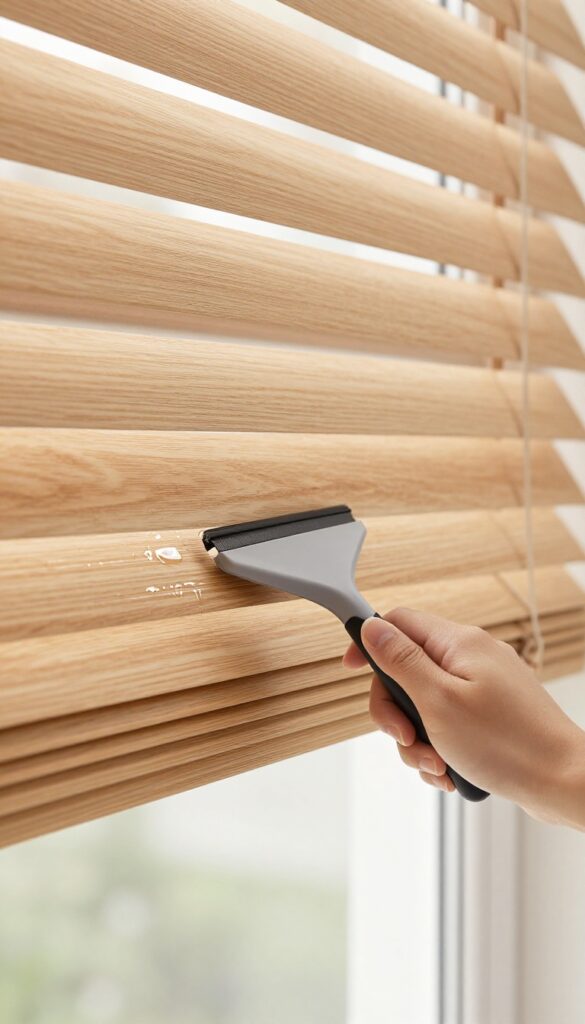
You've dusted, wiped, and scrubbed—now it's time for the final touch. A small squeegee can transform your horizontal blinds from clean to sparkling. It removes excess moisture and prevents those annoying water spots that often appear after cleaning.
This trick works especially well on wide slats, giving them a professional, streak-free finish.
After cleaning your blinds with a damp cloth or spray, grab a small squeegee (the kind used for windows or shower doors works perfectly). Starting at one end of a slat, pull the squeegee across the length in one smooth motion. Wipe the blade dry with a towel after each pass to avoid spreading water.
Repeat on every slat, working from top to bottom. This method is quick, efficient, and leaves blinds looking like new.
Why A Squeegee Beats A Cloth
Cloths can leave lint or streaks, especially on wide slats. A squeegee's rubber blade glides smoothly, pushing water off without residue. It's also faster—you can do an entire blind in minutes.
Plus, it reduces the risk of bending or damaging slats compared to vigorous wiping.
Best Blinds For This Technique
Horizontal blinds with flat, wide slats—like faux wood or vinyl—are ideal. Narrow or textured slats may not work as well, but you can still use a squeegee on the top surface. Avoid using it on fabric or corded blinds, as it can snag or damage them.
Pro Tips For A Perfect Finish
Use a microfiber cloth to dry the squeegee blade between passes. For stubborn spots, spray a little vinegar-water solution on the slat before squeegeeing. Work in natural light to spot any missed streaks.
And always close the blinds completely so all slats face the same direction for easier access.
FAQ
How often should I clean my blinds?
Dust blinds every two weeks and deep clean every three to six months, depending on your home's dust levels.
Can I use furniture polish on blinds?
Avoid furniture polish as it can leave a sticky residue that attracts more dust. Stick to microfiber cloths or vinegar solutions.
What's the best way to clean fabric blinds?
Vacuum fabric blinds with a brush attachment. For stains, spot clean with a mild detergent and water, then blot dry.
How do I clean blinds without removing them?
Use the tongs-and-cloth method, a microfiber glove, or a vacuum attachment. These allow you to clean blinds in place.
Will vinegar damage my blinds?
Vinegar is safe for vinyl, faux wood, and aluminum blinds. Avoid it on real wood blinds as it can strip the finish.
Conclusion
Cleaning blinds doesn't have to be a dreaded chore. With these 10 dusting tricks, you can keep them looking fresh without spending hours on the job. Pick the methods that work best for your type of blinds and your schedule.
Start with the quickest tricks like the dryer sheet wipe or the sock method, and build from there. A little regular maintenance goes a long way in preventing heavy dust buildup. Your blinds will stay cleaner longer, and you'll save yourself from bigger cleaning sessions down the road.