Your mattress works hard every night, absorbing sweat, dead skin, and dust mites without you giving it a second thought. Over time, that buildup can lead to musty odors and even affect your sleep quality.
The good news is you don't need expensive cleaning services to bring back that fresh, hotel-like feel. With a few simple household items and a little elbow grease, you can tackle everything from yellow sweat stains to lingering smells.
These 13 practical tactics are designed to be effective without being complicated, so you can breathe easier and sleep better starting tonight.
1. Strip and Air Out Your Mattress
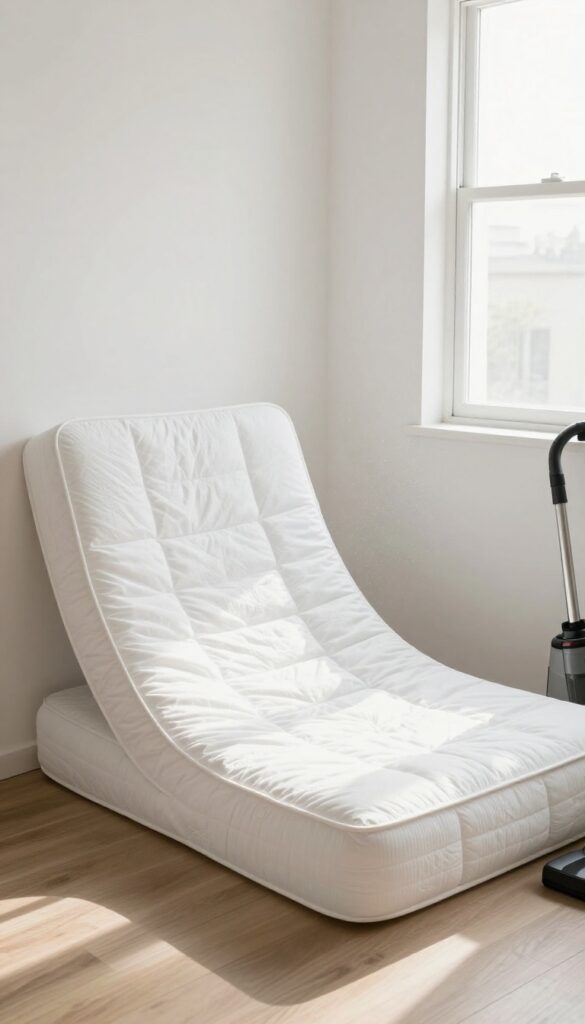
Before you bring out any cleaning products, give your mattress a chance to breathe. Removing all bedding and letting the bare mattress air out for a few hours can work wonders. Fresh air naturally evaporates trapped moisture and helps neutralize odors, making this the simplest first step in your cleaning routine.
Start by stripping off all sheets, pillowcases, mattress protectors, and any other bedding. Take them straight to the laundry to be washed—you'll want a fresh set ready later. Open your bedroom windows wide to create cross-ventilation.
If possible, prop your mattress up against a wall or place it on a clean, dry surface outside in the shade. Let it air for at least two to three hours. This simple act reduces humidity inside the mattress and discourages dust mites and mildew from setting up shop.
Why Airflow Matters
Mattresses trap body heat and sweat night after night. Without regular airing, that moisture lingers and creates a breeding ground for bacteria and mold. Airing out helps dry the core layers and refreshes the fabric, cutting down on musty smells before they become permanent.
Best Time And Place To Air
A sunny, breezy day is ideal. If you have an outdoor space, place the mattress on a clean tarp or blanket in the shade to avoid direct sun damage. No outdoor area?
No problem—lean it against a wall near an open window or use fans to circulate air around the room.
Don't Forget The Bed Base
While the mattress is off, take a moment to vacuum the bed frame or box spring. Dust and allergens collect there too. A quick once-over with your vacuum's upholstery attachment keeps the whole sleep setup cleaner.
2. Vacuum Every Surface Thoroughly
Your mattress collects more than just dust—it traps allergens, pet dander, and tiny debris that settle deep into the fabric. A quick once-over won't cut it. You need to be methodical.
Start With The Top And Sides
Attach the upholstery tool to your vacuum and slowly work across the entire top surface. Overlap each pass to catch hidden particles. Then run the nozzle along all four sides, pressing gently into the seams where crumbs and hair love to hide.
Don't Forget The Crevices
Switch to the crevice tool for the edges and any tufted areas. Dust and skin flakes accumulate along the border stitching and button indentations. A few extra seconds here makes a noticeable difference in freshness.
Flip And Repeat
If your mattress is double-sided, flip it over and vacuum the other side the same way. For one-sided mattresses, lift the corners and vacuum the bottom edge and the box spring or foundation. This prevents dirt from migrating back up.
3. Sprinkle Baking Soda for Deep Deodorizing
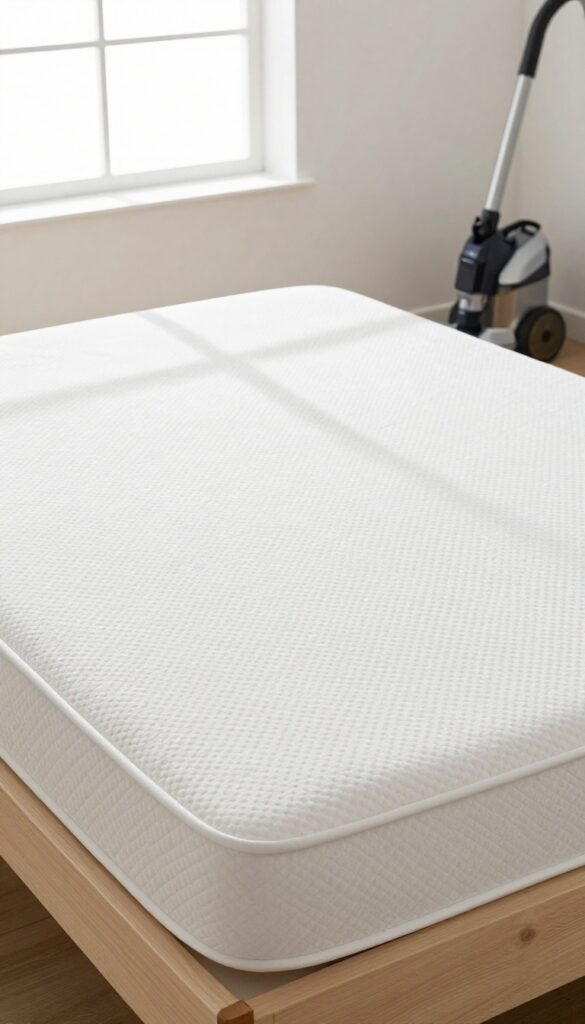
Baking soda is a powerhouse when it comes to neutralizing odors. It works by absorbing moisture and trapping smells, leaving your mattress fresher without harsh chemicals. This simple step can make a noticeable difference, especially if you've noticed a musty or stale scent.
Start by stripping all bedding from the mattress. Generously sprinkle a thin, even layer of baking soda over the entire surface. Don't be shy—use about a full box for a queen-size mattress.
Gently rub it into the fabric with your hands or a soft brush to help it penetrate deeper. Let it sit for at least several hours, but overnight is even better. The longer it sits, the more odors it will absorb.
After the wait, vacuum thoroughly using the upholstery attachment to remove every trace of powder. You'll be amazed at how fresh it smells.
Why Baking Soda Works So Well
Baking soda is a natural deodorizer because it's alkaline. Many odors are acidic, so the baking soda neutralizes them on contact. It also absorbs excess moisture, which helps prevent mold and mildew growth.
Unlike sprays that just mask smells, baking soda actually removes them.
Tips For Maximum Effectiveness
For extra odor-fighting power, mix a few drops of your favorite essential oil (like lavender or tea tree) into the baking soda before sprinkling. Let the mixture dry for a few minutes to avoid staining. Also, make sure your mattress is dry before applying—moisture can cause clumping.
Vacuuming thoroughly is key; leftover powder can feel gritty and irritate skin.
How Often Should You Do This?
Aim to do a baking soda treatment every three to six months. If you have pets or allergies, consider doing it more often—every two months. It's a quick, low-effort way to maintain freshness between deeper cleanings.
4. Vacuum Again to Remove Baking Soda
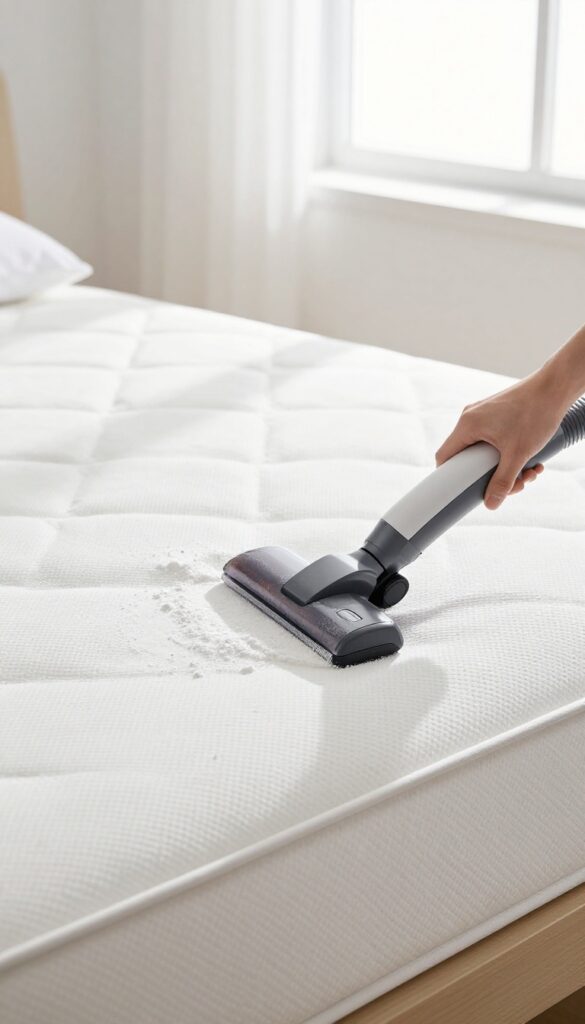
Letting baking soda sit overnight does wonders for absorbing odors and moisture. But if you skip the final vacuum, all that powder just turns into a dusty mess that can irritate your nose and cling to your sheets. This step is simple but crucial—think of it as the grand finale that seals the deal.
Use The Upholstery Attachment For Deep Suction
Switch to the upholstery tool on your vacuum—it’s wider and flatter than the standard floor head, so it glides over the mattress surface without pushing the powder around. Work in slow, overlapping passes, moving from the head to the foot of the bed. This ensures you pick up every last grain of baking soda, especially in the crevices where it tends to settle.
Don’t Forget The Edges And Seams
Baking soda loves to hide along the mattress seams and around the border tape. Run the crevice tool along all four edges and the piping to suck out any lingering powder. If you skip this, you’ll notice a fine white dust on your fitted sheet the next time you make the bed.
Give It A Final Pass With The Brush Tool
For a truly thorough finish, go over the entire mattress one more time with the brush attachment. This lifts any remaining particles from the fabric fibers while also fluffing the surface. Your mattress should feel clean, smell fresh, and be completely powder-free before you put the sheets back on.
5. Spot Clean Stains with a Gentle Solution
Stains happen—whether it's a spilled midnight snack, a pet accident, or just the natural wear and tear of nightly use. But before you reach for harsh chemicals, know that a simple DIY solution can lift most marks without damaging the mattress fibers. The key is to act fast and treat the stain gently, avoiding any scrubbing that could set it deeper.
For most fresh stains, a mixture of mild dish soap and cool water does the trick. Dip a clean white cloth into the solution, wring it out so it's damp not wet, and dab the stain from the outside in. Blotting—not rubbing—is crucial because rubbing pushes the stain further into the foam or padding.
After the stain lifts, blot with a dry cloth to remove excess moisture, then let the area air dry completely before making the bed.
What You'll Need
Gather a bowl of cool water, a few drops of mild dish soap (like Dawn or Seventh Generation), a clean white cloth or paper towels, and a spray bottle if you prefer misting. Avoid colored cloths—dyes can transfer to your mattress. For tougher stains, a small amount of hydrogen peroxide can be added, but test on an inconspicuous area first.
Step-by-step Stain Removal
Start by blotting the stain with a dry cloth to absorb any liquid. Then mix the dish soap with water and apply it to the cloth, not directly to the mattress. Gently dab the stain, working from the edges toward the center to prevent spreading.
Repeat with a fresh section of the cloth until the stain fades. Finish by blotting with a dry cloth and allowing the spot to air dry.
Drying And Prevention Tips
After cleaning, speed up drying by placing a fan near the mattress or opening a window. Never use heat like a hair dryer, as it can set the stain or damage the fabric. To prevent future stains, consider a waterproof mattress protector—it's a simple layer that saves you from repeated deep cleans.
6. Tackle Sweat Stains with Hydrogen Peroxide
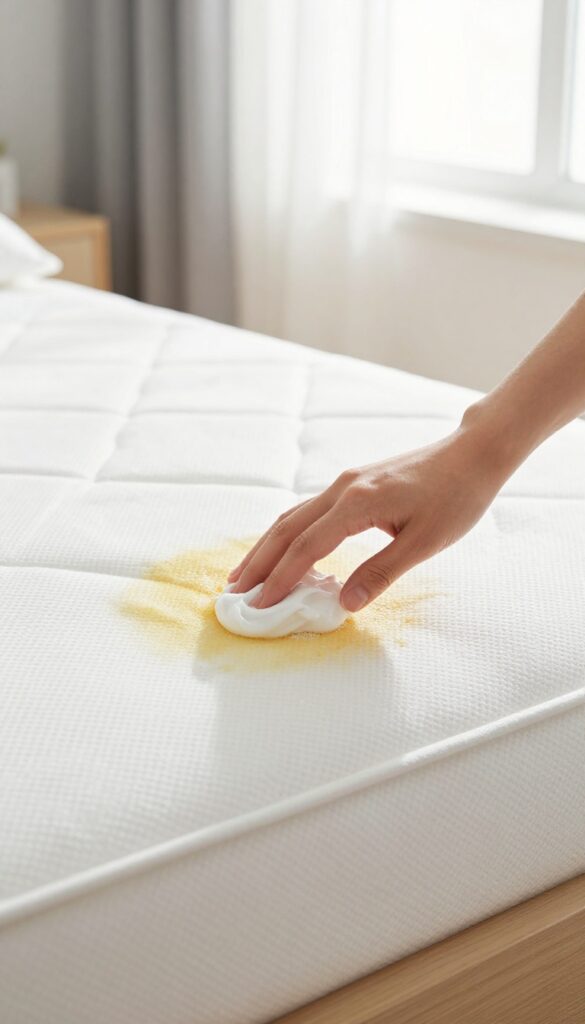
Sweat stains are one of the most common mattress annoyances, especially if you sleep hot or live in a humid climate. Those yellowish marks aren't just unsightly—they can trap odors and make your bed feel less inviting. Hydrogen peroxide is a gentle but effective bleach alternative that breaks down the proteins in sweat without damaging your mattress fibers.
The key is to act quickly and use the right ratio of ingredients. This method works best on fresh or set-in stains, but you may need to repeat the process for older, darker marks.
Mix Your Stain-fighting Paste
In a small bowl, combine 3 tablespoons of hydrogen peroxide (3% solution), 2 tablespoons of baking soda, and a single drop of liquid dish soap. Stir until it forms a thick, spreadable paste. The baking soda adds gentle abrasion, while the dish soap helps lift the stain from the fabric.
Apply And Let It Work
Use a clean cloth or sponge to dab the paste directly onto the sweat stain. Spread it evenly, making sure the entire stain is covered. Let the mixture sit for about 30 minutes to an hour.
During this time, the hydrogen peroxide will bubble and break down the stain. Do not rub vigorously, as that can push the stain deeper into the mattress.
Blot Away The Residue
After the waiting period, use a damp cloth to blot the area gently. You'll see the paste lift away along with the stain. Continue blotting with fresh water until no soap residue remains.
Then, press a dry towel over the spot to absorb excess moisture. Let the mattress air-dry completely before making the bed.
7. Remove Blood Stains with Cold Water and Salt
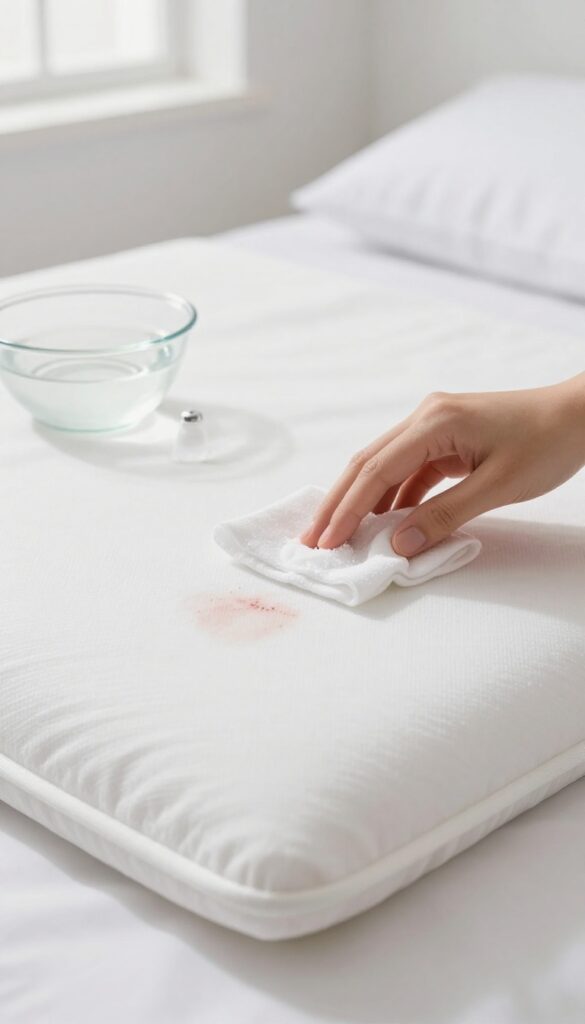
Blood stains on your mattress can feel alarming, but they're often easier to remove than you think—if you act fast. The key is to avoid hot water at all costs, because heat cooks the protein in blood and locks the stain into the fabric permanently. Instead, reach for cold water and plain table salt, two items you probably already have in your kitchen.
Start by blotting the fresh stain with a clean cloth dipped in cold water. Don't rub—that spreads the stain deeper into the mattress fibers. Once you've lifted as much blood as possible, mix a paste of cold water and salt (about 2 parts salt to 1 part water).
Apply the paste directly to the stain, let it dry completely, then brush off the salt with a soft brush or vacuum it up. For older, dried stains, you may need to repeat the process or let the paste sit for a few hours.
Why Cold Water Works
Blood contains proteins that coagulate when exposed to heat. Cold water keeps those proteins from binding to the mattress fibers, making it much easier to lift the stain out. Hot water or a hair dryer will set the stain instantly, so always use cool or cold water.
The Salt Paste Method
Salt acts as a gentle abrasive and a natural absorbent. When mixed into a paste, it draws the blood out of the fabric while the salt crystals help scrub away residue without damaging the mattress. Let the paste dry fully—this gives it time to pull the stain to the surface.
What To Do For Dried Stains
If the stain has already set, don't panic. Make a thicker paste of salt and a few drops of cold water, apply it generously, and let it sit for several hours or overnight. You can also add a tiny amount of hydrogen peroxide (test on an inconspicuous area first) to boost stain-lifting power.
8. Neutralize Urine Odors with Vinegar and Baking Soda
Urine accidents on a mattress can feel like a disaster, but with the right approach, you can eliminate both the stain and the smell. Whether it's a child's accident or a pet mishap, quick action is key. This simple two-step method using common household ingredients works wonders.
Blot, Don't Rub
As soon as you notice the accident, grab a clean cloth or paper towels and blot up as much liquid as possible. Press firmly to absorb the urine, but avoid rubbing, which can push it deeper into the mattress fibers. Repeat with fresh towels until no more moisture transfers.
Vinegar Solution Spray
Mix equal parts white vinegar and water in a spray bottle. Lightly mist the affected area—you want it damp, not soaked. The vinegar neutralizes the ammonia in urine and helps break down the stain.
Let it sit for 5–10 minutes, then blot again with a dry cloth.
Baking Soda Absorption
After the vinegar treatment, generously sprinkle baking soda over the damp spot. Use enough to form a thick layer. Let it sit for several hours or overnight—the baking soda will absorb moisture and odors.
Once dry, vacuum up the powder completely.
Repeat If Needed
For stubborn or old urine stains, you may need to repeat the process. Old odors can be trickier because the uric acid has crystallized. A second round of vinegar and baking soda often does the trick.
For pet accidents, consider an enzymatic cleaner after this step to break down proteins.
9. Use Essential Oils for a Fresh Scent
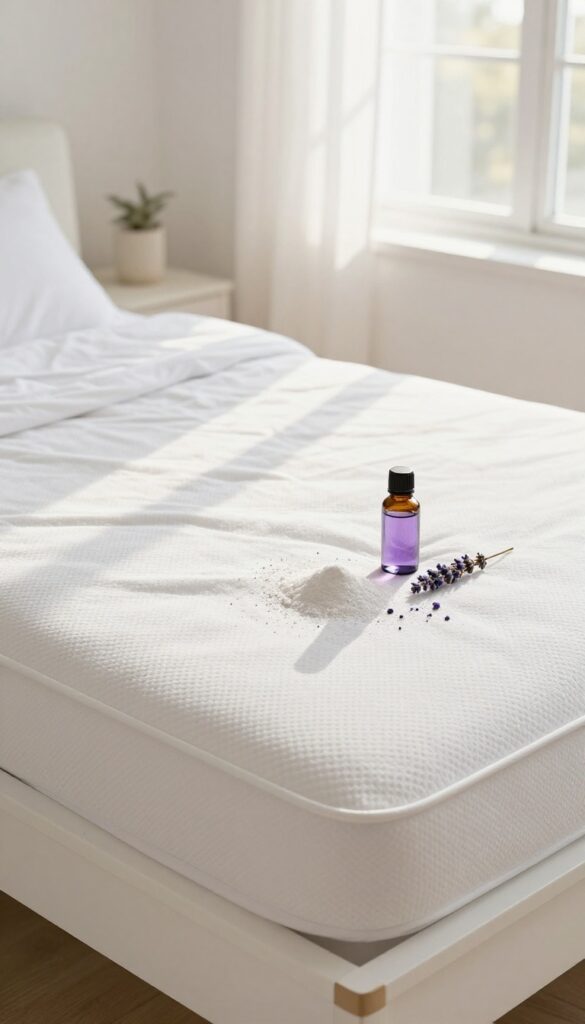
If you love the idea of a naturally scented mattress but want to avoid synthetic fragrances, essential oils are your answer. A few drops added to your baking soda treatment can transform the whole experience—leaving your bed smelling like a spa retreat instead of a cleaning closet. Plus, certain oils bring antimicrobial benefits that help keep your mattress fresher for longer.
Adding essential oils to your mattress cleaning routine is simple and effective. Start with your usual baking soda sprinkle, but before you dust it over the mattress, mix in a few drops of your chosen oil. Lavender is a classic for relaxation, while tea tree oil offers powerful antimicrobial properties.
You can also experiment with eucalyptus or peppermint for a crisp, invigorating scent. Let the mixture sit for at least 30 minutes (or overnight for deeper deodorizing), then vacuum thoroughly. The result is a mattress that smells clean and feels refreshed, without any harsh chemicals.
Choosing The Right Oil
Not all essential oils are created equal for mattress care. Lavender is gentle and widely loved for its calming aroma, making it perfect for bedtime. Tea tree oil is a stronger choice—its natural antifungal and antibacterial qualities help combat dust mites and mildew.
For a fresh, clean scent, try lemon or eucalyptus. Always use high-quality, pure essential oils and avoid synthetic fragrance oils, which can be irritating.
How To Apply Without Staining
Essential oils are potent, so a little goes a long way. Mix 10-15 drops per cup of baking soda and stir well to distribute the oil evenly. This prevents any concentrated spots that could stain your mattress.
If you're worried about residue, let the baking soda sit for an hour before vacuuming—the oil will have time to absorb. Test on a small, hidden area first to ensure your mattress fabric doesn't react.
Enhancing The Effect
For an extra boost, combine essential oils with other natural deodorizers. Add a tablespoon of dried lavender buds or a pinch of ground cinnamon to the baking soda mix. You can also spritz a light mist of water mixed with a few drops of oil over the mattress after vacuuming—just don't soak it.
This layered approach keeps your mattress smelling fresh between deep cleans.
10. Steam Clean for a Deep Sanitizing
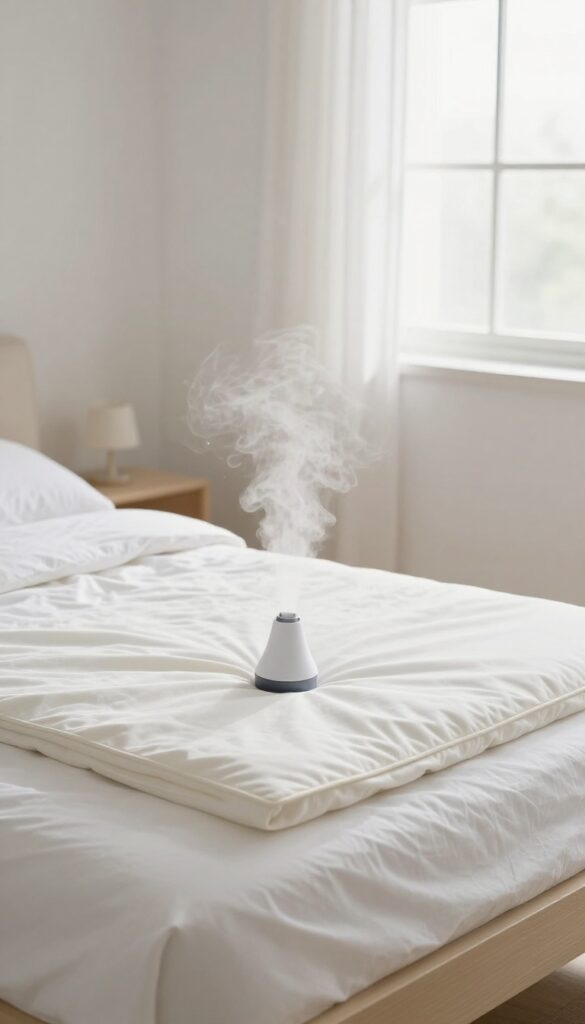
Steam cleaning takes mattress care to the next level. The high heat penetrates deep into the fibers, killing dust mites, bacteria, and any lingering germs without harsh chemicals. It's a powerful refresh for mattresses that have gone too long without a deep clean.
But not all mattresses can handle steam. Always check the care tag first—memory foam and some hybrid models can be damaged by moisture and heat. If your mattress is steam-safe, this method can dramatically improve freshness and hygiene.
Choose The Right Steamer
A handheld garment steamer works great for mattresses because it's easy to control and doesn't soak the fabric. Avoid large floor steamers that release too much water. Look for one with adjustable steam settings so you can dial it down for delicate areas.
Prep The Mattress First
Strip all bedding and vacuum the mattress thoroughly to remove loose dust and debris. Spot-treat any stains with an enzyme cleaner before steaming. This ensures the steam can reach the deeper layers without interference.
Steam In Slow, Even Passes
Hold the steamer about six inches from the surface and move it slowly across the mattress. Overlap each pass slightly to cover every inch. Focus on areas where you sweat most—the center and foot of the bed.
Don't linger too long in one spot to avoid saturating the padding.
Let It Dry Completely
After steaming, open windows or turn on a fan to speed up drying. The mattress must be bone-dry before you put sheets back on—moisture trapped inside can lead to mold. Wait at least 4-6 hours, or overnight in humid weather.
11. Flip or Rotate Your Mattress
While you're already cleaning your mattress, it's the perfect time to flip or rotate it. This simple habit helps your mattress wear evenly, preventing sagging and extending its life. Most mattresses benefit from being rotated every 3 to 6 months, so why not do it while you're freshening things up?
Flipping or rotating isn't just about maintenance—it also gives you a chance to check the other side for stains or damage you might have missed. Plus, sleeping on a less-worn surface can instantly feel more comfortable.
Check Your Mattress Type First
Not all mattresses are flippable. Many modern mattresses are one-sided with comfort layers on top, so rotating only is the way to go. If you have a double-sided or flippable mattress, you can flip it over completely.
Look for handles or labels that indicate which side is up.
How To Rotate Properly
To rotate, simply spin your mattress 180 degrees so the head becomes the foot. This distributes body impressions more evenly. For flippable mattresses, flip it over after rotating—just be careful with the corners and edges to avoid damage.
Pair It With A Deep Clean
Since you're already moving the mattress, take advantage of the opportunity to vacuum the underside and the box spring or foundation. This removes dust and debris that accumulate in hidden spots. It's a small extra step that makes a big difference in overall freshness.
12. Protect with a Waterproof Mattress Cover
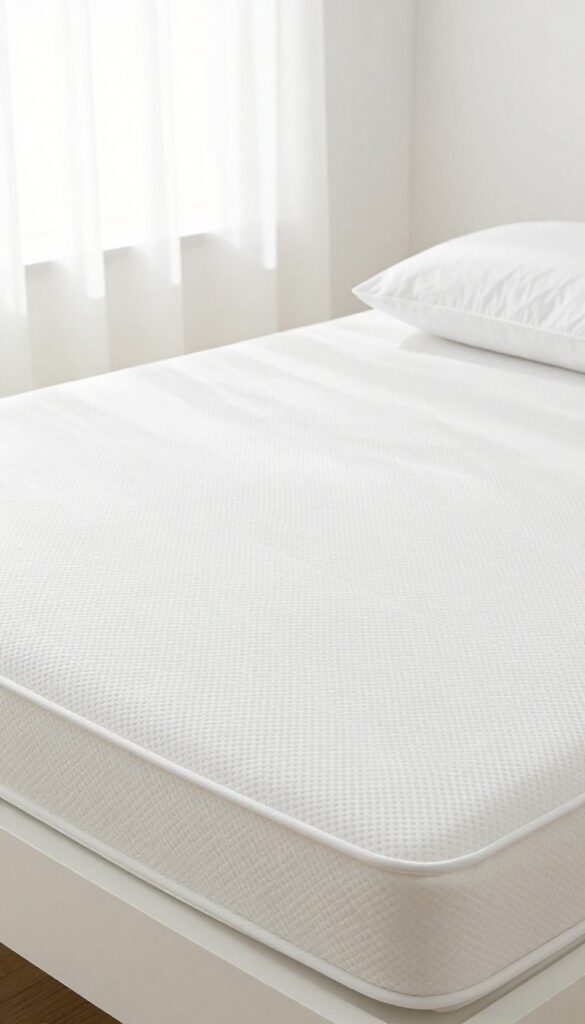
You've put in the work to get your mattress clean and fresh. Now it's time to keep it that way. A waterproof mattress cover acts like a shield, blocking spills, sweat, and allergens from reaching the mattress core.
It's a simple addition that pays off every night.
A waterproof mattress cover is one of the best investments you can make for mattress longevity. It creates a barrier that stops liquids from seeping into the foam or padding, where they can cause stains and odors. At the same time, it blocks dust mites and pet dander, making your sleep environment healthier.
Look for covers that are breathable, so they don't trap heat, and machine washable for easy maintenance. Once you've cleaned your mattress, put the cover on immediately to lock in that freshness.
Why Waterproof Matters
Even if you don't have kids or pets, accidents happen. A spilled drink, a sweaty night, or unexpected bedwetting can all leave lasting damage. A waterproof cover gives you peace of mind, knowing that any liquid will be caught before it reaches the mattress.
It also helps prevent the growth of mold and mildew, which thrive in damp environments.
Choosing The Right Material
Not all waterproof covers are created equal. Vinyl or plastic covers can feel crinkly and trap heat, making you sweat more. Instead, opt for a cover made from cotton or polyester with a polyurethane backing.
These are quiet, breathable, and still waterproof. Some even have cooling properties, which is a bonus if you sleep hot.
Installation And Care
Putting on a mattress cover is straightforward: just slip it over the mattress like a fitted sheet. Make sure it's snug but not too tight. To keep it effective, wash the cover every few months with mild detergent and tumble dry on low.
Avoid fabric softeners, which can break down the waterproof layer over time.
13. Maintain a Regular Cleaning Schedule
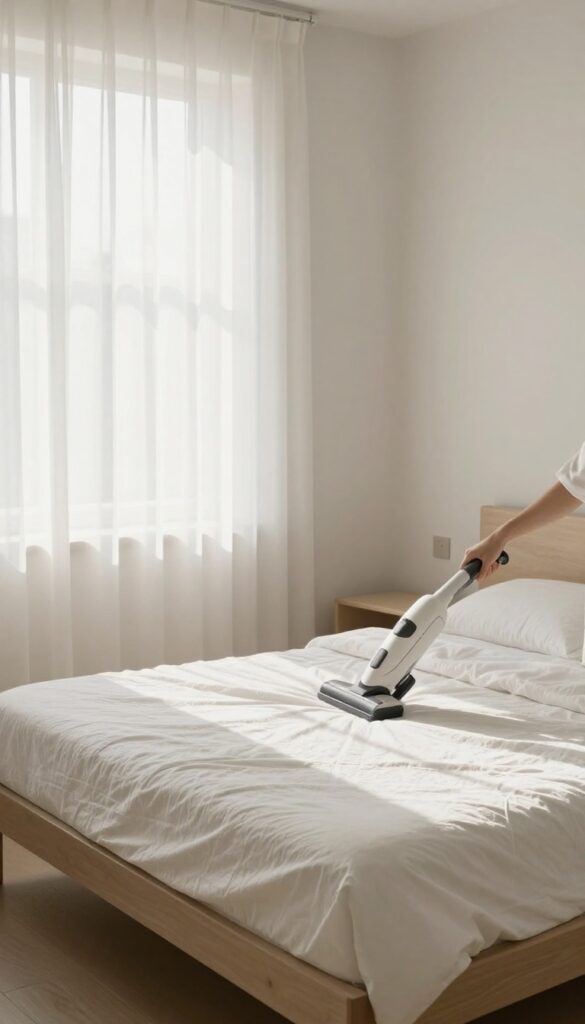
A clean mattress isn't a one-time project—it's an ongoing habit. Setting a simple cleaning schedule ensures you stay ahead of dust, allergens, and odors before they build up. Consistency is the secret to a mattress that always feels fresh and supports healthy sleep.
Deep cleaning every six months tackles the grime that accumulates over time, while monthly vacuuming keeps surface debris in check. Mark your calendar or set a phone reminder so you never skip a session. This routine not only extends your mattress's life but also improves your sleep environment without much extra effort.
Why Twice A Year Works
A biannual deep clean aligns with seasonal changes—spring and fall are perfect times. This frequency is enough to remove sweat, dust mites, and dead skin cells that can trigger allergies or cause odors. It's also manageable for most people, fitting into your regular home maintenance schedule without feeling overwhelming.
Monthly Touch-ups
Monthly vacuuming with an upholstery attachment keeps dust and pet dander from settling deep into the mattress. Focus on seams and crevices where debris hides. If you have allergies, do this more often—every two weeks—to keep symptoms at bay.
Quick Tips For Sticking To It
Pair your mattress cleaning with another recurring task, like changing your pillowcases or rotating your mattress. This creates a natural trigger so you don't forget. Use a calendar app with alerts, or write it on a physical calendar in your bedroom.
The key is making it a non-negotiable part of your routine.
FAQ
How often should I clean my mattress?
Aim for a deep clean every six months and a quick vacuum monthly. Spot clean stains as soon as they happen to prevent setting.
Can I use bleach on mattress stains?
Avoid bleach—it can damage mattress fibers and cause discoloration. Stick to gentle solutions like dish soap, hydrogen peroxide, or vinegar.
How long does baking soda need to sit?
For best results, let baking soda sit for at least 4–6 hours, or overnight for heavy odors. The longer it sits, the more odors it absorbs.
Is it safe to steam clean all mattresses?
Check your mattress care tag first. Many modern mattresses with memory foam or latex should not get wet. Steam cleaning is best for innerspring or cotton mattresses.
What's the best way to dry a mattress after cleaning?
Open windows, use fans, or run a dehumidifier to speed up drying. Ensure the mattress is completely dry before putting sheets back on to prevent mold.
Conclusion
Your mattress works hard every night, so it deserves a little TLC. These 13 tactics prove that a fresher, cleaner bed is totally doable—even on a busy schedule. Pick the method that fits your routine and stick with it.
Your sleep space will feel lighter, smell better, and look inviting. Try one new trick this weekend, and you'll wake up feeling like you're sleeping on a brand-new mattress.