Your stainless steel fridge looks like a magnet for fingerprints, smudges, and water spots. You wipe it down, only to see streaks and swirls staring back at you. The good news?
You don't need expensive products or harsh chemicals to get that mirror-like finish. These 15 safe routines use common household items, from olive oil to club soda, to tackle everything from grease to hard water stains.
Each method is quick, gentle, and designed to keep your appliances looking pristine without damaging the surface. Say goodbye to dull, grimy steel and hello to a streak-free shine.
1. The Daily Microfiber Wipe
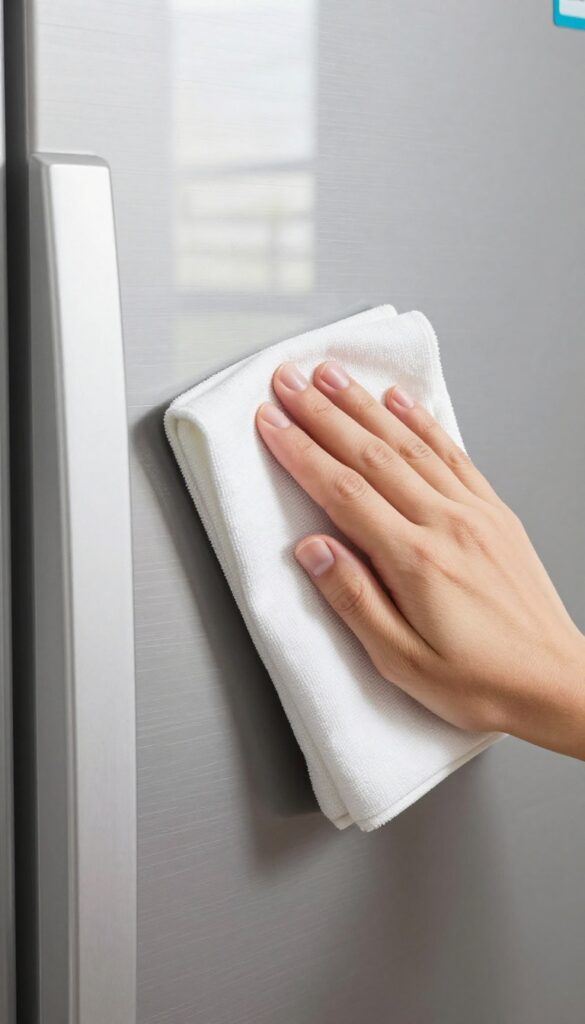
You don't need a spray bottle or a special cleaner to keep your stainless steel looking good. A simple dry microfiber cloth does the job in seconds. This routine is all about prevention—stopping smudges and dust before they build up into a sticky mess.
Grab a clean, dry microfiber cloth and give your appliance a quick once-over every day. Focus on high-touch areas like handles and the front panel. The microfiber traps oils and dust without scratching the surface.
No water, no chemicals, just a gentle buff. This keeps the finish consistent and reduces the need for deeper cleaning.
Why Microfiber Works Best
Microfiber has ultra-fine fibers that grab onto tiny particles. Unlike paper towels or cotton rags, it won't leave lint or streaks. The static charge also helps lift dust.
Stick to a dedicated cloth for stainless steel to avoid cross-contamination from other cleaners.
How To Avoid Swirl Marks
Always wipe in the direction of the grain—the subtle lines in the metal. Going against the grain creates visible swirls. Use light pressure and a fresh section of the cloth as you go.
If the cloth gets dirty, flip it or grab a new one.
When To Skip This Routine
If your appliance has sticky residue or dried-on splatters, the dry wipe won't cut it. Use a damp cloth first, then follow up with the dry microfiber. Also, avoid using fabric softener on your microfiber cloth—it clogs the fibers and reduces effectiveness.
2. Warm Water and Mild Dish Soap
Sometimes the simplest solution is the best one. Warm water and a drop of mild dish soap can handle everyday grime without any fuss. This method is gentle enough for daily use and won't strip the protective coating on your appliances.
Mix a few drops of mild dish soap with warm water in a bowl. Dip a soft microfiber cloth into the soapy water, then wring it out until it's just damp—not dripping. Wipe the stainless steel surface following the grain (the direction of the brushed lines).
Rinse the cloth with clean water and wipe again to remove any soap residue. Finally, dry immediately with a separate dry microfiber cloth to prevent water spots and streaks. This routine leaves your appliances clean and streak-free without any harsh chemicals.
Why Mild Dish Soap Works
Mild dish soap is a surfactant that breaks down grease and oils without being abrasive. Unlike harsh cleaners, it won't damage the stainless steel's protective layer or cause discoloration. It's also safe for food-contact surfaces, making it ideal for kitchen appliances.
The Importance Of Wringing Out The Cloth
Excess water is the enemy of stainless steel. Too much moisture can leave water spots and streaks. Wringing the cloth until it's just damp ensures you're cleaning without saturating the surface.
This small step makes a big difference in achieving a spotless finish.
Drying Immediately For A Streak-free Shine
After wiping with the soapy cloth and rinsing, drying right away is crucial. Air drying can leave mineral deposits from the water, creating spots. A soft, dry microfiber cloth buffs the surface to a shine and removes any lingering moisture.
3. Vinegar and Water Spray
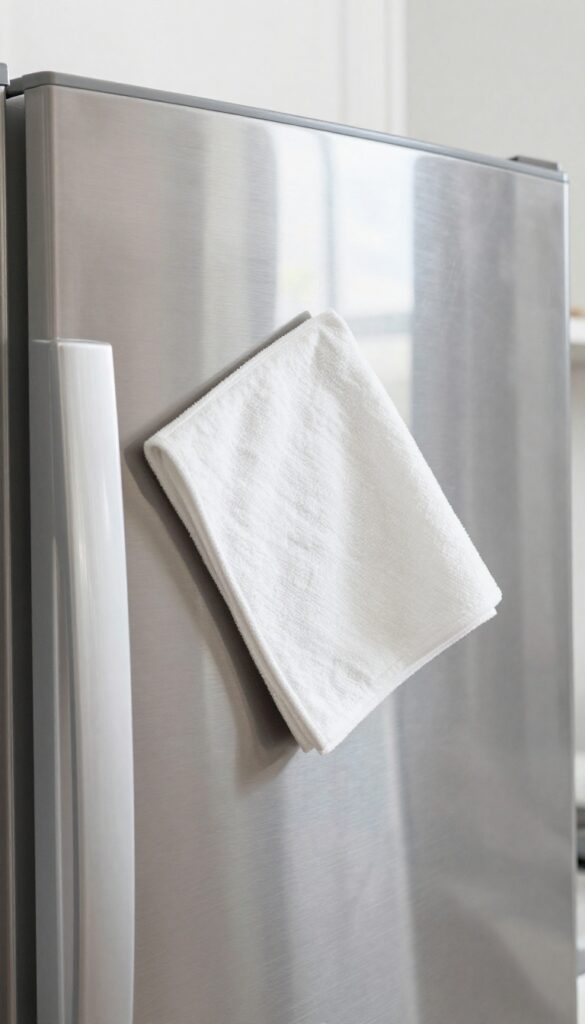
White vinegar is a powerhouse when it comes to cutting through grease and grime. Mixed with water, it creates a gentle but effective cleaner that won't damage your stainless steel. This routine is perfect for everyday messes and leaves a streak-free finish when done right.
To make your own cleaner, simply combine equal parts white vinegar and water in a spray bottle. Shake gently to mix. Lightly mist the surface of your appliance—don't soak it.
Then, wipe with a soft, lint-free cloth, following the grain of the steel. Finally, buff dry with a clean cloth to prevent water spots. This method works wonders on greasy fingerprints and smudges without leaving harsh chemical residues.
Why Vinegar Works So Well
Vinegar is acidic, which helps break down grease and dissolve mineral deposits. It's also a natural disinfectant, making it a safe choice for kitchen surfaces. Unlike some commercial cleaners, vinegar won't leave a sticky film or dull the finish over time.
Just be sure to use white vinegar—other types can stain.
Best Practices For Streak-free Results
Always wipe in the direction of the grain—that's the subtle lines on the steel. Going against the grain can create scratches and visible streaks. Use a microfiber cloth for best results; paper towels can leave lint.
If you notice streaks, a quick buff with a dry cloth usually fixes them.
When To Avoid This Method
Avoid using vinegar on appliances with a protective coating, like some refrigerators with an anti-fingerprint finish. Test in an inconspicuous spot first. Also, don't let vinegar sit too long on the surface, as it can dull the finish over time.
Rinse with water if needed, then dry immediately.
4. Olive Oil for Fingerprint Resistance
Olive oil isn't just for cooking—it can also give your stainless steel a protective, fingerprint-repelling finish. A tiny amount rubbed into the grain creates a thin barrier that keeps smudges at bay and adds a subtle shine. This trick works best on appliances that see a lot of hand traffic, like refrigerators and dishwashers.
After cleaning your stainless steel with a gentle method, apply a drop of olive oil to a microfiber cloth. Rub it into the surface in the direction of the grain—going against it can cause streaks. The oil fills microscopic pores and creates a hydrophobic layer that makes fingerprints slide off more easily.
Less is more: too much oil will feel greasy and attract dust.
Why Olive Oil Works
Stainless steel naturally has a thin oxide layer that can be disrupted by cleaners. Olive oil coats the surface with a non-toxic, food-safe film that repels moisture and oils from your fingers. It also enhances the metal's luster without leaving a sticky residue when applied sparingly.
How To Apply It Right
Start with a clean, dry surface. Put one or two drops of olive oil on a clean microfiber cloth—never pour oil directly onto the appliance. Wipe in straight lines following the grain, then buff with a dry section of the cloth.
For best results, reapply every two weeks or after deep cleaning.
What To Avoid
Don't use extra-virgin olive oil, which can be too thick and leave a residue. Stick with light or pure olive oil. Also avoid using paper towels, which can leave lint.
And never apply oil to a hot surface—it can bake on and become difficult to remove.
5. Baking Soda Paste for Stubborn Stains
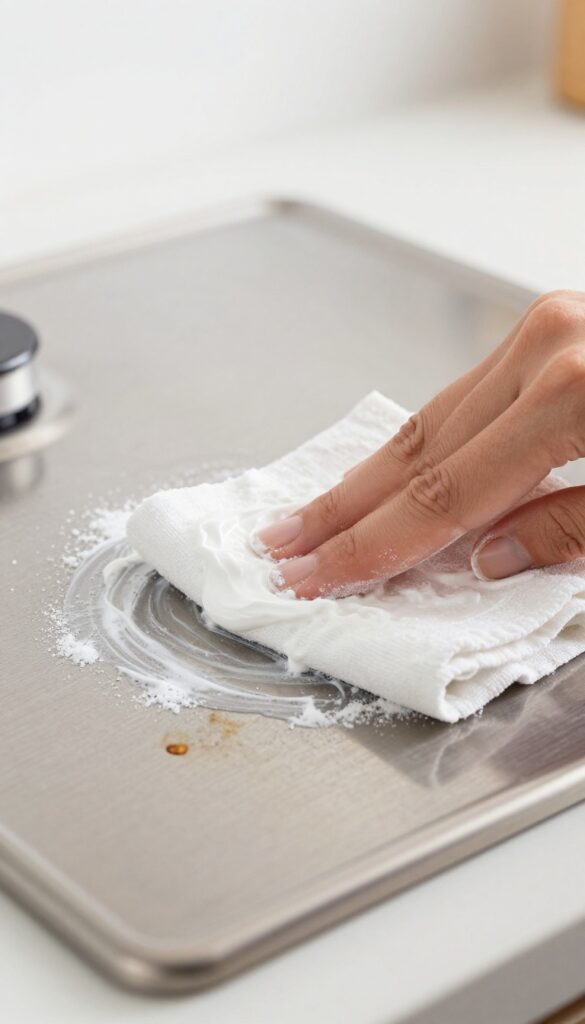
Burnt-on food and tough spots can make your stainless steel look neglected. Before you reach for an abrasive scrubber, try a gentle paste made from baking soda and water. It's non-toxic, cheap, and surprisingly effective at lifting stubborn grime without scratching the surface.
To make the paste, mix three parts baking soda with one part water until it reaches a spreadable consistency. Apply it to the stain with a soft cloth or sponge, rubbing gently in the direction of the grain. Let it sit for a minute or two to loosen the residue, then wipe away with a damp cloth.
Rinse thoroughly and dry immediately to prevent water spots. For extra stubborn spots, you can add a drop of mild dish soap to the paste.
Why Baking Soda Works
Baking soda is mildly abrasive, which means it can scrub away stuck-on food without scratching the metal. Its alkaline nature also helps break down grease and protein-based stains, making it a versatile cleaner for kitchen messes.
How To Apply It Right
Always test the paste on a small, hidden area first. Use a microfiber cloth or a soft sponge—never steel wool or abrasive pads. Rub with the grain, not against it, to avoid visible swirl marks.
After cleaning, rinse thoroughly with water and dry with a clean cloth.
When To Avoid This Method
If your appliance has a protective coating or is made of brushed steel with a clear finish, check the manufacturer's instructions first. Baking soda can sometimes dull these coatings. Also, avoid using it on hot surfaces or letting the paste dry completely, as it can become harder to remove.
6. Glass Cleaner for Streak-Free Shine
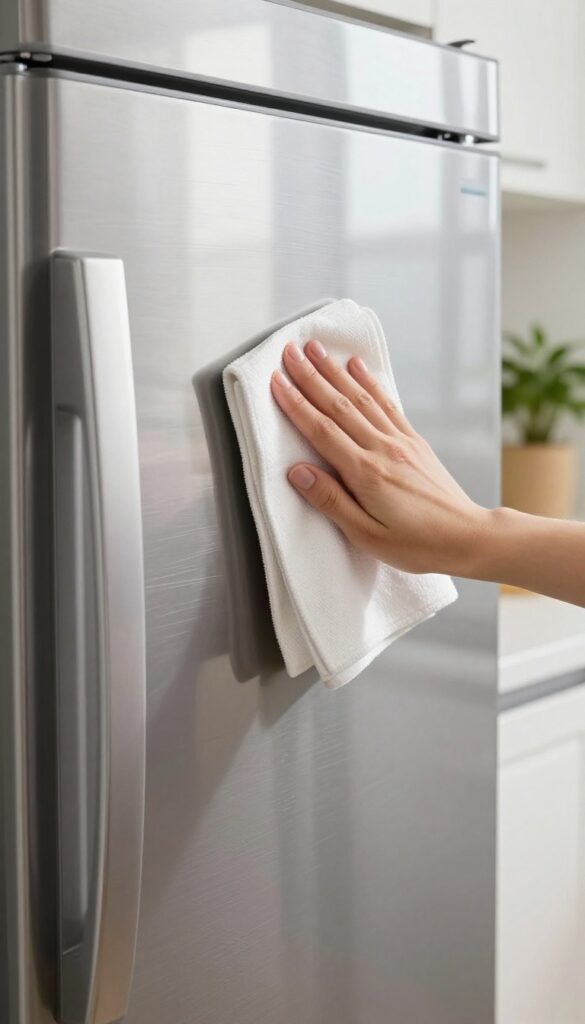
Glass cleaner isn't just for windows—it works wonders on stainless steel too. The key is to use an ammonia-free formula and apply it correctly to avoid streaks. This method gives you a mirror-like finish with minimal effort.
Spray a small amount of glass cleaner onto a microfiber cloth, not directly on the appliance. Wipe along the grain of the steel in straight lines. For stubborn smudges, let the cleaner sit for a few seconds before wiping.
The result is a brilliant, streak-free shine that makes your appliances look brand new.
Why Ammonia-free Matters
Ammonia can damage the protective coating on stainless steel over time. Using an ammonia-free glass cleaner ensures you get the shine without the risk. Check the label before you spray.
The Right Cloth Makes All The Difference
Microfiber cloths are ideal because they trap dirt and don't leave lint. Avoid paper towels—they can scratch and leave fibers behind. A clean, soft cloth is your best friend here.
Wiping Technique For Best Results
Always wipe in the direction of the grain, not in circles. This prevents swirl marks and ensures an even finish. Use light pressure and a steady hand for that professional look.
7. Baby Oil for a Quick Polish
Baby oil isn't just for delicate skin—it's a secret weapon for stainless steel. A tiny amount can instantly hide smudges and leave a brilliant shine. The key is using it sparingly and buffing thoroughly to avoid a greasy film.
Baby oil works by filling in microscopic scratches and creating a smooth, reflective surface. It's especially effective on appliances that see heavy use, like refrigerators and dishwashers. Just a few drops on a microfiber cloth can transform a dull, fingerprint-covered door into a gleaming showpiece.
Why Baby Oil Works
Baby oil is primarily mineral oil, which is non-reactive and safe for stainless steel. It doesn't contain harsh chemicals that could strip the protective coating. The oil fills tiny imperfections, making the surface appear smoother and more reflective.
Plus, it leaves a thin barrier that repels fingerprints and water spots for a while.
How To Apply It Right
Start with a clean, dry surface. Put just two or three drops of baby oil on a soft, lint-free cloth. Rub it onto the stainless steel in the direction of the grain.
Then, using a separate dry cloth, buff the surface until it's shiny and no longer feels oily. Less is definitely more here—too much oil will leave a sticky residue that attracts dust.
When To Use This Method
Baby oil is perfect for a quick touch-up between deep cleans. Use it when you need your appliances to look their best for guests or photos. It's also great for hiding minor scratches and wear.
Avoid using it on surfaces that get very hot, like oven doors, as the oil can bake on and become sticky.
8. Club Soda for Hard Water Spots
Hard water spots can make your stainless steel look cloudy and neglected. Those white, chalky marks are stubborn mineral deposits that don't budge with plain water. But there's a fizzy fix right in your fridge: club soda.
The carbonation helps dissolve the minerals without any scrubbing or harsh chemicals.
Club soda is a gentle yet effective cleaner for hard water spots. Its carbonation creates tiny bubbles that lift mineral deposits from the surface, while the mild acidity helps break down residue. Best of all, it won't scratch or dull your stainless steel.
Just pour a little onto a soft cloth and wipe the affected area. Follow up with a dry cloth to prevent new spots from forming. This method works especially well on refrigerator doors, dishwasher panels, and range hoods where water tends to collect.
Why Club Soda Works
The secret is in the bubbles. Carbonated water contains carbonic acid, which is weak but effective at dissolving calcium and lime deposits. The effervescence also helps loosen dirt and grime without abrasive scrubbing.
Unlike vinegar, club soda has no strong smell and won't damage rubber seals or plastic parts.
How To Apply It
Pour a small amount of club soda onto a clean, lint-free microfiber cloth. Wipe the stainless steel in the direction of the grain—this prevents streaks and makes the finish look uniform. For tough spots, let the club soda sit for 30 seconds before wiping.
Then immediately buff dry with a separate dry cloth to avoid new water marks.
When To Use This Method
Club soda is ideal for routine maintenance after cooking or when you notice white spots forming. It's also great for cleaning around faucets and handles where water splashes frequently. Avoid using it on hot surfaces—let appliances cool first.
For best results, use plain club soda, not flavored or sweetened varieties.
9. Rubbing Alcohol for Grease Cuts
Grease buildup on stove tops and range hoods can be stubborn, but rubbing alcohol makes quick work of it. This common household item evaporates fast and leaves zero residue, so you won't have to worry about streaks or sticky spots. It's especially handy for those greasy areas near the burners where splatters accumulate.
Why It Works So Well
Isopropyl alcohol is a solvent that breaks down grease without the need for harsh scrubbing. It evaporates quickly, which means you won't have to wipe it dry—just apply, let it sit for a few seconds, and wipe away the grime. Plus, it's safe on stainless steel and won't damage the finish.
How To Use It Safely
Dampen a soft microfiber cloth with rubbing alcohol—don't soak it. Wipe the greasy areas in the direction of the grain to avoid streaks. For tough spots, let the alcohol sit for 30 seconds before wiping.
Always work in a well-ventilated area and keep alcohol away from open flames.
Best Appliances For This Method
This technique shines on stove tops, range hoods, and backsplashes where grease tends to collect. It's also great for cleaning stainless steel exhaust fans and microwave exteriors. Avoid using it on painted or plastic parts, as alcohol can strip those finishes.
10. Lemon Juice for a Natural Deodorizer
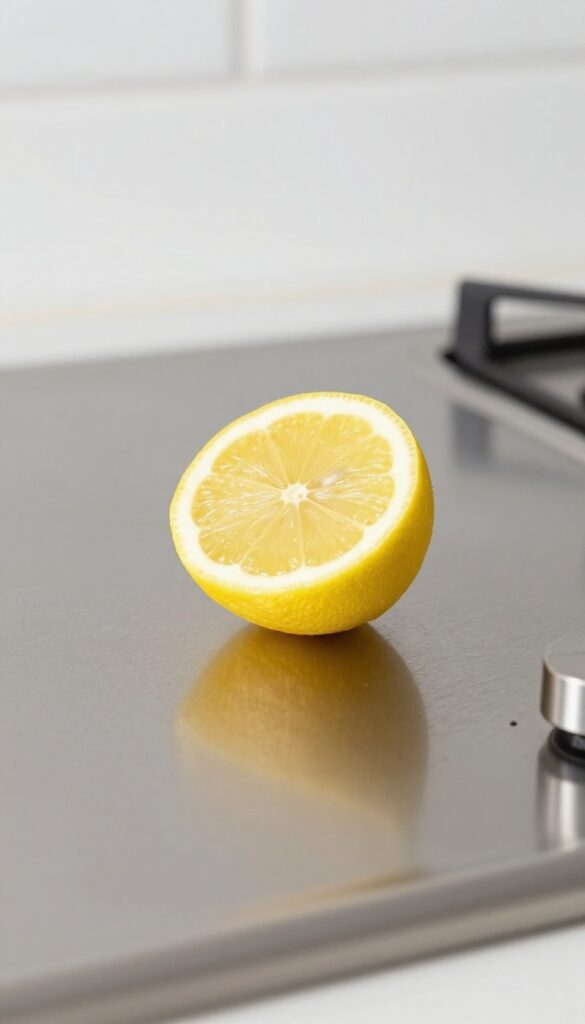
Lemons aren't just for lemonade—they're a powerhouse for cleaning stainless steel. The natural acidity cuts through grease and grime while leaving behind a fresh, clean scent. Plus, it's completely chemical-free, so you can use it around food prep areas without worry.
Just a simple cut and rub, and you're on your way to a sparkling surface.
Lemon juice is a gentle but effective cleaner that tackles both grease and odors. The citric acid breaks down oily residues, while the fresh scent neutralizes any lingering smells from cooking. It's especially handy for range hoods and stovetops where grease and food odors accumulate.
Best of all, you probably already have a lemon in your kitchen.
How To Use Lemon Juice On Stainless Steel
Cut a lemon in half and rub the cut side directly over the stainless steel surface. Focus on areas with visible grease or smudges. Let the juice sit for a minute to break down the grime, then wipe with a damp microfiber cloth.
Follow up with a dry cloth to buff the surface dry and prevent water spots.
Why It Works So Well
The acidity in lemon juice acts as a natural degreaser, dissolving sticky residues that soap and water might miss. It also helps lift fingerprints and light stains without scratching the metal. The fresh lemon scent is a bonus—it leaves your kitchen smelling clean and bright, without any chemical aftertaste.
Rinsing Is Key
After cleaning with lemon juice, always rinse the surface with a damp cloth. If you leave the juice to dry, it can become sticky and attract more dust and grime. A quick wipe with plain water followed by a dry buff will leave your appliances streak-free and shiny.
11. Commercial Stainless Steel Cleaner
Sometimes the easiest route is the best one. Commercial stainless steel cleaners are formulated to remove fingerprints, grease, and smudges while leaving a protective layer that resists future marks. They're a no-brainer if you want consistent results without guessing which household hack works best.
Choosing The Right Product
Not all stainless steel cleaners are created equal. Look for one that's specifically labeled for stainless steel—avoid all-purpose cleaners that can strip the protective coating. Brands like Weiman, Bar Keepers Friend, and Therapy are popular and reliable.
Check the label for ingredients like mineral oil or silicone, which help repel fingerprints and water spots.
How To Apply For Best Results
Always spray the cleaner onto a soft microfiber cloth, never directly onto the appliance. This prevents excess liquid from seeping into edges or seams. Wipe in the direction of the grain—the subtle lines in the metal—using straight, overlapping strokes.
Flip the cloth often to avoid spreading dirt around.
Buffing For A Professional Shine
After wiping, grab a dry section of the cloth and buff the surface in the same direction. This step removes any leftover residue and brings out a mirror-like finish. For extra protection, some cleaners recommend a second light coat that you leave on to dry—this creates a barrier against future smudges.
12. The Steam Cleaning Method
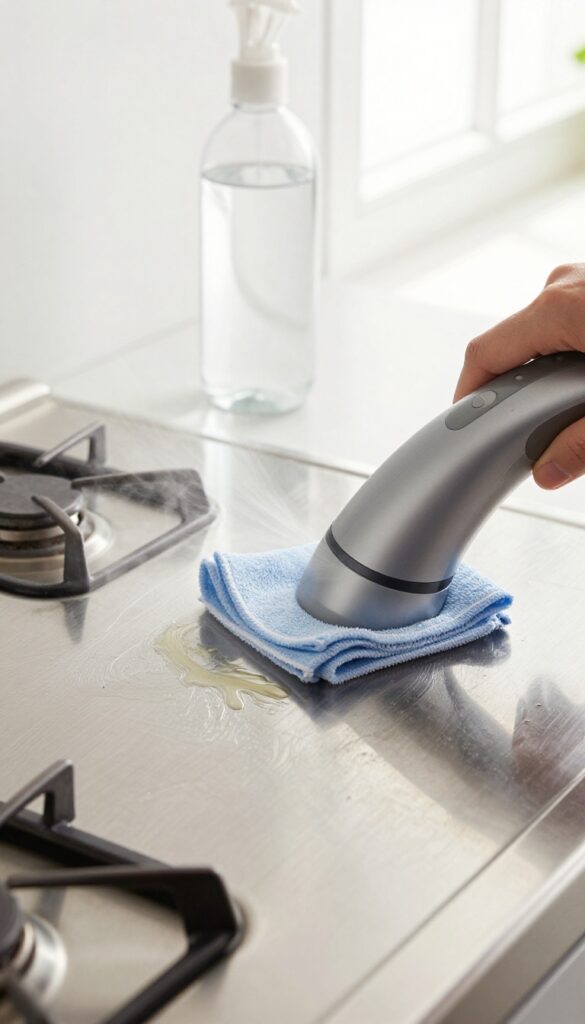
Steam isn't just for ironing clothes—it's a powerful, chemical-free way to clean stainless steel. A handheld steamer with a soft cloth attachment loosens baked-on grease and grime without scrubbing. The heat sanitizes while the moisture lifts dirt, leaving a streak-free shine.
Steam cleaning is ideal for tough spots like stovetops, range hoods, and oven doors. It's gentle on the surface and safe for food areas since no chemicals are involved. Plus, it cuts through grease that wipes alone can't handle.
What You'll Need
A handheld garment steamer or a steam cleaner with a soft cloth attachment. Distilled water is best to avoid mineral deposits. A microfiber cloth for final buffing.
Step-by-step Process
Fill the steamer with water and heat it up. Hold the steamer a few inches from the surface and move it slowly. The steam will loosen grime.
Immediately wipe away the residue with a microfiber cloth. For stubborn spots, steam a bit longer.
Pro Tips
Always test on an inconspicuous area first. Avoid over-wetting edges and seams. For a final polish, buff with a dry microfiber cloth.
Steam works best on warm surfaces, so clean after cooking but before the appliance cools completely.
13. Toothpaste for Light Scratches
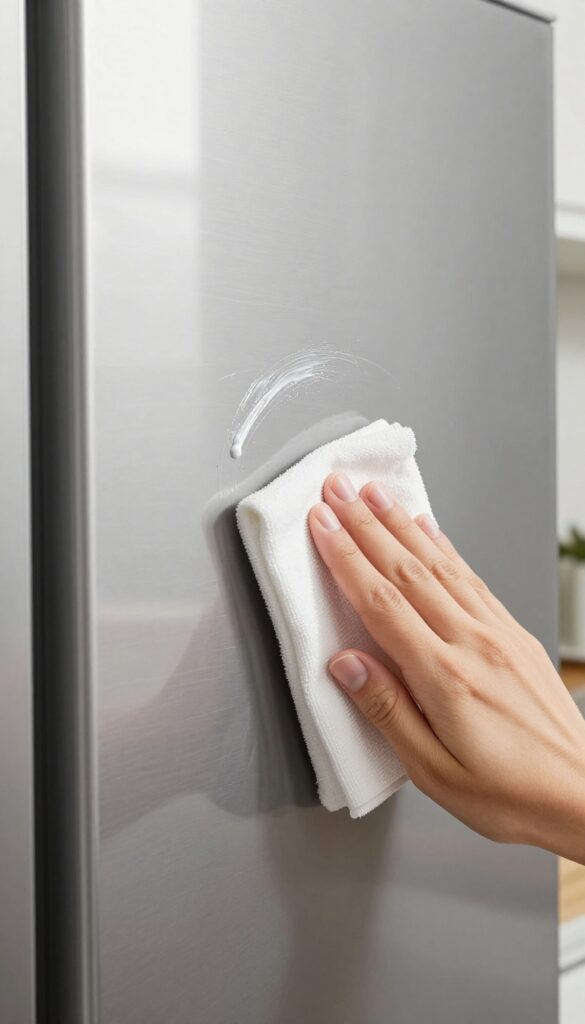
Light scratches on stainless steel can be frustrating, but you probably have the fix in your bathroom cabinet. Toothpaste acts as a mild abrasive that can buff out fine scratches and restore the surface. The key is using the right kind and applying it correctly.
Toothpaste is surprisingly effective at minimizing the appearance of light scratches on stainless steel. The fine abrasives in toothpaste gently polish the metal, smoothing out the scratch and blending it with the surrounding surface. This method works best on shallow scratches that haven't penetrated deep into the metal.
Choosing The Right Toothpaste
Not all toothpaste is created equal for this task. You need a non-gel, non-whitening white paste. Gel toothpaste is too slick and doesn't have enough abrasive power.
Whitening varieties often contain harsh chemicals that could damage the finish. Stick with a simple, basic white toothpaste for the best results.
Application Technique
Apply a small amount of toothpaste to a soft, lint-free cloth. Rub it gently over the scratch in the direction of the grain—never against it. Use light pressure and circular motions at first, then switch to back-and-forth strokes along the grain.
Continue for about 30 seconds to a minute.
Wiping And Buffing
After rubbing, wipe away the toothpaste residue with a damp cloth. Then buff the area dry with a clean, soft cloth. You should see the scratch become less noticeable or disappear entirely.
If the scratch is still visible, repeat the process once more. This method is safe for most stainless steel appliances.
14. Avoid Abrasive Pads and Harsh Chemicals
It's tempting to grab a steel wool pad when you see baked-on grime, but that's a fast track to a scratched-up surface. Stainless steel has a protective layer that gives it that smooth, shiny look, and abrasive pads strip it away. Once that layer is gone, your appliances become more prone to rust and stains.
Stick to soft cloths and gentle cleaners to keep your steel looking new.
The golden rule of stainless steel care is simple: if it feels rough, don't use it. Steel wool, scouring pads, and even some scrub brushes can leave permanent scratches. The same goes for harsh chemicals like bleach, ammonia, or chlorine-based cleaners—they can discolor and pit the surface.
Instead, reach for microfiber cloths, soft sponges, or cotton rags. For tough spots, soak the area first with a gentle cleaner, then wipe gently. Your appliances will thank you with a lasting shine.
What To Avoid
Steel wool is the biggest offender—it leaves behind tiny metal particles that rust and create dark spots. Scouring pads with rough fibers are just as bad. Avoid bleach, oven cleaners, and any product with chlorine or ammonia.
Even some all-purpose cleaners contain abrasives, so check labels for words like "scratching" or "harsh. "
What To Use Instead
Microfiber cloths are your best friend—they trap dirt without scratching. Soft cotton cloths or old t-shirts work well too. For cleaning, stick to mild dish soap, vinegar, or dedicated stainless steel cleaners that are labeled non-abrasive.
If you need a little scrubbing power, use a soft-bristle brush or a non-scratch sponge.
Why It Matters
Scratches aren't just ugly—they create tiny grooves where dirt and bacteria hide. Once the protective layer is damaged, your appliances lose their resistance to fingerprints and water spots. By choosing gentle tools and products, you extend the life of your appliances and keep them looking like new for years.
15. The Final Buff Routine
You've scrubbed, rinsed, and dried, but that last step can make or break the shine. A quick buff with a dry microfiber cloth, always moving along the grain, lifts any leftover moisture and erases streaks. This two-minute finish is what separates a good clean from a showroom-worthy one.
Once your appliance is dry, grab a fresh, lint-free microfiber cloth. Fold it into a small pad and buff the surface in long, straight strokes following the metal's grain. Apply light pressure—you're not scrubbing, just polishing.
Flip the cloth frequently to avoid redepositing oils or dust. This final pass removes any haze from cleaning residues and gives the steel a warm, even luster.
Why Grain Direction Matters
Stainless steel has a subtle directional texture—the grain. Buffing across it creates tiny scratches that catch light and look like streaks. Always buff parallel to the grain.
If you can't see the grain, run your finger across the surface; it feels smoother in one direction. That's your buffing path.
Choosing The Right Cloth
Not all cloths are equal. Microfiber with a high GSM (300+) grabs moisture without lint. Avoid terry cloth or old t-shirts—they leave fibers and can dull the finish.
Wash new microfiber cloths before first use to remove manufacturing residues that can streak.
When To Re-buff
If you notice fingerprints or smudges a few hours after cleaning, a quick dry buff is all it takes to restore the shine. No need to rewash. Keep a dedicated microfiber cloth near your fridge for touch-ups.
It's the easiest way to keep that just-cleaned look between deep cleans.
FAQ
Can I use Windex on stainless steel?
Yes, but only if it's ammonia-free. Regular Windex can damage the finish. Spray it on a cloth, not directly on the appliance, and wipe along the grain.
How do I remove rust from stainless steel?
Make a paste of baking soda and water, gently rub the rust spot with a soft cloth, rinse, and dry. For stubborn rust, use a stainless steel cleaner with oxalic acid.
What is the best cloth to use on stainless steel?
Microfiber cloths are best because they are soft, lint-free, and trap dirt without scratching. Avoid paper towels or rough fabrics.
Why does my stainless steel look streaky after cleaning?
Streaks usually happen when you use too much cleaner or don't dry the surface properly. Always wipe with the grain and buff dry with a clean cloth.
Can I use vinegar on stainless steel every day?
Vinegar is safe for occasional use, but daily use may dull the finish over time. Stick to a microfiber wipe for daily maintenance and use vinegar weekly.
Conclusion
These 15 routines prove that keeping stainless steel appliances spotless doesn't require harsh chemicals or expensive products. Pick the method that fits your schedule—whether it's a quick daily wipe with microfiber or a weekly vinegar treatment—and stick with it. Your kitchen will maintain that sleek, professional look with minimal effort.
Consistency is the real game-changer here. A few seconds of wiping after each use prevents buildup, saving you from heavy scrubbing later. Try one new routine this week, and you'll see how easy it is to keep your appliances shining like new.