A gleaming stainless steel surface instantly elevates your kitchen. But that mirror-like finish is easily ruined by fingerprints, water spots, and greasy smudges. You wipe it down, only to see more streaks staring back at you.
The good news? You don't need harsh chemicals or expensive products to get a flawless shine. With the right technique and a few household staples, you can restore that factory-fresh look in minutes.
These 13 tricks are tested, practical, and designed to eliminate streaks for good. Whether you're cleaning a refrigerator, sink, or cookware, you'll find a method that works perfectly for your situation.
1. The Microfiber Magic: Your Go-To Cloth
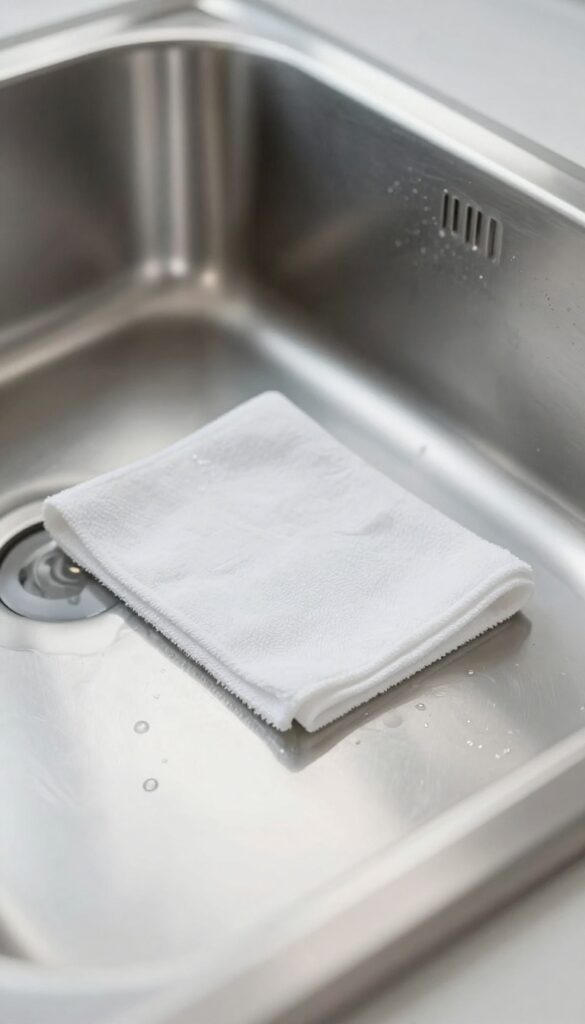
Not all cloths are created equal when it comes to stainless steel. The wrong fabric can leave scratches, lint, or just push grease around. That's why microfiber is the undisputed champion for streak-free results.
Microfiber cloths are made from ultra-fine synthetic fibers that trap dirt, dust, and oil rather than spreading them. They are non-abrasive, so they won't scratch the surface. Plus, they don't shed lint, which means no tiny fibers clinging to your shiny finish.
For best results, use a dry microfiber cloth for buffing after cleaning. Keep a dedicated stash just for stainless steel to avoid cross-contamination from other cleaning tasks.
Why Microfiber Wins
Microfiber's split fibers create a large surface area that grabs onto particles and holds them. Unlike paper towels, which can leave streaks and lint, microfiber lifts grime away. It's also reusable—just wash and reuse dozens of times.
Choosing The Right Microfiber
Look for a high-GSM (grams per square meter) cloth, around 300-400 GSM, for a plush, absorbent feel. Avoid rough or textured microfiber meant for scrubbing—stick to smooth, soft weaves for stainless steel.
Buffing Technique
After applying your cleaner, use a dry microfiber cloth to buff in circular motions. This polishes the surface and removes any remaining moisture, leaving a brilliant, streak-free shine. Flip the cloth frequently to use a clean side.
2. Olive Oil: The Natural Polish
Olive oil isn't just for cooking—it's a surprisingly effective stainless steel polish. A tiny dab on a soft cloth buffs out light smudges and leaves a protective, fingerprint-resistant layer. The key is using it sparingly; too much leaves a greasy residue that attracts dust.
This trick works best for light cleaning between deep cleans. It's gentle on the surface and adds a subtle shine that repels future fingerprints. Plus, it's completely natural and chemical-free.
How To Apply
Pour a few drops of olive oil onto a microfiber cloth—less than a teaspoon is plenty. Rub it gently onto the stainless steel in the direction of the grain. Then buff with a dry section of the cloth until the surface looks even and shiny.
When To Use It
Use olive oil after cleaning with soap and water to restore shine and add a protective layer. It's perfect for appliances like refrigerators and dishwashers that get touched often. Avoid using it on cooktops or areas near heat, as oil can smoke or become sticky.
Pro Tips
Always test on a small hidden area first. For best results, combine with a vinegar or glass cleaner pre-wipe to remove heavy grease before applying oil. Store your oil-damp cloth in a sealed bag for quick touch-ups.
3. Vinegar and Water: The Classic Combo
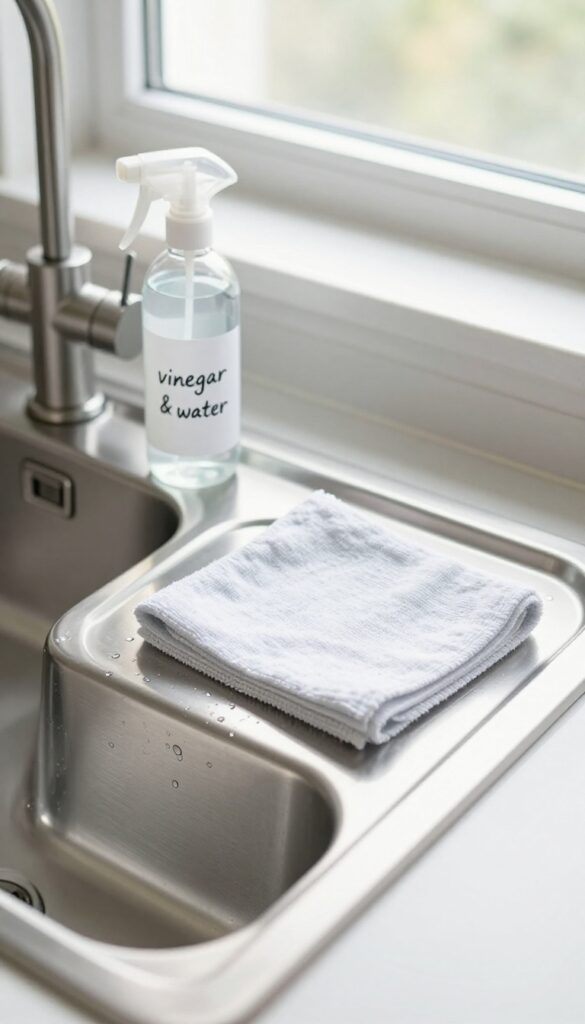
Sometimes the simplest solutions work best. A 50/50 mix of white vinegar and water cuts through grease and leaves stainless steel streak-free—no fancy sprays required. The vinegar evaporates quickly, so you don't end up with that hazy residue that some cleaners leave behind.
Why It Works So Well
White vinegar is mildly acidic, which helps dissolve mineral deposits and grease without damaging the metal. Water dilutes it just enough to be safe on all stainless steel finishes. Together, they create a solution that cleans and shines in one step.
How To Use It Right
Fill a spray bottle with equal parts distilled white vinegar and water. Mist the surface lightly—don't soak it. Wipe with a clean, dry microfiber cloth, following the grain of the steel.
Then buff with a second dry cloth to bring out the shine.
A Few Pro Tips
Always use distilled water if your tap water is hard—minerals in tap water can cause spots. For tough baked-on grime, let the vinegar solution sit for a minute before wiping. And never use vinegar on scratched or damaged surfaces, as it can seep into cracks.
4. Rubbing Alcohol for Tough Grease
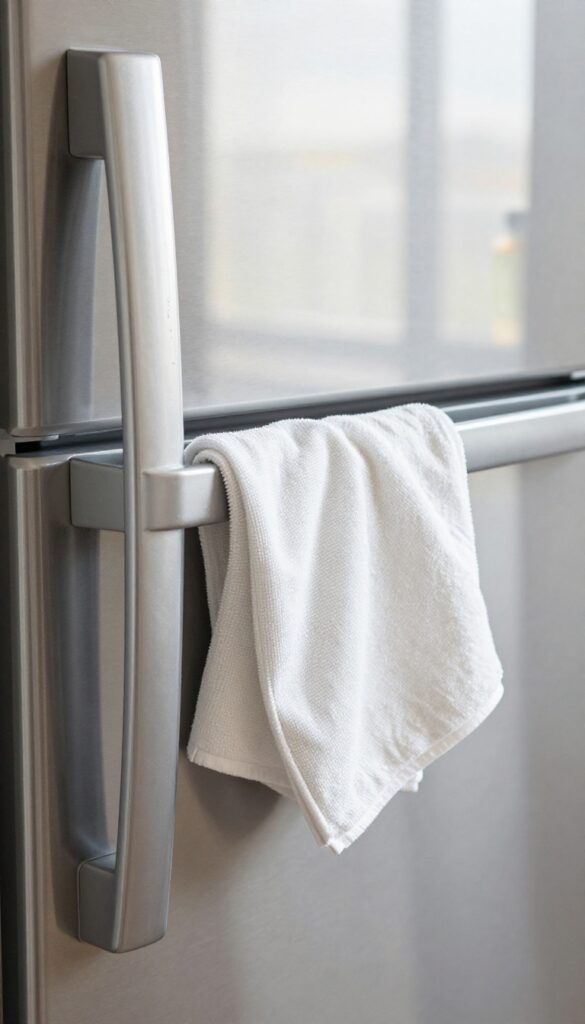
When sticky fingerprints and baked-on grease refuse to budge, rubbing alcohol is your secret weapon. It cuts through grime instantly and evaporates completely, leaving no residue. Best of all, it's safe for stainless steel and costs pennies per use.
For stubborn, greasy fingerprints, dampen a cloth with isopropyl alcohol. Wipe the area, then follow with a dry cloth. Alcohol evaporates quickly and leaves no streaks.
Why Alcohol Works So Well
Isopropyl alcohol is a powerful solvent that breaks down oils and grease on contact. Unlike water-based cleaners, it doesn't leave behind minerals or soap scum that cause streaking. The rapid evaporation also means you don't have to buff dry—just wipe and move on.
How To Apply It Safely
Always use a soft microfiber cloth to avoid scratching. Pour a small amount of alcohol onto the cloth, not directly on the surface. Work in small sections, wiping with the grain of the steel.
Follow immediately with a dry part of the cloth to catch any excess before it dries.
When To Reach For Alcohol
This method is ideal for high-touch areas like refrigerator handles, oven doors, and range hoods. It's also great for removing sticky residue from labels or tape. Avoid using it on painted or coated stainless steel, as it may damage the finish.
5. Dish Soap and Warm Water: Simple but Effective
Sometimes the most straightforward approach is all you need. A few drops of mild dish soap in warm water create a gentle yet powerful cleaner that cuts through everyday grease and grime without damaging the surface. This method is especially great for routine maintenance between deeper cleans.
Just remember to rinse thoroughly and dry immediately to avoid water spots.
This classic cleaning duo works wonders on stainless steel appliances, sinks, and cookware. The key is using a soft sponge or microfiber cloth to avoid scratches. After washing, rinse with a damp cloth to remove any soap residue, then buff dry with a clean, dry cloth for a streak-free shine.
Why Dish Soap Works
Mild dish soap is designed to break down oils and food particles without harsh chemicals. It's safe for all stainless steel finishes and won't damage the protective layer. Plus, it's inexpensive and always on hand.
Step-by-step Cleaning
Fill a bowl or sink with warm water and add a few drops of dish soap. Dip a soft sponge or microfiber cloth, wring it out slightly, and wipe the stainless steel in the direction of the grain. Rinse the surface with a separate damp cloth to remove soap, then dry immediately with a clean, dry microfiber cloth.
Drying Is Crucial
Water spots are the enemy of a streak-free finish. Always dry the surface right after rinsing. Use a lint-free cloth and buff in the direction of the grain.
This simple step makes all the difference.
6. The Baby Oil Trick for a Mirror Shine
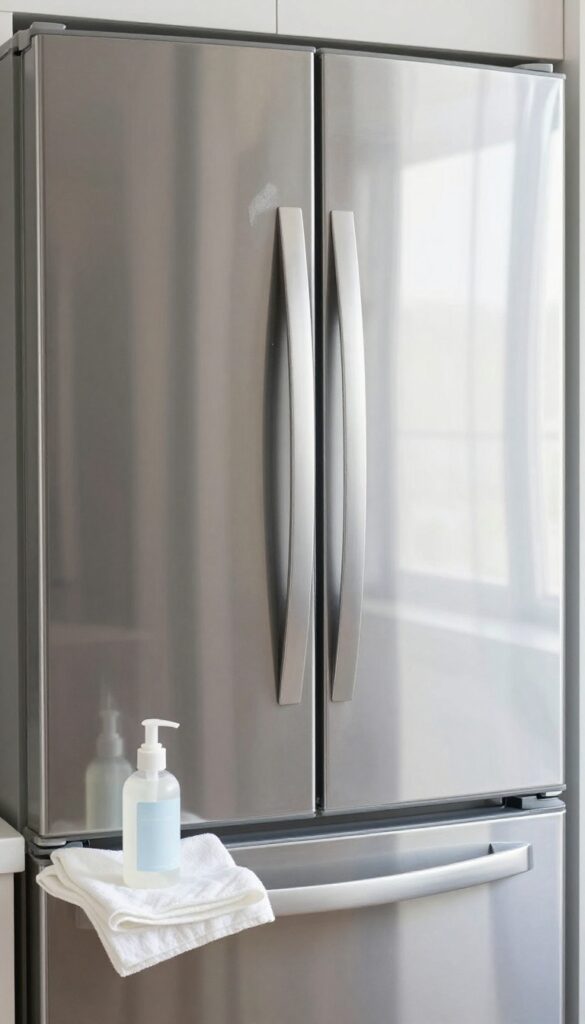
Baby oil isn't just for delicate skin—it's a secret weapon for stainless steel. A tiny amount fills in microscopic scratches and leaves behind a protective, fingerprint-resistant layer. The result is a deep, mirror-like shine that lasts longer than most polishes.
To use this trick, put a few drops of baby oil on a soft, lint-free cloth. Rub it into the stainless steel following the grain. Buff gently until the surface looks glossy and even.
The oil fills tiny imperfections, creating a smooth finish that light bounces off beautifully.
Why Baby Oil Works So Well
Stainless steel looks dull because of micro-scratches that scatter light. Baby oil has a low viscosity that seeps into these scratches and smooths them out. It also leaves a thin, invisible barrier that repels moisture and grease, so fingerprints don't stick as easily.
How To Apply It Right
Less is more. Start with just two or three drops on a microfiber cloth. Work in small sections, always moving along the grain.
After applying, go over the area with a dry part of the cloth to remove any excess oil. You want a thin, even layer—not a greasy residue.
When To Use This Method
This trick is perfect for appliances that get a lot of handling, like refrigerator doors and dishwasher panels. It's also great for reviving older stainless steel that has lost its luster. Avoid using baby oil on cookware or surfaces that get very hot, as it can smoke or discolor.
7. Baking Soda Paste for Stubborn Stains
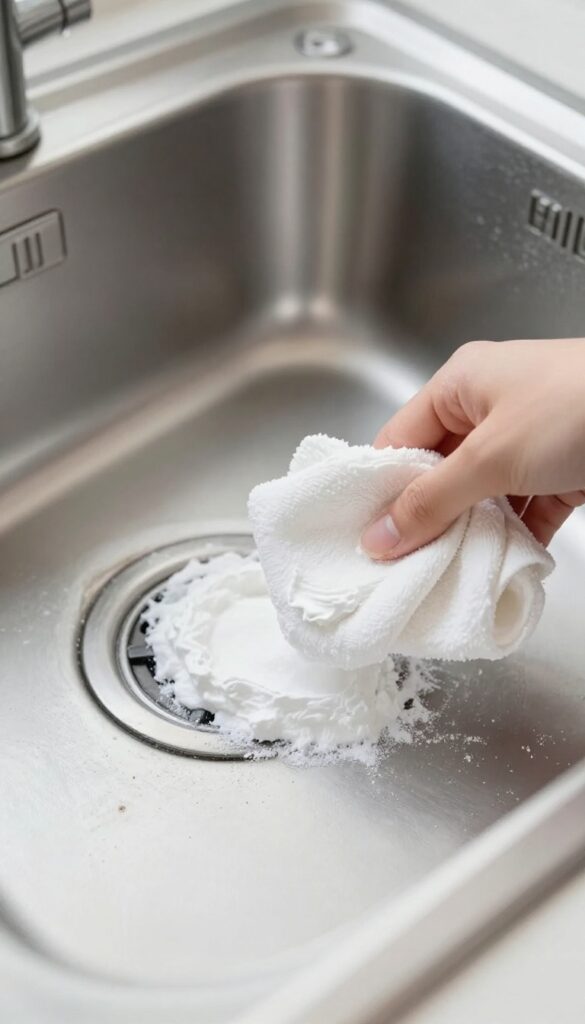
Burnt-on food and discoloration can make your stainless steel look tired. Before you reach for harsh scrubbers, try a gentle paste made from baking soda and water. It's non-abrasive yet effective at lifting tough stains without scratching the surface.
To make the paste, mix three parts baking soda with one part water until it forms a spreadable consistency. Apply it to the stained area with a soft cloth or sponge, rubbing gently in the direction of the grain. Let it sit for a few minutes to break down the grime, then rinse thoroughly with water and dry immediately with a microfiber cloth.
For extra stubborn spots, add a drop of dish soap to the paste.
Why Baking Soda Works
Baking soda is mildly alkaline, which helps neutralize acidic food residues and lift burnt-on particles. Its fine, gritty texture provides gentle abrasion that polishes without scratching, making it safe for all stainless steel finishes.
Application Tips For Best Results
Always test on a small, hidden area first. Use a soft cloth—never steel wool or abrasive pads. Work in small sections, and rinse the cloth frequently to avoid redistributing grime.
After rinsing, buff dry with a clean microfiber cloth to prevent water spots.
8. Club Soda: The Fizz Factor
Carbonated water isn't just for drinking—it's a surprisingly effective cleaner for stainless steel. The bubbles help lift dirt and grime without leaving behind any residue, making it perfect for a quick, streak-free shine. Plus, it's especially good at tackling those stubborn water spots that seem to appear out of nowhere.
Club soda works because its carbonation creates a gentle scrubbing action that loosens debris, while the mild acidity helps dissolve mineral deposits. It's safe for all stainless steel surfaces and won't damage the finish. Best of all, it's cheap and readily available.
How To Use It
Pour a small amount of club soda directly onto a soft, lint-free cloth. Wipe the stainless steel surface in the direction of the grain, applying light pressure. For tough spots, let the club soda sit for a minute before wiping.
Then, buff the area dry with a clean cloth to prevent streaks.
Why It Works On Water Spots
Water spots are caused by mineral deposits left behind when water evaporates. The carbonation and slight acidity in club soda help break down those minerals, making them easy to wipe away. It's a simple, chemical-free solution that leaves your stainless steel looking spotless.
When To Skip It
Club soda is great for light cleaning and maintenance, but it may not be strong enough for heavy grease or baked-on food. For those jobs, use a dedicated stainless steel cleaner or a degreasing agent first, then finish with club soda for the final shine.
9. Lemon Juice for a Fresh Scent and Shine
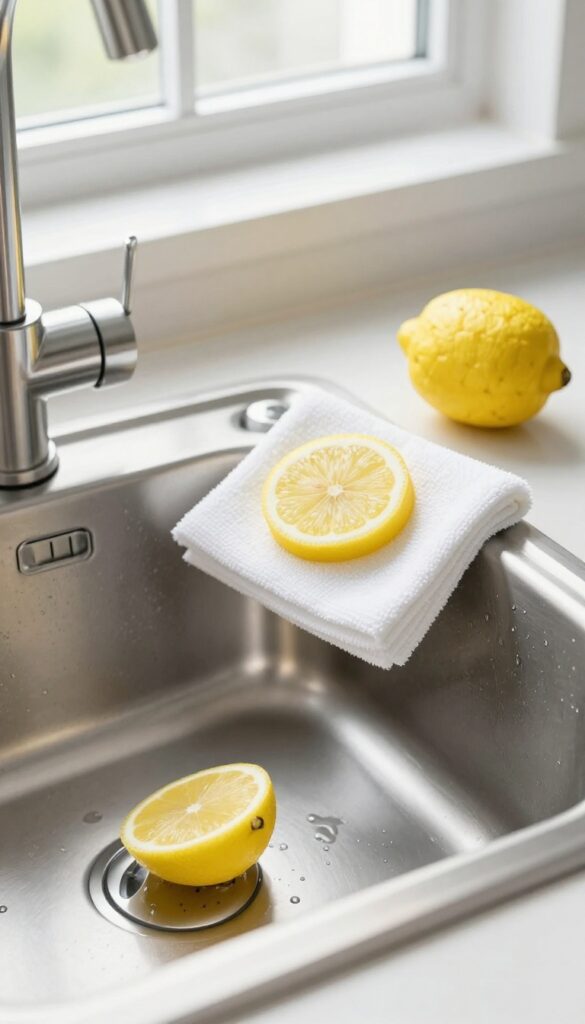
Lemon juice does more than add zest to your recipes—it's a natural cleaner that cuts through grease and leaves a pleasant citrus scent. The acidity helps dissolve grime without harsh chemicals, making it safe for food-contact surfaces. Combined with a little effort, lemon juice can restore your stainless steel's luster.
To use lemon juice, mix equal parts lemon juice and water in a spray bottle or bowl. Lightly dampen a microfiber cloth with the solution and wipe the stainless steel in the direction of the grain. The acid breaks down grease and fingerprints, while the water helps spread it evenly.
After wiping, use a dry cloth to buff the surface to a shine. If you prefer to avoid any potential stickiness from the sugar in the lemon juice, rinse the surface with plain water and dry thoroughly.
Why Lemon Juice Works
Lemon juice contains citric acid, a mild acid that effectively cuts through grease and dissolves mineral deposits. It's also a natural degreaser and deodorizer, leaving behind a fresh scent without synthetic fragrances. This makes it ideal for kitchen appliances and sinks where food particles and oils accumulate.
How To Apply For Best Results
Start by cleaning the surface with mild soap and water to remove loose dirt. Then, apply the lemon juice solution using a soft cloth or spray bottle. Always wipe along the grain to avoid scratches.
Let the solution sit for a minute to break down stubborn grime, then buff with a clean, dry cloth. For extra shine, add a drop of olive oil to your buffing cloth.
When To Rinse After Cleaning
While lemon juice is generally safe, the natural sugars can leave a sticky residue if not rinsed. If you notice tackiness after drying, simply wipe the surface with a damp cloth and dry again. Rinsing is recommended for surfaces that come into direct contact with food, like countertops or cookware, to avoid any lingering acidity.
10. Commercial Stainless Steel Cleaners: When to Use Them
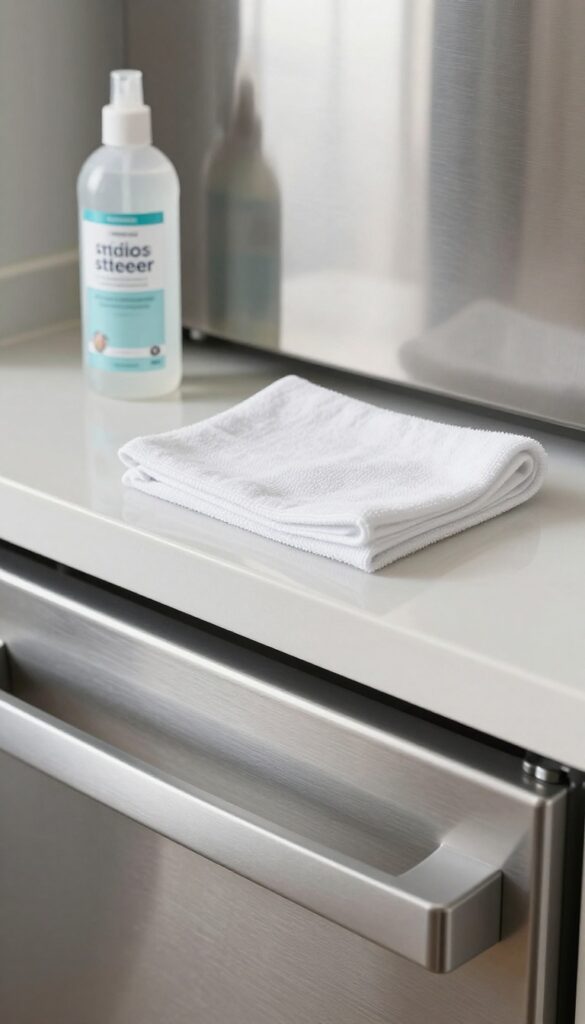
Sometimes you want a product that's built specifically for the job. Commercial stainless steel cleaners like Weiman or Bar Keepers Friend are formulated to clean and protect. They often include oils that leave a protective coating, helping to repel fingerprints and smudges.
If you're dealing with heavy grease or want that extra layer of defense, these can be a smart choice.
Not all stainless steel cleaners are created equal. Some are sprays, others are wipes or creams. The key is to follow the label instructions and always buff with a dry cloth afterward.
This step is what seals in the shine and prevents streaks. Use these products sparingly—a little goes a long way, and overuse can leave a residue.
Choosing The Right Cleaner
Look for products labeled specifically for stainless steel. Avoid all-purpose cleaners that may contain harsh chemicals like bleach or ammonia, which can damage the finish. Weiman is a popular choice for everyday cleaning, while Bar Keepers Friend is great for tougher stains and scratches.
Always test a small hidden area first.
Application Tips
Spray the cleaner onto a microfiber cloth, not directly onto the surface. This prevents overspray and ensures even coverage. Wipe in the direction of the grain—the subtle lines in the metal.
Then, immediately buff with a separate dry cloth to bring out the shine and remove any excess product.
When To Use Commercial Cleaners
These products shine when you need extra protection or are cleaning heavily used surfaces like refrigerator doors or range hoods. They're also great for restoring shine after deep cleaning. For light daily touch-ups, a damp cloth and vinegar solution might be enough.
Save the commercial cleaners for weekly or bi-weekly maintenance.
11. The Toothpaste Hack for Small Scratches
Scratches on stainless steel are inevitable, but they don't have to be permanent. A simple tube of toothpaste can work wonders on those fine lines that dull the surface. The key is using the right kind—non-gel and non-whitening—because abrasive particles in whitening formulas can cause more harm.
This trick is gentle enough for sinks, appliances, and cookware, making it a go-to for quick touch-ups.
Toothpaste acts as a mild abrasive that buffs away the top layer of metal around the scratch, blending it into the surrounding area. It's a low-cost, low-effort solution that delivers visible results. Just remember to work with the grain and keep the motion light—heavy pressure can create new scratches.
Choosing The Right Toothpaste
Not all toothpaste is created equal for this job. Stick to plain white, non-gel, non-whitening varieties. Avoid anything with baking soda, charcoal, or visible sparkles—these can be too harsh.
A basic paste like Colgate or Crest works perfectly. If you're unsure, test a small dab on an inconspicuous area first.
Step-by-step Buffing Technique
Start by cleaning the stainless steel surface to remove any grease or dirt. Squeeze a pea-sized amount of toothpaste onto a soft, lint-free cloth (microfiber is ideal). Rub it gently into the scratch, moving in the direction of the grain—never in circles.
Continue for about 30 seconds, then wipe off the excess with a damp cloth. Buff dry with a clean cloth to reveal a smoother finish.
When To Skip This Hack
This method works best for superficial scratches—think light scuffs from scrubbing pads or minor abrasions. Deep gouges or scratches that catch your fingernail won't disappear. For those, consider a stainless steel repair kit or professional refinishing.
Also, avoid using toothpaste on brushed or matte finishes, as it can create shiny spots.
12. Wax or Car Polish for Long-Lasting Protection
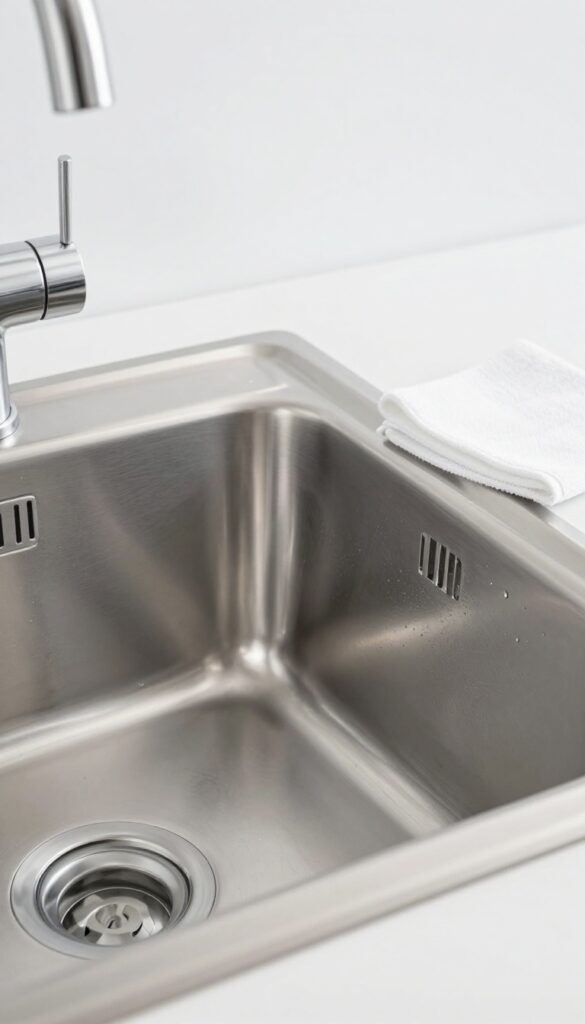
If you want your stainless steel to stay streak-free longer, a coat of wax is your secret weapon. Car wax or furniture paste wax creates a protective barrier that repels fingerprints, water spots, and grease. It’s the same principle as waxing a car—seal the surface, then buff to a brilliant shine.
This trick works wonders on appliances, sinks, and range hoods that see heavy use.
Applying wax is simple but requires a little patience. Start with a clean, dry surface—any residue will get trapped under the wax. Use a soft cloth to apply a thin, even layer of wax, working in small sections.
Let it haze according to the product instructions (usually a few minutes). Then buff with a clean microfiber cloth using circular motions until the surface is hard and glossy. The result is a hydrophobic finish that makes future cleaning effortless—water beads up and wipes away without leaving spots.
Choosing The Right Wax
Not all waxes are created equal. For stainless steel, stick with carnauba-based car wax or a neutral furniture paste wax like Johnson’s Paste Wax. Avoid spray waxes that contain silicones or abrasives—they can leave a greasy film or scratch the surface.
If you’re unsure, test a small hidden area first.
How Often To Wax
A single wax application can last several weeks, depending on how often you touch the surface. For high-traffic areas like refrigerator doors, reapply every 4–6 weeks. For sinks, once a month is plenty.
You’ll know it’s time to rewax when water stops beading up and fingerprints start sticking again.
Pro Tips For A Flawless Finish
Always use separate cloths for applying and buffing to avoid smearing. Work in a well-ventilated area, especially with paste wax. And don’t over-apply—a little goes a long way.
Too much wax can leave a cloudy residue that’s hard to buff out. If that happens, wipe with a damp cloth and re-buff.
13. The Grain Rule: Always Wipe in One Direction
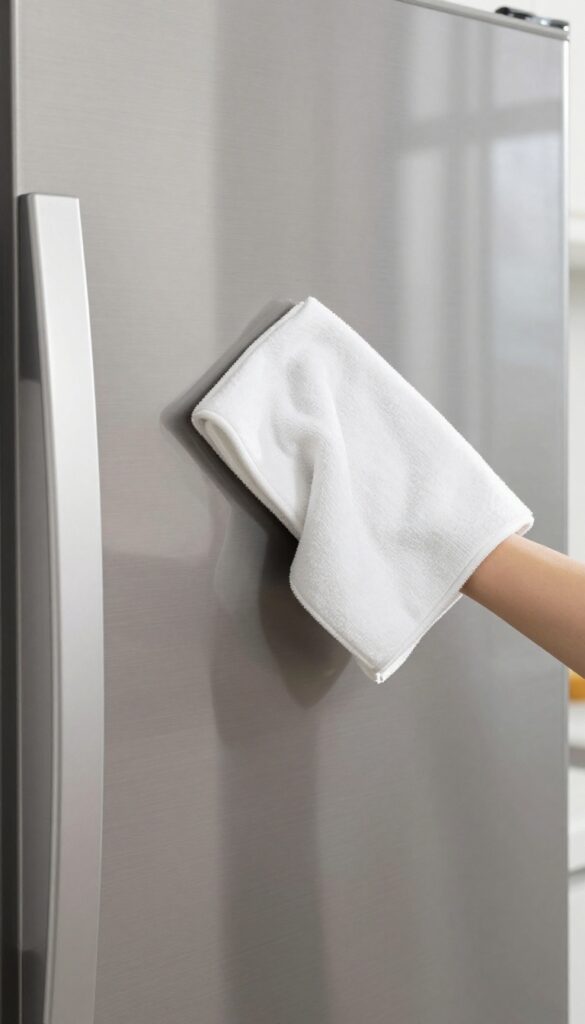
You might be using the perfect cleaner, but if you're wiping in circles or back and forth, you're still leaving streaks. Stainless steel has a subtle grain—tiny parallel lines that run in one direction. Wiping against that grain creates micro-scratches that catch light and look like streaks, even on a clean surface.
The fix is simple: always wipe along the grain, and do it in one consistent direction.
The grain rule is the single most important technique for streak-free stainless steel. Once you learn to spot the grain direction, you'll never go back to random wiping. Here's how to make it a habit and avoid common mistakes.
How To Find The Grain
Look at your stainless steel appliance or sink under good light. You'll see fine, parallel lines running either horizontally or vertically. On most refrigerators, the grain runs vertically.
On sinks and cooktops, it's often horizontal. If you can't see it, gently run your fingernail across the surface—you'll feel the direction. Always wipe in that same direction.
Why Circles And Back-and-forth Wiping Fail
Circular motions or wiping back and forth create tiny scratches that scatter light unevenly. Even if you remove all the grease, those micro-scratches will catch the light and look like streaks. This is especially noticeable on dark or brushed finishes.
Stick to straight, single-direction strokes.
The One-direction Wipe Technique
Start at one edge and wipe cleanly across the entire surface in one pass, lifting the cloth at the end. Don't drag it back. Use a fresh section of cloth for each pass to avoid redepositing dirt.
For large surfaces like a fridge door, divide it into sections and wipe each section in the same direction, overlapping slightly.
What To Do If You Already Have Scratches
If your stainless steel already has visible scratches from improper wiping, you can minimize them with a stainless steel scratch remover or a fine abrasive pad (like a Scotch-Brite pad) used along the grain. After that, always follow the grain rule to prevent new scratches.
FAQ
Can I use bleach on stainless steel?
No, bleach can damage the protective layer and cause pitting or discoloration. Stick to mild cleaners like dish soap, vinegar, or dedicated stainless steel products.
How do I remove hard water spots from stainless steel?
Wipe with a cloth dampened with white vinegar or club soda, then buff dry. For stubborn spots, make a baking soda paste and gently rub.
Is it safe to use steel wool on stainless steel?
No, steel wool scratches the surface and leaves tiny rust particles. Use a soft sponge, microfiber cloth, or a non-abrasive scrub pad instead.
How often should I clean stainless steel appliances?
For daily smudges, a quick wipe with a dry microfiber cloth is enough. Deep clean with a cleaner once a week or as needed to maintain shine.
Why does my stainless steel look streaky after cleaning?
Streaks usually come from using too much cleaner, not drying properly, or wiping against the grain. Use a minimal amount of product and always buff dry along the grain.
Conclusion
With these 13 tricks, you can keep your stainless steel looking pristine without the frustration of streaks. The key is using the right cloth, working along the grain, and choosing a method that suits your specific surface and level of grime.
Start with the simplest solution—a microfiber cloth and a little dish soap—and work your way up to the more advanced techniques as needed. Your kitchen will thank you with a brilliant, mirror-like shine every time.