You just cleaned the mirror, but now it's covered in streaks and smudges. It's frustrating when the reflection looks worse than before. The good news is that achieving a flawless, streak-free shine is easier than you think.
Most commercial glass cleaners work fine, but they often leave behind residue or require excessive buffing. The secret lies in the right tools and techniques, not expensive products. A few simple adjustments can transform your mirror-cleaning routine.
This listicle covers 10 proven methods to banish streaks for good. Each idea tackles a common problem, from hard water spots to lint left behind. You'll find solutions using items you probably already have at home.
1. The Classic Vinegar and Water Solution
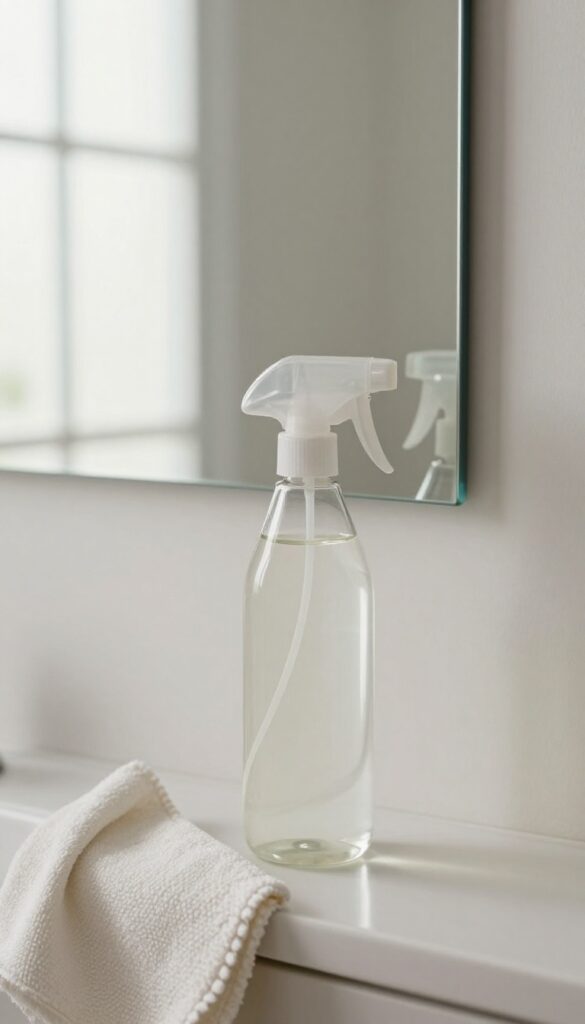
Sometimes the simplest solution is the best. A mixture of white vinegar and distilled water has been a go-to for generations, and for good reason. It cuts through grime, dissolves hard water spots, and evaporates quickly without leaving streaks behind.
This method is incredibly easy to prepare and use. You probably already have both ingredients in your kitchen, so there's no need to buy expensive specialty cleaners. The key is using distilled water, which lacks the minerals that can cause spotting, and a lint-free cloth to avoid leaving fibers on the glass.
Why It Works So Well
Vinegar is a mild acid that breaks down dirt, grease, and soap scum. When combined with water, it creates a solution that lifts grime away from the mirror surface. The acetic acid in vinegar also helps prevent future fogging, which is a nice bonus.
How To Mix And Apply
Combine equal parts white vinegar and distilled water in a clean spray bottle. Shake gently to mix. Spray the solution lightly onto the mirror—don't soak it.
Wipe with a microfiber cloth or a lint-free cotton cloth, using long, even strokes from top to bottom. For best results, buff the mirror dry with a second clean cloth.
Common Mistakes To Avoid
Using too much vinegar can leave a strong smell, so stick to the 50/50 ratio. Avoid using paper towels, as they can leave lint and scratches. Also, never spray directly onto the mirror if the solution is cold—let it warm to room temperature to prevent thermal shock.
2. Microfiber Cloth Magic
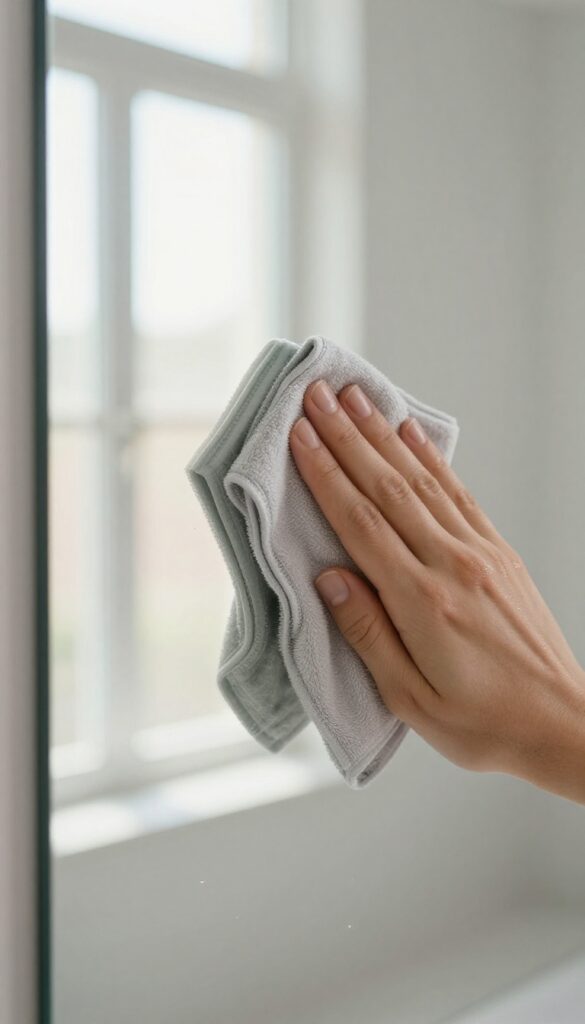
The right cloth can make or break your mirror-cleaning game. Microfiber is the unsung hero here—it grabs dust and absorbs moisture without leaving a single fiber behind. Once you switch, you'll wonder why you ever used paper towels.
Microfiber cloths are designed with split fibers that create a static charge, pulling dust and grime off the glass. They hold many times their weight in liquid, so you use less product. The key is to keep them clean and oil-free.
Why Microfiber Works Best
Unlike cotton or paper, microfiber doesn't shed lint. Its ultra-fine fibers reach into microscopic grooves on the mirror surface, lifting dirt instead of pushing it around. Plus, it's reusable and machine washable.
How To Use It Correctly
Spray your cleaner onto the cloth, not the mirror, to avoid overspray. Wipe in an S-pattern or from top to bottom to prevent streaks. Flip the cloth frequently to always use a clean side.
Caring For Your Microfiber Cloths
Wash them separately from towels or clothes that have fabric softener—softener clogs the fibers and ruins their effectiveness. Use a gentle detergent and air dry or tumble on low heat.
3. Newspaper Trick for a Perfect Shine

You might think old newspapers are only good for recycling, but they're actually a secret weapon for clean mirrors. The ink acts as a mild abrasive, and the paper fibers absorb moisture without leaving lint behind. It's a classic trick that professional cleaners swear by.
This method is incredibly simple. After spraying your mirror with a glass cleaner or homemade solution, crumple a sheet of newspaper into a ball. Use it to wipe the mirror in circular motions, then finish with vertical or horizontal strokes.
The paper will soak up excess liquid, and the ink will help polish away any residue. Avoid glossy inserts or colored pages, as they can transfer ink or leave streaks.
Why Newspaper Works
Newspaper is highly absorbent and lint-free, unlike paper towels that can leave fuzz. The ink contains carbon black, which acts as a gentle abrasive to buff away stubborn smudges. Plus, it's cost-effective and eco-friendly.
How To Use It Right
Use only black-and-white pages with matte finish. Crumple the paper loosely for better grip. Wipe in a zigzag or S-pattern to avoid streaks.
If the paper gets too wet, switch to a fresh piece.
What To Avoid
Stay away from glossy inserts, colored ads, or pages with heavy ink coverage. These can smear ink onto the mirror. Also, avoid using newspaper on coated or tinted mirrors, as the abrasiveness might scratch them.
4. Rubbing Alcohol for Stubborn Smudges
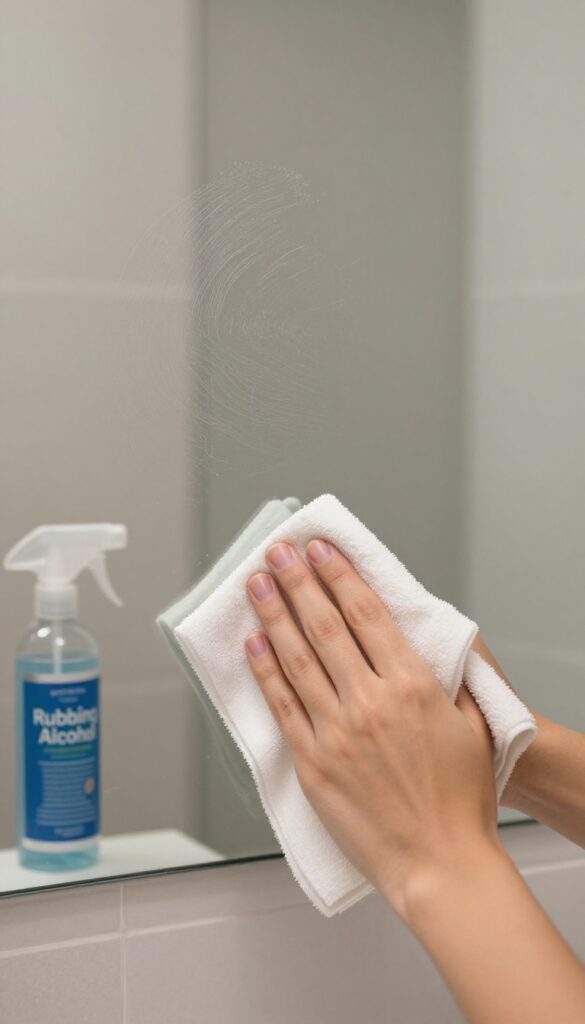
Some smudges just won't budge with water and vinegar alone. That's where rubbing alcohol steps in as a powerful degreaser that evaporates instantly, leaving zero streaks behind. It's the heavy hitter you need for mirrors that see a lot of fingerprints, hairspray, or toothpaste splatter.
Combine 1 cup rubbing alcohol, 1 cup water, and 1 tablespoon vinegar in a spray bottle. Shake gently to mix. Spray the solution onto the mirror, then wipe with a clean, dry microfiber cloth using long, overlapping strokes.
The alcohol dissolves grease and dries quickly, preventing streaks from forming. For extra-stubborn spots, let the solution sit for a few seconds before wiping.
Why Alcohol Works So Well
Rubbing alcohol is a solvent that breaks down oils and grime on contact. Unlike water-based cleaners, it evaporates rapidly, so there's no time for residue to settle into streaks. It's also a disinfectant, giving your mirror a deeper clean.
Best Practices For Application
Always use a microfiber cloth—cotton or paper towels can leave lint. Work in a well-ventilated area and avoid spraying near open flames. For large mirrors, use a squeegee after spraying for a flawless finish.
When To Use This Method
This solution is ideal for bathroom mirrors plagued by hair products or kitchen mirrors near the stove. It's also great for mirrors in high-traffic areas that get touched often, like entryway or bedroom mirrors.
5. Dish Soap and Water for Heavy Grime
When your mirror has layers of toothpaste splatter, hairspray residue, or mystery gunk, a gentle cleaner with real degreasing power is your best friend. Dish soap cuts through oils and sticky buildup without harsh chemicals. This method is especially handy for bathroom mirrors that see daily abuse.
Mix a few drops of liquid dish soap into a bucket of warm water. Swirl to create suds. Dip a soft sponge into the soapy water, wring it out slightly, and wash the mirror in overlapping strokes.
Rinse the sponge thoroughly, then go over the mirror with a clean, damp cloth to remove any soap residue. Finally, dry the mirror immediately with a squeegee or a lint-free microfiber cloth to prevent water spots and streaks.
Why Dish Soap Works
Dish soap is designed to break down grease and oils. It lifts grime away from the glass surface, allowing you to rinse it off cleanly. Unlike some glass cleaners, it leaves no waxy film behind, so your mirror stays clear longer.
Best Practices For Rinsing
Residual soap can cause streaks, so thorough rinsing is key. Use a second bucket of clean water or run the sponge under the tap until the water runs clear. A final wipe with a damp microfiber cloth ensures all soap is gone before drying.
Drying Without Streaks
A squeegee is the fastest tool for drying large mirrors. Start at the top and pull down in a single, steady motion, wiping the blade after each pass. If you prefer a cloth, use a dry microfiber towel and buff in circular motions until the mirror is spotless.
6. Squeegee Technique for Large Mirrors
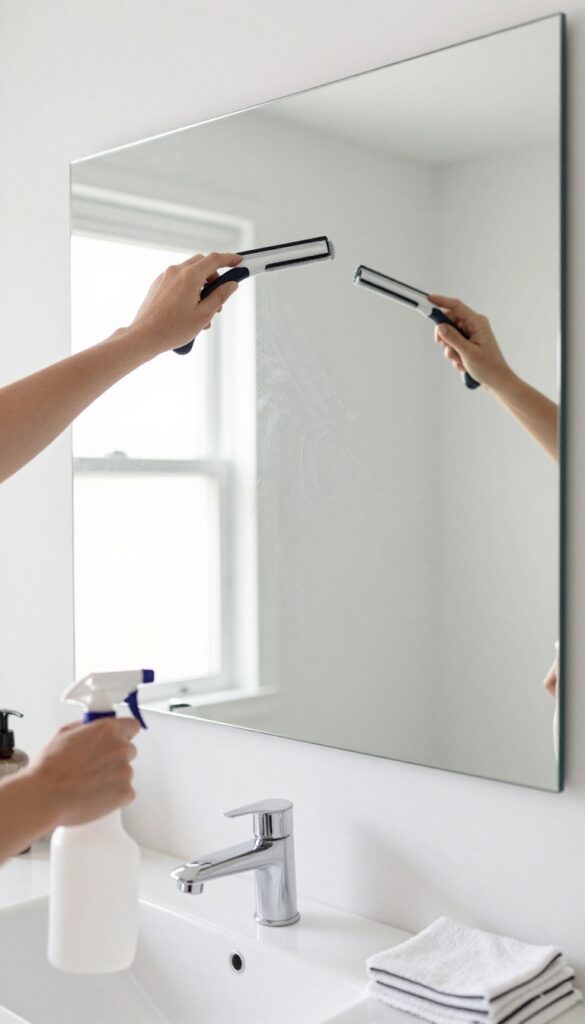
Large mirrors, like those in bathrooms or entryways, can be a pain to clean without leaving streaks. The squeegee technique is a game-changer for big surfaces. It removes water and cleaner quickly, leaving a pristine finish with minimal effort.
After cleaning, use a rubber squeegee to remove excess water. Start at the top and pull down in a straight line, wiping the blade after each pass. This prevents drips and streaks.
Why A Squeegee Works Best
A squeegee glides over glass without leaving lint or streaks. The rubber blade pushes water and dirt off the surface in one smooth motion. Unlike cloths, it doesn't redeposit grime.
Step-by-step Squeegee Method
First, spray your mirror with a cleaning solution or just water. Then, starting at the top left, pull the squeegee horizontally across the mirror. Overlap each stroke slightly.
After each pass, wipe the blade with a dry cloth. Continue until the entire mirror is done.
Pro Tips For Best Results
Use a squeegee with a rubber blade that's not too soft or hard. Replace the blade if it gets nicked or worn. For extra shine, follow up with a microfiber cloth to catch any missed spots.
7. Cornstarch Paste for Cloudy Mirrors
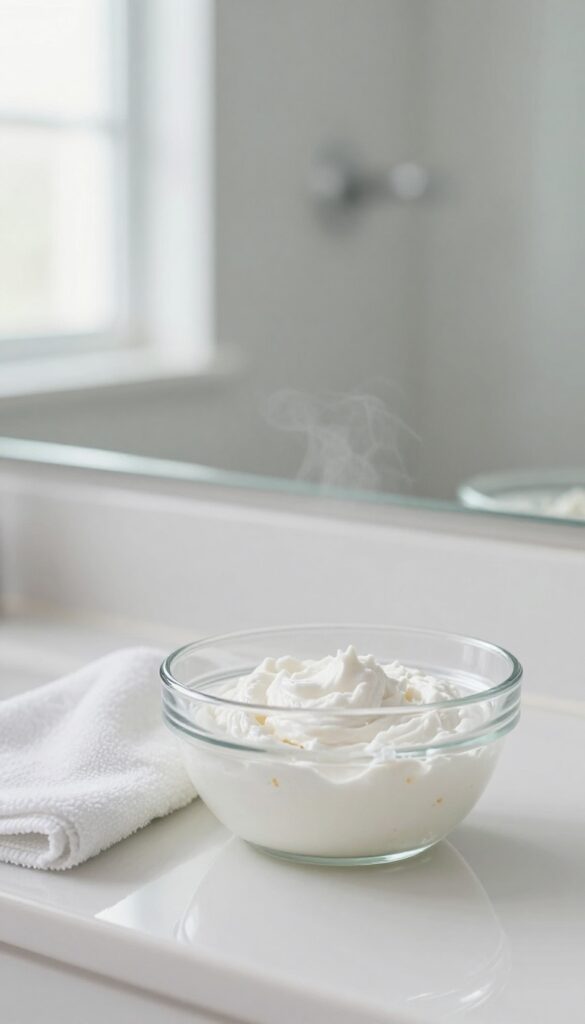
Cloudy mirrors are often caused by a buildup of hard water minerals or old cleaning residues. Regular sprays might not cut through that haze. A simple cornstarch paste can restore clarity without harsh scrubbing.
To make the paste, combine 1 tablespoon cornstarch with 1/4 cup white vinegar and 1/4 cup water. Stir until smooth. Apply the mixture to the mirror using a soft, lint-free cloth, spreading it evenly.
Let it dry completely—this takes about 10 minutes. Once dry, buff the mirror with a clean, dry cloth. The cornstarch acts as a gentle abrasive that polishes away the haze, while the vinegar dissolves mineral deposits.
The result is a crystal-clear reflection.
Why Cornstarch Works
Cornstarch is a mild abrasive, finer than baking soda, so it won't scratch glass. It lifts stubborn residue without damaging the mirror's backing. Combined with vinegar's acidity, it breaks down alkaline mineral spots effectively.
Application Tips
Use a microfiber cloth for application to avoid lint. Work in small sections to prevent the paste from drying too quickly. If the haze is thick, let the paste sit for 15 minutes before buffing.
For extra stubborn spots, add a drop of dish soap to the mixture.
When To Use This Method
This paste is ideal for mirrors that look foggy even after cleaning. It's especially useful in bathrooms with hard water or mirrors that haven't been cleaned in a while. Avoid using it on mirrors with damaged edges where moisture could seep in.
8. Lemon Juice for Natural Shine
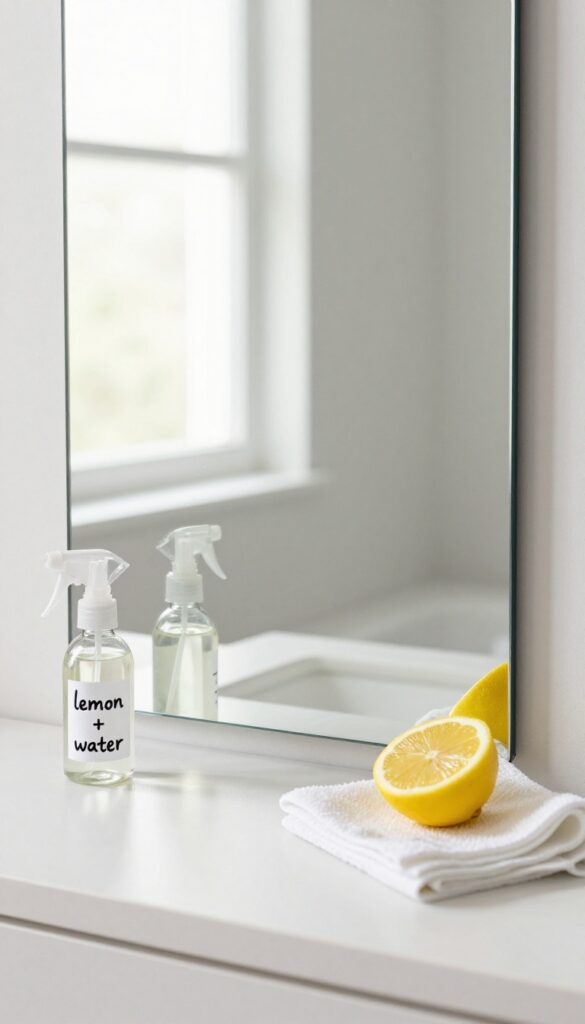
If you prefer a natural, chemical-free approach to cleaning, lemon juice is a fantastic option. Its acidity cuts through grease and grime while leaving a fresh, clean scent. Plus, it's gentle enough for regular use and won't harm the mirror's backing.
Lemon juice is a natural degreaser and disinfectant. When combined with water, it creates a simple yet effective glass cleaner that rivals any store-bought product. The citric acid helps dissolve water spots and soap scum, while the pleasant aroma makes the chore feel less like work.
Why Lemon Juice Works
Lemon juice contains citric acid, which breaks down oils and mineral deposits. Unlike harsh chemicals, it's safe for the environment and your home. The acidity also helps prevent streaks by ensuring the surface is completely clean before drying.
How To Mix And Apply
In a spray bottle, combine 2 tablespoons of fresh lemon juice with 1 cup of water. Shake gently to mix. Spray the solution onto the mirror, then wipe with a clean, lint-free microfiber cloth.
For best results, use a dry section of the cloth to buff the surface until it shines.
Tips For Best Results
Always use fresh lemon juice rather than bottled, as bottled versions may contain added sugars or preservatives that can leave residue. Avoid using lemon juice on mirrors with damaged edges, as the acid could seep into the backing and cause discoloration.
9. Baby Shampoo for Gentle Cleaning
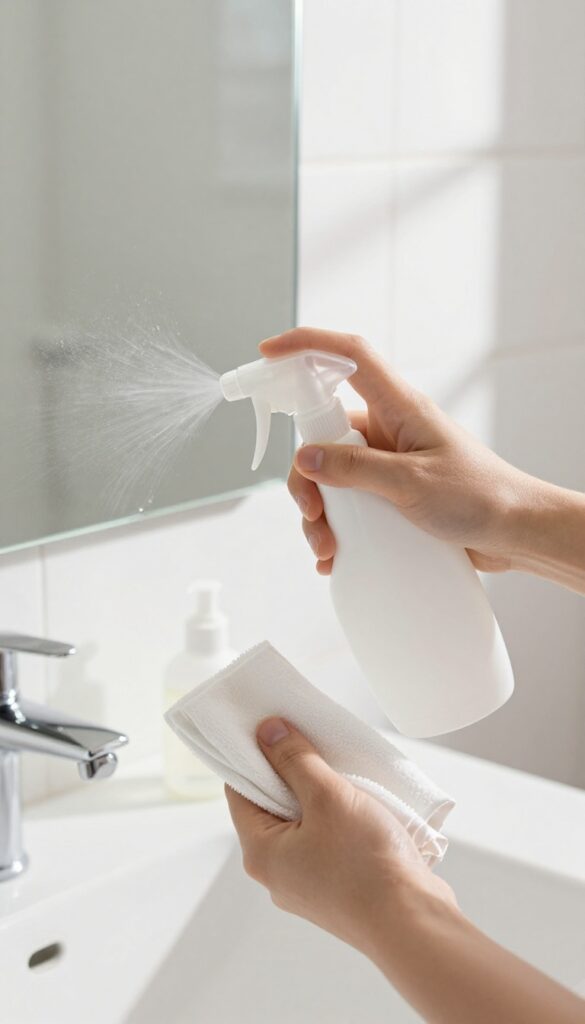
Baby shampoo isn't just for babies—it's a surprisingly effective glass cleaner. Its mild formula cuts through grime without harsh chemicals, making it perfect for mirrors in nurseries or bathrooms where you want a non-toxic option. Plus, it rinses clean, leaving no sticky residue behind.
Mix 1 teaspoon of baby shampoo with 2 cups of water in a spray bottle. Shake gently to combine. Spray the solution onto the mirror surface, then wipe with a soft, lint-free cloth or microfiber towel.
For best results, use a dry section of the cloth to buff away any remaining moisture. This method is especially gentle on mirrors with decorative frames or those in high-traffic areas where you want a safe, everyday cleaner.
Why Baby Shampoo Works
Baby shampoo is formulated to be tear-free and gentle on sensitive skin, which means it lacks the strong detergents found in many household cleaners. Yet it still contains mild surfactants that lift dirt and oils from glass surfaces. The result is a streak-free shine without the risk of residue or irritation.
Best Uses For This Method
This solution is ideal for mirrors in nurseries, children's rooms, or any space where you prefer to avoid harsh chemicals. It's also great for cleaning mirrors with delicate frames that might be damaged by ammonia or vinegar. Use it weekly for a gentle, effective clean.
Pro Tips For Streak-free Results
Always use a clean, dry microfiber cloth to avoid lint. Wipe in a zigzag or circular motion to cover the entire surface, then switch to a dry cloth for buffing. If you notice any streaks, it might be due to hard water; consider using distilled water for the mixture.
10. Dryer Sheets for Anti-Static Shine
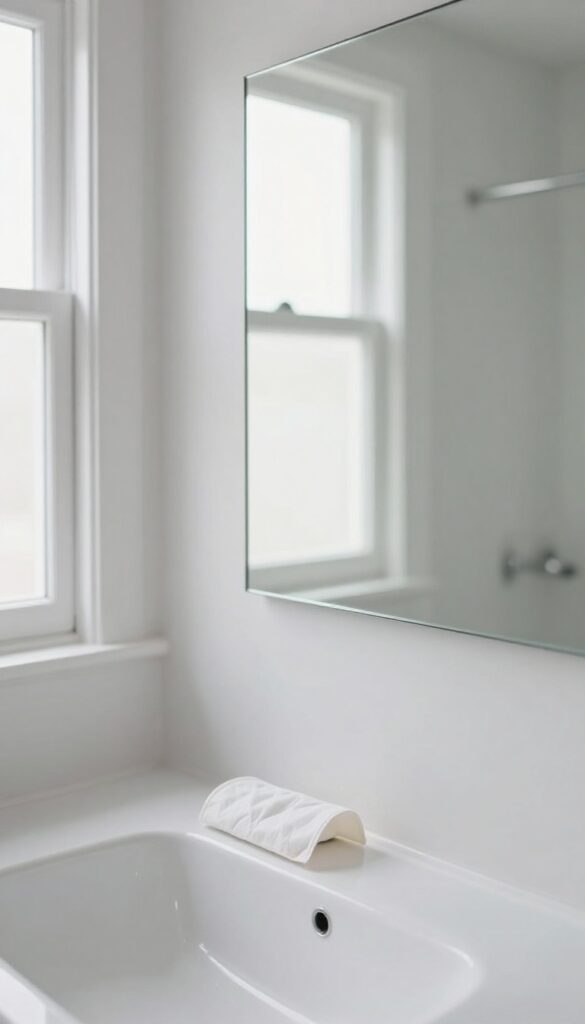
A used dryer sheet might seem like an odd cleaning tool, but it's a game-changer for mirrors. The anti-static agents in the sheet help repel dust and reduce future smudging. Plus, it's a great way to repurpose something you'd normally toss.
After cleaning your mirror with your preferred method, grab a used dryer sheet and give the glass a final buff. The sheet's anti-static properties create a barrier that keeps dust from settling as quickly. You'll notice your mirror stays cleaner for longer.
Just be sure to use unscented or lightly scented sheets—strongly perfumed ones can leave a hazy film.
Why It Works
Dryer sheets contain cationic surfactants that neutralize static charge. On a mirror, this reduces the attraction of airborne dust particles. The sheet also leaves behind a thin, slick layer that makes future smudges easier to wipe away.
Best Practices
Always use a sheet that's already been through the dryer—new ones are too waxy. Buff gently in a circular motion, then finish with a dry microfiber cloth if you see any streaks. Avoid using on mirrors with anti-fog coatings, as the chemicals might degrade them.
When To Skip This Method
If you have sensitive skin or allergies, the fragrances in some dryer sheets might irritate. Also, don't use this on eyeglasses or camera lenses—the coating can interfere with optics. Stick to mirrors only.
FAQ
Why do my mirrors still have streaks after cleaning?
Streaks often result from using too much cleaner, dirty cloths, or hard water. Switch to distilled water and a lint-free microfiber cloth, and use less product.
Can I use Windex on mirrors?
Yes, but Windex contains ammonia which can damage mirror edges over time. For longevity, use a vinegar-based solution or alcohol mix.
How often should I clean mirrors?
High-traffic areas like bathrooms may need weekly cleaning. Bedroom mirrors can be cleaned every two weeks or as needed.
What's the best cloth for cleaning mirrors?
Microfiber cloths are best because they trap dust and absorb liquid without lint. Avoid paper towels and old t-shirts that leave fibers.
How do I remove hard water spots from mirrors?
Soak a cloth in equal parts vinegar and water, lay it on the spots for a few minutes, then wipe. For stubborn spots, use a paste of baking soda and vinegar.
Conclusion
Streak-free mirrors are easier than you think once you know the right tools and techniques. Start with the microfiber cloth and distilled water method—it's the simplest way to avoid those frustrating lines.
Pick one or two of these polish secrets to try this weekend, and you'll see an immediate difference in how your mirrors look. Your reflection will be clearer, and your space will feel brighter without any extra effort.