Your shower head works hard every day, but mineral deposits from hard water can quietly clog its nozzles and reduce water pressure. You don't need to replace it or call a plumber—most fixes use items already in your kitchen.
From a simple vinegar soak to surprising tricks like Coca-Cola, these 11 methods tackle buildup at every level. Each approach is tested and practical, so you can pick the one that fits your schedule and the severity of the scale.
No more weak spray or uneven flow—just a clean, powerful shower.
1. White Vinegar Soak: The Classic Go-To
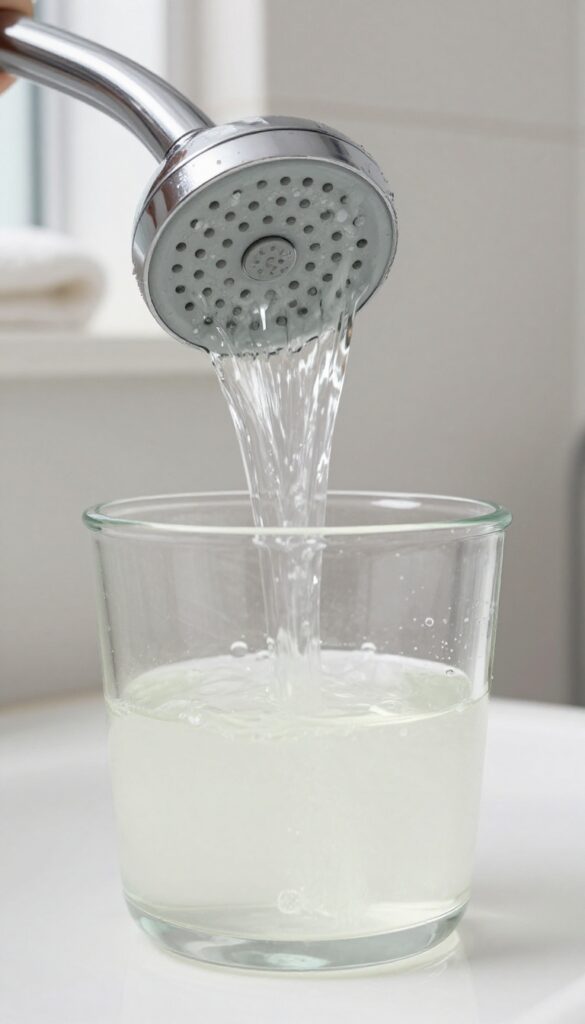
White vinegar is the undisputed champion when it comes to dissolving limescale and mineral deposits. It's cheap, non-toxic, and already sitting in your pantry. The magic ingredient is acetic acid, which breaks down the calcium carbonate that builds up in your shower head's nozzles and internal passages.
This method works for almost any shower head material—just avoid it on brass or gold-plated finishes unless you're sure they're sealed.
Start by unscrewing the shower head from the arm. If it's stuck, wrap a cloth around the nut and use pliers to avoid scratching. Place the shower head in a bowl or plastic bag filled with undiluted white vinegar, making sure all nozzles are submerged.
Let it soak for at least 30 minutes; for heavy buildup, leave it overnight. After soaking, scrub the face with an old toothbrush to dislodge any remaining debris. Rinse thoroughly under running water and reattach.
Run the shower for a minute to flush out any vinegar residue. Your water pressure should improve noticeably.
Why Vinegar Works So Well
Vinegar's acidity is strong enough to dissolve minerals but gentle enough not to damage most shower head finishes. The acetic acid reacts with calcium carbonate to form calcium acetate, which is water-soluble and rinses away easily. This chemical reaction makes it far more effective than just scrubbing with soap.
Tips For Stubborn Buildup
If your shower head has thick, crusty deposits, extend the soak time to 8–12 hours. You can also heat the vinegar slightly (don't boil) to speed up the reaction. For shower heads that can't be removed, fill a plastic bag with vinegar, tie it around the head with a rubber band, and let it soak in place.
What About The Rubber Nozzles?
Many modern shower heads have rubber nozzles that can be rubbed clean without vinegar. But if they're clogged with hard water scale, a vinegar soak is still the best fix. Just don't soak longer than necessary—rubber can degrade over extended periods in acid.
2. Baking Soda Paste for Stubborn Spots
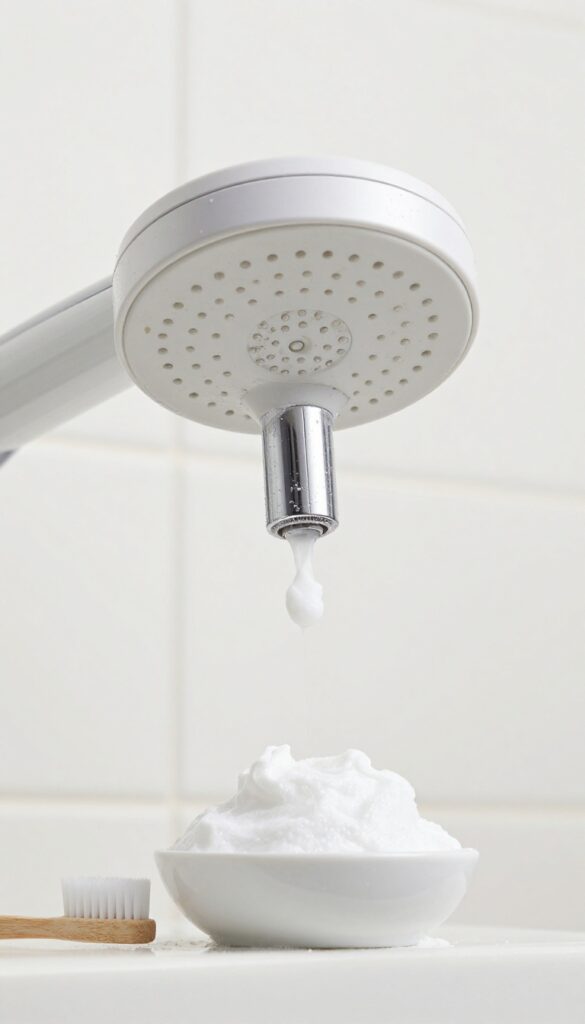
Sometimes vinegar alone doesn't cut it, especially if you've let the buildup go for a while. That's where baking soda steps in. Its mild abrasiveness helps scrub away mineral deposits that are stuck tight, without scratching the metal or plastic.
Baking soda is a gentle abrasive that works wonders on tough limescale. When mixed into a paste, it clings to the shower head and breaks down deposits that vinegar can't loosen. This method is ideal for spot-treating individual nozzles or tackling areas where the buildup is thick and crusty.
Making The Paste
In a small bowl, combine three parts baking soda with one part water. Stir until it forms a thick, spreadable paste. If it's too runny, add more baking soda; if too dry, add a drop more water.
You want it to stay put when applied.
Application And Wait Time
Use your fingers or an old toothbrush to apply the paste directly onto the clogged nozzles and any visible mineral spots. Let it sit for 15 minutes—longer if the buildup is really stubborn. The paste will start to fizz slightly as it reacts with the minerals.
Scrubbing And Rinsing
After the wait, scrub the paste into the nozzles with a soft brush or toothbrush. Focus on circular motions to dislodge the deposits. Rinse the shower head thoroughly with warm water.
You should see a noticeable improvement in water flow.
When To Use This Method
Baking soda paste is best for maintenance between deep soaks or for shower heads that can't be removed easily. It's also a great follow-up after a vinegar soak to polish off any leftover residue. Avoid using it on delicate finishes like gold or brass, as the abrasiveness could cause micro-scratches.
3. Lemon Juice and Salt Scrub
If your shower head has a thin, crusty layer of mineral buildup, a lemon and salt scrub is a surprisingly effective fix. The citric acid in lemon juice breaks down calcium and lime deposits, while salt acts as a gentle abrasive to scrub away residue without scratching metal or plastic. This method works best for light to moderate buildup and leaves your bathroom smelling fresh.
Cut a lemon in half and dip the cut side into a small dish of salt. Rub the lemon directly onto the shower head, focusing on clogged nozzles and areas with visible scale. Let the juice sit for 5–10 minutes, then scrub gently with a soft brush or sponge.
Rinse thoroughly with warm water to remove all salt and lemon residue. For stubborn spots, repeat the process or let the lemon juice sit longer before scrubbing.
Why Lemon Works
Lemons contain citric acid, a natural chelating agent that binds to minerals like calcium carbonate and pulls them away from surfaces. Unlike harsh chemical descalers, citric acid is food-safe and gentle on most shower head finishes. Salt amplifies the effect by providing physical scrubbing power, making this combo ideal for spot-treating nozzle clogs.
Best For Light To Moderate Buildup
This scrub is perfect for maintenance cleaning between deeper soaks. If your shower head has thick, rock-like deposits, start with a vinegar soak first, then use the lemon scrub to polish off remaining residue. Avoid using this method on painted or delicate finishes—test on a small area first.
Pro Tips For Best Results
Use coarse salt like kosher or sea salt for better abrasion. If the lemon slips, wrap a rubber band around it for grip. After rinsing, wipe the shower head dry with a microfiber cloth to prevent water spots.
For extra shine, follow up with a quick polish using a drop of olive oil on a soft cloth.
4. Plastic Bag Soak Without Removing the Head
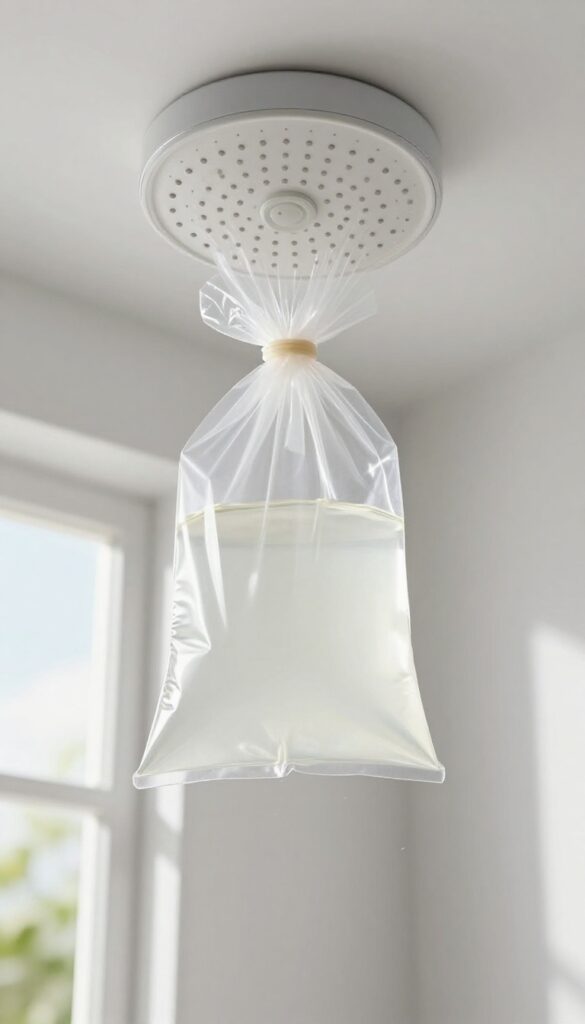
Not all shower heads are easy to detach. Some are fixed in place, others have awkward angles, and a few just feel like they've fused with the pipe. That's where the bag method comes in—no tools, no disassembly, just a plastic bag and some vinegar.
This method works especially well for rain shower heads or wall-mounted fixtures that don't unscrew. The vinegar soaks directly into the nozzles, dissolving scale without you having to wrestle with plumbing.
What You'll Need
Grab a sturdy plastic bag (a freezer bag works best), a rubber band or zip tie, and enough white vinegar to submerge the shower head's face. If the buildup is heavy, heat the vinegar first for better results.
Step-by-step Soak
Fill the bag halfway with vinegar. Press it against the shower head so the nozzles are fully submerged, then secure the bag with a rubber band or zip tie around the neck of the head. Let it sit for at least an hour—overnight if the buildup is stubborn.
Remove the bag, run the shower for a minute, and watch the gunk flush out.
Pro Tips For Success
Use a bag without holes—double-bag if needed. If your shower head is overhead, loop the rubber band around the neck and twist the bag to keep it tight. For extra cleaning power, add a tablespoon of baking soda to the vinegar before sealing.
5. Commercial Descaling Products
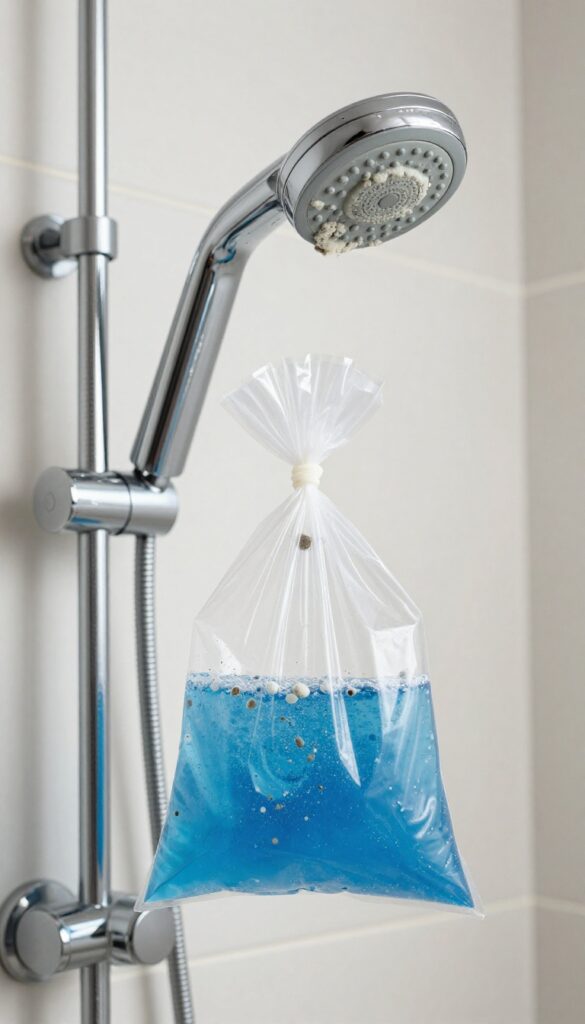
When mineral buildup has been ignored for months or even years, household remedies may not cut it. That's where commercial descaling products step in. Formulated with stronger acids than vinegar or lemon juice, these heavy-duty cleaners dissolve thick, crusty limescale quickly.
Brands like CLR and Lime-A-Way are designed for tough jobs, but they require careful handling. Always follow the label instructions and rinse thoroughly to avoid any chemical residue that could irritate your skin or eyes during your next shower.
For shower heads with severe, stubborn deposits, commercial descalers offer a powerful solution. They work faster than natural alternatives and can restore water flow in minutes. However, their strength means you need to take precautions.
Wear gloves and ensure good ventilation. Never mix them with other cleaners, especially bleach. After descaling, run the shower for a full minute to flush out any remaining solution.
This method is best reserved for when gentler approaches have failed.
How To Use Clr Or Lime-a-way
If your shower head is removable, detach it and place it in a plastic bag or bowl. Pour enough descaler to fully submerge the head. Let it soak for the time specified on the bottle—usually 5 to 15 minutes.
For fixed shower heads, fill a plastic bag with the solution, tie it around the neck, and secure it with a rubber band. After soaking, scrub any remaining residue with an old toothbrush. Rinse thoroughly with water before reattaching.
Safety First
These products contain strong acids like lactic or glycolic acid. Wear rubber gloves to protect your hands, and avoid splashing. Work in a well-ventilated area to prevent inhaling fumes.
Keep the solution away from children and pets. If you have a brass or gold-plated shower head, check the manufacturer's recommendations—some metals can be damaged by harsh chemicals.
When To Choose Commercial Descalers
Reach for these products when you see thick, white or greenish crusts that don't budge after a vinegar soak. If your water pressure is significantly reduced or the nozzles are completely blocked, a commercial descaler can save you from buying a new shower head. They're also great for periodic deep cleaning—use them once or twice a year as maintenance.
6. Toothbrush and Dish Soap for Light Cleaning
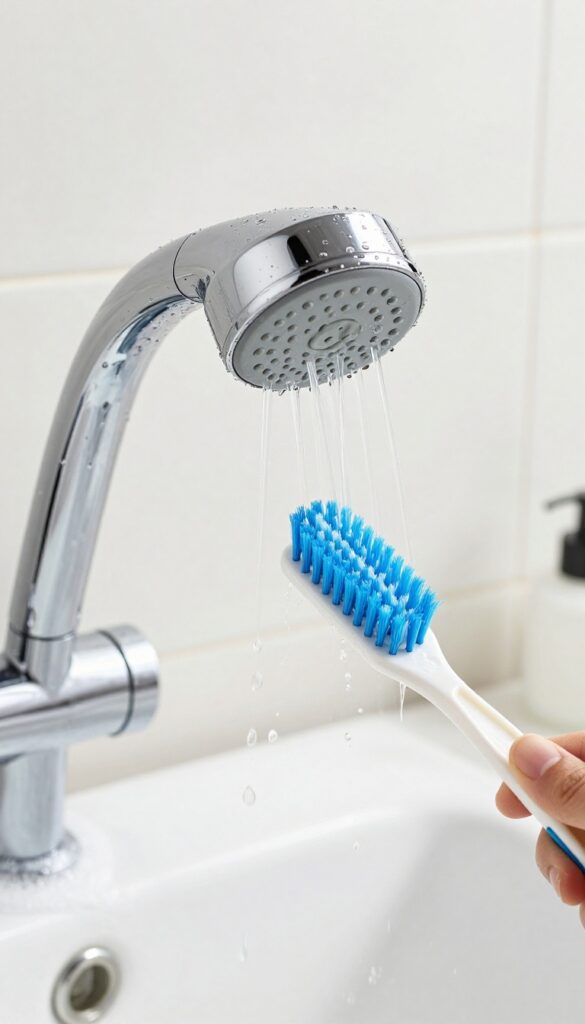
Not every shower head needs a heavy-duty soak. If you've been keeping up with regular wipe-downs or the buildup is barely visible, a simple scrub with dish soap and a toothbrush is all you need. It's quick, requires no disassembly, and works great as a weekly touch-up.
For minimal buildup, dip an old toothbrush in warm, soapy water and scrub the nozzles. This works best as a weekly maintenance step to prevent major clogs.
Why This Works For Light Buildup
Dish soap is a gentle degreaser that cuts through everyday grime and soft mineral residue. The toothbrush bristles reach into each nozzle hole, dislodging any loose particles before they harden into scale. It's a preventive measure that keeps your shower head performing well without harsh chemicals.
How To Do It Right
Mix a few drops of dish soap with warm water in a small bowl. Dip the toothbrush and scrub each nozzle in a circular motion. Pay extra attention to nozzles that seem to have slightly less flow.
Rinse the shower head by running the water for a minute. For best results, do this every week or two.
When To Upgrade To Stronger Methods
If you notice white crusty deposits that don't budge after scrubbing, or if water flow is still uneven, it's time to move on to a vinegar soak or a more intensive fix. The toothbrush method is a great first line of defense, but it's not designed for heavy scale.
7. Soaking in Coca-Cola (Yes, Really)
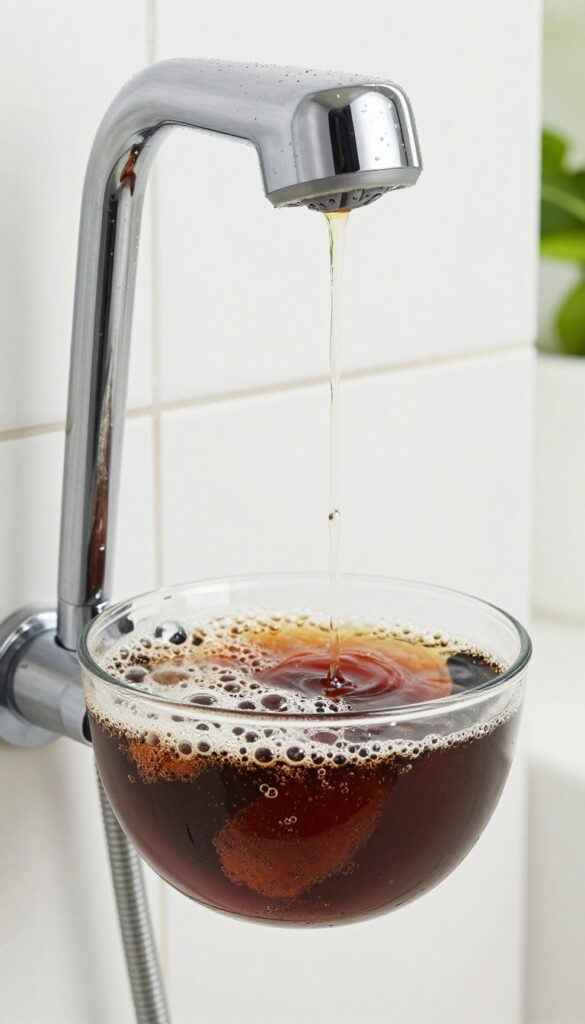
You've probably heard that cola can clean a toilet, but it works on shower heads too. The phosphoric acid in Coke is effective at dissolving limescale, making it a fun and surprisingly effective alternative to vinegar. Plus, it's a great way to use up a flat soda that's been sitting in your fridge.
This method is best for shower heads that are removable and have moderate to heavy buildup. It's also a good option if you're out of vinegar or just want to try something different.
Why It Works
Coca-Cola contains phosphoric acid, which reacts with calcium carbonate in limescale, breaking it down. The carbonation also helps loosen debris. While not as strong as commercial descalers, it's gentle enough for most finishes and safe for plastic parts.
How To Do It
First, detach your shower head and place it in a bowl or plastic bag. Pour enough Coca-Cola to fully submerge the head. Let it soak for at least one hour—longer for heavy buildup.
After soaking, remove and rinse with warm water. Use an old toothbrush or a pin to gently scrub away any remaining residue.
A Few Tips
Use regular Coke, not Diet or Zero, as the sugar helps with cleaning action. If your shower head is fixed, you can fill a plastic bag with Coke, tie it around the head, and secure it with a rubber band. Let it sit for an hour, then remove and rinse.
The smell is minimal and washes away easily.
8. Vinegar and Baking Soda Fizz Combo
Sometimes the simplest chemistry makes the biggest difference. Vinegar dissolves mineral deposits, while baking soda adds gentle abrasion and a fizzy reaction that helps lift stubborn grime. Together, they create a powerful but non-toxic cleaning duo that works on most shower heads without harsh scrubbing.
This method is ideal for shower heads with moderate buildup that you can't easily remove. The fizzing action reaches into the nozzles better than soaking alone, and the baking soda paste helps scrub away residue without scratching chrome or plastic finishes. Use it as a mid-level treatment before moving to stronger chemical cleaners.
How To Apply The Fizz Combo
Start by wetting the shower head slightly so the baking soda sticks. Sprinkle a generous layer of baking soda over the entire head, making sure it coats the nozzles. Then spray or pour white vinegar over the baking soda—it will fizz immediately.
Let the reaction work for about 10 minutes, then scrub with a soft brush or toothbrush. Rinse thoroughly with warm water.
When This Combo Works Best
This method is perfect for shower heads with light to moderate white or gray scale. It's also great for plastic or brass fixtures that might be damaged by stronger acids. If you have a fixed shower head that's hard to remove, the fizz combo can be applied in place without disassembly—just protect the surrounding tile or tub with a towel.
Tips For Maximum Fizz Power
For extra cleaning action, use warm vinegar—it reacts faster. You can also make a paste with baking soda and a little water first, then apply it, and spray vinegar on top. If the fizzing dies down quickly, you may need to reapply more vinegar.
Avoid using this combo on painted or enameled surfaces, as the abrasive paste could scratch.
9. Descaling with Citric Acid Powder
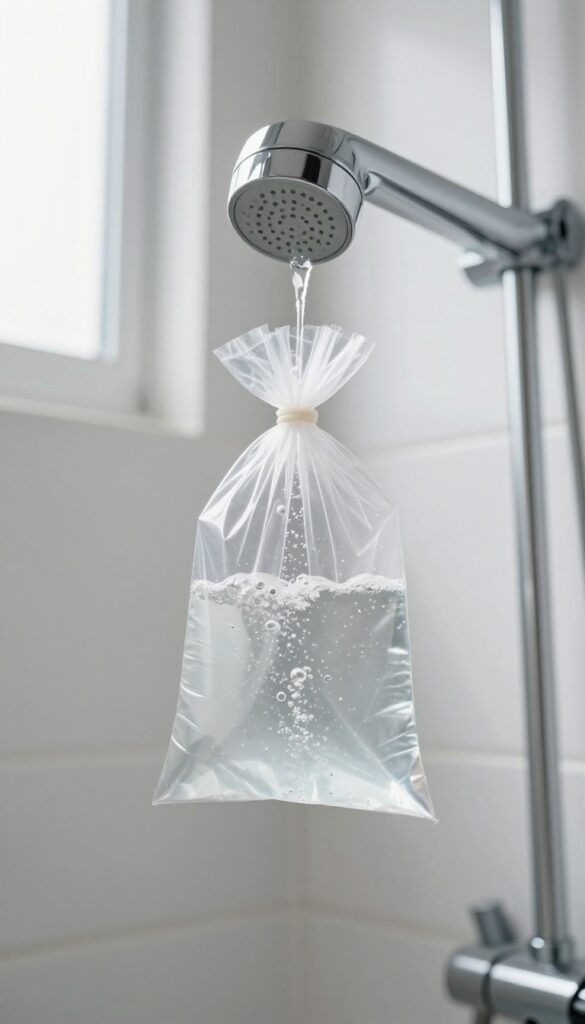
If the smell of vinegar makes you cringe, citric acid powder is your new best friend. It's just as effective at breaking down limescale but leaves behind a faint, clean scent—or none at all. Plus, it's food-safe and often used in canning and cooking, so you know it's gentle on your fixtures.
Citric acid is a weak organic acid found naturally in citrus fruits. When dissolved in water, it creates a solution that chelates calcium and magnesium ions, dissolving mineral deposits without harsh scrubbing. It's particularly good for stubborn buildup that vinegar might take longer to tackle.
How To Use It
Mix one tablespoon of citric acid powder with one cup of warm water in a plastic bag or bowl. Stir until fully dissolved. Submerge the shower head (or attach the bag with a rubber band) and let it soak for 30 minutes.
For heavy scale, you can leave it up to an hour. After soaking, scrub with a soft brush and rinse thoroughly.
Why It Works So Well
Citric acid has a lower pH than vinegar, making it more aggressive on calcium carbonate. It also doesn't leave behind a strong odor, so you can use it in enclosed bathrooms without airing out. The powder is cheap and shelf-stable, so it's easy to keep on hand for regular maintenance.
Safety And Precautions
Avoid using citric acid on brass, copper, or other delicate finishes, as it can cause etching. Stick to stainless steel, chrome, or plastic shower heads. Always rinse thoroughly after descaling to prevent residue.
Wear gloves if you have sensitive skin, as the solution can be mildly irritating.
10. Using a Pin or Needle to Clear Nozzles
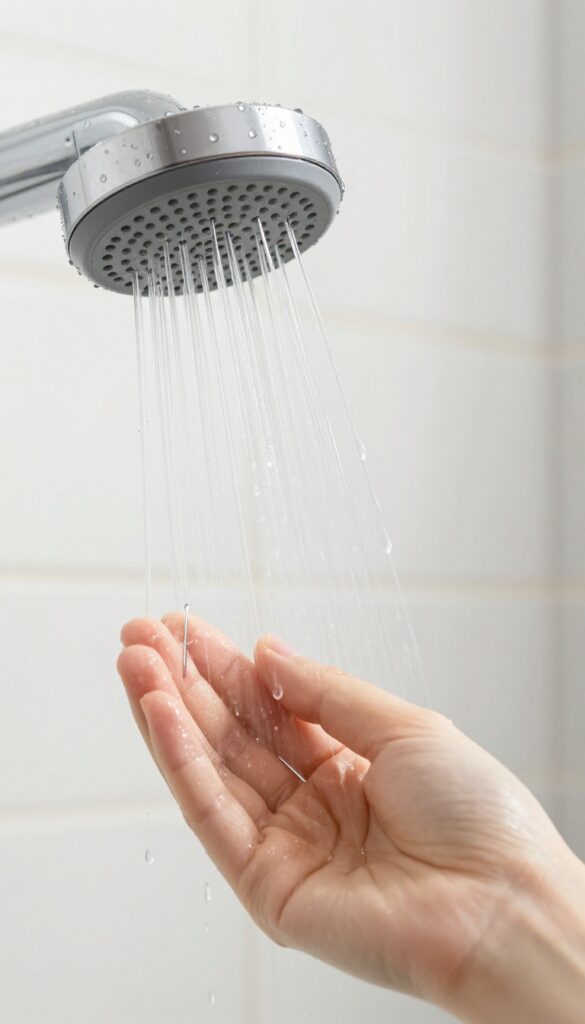
Sometimes the problem is just a few stubborn holes that won't spray. Before you break out the heavy-duty cleaners, try a simple mechanical fix. A pin, needle, or even a toothpick can dislodge the mineral plug blocking a single nozzle.
It's a targeted approach that works great for spotty spray patterns.
Start by identifying the clogged nozzles. With the shower head still attached or removed, gently insert a pin or needle into each blocked hole. Use a twisting motion to break up the deposit, then wipe away the debris.
Be careful not to scratch or enlarge the nozzle opening. After clearing all visible clogs, follow up with a vinegar soak to dissolve any remaining internal buildup. This two-step method ensures a thorough clean and restores full water flow.
Why This Works
Mineral deposits often form a hard crust at the nozzle opening. Poking breaks the surface tension and physically removes the plug, allowing water to flow again. It's a quick fix that doesn't require any chemicals, making it ideal for minor clogs.
Best Tools For The Job
A sewing pin or a thin needle works best for most nozzles. For rubber nozzles, a toothpick is safer to avoid damage. Avoid using metal paperclips or thicker objects that could stretch or break the nozzle.
Keep a few options handy to match the hole size.
When To Combine With Soaking
If the spray is still uneven after poking, internal buildup is likely deeper. Soak the shower head in white vinegar for at least 30 minutes to dissolve the rest. The pinning step first ensures the vinegar can penetrate more effectively.
11. Ultrasonic Cleaner for Deep Descaling
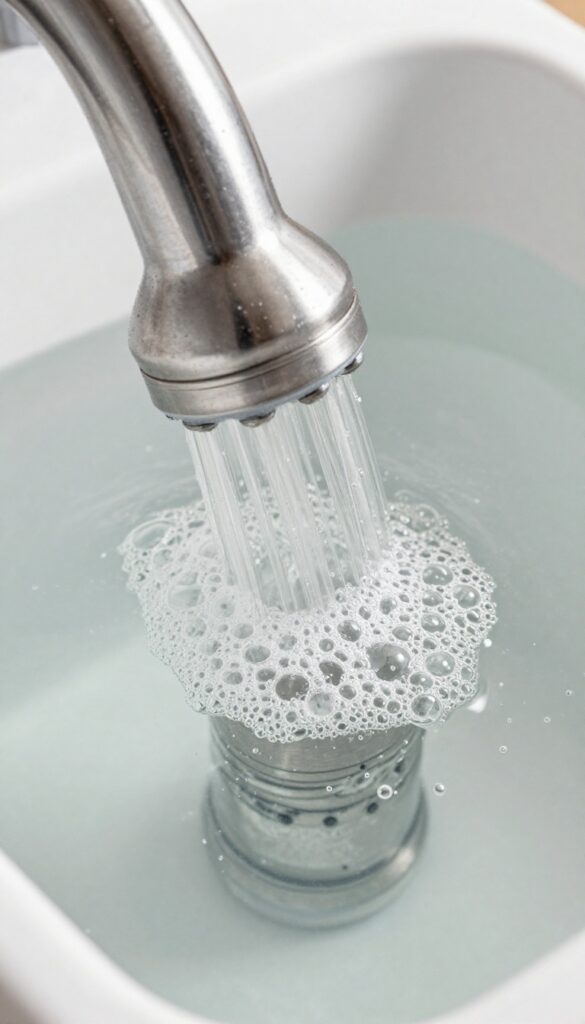
If you own an ultrasonic cleaner—the kind often used for jewelry, eyeglasses, or small parts—it can be a game-changer for shower head maintenance. The high-frequency vibrations create microscopic bubbles that penetrate every tiny hole and crevice, dislodging mineral deposits that soaking alone might miss. This method is especially effective for shower heads with intricate designs or multiple nozzles that are hard to scrub individually.
Using an ultrasonic cleaner is straightforward. Disassemble the shower head if possible, then place it in the cleaner's tank. Fill the tank with a 50/50 mix of water and white vinegar (or a descaling solution), ensuring the shower head is fully submerged.
Run a standard cycle, typically 5 to 10 minutes, then rinse thoroughly with water. You may need to repeat if the buildup is heavy. This method is gentle on finishes and reaches every internal surface, leaving your shower head spotless and restoring full water flow.
It's a one-and-done solution for those who already have the equipment.
Why It Works So Well
Ultrasonic cleaning uses cavitation—the rapid formation and collapse of tiny bubbles—to create a scrubbing action at a microscopic level. This energy dislodges mineral scale from hard-to-reach areas like the inside of nozzles and around O-rings. Unlike soaking, which relies on chemical dissolution, ultrasonic cleaning adds physical agitation, making it faster and more thorough.
Best Shower Heads For This Method
This technique shines with shower heads that have multiple small jets, swivel joints, or decorative details. It's also great for handheld models with narrow passages. Avoid using it on shower heads with delicate coatings or plastic parts that might be damaged by prolonged vibration—check the manufacturer's guidelines first.
Step-by-step Instructions
First, remove the shower head from the hose or arm. Disassemble any removable parts like faceplates or washers. Fill the ultrasonic cleaner with a 1: 1 water-vinegar solution.
Submerge the shower head completely, ensuring no air pockets. Run one full cycle (5–10 minutes). Remove and rinse with warm water.
If scale remains, run a second cycle with fresh solution. Dry all parts before reassembling.
FAQ
How often should I clean my shower head?
Every 1 to 3 months, depending on your water hardness. If you notice reduced water pressure or visible white deposits, it's time to clean.
Can I clean a shower head without removing it?
Yes. Use the plastic bag method with vinegar, or scrub in place with a brush and cleaning solution. For fixed heads, this is the easiest approach.
Will vinegar damage my shower head finish?
Vinegar is safe for most metal and plastic finishes, but avoid prolonged soaking on brass, gold, or nickel-plated heads. Rinse thoroughly after cleaning.
What if my shower head is still clogged after cleaning?
Try a stronger descaler or repeat the soak. If that fails, the internal parts may be corroded—consider replacing the shower head.
Is it safe to use bleach on a shower head?
Bleach is not recommended for mineral buildup. It's better for mold, but it can damage finishes and doesn't dissolve limescale effectively.
Conclusion
Regular shower head maintenance doesn't have to be a hassle. With these 11 mineral-buildup fixes, you can pick the method that fits your schedule and supplies.
A quick vinegar soak or a baking soda scrub can restore water pressure and keep your shower feeling fresh. Try one approach this weekend, and you'll notice the difference in your next shower.