You walk into your room and feel that familiar wave of overwhelm. Clothes on the chair, clutter on the desk, and dust on every surface. The thought of cleaning it all feels like a huge chore, so you put it off.
But what if you could clean your room in under 30 minutes without the stress? The secret isn't working harder—it's working smarter. These 10 focus-first tactics are designed to help you clean fast by zeroing in on what matters most.
No more wandering around picking up random items. These strategies give you a clear path from messy to tidy, so you can reclaim your space and your time.
1. The 5-Minute Rule: Start Before You Overthink
The biggest obstacle to a clean room isn't the mess—it's the mental block. You look at the chaos and your brain freezes. The 5-Minute Rule is a simple trick to bypass that freeze.
Commit to just five minutes of cleaning. Set a timer and go. That's it.
No pressure to finish, just permission to start.
Once the timer starts, you'll likely find that the hardest part was the first 30 seconds. Your brain shifts from "this is too much" to "I can do anything for five minutes. " And more often than not, you'll keep going past the buzzer.
Momentum is real. The 5-Minute Rule turns a daunting task into a tiny, winnable challenge.
Why Five Minutes Works
Five minutes is short enough to feel doable but long enough to make a visible dent. Psychologically, it lowers the barrier to entry. You stop negotiating with yourself and just act.
Once you're in motion, inertia works in your favor—continuing feels easier than stopping.
How To Use The Timer Effectively
Pick one small zone—like your nightstand or a corner of the floor. Don't try to tackle the whole room. Focus on that spot until the timer dings.
If you finish early, pick another tiny zone. The goal isn't perfection; it's progress. Reward yourself after the timer goes off, even if you keep cleaning.
What If I Stop After Five Minutes?
That's totally fine. You still did five minutes more than zero. Over a week, five minutes a day adds up to nearly 40 minutes of cleaning.
That's enough to transform a room. The key is consistency, not marathon sessions. Trust the process.
2. The Trash Bag Method: Clear the Obvious First
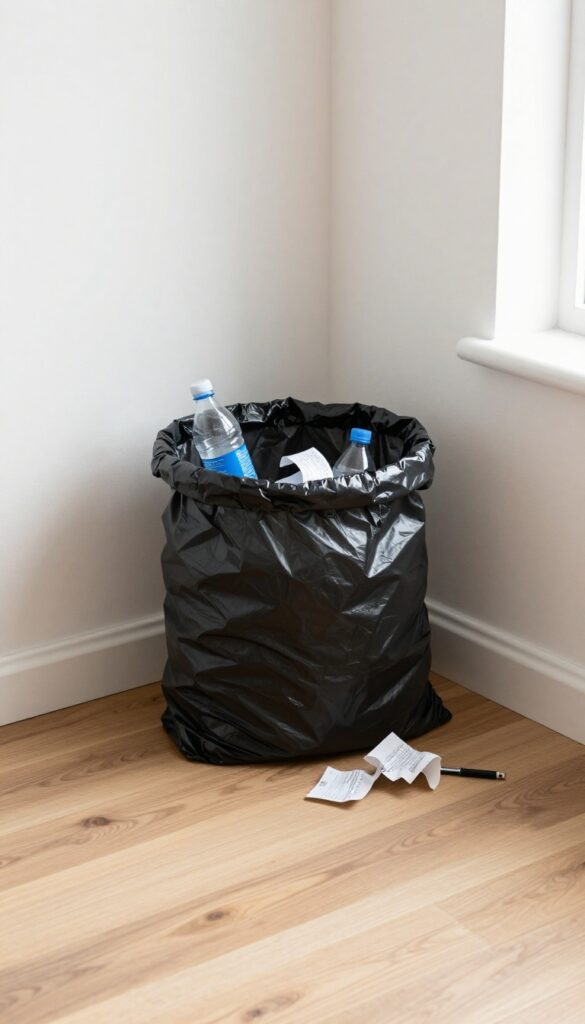
You know that moment when you walk into your room and spot three empty water bottles, a crumpled receipt, and a broken pen all within arm's reach? That's your low-hanging fruit. The Trash Bag Method is about grabbing a bag and making one fast pass to eliminate anything that's clearly garbage.
No sorting, no second-guessing—just toss. This simple action gives you an instant visual win and clears mental space for the real work.
The beauty of this tactic is its simplicity. You're not organizing, not deciding where things go—you're just removing the obvious trash. Old receipts, empty snack wrappers, broken items, expired products—they all go straight into the bag.
Don't stop to inspect or reminisce. If it's clearly waste, it's gone. This first sweep takes less than five minutes and immediately makes your room look and feel cleaner.
Plus, that visible progress builds momentum, making the next steps feel easier.
Why Garbage First?
Trash is the easiest thing to remove because it requires zero decision-making. You don't need to ask where it belongs—it belongs in the bin. Starting with trash gives you a quick win and clears physical and mental clutter.
Studies even show that completing small tasks boosts motivation, so you'll feel more inclined to keep going.
What Counts As Trash?
Be honest with yourself. That old receipt from three months ago? Trash.
The pen that stopped working? Trash. The empty shampoo bottle you've been meaning to recycle?
Trash. If it's broken, expired, or has no purpose, toss it. Don't let sentimentality slow you down—you're cleaning fast, not curating a museum.
One Pass Only
The rule is simple: one pass around the room, and anything that's clearly garbage goes in the bag. No backtracking, no second looks. This keeps you moving and prevents you from getting sidetracked.
After you finish, tie up the bag and set it by the door. You've already made a noticeable dent in the mess.
3. The Laundry Avalanche: Gather All Fabrics at Once
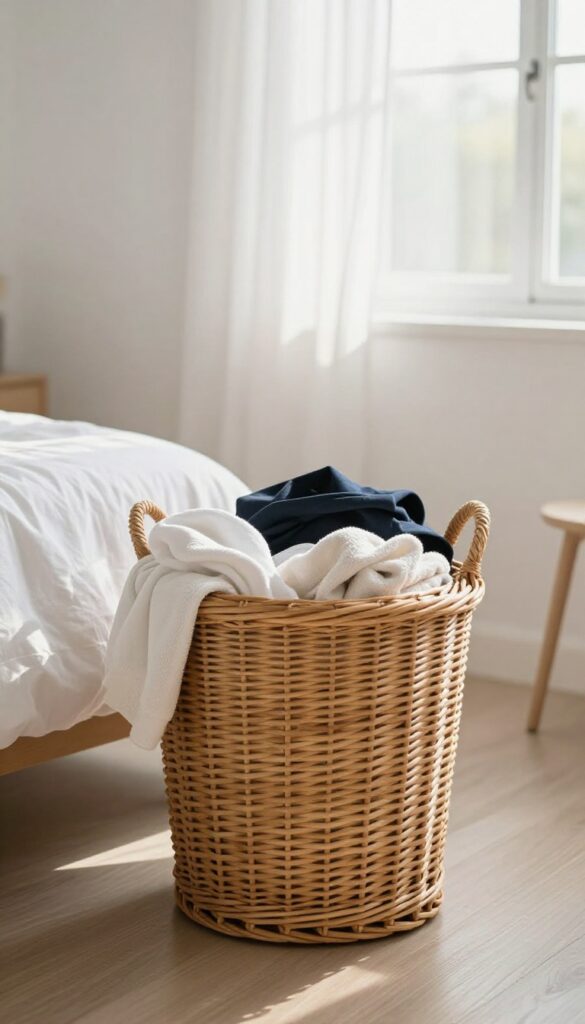
Clothes draped over chairs, towels bunched on the floor, and that mysterious hoodie hanging from the doorknob—fabric clutter is a visual weight that drags down the whole room. The fastest way to lighten the load is to collect every single piece of fabric in one swoop. No sorting, no folding, just a single-minded gather-and-dump mission.
This tactic works because fabric mess is high-volume and low-effort to clear. By targeting all textiles in one go, you instantly reclaim floor space, furniture surfaces, and mental bandwidth. The key is to resist the urge to organize or judge each item—just grab and toss into the basket.
You can deal with sorting and washing later. For now, the goal is a cleaner-looking room in under two minutes.
Why Fabrics Make The Biggest Visual Impact
Soft surfaces like clothes and towels scatter light unevenly and create a sense of chaos that hard objects don't. A pile of laundry on a chair screams "mess" louder than a stack of books on a desk. By removing all fabric clutter, you instantly reduce visual noise and make the room feel more spacious.
It's a quick win that sets the tone for the rest of your cleaning session.
The One-basket Rule
Grab the largest laundry basket or hamper you own—or even a trash bag if that's what you have. Walk through the room with a single-minded focus: every piece of fabric goes in. Don't stop to fold, don't check pockets, don't decide if something is clean or dirty.
Just collect. Once you've made a full lap, you'll be amazed at how much cleaner the room already looks.
What To Do After The Avalanche
Once all fabrics are corralled, you have two choices: deal with them now or later. If you're on a speed-cleaning mission, move the basket to the laundry room or a corner and come back to it. The immediate payoff is a room that's 50% cleaner in five minutes.
Later, you can sort, wash, or put away—but for now, enjoy the cleared surfaces and the momentum it gives you.
4. The Flat Surface Sweep: Clear Horizontal Spaces
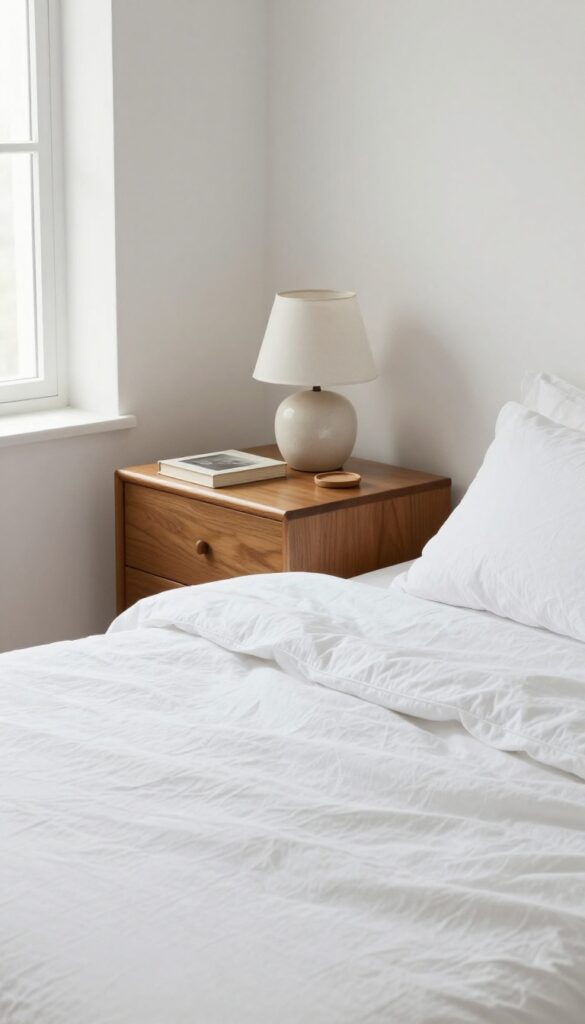
Desks, nightstands, and dressers are the first things your eyes land on when you walk into a room. When they're cluttered, the whole room feels messy. The fix is simple: clear every flat surface completely, then put back only what you actually use or love.
This one move can make your room look 50% cleaner in under five minutes.
The flat surface sweep is about creating visual calm. Start with one surface at a time—your desk, your nightstand, your dresser top. Move everything off onto the bed or floor.
Wipe down the surface with a microfiber cloth or all-purpose cleaner. Then, one by one, decide what goes back. Only keep items that have a home and a purpose: a lamp, a phone charger, a small tray for daily essentials.
Everything else gets put away or tossed. The result is instant breathing room.
The Three-item Rule
After you wipe down a surface, limit yourself to three decorative or functional items maximum. For example, on your nightstand: a lamp, a book you're reading, and a coaster. That's it.
This rule forces you to be ruthless about what earns a spot on your flat surfaces. If you have more than three, you're back to clutter territory.
The Tray Method
For items you use daily—like keys, wallet, phone, or remotes—use a small tray or dish to corral them. This keeps them from spreading out and looking messy. The tray defines a boundary, so your brain sees it as organized even when the tray is full.
It's a visual trick that works every time.
The Five-minute Surface Blitz
Set a timer for five minutes and hit every flat surface in your room. Start with the biggest surface (desk) and work your way down to the smallest (nightstand). Don't overthink—just clear, wipe, and replace essentials.
When the timer goes off, stop. You'll be amazed at how much cleaner the room looks with so little effort.
5. The One-Touch Rule: Don't Put It Down, Put It Away
Here's a rule that sounds simple but changes everything: every item you pick up goes directly to its final resting place. No intermediate stops. No "I'll deal with it later" piles.
This one habit eliminates the biggest time-waster in cleaning—the back-and-forth of moving things around without actually putting them away.
The one-touch rule forces you to make a decision the moment you touch an object. That water bottle? It goes in the recycling bin, not on the desk.
That sweater? It goes on a hanger or in the laundry basket, not over the chair. By removing the option to set things down temporarily, you prevent the clutter from re-forming behind you.
Why The One-touch Rule Works So Well
When you allow yourself to put things down "for now, " you create a temporary holding zone that quickly becomes a permanent mess. The one-touch rule eliminates that zone entirely. It also reduces decision fatigue—you only decide once per item, and then you're done.
This keeps your momentum high and your room clean.
How To Apply It Without Getting Overwhelmed
Start small. Pick a single surface like your desk or nightstand. Commit to one-touching every item on it.
If you find yourself hesitating, ask: "Does this have a home? " If yes, put it there. If no, decide right then where it belongs—trash, donation, or a designated spot.
Don't move on until every item is resolved.
The Exceptions That Actually Help
Some items naturally need staging—like laundry that needs to be sorted or dishes that need washing. For those, create a single staging bin that you empty at the end of your cleaning session. The key is to limit staging to one container and process it before you finish.
That way, the one-touch rule still applies to everything else.
6. The 10-Item Toss: Declutter in Small Bursts
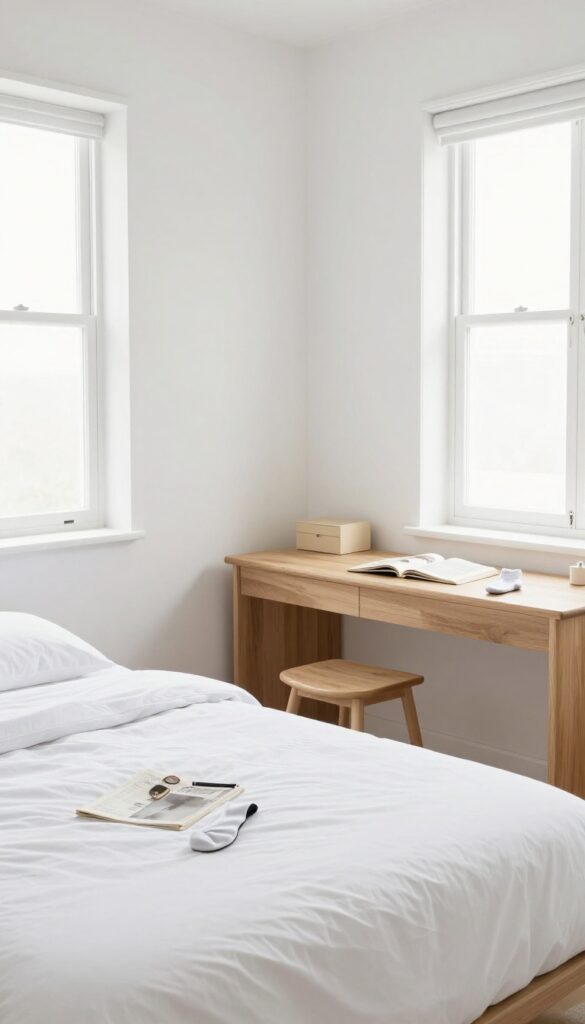
Decluttering feels heavy when you think about sorting through everything you own. But what if you only had to find ten things to get rid of? That's the beauty of the 10-item toss—it's a tiny, painless challenge that still makes a visible dent in the mess.
You don't need to Marie Kondo your entire closet; you just need to spot ten items that can leave your room right now.
The 10-item toss works because it sets a low bar. Ten is a number that feels doable—you can probably find that many items in under a minute. It also forces you to make quick decisions without overthinking.
Grab a bag or box, set a timer for five minutes, and start scanning surfaces, drawers, and corners. Look for things you haven't used in months, duplicate items, or stuff that's broken or worn out. Once you've collected ten, seal the bag and move it out of your room immediately.
That visual progress—an emptier space—motivates you to keep going or simply enjoy the cleaner look.
Where To Look First
Start with the most visible clutter zones: your desk, nightstand, and dresser top. These surfaces collect random odds and ends—old receipts, empty pens, dried-out markers, expired coupons, or single socks. You'll likely hit your ten-item quota just from these areas.
If not, move to the floor, under the bed, or inside a junk drawer.
What Counts As A Toss Item
Anything that's trash, recyclable, or donatable qualifies. Think broken electronics, worn-out clothes with holes, empty containers, old magazines, or gifts you never used. The key is to be ruthless: if you haven't touched it in six months and it has no sentimental value, it's a candidate.
Once you get going, you'll probably find more than ten—feel free to keep going if you're on a roll.
Make It A Game
Turn the 10-item toss into a challenge with yourself or a roommate. Set a timer and race to see who can find ten items first. Or do one round per day for a week—that's 70 items gone with minimal effort.
The small burst approach keeps decision fatigue at bay and builds momentum without overwhelming you.
7. The Bed-First Method: Make Your Bed Immediately

There's a reason why military boot camps start the day with bed-making. It's a small task that delivers an instant visual payoff, and it sets the tone for everything that follows. When your bed is made, the whole room looks cleaner, even if the floor is still a mess.
This is the anchor move that makes the rest of your cleaning feel more manageable.
Making your bed is the fastest way to create a sense of order. It takes less than two minutes, but the effect is disproportionate to the effort. A made bed transforms the room's focal point from a jumble of sheets to a neat, intentional space.
This psychological shift is crucial—it signals to your brain that you're in control and ready to tackle the next task.
Why The Bed Matters Most
Your bed is the largest surface in the room and the first thing you see when you walk in. When it's unmade, it dominates the visual field with chaos. Making it immediately reduces visual clutter by about 30%.
Plus, it creates a clear 'clean zone' that motivates you to extend that order to the rest of the room.
The Two-minute Rule In Action
Set a timer for two minutes and see how much you can do. Pull up the fitted sheet, smooth out wrinkles, fluff the pillows, and lay the duvet or comforter evenly. If you have decorative pillows, toss them on.
That's it. No hospital corners required. The goal is a tidy appearance, not perfection.
Momentum For The Win
Once the bed is made, you'll feel a subtle pressure to keep going. It's like the first domino falling. You're more likely to pick up that water bottle, straighten the nightstand, or fold the throw blanket.
Use this momentum to flow into the next tactic on your list. The bed is your launchpad.
8. The Vertical Zone: Tackle Floors and Walls
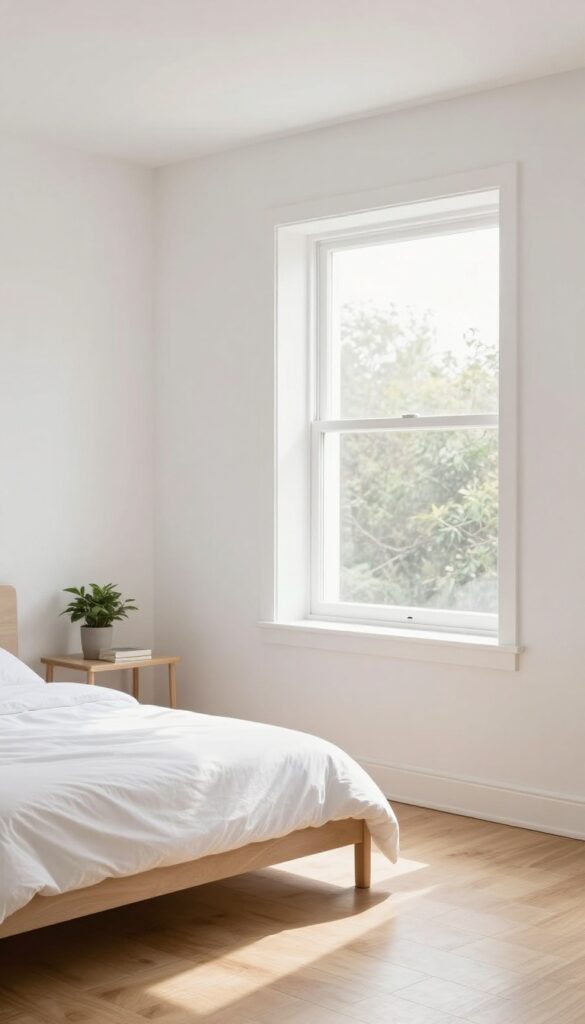
Floors and walls are the largest surfaces in your room, and they set the tone for how clean everything feels. When they're cluttered or dirty, the whole space feels off. By focusing on these vertical and horizontal planes, you create an instant sense of order and spaciousness.
Start with the floor. Sweep or vacuum thoroughly, paying attention to corners and under furniture. Then move to the walls—wipe down baseboards, clear off any hooks or shelves, and remove anything that's just hanging there collecting dust.
A bare wall and clean floor make the room feel bigger and more peaceful.
Clear The Floor First
Pick up any items on the floor—shoes, bags, books—and put them where they belong. Then give the floor a quick sweep or vacuum. Don't forget under the bed and behind the door.
A clear floor removes visual clutter instantly.
Wipe Down Baseboards And Walls
Use a damp cloth or a duster to wipe baseboards, door frames, and any smudges on the walls. This takes only a few minutes but makes the room look noticeably cleaner. Pay special attention to light switches and corners.
Declutter Wall Hooks And Shelves
If you have hooks or shelves on the wall, take everything off. Only put back what you actually use or love. A minimalist wall keeps the room feeling open and organized.
Store the rest in a drawer or closet.
9. The Timer Challenge: Race Against the Clock
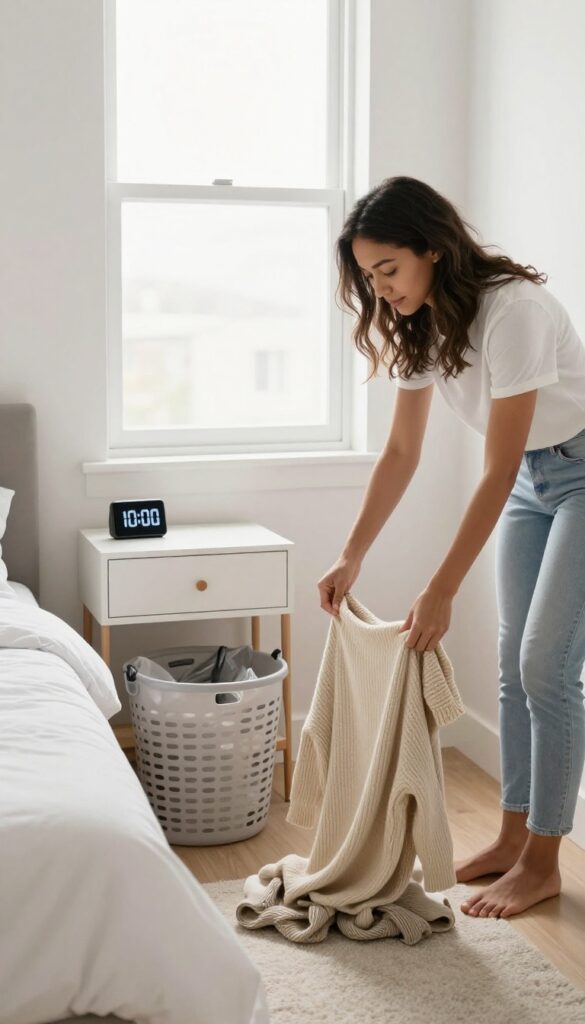
When you have unlimited time, cleaning can stretch on forever. But set a deadline, and suddenly you're moving with purpose. The timer challenge turns cleaning into a game where speed trumps perfection.
You'll be amazed at what you can accomplish in just 10 or 15 minutes when the clock is ticking.
The timer challenge works because it creates artificial urgency. Without a deadline, you might spend five minutes deciding whether to fold a t-shirt or just toss it in the drawer. With a timer, you make quick decisions and keep moving.
It also helps you avoid getting sidetracked by low-priority tasks. You focus on what will make the biggest visible impact in the shortest time, like clearing the floor or making the bed.
Pick Your Target Zone
Before you start, choose one specific area to tackle. It could be your desk, the floor, or a cluttered corner. Trying to clean the whole room in 10 minutes is overwhelming, but focusing on one zone feels achievable.
Set the timer and go all-in on that spot until it's done or time runs out.
Grab A Trash Bag And A Laundry Basket
Arm yourself with just two tools: a trash bag for obvious garbage and a laundry basket for items that belong elsewhere. As you move through your target zone, toss trash in the bag and stray items in the basket. This keeps you from stopping to put things away, which slows you down.
Sort the basket later.
Embrace The 80/20 Rule
In a short burst, focus on the 20% of tasks that give you 80% of the visual improvement. That means picking up clothes, clearing surfaces, and removing trash. Don't bother with dusting or organizing drawers.
The goal is a quick win that makes the room look significantly better, not a deep clean.
Celebrate The Win And Repeat
When the timer goes off, stop and look at what you accomplished. Even if the room isn't perfect, it's better than before. That feeling of progress is motivating.
You can always set another timer for another zone later. Over time, these short bursts add up to a consistently clean room.
10. The Final Scan: Do a 30-Second Walk-Through
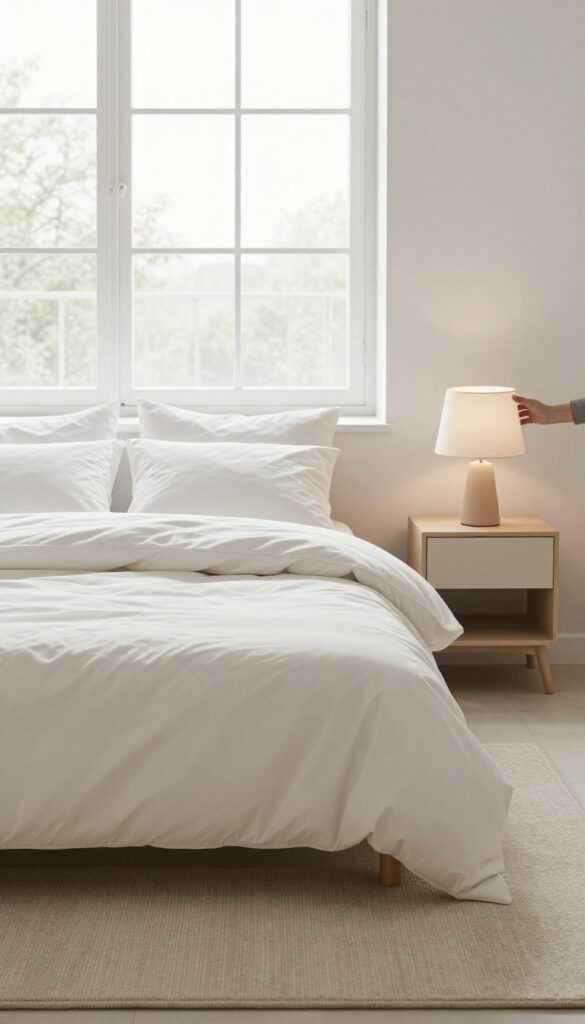
You’ve scrubbed, sorted, and put everything away. But the room still doesn’t feel quite finished. That’s because the difference between clean and polished is in the details.
A quick 30-second walk-through can transform your space from just tidy to magazine-ready without any extra heavy lifting.
Think of this as the photographer’s final check before a shoot. You’re not cleaning anymore—you’re styling. Walk slowly around the room and let your eyes catch anything that feels slightly off.
A crooked lampshade, a wrinkled throw blanket, a coaster sitting at an odd angle. These tiny fixes take seconds but change the whole vibe.
Fluff And Straighten
Start with soft surfaces. Fluff the pillows on your bed or couch, even if you already arranged them. Give a wrinkled duvet a quick shake.
Straighten a rug that’s curled at the corner. These small adjustments make the room feel cared for, not just cleaned.
Adjust The Decor
Look at picture frames, lamps, and any decorative objects. Are they aligned? Is a vase slightly off-center?
Nudge things back into place. Also check cords—tuck any visible wires behind furniture or tape them down. A clean room with messy cords still looks chaotic.
Check The Floor
Do a final scan for stray items that missed the bin or basket. A lone sock, a dropped pen, a hair tie. Pick them up and put them away.
Also look for smudges on baseboards or the lower parts of walls. A quick wipe with a damp cloth can erase the last traces of daily life.
Spray And Go
Keep a multi-surface cleaner and a microfiber cloth handy for this step. Spray and wipe down the most-touched spots: light switches, door handles, the top of your nightstand. These high-touch areas collect invisible grime.
A quick pass makes the room feel fresh, not just visually clean.
FAQ
How often should I clean my room using these tactics?
Aim for a quick clean once a week using these focus-first tactics. Daily maintenance like making the bed and putting away clothes keeps the room tidy between deeper cleans.
What if I only have 10 minutes to clean?
Use the Timer Challenge (tactic #9) and focus on the most visible areas: the bed, the floor, and any flat surfaces. Even 10 minutes can make a noticeable difference.
How do I stay motivated to clean my room regularly?
Start with the 5-Minute Rule to overcome inertia. Also, play upbeat music or a podcast to make cleaning feel less like a chore. Reward yourself after each session.
What's the best way to prevent clutter from building up?
Adopt the One-Touch Rule (tactic #5) and the 10-Item Toss (tactic #6) as daily habits. Also, designate a home for every item so you always know where to put things away.
Can these tactics work for a very messy room?
Absolutely. Start with the Trash Bag Method and Laundry Avalanche to clear the biggest messes. Then use the Flat Surface Sweep and Bed-First Method to create order.
Break the room into zones if needed.
Conclusion
Cleaning your room doesn't have to take all afternoon. By using these focus-first tactics, you can make real progress in short bursts without getting overwhelmed.
Start with just one tactic tomorrow—maybe the five-minute tidy or the one-bag challenge—and see how much easier cleaning feels when your brain is on your side. Small wins add up fast, and soon you'll have a cleaner room and a clearer head.