Waking up to a wet spot on the mattress is never fun. Whether it's a child, a pet, or an adult accident, urine can soak deep into the foam and padding, leaving behind a stubborn smell.
The good news is that with the right approach, you can completely remove both the stain and the odor. These 10 steps are designed to tackle fresh and set-in accidents alike, using common household items and a few specialized products.
Follow them in order for the best results, and your mattress will smell clean again in no time.
1. Blot Up as Much Liquid as Possible
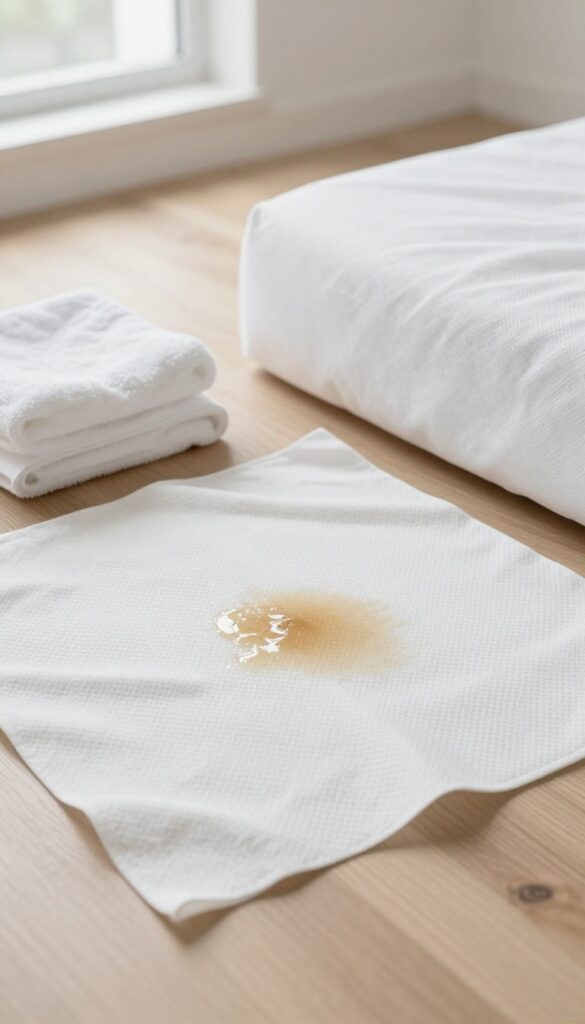
Speed is your best friend when urine hits the mattress. The longer it sits, the deeper it travels into the foam and padding, making removal much harder. Your goal is to lift out as much liquid as possible before it has a chance to set in.
Grab a stack of paper towels or a clean, absorbent cloth. Press down firmly on the wet area—don't rub or scrub, because that spreads the urine and pushes it deeper. Blot, lift, and repeat until the paper towel comes away only slightly damp.
This step alone can remove most of the fresh urine, giving the cleaning steps that follow a much better chance.
Why Blotting Beats Rubbing
Rubbing might seem more effective, but it actually grinds urine into the mattress fibers. Blotting uses capillary action to pull liquid upward into your towel. Think of it like dabbing a spill on carpet—gentle pressure lifts the mess without spreading it.
Always use a clean section of towel for each blot to avoid redepositing urine.
What To Use For Blotting
Paper towels are great for a quick response because they're disposable and highly absorbent. If you're dealing with a large accident, old bath towels or microfiber cloths work well too—just make sure they're clean and lint-free. Avoid colored towels that might bleed dye onto the mattress.
For really soaked spots, layer several towels and put a weight on top (like a book) to increase pressure.
How To Know When You've Blotted Enough
Keep blotting until the area feels damp but not wet to the touch. If you press a fresh paper towel onto the spot and it comes away with only a faint moisture mark, you're done. Don't oversaturate the mattress with cleaning solutions later—starting with a drier surface means less liquid to wick out during the drying phase.
2. Apply a Baking Soda Paste to Draw Out Moisture
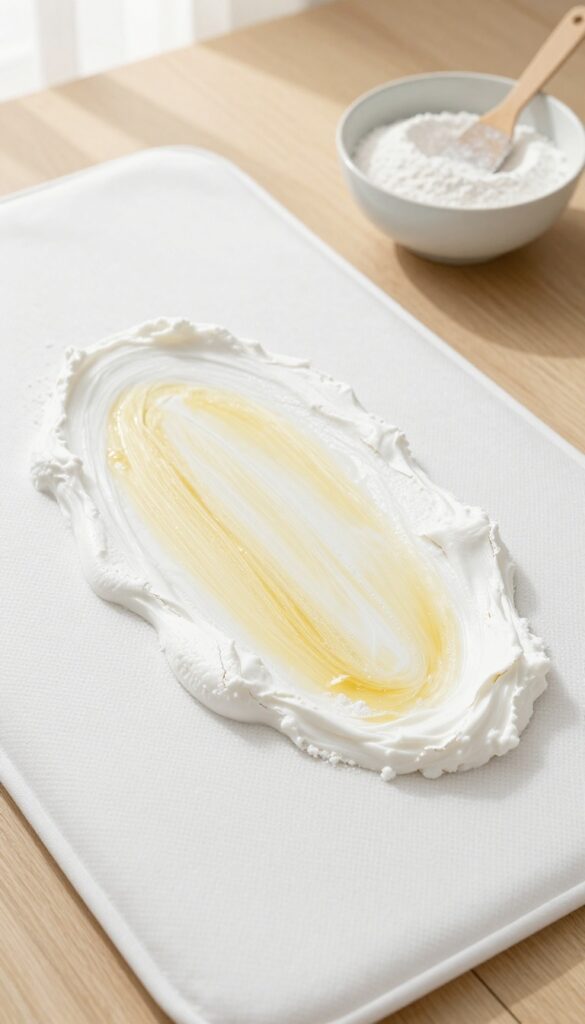
Baking soda is a powerhouse when it comes to absorbing moisture and neutralizing odors. By turning it into a paste, you can target the urine stain directly and pull the liquid out from deep within the mattress fibers. This step works best after you've already blotted up as much fresh urine as possible.
Baking soda is a natural deodorizer and absorbent. Mix it with a little water to form a paste, spread it over the stain, and let it sit for 15–30 minutes.
Why A Paste Works Better Than Powder
Sprinkling dry baking soda on a wet stain can work, but a paste ensures the baking soda stays in contact with the urine long enough to absorb it. The moisture in the paste also helps draw the urine out of the mattress fibers. For best results, use a ratio of about 3 parts baking soda to 1 part water.
How To Apply The Paste Correctly
Mix the baking soda and water in a small bowl until it forms a thick, spreadable paste. Using a spatula or your fingers (wearing gloves), apply a generous layer over the entire stain. Make sure the paste is about a quarter-inch thick.
Let it sit for at least 15 minutes, but 30 minutes is better for older stains.
Removing The Paste After It Dries
Once the paste has dried completely, it will look crusty and cracked. Vacuum it up using the upholstery attachment on your vacuum cleaner. If any residue remains, you can lightly brush it off with a dry cloth.
The mattress should now feel much drier and smell less.
3. Vacuum Up the Dried Baking Soda
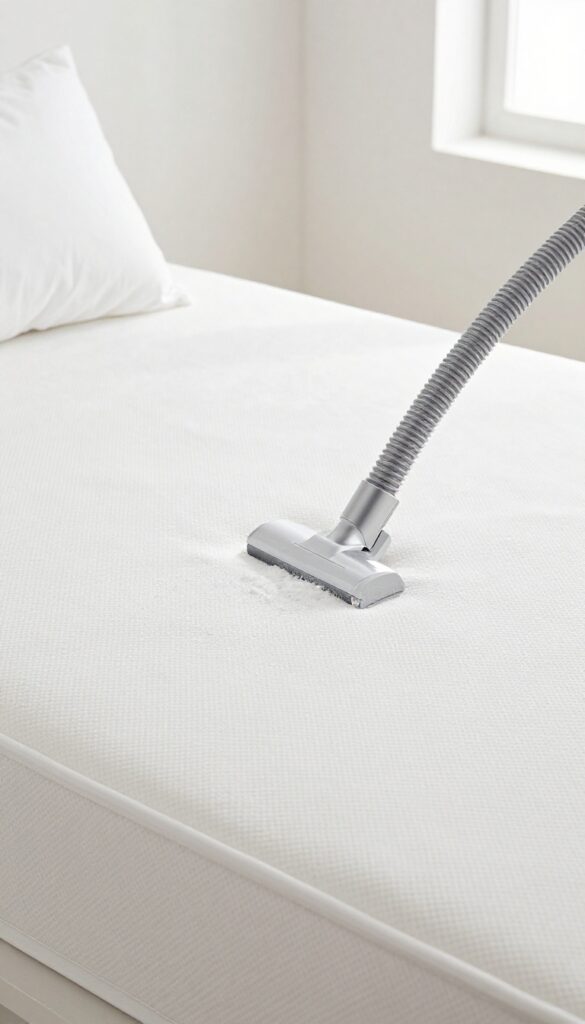
After letting the baking soda paste sit overnight, it's time to clean up. The paste will have hardened as it dried, locking in the urine and odors. Vacuuming is the most effective way to remove both the baking soda and the contaminants it absorbed.
Use a vacuum cleaner with a hose attachment and an upholstery tool. Start from the center of the treated area and work outward in overlapping strokes. Apply gentle pressure to lift the dried paste without damaging the mattress fibers.
If the paste is stubborn, use a stiff brush to loosen it before vacuuming. Empty the vacuum canister or bag immediately to prevent any odor from lingering in your vacuum.
Choose The Right Vacuum Attachment
A brush attachment works best for fabric mattresses, while a crevice tool can reach into seams. Avoid using a beater bar, as it can push residue deeper into the mattress.
Check For Residue
After vacuuming, run your hand over the area. If you feel any gritty residue, vacuum again. Any leftover baking soda can attract moisture and cause clumping.
Dispose Of The Debris Properly
Empty the vacuum canister or throw away the bag in an outdoor trash bin. This prevents the urine odor from spreading back into your home.
4. Spray with a Vinegar and Water Solution
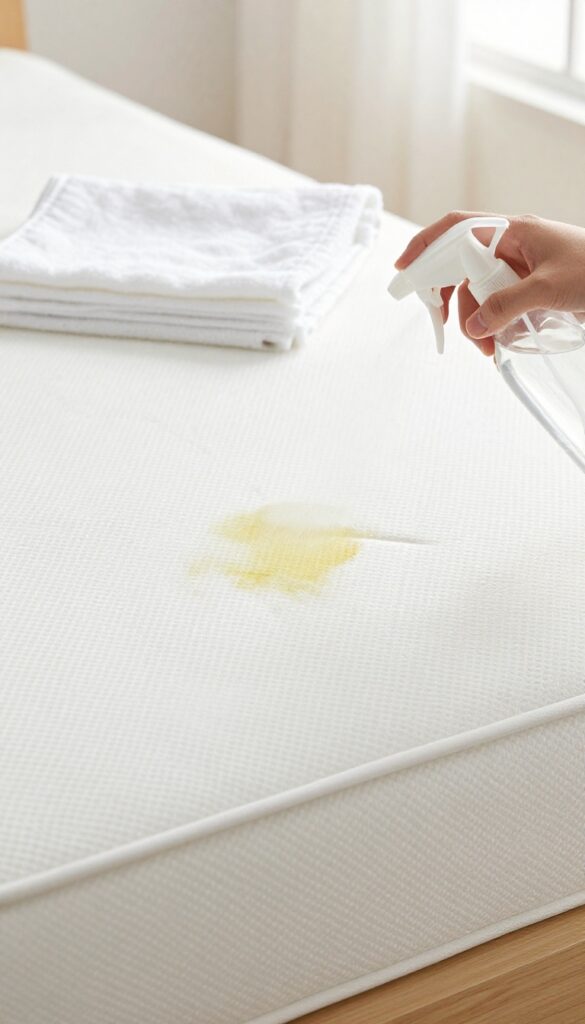
White vinegar is a natural deodorizer that neutralizes the ammonia in urine. This simple solution is safe for most mattresses and works on both fresh and dried stains. The key is to let it sit long enough to break down the odor-causing compounds.
Mix equal parts white vinegar and water in a spray bottle. Lightly mist the affected area until it's damp but not soaked. Let it sit for 5–10 minutes to allow the vinegar to penetrate and neutralize the urine.
Blot away excess moisture with a clean cloth, then proceed to the next step.
Why Vinegar Works
Urine odor comes from ammonia, a base. Vinegar is acidic, so it reacts with ammonia to form harmless salts and water. This chemical reaction eliminates the smell at its source, not just masks it.
How To Apply Without Overwetting
Use a spray bottle with a fine mist setting. Spray from a few inches away, applying just enough to saturate the stain. Avoid pouring directly, which can soak deep into the mattress and cause mold.
Blot with a towel after sitting to remove excess liquid.
Let It Sit – Patience Pays Off
Resist the urge to blot immediately. The vinegar needs time to react with the urine. Five to ten minutes is usually enough for fresh stains, but older stains may benefit from 15 minutes.
If the smell is strong, repeat the process before moving on.
5. Blot Again to Remove the Vinegar Solution
After the vinegar has had time to break down the urine and neutralize odors, the next step is to remove that liquid from the mattress. Leaving it wet can lead to mold or mildew, so blotting is crucial. This step is simple but makes a big difference in how fresh your mattress will smell.
Grab a clean, dry cloth or paper towels and press firmly onto the damp area. Don't rub—rubbing can push the vinegar deeper into the mattress fibers. Instead, blot in one spot, then move to a dry section of the cloth.
Repeat until the cloth comes away mostly dry. If the smell is still noticeable, you can repeat the vinegar spray and blot again before moving on.
Use A Heavy Hand
Put some weight behind your blotting. Press down with your palms or even kneel on the cloth to extract as much moisture as possible. The more liquid you remove now, the faster the mattress will dry and the less chance of lingering odor.
Check Your Progress
After blotting, give the area a sniff test. If you still detect a urine smell, don't hesitate to reapply the vinegar solution and let it sit for another 15 minutes. Then blot again.
Persistence pays off here.
Don't Forget The Edges
Urine can wick outward, so blot slightly beyond the visible stain. Use a flashlight if needed to spot any dampness. Treating the full affected area prevents odors from returning later.
6. Sprinkle Baking Soda Again for Deep Odor Absorption
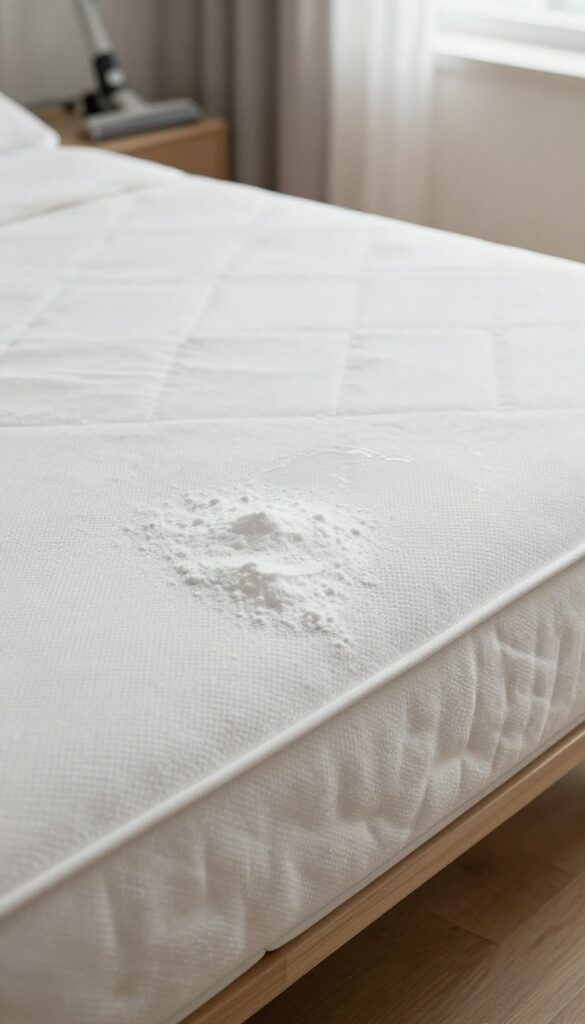
That first round of baking soda already did a lot of the heavy lifting, but a second application takes things to the next level. Think of it as the final deep-clean pass that pulls out any lingering moisture and odor trapped deep in the mattress fibers. This step is especially important if the mattress still feels slightly damp or smells faintly of urine after the initial treatment.
Once you’ve blotted up the vinegar solution and the mattress is just barely damp, it’s time for a fresh layer of baking soda. This second application works like a magnet for any remaining moisture and odor molecules, drawing them out of the padding and into the powder. The key is to let it sit long enough—several hours or even overnight—so it can fully absorb and neutralize everything.
Why A Second Application Matters
Urine can seep deep into mattress layers, and the first round of baking soda often only tackles the surface. A second application gives the powder time to penetrate deeper, pulling up hidden moisture and ammonia compounds. This extra step ensures no trace of odor remains, especially for set-in accidents.
How To Apply It Right
Sprinkle a generous, even layer of fresh baking soda over the entire damp area. Use your fingers or a soft brush to gently work it into the fabric. Don’t skimp—a thick coat works best.
Then, leave it undisturbed for at least 6 to 8 hours. For stubborn odors, overnight is ideal.
What To Do After The Wait
When the time is up, vacuum up all the baking soda using the upholstery attachment. Go slowly and make multiple passes to ensure no residue is left behind. The mattress should feel dry and smell fresh.
If any odor lingers, repeat the vinegar and baking soda steps before moving on.
7. Use an Enzymatic Cleaner for Set-In Stains
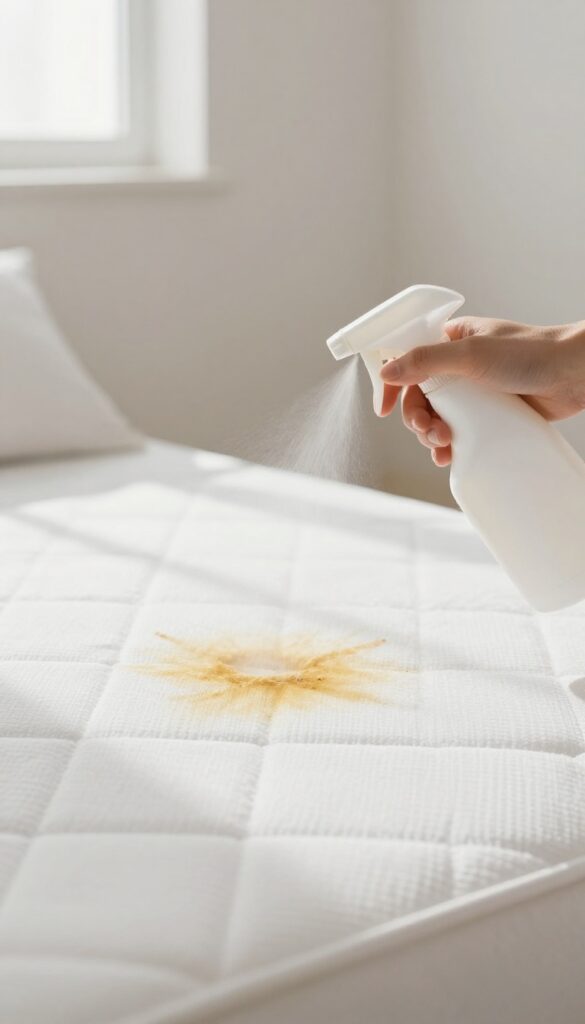
When urine has had time to settle and dry, ordinary cleaners just won't cut it. The proteins and bacteria that cause the smell are still there, and only an enzymatic cleaner can break them down at a molecular level. These products are specifically designed to digest the organic compounds in urine, eliminating the odor rather than just covering it up.
Enzymatic cleaners are a game-changer for old, set-in stains. They work by releasing enzymes that literally eat the proteins and bacteria in urine, turning them into harmless byproducts. This process neutralizes the smell at its source, so you don't have to worry about it coming back on a humid day.
To use one, first blot up any excess moisture if the stain is fresh. For dried stains, you can lightly mist the area with water to help the cleaner penetrate. Then spray the enzymatic cleaner generously onto the stain, making sure to saturate it fully.
Let it air dry completely—this can take several hours or even overnight. The enzymes need time to work, so don't rush the process. Once dry, the stain and odor should be gone.
If the smell lingers, repeat the application.
Why Enzymatic Cleaners Work Best On Old Stains
Unlike vinegar or baking soda, which neutralize odors temporarily, enzymatic cleaners actually remove the source. Urine contains urea, uric acid, and other proteins that crystallize as they dry. Regular cleaners can't break these crystals down, but enzymes can.
That's why enzymatic cleaners are the go-to for pet owners and parents dealing with repeated accidents.
How To Apply For Maximum Effectiveness
Start by testing the cleaner on a hidden area to make sure it doesn't discolor your mattress. Then, saturate the stain completely—don't just spray lightly. The cleaner needs to soak into the fibers to reach the urine crystals.
Let it sit for at least 15 minutes before blotting any excess, but ideally, let it air dry naturally. For tough stains, you can cover the area with plastic wrap to keep it moist and give the enzymes more time to work.
Choosing The Right Enzymatic Cleaner
Not all enzymatic cleaners are created equal. Look for one that specifically says it targets urine, pet stains, or organic matter. Some popular options include Nature's Miracle, Rocco & Roxie, and Simple Solution.
Avoid products with harsh chemicals or strong fragrances, as they can irritate your skin or mask the smell without truly removing it. A good enzymatic cleaner should be odorless or have a mild, natural scent.
8. Try Hydrogen Peroxide for Tough Stains
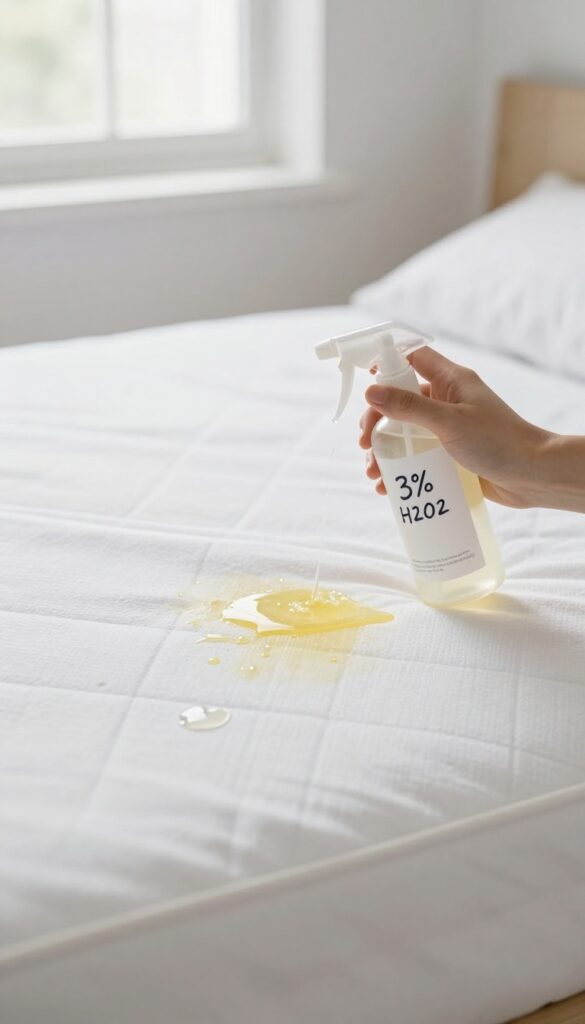
Some urine stains just won't budge with vinegar or baking soda alone. That's when hydrogen peroxide steps in. It's a mild bleach that breaks down the proteins in old urine, lifting yellow discoloration without damaging most mattress fabrics.
Combined with a little dish soap, it becomes a powerful spot treatment.
Mix The Solution
You'll need 3% hydrogen peroxide (the standard kind from the drugstore) and a drop of liquid dish soap. Don't use more than a drop—too much soap creates excess foam that's hard to rinse out. Stir gently to combine.
Apply And Wait
Pour the mixture directly onto the stain, making sure it's fully saturated. Let it sit for 10 minutes. You'll see it start to bubble as it works on the urine residue.
Don't let it dry completely—blot it up while it's still damp.
Blot And Rinse
Use a clean, dry cloth to blot the area, absorbing the peroxide and dissolved stain. Repeat with a damp cloth to remove any leftover soap. Then press with a dry towel to pull out as much moisture as possible.
Let the mattress air dry completely.
9. Deodorize with Essential Oils (Optional)
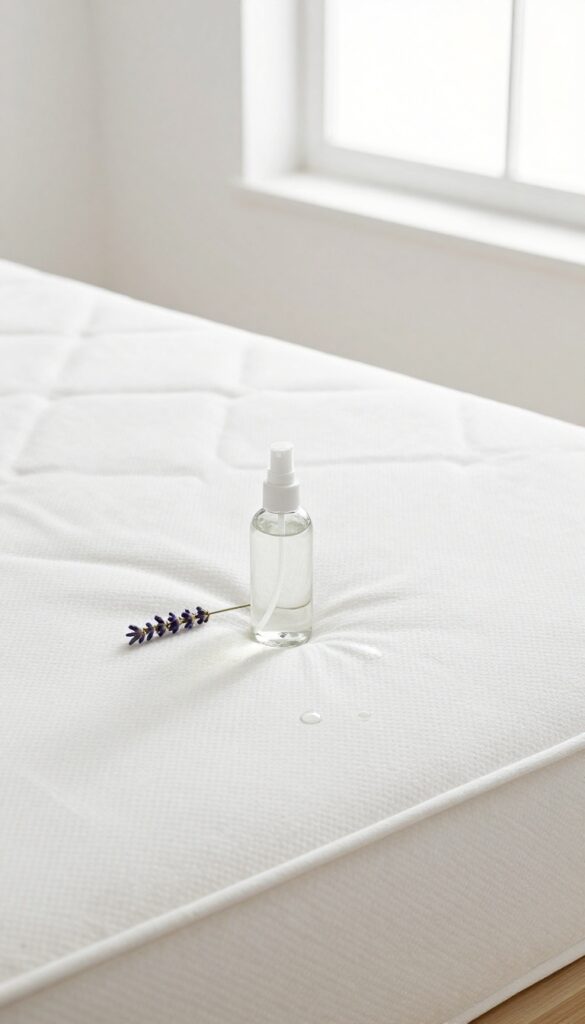
Once the mattress is clean and dry, you might notice it lacks that fresh scent you were hoping for. That’s where essential oils come in. A few drops of lavender or tea tree oil mixed with water can add a pleasant aroma while also offering mild antimicrobial benefits.
This step is entirely optional, but it can make a big difference in how your mattress feels and smells after a deep clean. Essential oils are concentrated plant extracts that not only smell great but also have natural properties that can help keep bacteria at bay. Lavender is calming and widely loved, while tea tree oil is known for its germ-fighting abilities.
Just be careful not to overdo it—a little goes a long way.
Choosing The Right Oil
Stick with oils that are safe for fabrics and known for their deodorizing power. Lavender, tea tree, lemon, and eucalyptus are all popular choices. Avoid oils that might stain or irritate skin, like cinnamon or clove.
If you’re sensitive to strong scents, go with a milder option like chamomile.
How To Mix And Apply
Fill a clean spray bottle with water and add 5–10 drops of your chosen essential oil. Shake well before each use. Lightly mist the mattress surface—don’t soak it.
A fine spray is all you need. Let it air dry completely before making the bed. If you’re worried about residue, test a small hidden area first.
Safety And Precautions
Essential oils are potent, so keep them away from pets and children until dry. Some oils, like tea tree, can be toxic to cats and dogs if ingested. Always use in a well-ventilated room.
If you prefer a scent-free mattress, skip this step entirely—the baking soda and vinegar already did the heavy lifting.
10. Protect Your Mattress with a Waterproof Cover
You've put in the work to get your mattress clean and fresh. Now, keep it that way. A waterproof mattress protector is your best defense against future accidents, whether from kids, pets, or spills.
It's a simple investment that saves you from repeating this whole process.
Why A Waterproof Protector Matters
Urine can soak into the mattress core, where it's nearly impossible to fully remove. A waterproof barrier stops liquids from penetrating, keeping the mattress dry and odor-free. Plus, protectors are much easier to clean—just toss them in the wash.
What To Look For
Choose a protector that's truly waterproof (not just water-resistant), breathable to prevent heat buildup, and machine washable. Look for ones with a snug fit and a soft, noiseless fabric so you don't feel like you're sleeping on plastic.
When To Replace
Over time, protectors can wear out or develop tiny holes. If you notice any dampness on the mattress after a spill, it's time for a new one. Also, replace it if it starts to smell or lose its shape after many washes.
FAQ
Can I use bleach to clean urine from a mattress?
Bleach is not recommended because it can damage mattress fibers, discolor the fabric, and produce harmful fumes when mixed with ammonia in urine.
How long does it take for a mattress to dry after cleaning?
Drying time varies from a few hours to a full day, depending on humidity, airflow, and how much liquid was used. Use fans or open windows to speed up the process.
Will the smell come back after cleaning?
If you thoroughly remove all urine and neutralize the odor with an enzymatic cleaner, the smell should not return. However, if any urine remains deep in the mattress, it may resurface over time.
Can I clean a memory foam mattress the same way?
Yes, but avoid soaking memory foam. Use minimal liquid and blot thoroughly. Excess moisture can damage the foam structure.
What if the urine stain is old and set-in?
Old stains require repeated treatments. Start with an enzymatic cleaner and let it sit longer. You may need to repeat steps 2–7 several times.
Conclusion
Now you have a full arsenal of methods to tackle mattress pee stains and odors. The key is acting fast and being thorough with each step.
Once your mattress is fresh, consider using a waterproof protector to make future cleanups much easier. A little prevention goes a long way toward keeping your bed clean and comfortable for years to come.

I’m Pallab Kishore, the owner of Little Pets Realm — an animal lover and pet care enthusiast sharing easy tips, healthy recipes, and honest advice to help every small pet live a happy, healthy, tail-wagging life.