Your microfiber couch might look clean from a distance, but up close, it’s hiding dust, oils, and mystery stains. Professional cleaning can get pricey, and harsh chemicals risk damaging that soft fabric.
The good news? You can restore it yourself with 13 gentle, step-by-step methods—no special tools required.
From decoding those cryptic manufacturer tags to using common household items like rubbing alcohol and baking soda, this guide covers every angle. Each step is designed to be safe, effective, and budget-friendly, so your sofa stays fresh without costing a fortune.
1. Check the Manufacturer's Code
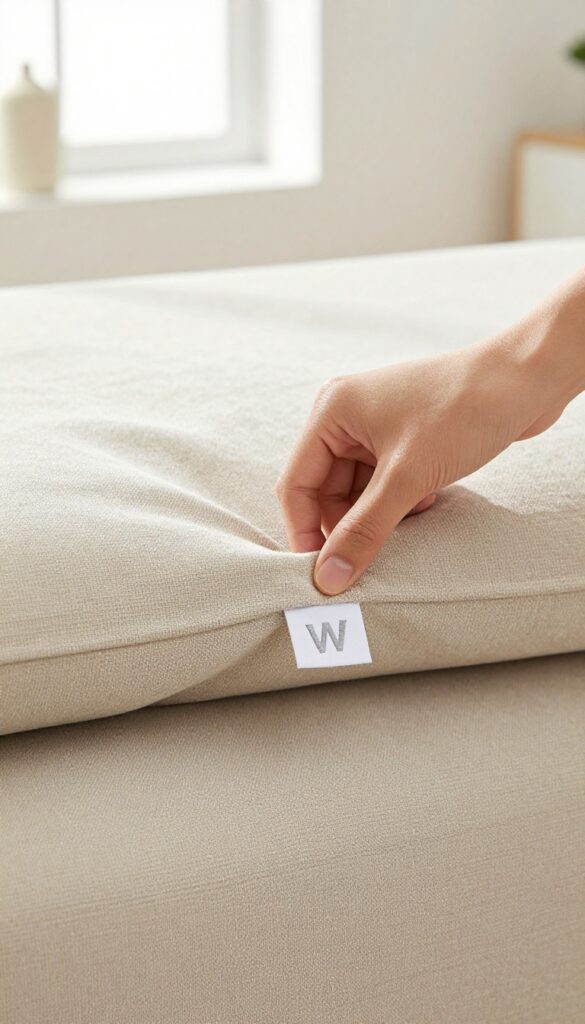
Before you grab any cleaner, take a moment to find the tag on your microfiber couch. That small white label holds the key to safe cleaning. Ignoring it could lead to water stains, color fading, or fabric damage.
The tag will have one of four letters: W, S, WS, or X. Each tells you exactly which cleaning method is safe. W means water-based cleaner is okay.
S means you need a solvent-based cleaner. WS means either works. X means vacuum only—no liquids or solvents.
This simple check saves you from costly mistakes.
Where To Find The Tag
Check under the seat cushions, on the back of the couch, or along the bottom seam. It's usually tucked away but easy to spot once you look. If the tag is missing or unreadable, treat the fabric as S (solvent only) to be safe.
What Each Code Means
W: Use water-based cleaners like mild soap or diluted vinegar. S: Use dry cleaning solvent or rubbing alcohol. WS: You can use either, but always test first.
X: No liquids or solvents—stick to vacuuming and brushing.
Why This Step Matters
Using the wrong cleaner can ruin the fabric's texture, cause discoloration, or even shrink the material. Checking the code takes 30 seconds but prevents hours of regret.
2. Vacuum Thoroughly with a Soft Brush
Before you introduce any moisture or cleaning solution, you need to lift away the loose debris sitting on the surface. Microfiber acts like a magnet for dust, pet hair, and crumbs, and if you skip this step, you're essentially pushing those particles deeper into the fabric when you scrub later.
Vacuuming with a soft brush attachment is the safest way to remove surface dirt without damaging the fibers. The brush bristles agitate the fabric just enough to release trapped particles, while the suction pulls them away. Pay special attention to crevices, seams, and under the cushions, where debris tends to accumulate.
For stubborn pet hair, use a rubber glove or a squeegee to gather it before vacuuming.
Choose The Right Attachment
Always use the soft brush attachment—never the bare floor or crevice tool directly on the fabric. The brush prevents scratching and helps loosen embedded dirt. If your vacuum has adjustable suction, use a lower setting to avoid pulling the fabric too tightly.
Work In A Pattern
Start at the top of the couch and work your way down. Vacuum the backrest, then the seat cushions, and finally the sides and front. Overlap each pass slightly to ensure you don't miss any spots.
For crevices, use the crevice tool with the brush attachment removed, but keep the suction low.
Don't Forget Under The Cushions
Remove the cushions and vacuum the area underneath. Crumbs, coins, and dust often hide there. Also vacuum the cushion covers themselves, both sides, before moving on to the next step.
3. Dry Brush Stubborn Debris
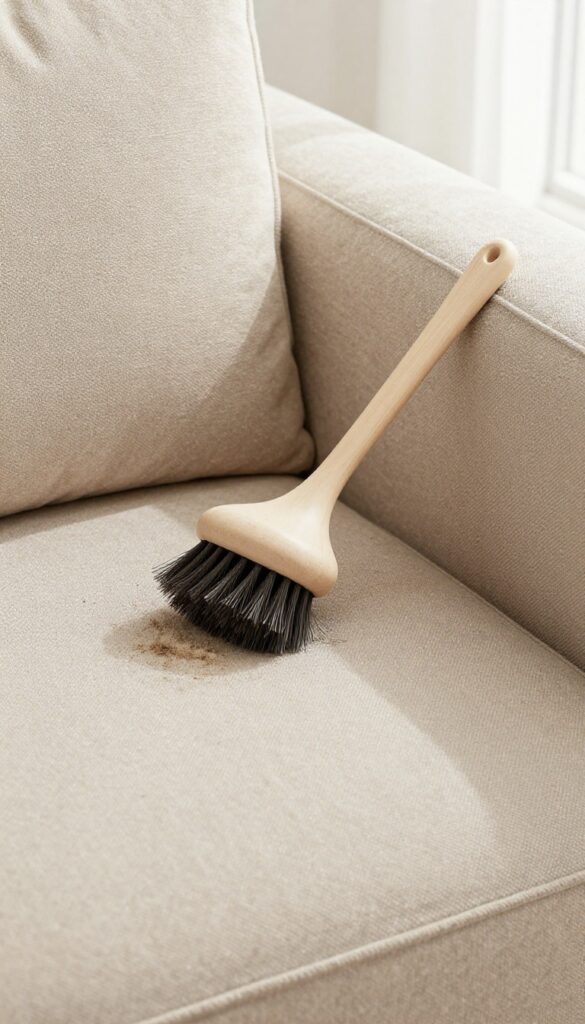
Even after a good vacuum, some dirt and pet hair cling to microfiber like glue. That's where dry brushing comes in. It's a simple, zero-moisture step that loosens deep-set debris without pushing it further into the fabric.
Grab a soft-bristled brush—one meant for upholstery or even a clean toothbrush works. Always brush in one direction to avoid fraying the fibers. Work in small sections, using short, gentle strokes.
You'll see dust and hair lift right out. Brush the entire couch, then vacuum again to collect everything you loosened.
Choose The Right Brush
A stiff brush can scratch or pill microfiber. Stick with soft nylon or natural bristle brushes. A rubber pet hair brush also works wonders—it creates static that pulls hair away from the fabric.
Brush In One Direction
Microfiber has a nap, like velvet. Brushing against it can crush the fibers and make the couch look patchy. Always go with the grain—usually from top to bottom or left to right.
This keeps the fabric uniform and smooth.
Tackle Pet Hair First
If you have pets, dry brushing is your best friend. Use a rubber glove or a squeegee to gather hair into clumps, then brush them away. For extra stubborn fur, spray the brush with a little water—damp bristles grab hair better.
4. Spot Test Any Cleaner First
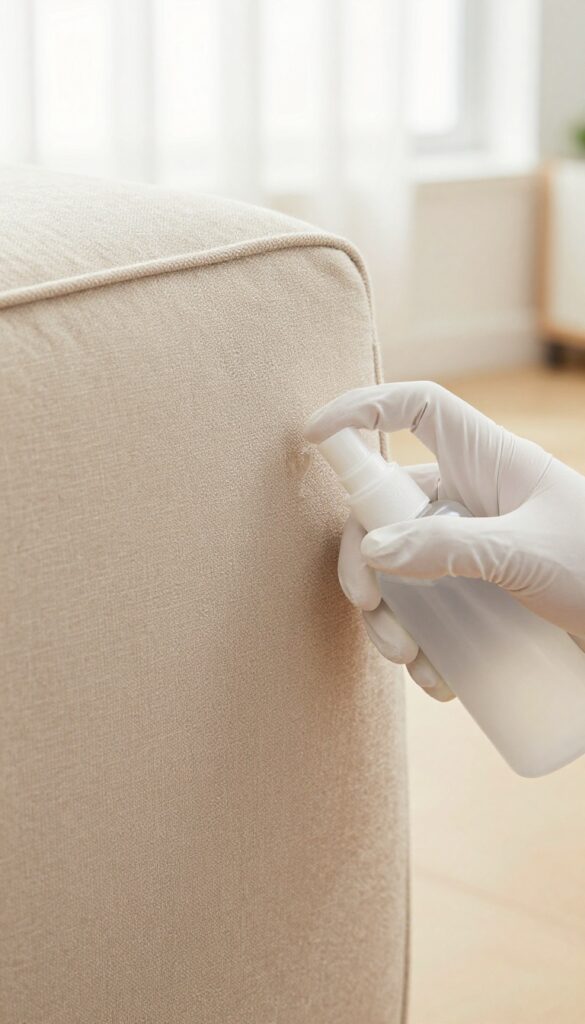
You might be eager to dive in and scrub away that mystery stain, but patience pays off here. Not all microfiber reacts the same way to cleaning solutions—some can cause discoloration, watermarks, or even damage the fabric's texture. A quick spot test on a hidden area can save you from turning a small spot into a bigger problem.
Always test your chosen cleaning solution on a hidden area, like the back or bottom of the couch, to ensure it doesn't cause discoloration or watermarks. This simple step helps you avoid ruining the visible parts of your sofa.
Why Spot Testing Matters
Microfiber is a synthetic fabric that can react unpredictably to water, alcohol, or soap. Even if a cleaner is labeled "safe for upholstery, " it might still leave a ring or fade the color. Spot testing lets you see exactly how your couch will respond before you commit.
How To Perform The Test
Dampen a clean white cloth with your chosen solution (diluted if needed). Blot a small, inconspicuous area—like under a cushion or behind the couch. Wait at least 10 minutes, then check for any color transfer, dark spots, or texture changes.
If everything looks good, you're clear to proceed.
What To Look For
Watch for two main issues: discoloration (the fabric getting lighter or darker) and watermarks (visible rings or streaks). Also feel the area—if it feels stiff or rough after drying, that cleaner isn't right for your couch.
5. Blot Liquid Spills Immediately
A fresh spill on your microfiber couch can feel like a crisis, but how you react in those first few seconds makes all the difference. The instinct to rub or scrub is strong, but that's exactly what turns a small spill into a set-in stain. Instead, grab a clean, dry cloth and blot gently.
Why Rubbing Makes Things Worse
When you rub a spill, you're essentially pushing the liquid deeper into the fabric fibers. Microfiber is designed to repel some moisture, but aggressive rubbing forces liquid past that barrier. It also spreads the stain outward, making it larger and harder to remove.
Blotting lifts the liquid from above without embedding it.
The Right Way To Blot
Use a white or light-colored cloth to avoid color transfer. Press firmly onto the spill, hold for a few seconds, then lift straight up. Repeat with a clean area of the cloth until no more liquid transfers.
For thicker spills like milk or juice, scrape off excess with a spoon first before blotting.
What To Do After Blotting
Once you've blotted up as much liquid as possible, let the area air dry completely. If a ring or residue remains, you can lightly dab with a mixture of water and a drop of dish soap, then blot again with plain water. Never soak the fabric—microfiber dries slowly and can develop mildew if left damp.
6. Use Rubbing Alcohol for Water-Safe Codes
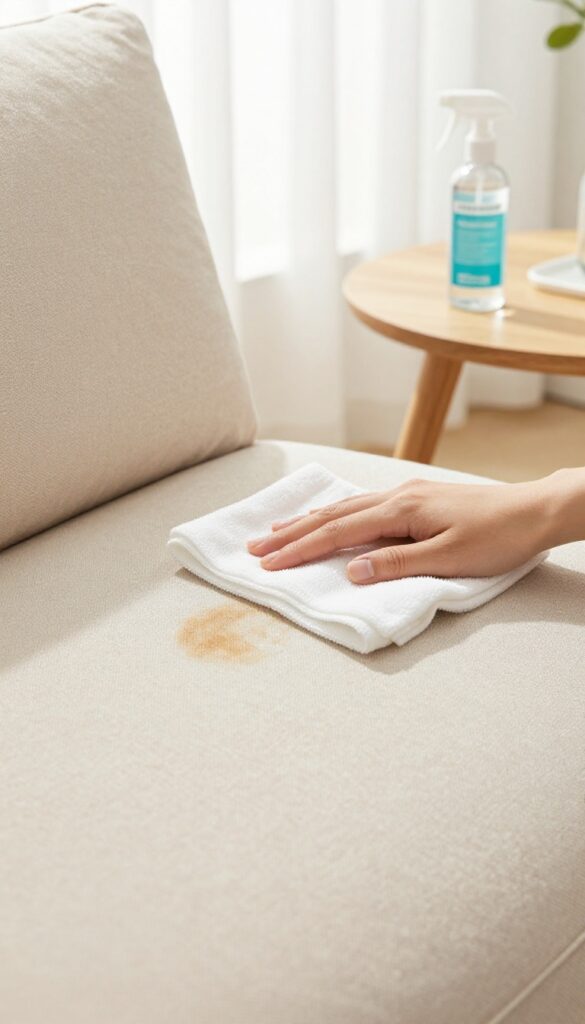
If your couch tag says W or WS, you can safely use water-based cleaners—but that doesn't mean you should soak the fabric. Rubbing alcohol is a smarter choice because it dries fast and won't leave those ugly water rings that plain water often does. This method is perfect for spot-treating stains without over-wetting the fibers.
Rubbing alcohol (isopropyl alcohol) is a go-to for microfiber because it cuts through grease and grime without saturating the cushion. It evaporates quickly, which means less risk of mold or mildew deep in the foam. Always test on a hidden area first to make sure the color doesn't lift.
How To Apply It Safely
Dampen a clean white cloth with rubbing alcohol—don't soak it. Blot the stain gently, working from the outside in to avoid spreading. You'll see the stain transfer to the cloth.
Switch to a fresh area of the cloth as needed. Let the spot air dry completely before sitting on it.
Why It Works Better Than Water
Water can leave mineral deposits or cause the backing to swell, leading to a bumpy surface. Alcohol, on the other hand, evaporates cleanly. It also helps dissolve body oils and food spills that water alone might just smear around.
For tough stains, you can add a drop of dish soap to the alcohol.
When To Skip This Method
If your couch tag has an S or X code, avoid alcohol—it can damage the fabric or strip the protective coating. Stick to solvent-based cleaners or dry-foam shampoo for those types. And never pour alcohol directly onto the couch; always use a cloth to control moisture.
7. Create a Gentle Soap Solution for S-Coded Fabric
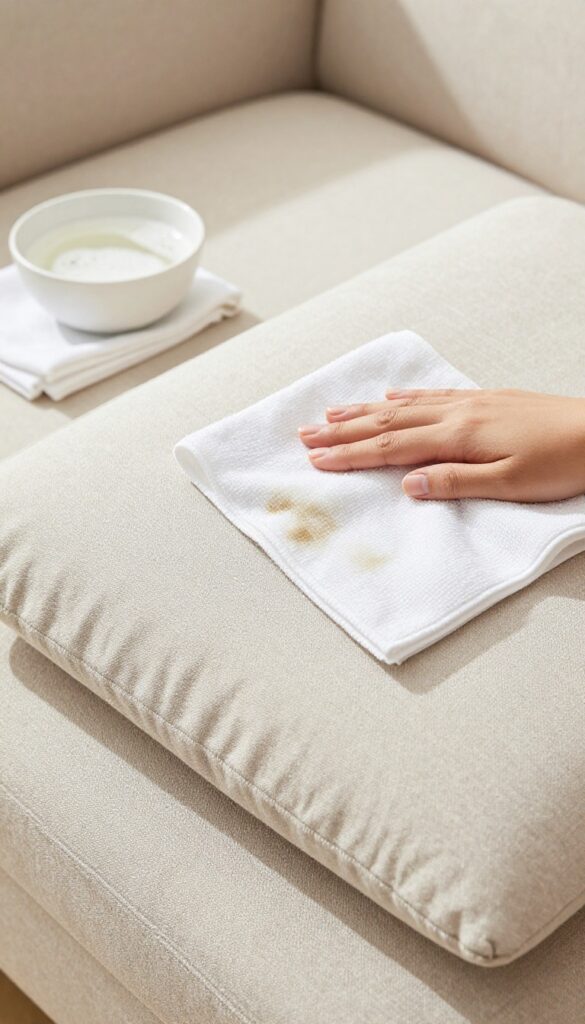
Your couch tag says S, which means water is a no-go. But that doesn't mean you're stuck with stains. A mild soap solution, applied carefully, can lift dirt without damaging the fabric.
The key is using the right soap and not over-wetting the fibers.
Pick The Right Soap
Stick with a mild dish soap—something gentle like Dawn or a free-and-clear variety. Avoid anything with bleach, degreasers, or strong fragrances. Those can strip the color or leave a residue.
A drop or two is all you need.
Mix And Apply Correctly
In a small bowl, combine a few drops of dish soap with warm water. Stir until suds form. Dip a clean microfiber cloth into the solution, then wring it out thoroughly—it should be damp, not wet.
Gently blot the stained area, working from the outside in. Don't scrub, as that can push the stain deeper.
Blot And Let Dry
After cleaning, use a dry microfiber cloth to blot away excess moisture. Let the area air dry completely, away from direct heat. If you need to speed things up, point a fan at the spot.
Once dry, use a soft brush to fluff the fibers back to their original texture.
8. Steam Clean for Deep Sanitizing
A handheld steamer can refresh and sanitize microfiber without chemicals. Keep the steamer moving and avoid saturating any one spot.
Steam cleaning is a fantastic way to give your microfiber couch a deep refresh without harsh chemicals. The heat helps loosen dirt, kill bacteria, and revive flattened fibers. Just be sure to use a handheld steamer with a soft brush attachment and keep it moving to prevent water damage.
Why Steam Works On Microfiber
Microfiber is synthetic, so it can handle moderate heat and steam. The steam penetrates the fabric, loosening embedded dirt and oils. It also helps sanitize without leaving chemical residues, making it ideal for homes with kids or pets.
Steamer Prep And Technique
First, vacuum the couch to remove loose debris. Fill your steamer with distilled water to avoid mineral deposits. Hold the steamer about 6 inches from the fabric and move it in slow, overlapping passes.
Don't let the steamer sit in one spot for more than a few seconds.
Drying And Fluffing After Steam
After steaming, allow the couch to air dry completely. Open windows or use a fan to speed up drying. Once dry, gently brush the fibers with a soft brush or your hand to restore the texture.
This step prevents stiffness and keeps the fabric looking plush.
9. Brush the Fabric After Cleaning
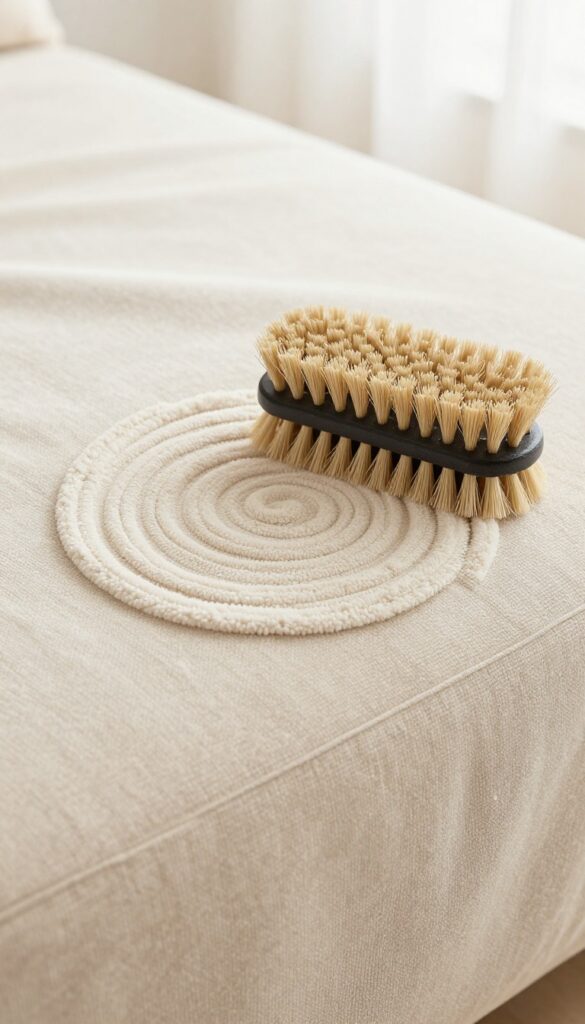
Once your microfiber couch is dry, it might look a little flat or feel stiff. That’s normal—the fibers get compressed during cleaning. A quick brushing brings back that soft, plush texture and prevents matted spots.
Brushing after cleaning is a simple step that makes a big difference. It lifts the nap, removes any residual dust, and ensures the fabric looks uniform. Use a soft-bristle brush—like a microfiber-specific brush or a clean toothbrush—and work in gentle circular motions.
Focus on areas that got extra scrubbing or where the fabric feels rough. This step also helps blend any slight color variations that appeared after drying.
Why Brushing Matters
Microfiber is made of split fibers that create a soft, velvet-like texture. When wet, those fibers clump together. Drying can leave them flattened or stiff.
Brushing separates the fibers, restoring the original feel and appearance. It also prevents permanent creases or shiny patches from forming.
Brush In Circular Motions
Straight strokes can leave visible lines or push fibers in one direction. Circular motions lift the nap evenly from all angles, giving a consistent, natural finish. Work in small sections, overlapping each pass to avoid missing spots.
Use The Right Brush
A soft-bristle brush is key. Stiff bristles can scratch or fray microfiber. Look for a brush labeled for suede or microfiber, or use a clean, dry toothbrush.
Avoid wire brushes or anything abrasive. For large surfaces, a microfiber-specific upholstery brush works best.
10. Remove Odors with Baking Soda
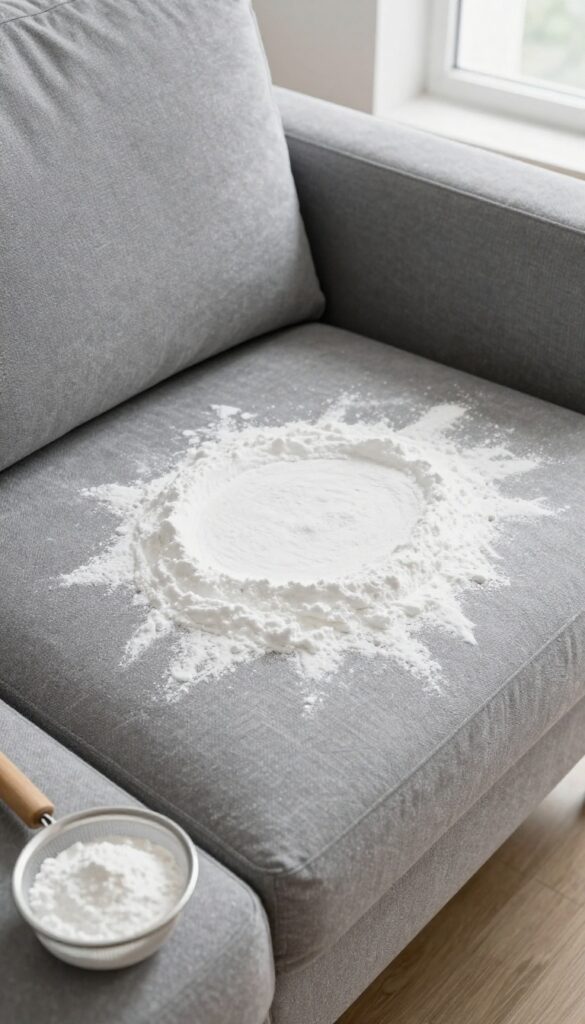
Even if your microfiber couch looks spotless, it can trap smells from pets, food, or daily use. Baking soda is a gentle, moisture-free deodorizer that lifts odors without soaking the fabric. This step is especially useful between deep cleans.
Sprinkle a generous, even layer of baking soda over the entire couch. Let it sit for 15–20 minutes—longer for stubborn smells. Then vacuum thoroughly using the upholstery attachment.
The baking soda absorbs odors and leaves the fabric fresh. For extra freshness, add a few drops of essential oil to the baking soda before sprinkling.
Why Baking Soda Works So Well
Baking soda is a natural odor neutralizer. It doesn't just mask smells—it chemically absorbs and traps odor molecules. Since it's dry, it won't damage water-sensitive microfiber or cause mold.
It's also safe for all fabric types, including S-coded couches.
Tips For Best Results
Work in sections if your couch is large. Use a sieve to distribute baking soda evenly. For pet odors, let it sit 30 minutes.
Vacuum slowly and in multiple directions to lift all the powder. Repeat monthly to keep odors at bay.
11. Tackle Grease Stains with Cornstarch
Grease stains on microfiber can feel like a lost cause. Whether it's a splash of cooking oil or a buttery snack mishap, that dark, oily spot seems to set in fast. But you don't need a special cleaner—just grab cornstarch or baking soda from your pantry.
These powders work like magnets for grease, pulling it out of the fibers without any rubbing or scrubbing that could spread the stain.
For oily stains, sprinkle cornstarch or baking soda on the spot, let it absorb for 30 minutes, then brush or vacuum away before cleaning.
Why Cornstarch Works So Well
Cornstarch is a fine, absorbent powder that soaks up excess oil from the surface of microfiber. Unlike liquid cleaners that can push grease deeper, cornstarch lifts it out gently. Baking soda works similarly and also helps neutralize odors.
Both are safe for all microfiber types, including water-sensitive S-coded fabrics.
Step-by-step: How To Apply It
First, blot any excess grease with a paper towel—don't rub. Then, generously cover the stain with cornstarch or baking soda. Let it sit for at least 30 minutes; for stubborn stains, leave it for an hour.
After the wait, use a soft brush or your vacuum's upholstery attachment to remove the powder. The stain should be noticeably lighter or gone.
What If The Stain Remains?
If a faint shadow lingers, repeat the process. You can also follow up with a gentle cleaning method suited to your couch's tag. For S-coded fabric, use rubbing alcohol on a cloth to dab the area.
For W or WS codes, a mild soap solution works. Always test in an inconspicuous spot first.
12. Fluff and Rotate Cushions Regularly
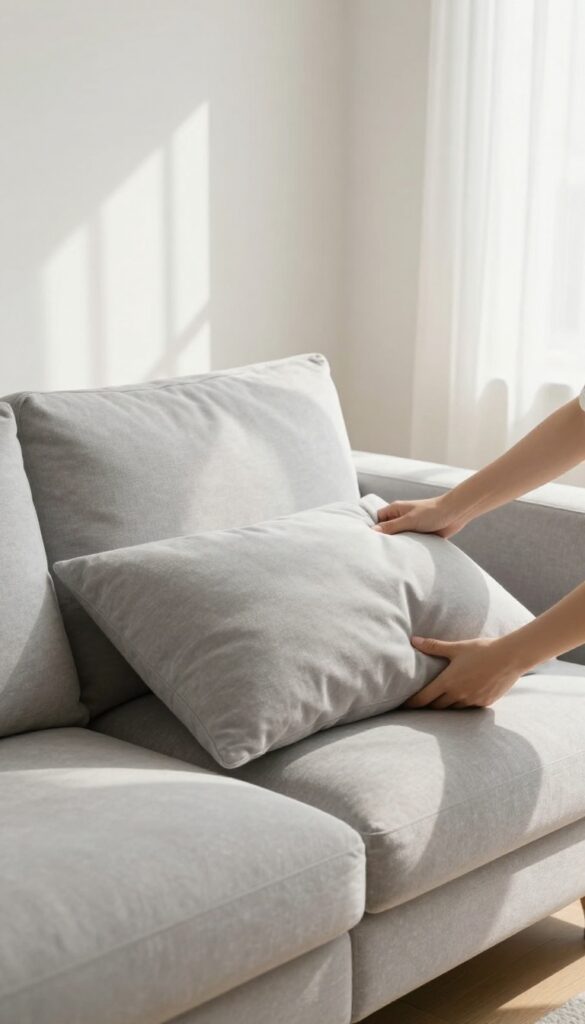
Your microfiber couch works hard every day, but the cushions take the brunt of the wear. Over time, they can flatten, lose shape, or develop permanent indentations where you sit most often. The fix is simpler than you think: a little regular fluffing and rotation goes a long way.
Think of cushion maintenance as a quick habit that protects your couch's comfort and appearance. Just like rotating tires on a car, swapping and flipping cushions distributes pressure evenly so no single spot gets worn down. This small step can double the life of your cushions and keep them looking plump and inviting.
Why Fluffing Matters
Microfiber cushions contain foam or fiberfill that compresses under constant weight. Fluffing—gently punching and kneading the cushion—releases trapped fibers and restores loft. Do this every week or two, especially for seats you use daily.
It's a quick way to revive that just-bought bounce.
Rotation Tips
Rotate cushions front to back and side to side. If your couch has reversible cushions, flip them over too. Mark the underside with a small piece of tape or a fabric pen to track which side is up.
Aim to rotate every two to four weeks, or whenever you notice a seat starting to sag.
Preventing Permanent Dents
Constant pressure in the same spot can create permanent indentations that no amount of fluffing can fix. Rotating prevents that by spreading the load. If you already have slight dents, try placing the cushion in direct sunlight for a few hours (if the care tag allows) to help the foam expand back into shape.
13. Protect with a Fabric Guard Spray
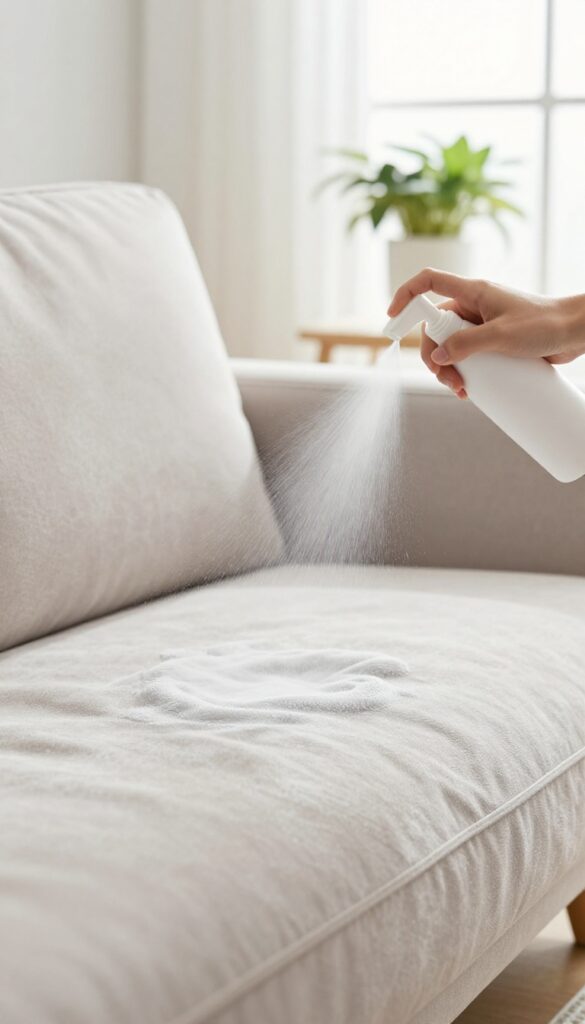
You’ve put in the work to get your microfiber couch clean and fresh. Now you want to keep it that way. A fabric guard spray adds an invisible shield that repels spills and stains before they set in.
It’s a simple step that buys you more time to wipe up accidents and cuts down on deep cleaning frequency.
Applying a fabric protector is like giving your couch a raincoat. It doesn’t change the look or feel of the fabric, but it makes liquids bead up and roll off instead of soaking in. This is especially helpful if you have kids, pets, or just enjoy a glass of wine on the sofa.
Most microfiber-safe sprays are easy to apply and last through several cleanings.
Choose The Right Protector
Not all fabric guards are safe for microfiber. Look for one labeled specifically for microfiber or upholstery. Avoid sprays that contain silicone or wax, which can leave a residue or stiffen the fabric.
A water-based, breathable formula is best. Brands like Scotchgard make microfiber-friendly versions, but always double-check the label.
Test First, Then Spray
Before you go all in, test the spray on a hidden spot like under a cushion or on the back of the couch. Spray a small area and let it dry. Check for discoloration, stiffness, or any change in texture.
If everything looks good, you’re clear to treat the entire couch. Work in a well-ventilated area and cover nearby surfaces with a drop cloth.
Apply Evenly And Let It Cure
Hold the can about six inches from the fabric and spray in a steady, sweeping motion. Don’t oversaturate—a light, even coat is enough. Let the couch dry completely, usually a few hours or overnight.
Avoid sitting on it until it’s fully cured. For best results, reapply after every deep clean or every six months.
FAQ
Can I use bleach on my microfiber couch?
No, bleach can damage microfiber fibers and cause discoloration. Stick to mild soap, rubbing alcohol, or specialized microfiber cleaners.
How often should I clean my microfiber couch?
Vacuum weekly and spot clean as needed. Deep clean every 6–12 months, depending on usage and whether you have pets or kids.
Will rubbing alcohol leave a watermark?
Rubbing alcohol evaporates quickly and rarely leaves watermarks on microfiber, but always test on a hidden area first to be safe.
Can I machine wash microfiber couch covers?
Only if the covers are removable and the care label says machine washable. Use cold water, gentle cycle, and air dry to avoid shrinkage.
How do I fix matted microfiber after cleaning?
Once the fabric is completely dry, gently brush it with a soft-bristled brush or a microfiber-specific brush to restore the soft texture.
Conclusion
Cleaning your microfiber couch doesn't have to be a chore. With these 13 gentle steps, you can keep it looking fresh without damaging the fabric. Regular maintenance and quick action on spills will save you from deep cleans down the road.
Pick a few of these methods that fit your lifestyle and stick with them. Your couch will stay soft, stain-free, and inviting for years. A little consistent care goes a long way toward protecting your investment.

I’m Pallab Kishore, the owner of Little Pets Realm — an animal lover and pet care enthusiast sharing easy tips, healthy recipes, and honest advice to help every small pet live a happy, healthy, tail-wagging life.