Microwave grime builds up fast—splattered sauce, dried cheese, and mystery stains that seem to multiply overnight. Scrubbing that mess with brute force is exhausting and rarely gets into the corners.
Steam is the secret weapon that loosens everything so you can wipe it away effortlessly. These 13 steam-powered tricks use ingredients you already have, from vinegar to lemon to vanilla extract.
Each method targets a different type of buildup or odor, so you can pick the one that fits your mess. No harsh chemicals, no endless scrubbing—just smart, effective cleaning.
1. Classic Vinegar Steam
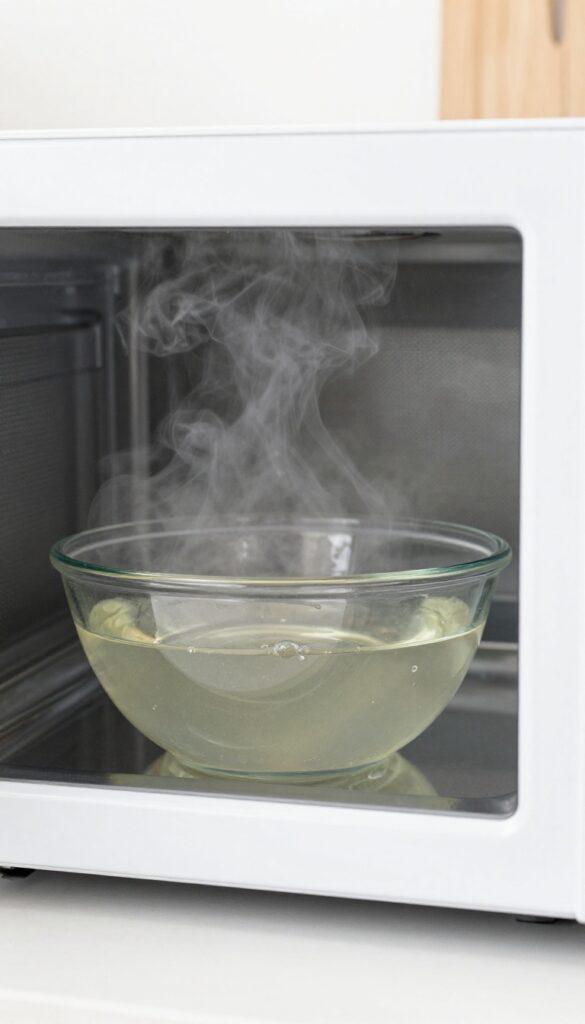
Vinegar is the workhorse of natural cleaning, and when paired with steam, it tackles both grease and odors. This method is incredibly simple and uses ingredients you likely have in your pantry right now. The acetic acid in vinegar breaks down stubborn residue while the steam softens dried-on food, making wiping effortless.
Mix equal parts water and white vinegar in a microwave-safe bowl. Heat on high for 5 minutes, then let the bowl sit inside the closed microwave for 2 minutes to allow the steam to penetrate. Carefully remove the bowl (it will be hot) and wipe down the interior with a damp cloth or sponge.
The vinegar smell dissipates quickly, leaving your microwave fresh and clean.
Why Vinegar Works So Well
White vinegar is mildly acidic, which helps dissolve mineral deposits, grease, and food residue. The steam amplifies its power by softening grime and carrying the vinegar into every crevice. Unlike harsh chemicals, vinegar is safe for food surfaces and won't leave toxic residues.
Pro Tips For Best Results
Use a large microwave-safe bowl to maximize surface area for steam. If your microwave has a turntable, remove it and clean it separately. For extra stubborn spots, dip a sponge in the vinegar solution and scrub gently after steaming.
Always wipe in one direction to avoid spreading residue.
When To Skip This Method
Avoid using vinegar on aluminum or copper components, as the acid can cause discoloration. If your microwave has a stainless steel interior, vinegar is safe, but rinse with water afterward to prevent any dulling. For extremely delicate surfaces, test on a small area first.
2. Lemon Fresh Steam
Lemons aren't just for lemonade—they're a powerhouse for cutting through microwave grime. The natural acidity in lemon juice breaks down grease and helps dissolve hard water stains, while the fresh scent leaves your microwave smelling like a citrus grove. This trick is especially handy when you want a chemical-free clean that also deodorizes.
How To Do It
Slice one lemon in half, then squeeze the juice into a microwave-safe bowl filled with about 1 cup of water. Drop the lemon halves into the bowl as well. Microwave on high for 3 to 4 minutes, until the mixture boils and the window steams up.
Let the bowl sit inside with the door closed for another 5 minutes—this gives the steam time to work its magic on stubborn spots.
Why It Works So Well
The steam carries citric acid molecules into every nook and cranny, softening dried food particles and mineral deposits. Citric acid is a natural chelating agent, which means it binds to minerals in hard water stains, making them easier to wipe away. Plus, the lemon oil in the peel adds a pleasant, lasting freshness.
Pro Tips For Best Results
For extra cleaning power, add a tablespoon of white vinegar to the lemon water. If your microwave has a rotating turntable, remove it and wipe it separately—it's easier than scrubbing around it. After steaming, use a soft sponge or microfiber cloth to wipe down the interior; the grime should come off with minimal effort.
For tough spots, dip the sponge in the leftover lemon water.
3. Baking Soda Boost
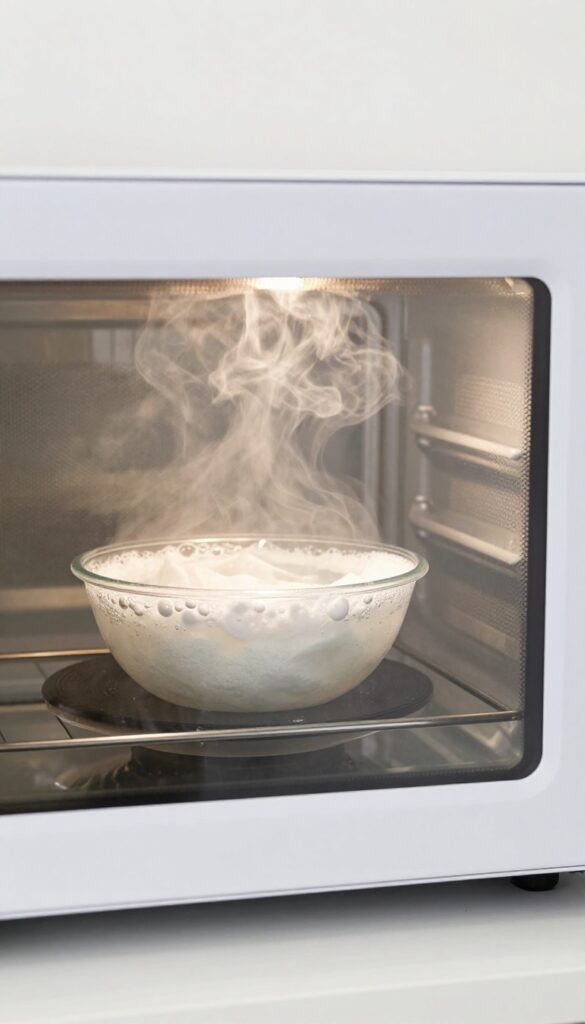
Baking soda is a gentle abrasive that pairs perfectly with steam. When you add it to your steaming water, it helps break down stuck-on food while absorbing odors. The result is a microwave that looks and smells fresh without harsh scrubbing.
To use this method, fill a microwave-safe bowl with 1 cup of water and stir in 1 tablespoon of baking soda. Microwave on high for 3-5 minutes until the mixture is steaming and the window is foggy. Let it sit for 2 minutes to let the steam work, then carefully remove the bowl.
Wipe down the interior with a damp cloth—the baked-on grime should come off easily. For tough spots, dip your cloth in the leftover baking soda water for extra scrubbing power.
Why Baking Soda Works
Baking soda is mildly alkaline, which helps dissolve acidic food residues like tomato sauce and coffee stains. When heated, it releases carbon dioxide bubbles that gently lift debris from surfaces. Plus, it neutralizes odors chemically rather than just masking them.
Best For Tough, Dried-on Spills
This trick is ideal for microwaves with stubborn, baked-on spills that have been sitting for days. The combination of steam and baking soda softens the gunk, making it wipe away without scratching the interior. It's also safe for all microwave types, including stainless steel and painted surfaces.
Pro Tip: Add A Squeeze Of Lemon
For an extra freshness boost, add a few drops of lemon juice to the baking soda water. The lemon enhances the cleaning power and leaves a pleasant citrus scent. Just avoid using too much, as lemon juice can be acidic if left on surfaces for too long.
4. Dish Soap Steam
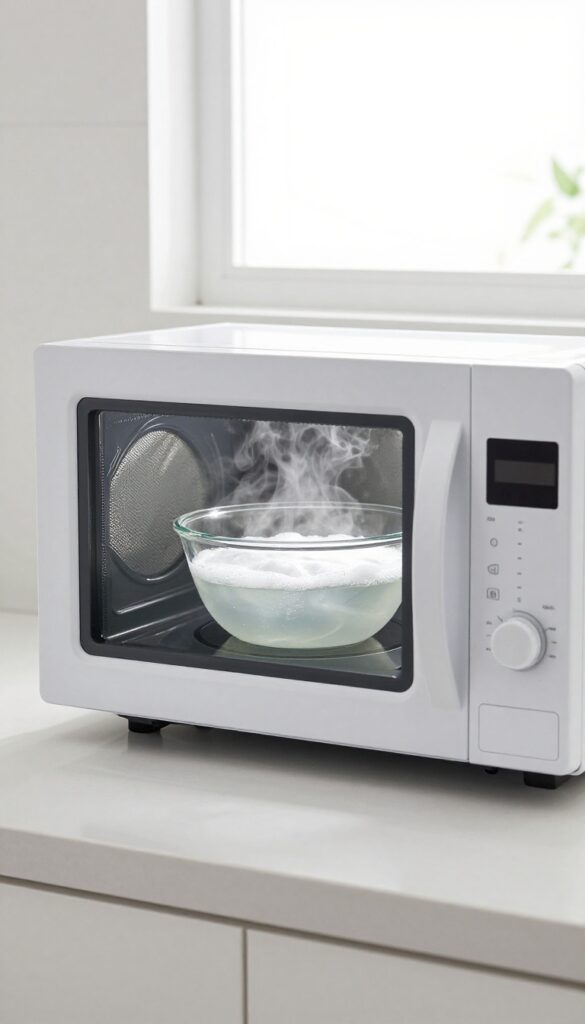
Sometimes you need a little extra grease-fighting power. Plain water steam works fine for light messes, but when you're dealing with stubborn, greasy splatters, dish soap is your best friend. A few drops in the water create a steam that breaks down oil-based grime, making it slide right off the walls and turntable.
No scrubbing required.
This method is perfect for microwaves that see heavy use—think leftover pasta sauce, melted cheese, or splattered butter. The dish soap acts as a surfactant, reducing surface tension so the steam can penetrate and loosen baked-on grease. After steaming, a single wipe with a damp cloth leaves the interior sparkling clean.
Why It Works
Dish soap contains surfactants that break the bond between grease and the microwave surface. When heated, the soapy steam coats every nook and cranny, softening dried-on food and emulsifying oils. This chemical action is far more effective than steam alone for tough, greasy messes.
Best Practices
Use a microwave-safe bowl filled with one cup of water. Add just 2-3 drops of liquid dish soap—too much will create excessive foam. Microwave on high for 3 minutes, then let it sit for 2 minutes before opening.
The steam will have loosened everything, so a quick wipe with a microfiber cloth or sponge is all you need.
When To Use This Method
Reach for dish soap steam when your microwave has visible grease splatters, sticky residue, or a film that plain water can't remove. It's especially good for microwaves used to reheat oily foods like pizza, fried chicken, or saucy casseroles. Avoid this method if your microwave has a delicate interior coating—check the manual first.
5. Citrus Peel Power
Don't toss those orange, lemon, or grapefruit peels after juicing or snacking. They're surprisingly effective at cutting through microwave grime, thanks to the natural oils in the rind. When steamed, these oils release and help dissolve stubborn food residue while leaving behind a fresh, zesty scent.
After steaming, let the bowl cool for a minute, then use the citrus-infused water to wipe down the interior. The peels themselves can be used as a gentle scrubber for stuck-on bits. This method is especially good for neutralizing odors and adding a natural shine to the microwave's surfaces.
Why Citrus Works
Citrus peels contain d-limonene, a natural solvent that breaks down grease and oils. When heated, the steam carries these compounds throughout the microwave, loosening dried-on food and making it easy to wipe away. Plus, the fresh scent lingers long after cleaning.
Best Peels To Use
Orange, lemon, and grapefruit peels all work well, but each brings a slightly different aroma. Lemon is brightest for cutting odors, orange adds a sweet note, and grapefruit offers a more subtle, earthy freshness. Mix them for a custom scent.
Step-by-step Method
Place a handful of fresh peels in a microwave-safe bowl filled with 1 cup of water. Microwave on high for 4 minutes. Let sit for 2 minutes to trap steam, then carefully remove the bowl.
Wipe down the interior with a damp cloth or sponge. For tough spots, use the softened peel as a scrubber.
6. Vinegar and Baking Soda Combo
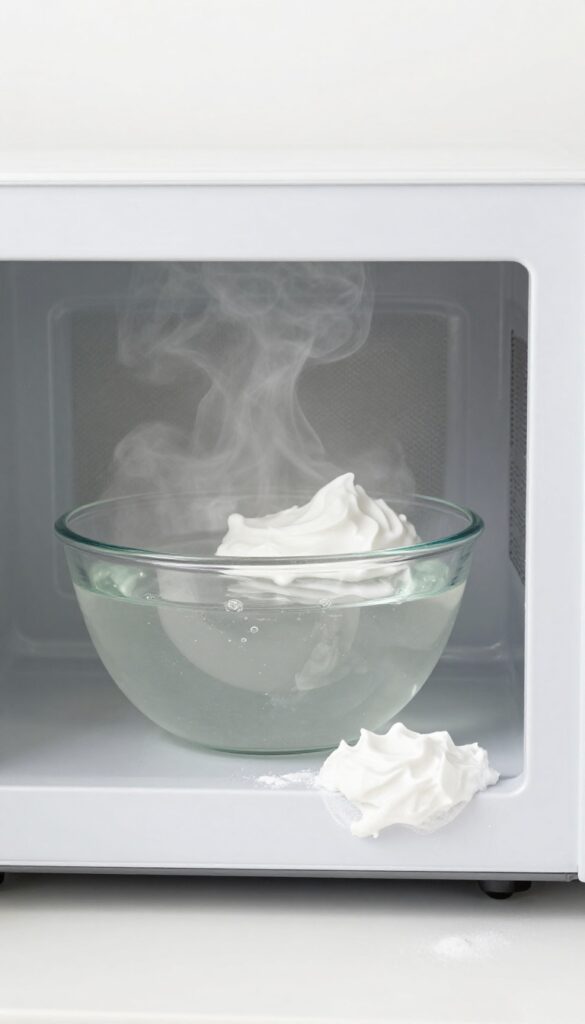
When steam alone isn't enough to dislodge weeks of baked-on food, it's time to bring in the heavy hitters. Vinegar and baking soda create a fizzy reaction that lifts stubborn residue without scratching your microwave's interior. This two-step method uses steam first, then a gentle abrasive paste.
Start by steaming a bowl of water and vinegar (1 cup water, 1/4 cup vinegar) for 5 minutes. Let it sit for 2 minutes so the steam softens everything. Carefully remove the bowl—it's hot—then dip a sponge or cloth into the remaining liquid and wipe down the interior.
For any stuck-on spots, make a paste of baking soda and a little water. Apply it to the stains and let it fizz for a minute. The bubbling action helps lift the grime.
Wipe away the paste with a damp cloth, then do a final pass with a clean wet cloth to remove any residue. Your microwave will look and smell fresh.
Why This Combo Works So Well
Vinegar is acidic and cuts through grease and mineral deposits. Baking soda is mildly alkaline and acts as a gentle scrubbing agent. When they combine, the fizzing creates tiny bubbles that mechanically loosen debris.
It's a safe, non-toxic alternative to harsh sprays.
Step-by-step: Steam First, Then Scrub
Fill a microwave-safe bowl with 1 cup water and 1/4 cup white vinegar. Microwave on high for 5 minutes. Let the bowl sit inside for 2 more minutes to maximize steam exposure.
Remove the bowl (use oven mitts) and wipe down surfaces with a sponge dipped in the warm vinegar water. For stubborn spots, mix 2 tablespoons baking soda with just enough water to form a thick paste. Apply to stains, let fizz for 60 seconds, then scrub gently.
Rinse with a damp cloth.
Pro Tip: Don't Let The Paste Dry
Baking soda paste can dry into a white powder that's hard to wipe off. Work in small sections and rinse immediately after scrubbing. If you see any residue, go over it with a clean damp cloth.
For extra shine, finish with a microfiber cloth.
7. Essential Oil Steam
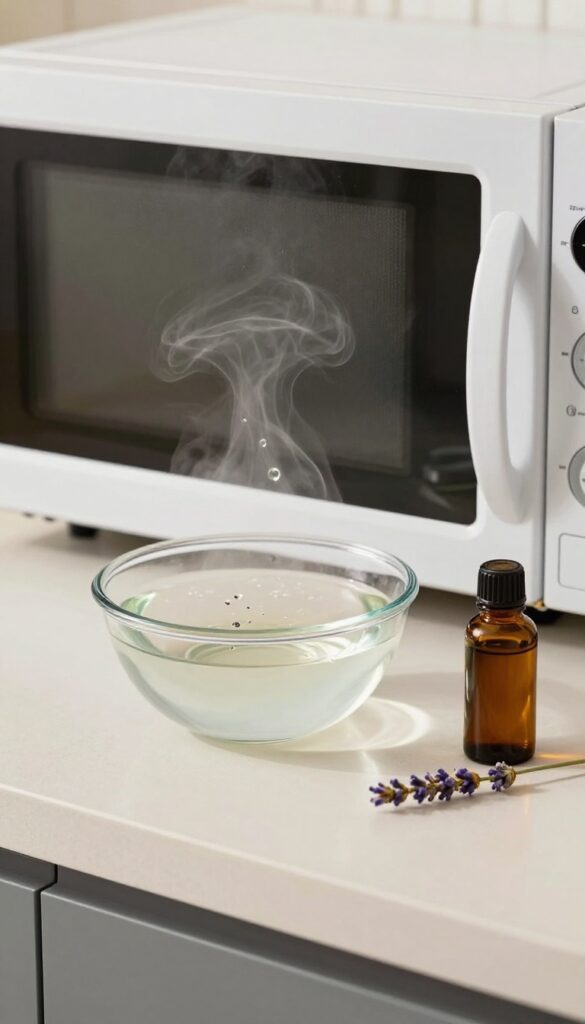
If you want your microwave to smell as clean as it looks, essential oils are a game changer. A few drops in the steaming water release a natural, long-lasting fragrance that neutralizes odors without masking them with synthetic scents. Plus, certain oils like tea tree and lavender have antibacterial properties that give your cleaning a gentle boost.
Best Oils For The Job
Tea tree oil is a top pick because it fights bacteria and mold while leaving a fresh, medicinal scent. Lavender offers a calming aroma that lingers pleasantly. Lemon or peppermint oils are also great for a crisp, clean smell.
Avoid thick oils like cinnamon or clove, as they can be overpowering and harder to rinse.
How To Steam With Essential Oils
Fill a microwave-safe bowl with 1 cup of water. Add 5–10 drops of your chosen essential oil—no need to go overboard. Microwave on high for 3 minutes, then let it sit for 2 minutes without opening the door.
The steam will saturate the interior, loosening grime and infusing the air with scent.
Wipe And Enjoy
Carefully remove the bowl (it will be hot) and wipe down the interior with a soft cloth or sponge. The steam should have loosened most residue. If any stubborn spots remain, dip the cloth in the scented water for extra cleaning power.
Your microwave will sparkle and smell like a spa.
8. Steam and Scrub with a Sponge
Once the steam has done its job, the real cleanup begins. The heat and moisture soften even stubborn crusts, so you don't have to grind away with abrasive pads. A simple non-scratch sponge or microfiber cloth is all you need to lift the mess away in seconds.
For tight corners and crevices, a clean old toothbrush works wonders.
Choose The Right Sponge
Not all sponges are microwave-safe. Stick with non-scratch sponges or microfiber cloths that won't leave scratches on the interior surface. Avoid steel wool or abrasive scrubbers—they can damage the finish and create hiding spots for bacteria.
A soft sponge paired with warm water and a drop of dish soap is usually plenty.
Work From Top To Bottom
Start at the top of the microwave and work your way down. Gravity will pull drips and loosened grime downward, so you won't have to re-clean areas. Use gentle circular motions to avoid spreading residue.
For the ceiling, a sponge with a long handle or a cloth wrapped around a spatula can help reach without straining.
Don't Forget The Corners
Food particles love to hide in the corners where the walls meet the ceiling or floor. An old toothbrush is perfect for these tight spots. Dip it in warm water or a vinegar solution and scrub gently.
The bristles get into the crevices without scratching. Rinse the toothbrush frequently to avoid redepositing grime.
9. Steam Clean the Turntable
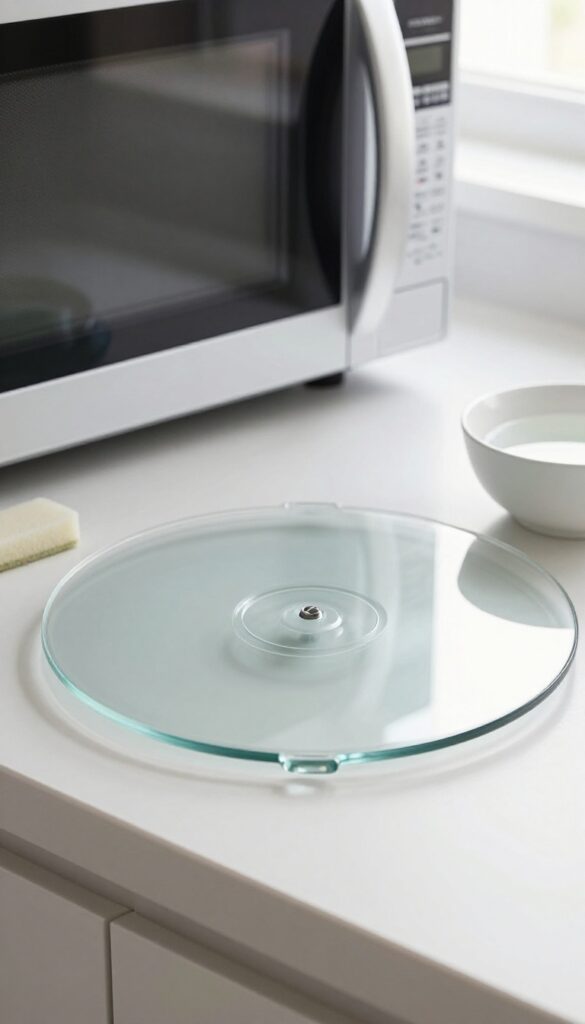
The glass turntable often gets overlooked because it's not stuck to the microwave floor. But it collects just as much grime and can be a pain to scrub while it's spinning. This trick separates the turntable from the rest of the microwave so both get cleaned perfectly.
Remove And Wash
Take out the glass turntable and the plastic ring underneath. Wash them in warm, soapy water with a soft sponge. Avoid abrasive pads that could scratch the glass.
Rinse well and set aside to air dry.
Steam The Interior
While the turntable is drying, run your preferred steam cleaning method inside the microwave—lemon water, vinegar, or plain water. The steam will soften any residue on the walls and ceiling, making them easy to wipe down.
Reassemble Spotless
Once the interior is wiped clean and the turntable is dry, pop it back in. The glass will be streak-free and the microwave will look like new. This approach saves time because you're multitasking the cleaning steps.
10. Deep Clean with Steam and Vinegar Soak
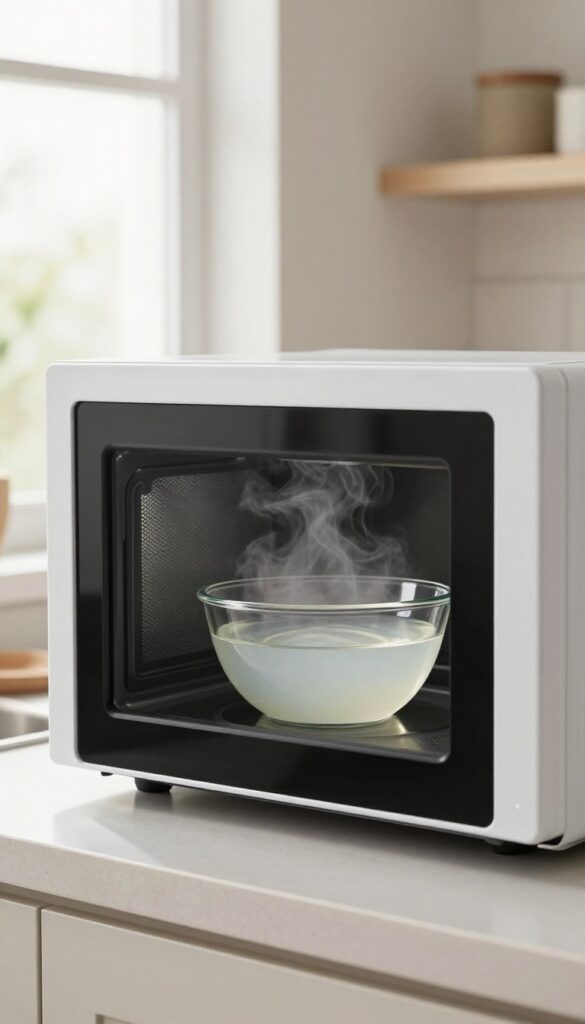
Sometimes a quick steam isn't enough. When your microwave has weeks of baked-on grime, you need a longer, more intense soak. This method uses vinegar steam to break down the toughest residue, then lets the bowl sit inside so the vapors can work their magic.
It's a set-it-and-forget-it approach that makes wiping effortless.
Fill a microwave-safe bowl with 1 cup of water and 1/4 cup of white vinegar. Place it in the microwave and run on high for 5 minutes. After the timer goes off, don't open the door.
Let the bowl sit inside for another 10 minutes. The extended exposure to steam softens even the most stubborn crust. Finally, remove the bowl (careful, it's hot) and wipe down the interior with a damp sponge or cloth.
For extra stubborn spots, dip your sponge in the leftover vinegar water and scrub gently.
Why The Soak Matters
The extra 10 minutes allow the steam to penetrate deeper into dried food particles. Vinegar's acidity breaks down grease and mineral deposits, making them easy to wipe away without scrubbing. This is especially useful for microwaves that haven't been cleaned in a while.
Best For Heavy Buildup
If you see crusty sauce splatters or hardened cheese, this method is your best bet. It's also great for removing lingering odors from fish or spicy dishes. The vinegar neutralizes smells while the steam loosens the mess.
Safety Tips
Always use a microwave-safe bowl and handle it with oven mitts when removing. The steam can be very hot, so open the door carefully to avoid a face full of vapor. If the smell of vinegar bothers you, add a few drops of lemon juice to the bowl.
11. Steam Away Odors with Vanilla
Vanilla extract isn't just for baking—it's a secret weapon for neutralizing stubborn microwave odors. After cooking fish, popcorn, or anything pungent, a quick vanilla steam leaves your microwave smelling warm and inviting. This trick is especially handy when you need the smell gone fast without masking it with artificial scents.
The method is simple: fill a microwave-safe bowl with 1 cup of water and stir in 1 teaspoon of vanilla extract. Microwave on high for 3 minutes, then let the steam sit for another minute before opening the door. Wipe down the interior with a damp cloth—the steam loosens any residue, and the vanilla scent lingers pleasantly.
This works because vanilla contains vanillin, which binds to odor molecules and neutralizes them rather than just covering them up.
Why Vanilla Works Best
Vanilla extract is more effective than lemon or vinegar for odor removal because it doesn't add a competing scent—it actually eliminates smells. The alcohol in the extract helps dissolve grease and food particles, while the vanillin compounds chemically neutralize odors. Plus, it's safe for food contact surfaces and leaves no chemical residue.
How To Maximize The Freshness
For extra stubborn smells, add a cinnamon stick or a few whole cloves to the water-vanilla mixture. The spices enhance the deodorizing power and create a cozy, bakery-like aroma. After steaming, leave the microwave door open for 5 minutes to air out any remaining moisture.
This also prevents mold growth in the seals.
When To Use This Method
Reach for vanilla steam after cooking fish, bacon, broccoli, or microwave popcorn—all notorious for leaving lingering odors. It's also great for freshening up a microwave that hasn't been cleaned in a while, as a mid-week maintenance step. Use it weekly to keep smells from building up in the first place.
12. Steam and Wipe the Door Seal
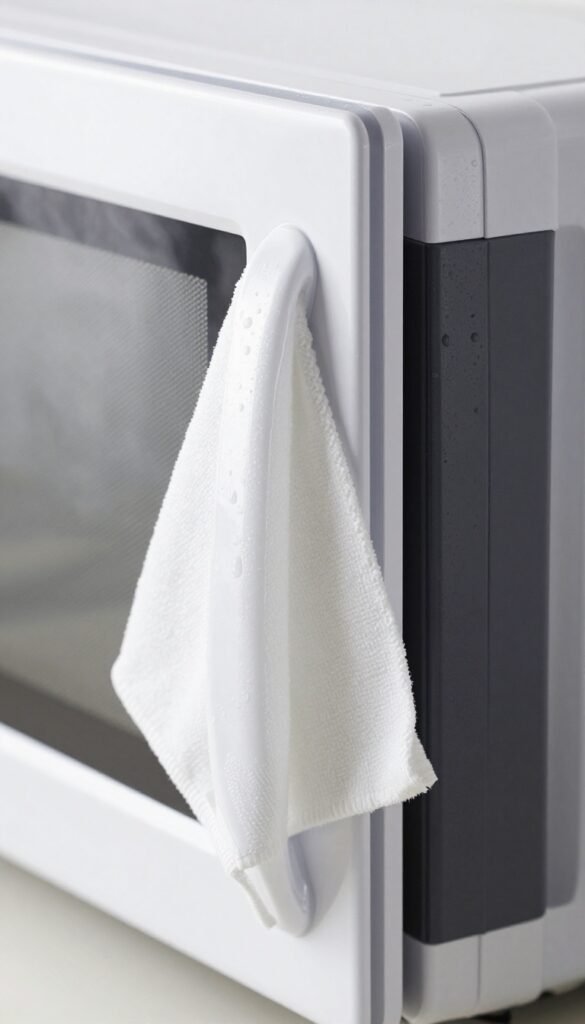
The rubber gasket around your microwave door is a magnet for grime. It traps splatters and steam residue, and if ignored, it can start to smell or even affect the seal. But a quick steam session loosens that buildup so you can clean it without scrubbing.
After steaming the interior, the door seal is already damp and softened. Take a soft cloth or a cotton swab dipped in warm, soapy water and gently wipe along the gasket. Work your way around the entire seal, paying extra attention to crevices where gunk hides.
Be gentle—the rubber is delicate and can tear if you scrub too hard. A little patience goes a long way.
Why The Seal Matters
A clean seal ensures your microwave closes properly and doesn't leak steam or heat. If the gasket is crusted with old food, it can also trap moisture and cause mold. Regular cleaning after each steam trick keeps it fresh and functional.
The Right Tools For The Job
Skip abrasive sponges or harsh cleaners—they can damage the rubber. Stick to a microfiber cloth, a soft toothbrush, or cotton swabs. For stubborn spots, dip the swab in a little vinegar or rubbing alcohol.
Wipe dry afterward to prevent moisture from settling in the seal.
A Quick Maintenance Habit
Make this a routine: every time you steam-clean the microwave, give the door seal a quick wipe. It takes less than a minute and prevents buildup from becoming a problem. Your microwave will stay odor-free and seal tightly for years.
13. Weekly Steam Maintenance
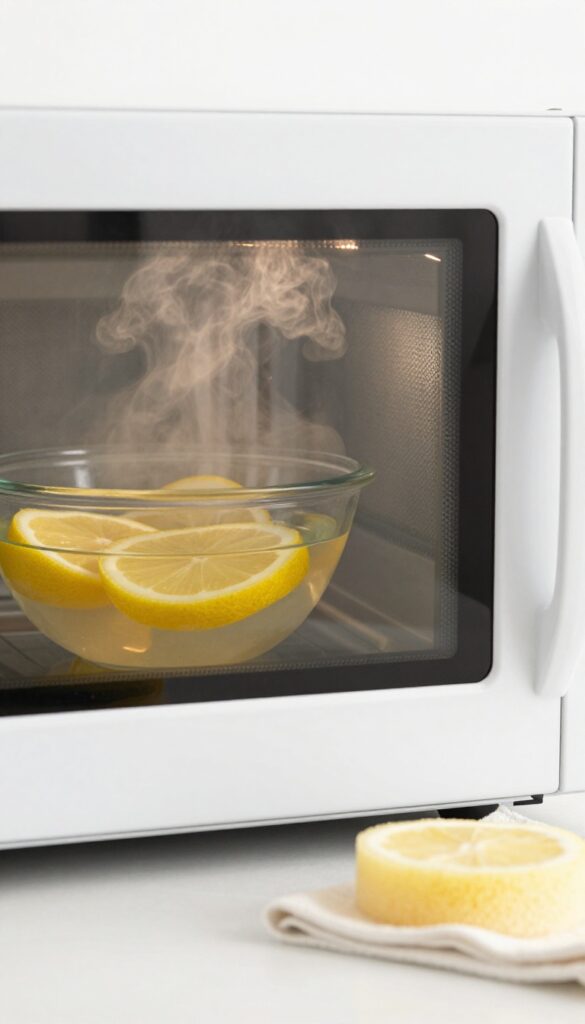
The best way to deal with tough microwave messes is to prevent them from forming in the first place. A quick weekly steam session takes just a few minutes and keeps your microwave looking and smelling fresh. Think of it as a mini spa treatment for your appliance—one that saves you from heavy scrubbing later.
The 3-minute Refresh
Fill a microwave-safe bowl with 1 cup of water and a few lemon slices or a splash of lemon juice. Microwave on high for 3 minutes. Let the steam sit for 2 minutes without opening the door, then wipe down the interior with a soft cloth or sponge.
The lemon cuts through grease and leaves a clean, citrusy scent.
When Life Gives You Lemons… Use Them
Lemons are ideal for weekly maintenance because their natural acidity breaks down light residue and deodorizes. If you don't have a lemon, a tablespoon of white vinegar works just as well. Rotate between lemon and vinegar to keep your microwave fresh without any one scent becoming overpowering.
Build The Habit
Tie your weekly steam to an existing routine—like Sunday meal prep or after your Friday grocery run. Set a reminder on your phone for the first few weeks. Once it becomes automatic, you'll wonder why you ever let grime build up in the first place.
FAQ
Can I use any type of vinegar for steam cleaning?
White distilled vinegar is best because it's clear and has strong cleaning properties. Apple cider vinegar can also work but may leave a slight scent.
How long should I steam my microwave?
Typically 3-5 minutes is enough. For heavy buildup, go up to 5 minutes and let it sit for 2-3 minutes before wiping.
Is it safe to leave the microwave unattended while steaming?
It's best to stay nearby. Set a timer and check the water level to avoid boiling dry. Never leave it unattended for long periods.
Will steam damage my microwave?
No, steam is safe for microwaves. Just avoid overfilling the bowl and ensure the microwave is well-ventilated. Wipe up excess moisture after cleaning.
Can I use these methods on a stainless steel microwave?
Yes, but avoid abrasive scrubbers. Use a soft cloth and mild cleaners. Steam is gentle and safe for stainless steel interiors.
Conclusion
Steam is your microwave's best friend when it comes to cleaning without harsh chemicals. These 13 tricks prove that a bowl of water and some citrus or vinegar can tackle even the toughest baked-on messes with minimal elbow grease.
Pick the method that fits your schedule and supplies on hand, whether it's a quick lemon steam or a longer baking soda soak. A minute of steaming after each use keeps splatters from hardening, making future cleanings almost effortless.