You open the microwave to reheat leftovers, and a wave of old food smells hits you. Those crusty splatters on the walls aren't just ugly—they can affect how your food tastes. A clean microwave isn't just about looks; it keeps your appliance running efficiently and your kitchen smelling fresh.
The good news? You don't need harsh chemicals or hours of scrubbing. With a few pantry staples and a little steam power, you can tackle even the toughest messes.
This guide walks you through 10 practical steps that leave your microwave spotless and smelling great. Each step builds on the last, so you'll work smarter, not harder.
1. Gather Your Cleaning Arsenal
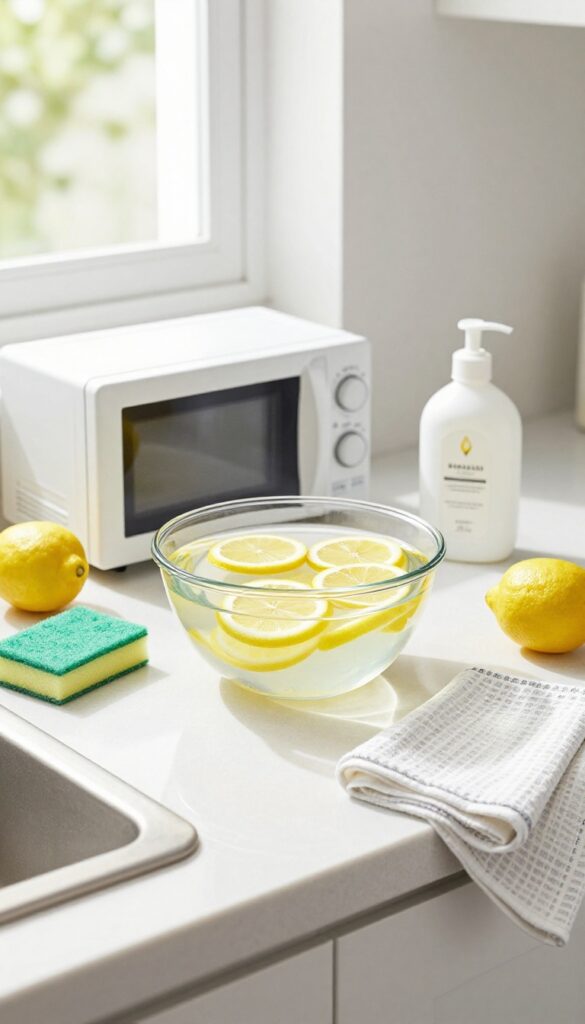
Before you start scrubbing, take a minute to round up everything you'll need. Having your supplies within reach makes the whole process smoother and keeps you from running around mid-clean with vinegar on your hands.
You likely already have most of these items in your kitchen. A microwave-safe bowl or large measuring cup is essential for steaming. White vinegar cuts through grease and deodorizes naturally.
Baking soda works as a gentle abrasive for stuck-on grime. A lemon adds fresh scent and extra cleaning power. Grab a sponge (non-scratch) and a microfiber cloth for streak-free drying.
That's it—no specialty cleaners required.
Why Vinegar And Steam?
Vinegar steam loosens dried food and neutralizes odors without toxic fumes. The heat helps the vinegar penetrate baked-on messes, so you barely have to scrub.
The Lemon Trick
A lemon half in the steaming bowl adds a bright, fresh scent and extra degreasing power. You can even rub the cut lemon directly on stubborn spots after steaming.
Skip The Steel Wool
Steel wool or abrasive pads can scratch the microwave interior. Stick with a soft sponge or a nylon scrubber for gentle yet effective cleaning.
2. Steam Away Stubborn Grime with Vinegar
Vinegar is a powerhouse when it comes to cutting through grease and neutralizing odors. This method uses steam to soften dried-on food so you can wipe it away with minimal effort. Plus, it deodorizes your microwave naturally, leaving it smelling fresh without any chemical residue.
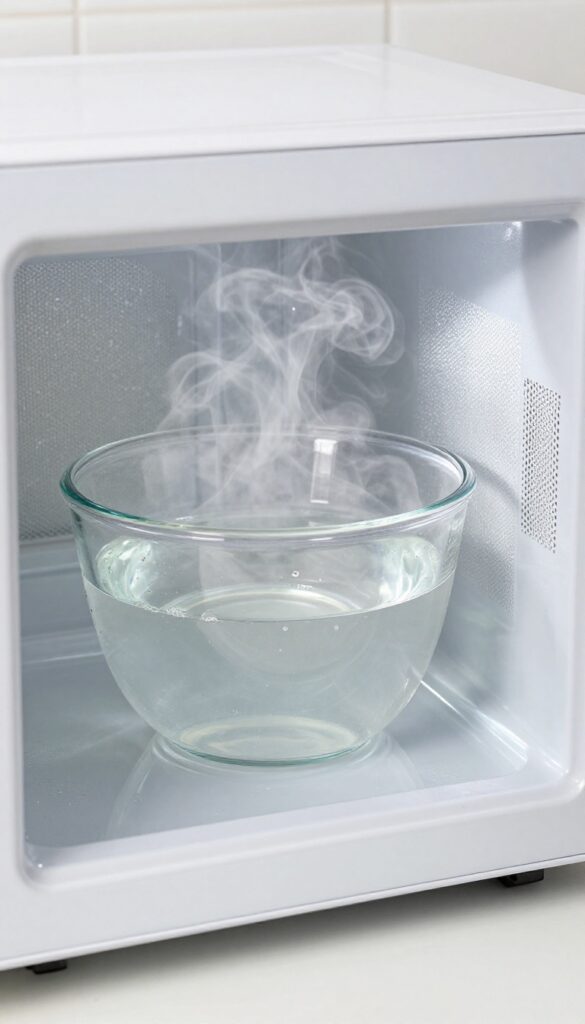
Fill a microwave-safe bowl with one cup of water and one cup of white vinegar. Place the bowl in the microwave and heat on high for 5 minutes. The steam will condense on the walls and ceiling, loosening stuck-on food.
After the timer goes off, let the bowl sit inside for 2 more minutes—this allows the steam to penetrate deeper. Carefully remove the bowl (it will be hot) and wipe down the interior with a damp cloth or sponge. For tough spots, dip your sponge in the vinegar water and scrub gently.
This step alone can remove most of the grime, making the rest of the cleaning process much easier.
Why Vinegar Works So Well
White vinegar is acidic, which helps dissolve mineral deposits and break down grease. The heat turns the vinegar-water mixture into steam, which reaches every corner of the microwave. This combination of acidity and heat is what makes it so effective at loosening stubborn residue.
Safety Tips For Steaming
Always use a microwave-safe bowl and avoid overfilling it. The liquid may boil vigorously, so leave some room. Use oven mitts when removing the bowl, as it will be very hot.
Never open the microwave immediately after the cycle ends—let it sit to prevent steam burns.
What If The Smell Lingers?
If you still notice odors after steaming, try adding a few lemon slices or a teaspoon of vanilla extract to the water-vinegar mixture. This adds a fresh scent without affecting the cleaning power. Alternatively, you can repeat the steam cycle with fresh vinegar water.
3. Wipe Down the Interior Walls
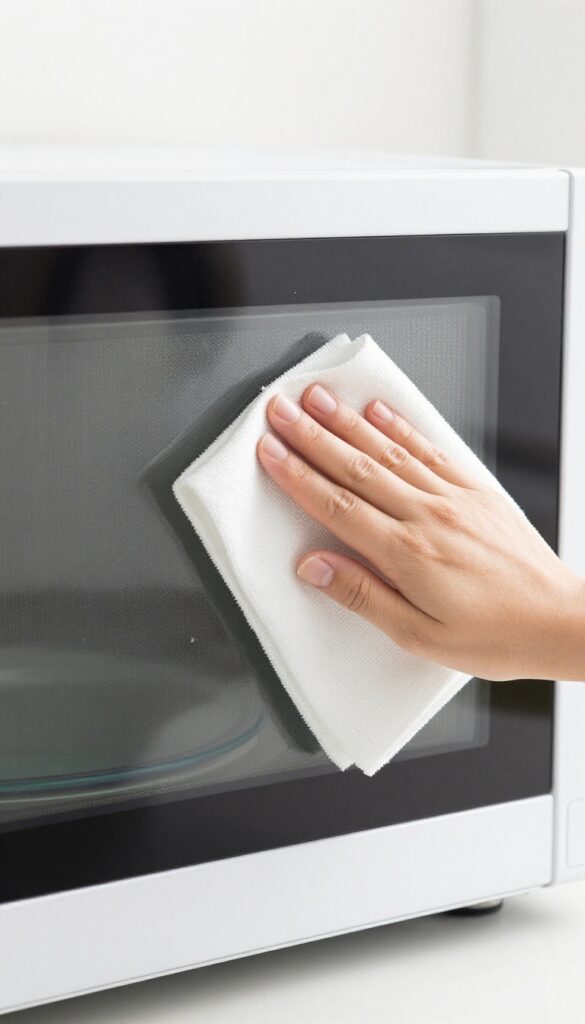
Now that the steam has done its job, it's time to wipe away the softened mess. The heat and moisture have loosened even stubborn, baked-on food, so this step is almost effortless. You'll be amazed at how quickly the interior goes from grimy to gleaming.
Use A Damp Sponge Or Cloth
Grab a clean sponge or microfiber cloth and dampen it with warm water. Avoid using abrasive scrubbers that could damage the microwave's interior. Starting from the top and working your way down, wipe all surfaces including the ceiling, walls, and floor.
The grime should slide off with minimal pressure. Rinse the sponge frequently to avoid spreading residue.
Don't Forget The Door And Edges
The microwave door and its rubber seal often get overlooked but can harbor old food particles and odors. Wipe the inside of the door, the glass window, and the seal carefully. Use a cotton swab or old toothbrush for the crevices where the seal meets the frame.
This ensures a thorough clean and prevents lingering smells.
Tackle Stubborn Spots With Baking Soda
If you encounter any dried-on spots that didn't fully steam away, make a paste of baking soda and water. Apply it to the spots, let it sit for a minute, then wipe with a damp cloth. Baking soda is gentle enough not to scratch but effective at lifting tough residue.
Finish by wiping the entire interior with a clean, damp cloth to remove any baking soda traces.
4. Tackle the Turntable and Roller Ring
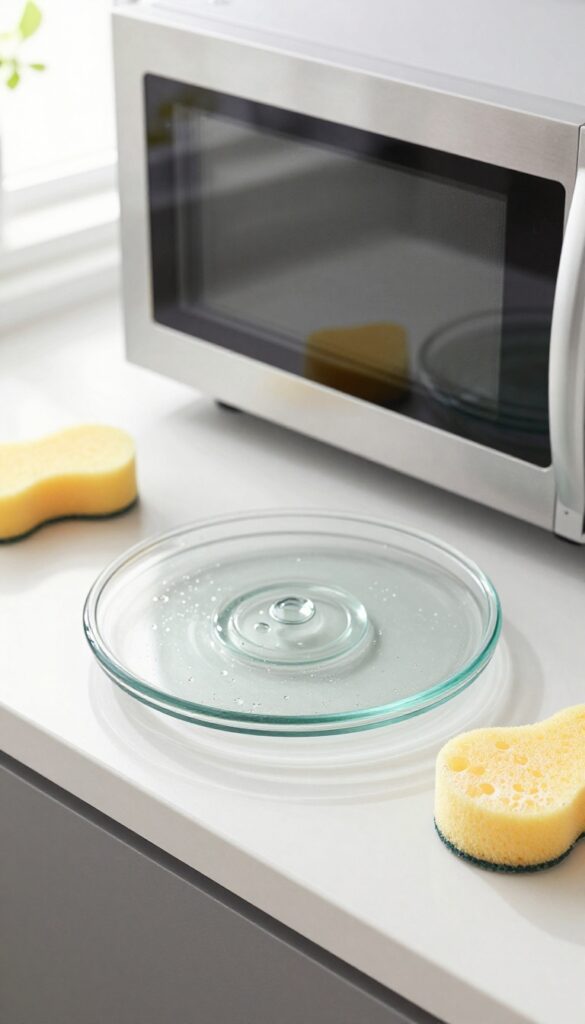
The glass turntable and roller ring often get overlooked, but they collect grease and food particles just like the walls. Removing them makes the rest of the cleaning easier and ensures every surface is fresh. Plus, washing them separately is simple and effective.
Lift And Set Aside
Carefully lift the glass turntable straight up and out. The roller ring underneath usually lifts off as well. Place them in the sink or a dish tub.
This opens up the microwave floor for easy wiping later.
Wash By Hand Or Dishwasher
Wash the turntable and ring in warm, soapy water with a soft sponge. For tough spots, let them soak for a few minutes. If they're dishwasher-safe (check the bottom), run them on the top rack.
Avoid abrasive scrubbers that could scratch the glass.
Dry And Replace
Dry both pieces completely with a clean towel before putting them back. Any moisture left can cause mold or odors. Reinstall the roller ring first, then set the turntable on top.
Give it a spin to make sure it sits correctly.
5. Deodorize with Lemon or Citrus Peels
After scrubbing away the grime, your microwave might still carry a faint vinegar or cleaner smell. That's where citrus comes in. Lemon slices or orange peels do more than just smell nice—they release steam that lifts any remaining odors and leaves the interior smelling bright and clean.
Place a bowl of water with a few lemon slices or a handful of citrus peels inside. Microwave on high for 3 minutes. Let it sit for another 2 minutes so the steam can work its magic.
Then open the door and enjoy the fresh scent.
Why Citrus Works So Well
Citrus fruits contain natural oils that cut through grease and neutralize odors. The heat releases these oils into the steam, which penetrates every corner of the microwave. It's a simple, chemical-free way to refresh the appliance.
How To Get The Most Out Of This Step
For extra potency, use the peels of a whole lemon or orange. If you only have bottled lemon juice, add a tablespoon to the water—it still works, though the fresh peel gives a stronger scent. Don't skip the resting time; that's when the steam really settles in.
6. Scrub Stubborn Spots with Baking Soda Paste
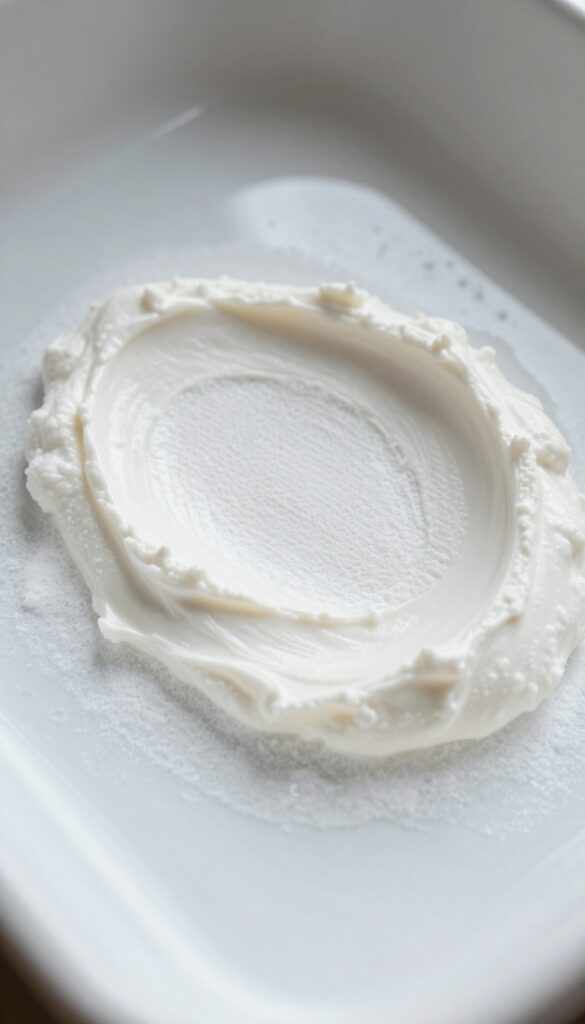
Even after a good steam and wipe, some spots just won't budge. Dried-on cheese, burnt-on sauce, or mystery splatters need a little extra help. That's where baking soda paste comes in—it's gentle enough not to scratch but tough on grime.
Baking soda is a mild abrasive that works wonders on stubborn stains without damaging your microwave's interior. Mixing it with water creates a paste that clings to vertical surfaces and gives you controlled scrubbing power. Let it sit for a few minutes to soften the gunk, then wipe away with ease.
Making The Perfect Paste
In a small bowl, combine about 2 tablespoons of baking soda with just enough water to form a thick paste. You want it spreadable but not runny—think toothpaste consistency. Add water a few drops at a time to avoid making it too thin.
Applying And Waiting
Dip a sponge or your finger into the paste and apply it directly onto each stubborn spot. Spread it evenly to cover the stain. Let it sit for 5 minutes so the baking soda can break down the residue.
This short wait makes scrubbing much easier.
Gentle Scrubbing Technique
Use the soft side of a sponge or a non-abrasive scrub pad to gently rub the paste into the stain. Work in small circles, applying light pressure. Avoid using steel wool or harsh scrubbers—they can scratch the microwave's surface.
Rinse the sponge frequently as you go.
Final Wipe Down
Once the spots are gone, dampen a clean cloth or sponge with water and wipe away all the baking soda residue. You might need to rinse and repeat a couple of times to get it all off. Dry the interior with a soft towel to prevent streaks.
7. Clean the Door and Seals
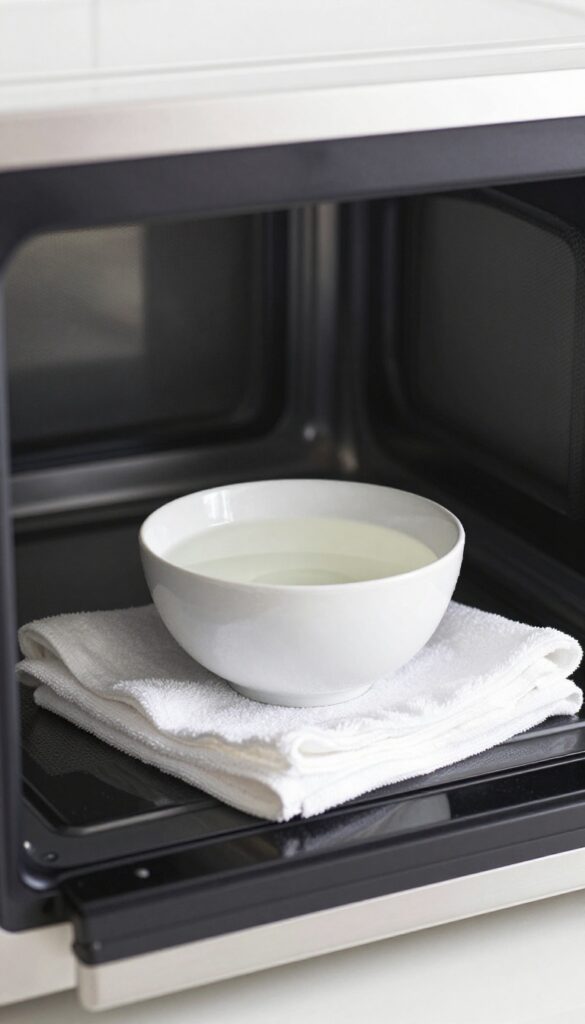
The microwave door and its rubber seal are prime spots for trapped food and lingering smells. When you slam the door shut, bits of sauce or grease can get pressed into the crevices, where they harden over time. This step ensures you don't miss those hidden odor sources.
Start by dampening a clean microfiber cloth with equal parts white vinegar and water. Wipe the inside of the door thoroughly, paying attention to the edges and corners. Then, gently run the cloth along the rubber seal, lifting any debris.
For stubborn gunk, use a soft toothbrush dipped in the vinegar solution. Finally, dry everything with a fresh cloth to prevent moisture buildup.
Why The Seal Matters
The rubber seal creates an airtight closure, but it's also a magnet for splatters. If it's dirty, the seal can degrade faster and allow steam to escape, reducing efficiency. Keeping it clean extends the life of your microwave and prevents musty odors.
Avoid Harsh Scrubbing
The seal is delicate, so never use abrasive sponges or scouring pads. Stick to soft cloths and gentle pressure. If you notice mold or mildew, a paste of baking soda and water can help, but rinse thoroughly afterward.
8. Don't Forget the Exterior and Control Panel
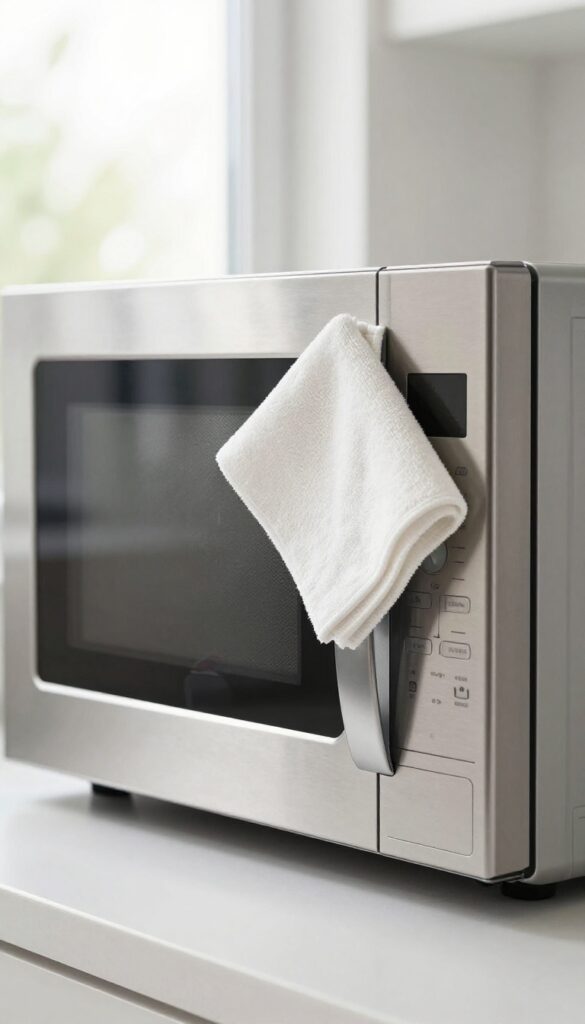
Once the inside is sparkling, it's tempting to close the door and call it done. But the outside of your microwave collects just as much grime—fingerprints, grease splatters, and dust. The control panel, especially, can get sticky from cooking vapors and daily handling.
Giving the exterior a quick wipe-down completes the job and makes the whole appliance look new.
A clean exterior not only looks better but also prevents buildup that can interfere with buttons over time. Use a mild cleaner or a few drops of dish soap in water. Spray or dip your microfiber cloth—never spray directly on the microwave to avoid moisture seeping into vents or behind the control panel.
Wipe the top, sides, and front, paying extra attention to the handle and door edges. For the control panel, use a barely damp cloth and gently wipe each button. Dry with a separate cloth to prevent streaks.
Avoid abrasive sponges or harsh chemicals that can damage the finish.
Choose The Right Cleaner
Stick with gentle options: a 50/50 water and white vinegar solution, a mild dish soap mixture, or a dedicated appliance cleaner. Avoid bleach, ammonia, or abrasive powders—they can discolor or scratch the surface. If you use a spray, mist the cloth, not the microwave.
Wipe The Control Panel Carefully
The control panel is sensitive. Use a soft microfiber cloth dampened with plain water or a very mild cleaner. Gently wipe each button and the display.
Don't let liquid pool around the edges. For stubborn grime, let the cloth sit on the spot for a few seconds before wiping.
Don't Skip The Top And Sides
Grease and dust settle on the top and sides, especially if your microwave sits near the stove. Wipe these surfaces with the same mild cleaner. For the top, you may need to use a step stool to reach.
A clean top prevents dust from baking onto the surface when the microwave runs.
9. Freshen Up with a Vanilla or Cinnamon Steam
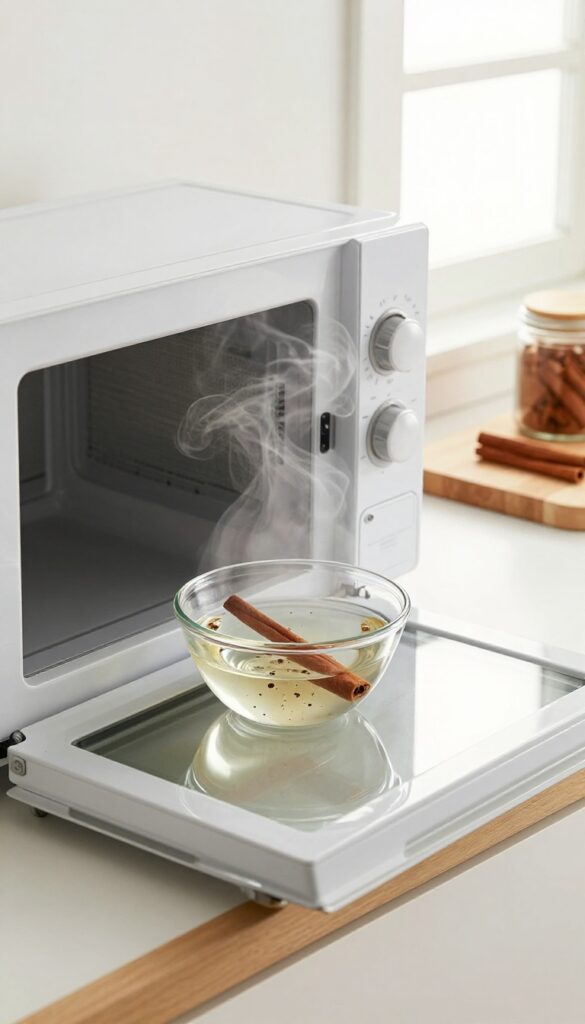
Your microwave is clean, but does it smell like it? A quick aromatic steam can replace any lingering odors with a cozy, inviting scent. Vanilla and cinnamon are both natural deodorizers that leave your microwave smelling like a bakery.
This step is all about the finishing touch. After you've scrubbed and wiped everything down, a fragrant steam will make your microwave feel truly fresh. It's quick, easy, and uses ingredients you probably already have in your pantry.
Why Vanilla And Cinnamon Work
Vanilla extract contains vanillin, a compound that neutralizes odors rather than just covering them up. Cinnamon has antimicrobial properties and a warm, comforting scent that lingers pleasantly. Together, they create a fresh, natural fragrance without any artificial chemicals.
How To Do It
Fill a microwave-safe bowl with 1 cup of water. Add 1 teaspoon of vanilla extract or drop in a cinnamon stick (or both for a stronger scent). Microwave on high for 2 to 3 minutes until the water boils and steam fills the cavity.
Let the bowl sit inside for another minute with the door closed, then open and enjoy the aroma.
Tips For Best Results
Use pure vanilla extract, not imitation, for a richer scent. If using cinnamon sticks, you can reuse them a few times. For a quick version, add a few drops of vanilla to a damp paper towel and microwave for 30 seconds.
Avoid using cinnamon powder, as it can leave a residue.
10. Maintain a Clean Microwave with Quick Daily Habits
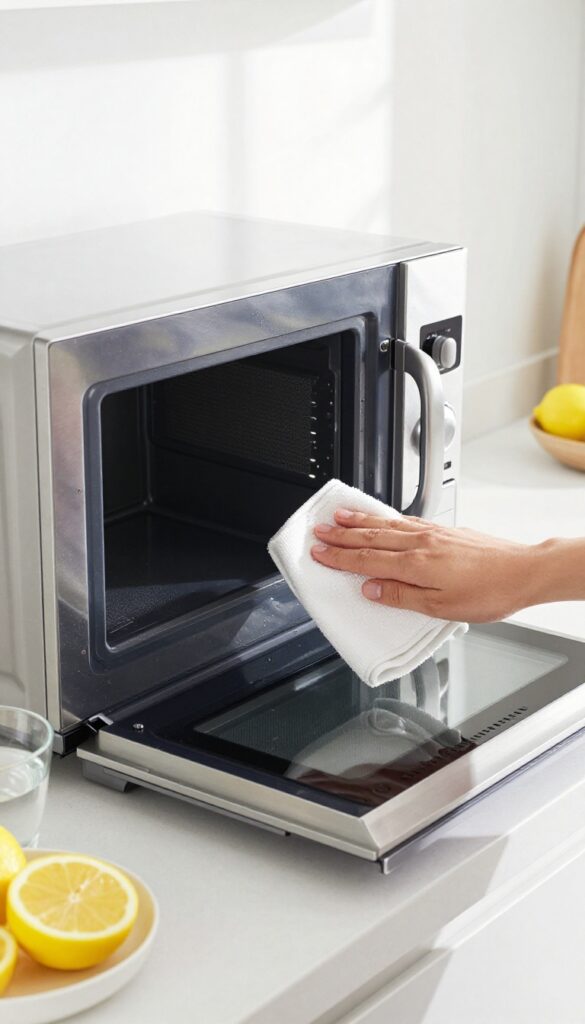
You've put in the work to get your microwave sparkling and fresh. Now the trick is keeping it that way without another deep clean next week. A few simple daily habits can make a huge difference.
The secret is to tackle messes when they happen. A minute of attention after each use prevents grime from baking on and odors from setting in. Think of it as a tiny investment that saves you time and elbow grease later.
Wipe Spills Immediately
The moment your food is done, grab a damp cloth or sponge and quickly wipe any splatters inside the microwave. It takes just seconds because the moisture from cooking has kept the mess soft. If you wait until later, that same spot will be crusty and require scrubbing.
Use A Paper Towel Cover
When reheating foods that tend to pop or splatter—like soups, sauces, or leftovers—place a paper towel over the bowl or plate. It catches most of the mess before it hits the walls. You can even dampen the towel slightly to create steam that helps keep food moist.
Keep A Microwave-safe Bowl Of Water Handy
If you notice a lingering smell or a few dried spots, microwave a bowl of water with a slice of lemon for 2 minutes. The steam loosens any residue and leaves a fresh scent. Doing this once a week as a quick refresh keeps odors at bay.
FAQ
Can I use bleach to clean my microwave?
It's not recommended. Bleach can damage the interior and leave harmful residues. Stick to vinegar, lemon, or baking soda for safe, effective cleaning.
How often should I clean my microwave?
For best results, do a quick wipe-down weekly and a deep clean with steam every month. If you cook messy foods often, clean more frequently.
Why does my microwave smell even after cleaning?
Odors can linger in the vent or rubber seal. Clean the seal with vinegar and run a lemon steam cycle. If the smell persists, check the vent filter.
Is it safe to microwave vinegar?
Yes, white vinegar is safe to microwave. The smell dissipates quickly, and it's a natural disinfectant. Just avoid inhaling the steam directly.
Can I clean the microwave with just water?
Plain water steam helps loosen grime but won't disinfect or deodorize. Adding vinegar or lemon boosts cleaning power and freshness.
Conclusion
A fresh-smelling microwave makes the whole kitchen feel cleaner. Try the lemon method first—it's quick and leaves your microwave smelling bright. Once you've got a routine, you'll never let that burnt popcorn smell linger again.
Pick one trick from this list and give it a go today. Your nose will thank you, and so will anyone else who walks into your kitchen.