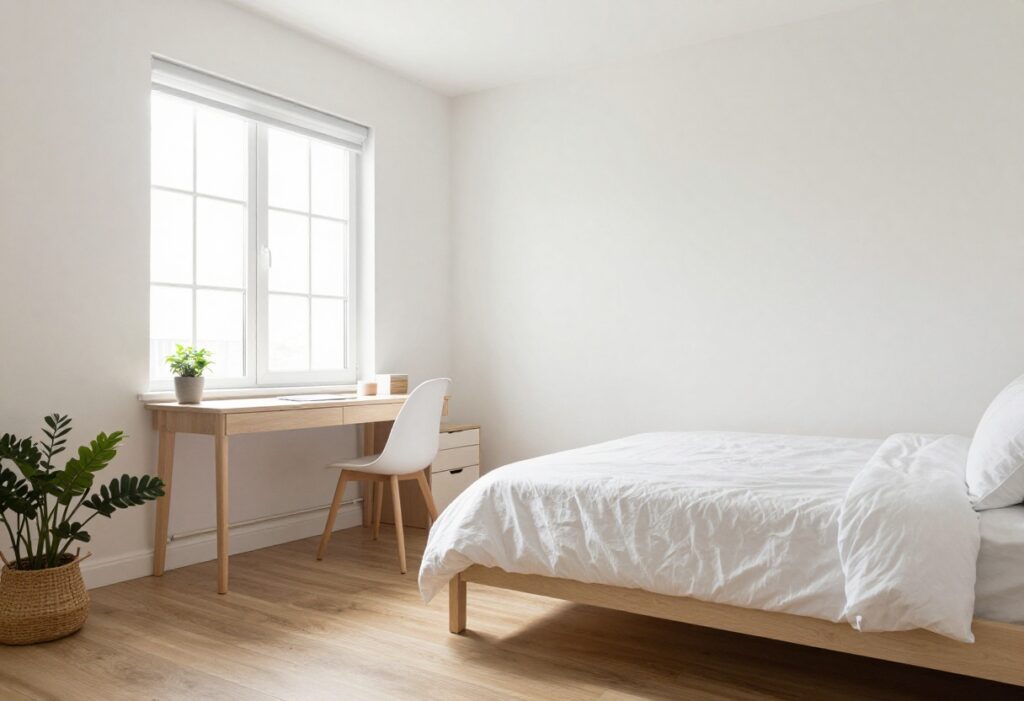
Your bedroom should be a place where you can truly unwind, but clutter and dust can make it feel anything but relaxing. A clean, organized room sets the stage for better sleep and a calmer mind. You don't need to spend hours scrubbing—just a few smart habits can make a big difference.
These 15 tips focus on what actually works, from quick daily wins to deeper weekly resets. Each one is designed to help you reclaim your space without overwhelming your schedule.
Ready to turn your bedroom into a fresh, stress-free retreat? Let's dive in.
1. Strip and Refresh Your Bedding Weekly
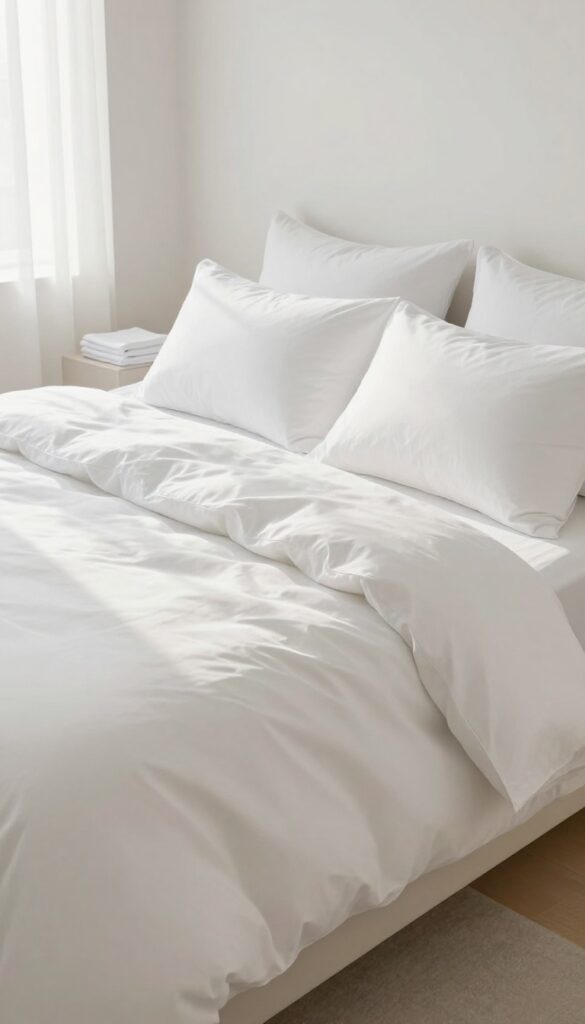
Your sheets take the brunt of nightly sweat, dead skin cells, and dust mites. Washing them weekly in hot water keeps your bed feeling fresh and reduces allergens that can mess with your sleep. It’s a simple habit that makes a huge difference in how your bedroom feels.
Make it easy by keeping a spare set of sheets on hand, so you can swap them out in minutes. Wash in hot water (at least 130°F) to kill dust mites, and use a gentle, fragrance-free detergent if you’re sensitive to scents. Don’t forget pillowcases and duvet covers—they collect just as much grime.
Why Hot Water Matters
Hot water is key for killing dust mites and removing body oils. Cold water won’t cut it. If your fabric care labels allow, always opt for the hottest setting.
The Spare Sheet Trick
Having a second set of sheets makes weekly stripping a breeze. Just swap, toss the dirty ones in the wash, and your bed is fresh in under five minutes.
Pillowcase Priority
Pillowcases touch your face all night, so they need washing even more often. Aim for every three to four days if you have acne or oily skin.
2. Declutter Surfaces Every Evening
Nightstands, dressers, and desks have a way of collecting random odds and ends throughout the day. A quick five-minute reset each evening prevents that pile-up from turning into a weekend chore. When every surface has a clean landing zone, your brain gets the signal that it's time to wind down.
The key is consistency. Set a timer or tie it to an existing habit, like brushing your teeth. Walk around the room with a small basket or your hands, grabbing anything that doesn't belong: water glasses, phone chargers, mail, clothes.
Trash goes in the bin, items go to their homes, and surfaces get a quick wipe if needed. Over time, this ritual becomes automatic and takes less than five minutes.
Why Nightly Decluttering Works
Clutter is visual noise. When your eyes land on a messy nightstand, your brain stays alert, making it harder to fall asleep. Clearing surfaces signals that the day is over and it's time to rest.
Plus, you wake up to a calm, ready-for-the-day room instead of a chaotic one.
What To Clear First
Start with the nightstand since it's the most used surface near your bed. Remove electronics, books, and any cups or plates. Next, hit the dresser and desk.
Focus on obvious trash, items that belong in another room, and things that have been sitting there for more than a day. Keep only essentials like a lamp, a book you're reading, or a glass of water.
Make It A Family Habit
If you share a bedroom, get your partner on board. Make it a quick team effort—one person clears the left side, the other clears the right. For kids' rooms, turn it into a game: see who can clear their surfaces before the song ends.
Consistency is easier when it's a shared ritual.
3. Vacuum Under the Bed and in Corners
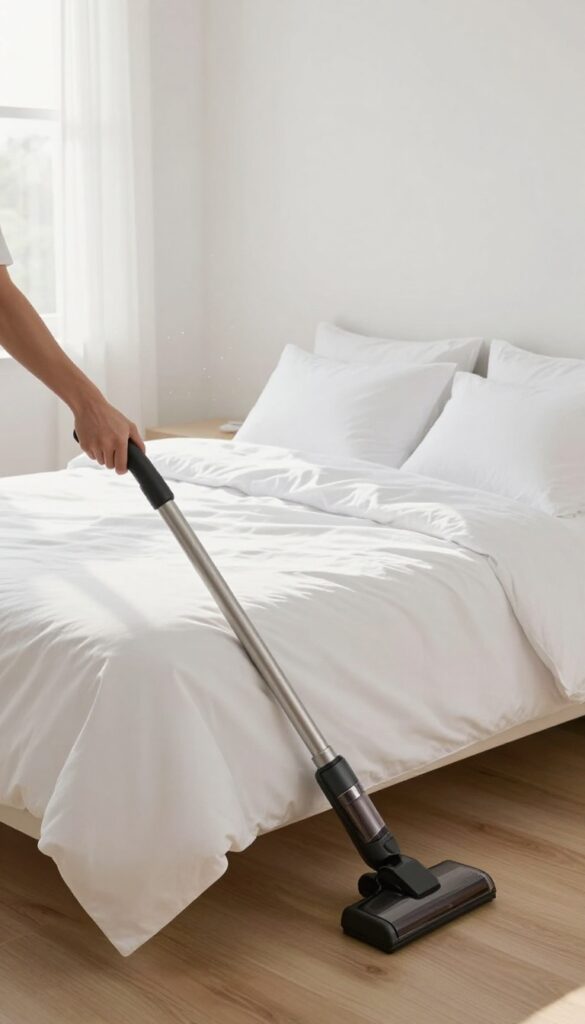
Out of sight shouldn't mean out of mind. The space under your bed and the corners of your room are prime real estate for dust bunnies, pet hair, and forgotten socks. Ignoring them can stir up allergens and make your room feel less fresh.
A quick targeted vacuum makes a big difference.
Use the crevice tool to reach tight spots. Start by pulling the bed away from the wall if you can, or at least lift the dust ruffle. Run the tool along baseboards, behind nightstands, and into every corner.
Don't forget the space under dressers and desks. This takes just a few minutes but dramatically improves air quality and the overall clean feel of the room.
Why Hidden Dust Matters
Dust under the bed isn't just unsightly—it can trigger allergies and disrupt sleep. Those particles get stirred up every time you walk or sit on the bed. Vacuuming these areas weekly keeps allergens low and your retreat truly restful.
Best Tools For The Job
A vacuum with a long crevice tool is your best friend. If your vacuum can't reach, try a microfiber duster on an extendable handle. For pet owners, a rubber squeegee or lint roller can grab stubborn hair from baseboards and corners.
Make It A Quick Habit
Tackle under-bed vacuuming when you change your sheets. That way it becomes part of a routine, not a forgotten chore. Set a timer for two minutes—you'll be surprised how much you can cover.
4. Wipe Down Light Fixtures and Ceiling Fans
Light fixtures and ceiling fans are easy to overlook, but they collect dust just like every other surface. When you flip the switch or turn on the fan, that dust gets kicked into the air—landing on your bed, nightstand, and even in your lungs. A quick wipe-down keeps the air cleaner and your room feeling fresher.
Start With The Fan Blades
Ceiling fan blades are dust magnets. Use a microfiber cloth or a long-handled duster to gently wipe both the top and bottom of each blade. For stubborn grime, a slightly damp cloth works well.
Work in one direction to avoid scattering dust. If you have a pillowcase handy, slip it over the blade and wipe—the dust stays inside the case.
Don't Forget The Light Bulbs And Shades
Dust on light bulbs reduces brightness and can even be a fire hazard. Turn off the fixture and let bulbs cool before wiping with a dry cloth. For glass shades, remove them if possible and wash with warm soapy water.
Let them dry completely before reattaching. This simple step can make your room noticeably brighter.
Make It A Monthly Habit
Set a reminder to clean your light fixtures and ceiling fans once a month. It only takes a few minutes and prevents heavy buildup. If you have high ceilings, an extendable duster with a microfiber head makes the job easy without needing a ladder.
A little regular maintenance keeps your bedroom feeling fresh and dust-free.
5. Organize Your Closet by Category

A cluttered closet can make your whole bedroom feel chaotic. When you open the doors and see a jumble of clothes, it's hard to feel calm. Organizing by category not only makes getting dressed easier but also gives your space a cleaner, more intentional look.
Start by pulling everything out of your closet. Yes, everything. This might feel overwhelming, but it's the only way to see what you actually own.
Sort items into piles: shirts, pants, dresses, jackets, and so on. As you go, be honest about what you wear. If you haven't touched something in a year, it's probably time to let it go.
Donate those pieces to free up space for the clothes you love.
Use Matching Hangers
Once you've sorted and purged, invest in matching hangers. Velvet or slim wooden hangers work well—they save space and keep clothes from slipping off. Uniform hangers instantly make your closet look more polished and organized, even if you're just wearing basics.
Arrange By Frequency Of Use
Place the items you reach for most often at eye level. Store seasonal or occasional pieces on higher shelves or lower racks. This way, your daily routine becomes faster and less frustrating.
You'll also notice what you actually wear, which helps with future shopping decisions.
Add Small Dividers For Accessories
Belts, scarves, and ties can easily become a tangled mess. Use small bins, drawer dividers, or hanging organizers to keep them separate. Even a simple shoe box covered in wrapping paper can work.
When everything has a home, your closet stays tidy longer.
6. Freshen Carpets and Rugs with Baking Soda
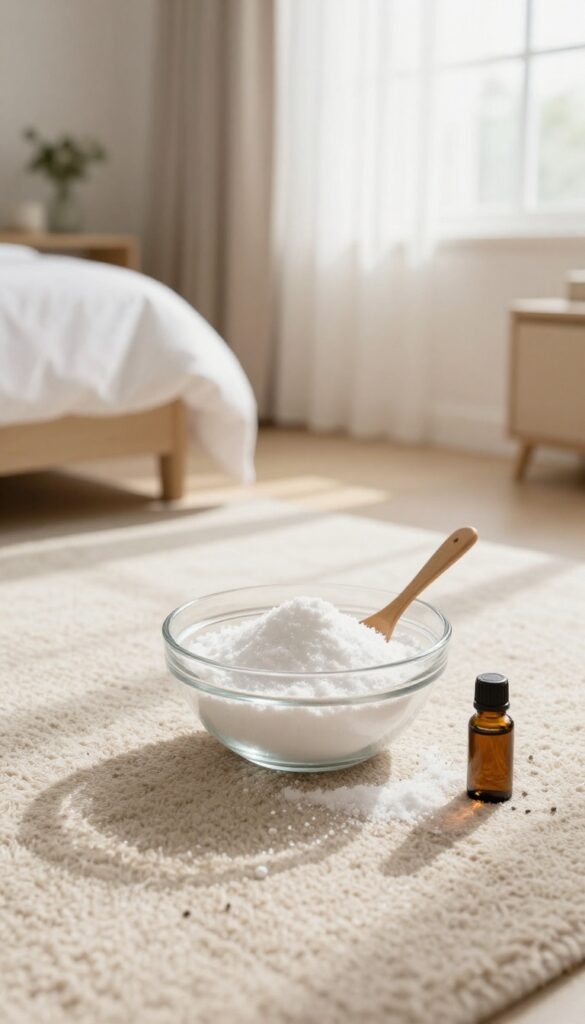
Carpets and rugs can trap odors from pets, shoes, and daily life. Baking soda is a simple, chemical-free way to keep them smelling fresh. This trick works wonders between deep cleans.
Why Baking Soda Works
Baking soda is a natural deodorizer. It absorbs and neutralizes odors rather than just covering them up. It's gentle on fibers and safe for pets and kids.
How To Apply It Right
Sprinkle a generous, even layer over your carpet or rug. Focus on high-traffic areas and spots where pets sleep. Let it sit for at least 15 minutes—longer for stronger odors.
Then vacuum thoroughly, making multiple passes to pick up all the powder.
Boost The Power With Essential Oils
Mix a few drops of lavender or tea tree oil into the baking soda before sprinkling. This adds a light, natural scent and can help with antibacterial properties. Stir well to avoid clumps.
7. Clean Windows and Mirrors Streak-Free
Nothing makes a room feel fresher than sparkling windows and mirrors that let light bounce around. But getting that crystal-clear finish without streaks can be tricky. The right tools and technique make all the difference.
A simple solution of equal parts water and white vinegar works wonders on glass. Use a microfiber cloth—not paper towels, which leave lint. Wipe in an S-pattern from top to bottom, and buff lightly for a flawless shine.
Clean windows let in more natural light, instantly making your bedroom feel larger and more serene.
Choose The Right Cloth
Microfiber is your best friend for streak-free glass. It traps dust and absorbs liquid without leaving fibers behind. Avoid old rags or paper towels, which often cause smears.
Master The S-pattern
Start at the top corner and wipe in a continuous S-shape down the glass. This prevents streaks from forming at the edges. Finish by going over any spots with a dry section of the cloth.
Don't Forget The Frames
Dust the window sills and mirror frames first so grime doesn't transfer onto the clean glass. A quick swipe with a damp cloth keeps everything looking polished.
8. Rotate and Flip Your Mattress
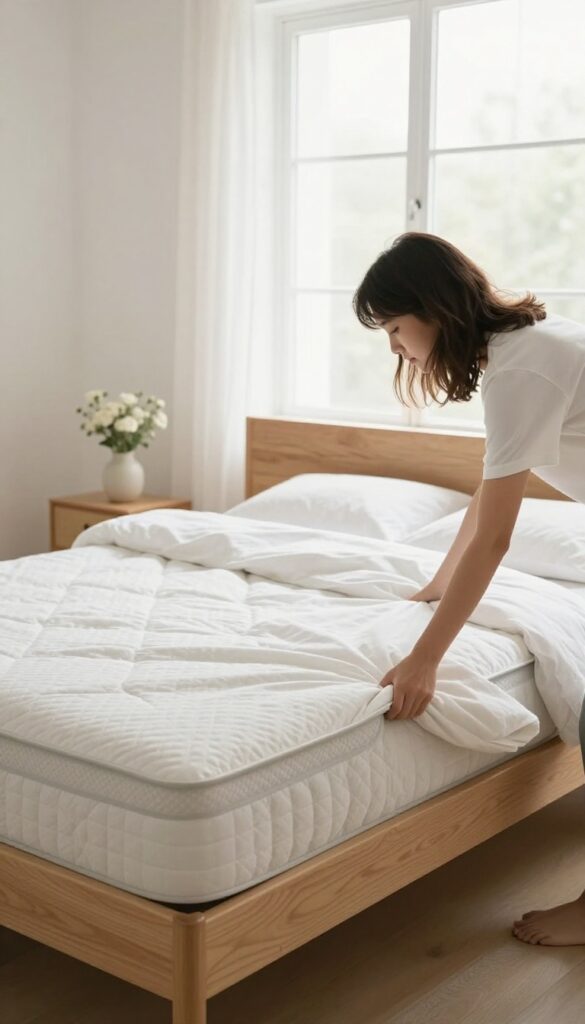
Your mattress works hard every night, so it deserves a little maintenance. Rotating and flipping it every three months prevents uneven wear, sagging, and lumps. This simple habit can extend your mattress's life by years and keep your sleep surface comfortable and supportive.
Set a reminder on your phone or calendar for every three months. For a double-sided mattress, rotate it head-to-foot and flip it over. If your mattress is one-sided, just rotate it.
While you're at it, vacuum the surface and edges to remove dust and allergens. This small effort pays off in better sleep and fewer aches.
Why Rotation Matters
Most mattresses develop indentations over time, especially in the spots where your body rests. Rotating distributes the wear more evenly, so you don't end up with a saggy valley in the middle. It also helps maintain proper spinal alignment, which is key for waking up refreshed.
How To Do It Right
Start by stripping the bed and asking a friend for help—mattresses are heavy and awkward. Rotate the mattress 180 degrees so the head becomes the foot. If it's double-sided, flip it over.
For memory foam or pillow-top mattresses, check the manufacturer's instructions; some are not meant to be flipped.
When To Replace Instead
Even with regular rotation, mattresses eventually wear out. If you notice persistent sagging, lumps, or waking up sore, it might be time for a new one. Most mattresses last 7-10 years.
Rotating just helps you get the most out of that lifespan.
9. Wash Throw Pillows and Blankets Monthly
Those decorative pillows and cozy throws might look great, but they're also magnets for dust, dead skin cells, and allergens. If you rarely wash them, your bed could be harboring more irritants than you realize. A monthly wash keeps them fresh and your bedroom air cleaner.
Check Care Labels First
Before tossing anything in the machine, flip the pillow or blanket over and find the care tag. Some inserts are dry-clean only, while covers might be machine washable. If the tag says "spot clean, " you can still freshen them by airing out in sunlight or using a fabric spray.
Use A Gentle Cycle And Mild Detergent
Wash on a gentle or delicate cycle with cold or warm water to protect fabrics and fillings. Use a mild detergent—skip bleach and fabric softener, which can break down fibers and irritate skin. For extra fluffiness, add a second rinse cycle to remove all soap residue.
Drying Tips: Air Dry Or Low Heat
High heat can shrink covers or melt synthetic fills. Tumble dry on low heat, and toss in a couple of clean tennis balls or dryer balls to keep the filling from clumping. If you prefer air drying, lay flat or hang in a well-ventilated area out of direct sunlight to prevent fading.
10. Dust Electronics and Cords
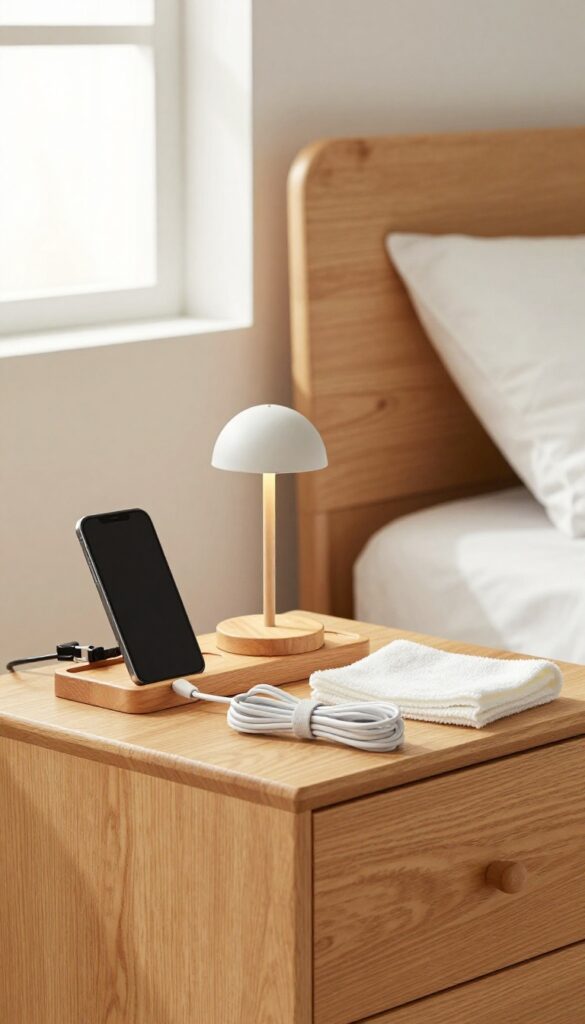
Electronics are dust magnets, and tangled cords can make even a clean room feel messy. Giving your devices and cables a quick wipe-down not only improves air quality but also makes your space look more organized. It's a small task that pays off in both cleanliness and visual calm.
Wipe Down Screens And Surfaces
Use a dry microfiber cloth to gently dust your TV, alarm clock, lamp bases, and any other electronics. Avoid spray cleaners—they can damage screens or leave residue. For stubborn smudges, slightly dampen the cloth with water.
This simple step removes dust that would otherwise circulate in the air.
Untangle And Organize Cords
Cords from chargers, lamps, and devices can quickly become a nest. Unplug everything, then straighten each cord. Use cable clips, velcro ties, or even binder clips to bundle them neatly along desk legs or headboard frames.
Label chargers with small tags so you know which is which. Tidy cords instantly make the room feel more intentional.
Keep Charging Stations Clean
Dust tends to collect around charging ports and power strips. Use a soft brush or a can of compressed air to clear out debris. Wipe down the charging pad or dock with a dry cloth.
A clean charging area prevents overheating and keeps your devices ready to go.
11. Deep Clean Baseboards and Trim
Baseboards and trim are easy to overlook, but they collect a surprising amount of dust and grime. When they're clean, the whole room looks sharper and more polished. This is one of those tasks that takes just a few minutes but makes a visible difference.
Start by dusting or vacuuming the baseboards to remove loose dirt. Then wipe them down with a damp microfiber cloth or a magic eraser for stubborn marks. Pay extra attention to corners and the top edges where dust settles.
For painted trim, a gentle cleaner works best—avoid harsh chemicals that could strip the paint. Make this a monthly habit, and your bedroom will always feel freshly maintained.
Why Baseboards Matter
Baseboards frame your room, so dirty ones stand out. They collect dust from foot traffic, pet dander, and everyday air. Cleaning them regularly prevents buildup that can make a room feel dingy.
Tools That Make It Easy
A microfiber cloth, a duster with an extendable handle, and a magic eraser are all you need. For tight corners, an old toothbrush works wonders. Keep a spray bottle with mild soapy water handy for quick touch-ups.
How Often To Clean
Aim for a thorough wipe-down once a month. If you have pets or live in a dusty area, every two weeks is better. Between deep cleans, a quick dusting with a Swiffer or dry cloth keeps them looking good.
12. Purge Expired Products from Nightstands
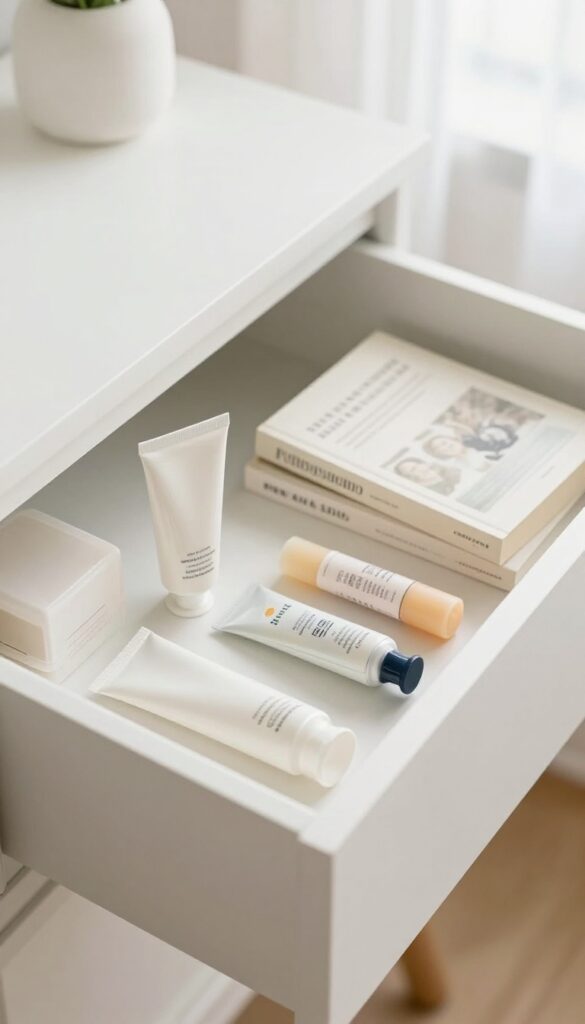
Your nightstand is prime real estate for the things you reach for at bedtime—lotion, lip balm, medication, maybe a book. But over time, these items pile up, and many quietly expire. That half-used tube of hand cream from two winters ago?
Probably not doing your skin any favors. A quick purge clears the clutter and ensures everything within arm's reach is safe and effective.
Check Dates Like A Pro
Pull everything out of your nightstand drawers and shelves. Look for expiration dates on skincare products, eye drops, and over-the-counter meds. Most lotions and balms last 6–12 months after opening—if there's no date, trust your nose.
Anything that smells off, has separated, or changed color goes straight to the trash.
Wipe Down Before Restocking
Once the drawer or shelf is empty, give it a quick wipe with a damp cloth or a gentle cleaner. Dust and product residue build up fast. Let it dry completely before putting anything back.
This small step keeps your nightstand feeling fresh and prevents sticky spots.
Organize What You Keep
Only return items you actually use weekly. Arrange them so the most-used products are easiest to grab—lip balm and hand cream front and center, less frequent items like backup meds toward the back. A small tray or organizer can keep everything from rolling around.
13. Air Out the Room Daily
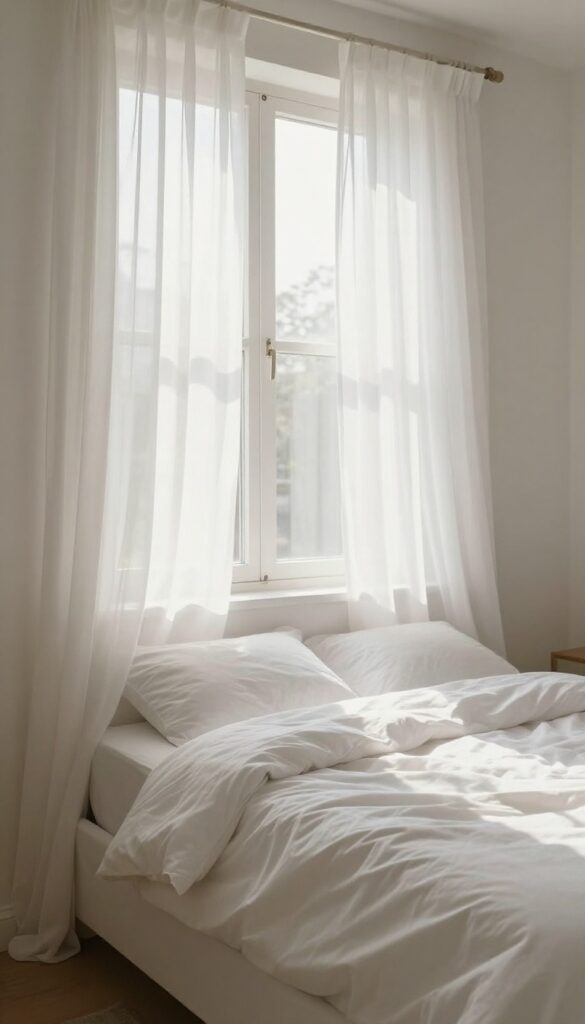
Fresh air is one of the simplest ways to keep your bedroom feeling clean and inviting. Even if you vacuum and dust regularly, stale air can make the space feel stuffy. A quick daily airing clears out odors, reduces humidity, and brings in oxygen—all without any scrubbing.
Opening windows for just five to ten minutes each morning can dramatically improve indoor air quality. This simple habit flushes out volatile organic compounds (VOCs) from furniture, cleaning products, and even your own breath. It also helps regulate moisture, which discourages dust mites and mold.
Make it part of your morning routine: while you make the bed or brush your teeth, crack a window. In colder months, even a brief exchange makes a difference. For best results, open windows on opposite sides of the room to create cross-ventilation.
Why Morning Air Works Best
Early morning air tends to be cooler and less humid, making it ideal for a quick refresh. Pollen counts are often lower at dawn, which is helpful if you have allergies. Plus, starting your day with fresh air can boost your mood and alertness—a win-win for your bedroom and your morning.
Tips For Small Or Windowless Rooms
If your bedroom lacks windows or you live in a high-pollution area, use an air purifier with a HEPA filter to mimic the effect. You can also keep the door open and run a fan to circulate air. Another trick: place a bowl of baking soda or activated charcoal in a corner to absorb odors naturally.
14. Use a Lint Roller on Lampshades
Lampshades are dust and pet hair magnets, but they're often ignored during cleaning. A lint roller is the perfect tool to quickly lift debris without damaging the fabric. Spend just a minute per shade every couple of weeks to keep them looking fresh.
Lampshades collect dust and pet hair quickly, especially if you have furry friends. Using a lint roller is a fast, gentle way to clean them without water or chemicals. It works on fabric, paper, and even some plastic shades.
Simply roll over the surface in overlapping strokes until the adhesive picks up all visible debris. For best results, do this every two weeks or whenever you notice buildup.
Why Lint Rollers Work Best
Lint rollers are designed to grab loose fibers and dust without rubbing them into the fabric. Unlike a damp cloth, they won't leave water spots or cause warping. The adhesive sheets are disposable, so you always have a fresh surface.
This method is especially effective for pleated or textured shades where dust hides in crevices.
How To Clean Different Shade Materials
For fabric shades, use a standard lint roller in short, overlapping strokes. For paper or silk shades, be gentle and avoid pressing too hard to prevent tearing. If the shade is very delicate, test the roller on a hidden spot first.
For plastic or glass shades, a microfiber cloth may be better, but the lint roller still works for quick touch-ups.
When To Replace Or Deep Clean
If your lampshade has stubborn stains or yellowing, a lint roller won't be enough. In that case, consider spot cleaning with a mild soap solution or replacing the shade entirely. Regular lint rolling extends the time between deep cleans, keeping your lampshades looking newer longer.
15. Schedule a Monthly Reset Day
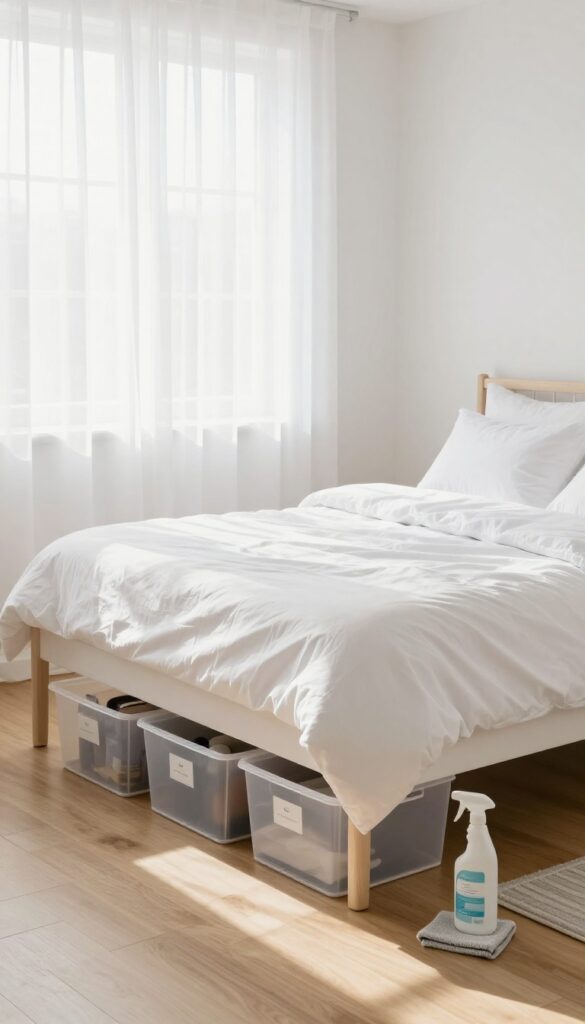
Even with a solid weekly routine, some tasks always fall through the cracks. Curtains need washing, walls get dusty, and that space under the bed turns into a black hole for lost socks and random clutter. A monthly reset day catches everything you normally skip, so your bedroom stays truly fresh—not just surface-level tidy.
Mark one Saturday or Sunday on your calendar each month and dedicate one hour to the deep-cleaning tasks that rarely get done. This isn't a full spring clean; it's a focused sweep of the overlooked areas that accumulate grime and chaos over time. By tackling them regularly, you prevent buildup and keep your retreat feeling genuinely clean.
Wash Curtains And Drapes
Fabrics trap dust, allergens, and odors. Check the care labels—most curtains can go in the washing machine on a gentle cycle. If they're dry-clean only, give them a good shake outdoors or use a lint roller.
Clean curtains instantly brighten the room and improve air quality.
Wipe Down Walls And Trim
Fingerprints, scuffs, and dust settle on walls and baseboards without you noticing. Use a microfiber cloth or a sponge with mild soapy water to wipe down high-touch areas around light switches, door frames, and corners. It takes ten minutes but makes the whole room look fresher.
Organize Under-bed Storage
Under the bed is prime real estate for out-of-season clothes, extra bedding, or items you rarely use. Pull everything out, vacuum the floor, and reassess what belongs there. Use clear bins or labeled boxes so you can find things later without digging.
Vacuum Or Steam Mattress
Your mattress collects dead skin, dust mites, and spills over time. Once a month, strip the bedding and vacuum the entire mattress surface with the upholstery attachment. For deeper freshness, spot-clean stains or use a handheld steamer.
Let it air out before remaking the bed.
FAQ
How often should I deep clean my bedroom?
Aim for a deep clean once a month, focusing on tasks like washing curtains, vacuuming under furniture, and wiping down baseboards. Weekly maintenance keeps it manageable.
What's the best way to remove dust from electronics?
Use a dry microfiber cloth or a soft brush attachment on your vacuum. Avoid liquid cleaners that can damage screens or ports.
Can I use vinegar on all surfaces?
Vinegar is safe for glass, mirrors, and most hard surfaces, but avoid it on natural stone (like marble) and unsealed wood, as it can cause etching.
How do I keep my bedroom smelling fresh without artificial fragrances?
Open windows daily, use baking soda on carpets, and add a few drops of essential oil to a cotton ball placed in a discreet spot. Regularly wash linens too.
What's the quickest way to make my bedroom look cleaner?
Make the bed, clear off nightstands, and fluff pillows. These three actions instantly transform the room's appearance in under five minutes.
Conclusion
A bedroom that feels like a retreat doesn't require a complete overhaul—just a few consistent habits that keep the space calm and clutter-free. Focus on the tips that address your biggest stress points, whether it's making the bed each morning or clearing surfaces before sleep. Start with one or two changes that feel manageable, and build from there.
Over time, these small actions will transform your bedroom into the peaceful sanctuary you deserve. Your mind and body will thank you for the effort.