Keeping a bathroom consistently clean can feel like a never-ending battle. Between busy mornings and tired evenings, it's easy to let grime build up until the weekend becomes a full-on scrub session. But a smarter approach exists: spreading tasks across the week.
A realistic schedule doesn't mean cleaning every single day. It means matching small chores to your natural routine so they become habits rather than burdens. You don't need fancy products or hours of free time—just a plan that works with your life.
These 15 ideas range from five-minute daily touches to deeper weekly tasks. Pick the ones that fit your schedule and watch your bathroom stay fresher with less effort.
1. Daily Sink Wipe-Down
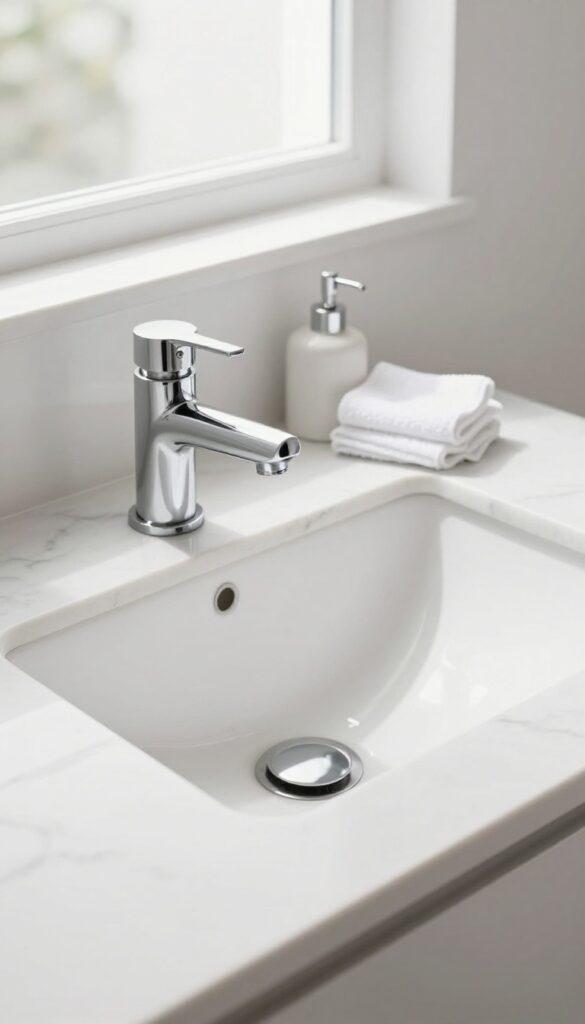
A quick daily sink wipe-down is the easiest win in your bathroom cleaning routine. It takes less than a minute and stops grime from building up. The key is making it a habit tied to something you already do, like brushing your teeth or washing your face.
Keep a microfiber cloth by the sink and give the counter, faucet, and handles a quick wipe after your morning or evening routine. This prevents toothpaste splatters and water spots from hardening. It also keeps the sink area looking presentable for unexpected guests.
Why Microfiber Works Best
Microfiber cloths trap dirt and bacteria without scratching surfaces. They dry quickly, so they don't get musty. Keep a dedicated cloth for the sink and swap it out weekly.
Tie It To Your Routine
Pair the wipe-down with a habit you never skip. For example, while your face moisturizer absorbs, quickly wipe the counter. Or do it right after you rinse your toothbrush.
Consistency matters more than perfection.
What To Wipe
Focus on the faucet handles, the counter around the sink, and the backsplash. Don't forget the soap dispenser base—it collects sticky residue. A quick pass is all it takes.
2. Quick Shower Squeegee After Each Use
A squeegee is one of those bathroom tools that looks simple but delivers big results. Hanging one in your shower and using it for 30 seconds after every rinse keeps glass doors and tiles looking fresh for days. It's a tiny habit that prevents soap scum and hard water stains from setting in, so your weekly deep clean becomes much easier.
Why It Works So Well
Every time you shower, soap residue and minerals from water cling to surfaces. If left to dry, they bond into a stubborn film that requires scrubbing. A quick squeegee swipe removes the water before it evaporates, taking the grime with it.
This single step can cut your weekly cleaning time in half.
Best Technique For Spotless Results
Start at the top corner of the glass or tile and pull the squeegee down in a straight line. Overlap each stroke slightly to avoid streaks. Wipe the blade dry with a microfiber cloth after each pass to prevent water dripping.
For curved surfaces, use a smaller squeegee or a rubber blade on a handle.
Choosing The Right Squeegee
Look for a squeegee with a stainless steel or plastic handle and a replaceable rubber blade. A wall-mounted hook keeps it within reach. Avoid cheap models that leave streaks or rust.
A good one costs under $10 and lasts for months.
3. Nightly Toilet Swish
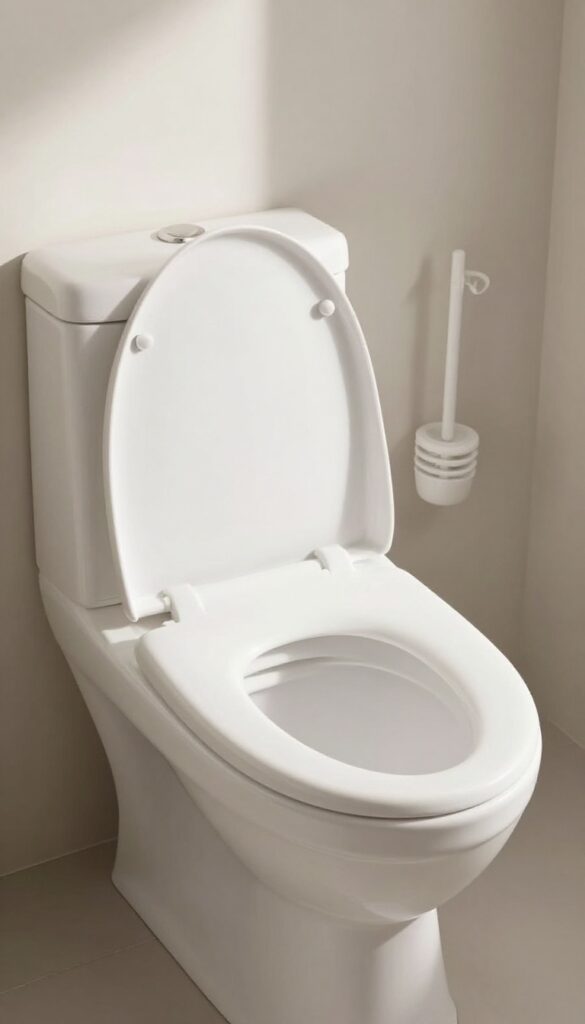
The toilet is one of those spots that can get away from you fast if you ignore it for a few days. A quick nightly swish takes almost no effort and stops stains and smells before they start. This tiny habit makes your weekly deep clean much easier because there's no built-up gunk to scrub off.
Make it part of your bedtime wind-down. Keep a toilet brush in a holder right next to the bowl so you don't have to go digging for it. After you brush your teeth, give the inside of the bowl a quick 10-second swish.
That's it. You don't need to scrub hard—just enough to keep the water moving and prevent deposits from forming. If you prefer tablets, drop one in before bed and let it work overnight.
Either way, you wake up to a fresher bathroom.
Why Nighttime Works Best
The toilet gets used less overnight, so the cleaning solution or swish action has time to work without being flushed away right away. Plus, doing it at night means you start the next day with a clean bowl, which just feels better.
Choosing Your Tool
A standard toilet brush works fine, but a curved one gets under the rim more easily. If you go the tablet route, look for enzyme-based or non-bleach options that are gentler on septic systems and don't damage the toilet components over time.
Making It Stick
Tie the swish to an existing habit like brushing your teeth or washing your face. Leave the brush in plain sight as a visual cue. After a week, it'll feel weird to skip it.
4. Floor Spot-Cleaning Routine
Bathroom floors collect dust, hair, and mystery grime faster than any other surface in the house. Waiting until the weekly deep clean often means dealing with sticky spots and stubborn debris. A quick every-other-day sweep or vacuum keeps the floor looking fresh without any heavy lifting.
Grab a cordless stick vacuum or a small dustpan and brush. Focus on high-traffic zones: around the toilet base, under the vanity, and near the shower entrance. This two-minute task prevents dirt from getting ground into the tiles and makes your weekly mop session way easier.
Why Every Other Day Works
Daily sweeping can feel like overkill, but letting it go for three or four days allows hair and dust to form clumps that are harder to pick up. Every other day strikes the right balance—enough to stay on top of buildup, but not so often that it becomes a chore you dread.
Best Tools For The Job
A cordless stick vacuum with a crevice tool is ideal for reaching corners and along baseboards. If you prefer manual tools, a rubber-bristle dustpan and a small hand broom work great for trapping hair without scattering it.
Quick Spot-cleaning Tips
Keep your vacuum or dustpan in a nearby closet so you can grab it without thinking. After sweeping, give the floor a quick once-over with a microfiber cloth or a Swiffer if you notice any sticky spots. This prevents dirt from baking into the grout.
5. Mirror Mist and Wipe
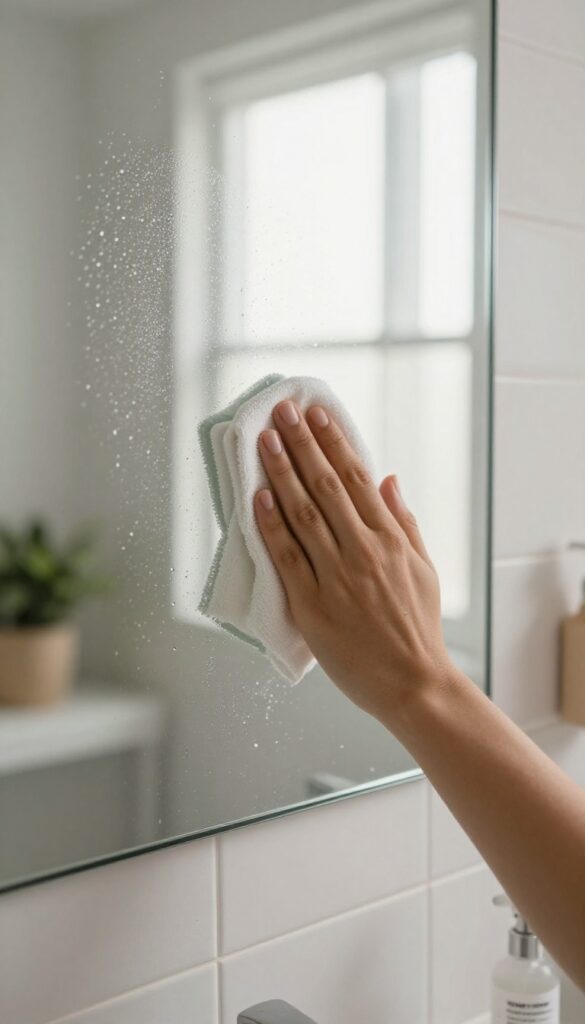
A clean mirror instantly makes the whole bathroom look fresher. But those splashes and smudges seem to reappear minutes after you wipe them. The trick is to make mirror cleaning a quick daily habit instead of a weekly chore.
Spray a glass cleaner on the mirror and wipe it down with a lint-free cloth every morning. This removes splashes and keeps the mirror streak-free for a polished look. It takes less than a minute and sets a bright tone for your day.
Why Morning Works Best
Morning light shows every fingerprint and water spot clearly, so you can target them right away. Plus, after your shower, the mirror is already fogged and any residue is softened. A quick wipe then prevents hard water stains from setting in.
Pick The Right Cloth
Microfiber cloths are ideal because they trap dust and absorb liquid without leaving lint. Avoid paper towels—they can leave tiny fibers that create streaks. Keep a dedicated mirror cloth in the bathroom so it's always handy.
Diy Cleaner Option
Mix equal parts white vinegar and distilled water in a spray bottle for a streak-free, chemical-free cleaner. Add a drop of dish soap to cut through grease from hair products. Shake gently before each use.
6. Weekly Towel Swap
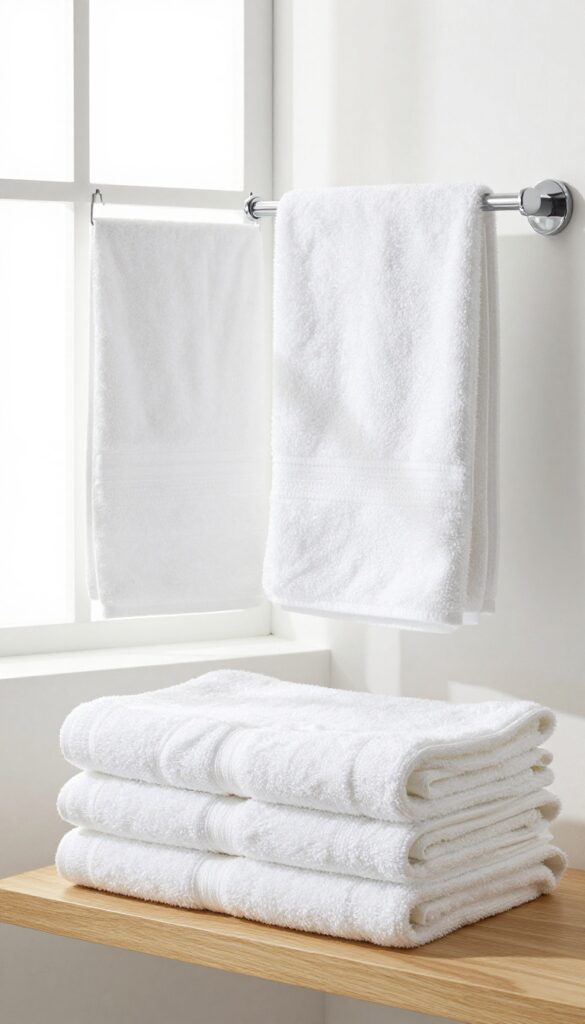
Towels are one of the first things to go from fresh to funky in a bathroom. Damp fabric left hanging for days becomes a breeding ground for bacteria and mildew, which is why a dedicated towel swap day makes such a difference. Picking a consistent day—like Sunday—turns it into a simple routine rather than a forgotten chore.
Designate one day each week to swap out all bathroom towels: hand towels, bath towels, and washcloths. Launder the used set and store the fresh ones so they're ready to go. This habit prevents musty odors, keeps towels fluffy longer, and gives your bathroom that hotel-fresh feel every week.
Why Sunday Works Best
Sunday is a natural reset day for many people. You're already thinking about the week ahead, so adding a towel swap takes just five minutes. Plus, starting Monday with crisp towels sets a clean tone for the whole week.
How Many Towels Do You Need?
Aim for at least two full sets per bathroom—one in use, one in the linen closet. That way you always have a clean backup. If you have guests often, keep an extra set folded and ready.
Quick Laundry Tips For Freshness
Wash towels in hot water with a splash of vinegar or baking soda to kill bacteria and remove buildup. Avoid fabric softener—it coats fibers and reduces absorbency. Dry thoroughly on high heat to keep them fluffy and odor-free.
7. Showerhead and Faucet Descaling
Hard water deposits can turn a sparkling showerhead into a sad, drippy mess. Mineral buildup not only looks unsightly but can also reduce water pressure and affect the performance of your fixtures. The good news?
Descaling is a set-it-and-forget-it task that takes minimal effort.
Once a week, fill a plastic bag with white vinegar, tie it over the showerhead, and let it soak for 30 minutes. For faucets, use a vinegar-soaked cloth to dissolve hard water deposits. This simple habit keeps your fixtures looking like new and ensures a steady, strong water flow.
The Vinegar Soak Method
Grab a sturdy plastic bag, fill it with enough white vinegar to fully submerge the showerhead, and secure it with a rubber band or twist tie. Let it sit for 30 minutes—longer if buildup is heavy. After removing the bag, run the shower for a minute to flush away loosened deposits.
Faucet Descaling With A Cloth
Soak a small cloth or paper towel in white vinegar and wrap it around the faucet spout and handles. Leave it on for 20–30 minutes, then wipe clean. For stubborn spots, use an old toothbrush dipped in vinegar to scrub around the base and aerator.
Preventive Maintenance Tips
To slow down future buildup, wipe down showerheads and faucets with a dry microfiber cloth after each use. If you have extremely hard water, consider installing a water softener or a showerhead filter to reduce mineral content.
8. Grout and Tile Quick Scrub
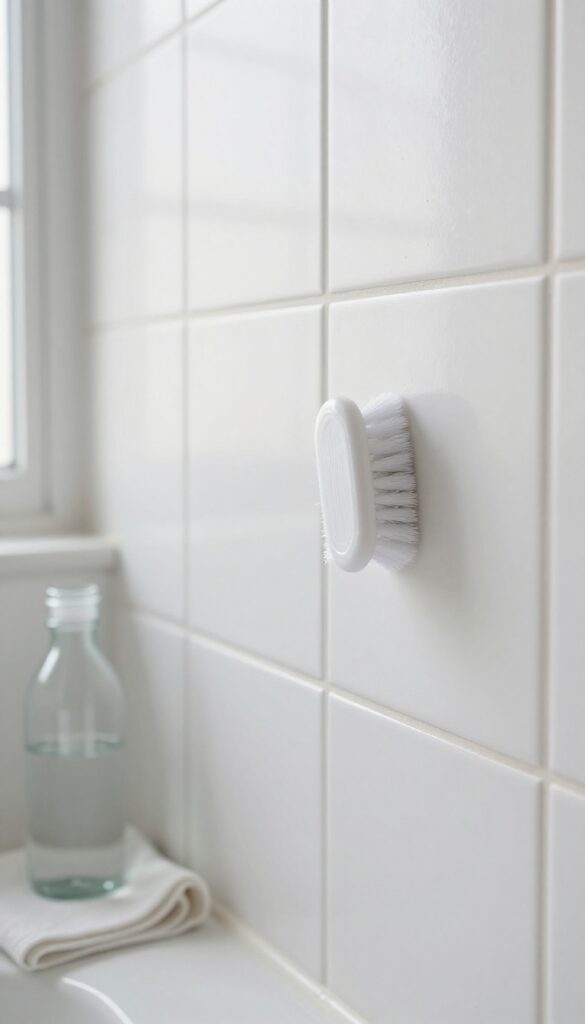
Grout lines and tile corners are prime real estate for mold and mildew, especially in a steamy bathroom. A weekly quick scrub keeps them looking fresh and prevents stubborn stains from setting in. You don't need harsh chemicals—just a small brush and a simple paste.
Mix baking soda with a little water to form a thick paste. Dip an old toothbrush or a grout brush into the paste and scrub along the grout lines and tile corners. Focus on areas near the shower, tub, and sink where moisture lingers.
Rinse with warm water and wipe dry with a cloth. This five-minute task stops mold before it becomes a problem.
Why Focus On Moisture Zones
Mold and mildew thrive in damp, dark spots. By targeting the grout around your shower and bathtub, you're hitting the areas most likely to develop discoloration and odor. A weekly scrub keeps these zones clean without needing a deep clean later.
Tools That Make It Easy
A dedicated grout brush with stiff bristles works best, but an old toothbrush is a great alternative. For larger tile areas, a scrub brush with a handle can save your knees. Keep a small container of baking soda paste handy so you can grab and go.
Prevention Over Cure
A quick scrub each week is much easier than scrubbing heavy mold buildup. After cleaning, spray the grout with a mixture of equal parts water and white vinegar to discourage regrowth. Let it air dry with the bathroom fan on or a window cracked open.
9. Toilet Exterior and Base Wipe
The toilet is one of the most-used fixtures in the bathroom, yet its exterior often gets overlooked during quick cleanings. Dust, splashes, and germs settle on the lid, seat, and base faster than you'd think. A dedicated wipe-down keeps things fresh without much effort.
Why The Base Matters
The area where the toilet meets the floor is a magnet for dust bunnies and grime. A quick swipe with a disinfectant wipe or a damp microfiber cloth prevents buildup and keeps the bathroom looking cleaner overall.
Best Tools For The Job
Disinfectant wipes are convenient for a fast daily touch-up. For a deeper clean, use a spray cleaner and a dedicated toilet cloth or paper towel. Avoid using the same sponge you use on the sink.
How Often To Wipe
Aim for a quick wipe every other day or at least twice a week. If you share the bathroom with others, daily attention might be better. It takes less than a minute and keeps odors and stains at bay.
10. Vanity Organizer Tidy
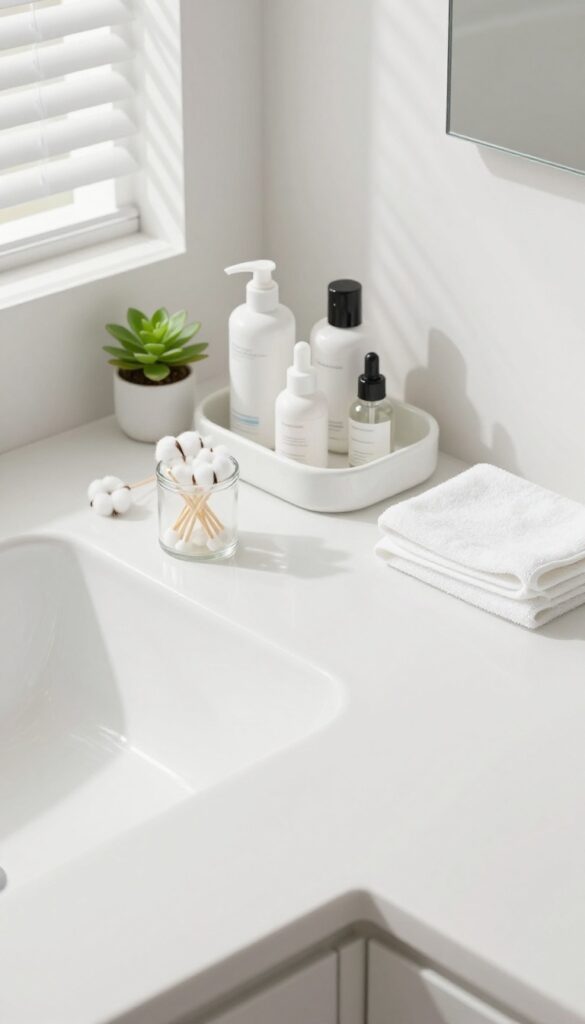
The vanity is where you start and end your day, so when it's cluttered, your whole routine feels off. A quick five-minute reset each week keeps surfaces clear and drawers functional, so you can actually find what you need without digging through half-empty bottles.
A tidy vanity isn't about perfection—it's about making your morning smoother. Once a week, take five minutes to scan the counter and drawers. Return misplaced items to their designated spots, toss empties, and wipe down any spills or dust.
This small habit prevents the dreaded buildup of random products and keeps your space feeling calm.
Declutter The Counter
Start by removing everything from the countertop. Wipe the surface with a damp cloth or gentle cleaner, then only put back what you use daily. Store weekly or occasional products in a drawer or cabinet to keep the counter looking clean and spacious.
Sort Drawers By Category
Group like items together: skincare, haircare, makeup, tools. Use small trays or dividers to keep categories separate. This makes it easier to grab what you need and quickly spot empty bottles or expired products to toss.
Wipe Down Spills And Stains
Check for toothpaste smears, makeup powder spills, or water rings. A quick wipe with a microfiber cloth or disinfecting wipe takes seconds and prevents sticky residue or stains from setting in.
11. Shower Caddy and Shelf Clean
Shower caddies and shelves collect more than just bottles. Soap scum, hard water spots, and sticky residue build up fast, making everything look grimy even after a deep clean. Giving them a quick weekly refresh keeps your shower feeling fresh and your products easy to grab.
Start by removing everything from the caddy or shelves. Rinse the surfaces with warm water and wipe them down with a microfiber cloth or sponge. For stubborn soap scum, a spray of vinegar or a mild cleaner works wonders.
Dry thoroughly to prevent water spots.
Check For Expired Products
While everything is off the shelf, scan each bottle for expiration dates or signs of separation. Old shampoo, conditioner, or body wash can develop off smells or lose effectiveness. Toss anything past its prime to free up space and keep your shower organized.
Rinse Bottle Bottoms
Bottle bottoms often collect a sticky film from soap residue. Give each bottle a quick rinse under warm water and wipe the bottom with a cloth. This prevents that gummy buildup from transferring back to your clean caddy or shelf.
12. Trash Can Deep Clean
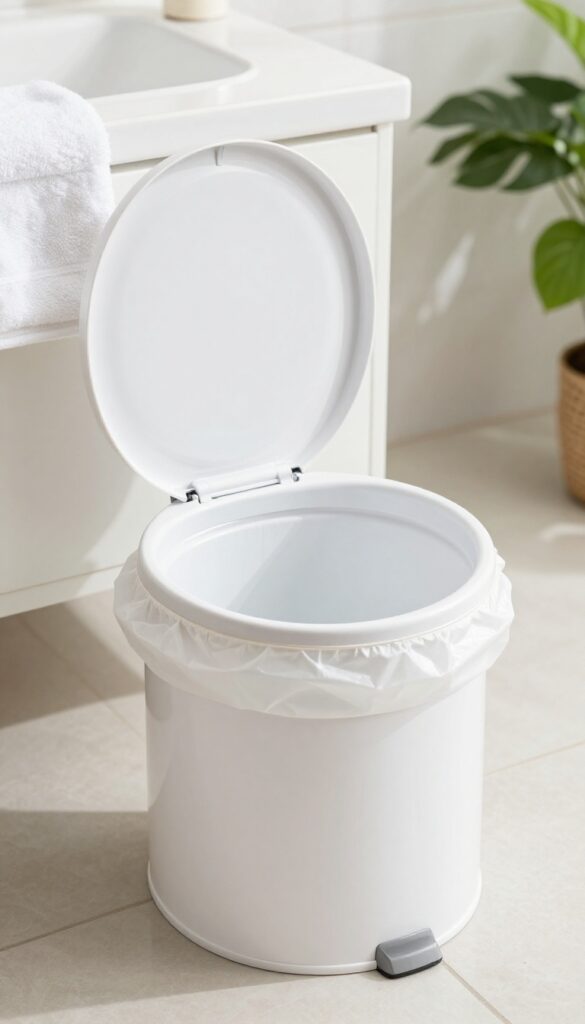
The bathroom trash can is one of those items that gets used daily but cleaned rarely. Over time, drips from discarded products, damp tissues, and general grime can turn the inside into a breeding ground for odors and bacteria. A quick spray and wipe every couple of weeks keeps it fresh and prevents that musty smell from creeping into the room.
Why It Matters
Even with a liner, moisture and small spills can seep through and collect at the bottom. That residue attracts germs and can cause unpleasant smells that linger even after you take out the trash. A deep clean every two weeks eliminates buildup and keeps the can hygienic.
Step-by-step Process
Start by taking the can outside or placing it in a well-ventilated area. Remove the liner and any debris. Spray the entire interior and exterior with a disinfectant cleaner—bleach spray or a vinegar solution works well.
Use a stiff scrub brush to agitate the surfaces, paying extra attention to the bottom rim and corners. Rinse thoroughly with a hose or in the shower, then let it air dry completely before putting in a fresh liner.
How Often To Do It
For most households, a biweekly schedule strikes the right balance. If you have a large family or frequently dispose of wet items like diapers or sanitary products, consider doing it weekly. Monthly is fine for a low-traffic bathroom, but stick to a regular rhythm so it doesn't get forgotten.
13. Vent Fan Dusting
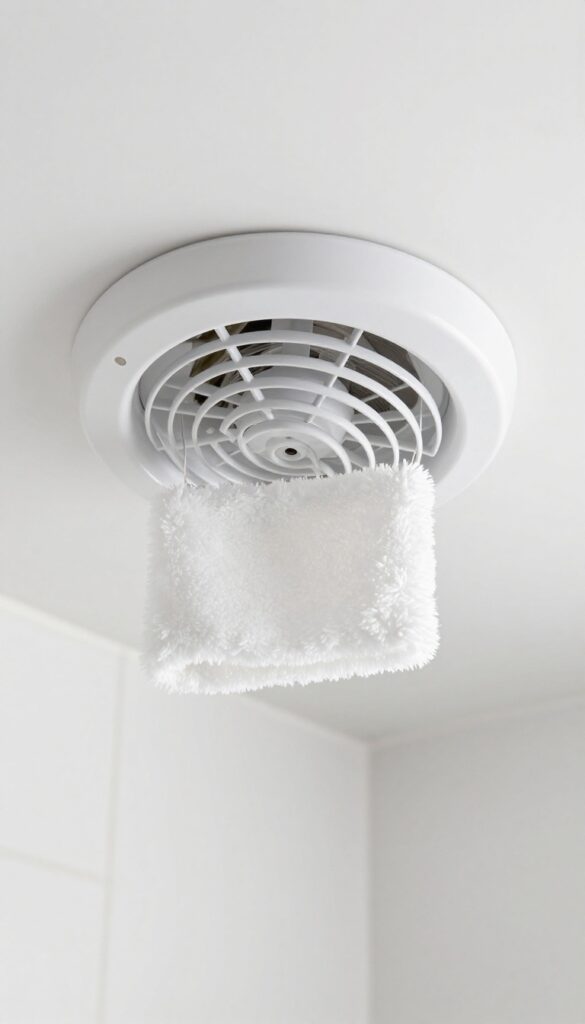
Your bathroom vent fan works hard to pull out moisture and odors, but when its cover gets caked with dust, it struggles to do its job. A dusty fan not only works harder—it can recirculate dust and allergens back into the room. Giving it a quick clean once a week keeps the air moving efficiently and prevents that musty smell from lingering.
Dust buildup on the vent fan cover is easy to ignore because it's out of sight. But over time, that layer of fuzz can reduce airflow, making the fan less effective at clearing steam after a shower. Worse, the fan can become a dust distributor, blowing particles around every time you flip the switch.
A simple weekly dusting keeps it running smoothly and your bathroom air fresher.
What You'll Need
Grab a vacuum with a brush attachment or a microfiber duster. If the cover is really grimy, you might also want a damp cloth and a mild cleaner. No special tools required—just something that can reach the slats and dislodge the dust.
How To Do It
First, turn off the fan and let it cool if it's been running. Use the brush attachment on your vacuum to gently sweep across the cover, focusing on the slats where dust collects. If you prefer a duster, a microfiber one will trap the dust rather than just pushing it around.
For stubborn buildup, wipe the cover with a damp cloth and let it dry before turning the fan back on.
When To Do It
Tackle this task once a week, ideally on the same day you do other quick bathroom chores. A good time is after your weekly deep clean or on a low-moisture day when the fan hasn't been running. Consistency prevents the dust from turning into a thick, stubborn layer.
14. Cabinet and Drawer Wipe-Down
Bathroom cabinets and drawers are prime real estate for dust, hair, and product spills. Over time, that sticky residue can make your storage feel grimy even when the surfaces look clean. A weekly wipe-down of just one compartment keeps things fresh without overwhelming your schedule.
Pick one cabinet or drawer each week—maybe the one under the sink one week, the medicine cabinet the next. Empty it out, toss any expired products or empty bottles, then wipe the interior with a damp microfiber cloth. Let it dry completely before putting items back.
This simple habit prevents buildup and helps you stay organized.
What You'll Need
A damp microfiber cloth or a gentle all-purpose cleaner is all it takes. Avoid harsh chemicals that could damage finishes. If you're tackling sticky residue, a little warm water and mild dish soap works wonders.
How To Stay Consistent
Tie this task to a regular weekly event, like trash night or laundry day. Set a recurring reminder on your phone. After a few weeks, it'll feel automatic—and you'll notice how much cleaner your bathroom stays.
Bonus Organizing Tip
Use small bins or trays inside drawers to group items like hair ties, cotton rounds, and skincare samples. That way, when you wipe down, you can lift the whole organizer out and avoid a messy jumble.
15. Monthly Deep Clean Blitz
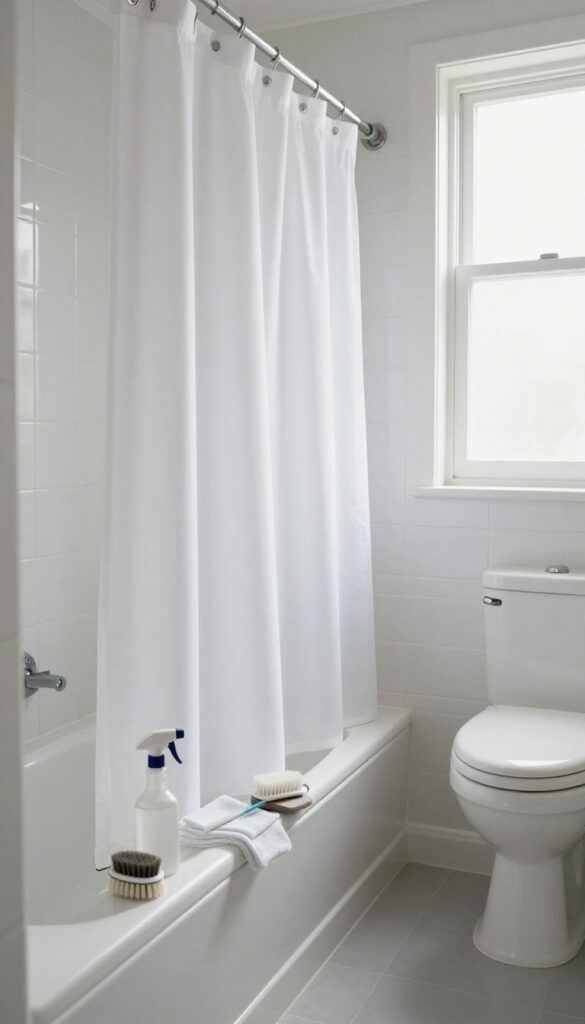
Once a month, set aside just 30 minutes to tackle the tasks that usually get ignored during your weekly routine. This isn't about scrubbing every inch—it's a focused blitz on the spots that collect grime over time. Think of it as a reset button that keeps your bathroom feeling fresh without overwhelming your schedule.
A monthly deep clean blitz targets the areas that weekly cleaning skips. By dedicating half an hour, you prevent buildup from becoming a major project later. This approach works because it's short, specific, and easy to fit into a weekend morning or a quiet evening.
What To Include
Focus on four key tasks: wash the shower curtain or liner, scrub the tub or shower walls, clean behind the toilet, and wipe down baseboards and trim. These spots collect soap scum, dust, and grime that weekly wipes don't catch. Rotate or add other monthly tasks like descaling the showerhead or washing bath mats.
How To Make It Painless
Keep a small caddy with your monthly supplies ready to grab: a spray cleaner, scrub brush, microfiber cloth, and an old towel for behind the toilet. Set a timer for 30 minutes and move quickly from task to task. Don't overthink it—just hit the high-impact areas and stop when the timer goes off.
Why It Works
This blitz prevents deep-seated grime from forming, so your weekly cleaning stays easy. It also gives you a sense of accomplishment without eating up your whole day. Over time, these monthly resets keep your bathroom looking and smelling noticeably cleaner with minimal effort.
FAQ
How often should I deep clean my bathroom?
Aim for a deep clean once a month. This includes tasks like scrubbing grout, washing the shower curtain, and cleaning behind the toilet. Weekly maintenance makes deep cleans much faster.
What's the best way to prevent mold in the bathroom?
Keep the bathroom well-ventilated by running the exhaust fan during and after showers. Wipe down wet surfaces like shower walls and squeegee glass doors. Fix any leaks promptly.
Can I use vinegar on all bathroom surfaces?
Vinegar is great for glass, tile, and chrome, but avoid it on natural stone (like marble or granite) and some sealed surfaces. Test a small area first or use a pH-neutral cleaner instead.
How do I clean a showerhead without removing it?
Fill a plastic bag with white vinegar, secure it over the showerhead with a rubber band, and let it soak for 30 minutes. Then remove the bag and run the water for a minute to flush out debris.
What's the most efficient order to clean a bathroom?
Start from the top: dust light fixtures and vents, then clean mirrors, counters, and sinks. Move to the toilet, then the shower or tub, and finish with the floor. This way, dirt falls onto surfaces you haven't cleaned yet.
Conclusion
A cleaner bathroom doesn't require a marathon cleaning session every weekend. By breaking tasks into small, daily or weekly habits, you can maintain a fresh space with minimal effort. The key is consistency, not perfection.
Start with just two or three ideas that fit your routine, then add more as they become second nature. Your bathroom will thank you, and you'll reclaim time you used to spend scrubbing. A little each day goes a long way.