
Your dog's backyard kennel should be more than just a place to stay—it should be a comfortable retreat that fits your space and your pup's needs. Whether you're building from scratch or upgrading an existing setup, the right shed design can make all the difference in comfort, convenience, and durability.
From insulated options for year-round use to portable sheds that move with you, these nine ideas cover real solutions for everyday dog ownership. Each idea focuses on practical features that solve common problems, like keeping multiple dogs separate, simplifying feeding time, or storing all that gear.
You'll find designs that work for small yards, big budgets, and everything in between.
1. Insulated Shed for Year-Round Comfort
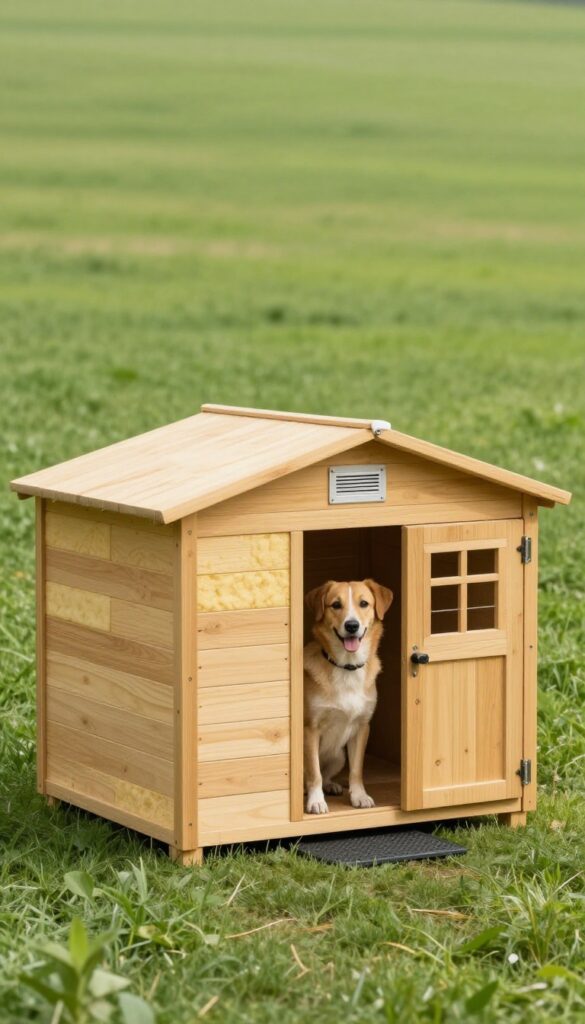
An insulated kennel shed is like a climate-controlled doghouse. By adding foam panels or reflective barriers to the walls and roof, you keep the interior warm in winter and cool in summer. Weatherproof flooring prevents drafts and moisture, making it a cozy retreat no matter the season.
Many dog owners love that it protects their pup from extreme temperatures while still allowing fresh air through a vent or window.
Why It Works
Dogs are sensitive to temperature swings, and an uninsulated shed can become dangerously hot or cold. Insulation stabilizes the interior climate, reducing stress on your dog's body and keeping them comfortable all year. It also lowers energy costs if you add a small heater or fan, since the insulation holds the desired temperature longer.
Best For
This setup is ideal for owners in regions with harsh winters or hot summers, and for dogs that spend several hours a day in the kennel. It's also great for short-haired breeds, senior dogs, or puppies that need extra warmth.
Practical Tip
Use rigid foam insulation boards between the studs, then cover with plywood or PVC panels for a clean look. For the floor, lay rubber mats over a sealed concrete base to add insulation and make cleanup easy. Add a small vent near the roof to let out excess moisture and keep the air fresh.
Budget-Friendly Option
If you're on a tight budget, use reflective bubble insulation (like a car windshield shade) on the inside walls and roof. It's affordable and easy to staple in place. For the floor, a layer of straw or cedar shavings on top of plywood can add warmth without the cost of rubber mats.
2. Multi-Dog Shed with Separate Runs
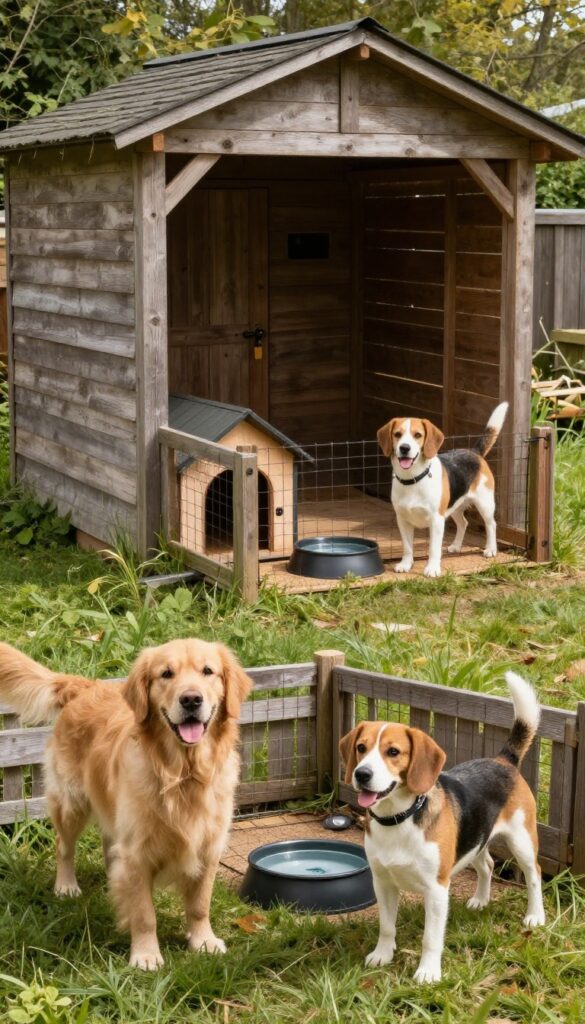
When you have more than one dog, sharing a single kennel space can lead to tension or territorial disputes. A multi-dog shed with separate runs solves this by giving each pup their own private area, complete with individual access points. This setup keeps the peace and gives every dog a safe spot to retreat to.
Why It Works
Divided runs prevent resource guarding and fights over food, toys, or resting spots. Each dog gets their own entrance, so there's no jostling at the door. Sturdy dividers also reduce stress by letting dogs see and smell each other without direct contact, which is especially helpful during introductions or if one dog needs quiet time.
Best For
Households with two or more dogs, especially those with size differences, age gaps, or known personality clashes. It's also great for foster homes that need to keep unfamiliar dogs separate until they're ready to integrate.
Practical Tip
Use removable or adjustable dividers made from heavy-duty wire or solid panels so you can reconfigure the space as your pack changes. Add individual dog houses or raised cots inside each run for comfort, and label each door with your dog's name for easy identification.
Budget-Friendly Option
If a custom shed is out of budget, convert a large prefab garden shed into separate runs using inexpensive wire panels and zip ties. You can also use heavy-duty dog crates inside a single shed as temporary divisions.
3. Shed with Built-In Feeding Station
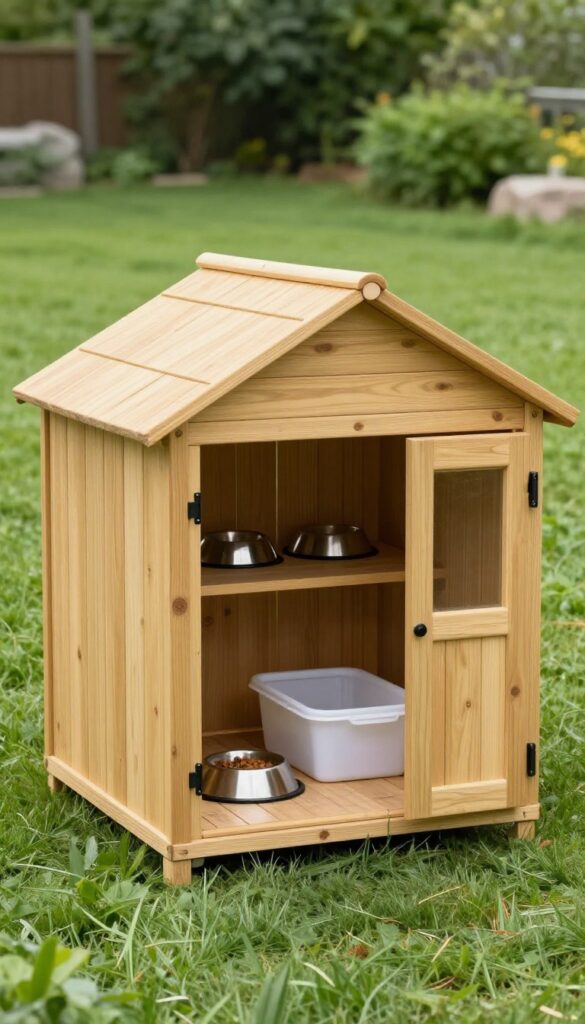
A feeding station built right into the kennel shed keeps mealtime tidy and protected from the elements. No more soggy kibble or bowls blown across the yard—everything stays in one clean, organized spot. This setup is a game-changer for dog owners who want to simplify their daily routine while keeping the space neat.
Why It Works
Having a dedicated counter for bowls and sealed storage bins for food and treats means you can feed your dog without stepping into mud or rain. The built-in design also prevents ants and other pests from getting into the food, and it makes cleanup a breeze since spills stay on the counter instead of the ground.
Best For
This idea is perfect for owners who feed their dogs outside regularly, especially in areas with frequent rain or wind. It also works well for multi-dog households where separate feeding stations help prevent food guarding and keep meal times calm.
Practical Tip
Install the feeding counter at a height that's comfortable for your dog to eat from—usually just below chest level. Use raised bowls for larger breeds to reduce neck strain, and choose stainless steel or ceramic bowls that are easy to clean. Add a small shelf above for treats, medications, or a leash.
Budget-Friendly Option
If you're on a tight budget, repurpose an old outdoor table or bench as the feeding station instead of building a permanent counter. Place it under the shed's overhang for weather protection, and use stackable plastic bins for food storage.
4. Portable Shed on Wheels
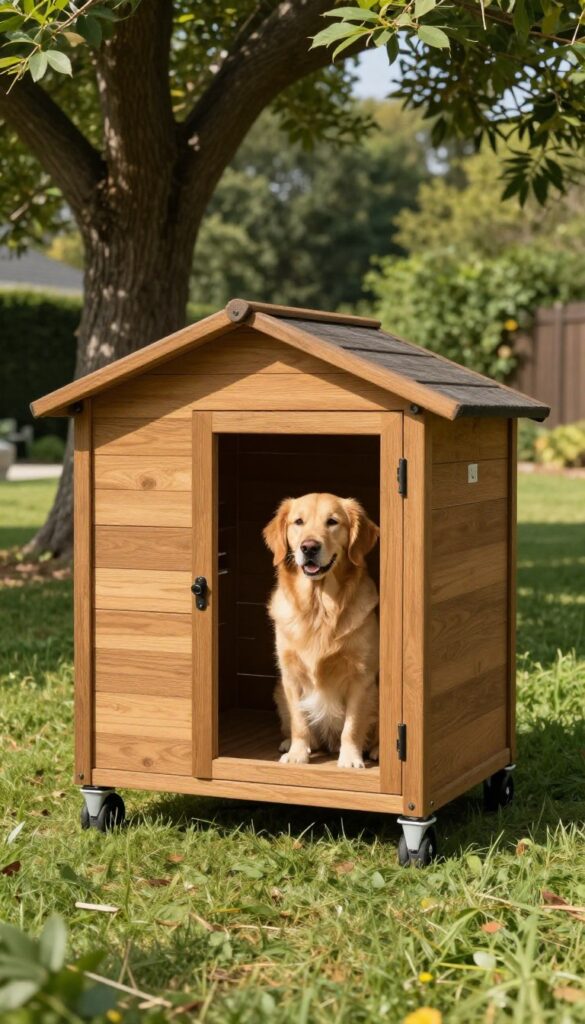
A kennel shed that rolls means your dog can always be comfortable, whether the sun shifts or a storm rolls in. Mounting a lightweight shed on heavy-duty casters lets you chase the shade or shelter with zero effort. It's a simple upgrade that adds huge flexibility to any backyard.
Why It Works
Dogs need temperature regulation, and a stationary shed can trap heat or stay too cold. A wheeled base lets you move the kennel to the best spot—under a tree in summer, against a wall in winter—without rebuilding anything. It also makes cleaning underneath a breeze.
Best For
This idea shines for owners who live in areas with changing weather patterns or have a yard that gets uneven sun. It's also great for renters who want a kennel they can take when they move. Medium to large breeds that spend several hours outside will appreciate the ability to find comfort.
Practical Tip
Choose pneumatic casters (air-filled tires) for rough grass or gravel, and rigid casters for concrete or decking. Lock at least two wheels so the shed doesn't roll during windy days. Keep the floor slightly sloped or add a drain hole so water runs out after rain.
Budget-Friendly Option
Skip the prefab shed and build your own using a salvaged wooden crate or a large plastic storage unit. Add casters from a hardware store (under $20 for a set of four) and reinforce the bottom with a plywood base. It's a weekend project that costs under $50.
5. Shed with Grooming Station
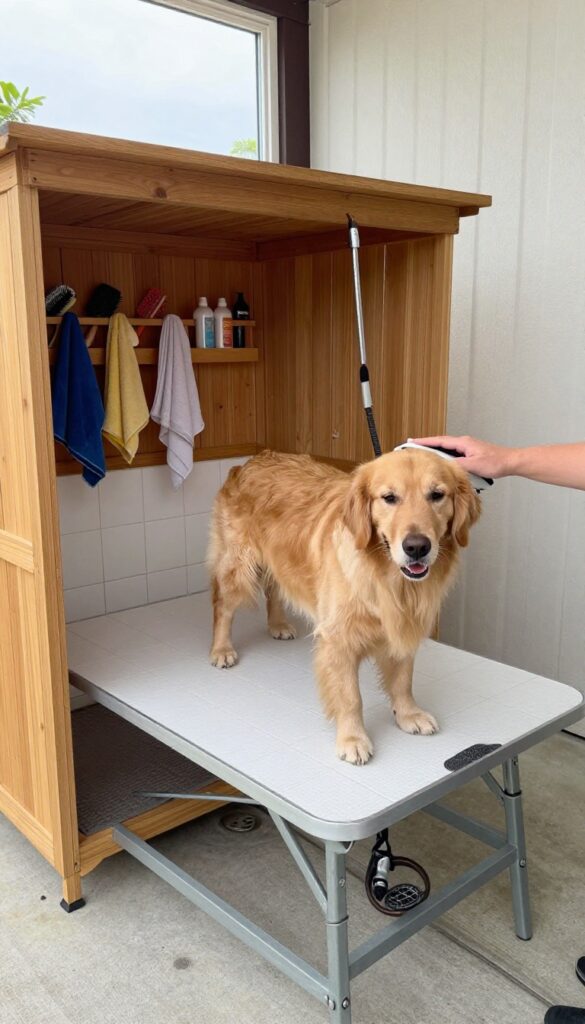
Grooming a dog can get messy, especially when you’re dealing with shedding, muddy paws, or wet fur. By dedicating part of your kennel shed to a grooming station, you keep the dirt and hair outside where it belongs. This setup turns bath time into a quick, convenient task instead of a stressful cleanup inside your home.
Why It Works
A washable floor, like tile or sealed concrete, makes hosing down the area simple. Adding a hose hookup means you don’t have to haul buckets of water, and a sturdy, non-slip grooming table keeps your dog secure while you brush, trim, or bathe them. Everything stays contained in one spot, so your yard and house stay cleaner.
Best For
This idea is perfect for owners of heavy shedders like Huskies or Golden Retrievers, or dogs that love rolling in mud. It’s also great if you have limited indoor space for grooming and want a dedicated area that’s easy to clean.
Practical Tip
Install a drain in the floor so water runs off easily, and use a handheld shower attachment with a hose for rinsing. Mount a wall organizer for brushes, shampoos, and towels to keep everything within reach. Add a non-slip mat on the table to prevent slipping.
Budget-Friendly Option
If a permanent plumbing setup isn’t in your budget, use a large plastic tub for baths and a portable grooming table. A simple folding table covered with a rubber mat works well for brushing and nail trims.
6. Elevated Shed for Airflow
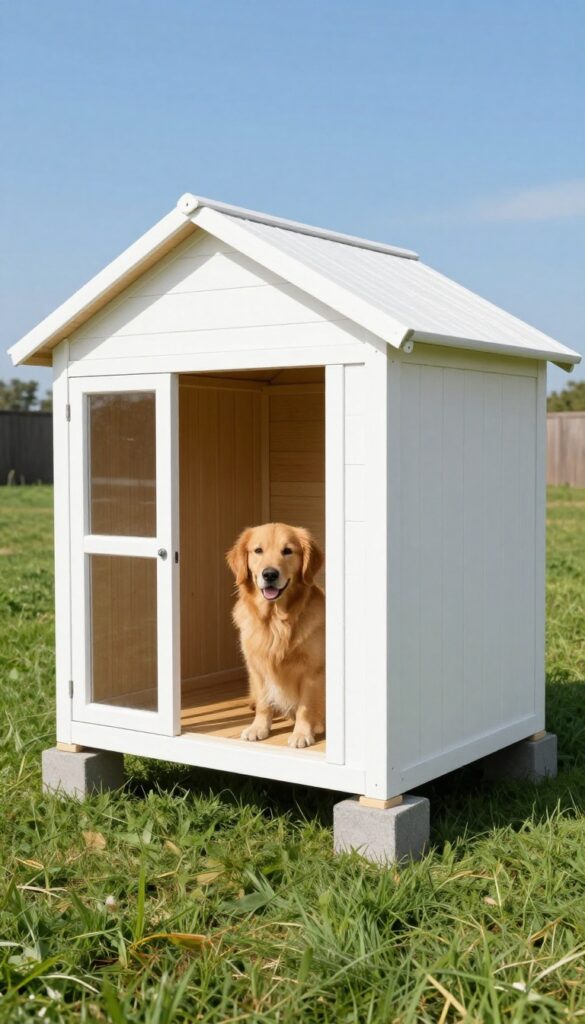
Raising your dog's kennel shed off the ground is a simple change that makes a big difference in comfort. By creating space underneath, you allow air to circulate freely, which helps keep the interior dry and cool. This design is especially popular in warm, humid climates where moisture can quickly become a problem.
Why It Works
Elevating the shed prevents ground moisture from seeping in and encourages airflow through the floor. This reduces humidity, mold, and mildew, making the space healthier and more comfortable for your dog. The open gap also helps keep the shed cooler in summer by allowing heat to escape underneath.
Best For
This setup is ideal for dogs that spend time outdoors in humid or rainy regions, like the southeastern U.S. It's also great for breeds prone to overheating, such as Bulldogs, Pugs, or other flat-faced dogs, since the increased airflow helps regulate temperature.
Practical Tip
Use pressure-treated lumber or concrete blocks to raise the shed at least 6 to 12 inches off the ground. Add a ventilation grate or slatted floor inside to maximize airflow. For extra cooling, place the shed in a shaded spot and paint the roof white to reflect sunlight.
Budget-Friendly Option
Instead of building a custom elevated structure, you can repurpose a wooden pallet as a base. Just make sure it's sturdy, sanded smooth, and treated to resist rot. Cover it with outdoor carpet or a washable mat for a comfortable, budget-friendly floor.
7. Shed with Attached Fenced Run
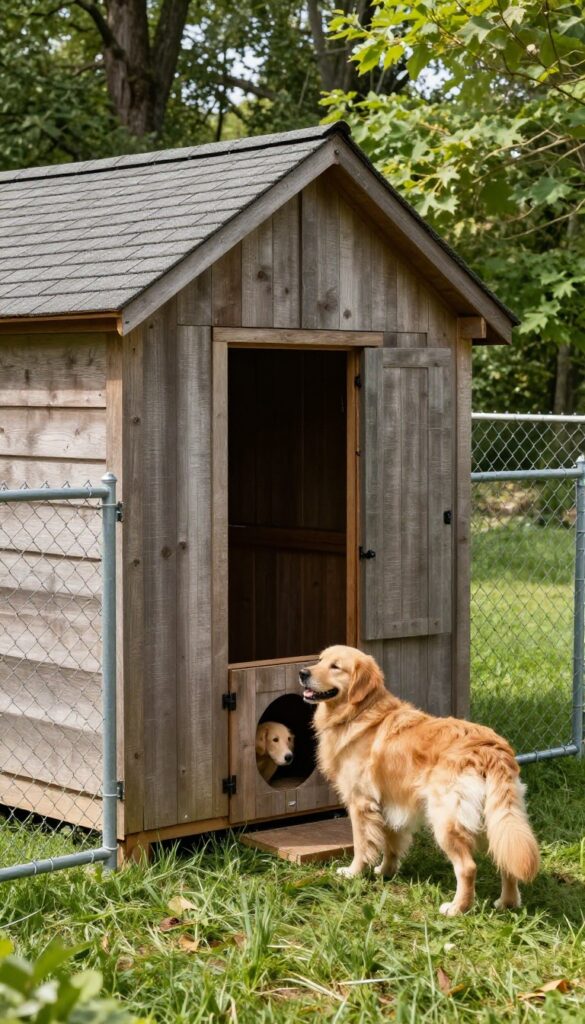
Combining a shed with a fenced run gives your dog the best of both worlds: a cozy shelter and a safe space to stretch their legs. This setup lets them choose between napping indoors or exploring outdoors, all without you needing to supervise every moment. It's a practical solution for busy dog owners who want their pup to have freedom without roaming the whole yard.
Why It Works
Dogs need both protection from the elements and room to move. An attached run provides exercise and mental stimulation, while the shed offers shade, warmth, and a quiet retreat. The direct connection means your dog can self-regulate—going inside when it's too hot or cold, and heading out when they want to play.
Best For
This idea is perfect for active dogs that enjoy spending time outdoors, like retrievers, shepherds, or terriers. It's also great for owners who work long hours or have fenced yards but want a dedicated dog zone that's easy to clean and maintain.
Practical Tip
Use heavy-duty chain link or welded wire for the run, and make sure the gate has a secure latch that's easy for you but impossible for your dog to open. Consider adding a dog door between the shed and run so your pup can come and go freely.
Budget-Friendly Option
If a custom build is out of budget, purchase a prefab garden shed and attach a dog run kit from a hardware store. You can also repurpose an existing dog kennel by connecting it to a small storage shed with a tunnel.
8. DIY Pallet Shed on a Budget
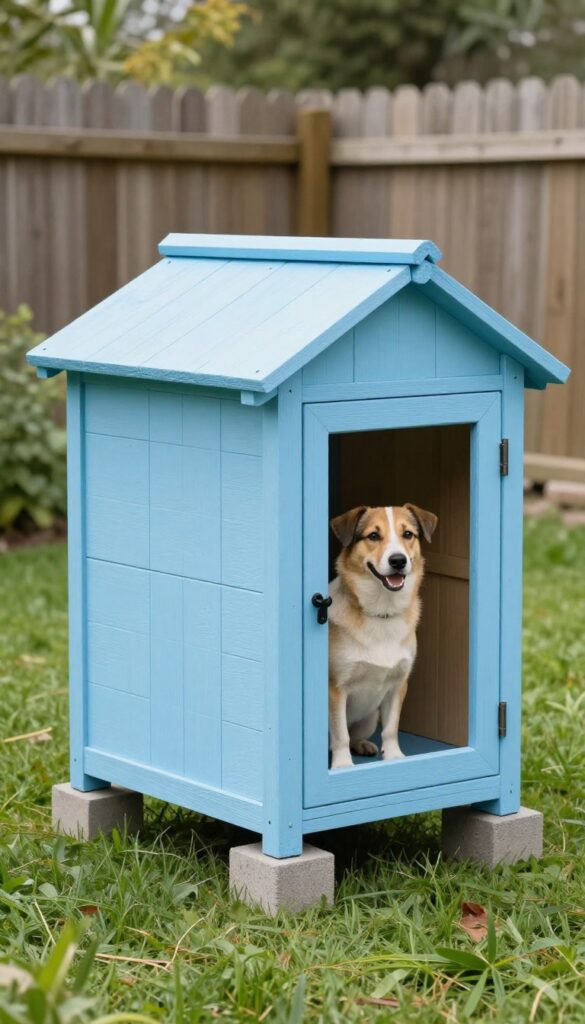
Reclaimed pallets are a goldmine for budget-friendly dog kennel sheds. With some sanding, a waterproof roof, and pet-safe paint, you can build a sturdy shelter that looks great and costs next to nothing. This approach is perfect for DIYers who want a custom space without the custom price tag.
Why It Works
Pallets are free or very cheap, and their wood is naturally durable. By repurposing them, you reduce waste and get a solid structure that can handle weather and wear. Adding a sloped roof and sealing the wood keeps the interior dry and comfortable for your dog.
Best For
This shed is ideal for pet owners on a tight budget who enjoy hands-on projects. It works well for small to medium dogs and fits nicely in a corner of the yard. If you have basic tools and a weekend, this plan is for you.
Practical Tip
Sand all pallet surfaces thoroughly to prevent splinters. Use a nontoxic, pet-safe exterior paint or stain. Add a hinged roof for easy cleaning access, and elevate the shed on bricks or concrete blocks to prevent moisture damage.
Budget-Friendly Option
If pallets aren't available, check Facebook Marketplace or local construction sites for scrap wood. You can also use plywood sheets as a low-cost alternative.
9. Shed with Storage for Dog Gear
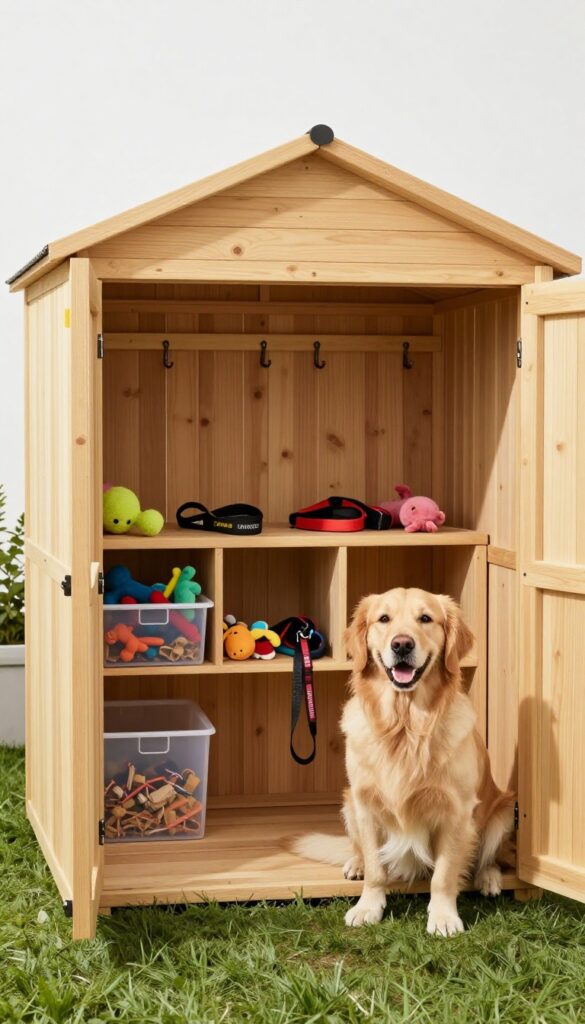
A kennel shed that doubles as a storage hub keeps all your dog's essentials tidy and within arm's reach. By adding shelves, hooks, and bins, you can store leashes, toys, treats, and cleaning supplies right where you need them. This setup cuts down on clutter inside your home and makes daily dog care more efficient.
Why It Works
Dedicated storage means you never have to hunt for a leash or waste time untangling gear. Everything has a place, so you can grab what you need and get back to enjoying time with your pup. It also keeps dirt and odors contained in the shed rather than tracking them indoors.
Best For
This idea is perfect for dog owners with multiple dogs, active pups that go through lots of gear, or anyone tired of tripping over toys and leashes in the house. It also works great for those who board dogs or have frequent canine visitors.
Practical Tip
Install weatherproof shelving and use clear bins with labels so you can see what's inside. Add a row of heavy-duty hooks for hanging leashes and collars, and include a small bin for dirty towels or muddy toys. Keep a cleaning caddy stocked with poop bags, paper towels, and pet-safe disinfectant.
Budget-Friendly Option
Skip expensive shelving units and use a simple pegboard with hooks and baskets instead. Repurpose an old cabinet or bookshelf from your home to keep costs low. Milk crates or stackable plastic bins work just as well as custom storage.
FAQ
What size kennel shed do I need for my dog?
The shed should be large enough for your dog to stand, turn around, and lie down comfortably. Measure your dog's height and length, then add a few feet for extra space.
Can I use a regular garden shed as a dog kennel?
Yes, with modifications like adding ventilation, insulation, and a dog door. Make sure the floor is easy to clean and the materials are pet-safe.
How do I keep the kennel shed cool in summer?
Use reflective roofing, add shade with a tarp or awning, and ensure good airflow with vents or a fan. Insulation also helps keep the interior cooler.
What flooring is best for a dog kennel shed?
Choose durable, waterproof materials like sealed concrete, vinyl, or rubber mats. Avoid wood that can absorb odors and moisture.
Do I need planning permission for a kennel shed?
It depends on your local regulations. Check with your municipality about size limits, setbacks, and whether the shed is considered a permanent structure.
Conclusion
Your dog's backyard kennel can be both a cozy retreat and a stylish addition to your outdoor space. Pick one idea that fits your yard and your pup's personality, then build from there.
A well-designed kennel gives your dog a safe spot to relax and enjoy the fresh air. Start with a simple upgrade and see how much happier your furry friend becomes.

I’m Pallab Kishore, the owner of Little Pets Realm — an animal lover and pet care enthusiast sharing easy tips, healthy recipes, and honest advice to help every small pet live a happy, healthy, tail-wagging life.