
Winter is coming, and your dog deserves a warm place to escape the chill. A good insulated dog house isn't just a luxury—it's a necessity for outdoor pups. But with so many plans out there, it's easy to feel overwhelmed.
You don't need to be a master carpenter to build a cozy shelter. Many designs are simple, affordable, and effective. Whether you're handy with tools or prefer a ready-made solution, we've got you covered.
Let's dive into 11 insulated dog house plans that will keep your four-legged friend toasty even on the coldest nights. Each one is practical, tested, and dog-approved.
1. The Classic Plywood Insulated Dog House
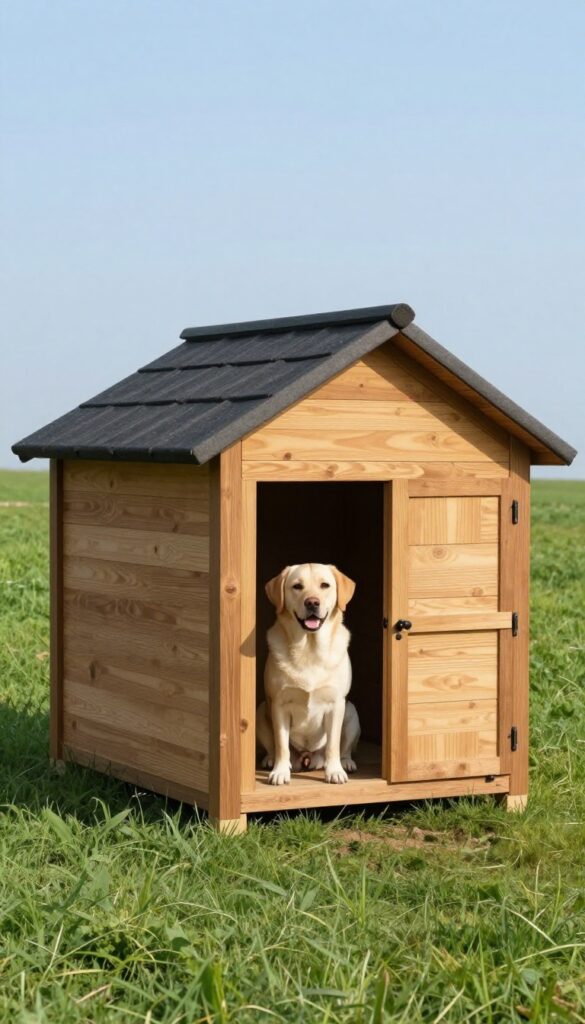
Some designs just never go out of style, and the classic plywood insulated dog house is proof. It's straightforward to build, uses materials you can find at any hardware store, and offers reliable warmth for your pup. The combination of plywood walls and rigid foam insulation creates a solid barrier against cold drafts, while the sloped roof sheds rain and snow easily.
Dog owners love this plan because it's easy to customize. You can adjust the size for your breed, add a removable floor for quick cleanup, or paint it to match your backyard. It's a practical choice that delivers comfort without breaking the bank.
Why It Works
Plywood provides sturdy protection from wind and moisture, while rigid foam insulation traps your dog's body heat inside. The sloped roof prevents snow buildup, and the raised floor keeps cold ground from seeping in. This combination creates a warm, dry environment even when temperatures drop below freezing.
Best For
This design works great for medium to large breeds like Labradors, Golden Retrievers, or German Shepherds who spend time outdoors. It's also ideal for DIYers on a budget who want a reliable shelter without complex carpentry skills.
Practical Tip
Add a weatherproof flap over the doorway to block drafts further—just make sure it's heavy enough not to blow in the wind. For easy maintenance, seal all seams with exterior caulk before painting or staining.
Budget-Friendly Option
If rigid foam is too pricey, use reflective foil insulation (like Reflectix) instead—it'll still help reflect heat back into the house. You can also skip the paint and use exterior-grade plywood that's already treated for weather resistance.
2. The Heated Dog House with Thermostat Control
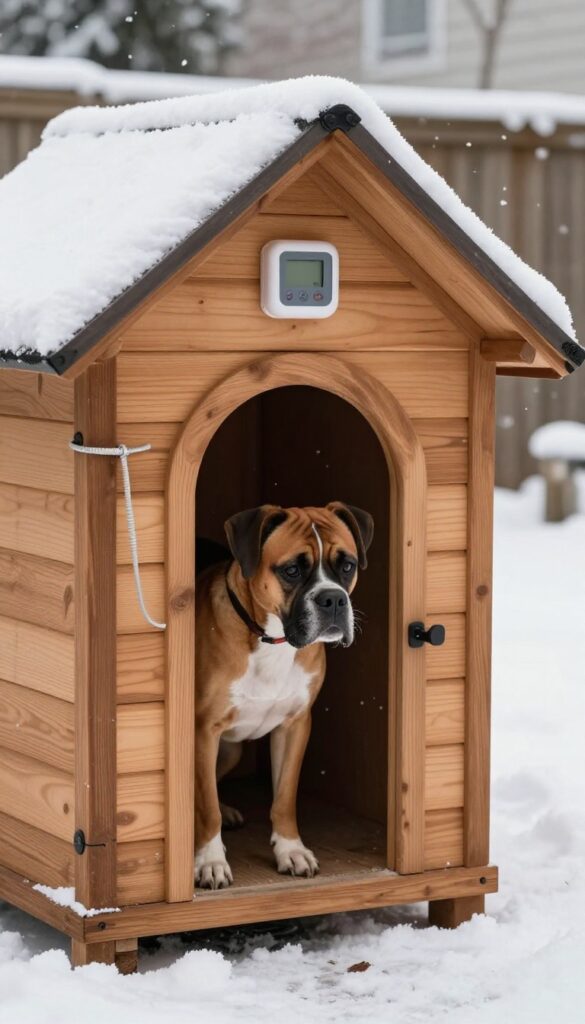
When the temperature really drops, a basic insulated house might not cut it. That's where a heated dog house with thermostat control comes in. This setup uses a built-in heater and smart thermostat to keep the interior at a steady, comfortable temperature no matter what the weather throws at it.
Dog owners love this option because it takes the guesswork out of keeping your pup warm. You set the desired temperature, and the system handles the rest. It's especially popular for dogs that spend a lot of time outdoors or for those living in areas with harsh winters.
Plus, many models include safety features like chew-resistant cords and automatic shut-off, so you can feel good about leaving it on all day.
Why It Works
The thermostat maintains consistent warmth without overheating or wasting energy. Unlike passive insulation that only slows heat loss, active heating ensures your dog stays comfortable even during extreme cold snaps. The temperature control also prevents the house from getting too stuffy, which is important for breeds prone to respiratory issues.
Best For
This is ideal for short-haired breeds like Boxers, Greyhounds, or Chihuahuas that struggle to stay warm in cold weather. It's also perfect for dogs living in climates where temperatures regularly dip below freezing, or for senior dogs with arthritis who need extra warmth to ease joint stiffness.
Practical Tip
Place the dog house in a sheltered spot away from prevailing winds, like against a wall or under an overhang. Elevate it slightly off the ground to prevent moisture from seeping in. Always test the heater before winter sets in, and check cords regularly for any signs of damage from chewing or weather.
3. The Upcycled Plastic Barrel Dog House
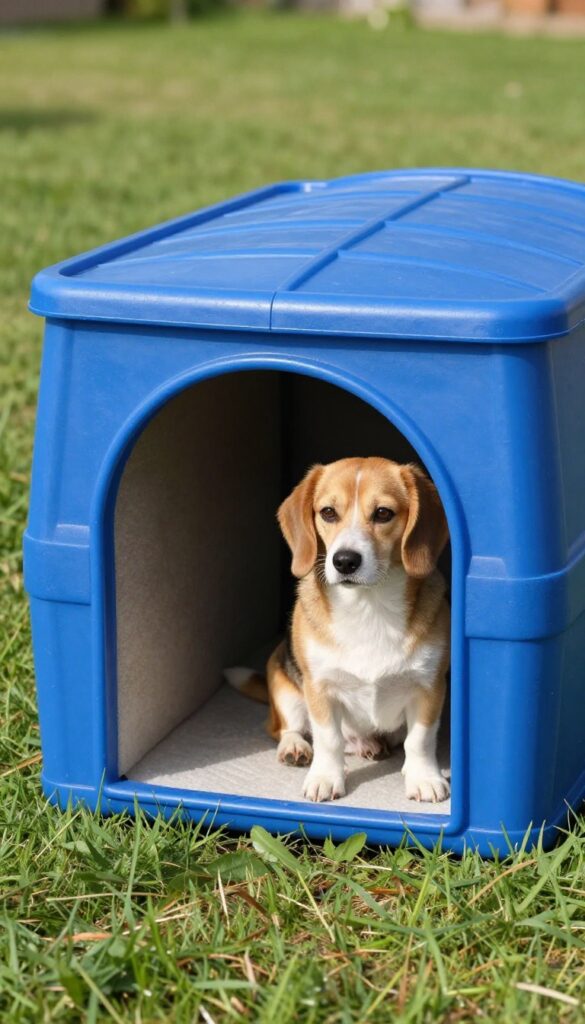
Don't toss that old plastic barrel—turn it into a budget-friendly, insulated dog house instead. This clever idea repurposes a common item into a cozy shelter that's surprisingly effective against cold weather. It's a simple weekend project that won't break the bank.
Why It Works
Plastic barrels are naturally waterproof and durable, so they hold up well outdoors. Adding rigid foam insulation inside traps your dog's body heat, while the round shape minimizes drafts. A raised floor and small door opening further reduce heat loss.
Best For
This design works best for small to medium dogs, like beagles or corgis. It's ideal for pet owners on a tight budget who still want a warm, dry shelter. The compact size also suits smaller yards or temporary setups.
Practical Tip
Cut the door on one of the flat ends, not the curved side, to make entry easier. Line the interior with foam board and cover it with heavy-duty vinyl for easy cleaning. Add straw or a washable bed inside for extra comfort.
4. The Double-Wall Insulated Dog House
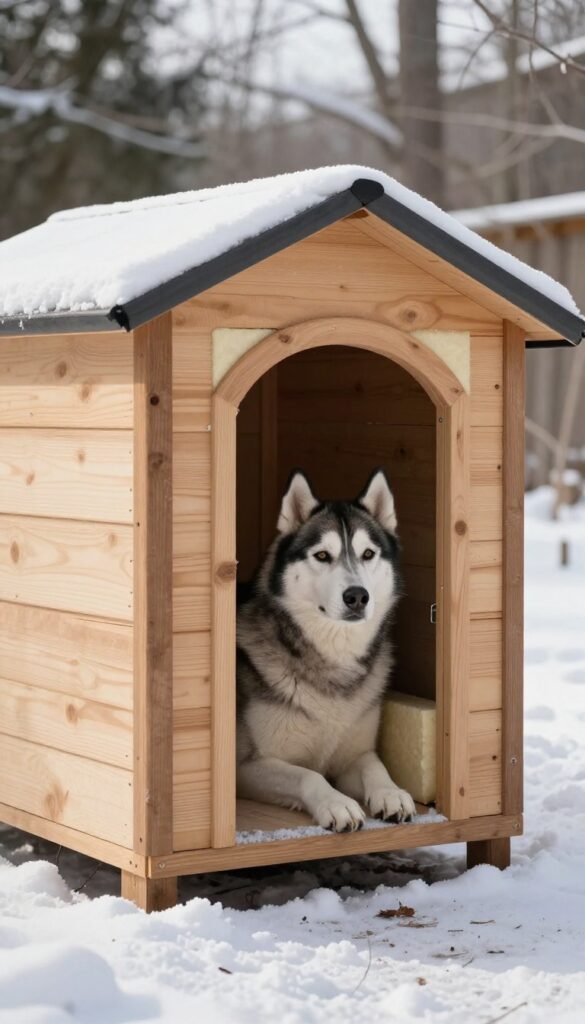
If you want the gold standard in cold-weather dog houses, go with a double-wall design. This build uses two layers of wood with rigid foam or fiberglass insulation sandwiched between them. The result is a sturdy, thermally efficient shelter that keeps warmth in and drafts out.
It’s a favorite among DIYers who want maximum protection without sacrificing durability.
Why It Works
The double-wall construction creates a thermal break that prevents heat transfer through the walls. Unlike single-wall houses, this design maintains a stable interior temperature even when the wind howls or snow piles up. Plus, the thick walls provide excellent soundproofing and structural strength, so large dogs can lean or scratch without damaging the house.
Best For
This plan is ideal for large breeds like Huskies, German Shepherds, or Labrador Retrievers that need extra space and robust shelter. It’s also perfect for owners in harsh climates where temperatures regularly drop below freezing and wind chill is a real threat.
Practical Tip
Use pressure-treated plywood for the outer layer to resist moisture and rot. For the inner layer, choose smooth sanded plywood so it’s easy to clean. Add a hinged roof for quick access to change bedding or inspect insulation.
Seal all seams with exterior caulk to prevent drafts.
Budget-Friendly Option
If cost is a concern, replace rigid foam insulation with reflective foil bubble wrap (often sold as radiant barrier). It’s cheaper and still offers decent thermal protection. You can also use reclaimed wood siding for the outer layer to cut material costs.
5. The Portable Insulated Dog Tent
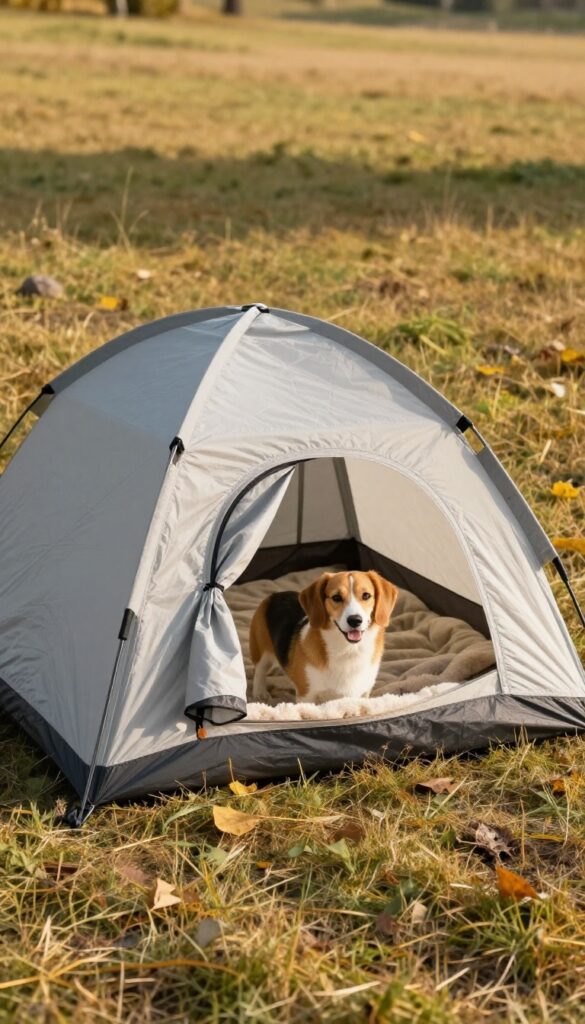
Not every cold-weather situation calls for a permanent structure. Sometimes you need a warm spot that can move with you—whether you're camping, visiting friends, or just want a temporary outdoor shelter. That's where an insulated dog tent shines.
It's lightweight, foldable, and surprisingly cozy.
These tents use layered insulation to trap heat while staying breathable. They're easy to set up in minutes and pack down small for storage. Dog owners love them for their versatility: use it on the patio, at the campground, or even indoors as a draft-free sleeping nook.
Why It Works
The key is the insulation sandwiched between durable fabric walls. Reflective layers bounce your dog's body heat back inward, while the waterproof outer shell blocks wind and moisture. Many models also have a raised floor to keep your pup off cold ground.
It's simple physics that works.
Best For
Perfect for active dog owners who travel or camp with their pup. Also great for apartment dwellers who want an outdoor option that can be stored away easily. Best suited for small to medium breeds under 50 pounds.
Practical Tip
Place the tent in a sheltered spot away from direct wind. Add a thick fleece blanket or self-warming mat inside for extra insulation. Always stake it down if using outdoors—even lightweight tents can shift in gusts.
Budget-Friendly Option
DIY version: sew your own tent using a pop-up canopy frame and add reflective insulation panels (like Reflectix) between the layers. Use heavy-duty vinyl for the outer shell and add Velcro closures for the door.
6. The Elevated Insulated Dog House
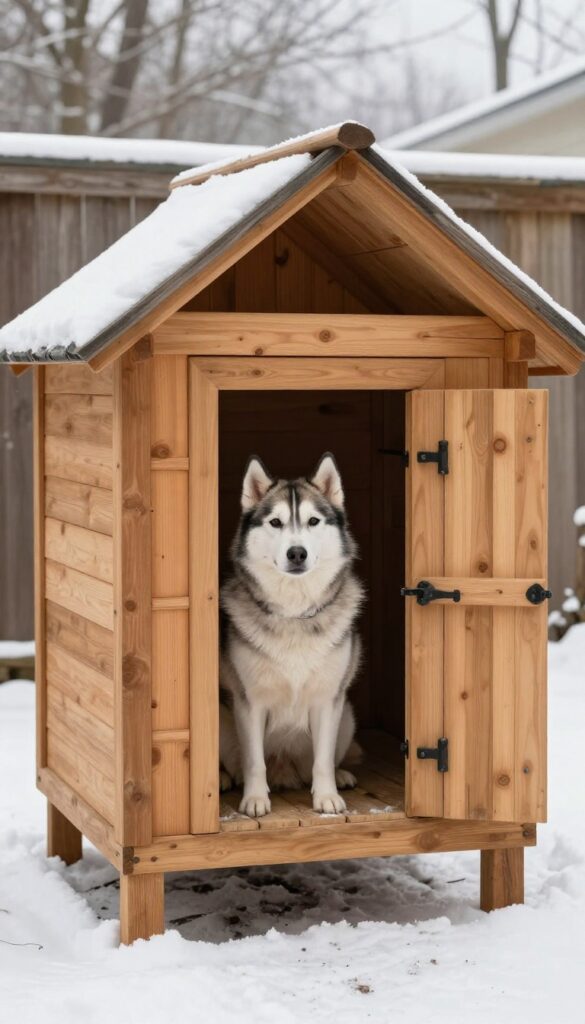
Cold ground can zap warmth right out of a dog house. An elevated design lifts the sleeping area off the chilly earth, adding a layer of protection. This style combines insulation with airflow underneath to keep your pup dry and cozy.
Why It Works
Raising the house prevents cold from seeping through the floor, while insulated walls and a windproof door flap trap body heat. The air gap underneath also reduces moisture buildup, making it ideal for damp or snowy climates.
Best For
Perfect for dogs who sleep outdoors in cold, wet, or snowy regions. Great for medium to large breeds that need extra floor insulation and protection from ground chill.
Practical Tip
Place the house on a flat, slightly elevated surface like pavers or gravel to keep it stable and promote drainage. Add a thick, washable bed inside for extra warmth and easy cleaning.
Budget-Friendly Option
Skip the custom build by repurposing an old wooden pallet as a base. Just add weatherproof legs and insulate with foam board for a low-cost elevated option.
7. The Solar-Powered Heated Dog House
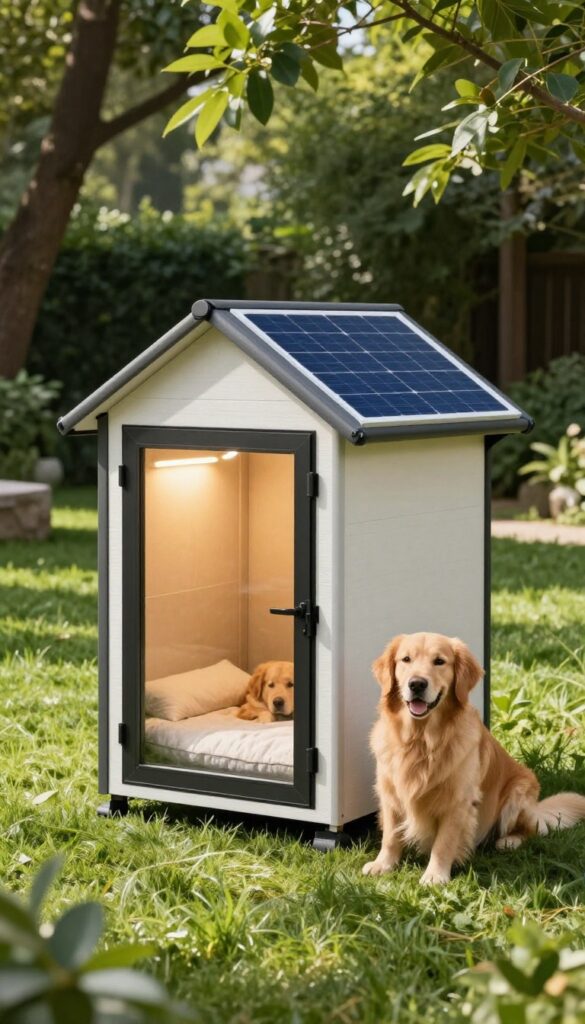
Harness the sun's energy to keep your pup warm without spiking your electric bill. This design uses solar panels to power a small heater and LED light, making it both eco-friendly and cost-effective. It's a smart choice for sunny climates where traditional heating might be overkill.
Why It Works
Solar panels capture free energy during the day, storing it in a battery to run a low-wattage heater at night. The insulation keeps the warmth inside, while the LED light adds visibility for your dog. It's a self-sufficient system that reduces your carbon pawprint.
Best For
Best for dog owners in sunny regions who want an off-grid solution. Perfect for pups that spend lots of time outdoors but need a cozy retreat during chilly evenings.
Practical Tip
Place the solar panel facing south (in the Northern Hemisphere) with no shade from trees or buildings. Use a thermostat-controlled heater to avoid overheating. Clean the panel monthly for maximum efficiency.
8. The Insulated Dog House with Porch
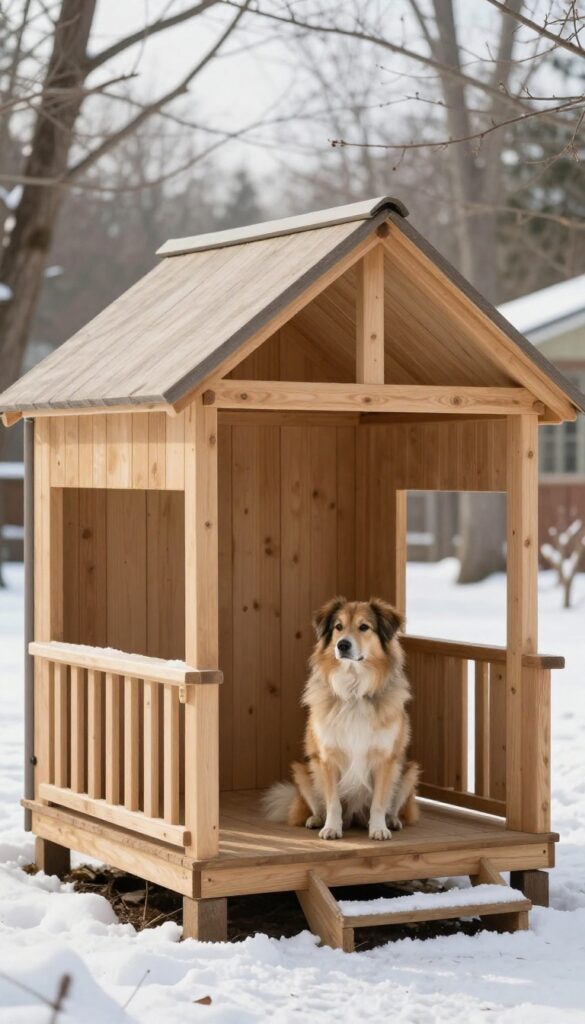
Some dogs love being outside but still want a warm spot to retreat. This plan gives them the best of both worlds: a covered porch for lounging and an insulated sleeping area for deep cold. It's like a tiny cabin with a front deck—practical and charming.
The porch keeps rain and snow off while letting fresh air in. The sleeping chamber stays draft-free with insulated walls and a raised floor. Owners appreciate how easy it is to clean, and dogs love having options.
For pups that like to watch the yard without being fully exposed, this design hits the sweet spot between outdoor access and cozy warmth.
Why It Works
The porch acts as a buffer zone, reducing heat loss from the main door while giving your dog a dry place to sit or lie down. The insulated core holds body heat effectively, even in subzero temps. A removable flap on the interior door adds extra protection.
Best For
Perfect for medium to large breeds that enjoy spending time outdoors but need a warm refuge. Great for dogs that like to keep an eye on their territory from a sheltered spot. Also works well for multi-dog households where one pup wants quiet time.
Practical Tip
Orient the porch away from prevailing winter winds. Use outdoor-grade plywood and seal all seams with caulk to prevent drafts. Add a thick washable cushion on the porch for comfort, and check the roof regularly for snow buildup.
Budget-Friendly Option
Skip the custom porch railings and use simple lattice panels instead—cheaper and still looks good. You can also repurpose an old wooden pallet as a base to raise the structure off the ground.
9. The DIY Pallet Dog House with Insulation
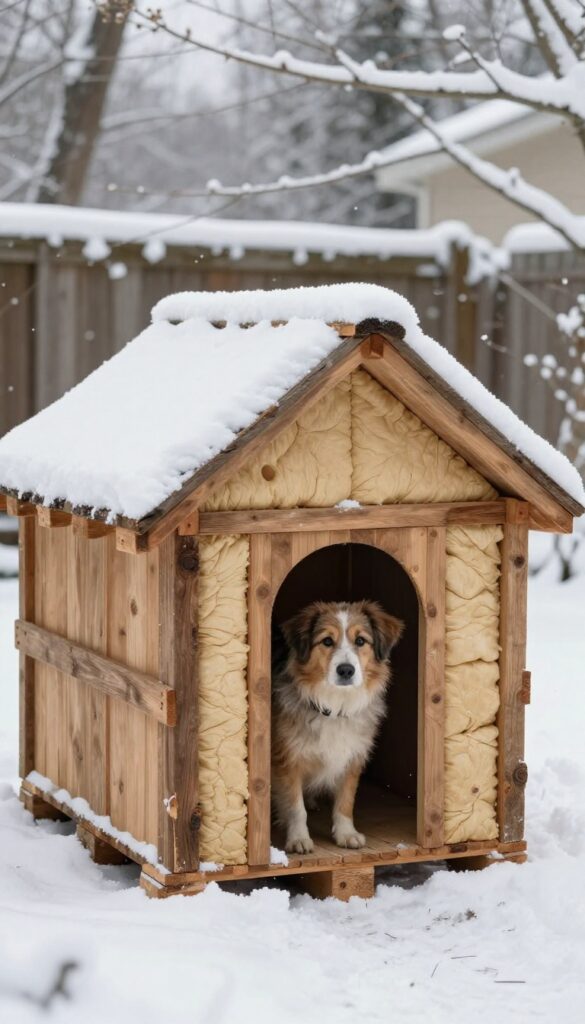
Looking for a budget-friendly way to keep your pup warm this winter? Old pallets can become a cozy, insulated dog house with just a bit of effort. This plan is perfect for handy dog owners who want to save money and customize the size.
Plus, upcycling pallets gives the project a rustic, eco-friendly feel that looks great in any backyard.
Why It Works
Pallets provide sturdy, thick wood that naturally blocks wind. By adding foam board insulation between the walls, you create a thermal barrier that traps your dog's body heat. The raised floor also prevents cold from seeping up from the ground, keeping the interior dry and warm.
Best For
This is ideal for medium to large dogs who spend time outdoors in colder climates. It's also great for owners on a tight budget who have access to free pallets and basic tools. If you enjoy DIY projects and want a customizable shelter, this plan is for you.
Practical Tip
Seal all gaps with caulk to prevent drafts, and use a flap door made from heavy vinyl or rubber. Paint the exterior with weather-resistant paint to protect against moisture. Add straw or cedar shavings inside for extra warmth—avoid blankets as they can freeze.
10. The Insulated Igloo-Style Dog House
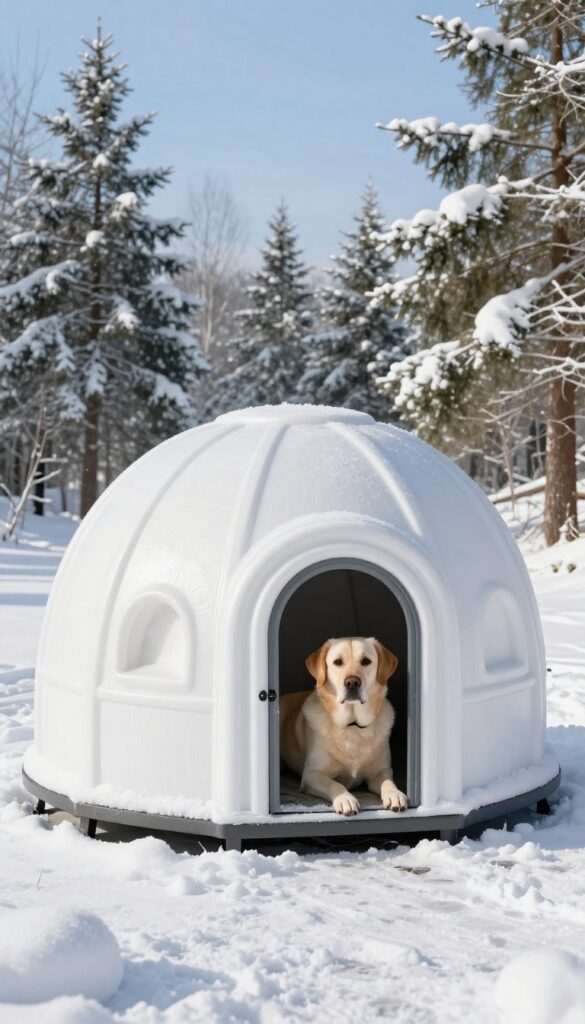
Imagine a dome that traps your dog's body heat like a cozy little cave. That's the genius behind the igloo-style dog house. Its rounded shape minimizes cold spots and keeps warmth circulating around your pup, while the wind-swept design deflects drafts.
Many owners love how easy these are to clean—just hose them out—and how sturdy they feel even in harsh weather.
Why It Works
The dome shape reduces surface area exposed to cold air, so less heat escapes compared to a traditional boxy house. Rotomolded plastic with built-in foam insulation creates a thermal barrier without needing extra layers. The offset doorway also blocks wind from rushing directly inside, keeping the interior noticeably warmer.
Best For
Great for medium to large breeds like Labradors, Huskies, or Golden Retrievers that spend time outdoors in snowy or windy climates. Also works well for dogs that like to curl up in tight spaces—the igloo feels den-like and secure.
Practical Tip
Place it on a raised platform or pavers to keep the floor off frozen ground. Add a thick cedar bed or self-warming mat inside for extra coziness. During heavy snow, brush off the top to prevent weight buildup and check the entrance for ice buildup.
11. The Luxury Insulated Dog Cabin
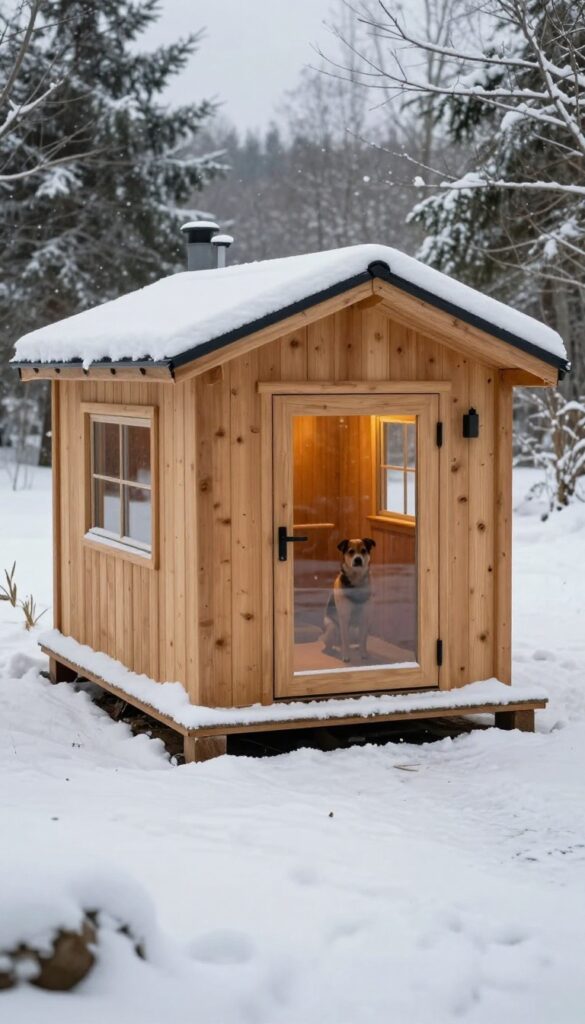
Some dogs deserve the absolute best, and a luxury insulated dog cabin is exactly that. Think cedar siding, double-pane windows, and even heated flooring for those extra frigid nights. This isn't just a dog house—it's a tiny home for your four-legged family member.
Why It Works
The high-quality materials provide superior insulation and durability. Cedar naturally resists rot and insects, while double-pane windows trap heat without sacrificing natural light. Heated flooring ensures your pup stays warm from paw to nose, even when temperatures drop below freezing.
Best For
This plan is ideal for owners in extremely cold climates who have the budget to splurge. Perfect for short-haired breeds like Chihuahuas, Greyhounds, or senior dogs that feel the cold more acutely. Also great for people who want a stylish backyard addition that complements their home.
Practical Tip
Place the cabin on a raised platform to prevent ground moisture from seeping in. Use a weatherproof sealant on all exterior wood to extend its life. Add a heavy-duty flap door to block drafts while still letting your dog come and go freely.
Budget-Friendly Option
If heated flooring is out of reach, use a self-warming pet bed or microwaveable heating pad inside the cabin instead. You can also swap cedar for pressure-treated plywood with cedar-toned stain to get a similar look at half the cost.
FAQ
What is the best insulation for a dog house?
Rigid foam board insulation (like XPS or EPS) is the most effective and moisture-resistant. Avoid fiberglass as it can irritate dogs' lungs.
Do I need to heat an insulated dog house?
In extreme cold, a small heater or heated pad can help. However, proper insulation and a windproof door often suffice for mild winters.
How big should an insulated dog house be?
The house should be just big enough for your dog to stand, turn around, and lie down. Too much space makes it harder to retain heat.
Can I use straw for insulation?
Straw can be used as bedding but not as wall insulation. It compresses and loses its insulating value. Stick with foam or reflective barriers.
How do I keep the dog house dry?
Elevate the house off the ground, use a sloped roof, and add a door flap. Ensure proper drainage and seal any gaps with caulk.
Conclusion
Building the right insulated dog house takes a bit of planning, but your pup will thank you every cold morning. Start with one design that fits your skill level and budget—even a simple plywood box with foam panels makes a huge difference.
A warm, draft-free shelter means your dog stays comfortable and safe when temperatures drop. Pick the plan that feels doable, gather your materials, and give your furry friend the cozy retreat they deserve.

I’m Pallab Kishore, the owner of Little Pets Realm — an animal lover and pet care enthusiast sharing easy tips, healthy recipes, and honest advice to help every small pet live a happy, healthy, tail-wagging life.