You just touched your phone, the doorknob, and your pet—all in the last minute. Your hands are the busiest tools you own, and they pick up germs everywhere. Keeping them clean doesn't have to be complicated, but it does require a few smart habits.
Most people rush through handwashing or skip it entirely when they're busy. But a little attention to technique and timing can make a huge difference in your family's health.
These 15 tips will help you clean your hands effectively without turning it into a chore. From choosing the right soap to knowing when to sanitize, each idea is designed to fit into your daily routine.
1. Use the Right Amount of Soap
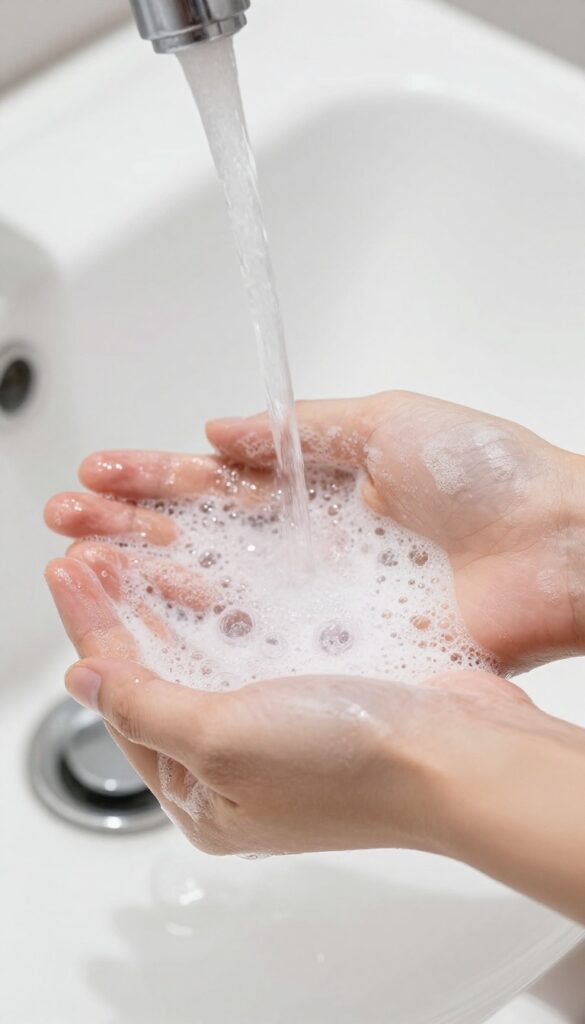
You might think more soap means cleaner hands, but that's not the case. Using too much can strip your skin of natural oils, leaving them dry and cracked. On the flip side, too little won't effectively remove dirt and germs.
Finding that sweet spot is key.
A dime-sized amount of liquid soap is generally enough for most people. If you're using bar soap, a couple of passes under running water will do. The goal is to create a good lather that covers all surfaces of your hands—palms, backs, between fingers, and under nails.
Lather is what traps and lifts germs away, so focus on working it in for at least 20 seconds. If your soap isn't lathering well, you might be using too little water or a low-quality product. Adjust as needed, but remember: more isn't better.
Why Lather Matters
Lather isn't just for show. Soap molecules have a hydrophilic (water-loving) head and a hydrophobic (water-fearing) tail. The tails grab onto oils and germs, while the heads attach to water.
When you lather, you create millions of these tiny germ-trapping bubbles. Without enough soap, you won't get enough bubbles to do the job properly.
Signs You're Using Too Much
If your hands feel slippery after rinsing, you've used too much soap. Another sign is if you see a lot of suds that take forever to rinse off. Over-soaping can lead to dryness, irritation, or even eczema flare-ups.
If your hands feel tight or look red after washing, cut back on the amount.
What About Foaming Soap?
Foaming soap is pre-diluted, so you might need a bit more—about two pumps—to get enough lather. But because it's airy, it's easy to over-pump. Stick with one or two pumps and see if it covers your hands.
If not, adjust slightly. The key is still to lather for 20 seconds, regardless of soap type.
2. Scrub for at Least 20 Seconds
Speed washing won't cut it. To actually remove germs, you need to give soap and water enough time to work. The 20-second rule isn't arbitrary—it's the sweet spot for breaking down dirt and viruses.
Why 20 Seconds?
Studies show that washing for 15 seconds reduces bacteria significantly, but 20 seconds is even better. It's the minimum time recommended by health experts to ensure most germs are dislodged and rinsed away.
How To Time It Right
Sing 'Happy Birthday' twice in your head, or hum your favorite song's chorus. Counting to 20 slowly works too. The key is to not rush—let the soap do its job.
Don't Miss Any Spot
Focus on every surface: palms, backs of hands, between fingers, and under nails. These are common hiding spots for germs. A quick rub won't reach them all.
3. Don't Forget Your Thumbs and Wrists
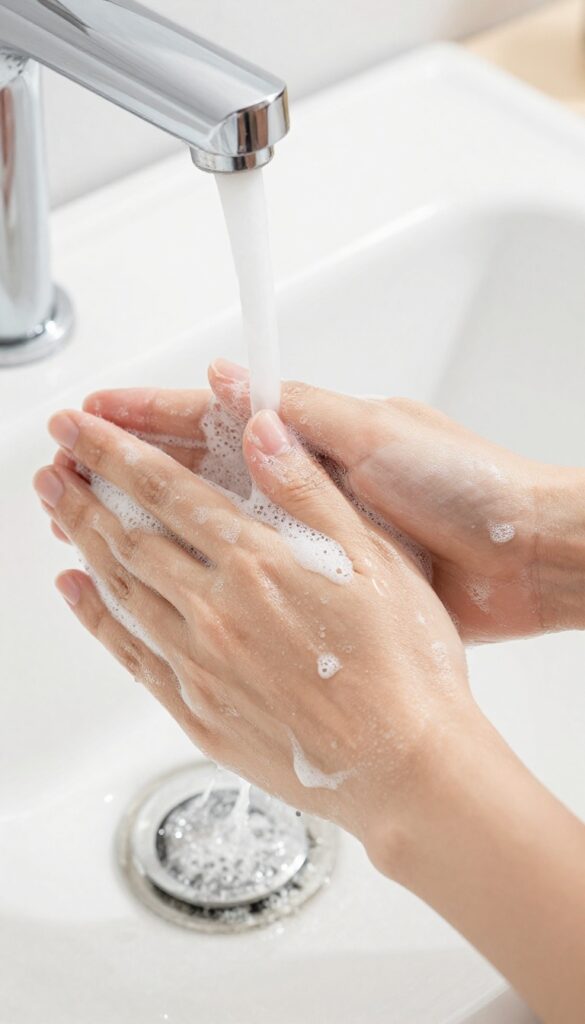
You scrub your palms and between your fingers, but what about your thumbs and wrists? These areas often get neglected during handwashing, yet they're just as likely to carry germs. Your thumbs touch everything from your phone to food, and your wrists can collect bacteria from surfaces you lean on.
Giving them proper attention is a small change that boosts your hygiene significantly.
Why Thumbs Need Extra Love
Thumbs are the hardest-working digits. They grip, swipe, and press countless surfaces throughout the day. When you wash your hands, it's easy to give them a quick pass.
But germs love to hide in the creases and around the nail bed. To clean them effectively, rub each thumb with the opposite hand in a circular motion. Spend at least five seconds per thumb.
This ensures you reach the web space and the base, where dirt often lingers.
Wrists: The Forgotten Zone
Your wrists come into contact with desks, countertops, and even your face when you push up your sleeves. Yet most people stop washing at the base of the palm. Bacteria can accumulate on the wrist skin and then transfer to other surfaces.
When you lather up, extend the soap and water a few inches up your forearm. Scrub the wrist area with a gentle, circular motion. This simple step reduces the risk of spreading germs from overlooked spots.
A Quick Technique To Remember
Make it a habit: after you wash your palms and fingers, spend a dedicated moment on thumbs and wrists. One easy trick is to sing a short phrase like 'happy thumbs, clean wrists' while you scrub. This helps you remember to cover these areas without rushing.
Over time, it becomes automatic. Your hands will feel fresher, and you'll know you're getting truly clean.
4. Use Warm Water, Not Hot
Water temperature might seem like a minor detail, but it actually matters a lot for both cleanliness and skin health. Many people crank up the hot water thinking it kills more germs, but that's not how it works. The reality is that warm water is your best bet—it's effective at removing germs without damaging your skin's natural barrier.
Turning the tap to hot might feel more hygienic, but it can backfire. Hot water strips away the natural oils that keep your skin healthy, leading to dryness, irritation, and even cracks where bacteria can hide. Warm water, on the other hand, is just as effective at washing away germs when paired with soap, and it keeps your hands comfortable.
Plus, when the water feels nice, you're more likely to wash for the full 20 seconds.
Why Hot Water Doesn't Kill More Germs
There's a common belief that hot water sanitizes hands, but the water would need to be boiling hot to actually kill bacteria—which would burn your skin. The FDA and CDC both state that water temperature doesn't significantly impact germ removal; soap and friction do the heavy lifting. So skip the scalding water and focus on proper technique instead.
The Sweet Spot For Temperature
Aim for water that feels comfortably warm—like a pleasant bath, not a hot tub. Somewhere between 35°C and 40°C (95°F to 104°F) is ideal. It's warm enough to help soap lather well and dissolve oils, but not so hot that it irritates.
If your hands turn red or feel stingy, the water is too hot.
A Bonus For Your Skin Barrier
Your skin has a protective layer of oils and good bacteria that keep germs out. Hot water breaks down this barrier, making your hands more prone to eczema and infections. Warm water preserves that defense, so your hands stay healthier in the long run.
It's a small change that pays off, especially in winter when skin is already dry.
5. Dry Hands Thoroughly
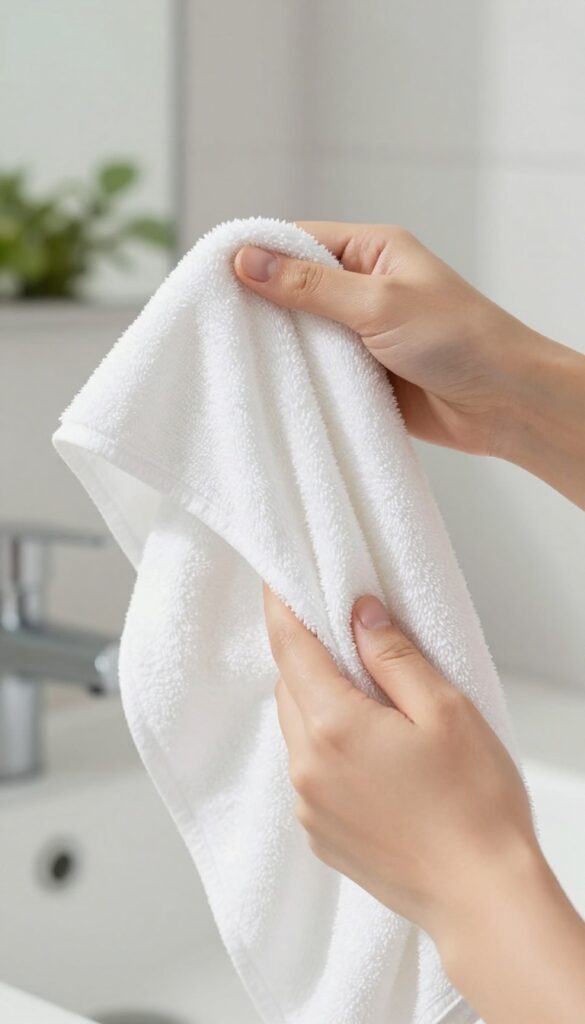
Drying your hands might seem like an afterthought, but it's a critical step in hand hygiene. Germs transfer much more easily to wet skin than dry skin, so skipping the drying step can undo some of the benefits of washing. A quick shake of the hands isn't enough—you need to remove all moisture to keep bacteria from spreading.
Why Wet Hands Spread Germs Faster
Moisture acts as a highway for bacteria and viruses. When your hands are damp, pathogens can move from surface to skin more easily, and they can also transfer from your hands to everything you touch. Studies show that drying hands thoroughly reduces the number of germs left after washing, while wet hands can actually increase the risk of cross-contamination.
Best Drying Methods
Clean towels and air dryers are both effective, but the key is to use them correctly. With a towel, pat your hands dry instead of rubbing vigorously—rubbing can irritate the skin and create micro-tears where germs can hide. If you're using an air dryer, hold your hands under the airflow until they are completely dry, not just until they feel slightly less wet.
Avoid Shared Or Dirty Towels
A damp towel left hanging in the bathroom can become a breeding ground for bacteria. If you're at home, designate a clean hand towel for each person or swap towels every couple of days. In public restrooms, paper towels are often the best choice because they're single-use and reduce the risk of picking up germs from a shared cloth towel.
6. Keep Hand Sanitizer Handy
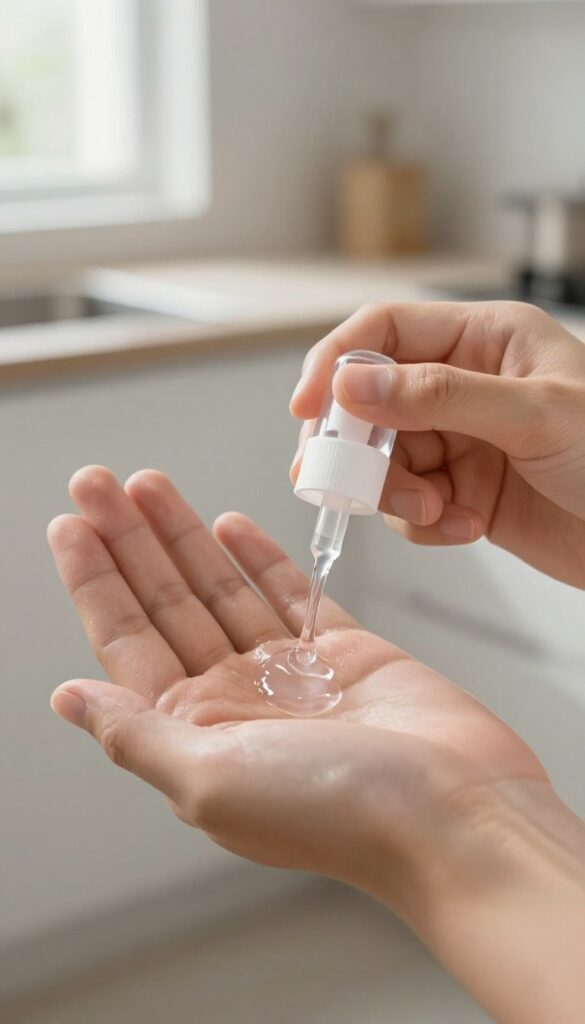
When you're out and about, soap and water aren't always within reach. That's where hand sanitizer steps in as a reliable backup. It's quick, portable, and effective when used correctly.
Just make sure you choose one with at least 60% alcohol—anything less won't cut it against most germs.
Hand sanitizer is a lifesaver when you're commuting, shopping, or eating on the go. But it's not a replacement for handwashing—think of it as a convenient alternative when you can't get to a sink. The key is proper application: squirt enough to cover all surfaces of your hands, then rub them together until they feel dry.
That usually takes about 20 seconds. Don't wipe it off before it dries, or you'll reduce its effectiveness.
Choosing The Right Sanitizer
Not all hand sanitizers are created equal. Look for one that lists ethyl alcohol or isopropyl alcohol as the active ingredient, with a concentration of 60% to 95%. Avoid products that use alcohol substitutes like benzalkonium chloride, which are less reliable.
Gel-based sanitizers are easier to apply evenly than sprays, and they tend to stay on your hands longer.
When To Use It
Hand sanitizer works best on clean, dry hands. If your hands are visibly dirty or greasy, wash them with soap and water instead. Use sanitizer after touching high-touch surfaces like door handles, elevator buttons, or shopping carts.
It's also handy after coughing or sneezing into your hands, or before eating when you're not near a sink.
Storage And Portability
Keep a small bottle in your bag, car, or desk drawer so you're never caught off guard. Extreme heat or cold can degrade the alcohol, so avoid leaving it in a hot car or freezing temperatures. Refillable travel bottles are a great option—just make sure to clean them between refills to prevent bacteria buildup.
7. Moisturize After Washing
Frequent handwashing strips natural oils from your skin, leaving it dry, cracked, and more vulnerable to germs. Moisturizing after each wash restores that protective barrier and keeps your hands healthy. Healthy skin is actually better at keeping bacteria out, so this step isn't just about comfort—it's about hygiene.
Choose The Right Moisturizer
Look for hand creams or lotions that are fragrance-free and contain ingredients like ceramides, glycerin, or shea butter. These help repair the skin barrier without causing irritation. Avoid heavy, greasy formulas that make your hands slippery—you want something that absorbs quickly so you can get back to your day.
Apply Immediately After Drying
The best time to moisturize is right after you dry your hands, while they're still slightly damp. This locks in moisture and prevents that tight, dry feeling. Keep a small bottle of lotion next to every sink in your home as a reminder.
Don't Forget The Cuticles And Nails
Dry cuticles can crack and become entry points for bacteria. Massage a little cream into your nail beds and cuticles after each wash. It takes just a few seconds and makes a big difference in preventing hangnails and infections.
8. Wash Before and After Key Activities
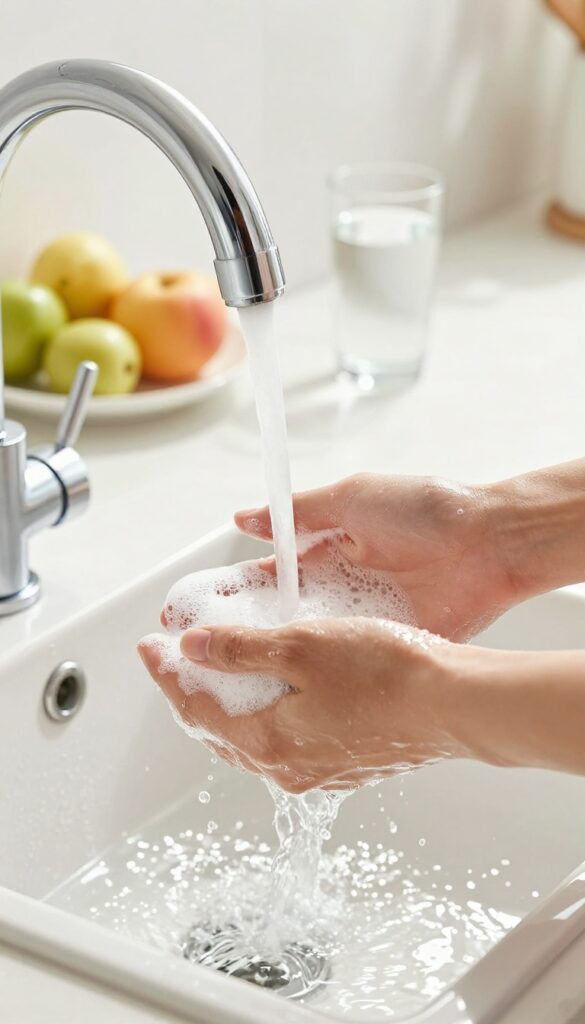
Timing is everything when it comes to hand hygiene. Certain moments in your day are prime opportunities for germs to hitch a ride on your hands. By washing at these key points, you break the chain of transmission before it reaches your mouth, eyes, or food.
Make it a habit to wash before eating, after using the bathroom, after touching pets, and after coming home. These are high-risk moments for germ transfer. Think about it: you touch your phone, keyboard, door handles, and countless other surfaces throughout the day.
Each touch can pick up bacteria or viruses. Washing your hands at these trigger points stops germs from spreading to your face or to other people. It's a simple mental checklist that becomes automatic with practice.
Before Meals And Snacks
Your hands have been busy all morning—typing, opening doors, handling money. When you sit down to eat, everything you touch goes straight into your mouth. A quick 20-second wash before any meal or snack removes the day's grime and reduces your risk of foodborne illness.
Even if you're just grabbing a handful of nuts, make handwashing part of the routine.
After Using The Restroom
This one seems obvious, but studies show many people skip it or rush through it. The bathroom is a hotspot for germs like E. coli and norovirus. Proper handwashing with soap and water after every visit—whether at home or in public—prevents these pathogens from hitching a ride to other surfaces.
Don't forget to dry your hands thoroughly, as wet hands spread germs more easily.
After Contact With Pets Or Animals
Petting your dog or cat feels comforting, but animals can carry germs like salmonella, campylobacter, and even ringworm. After playing with, feeding, or cleaning up after your pet, wash your hands. This is especially important before preparing food or touching your face.
Your pet's fur, saliva, and waste can all harbor microbes that are harmless to them but problematic for you.
When You Arrive Home
Your hands have been exposed to public surfaces all day—subway poles, shopping carts, elevator buttons. The moment you walk through your front door, head to the sink. This simple habit keeps outside germs from contaminating your home environment.
It's especially crucial if you have young children, elderly family members, or anyone with a weakened immune system living with you.
9. Teach Kids Proper Handwashing Early
Children learn by watching and doing, so the earlier you start teaching good hand hygiene, the more natural it becomes. Turning handwashing into a fun, positive experience helps kids adopt the habit without resistance. When they understand why it matters and how to do it right, they carry those skills into adulthood.
Make handwashing a game by singing a short song—like "Happy Birthday" twice—to ensure they scrub long enough. Use colorful, kid-friendly soaps or foaming dispensers to make the process more appealing. Show them how to scrub between fingers, under nails, and the backs of hands.
Praise their effort and consistency to reinforce the behavior. Good habits formed early become second nature.
Make It Fun And Engaging
Kids respond to play. Sing a favorite song, use a timer shaped like an animal, or let them pick their own soap scent. The goal is to make the 20-second scrub feel like a game, not a chore.
Show Them The Right Technique
Demonstrate step by step: wet hands, apply soap, lather palms, backs, between fingers, and under nails. Do it together so they can mimic your movements. Use a visual chart near the sink as a reminder.
Praise And Consistency
Positive reinforcement goes a long way. Celebrate when they wash without being reminded. Set regular handwashing times—before meals, after using the bathroom, after playing outside—to build a routine.
10. Avoid Touching Your Face

Your hands are germ magnets, and your face is the gateway. Every time you rub your eyes, scratch your nose, or rest your chin on your hand, you're giving germs a free ride into your body. Breaking this habit is one of the simplest ways to reduce your risk of getting sick.
It sounds easy, but it's surprisingly hard. Many face-touching habits are subconscious. Start by noticing when you do it—while reading, thinking, or waiting.
Then, create small barriers like keeping tissues nearby or wearing glasses to discourage eye rubbing. Over time, you'll train your brain to keep hands away.
Why It Matters
Your eyes, nose, and mouth are lined with mucous membranes that absorb viruses and bacteria easily. Studies show people touch their faces an average of 23 times per hour. That's a lot of opportunities for germs to sneak in.
Simple Tricks To Stop
Place sticky notes on your desk or mirror as reminders. Keep your hands busy with a stress ball or fidget toy. If you feel an itch, use a tissue or the back of your wrist instead of your fingers.
With practice, you'll break the cycle.
11. Clean Under Your Nails
Nails are tiny shields that trap dirt, skin cells, and germs throughout the day. Even after a thorough hand wash, the area under your nails can stay dirty if you don't pay it special attention. Scrubbing under your nails isn't just about looks—it's a key step in preventing the spread of bacteria.
Most people focus on washing their palms and between fingers but forget the nail beds. That's a mistake because the underside of your nails is a perfect hiding spot for germs. Here's how to make sure you're cleaning them properly.
Use A Nail Brush
A soft nail brush is the most effective tool for cleaning under nails. Keep one by your sink and use it once a day, especially after gardening, cooking, or touching raw meat. Gently scrub under each nail with soap and water, then rinse thoroughly.
The Palm-to-palm Trick
If you don't have a brush, you can still clean under your nails by rubbing your nails against the opposite palm with soap. The friction helps dislodge dirt. Do this for at least 10 seconds as part of your regular handwashing routine.
Keep Nails Short
Long nails collect more dirt and are harder to clean. Trim them regularly and file the edges smooth to prevent snags. Short nails are not only cleaner but also less likely to harbor bacteria that can cause infections.
12. Use a Clean Towel Each Time
That towel hanging in your bathroom might look clean, but after a few days of use, it's a breeding ground for bacteria. Shared towels are one of the fastest ways to transfer germs from one person's hands to another's. The fix is simple: always dry your hands with a fresh towel.
When multiple people use the same hand towel, moisture and warmth create the perfect environment for microbes to thrive. Even if everyone washes their hands properly, the towel can reintroduce germs. Using a clean towel each time breaks this cycle and keeps your hands truly clean after washing.
Why Shared Towels Are A Problem
Damp towels can harbor bacteria like E. coli and Staphylococcus aureus within hours. If someone with a cold uses the towel, the virus can survive on the fabric and spread to the next person. This is especially risky in households with young children or immunocompromised individuals.
Best Practices For Hand Drying
Keep a stack of clean hand towels in the bathroom and swap them out daily. Alternatively, use disposable paper towels for a single-use option. If you prefer cloth, assign each family member their own towel color to avoid mix-ups.
Change bathroom hand towels every two to three days, or more often if someone is sick.
How To Keep Towels Hygienic
Wash hand towels in hot water with a disinfecting laundry additive. Avoid fabric softeners, as they can reduce absorbency and trap bacteria. Hang towels to dry completely between uses—never leave them bunched up or in a damp pile.
13. Don't Over-Sanitize
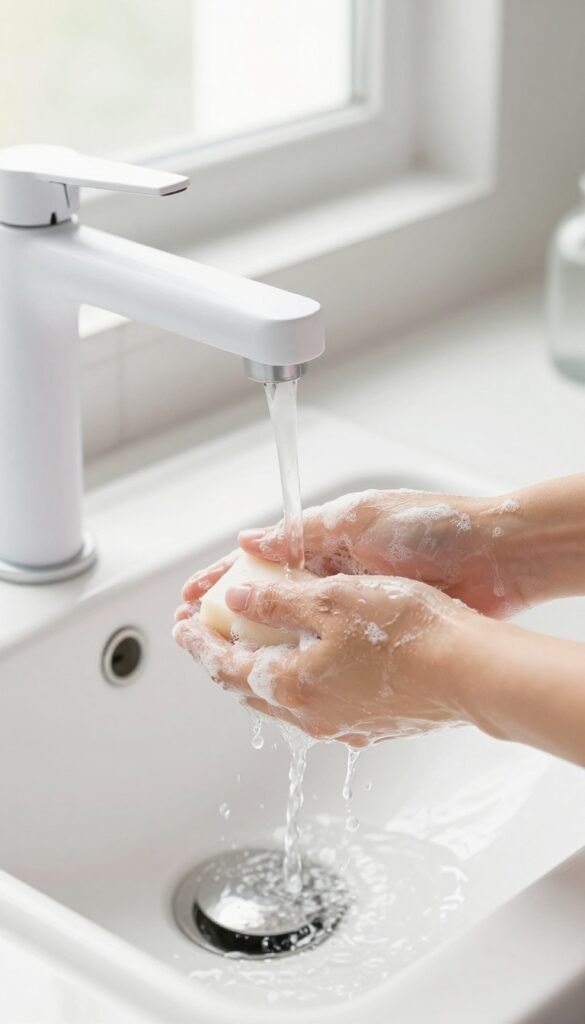
Hand sanitizer is convenient, but it's not a substitute for proper handwashing. In fact, overusing sanitizers can do more harm than good. They kill both harmful and beneficial bacteria, and over time, some germs may develop resistance.
It's important to know when to reach for the soap and when sanitizer is actually needed.
Why Soap And Water Are Better
Soap and water physically remove dirt, grease, and most germs from your hands. The friction and rinsing action are key. Sanitizers, on the other hand, only kill germs—they don't clean.
For everyday messes, soap is the safer, more effective choice.
When Sanitizer Makes Sense
Keep a small bottle of hand sanitizer for times when soap and water aren't available—like after touching a shopping cart or before eating outdoors. But if your hands are visibly dirty or greasy, sanitizer won't work well. Stick to soap whenever you can.
The Risk Of Overuse
Frequent sanitizer use can strip your skin of natural oils, leading to dryness and cracks. Those cracks become entry points for bacteria. Plus, some studies suggest that over-sanitizing may contribute to antibiotic resistance.
Use it sparingly and only when necessary.
14. Wash Your Hands After Handling Raw Food
Raw meat, poultry, and fish can carry harmful bacteria like Salmonella and Campylobacter. Touching these foods and then moving on to other tasks can spread germs to countertops, utensils, or even ready-to-eat foods. A quick rinse isn't enough—you need a proper wash to stop cross-contamination in its tracks.
Make it a rule: after handling any raw animal product, head straight to the sink. Use warm water and soap, and scrub for at least 20 seconds—sing "Happy Birthday" twice if that helps. Don't forget to clean under your nails and between fingers, where bacteria like to hide.
Dry with a clean towel or paper towel, and avoid touching the faucet with clean hands (use a paper towel to turn it off). This simple habit protects your whole kitchen.
Why Raw Food Is A Germ Magnet
Raw meat, poultry, and seafood naturally contain bacteria that are harmless to the animal but can cause food poisoning in humans. These germs multiply quickly at room temperature and can easily transfer to your hands. Even if the meat looks clean, it's not—always assume it's contaminated.
The Right Way To Wash After Raw Food
Don't just rinse and wipe. Use soap and warm water, and scrub all surfaces of your hands for at least 20 seconds. Pay special attention to your fingertips, thumbs, and the backs of your hands.
Rinse thoroughly, then dry with a clean towel or disposable paper towel. Avoid touching the faucet handle with clean hands—use a paper towel to turn it off.
What About Gloves?
Gloves can help, but they're not a substitute for handwashing. If you wear gloves while handling raw food, remove them carefully and wash your hands right after. Gloves can have tiny holes or get contaminated on the outside, so treat them like a second skin—wash before and after use.
15. Make Handwashing a Family Routine

Getting everyone in the house on the same handwashing schedule can feel like herding cats. But when it becomes a shared habit, it stops feeling like a chore and starts feeling normal. Kids especially learn by watching adults, so your consistency sets the tone.
Set reminders or post signs near sinks. Encourage everyone to wash at key times. When it becomes a family habit, everyone stays healthier.
Lead By Example
Kids mimic what they see. If you wash your hands thoroughly and cheerfully before meals and after coming home, they'll likely follow. Make it a point to wash together when possible, especially with younger children, so they learn the proper steps.
Use Visual Cues
Place a colorful chart or a simple sign near each sink listing the key times to wash: after using the bathroom, before eating, after playing outside, after touching pets. For non-readers, use pictures. A visual reminder works better than nagging.
Turn It Into A Game
For kids, handwashing can be fun. Sing a short song together (like the ABCs twice), use a timer, or let them pick a special soap. When it feels like play, they'll be more willing to participate without resistance.
Establish Key Moments
Create family rules around handwashing: everyone washes as soon as they come home, before every meal, and after any shared activity like crafts or playing with toys. Consistency builds automatic habits over time.
FAQ
How often should I wash my hands?
Wash your hands whenever they are visibly dirty, before eating, after using the bathroom, after coughing or sneezing, after touching pets, and after coming home from public places. In general, several times a day is normal.
Is hand sanitizer as effective as soap and water?
Hand sanitizer is effective when soap and water aren't available, but it doesn't remove all types of germs or chemicals. Soap and water are best for removing dirt, grease, and certain pathogens like norovirus.
What type of soap is best for handwashing?
Any plain soap—liquid, bar, or foam—works well. Antibacterial soap isn't necessary and may contribute to antibiotic resistance. Focus on proper technique rather than special soap.
How can I prevent my hands from drying out from frequent washing?
Use lukewarm water, pat dry instead of rubbing, and apply a moisturizer immediately after washing. Choose a fragrance-free hand cream to avoid irritation.
Can I wash my hands too much?
Yes, excessive washing can strip natural oils and damage skin, leading to dryness or eczema. Stick to key times and moisturize regularly. If you have concerns, consult a dermatologist.
Conclusion
Hand cleaning doesn't have to be complicated or time-consuming. By weaving a few of these tips into your daily routine, you can significantly reduce the spread of germs without much extra effort.
Start with the ones that fit your lifestyle best—like keeping sanitizer by the door or using a nail brush after gardening. Small, consistent habits add up to better hygiene for you and your family.