
An A-frame dog house isn't just a shelter—it's a statement piece for your yard. Its classic triangular shape sheds rain and snow effortlessly, keeping your pup dry and cozy. Plus, the simple design makes it easy to customize or build yourself.
Comfort and durability go hand in hand with these structures. Many designs use weather-resistant materials like cedar or treated pine, ensuring years of use. You can also add insulation or a raised floor for extra warmth.
Whether you want a rustic cabin vibe or a modern minimalist look, there's an A-frame style to match. Let's walk through 11 ideas that combine timeless aesthetics with practical features your dog will love.
1. Classic Cedar A-Frame with Overhang
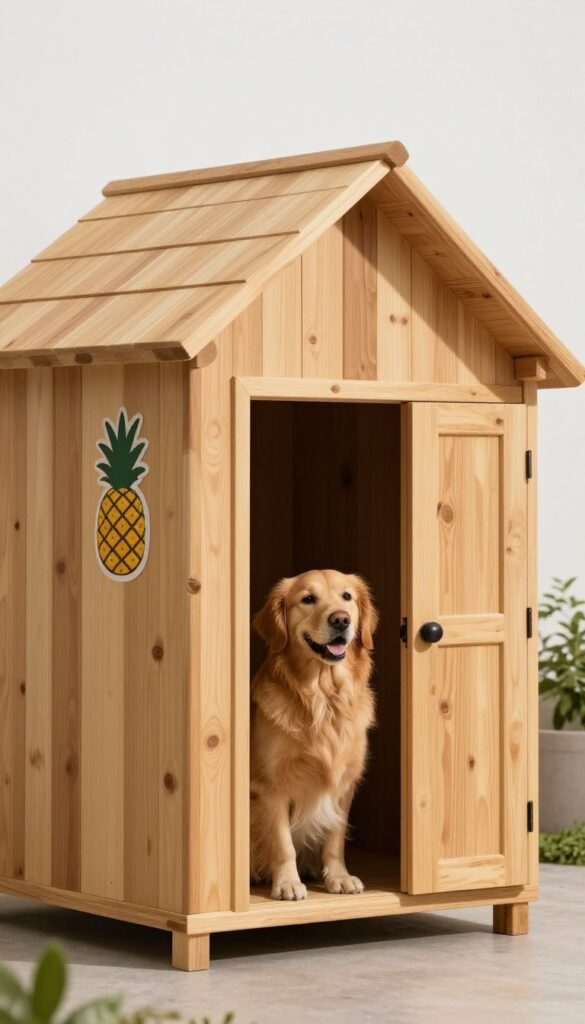
Cedar has been a go-to material for outdoor structures for good reason. It naturally repels rot and insects, so you won't have to worry about replacing the dog house after a few rainy seasons. The extended roof overhang adds another layer of protection, keeping the entrance dry and creating a shaded spot for your pup to lounge.
Why It Works
Cedar's natural oils make it highly resistant to moisture and pests, which means less maintenance for you and a longer-lasting home for your dog. The overhang keeps rain from blowing into the doorway, so the interior stays dry even during heavy storms.
Best For
This design is perfect for dogs who spend a lot of time outdoors, especially in rainy or humid climates. It also suits owners who want a low-maintenance, durable structure that ages gracefully.
Practical Tip
Seal the cedar with a clear water-resistant finish every couple of years to preserve its color and extend its life. Place the house on a slight gravel or paver base to prevent moisture wicking from the ground.
Budget-Friendly Option
If cedar is outside your budget, pressure-treated pine is a solid alternative. Paint it with exterior-grade paint or stain to mimic cedar's look and boost weather resistance.
2. Insulated A-Frame for Cold Climates
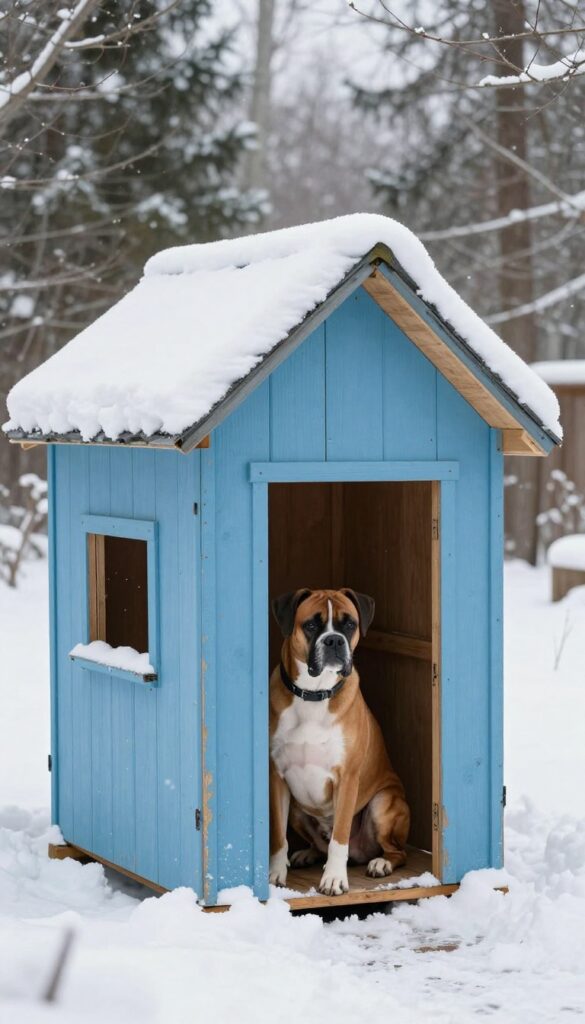
When winter winds bite, a standard dog house just won't cut it. An insulated A-frame traps body heat while keeping snow and drafts out. This design borrows from human camping gear—think of it as a four-season tent for your pup.
Why It Works
Foam board insulation sandwiched between the walls creates a thermal barrier that keeps the interior up to 20°F warmer than the outside. A weatherproof exterior, like treated plywood with a waterproof sealant, protects against moisture. The removable roof panel lets you air out the space on mild days, preventing mold and stuffiness.
Best For
This setup is ideal for northern climates where temperatures regularly drop below freezing. It's especially good for short-haired breeds like Boxers, Beagles, or Chihuahuas that feel the cold quickly. If your dog spends time outdoors even in chilly weather, this house gives them a warm retreat.
Practical Tip
Use rigid foam panels (R-5 or higher) cut to fit snugly between the studs. Seal all seams with tape or caulk to block drafts. Paint the exterior with a UV-resistant outdoor paint in a light color to reflect sunlight—dark colors absorb heat and can make the house too warm in unexpected thaws.
Budget-Friendly Option
Skip the foam board and use recycled denim insulation instead—it's cheaper and just as effective. You can also repurpose an old cooler or styrofoam shipping containers as insulation layers if you're handy with cutting and fitting.
3. Raised Floor A-Frame for Moisture Protection
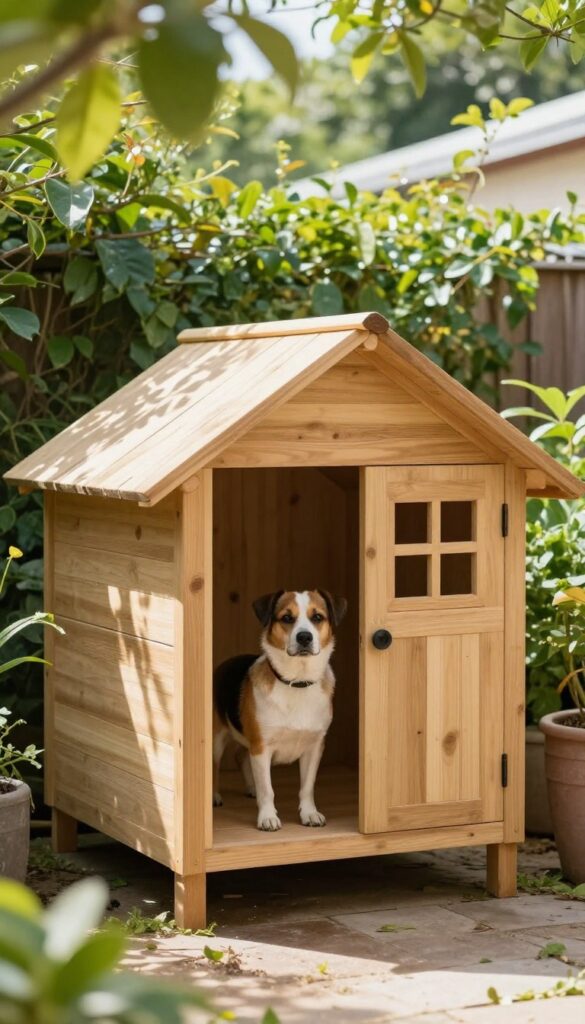
Elevating the floor a few inches off the ground is a simple upgrade that makes a big difference. This design prevents moisture from seeping up through the base, which is especially helpful in damp climates or when the dog house sits directly on grass. The gap underneath also allows air to circulate, keeping the interior fresh and dry.
Why It Works
Moisture is one of the biggest enemies of a dog house. A raised floor keeps rain, dew, and ground moisture away from your dog's bedding, reducing the risk of mold and mildew. The airflow underneath also helps regulate temperature, making the space more comfortable year-round.
Best For
This style is perfect for dogs that spend time outdoors in humid or rainy regions. It's also great for owners who place the dog house on grass or dirt, where ground moisture is unavoidable.
Practical Tip
Add a removable ramp or step so small or senior dogs can easily get inside. Use cedar or pressure-treated wood for the floor to resist rot, and seal all exposed edges with waterproof paint or stain.
Budget-Friendly Option
If you're on a tight budget, build a simple raised platform using concrete blocks and a sheet of plywood. Then set your existing A-frame on top for an instant moisture barrier.
4. Modern Minimalist A-Frame with Flat Roof Accent
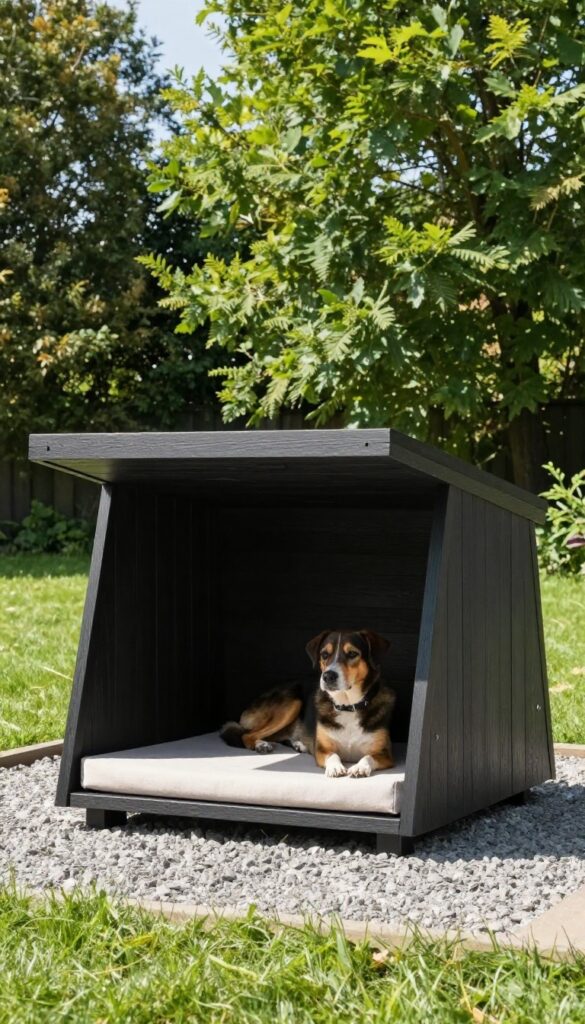
Sometimes a little contrast goes a long way. By adding a flat roof extension to the classic A-frame, you get a clean, contemporary look that stands out without being flashy. The dark-stained wood and straight lines create a sleek silhouette that feels both modern and timeless.
Why It Works
The flat roof accent provides extra shade and a small overhang, keeping the entrance dry on rainy days. It also offers a perch for your dog to lounge under, making the house feel more like an outdoor hangout than just a shelter.
Best For
This design is perfect for style-conscious owners with modern homes or minimalist yards. It works well for medium to large dogs that enjoy spending time outdoors and need a cool, shaded spot to retreat.
Practical Tip
Use cedar or pressure-treated pine stained in charcoal or espresso. Keep the interior simple with a removable floor cushion for easy cleaning. Place the house on a gravel or deck base to prevent moisture buildup.
Budget-Friendly Option
Save money by using plywood instead of solid wood and painting it with exterior-grade matte black paint. Skip the flat roof accent initially—you can add it later as an upgrade.
5. DIY Pallet Wood A-Frame on a Budget
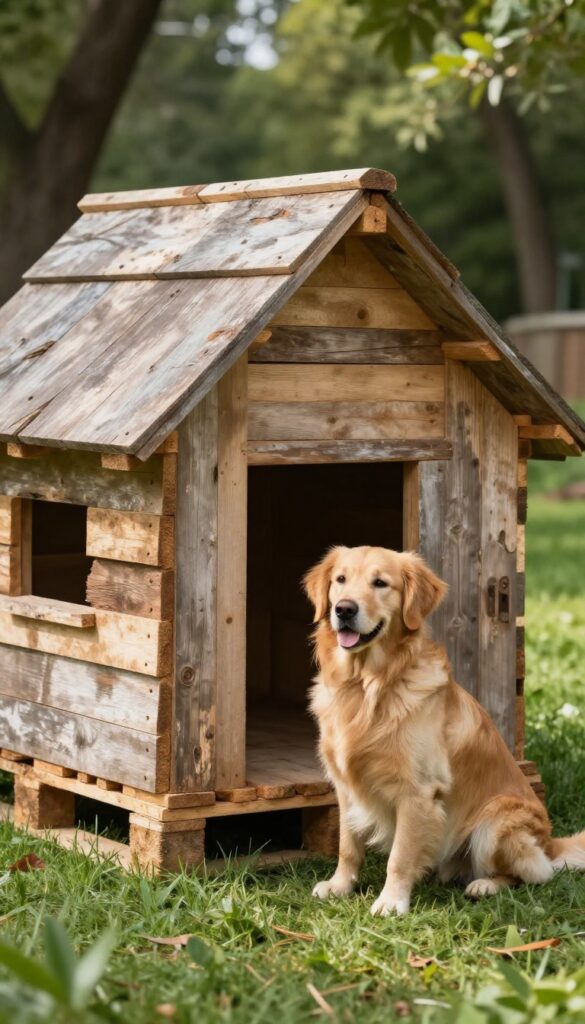
If you're handy with basic tools and love a good weekend project, building an A-frame dog house from pallets is a smart way to save money. Pallets are often free or very cheap, and the rustic look fits right into a natural backyard setting. With some careful sanding and sealing, you can create a sturdy, weatherproof home for your pup that costs a fraction of store-bought options.
Why It Works
Repurposing pallet wood keeps costs low—often under $50 total—and gives you full control over the size and shape. The A-frame design sheds rain easily, and the thick wood provides decent insulation once sealed. Plus, the slightly rough texture adds grip for dogs who like to lean against walls.
Best For
This works best for budget-conscious owners who enjoy DIY projects and have access to clean, heat-treated pallets. It's ideal for medium to large dogs that need a roomier house but don't require heavy insulation. Great for mild climates or as a seasonal shelter.
Practical Tip
Sand all surfaces thoroughly to remove splinters, then apply two coats of non-toxic waterproof sealant or exterior paint. Add a slanted roof overhang to keep rain out of the entrance. For extra comfort, place a removable cedar plank floor inside—it's rot-resistant and easy to clean.
Budget-Friendly Option
If pallets aren't available, look for scrap lumber from construction sites or ask local hardware stores for damaged boards often sold at a discount. You can also use untreated fence pickets for about $2 each.
6. A-Frame with Detachable Porch
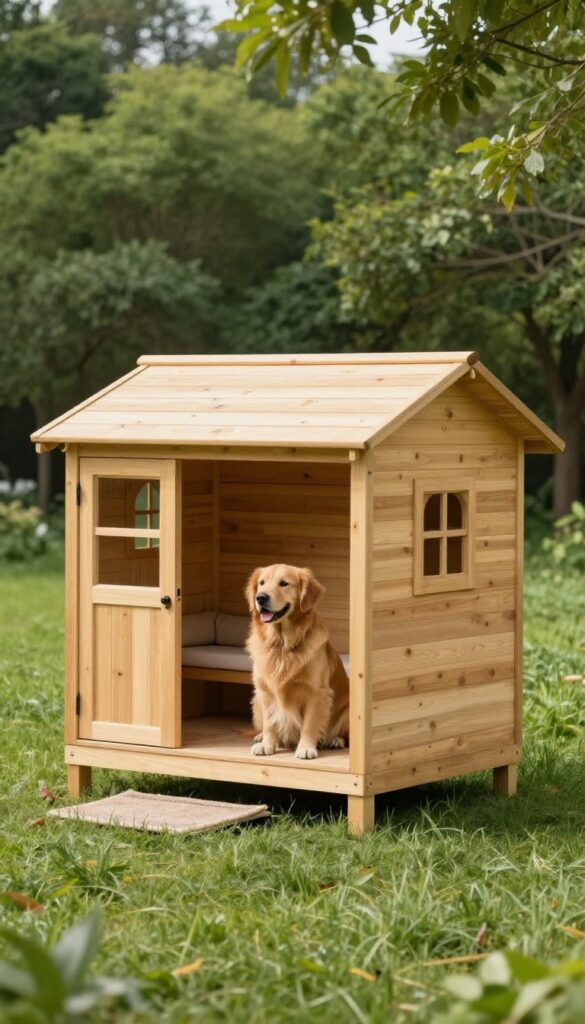
A small front porch gives your dog a place to lounge outside while staying close to their house. This add-on is perfect for dogs that like to keep an eye on the yard but still want easy access to their den. The detachable design means you can remove it for cleaning or store it away when not in use.
Why It Works
The porch extends the usable space of the dog house, giving your pup a shaded spot to relax without being fully exposed. It also helps keep dirt and mud out of the main sleeping area since dogs can wipe their paws on the porch.
Best For
Dogs that enjoy being outdoors but prefer to stay near their house, such as senior dogs or breeds that like to supervise the yard. It's also great for owners who want flexibility—remove the porch in winter or add it back in spring.
Practical Tip
Use matching cedar or treated pine for the porch so it blends seamlessly with the A-frame. Add a waterproof cushion or outdoor rug on the porch for extra comfort, and make sure the attachment points are secure but easy to unfasten.
7. Painted A-Frame with Custom Color
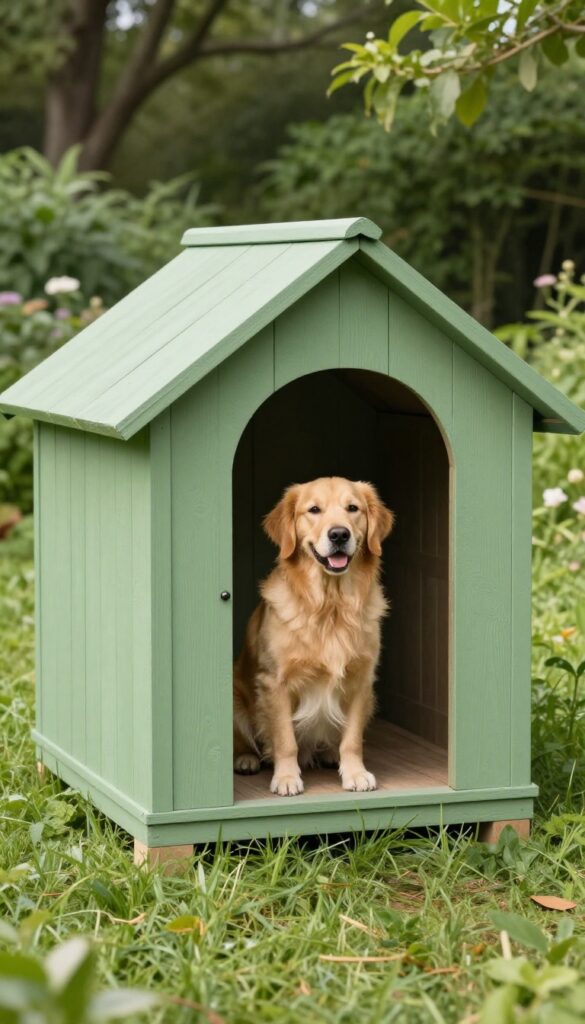
A fresh coat of paint can completely transform a basic A-frame dog house into a backyard showpiece. By choosing exterior-grade, non-toxic paint in a color that complements your home or garden, you create a cohesive outdoor look. Your dog gets a safe, cheerful shelter that stands out for all the right reasons.
Why It Works
Paint adds a layer of protection against moisture and UV rays, extending the life of the wood. Non-toxic, pet-safe formulas mean no harmful fumes or risks if your dog chews on the edges. The result is a durable, vibrant house that stays beautiful through rain and sun.
Best For
This idea suits any dog owner who wants their dog house to blend with their landscaping or add a playful accent. It works well in smaller yards where the structure is more visible, and for dogs that spend several hours outside each day.
Practical Tip
Use a satin or semi-gloss exterior paint for easier cleaning—just hose off dirt and mud. Apply two coats for even coverage, and let it cure fully before letting your dog inside. Add a clear coat for extra durability if your dog is an enthusiastic digger.
Budget-Friendly Option
Instead of buying new paint, check mistint or oops paint shelves at hardware stores for steep discounts on quality brands. You can also mix leftover paints from previous projects to create a custom shade at no extra cost.
8. A-Frame with Removable Roof for Easy Cleaning
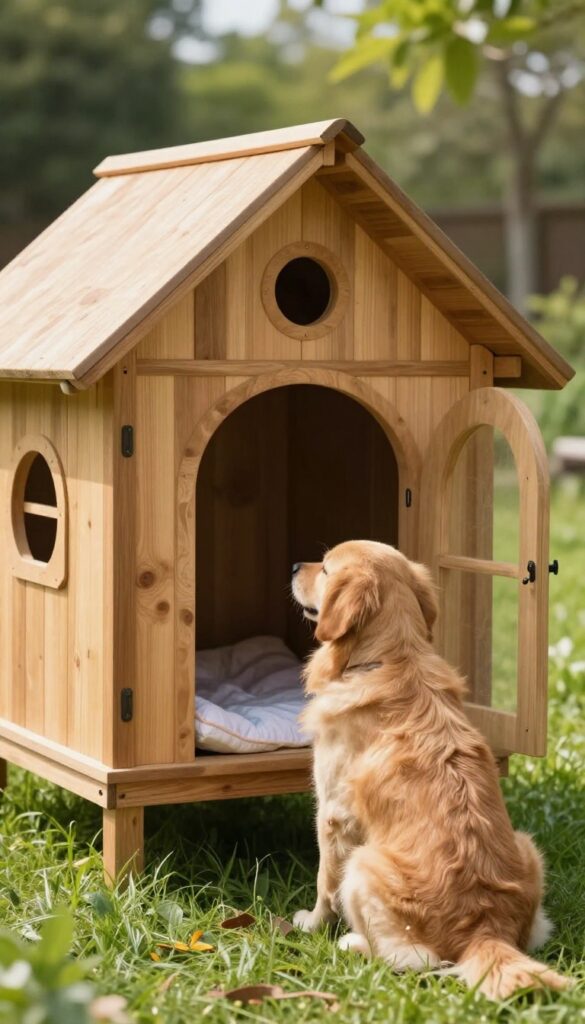
Let's face it: dog houses get messy. Mud, fur, and the occasional accident can turn a cozy den into a smelly mess fast. That's where a removable roof comes in handy.
Hinged or lift-off roof panels let you access every corner of the interior without crawling inside. You can scrub the floor, wipe down walls, and swap out bedding in minutes. It's a simple design choice that saves you time and keeps your pup's space fresh.
This feature is especially popular among owners who live in wet or muddy climates. A quick hose-down becomes effortless when you can lift the roof and reach every spot.
Why It Works
Removable roofs make deep cleaning straightforward. Instead of trying to squeeze a mop through the door, you open the top and clean like you would any other surface. This prevents buildup of bacteria and odors, which is better for your dog's health and your nose.
Best For
Ideal for dogs that spend a lot of time outdoors, especially those who love digging or rolling in dirt. Also great for multi-dog households where messes multiply quickly.
Practical Tip
Look for models with sturdy hinges or locking mechanisms so the roof stays secure during storms. If you're building your own, use marine-grade hardware to prevent rust. Add a weatherstripping seal around the edge to keep rain out when the roof is closed.
Budget-Friendly Option
If you don't want to buy a pre-made removable roof, retrofit an existing A-frame by adding heavy-duty gate hinges to one side and a simple latch on the opposite side. That way you can flip it open like a trunk lid.
9. Double-Door A-Frame for Ventilation
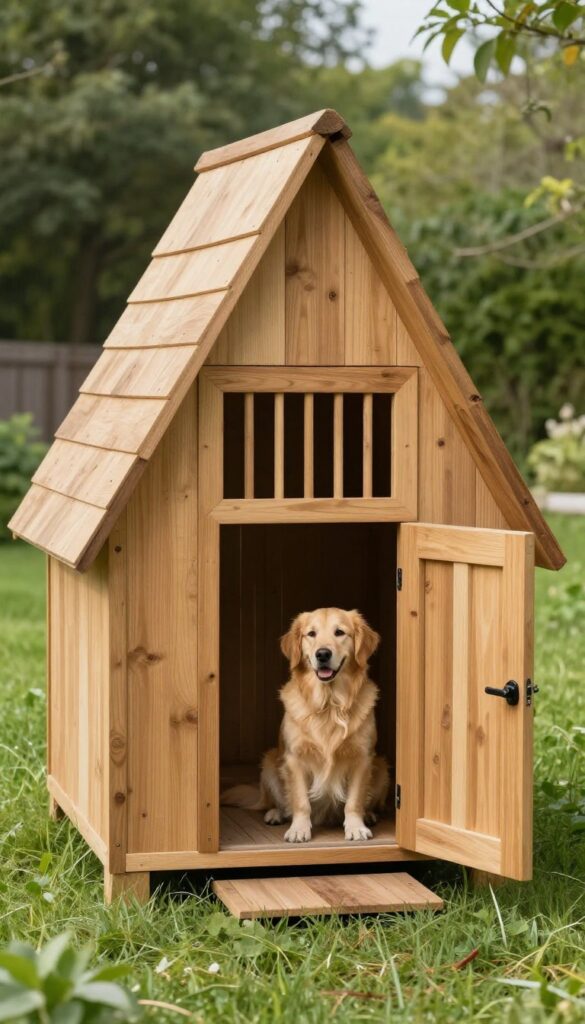
Hot summer days can turn a cozy dog house into an oven. Adding a second door on the side or back creates a cross-breeze that keeps the interior cool and fresh. This simple upgrade gives you control over airflow while maintaining the classic A-frame silhouette.
Why It Works
Dogs rely on panting and air movement to regulate body temperature. A second door allows hot air to escape and cool air to flow through, preventing heat buildup without electricity or fans.
Best For
Warm climates, double-coated breeds like Huskies or Golden Retrievers, and dogs that spend several hours outdoors during summer.
Practical Tip
Use lightweight, dog-safe flaps for the doors so your pup can push through easily. Position the secondary door opposite the main entrance for maximum cross-ventilation.
10. A-Frame with Built-In Storage Bench
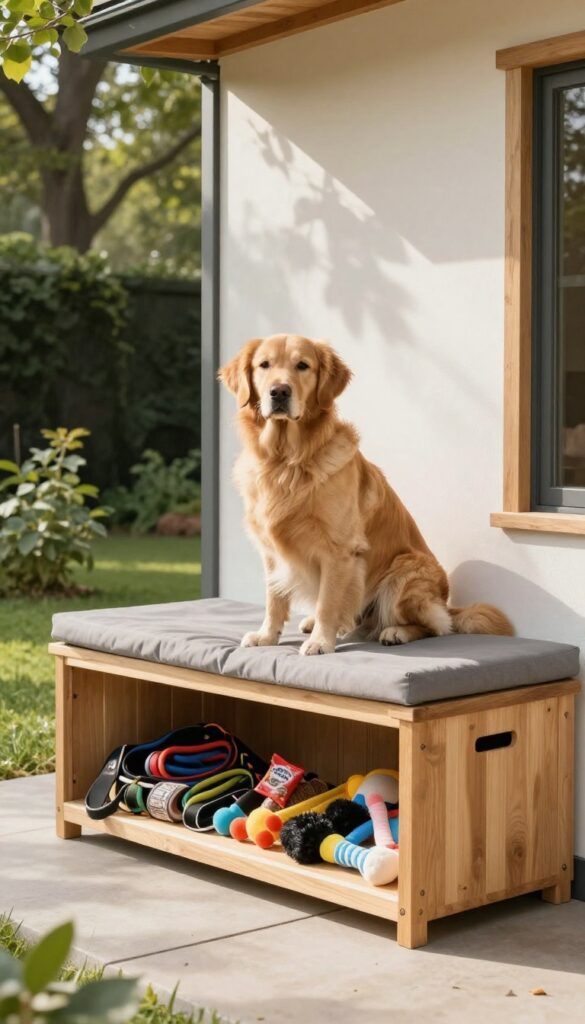
Tired of tripping over leashes and dog toys scattered around the yard? An A-frame with a built-in storage bench solves that problem neatly. The bench blends into the house's clean lines, so you get extra organization without sacrificing style.
The storage compartment stays dry and sheltered under the roof overhang or tucked beside the structure. It's a simple upgrade that makes daily dog care more convenient.
Dog owners love having a designated spot for treats, poop bags, and grooming tools right where they need them. No more running back inside for a forgotten item.
Why It Works
The bench serves double duty: it gives your pup a place to sit or lie down outside the house, and it keeps all their gear organized in one spot. The enclosed storage protects items from rain and sun, so everything stays clean and ready to use.
Best For
This idea works great for owners with multiple dogs or anyone who spends a lot of time in the backyard. It's also perfect for small yards where every square foot counts.
Practical Tip
Match the bench wood to the dog house for a seamless look. Add a weatherproof cushion on top so your dog can lounge comfortably while you grab their leash.
Budget-Friendly Option
If you're building on a budget, repurpose an old wooden crate or plastic storage bin underneath a simple bench seat. Just make sure it's waterproof and elevated off the ground.
11. Rustic Log Cabin Style A-Frame
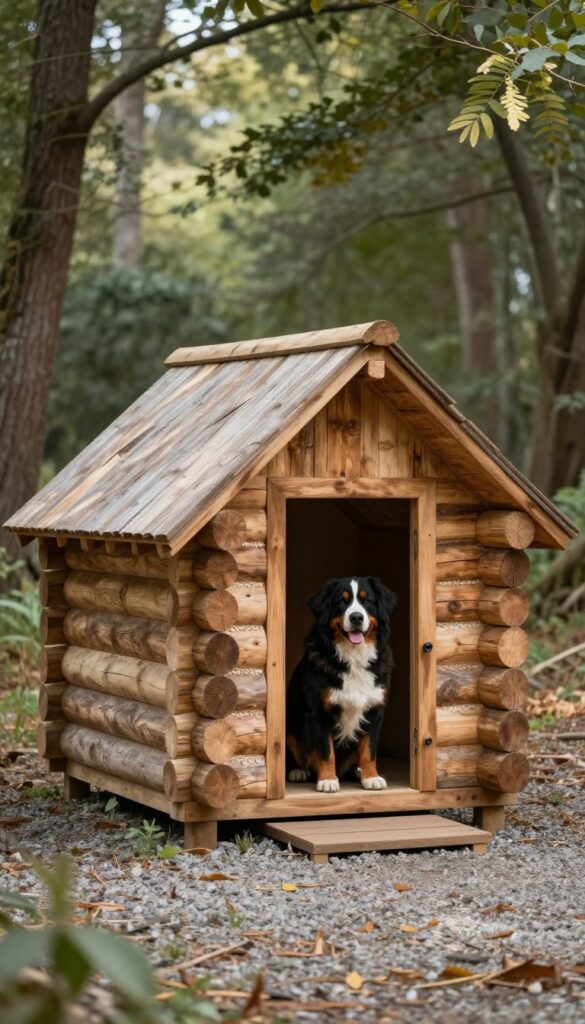
Nothing says cozy like a log cabin, and your dog can enjoy that same warmth with a rustic A-frame made from round logs or log siding. The natural wood blends beautifully into wooded yards or rural settings, giving the dog house a charming, handcrafted look. This style also provides excellent insulation, keeping your pup comfortable in both chilly winters and mild summers.
Why It Works
Logs are naturally thick and dense, which helps regulate temperature inside the dog house better than thin plywood. The chinking between logs seals gaps, blocking drafts and moisture. Plus, the sturdy construction stands up to rough play and weather extremes.
Best For
Dogs that spend lots of time outdoors in cooler climates, especially breeds like Huskies, Bernese Mountain Dogs, or Newfoundlands who love a den-like retreat. It also suits homes with rustic or cabin-style landscaping.
Practical Tip
Seal the logs with a pet-safe waterproof stain to protect against rain and snow. Add a slightly overhanging roof to keep water away from the log walls. Place the house on a gravel or stone base to prevent ground moisture from seeping up.
Budget-Friendly Option
Instead of full logs, use log-look vinyl siding over a plywood frame. It gives the same rustic appearance at a lower cost and is easier to clean with just a hose.
FAQ
What is the best material for an A-frame dog house?
Cedar and treated pine are popular for their durability and natural resistance to rot and insects. Always use non-toxic finishes to keep your dog safe.
How do I insulate an A-frame dog house?
Add foam board insulation between the walls and line the interior with plywood. Ensure the roof is sealed and consider a raised floor for extra warmth.
Can I build an A-frame dog house myself?
Yes, many DIY plans are available online. Basic carpentry skills and tools like a saw and drill are enough for a simple design. Pallet wood is a budget-friendly option.
What size should an A-frame dog house be?
The house should be just big enough for your dog to stand, turn around, and lie down comfortably. Measure your dog's height and length, then add a few inches.
How do I clean an A-frame dog house?
Use a removable roof or side panel for easy access. Sweep out debris, wash with mild soap and water, and let it dry completely before adding fresh bedding.
Conclusion
An A-frame dog house is more than a practical shelter—it's a timeless addition to your yard that your dog will love. From budget-friendly DIY builds to insulated winter retreats, there's a style for every home and climate. Pick the design that fits your space and your pup's needs.
With a little effort, you'll create a cozy, stylish hideaway that lasts for years. Your dog deserves a spot that's both functional and beautiful.

I’m Pallab Kishore, the owner of Little Pets Realm — an animal lover and pet care enthusiast sharing easy tips, healthy recipes, and honest advice to help every small pet live a happy, healthy, tail-wagging life.