
A dog house doesn't have to be an eyesore or break the bank. With a little creativity, you can give your pup a stylish retreat that fits your home and budget. These 11 ideas prove that practicality and good looks can go paw in paw.
From repurposed nightstands to insulated A-frames, each option tackles real dog-owner challenges like weather protection, easy cleaning, and space saving. Whether you're handy with tools or prefer a ready-made solution, there's a design here that works.
Your dog deserves a cozy spot that feels like their own—and you deserve one that doesn't clash with your decor. Let's dive into ideas that check both boxes.
1. Repurposed Nightstand Dog House
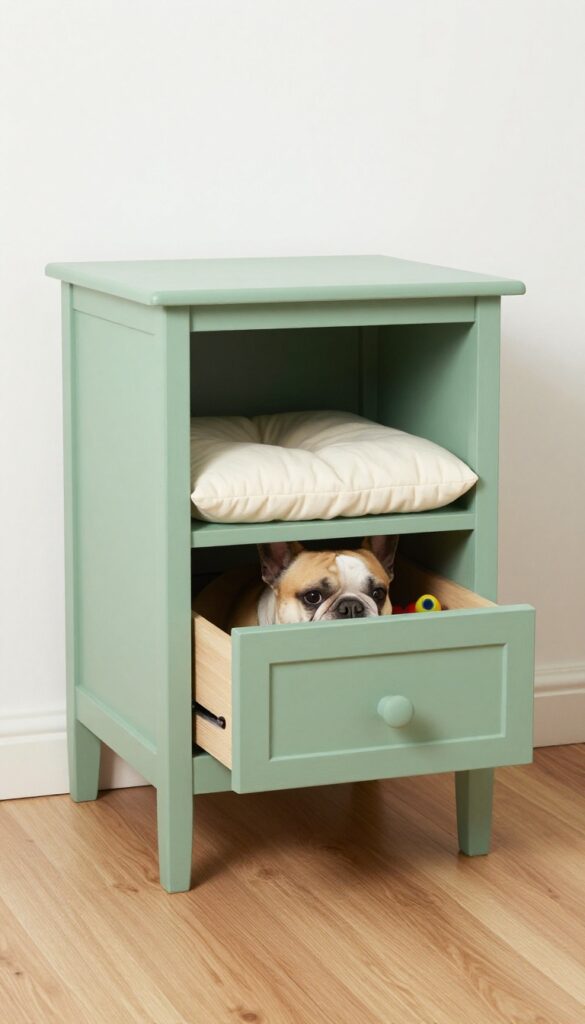
An old nightstand can become a cozy hideaway with minimal effort. By removing the drawer fronts and adding a soft cushion, you create a charming den that fits small spaces. It's a budget-friendly way to give your pup their own corner without sacrificing style.
Why It Works
The enclosed structure mimics a den, which many dogs find comforting. The raised bottom keeps your pet off cold floors, and the small footprint makes it ideal for apartments or tight corners. Plus, you're repurposing furniture instead of buying new.
Best For
Small breeds like Chihuahuas, French Bulldogs, or Shih Tzus who love to burrow. Works great in bedrooms, living rooms, or home offices where you want a discreet dog spot that blends with existing decor.
Practical Tip
Sand and paint the nightstand to match your room's palette. Use a washable cushion or crate pad for easy cleaning. Keep one drawer slightly open as a storage cubby for toys or treats.
Budget-Friendly Option
If you don't have an old nightstand, check thrift stores or Facebook Marketplace for solid wood pieces under $20. Even a small end table works—just ensure the opening is tall enough for your dog to enter comfortably.
2. Indoor Crate with a Tabletop
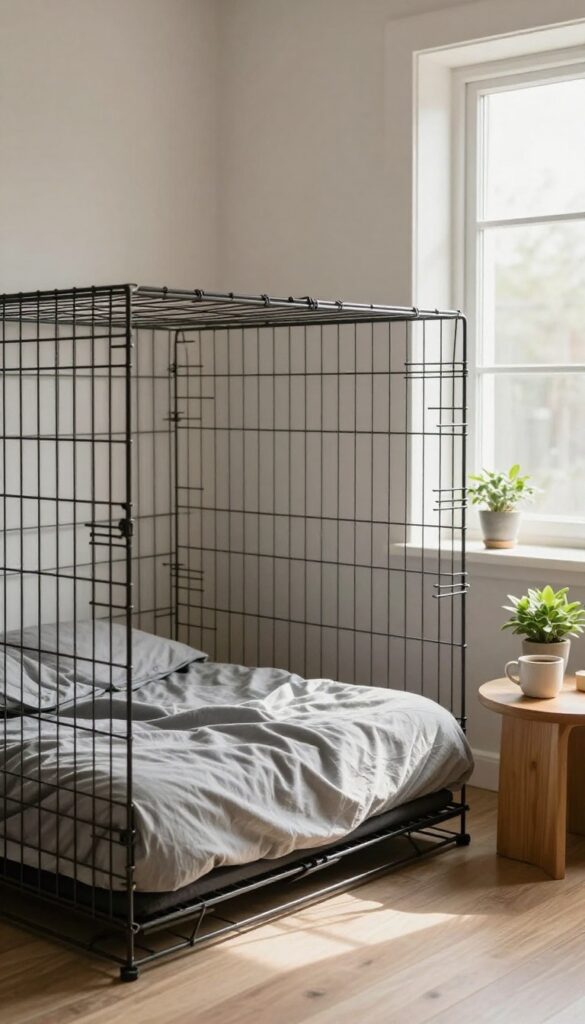
A wire crate doubles as a hidden den when you top it with a custom tabletop. This setup gives your dog a secure, cozy space while the surface becomes a functional side table or plant stand. It's an easy way to blend your pup's crate into your living room without sacrificing style.
Why It Works
The crate provides ventilation, visibility, and easy cleaning, while the tabletop hides the crate and adds utility. Your dog gets a private retreat, and you gain extra surface space—perfect for small homes where every inch counts.
Best For
This works well for apartment dwellers or anyone who wants their dog's crate to multitask. It suits medium to large breeds that need a sturdy crate, and owners who prefer a clean, minimalist look.
Practical Tip
Use a solid wood or laminate top that matches your existing furniture. Make sure the top is securely attached (use brackets or Velcro) so it doesn't slide off. Add a soft bed inside and leave the crate door open during the day so your dog can come and go.
Budget-Friendly Option
Skip the custom tabletop: place a large cutting board or a piece of plywood painted to match your decor on top of the crate. Or repurpose an old coffee table top that's slightly larger than the crate.
3. Insulated Outdoor A-Frame
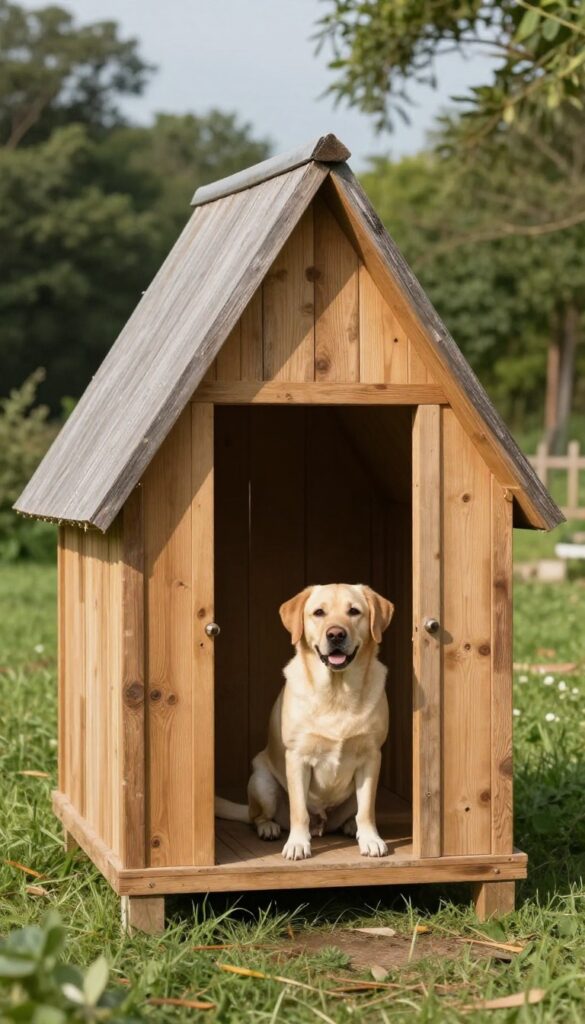
An A-frame dog house is a classic for good reason. The sloped roof sheds rain and snow easily, and when you add insulation, it becomes a four-season shelter. This design looks right at home in any backyard and gives your dog a quiet retreat.
Why It Works
Insulated walls keep the interior cooler in summer and warmer in winter, so your dog stays comfortable year-round. The A-frame shape also promotes airflow through the peak, reducing stuffiness. Plus, the raised floor keeps moisture out.
Best For
Outdoor dogs who spend a lot of time in the yard, especially in areas with temperature swings. Great for medium to large breeds like Labradors or Huskies that need a sturdy, weatherproof spot to rest.
Practical Tip
Paint the exterior with a weatherproof stain or outdoor paint to match your fence or deck. Use a removable foam board liner inside for easy cleaning—just pull it out and wipe it down. Place the door facing away from prevailing winds.
Budget-Friendly Option
Instead of buying new lumber, check for reclaimed wood or use exterior-grade plywood scraps. You can also use rigid foam insulation from a hardware store for under $20.
4. Upcycled Pallet Dog House
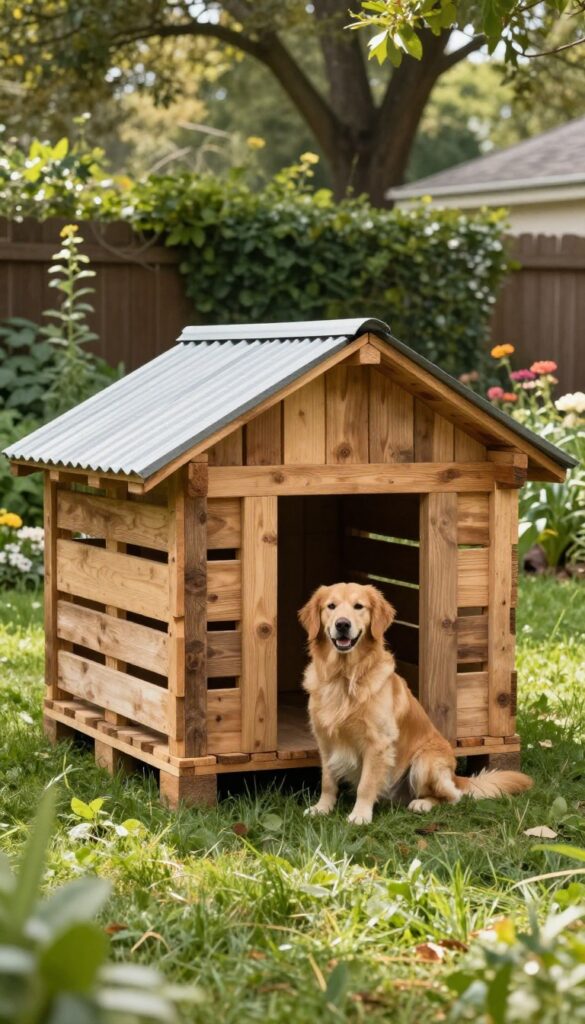
Wooden pallets are everywhere, often free for the taking. With a little elbow grease, you can turn them into a sturdy, rustic dog house that looks like it cost a fortune. It's a satisfying weekend project that gives your pup a unique shelter and keeps waste out of landfills.
Why It Works
Pallets are built tough, so they naturally handle weather and wear. By sanding down rough spots and adding a waterproof roof, you create a safe, long-lasting home for your dog. The open slatted design also allows airflow, keeping the interior fresh.
Best For
This idea is perfect for DIY-loving dog owners on a tight budget who have access to pallets. It suits medium to large breeds that need a bit more space, and works best in backyards or gardens where the rustic look blends in naturally.
Practical Tip
Before assembling, sand all surfaces thoroughly to remove splinters. Use a non-toxic sealant or paint (let it off-gas for a few days) to protect against rain. Add a slightly sloped roof with overlapping shingles or corrugated metal to keep water out.
5. Modern Minimalist Cube
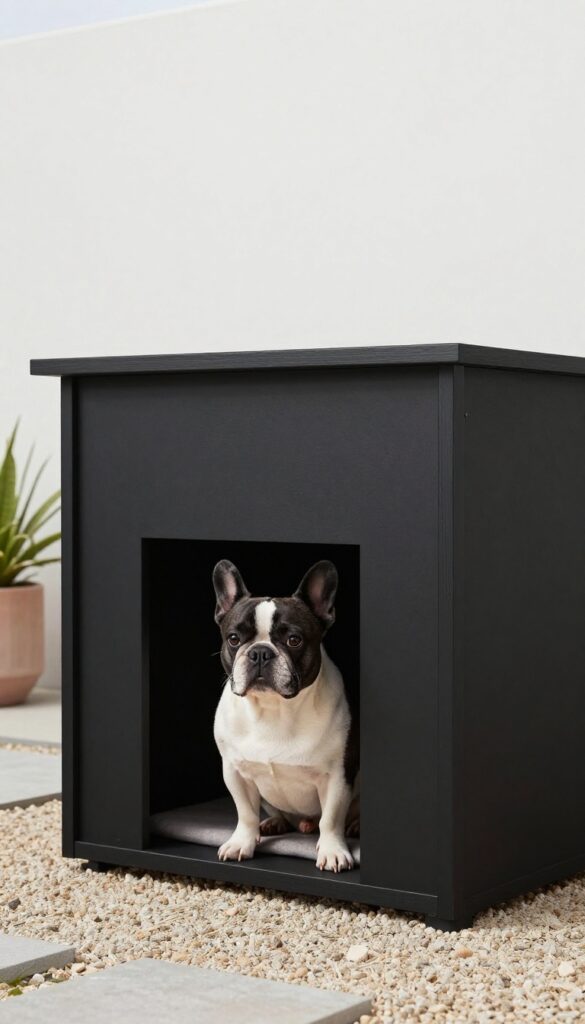
Clean lines and neutral tones give this cube-shaped dog house a sleek, contemporary look that blends right in with modern decor. It's simple to build with exterior-grade plywood and a flat roof, and the minimalist design makes it feel more like furniture than a pet accessory. Dog owners love how it adds style without shouting 'dog house.'
Why It Works
The compact cube shape saves space while still giving your dog a cozy, enclosed den. The flat roof can double as an extra seat or plant stand, making it multifunctional for small yards or patios. Neutral colors also hide dirt and fur better than you'd expect.
Best For
This design suits modern homes, apartments with balconies, or any space where you want the dog house to complement rather than dominate the area. It's ideal for small to medium breeds that enjoy a snug, den-like retreat.
Practical Tip
Use outdoor-grade paint or stain in matte black, warm gray, or off-white. Add a soft, washable cushion inside and consider a removable roof for easy cleaning. Place it on a slight gravel or paver base to keep moisture away from the plywood.
6. Deck Box Dog Den
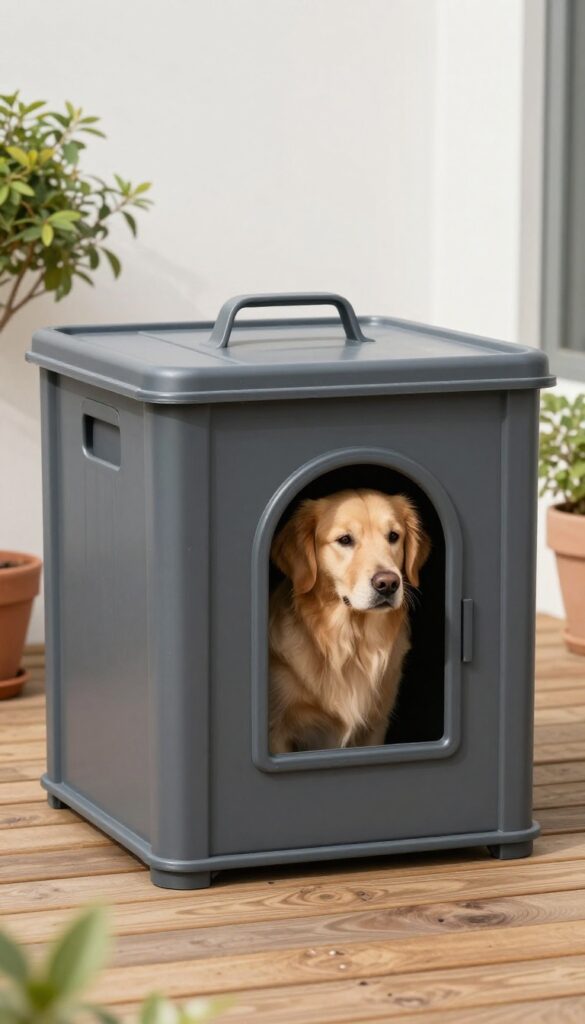
A plastic deck box might seem like an unlikely dog house, but it's one of the smartest outdoor options out there. The thick, weatherproof plastic is naturally insulating and keeps moisture out, making it a durable choice for year-round use. Plus, it looks tidy and blends into most patios or decks.
Why It Works
Deck boxes are built to withstand rain, snow, and sun without rotting or rusting. Adding a simple door cutout turns the storage space into a cozy den that stays cooler in summer and warmer in winter than many wooden houses. The lid still opens from the top, so you can easily clean it or reach your pup in a pinch.
Best For
This setup is perfect for medium to large dogs who spend time outdoors during the day. It's also great for renters because the box can be repurposed as storage when you move. If your yard lacks shade or shelter, this den gives your dog a reliable refuge.
Practical Tip
Use a jigsaw to cut an arched or rounded door opening—smooth the edges with sandpaper to prevent sharp spots. Add a weatherproof cushion or a scrap of outdoor carpet inside for comfort. Place the box on level ground with the door facing away from prevailing winds for extra coziness.
7. Under-Stairs Dog Nook
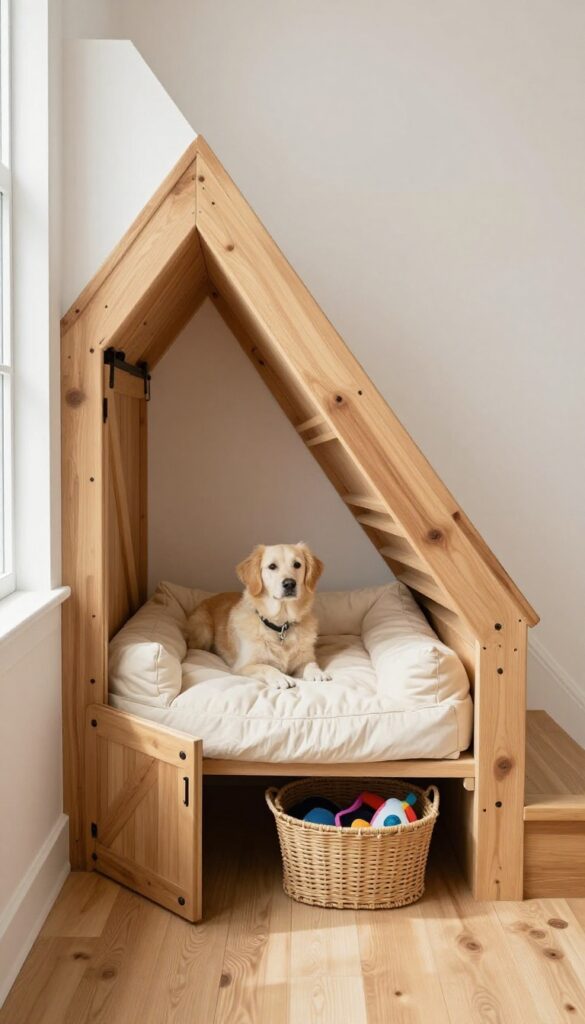
That awkward triangular space under the stairs often ends up as a catch-all for shoes and clutter. With a little DIY effort, it can become your dog's favorite hideaway. A custom nook makes use of otherwise wasted square footage and gives your pup a den-like retreat that feels safe and snug.
Why It Works
Dogs naturally love cozy, enclosed spaces—think of how they burrow into blankets or squeeze behind furniture. An under-stairs nook mimics that instinctive den environment, which can help anxious dogs feel more secure. Plus, it keeps their bed out of high-traffic areas, reducing tripping hazards.
Best For
This idea is perfect for homeowners with unused under-stairs space and medium to large breeds that need a roomier spot. It also works well for multi-dog households if you build in separate compartments or a larger shared area.
Practical Tip
Install a small curtain or barn-style door so your dog can come and go freely while keeping the area looking tidy. Add a washable cushion or memory foam bed for comfort, and tuck in low bins on the side for storing leashes, toys, and grooming supplies.
Budget-Friendly Option
If you're not handy with tools, repurpose an existing tall cabinet by removing the doors and cutting an opening in one side. Place it against the wall under the stairs for a similar effect without any construction.
8. Portable Pop-Up Tent
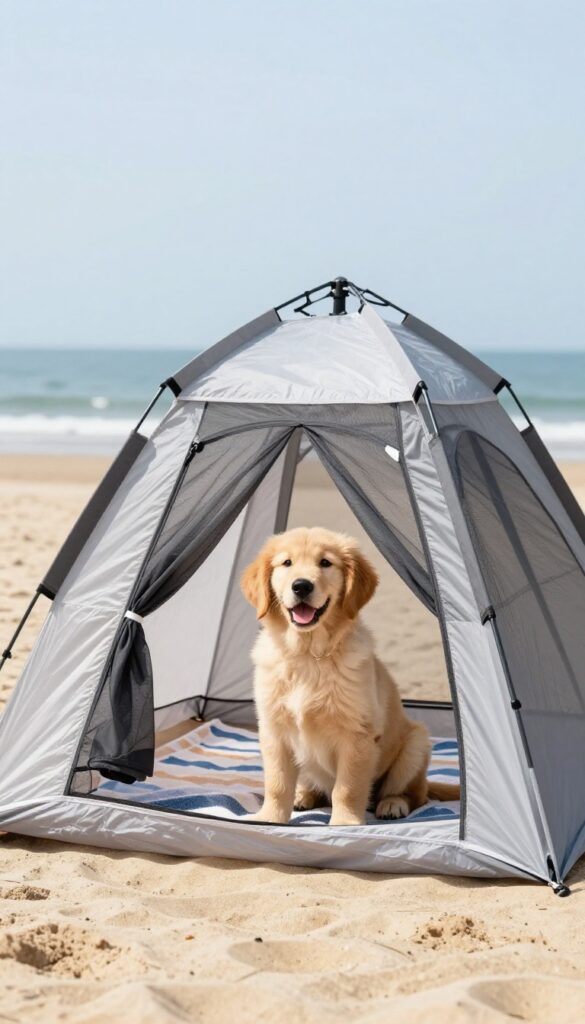
A pop-up tent made for dogs is the ultimate grab-and-go shelter. It sets up in seconds and packs down flat, making it perfect for adventures or just a change of scenery. Owners love how lightweight and easy to store it is, plus it keeps your pup shaded and comfortable wherever you are.
Why It Works
It's all about flexibility. You can take it camping, to the beach, or set it up in the backyard on a sunny day. The mesh sides provide ventilation while keeping bugs out, and many tents have anchored floors to stay put in light wind.
It gives your dog a familiar, cozy spot no matter where you roam.
Best For
Active dogs and owners who love spending time outdoors. Also great for apartment dwellers with limited permanent space, since the tent folds away into a small carrying case when not in use.
Practical Tip
Place the tent on a flat, shady spot away from direct sun for hours of use. Add a lightweight bed or towel inside for extra cushioning, and stake it down if there's any breeze. After trips, shake out sand or dirt before folding to keep the tent clean.
Budget-Friendly Option
A kids' pop-up play tent works just as well—look for one with mesh windows and a removable floor. Just make sure the fabric is pet-safe and easy to wipe down.
9. Crate with Built-In Feeding Station
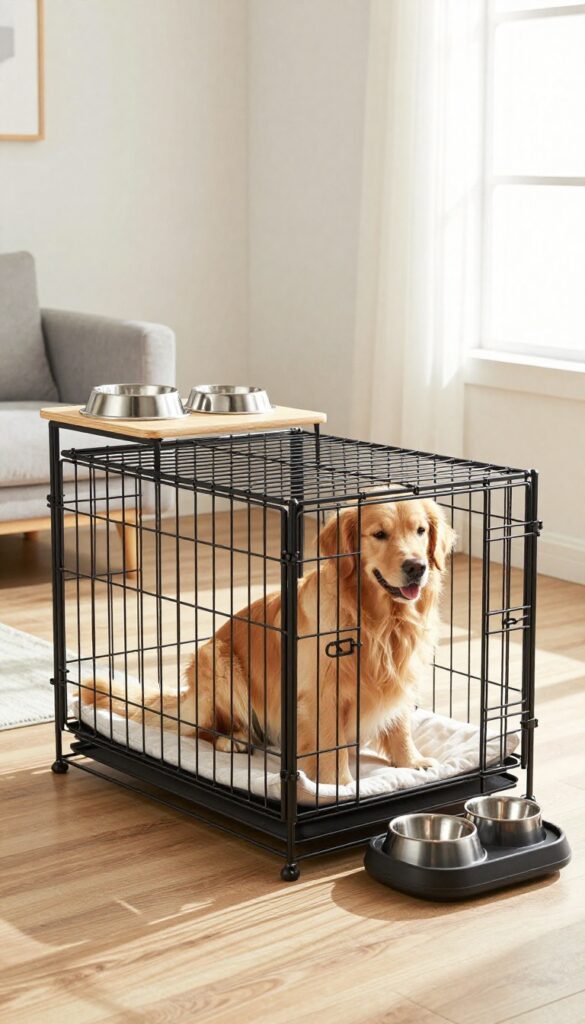
A crate that doubles as a feeding station is a smart way to keep your dog’s essentials organized. The side table holds food and water bowls at a comfortable height, while the crate itself stays clean and clutter-free. It’s a simple upgrade that makes feeding time feel intentional and neat.
Why It Works
Having the bowls attached to the crate means no more spilled water across the floor or bowls sliding around during meals. It also saves floor space by combining two functions into one piece of furniture, which is especially handy in smaller homes or apartments.
Best For
This setup works well for dogs that eat in their crate or for owners who want a dedicated feeding zone without taking up extra room. It’s great for medium to large breeds that need sturdy, elevated bowls, and for anyone who likes a tidy, all-in-one solution.
Practical Tip
Choose a crate with a removable side table so you can wash the bowl area easily. Look for models with a waterproof tray under the bowls to catch drips. If your dog is a messy eater, place a mat underneath for quick cleanup.
10. Teepee Style Dog House
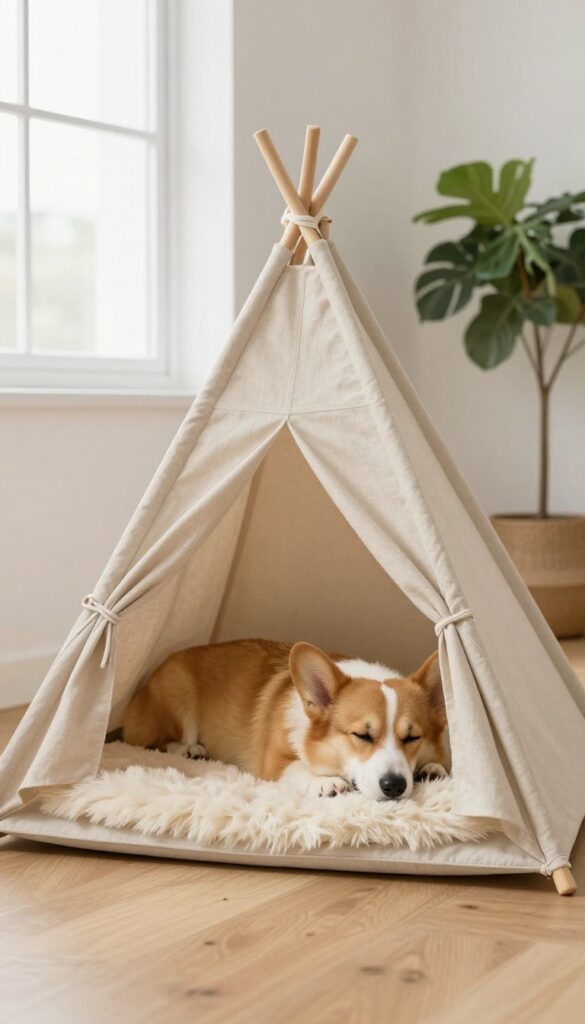
A fabric teepee brings a playful, boho vibe to any room while giving your dog a cozy den to retreat to. These lightweight structures are surprisingly sturdy and can be set up in minutes. Plus, they fold flat for easy storage when not in use.
Why It Works
Dogs naturally love enclosed spaces that feel safe and den-like. The teepee's triangular shape mimics a cave, making it instantly inviting. The fabric is breathable, so your pup stays cool in summer and warm in winter.
Best For
Small to medium breeds like Chihuahuas, French Bulldogs, or Corgis. Perfect for apartments or homes where a permanent wooden dog house isn't practical. Also great for travel or moving between rooms.
Practical Tip
Choose a pattern that complements your existing decor—neutral linen blends in, while bold prints make a statement. Add a soft cushion or faux fur mat inside for extra comfort. Machine-washable covers are a lifesaver for muddy paws.
11. Heated Dog House for Cold Climates
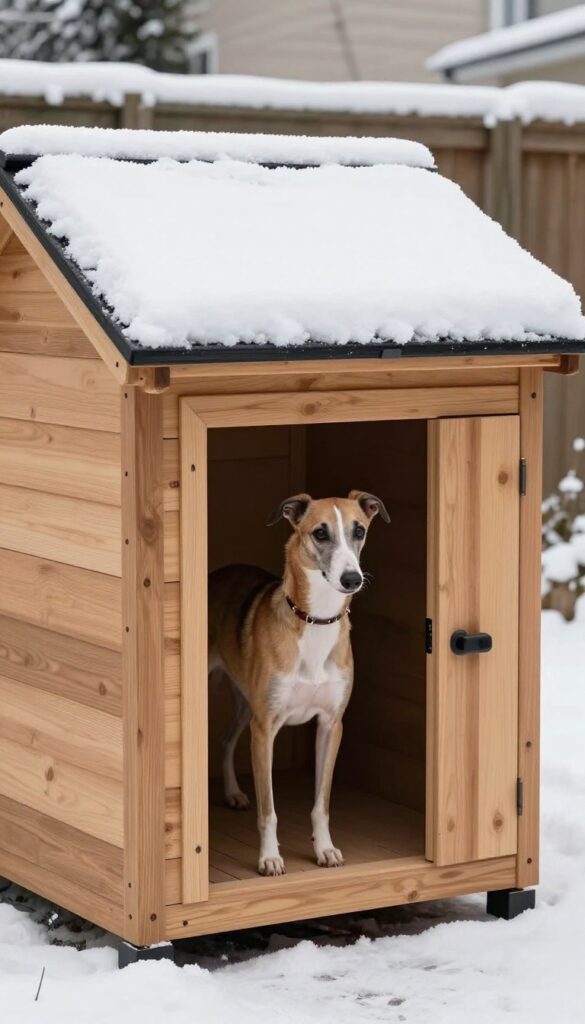
When temperatures drop, a standard dog house just doesn't cut it. A heated dog house keeps your pup warm and safe during freezing winters, with a thermostatically controlled heating pad that activates only when needed. It's a practical upgrade that prioritizes comfort without constant energy use.
These houses are built with proper insulation and ventilation to prevent moisture buildup and ensure safety. Many models also feature raised floors and weatherproof exteriors, making them durable enough to withstand snow and wind.
Dog owners love the peace of mind that comes with a heated shelter. Your pup stays cozy without you having to worry about frostbite or hypothermia, even on the coldest nights.
Why It Works
A thermostatically controlled heating pad maintains a consistent temperature inside the house, so your dog stays warm without overheating. Proper insulation traps body heat while ventilation prevents condensation and mold. This combination creates a safe, dry environment that's essential for breeds prone to cold or senior dogs with arthritis.
Best For
This is ideal for outdoor dogs in regions with harsh winters, especially short-haired breeds like Chihuahuas, Greyhounds, or senior dogs who struggle to regulate body temperature. It also works well for working dogs who spend extended time outside in cold weather.
Practical Tip
Place the heated dog house in a sheltered area away from prevailing winds, like against a wall or under an overhang. Use a flap door to block drafts while still allowing easy entry. Regularly check the heating pad cord for damage and ensure the ventilation openings stay clear of snow or debris.
FAQ
What is the best material for an outdoor dog house?
Cedar or pressure-treated pine are durable and weather-resistant. Avoid particle board as it can warp and rot.
How big should a dog house be?
The house should be just big enough for your dog to stand, turn around, and lie down comfortably. Too large makes it harder to retain body heat.
Do I need to insulate a dog house?
In extreme temperatures, yes. Use foam board or reflective insulation, and ensure the house is elevated off the ground.
Can I use a dog house indoors?
Absolutely. Many indoor dog houses double as furniture, like crates with table tops or decorative nooks.
How do I clean a dog house?
Use a mild soap and water solution. For outdoor houses, hose it down and let it dry. Replace bedding regularly.
Conclusion
You don't need to spend a fortune to give your dog a stylish, functional house. Start with one idea that fits your budget and your pup's personality, whether it's a repurposed crate or a simple DIY build.
Watch how quickly they make it their own—that's when you know you nailed it.

I’m Pallab Kishore, the owner of Little Pets Realm — an animal lover and pet care enthusiast sharing easy tips, healthy recipes, and honest advice to help every small pet live a happy, healthy, tail-wagging life.