
Your dog's outdoor space can be more than just a plastic box. A well-designed dog house adds personality to your yard while giving your pup a cozy retreat. Whether you're into modern minimalism or rustic farmhouse vibes, there's a style that fits both your aesthetic and your dog's needs.
These ideas go beyond basic shelter—they're about creating a spot your dog actually wants to hang out in. Think shaded porches, elevated floors, and weather-resistant materials that last.
Ready to upgrade your backyard? Here are 10 dog house designs that blend charm and practicality for any pup.
1. Rustic Cabin-Style Dog House
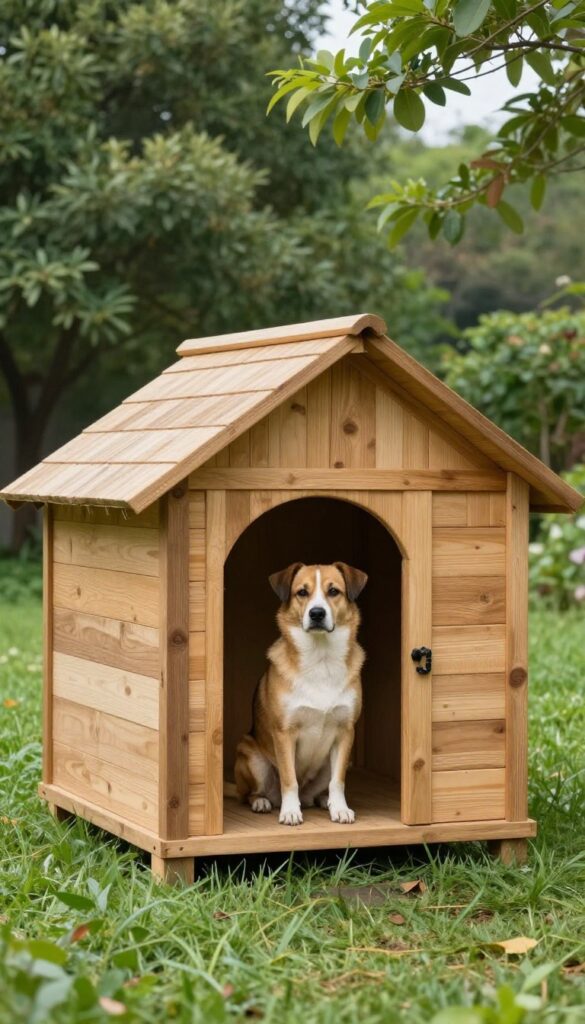
Bring a touch of the wilderness to your backyard with a rustic cabin-style dog house. This design mimics a mini log cabin, complete with real wood siding and a sloped roof that sheds rain and snow with ease. It blends beautifully into natural landscapes, making it feel like a permanent part of your yard.
Dogs love the cozy, den-like interior that stays cooler in summer and warmer in winter thanks to the natural insulation of wood. Adding a small porch gives your pup a shaded spot to lounge and keep an eye on their domain.
Why It Works
Real wood provides excellent temperature regulation, keeping the interior comfortable year-round. The sloped roof prevents water pooling, while the raised floor keeps moisture and pests out. It's sturdy enough to withstand weather and looks charming doing it.
Best For
Rustic cabin-style dog houses are perfect for dogs who spend a lot of time outdoors, especially medium to large breeds that need room to stretch out. They suit homes with wooded or natural yards, but can also add warmth to suburban gardens. Owners who love cabin decor or farmhouse aesthetics will appreciate this look.
Practical Tip
Use pressure-treated or cedar wood for durability and natural rot resistance. Paint or stain the exterior to match your home's trim for a cohesive look. Place the dog house on a level spot with good drainage, and add a weatherproof flap over the door for extra insulation.
Clean it annually with a gentle wood cleaner to maintain its appearance.
Budget-Friendly Option
If you're handy, build your own using reclaimed wood pallets or leftover lumber from other projects. You can save money by using simple shingles instead of real wood siding for the roof.
2. Modern Minimalist Dog House
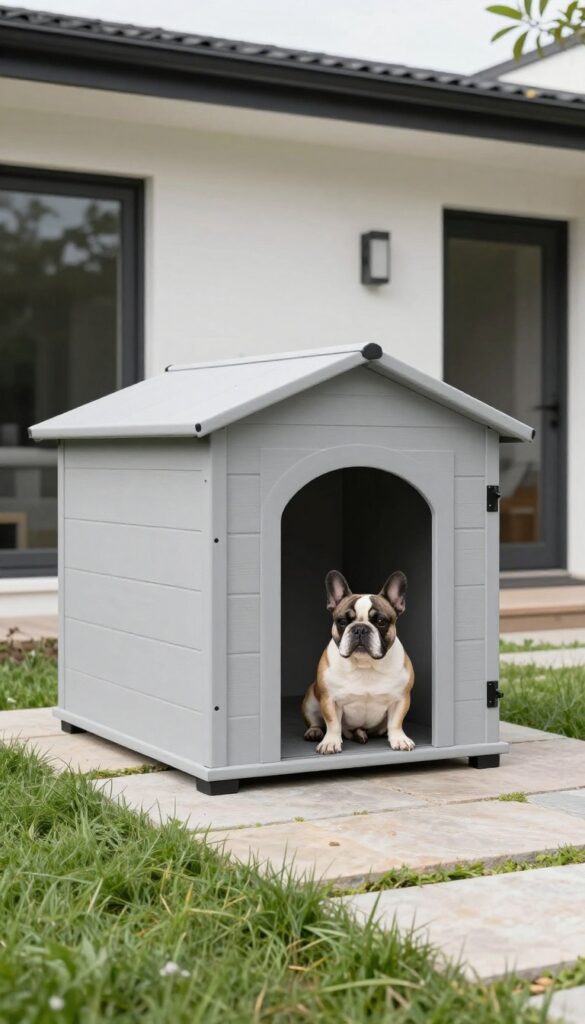
Sleek, simple, and understated—the modern minimalist dog house proves that less really can be more. With clean lines, a flat roof, and neutral tones like gray or white, this design blends right into contemporary backyards without screaming "dog house." It's the kind of spot your pup can call their own while keeping your outdoor space looking polished.
Why It Works
The minimalist approach focuses on function and form. Composite materials stand up to weather and require little maintenance, so you're not constantly repainting or repairing. The flat roof can double as an extra perch for sunbathing (if your dog likes to climb), and the simple shape makes it easy to clean out bedding and debris.
Best For
This style is perfect for design-conscious owners with modern or mid-century homes. It suits small to medium breeds that don't need a ton of headroom—think French Bulldogs, Pugs, or Beagles. Also great for yards where you want the dog house to blend in rather than stand out.
Practical Tip
Place the dog house on a concrete or stone pad to keep it level and dry. Add a memory foam bed inside for comfort, and consider a small awning over the entrance for extra shade. If you live in a rainy area, angle the flat roof slightly for drainage.
Budget-Friendly Option
If the custom composite version is out of reach, look for a basic wooden dog house with flat lines and paint it matte gray or white yourself. You can get that modern look for under $100 with a little DIY effort.
3. Dog House with a Porch
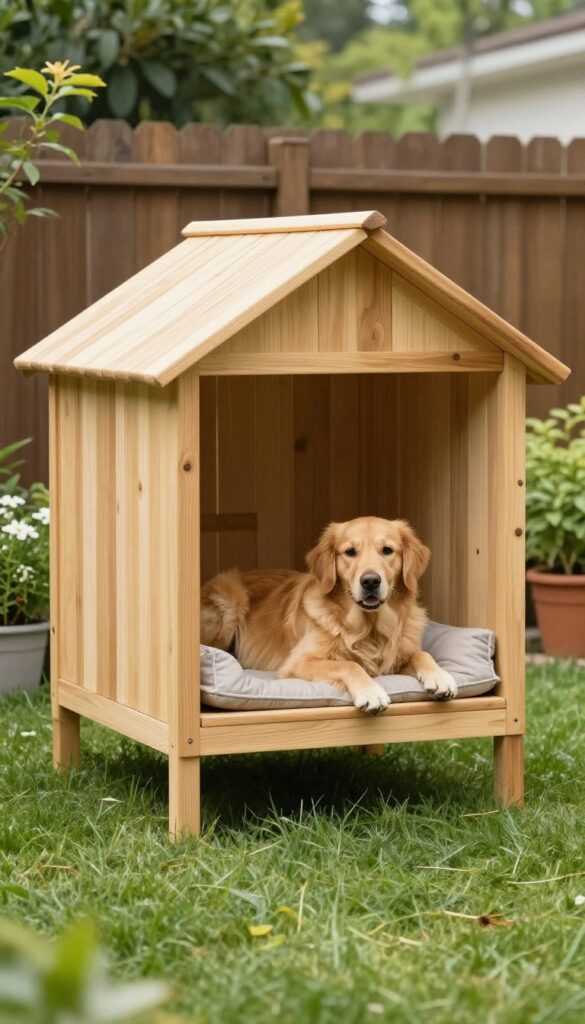
A covered front porch turns a simple dog house into a shaded hangout spot. It gives your pup a place to lounge outdoors without being fully exposed to the sun or rain. This design adds instant charm and makes the house feel more like a tiny home.
Why It Works
Dogs love being outside but need protection from heat and weather. The porch provides a cool, dry area where they can rest while still keeping an eye on the yard. It also extends the usable space of the dog house without adding much cost.
Best For
Great for sunny climates where shade is essential. Perfect for dogs that like to be outdoors but need a break from direct sun. Works well for medium to large breeds that enjoy lounging on a soft surface.
Practical Tip
Add an outdoor cushion or a washable rug to make the porch cozy. Choose weather-resistant materials like cedar or treated wood, and seal it to prevent rot. Keep the porch size proportional to your dog so they can stretch out comfortably.
Budget-Friendly Option
Skip the custom build and buy a basic wooden dog house, then attach a small prefab awning or build a simple roof extension yourself with plywood and brackets.
4. Elevated Dog House on Stilts
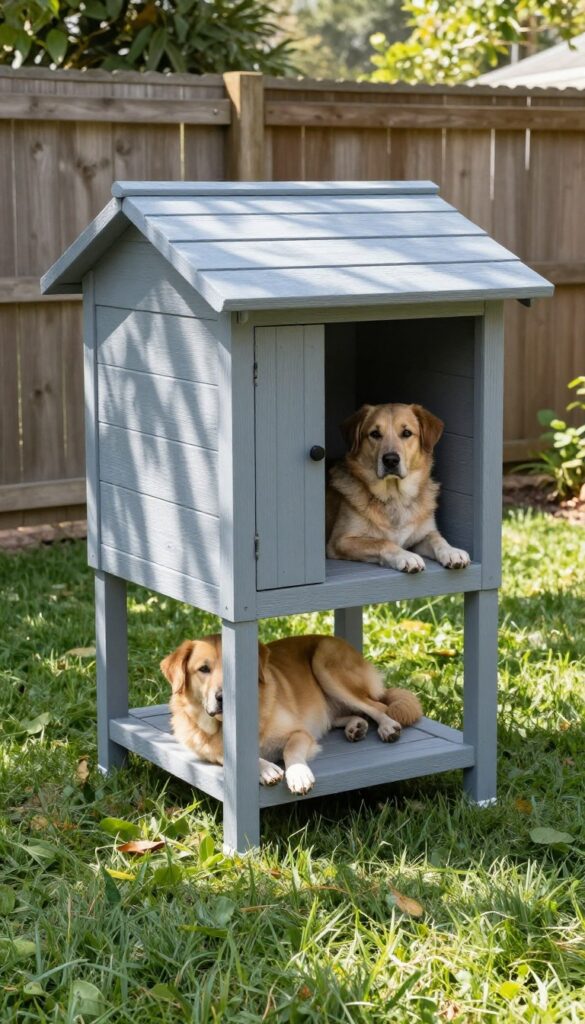
Lifting your dog's house off the ground is a smart move for damp or uneven yards. Raised design keeps moisture, mud, and pests away, plus the space underneath can double as a shaded hangout or storage spot.
It gives your pup a dry, airy retreat that stays cooler in summer and drier in wet weather. Many owners love how it adds a playful treehouse vibe to the backyard.
Why It Works
Moisture and bugs are common problems with ground-level dog houses. Elevating the structure prevents rot, mildew, and insect entry while improving airflow underneath. The raised platform also discourages digging around the entrance.
Best For
This style is perfect for dogs who spend lots of time outdoors, especially in rainy climates or yards with poor drainage. It works well for medium to large breeds that need extra headroom.
Practical Tip
Paint or stain the stilts to match your deck or fence for a cohesive look. Add a small ramp or wide steps if your dog has joint issues—elderly pups may struggle with jumping up.
Budget-Friendly Option
Build your own using pressure-treated lumber and cinder blocks. A simple DIY version costs under $100 and can be customized to your yard's height needs.
5. Painted and Patterned Dog House
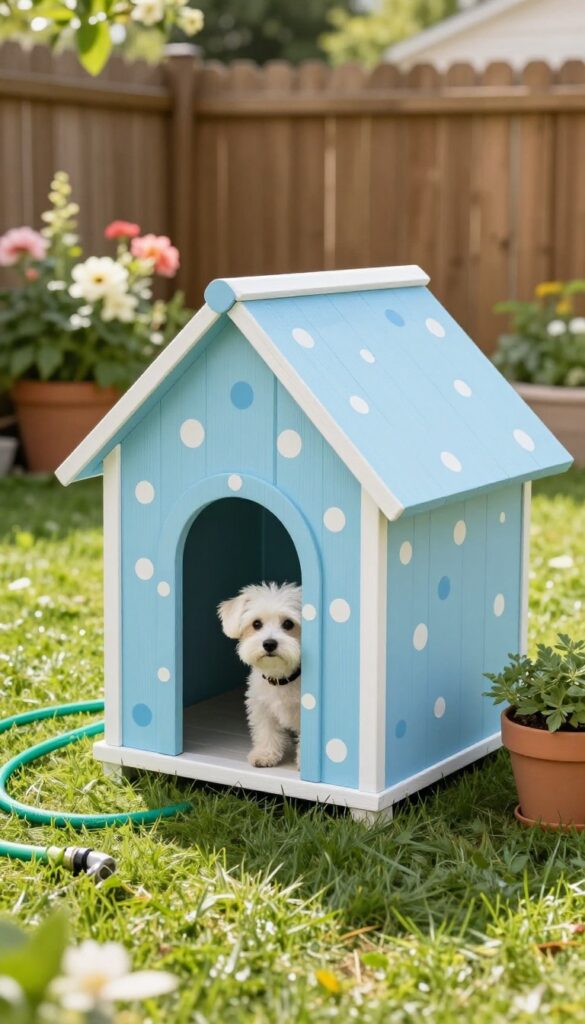
Give your dog's house a personality boost with a coat of paint and some playful patterns. Whether you match your home's trim for a cohesive look or go bold with stripes, chevrons, or polka dots, this is an easy weekend project that adds instant curb appeal.
Non-toxic, outdoor-grade paint is essential for your pup's safety and the house's durability. A little prep work—sanding and priming—goes a long way toward a finish that lasts through rain and sun.
The best part? You can update the look anytime your taste changes or when the paint starts to fade. It's a low-commitment way to keep your backyard feeling fresh.
Why It Works
A painted dog house becomes a focal point in your yard rather than an eyesore. The personalization makes it feel like part of your home's design, while the paint protects the wood from moisture and UV damage. Plus, it's one of the most budget-friendly ways to upgrade a plain dog house.
Best For
This idea works great for DIYers who enjoy weekend projects and want a custom look without spending a lot. It suits any breed, but especially pups who spend time in the yard while you garden or entertain.
Practical Tip
Use painter's tape to create crisp lines for stripes or geometric patterns. Apply at least two coats of exterior paint and seal with a clear, pet-safe topcoat. Avoid painting the interior to prevent fumes—leave it natural or use a washable liner instead.
Budget-Friendly Option
Skip expensive stencils and make your own patterns using cardboard cutouts or simple tape designs. You can also use leftover house paint for the main color and buy small sample pots for accent colors.
6. Dog House with a Green Roof
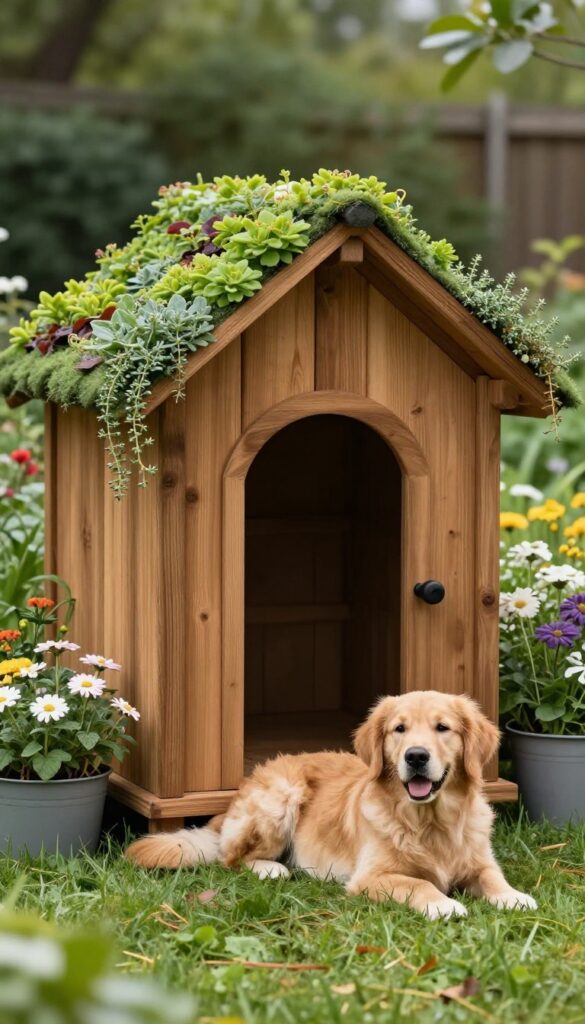
Imagine your dog's house topped with a mini meadow of sedum or grass. A green roof blends the structure into your garden, offering natural insulation that keeps the interior cooler in summer and warmer in winter. It's an eco-friendly twist that turns a simple dog house into a charming landscape feature.
Why It Works
The layer of soil and plants absorbs rainwater, reduces runoff, and provides extra sound dampening. During hot days, the vegetation blocks heat, while in colder months it adds a protective barrier. Plus, it looks beautiful—like a tiny piece of the garden lifted onto the roof.
Best For
Dogs who spend lots of time outdoors in moderate climates, especially breeds that overheat easily like Bulldogs or Huskies. Also perfect for gardeners who want their dog house to feel like a natural extension of the yard.
Practical Tip
Use a waterproof membrane beneath the soil to protect the wood. Choose shallow-rooted plants like sedum or creeping thyme that need little maintenance. Water occasionally during dry spells, but avoid overwatering—the roof should stay lightweight.
Budget-Friendly Option
Skip professional installation and DIY it with a pre-built dog house, pond liner, and drainage layer of gravel. You can buy sedum plugs online for cheap and plant them yourself for a fraction of the cost.
7. Two-Story Dog House
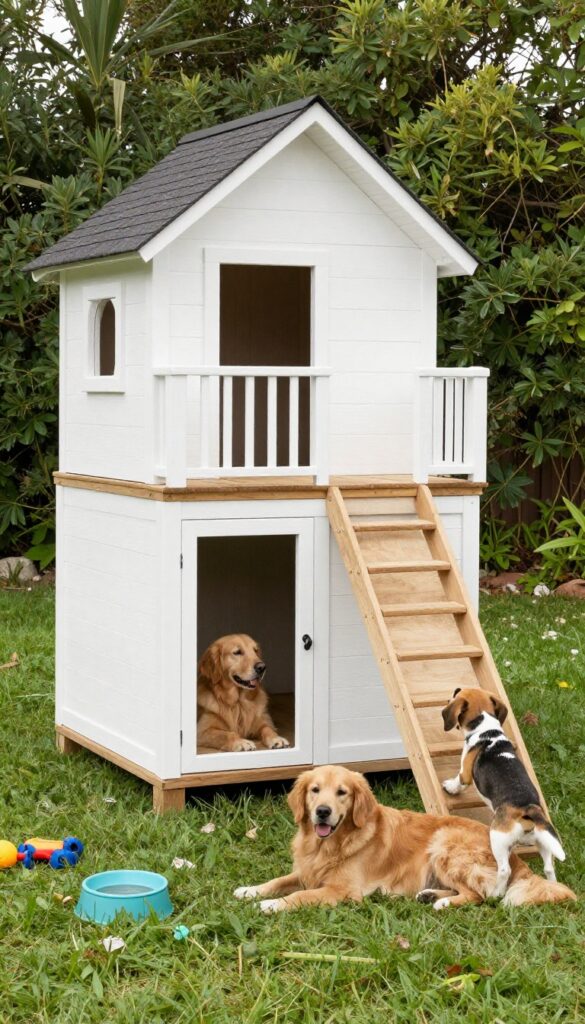
For multi-dog households, a two-story dog house is a game-changer. It gives each pup their own space—upper level for sleeping, lower for lounging—without taking up extra yard room. This design feels like a tiny doggy duplex, and dogs love having options.
Why It Works
Dogs naturally seek out elevated spots for napping and cozy corners for relaxing. A two-story layout satisfies both instincts in one structure. It also helps reduce sibling squabbles over territory since each level feels like its own room.
Best For
Homes with two or more dogs that get along well but appreciate personal space. Also great if you have a small yard where you need to maximize square footage without sacrificing comfort.
Practical Tip
Make sure the upper floor has a sturdy ramp or wide steps so even senior dogs can climb safely. Add a removable divider between levels for easy cleaning—a slide-out tray works wonders for sweeping out fur and dirt.
Budget-Friendly Option
Skip the custom build and look for a pre-made two-story dog house kit from brands like Petsfit or Pawhut. They cost less than half of what a carpenter would charge and still offer solid construction with weatherproof wood.
8. Dog House with Built-In Storage
A dog house that doubles as storage is a win-win for small yards or anyone who loves organization. These designs tuck away toys, leashes, and food bins in a side compartment or under a bench seat. The result is a cleaner backyard and a cozy home for your pup.
Many of these dog houses look like outdoor furniture—benches, planters, or deck boxes—so they blend right in. Your dog gets a private spot, and you get to hide the clutter.
It's one of those ideas that feels obvious once you see it. Why not make your dog's house work harder for you?
Why It Works
Built-in storage eliminates the need for separate bins or boxes near the dog house. Everything has a place, which means less tripping hazards and less stuff scattered around. It also keeps supplies dry and protected from the elements.
Best For
This is perfect for owners with limited yard space who want to maximize every square foot. It's also great for households with multiple dogs or lots of gear—toys, leashes, bowls—that need corralling.
Practical Tip
Look for designs with weatherproof compartments that are easy to access. A hinged lid on the storage area works well. If you're building your own, use exterior-grade plywood and seal all edges to prevent moisture damage.
9. Repurposed Furniture Dog House
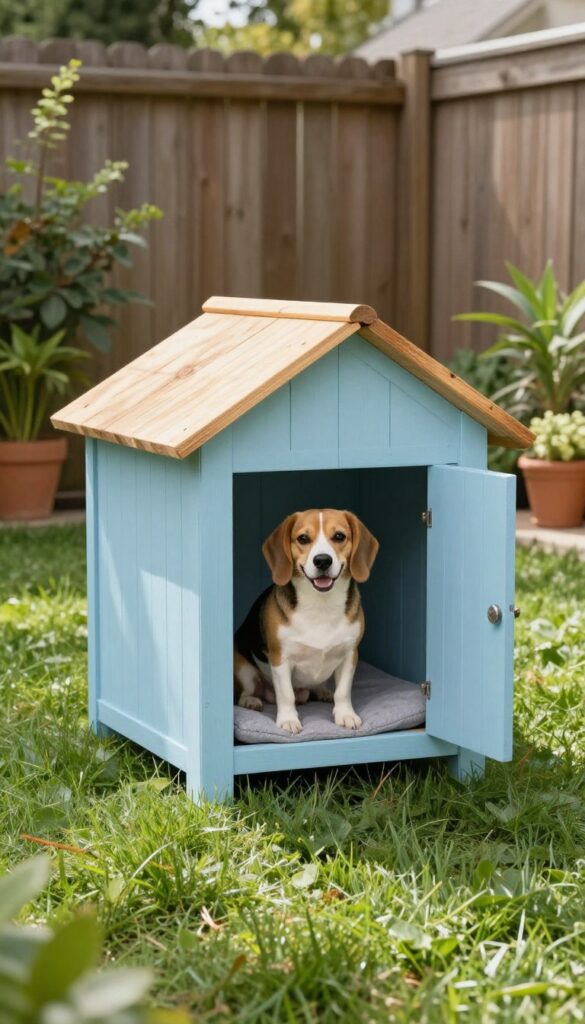
Old furniture can get a second life as a charming dog house. An outdated nightstand, dresser, or cabinet transforms into a cozy hideaway with minimal effort. It's budget-friendly, eco-friendly, and adds a quirky touch to your backyard.
Start by removing drawers and internal shelves to create an open space. Add a small roof made from scrap wood or pallet pieces, then paint it in colors that match your outdoor decor. Your dog gets a unique retreat, and you get to upcycle instead of tossing.
Dog owners love how this idea turns trash into treasure. It's also a fun weekend project that doesn't require advanced DIY skills.
Why It Works
The enclosed structure provides a den-like feel that many dogs find comforting. The solid wood construction offers better insulation than plastic houses, keeping your pup cooler in summer and warmer in winter. Plus, the raised bottom keeps the floor dry and away from damp ground.
Best For
Small to medium breeds like French Bulldogs, Beagles, or Corgis that prefer cozy spaces. It's ideal for budget-conscious owners who enjoy DIY projects and want an eco-friendly option. Also great for renters who can easily move or modify the piece.
Practical Tip
Sand all surfaces thoroughly before painting to avoid splinters. Use pet-safe paint or sealant on the interior and exterior. Add a soft cushion or blanket inside for comfort, and ensure ventilation by drilling small holes near the top back or adding a small window cutout.
10. Insulated Dog House for Cold Climates
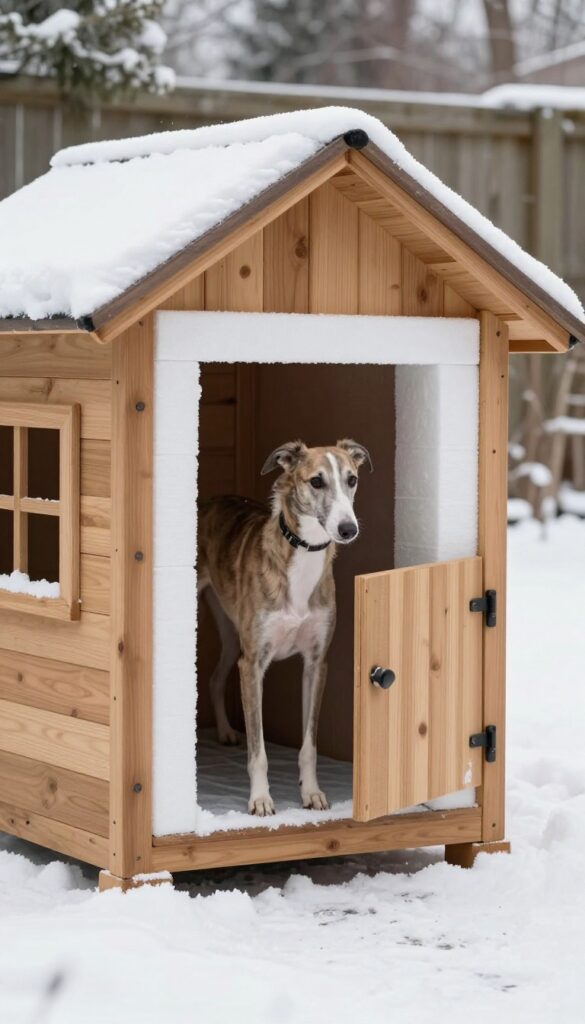
When winter winds pick up, a standard dog house won't cut it. An insulated dog house traps your pup's body heat and blocks out the cold, making it a true winter retreat. Foam panels in the walls and roof, weatherstripping around the door, and a heated pad option turn a basic shelter into a cozy den.
This setup keeps your dog warm and comfortable even when temperatures drop below freezing.
Why It Works
Foam insulation (like rigid polystyrene) creates a thermal barrier that holds warmth inside. A flap door prevents drafts while still letting your dog come and go. Adding a heated pet pad on low power gives extra warmth without overheating—most pads have thermostats to stay at a safe temperature.
Best For
This is perfect for northern climates with harsh winters, short-haired breeds like Greyhounds or Chihuahuas, or senior dogs who feel the cold more. It also works well for dogs that spend several hours outside during the day.
Practical Tip
Place the dog house in a spot sheltered from prevailing winds—against a fence or garage wall works great. Elevate it slightly off the ground with bricks or a wooden platform to prevent moisture seeping in. Check the flap door regularly for ice buildup and replace weatherstripping yearly.
Budget-Friendly Option
Skip the heated pad and use straw bedding instead—it's cheap, breathable, and traps heat well. Just avoid blankets or towels that can freeze when wet.
FAQ
What is the best material for an outdoor dog house?
Cedar or pressure-treated pine are durable and resist rot. Avoid plywood that can delaminate. For roofs, asphalt shingles or metal panels work well.
How big should a dog house be for my dog?
The house should be about 1.5 times your dog's length from nose to tail, and tall enough for them to stand and turn around. Too large loses heat in winter.
Do I need to insulate a dog house?
If you live in extreme temperatures, yes. Insulation helps keep it cool in summer and warm in winter. Use foam board or reflective insulation, and add a flap door.
Can I use a dog house for multiple dogs?
Yes, but size it for the largest dog and ensure each has space. Some dogs prefer separate houses. A two-story design can work for two dogs that get along.
How do I clean a dog house?
Remove bedding weekly and sweep out debris. Wash with mild soap and water monthly. For odors, use a pet-safe enzyme cleaner.
Ensure it dries completely.
Conclusion
Your dog's house can be both functional and a highlight of your yard. Pick the design that fits your space and your pup's habits—whether it's a repurposed crate or a custom A-frame.
Start with one idea this weekend, and you'll both enjoy the upgrade. A well-chosen dog house adds charm to your backyard and gives your furry friend a cozy retreat they'll love.

I’m Pallab Kishore, the owner of Little Pets Realm — an animal lover and pet care enthusiast sharing easy tips, healthy recipes, and honest advice to help every small pet live a happy, healthy, tail-wagging life.